
Waiopae Tide Pools Big Island Ceramic Art Tile
— — the water before the lava came.
Not only on a wall.
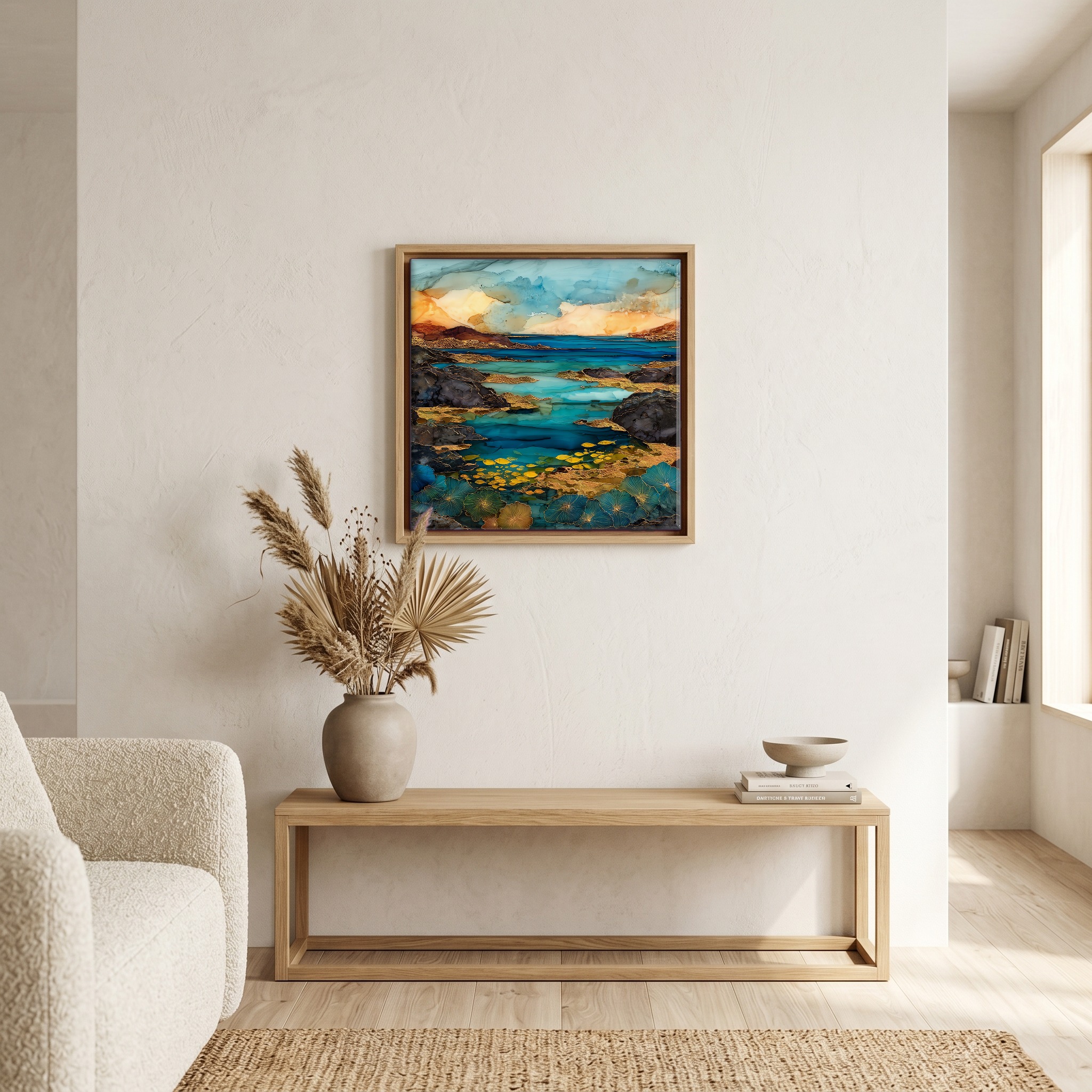
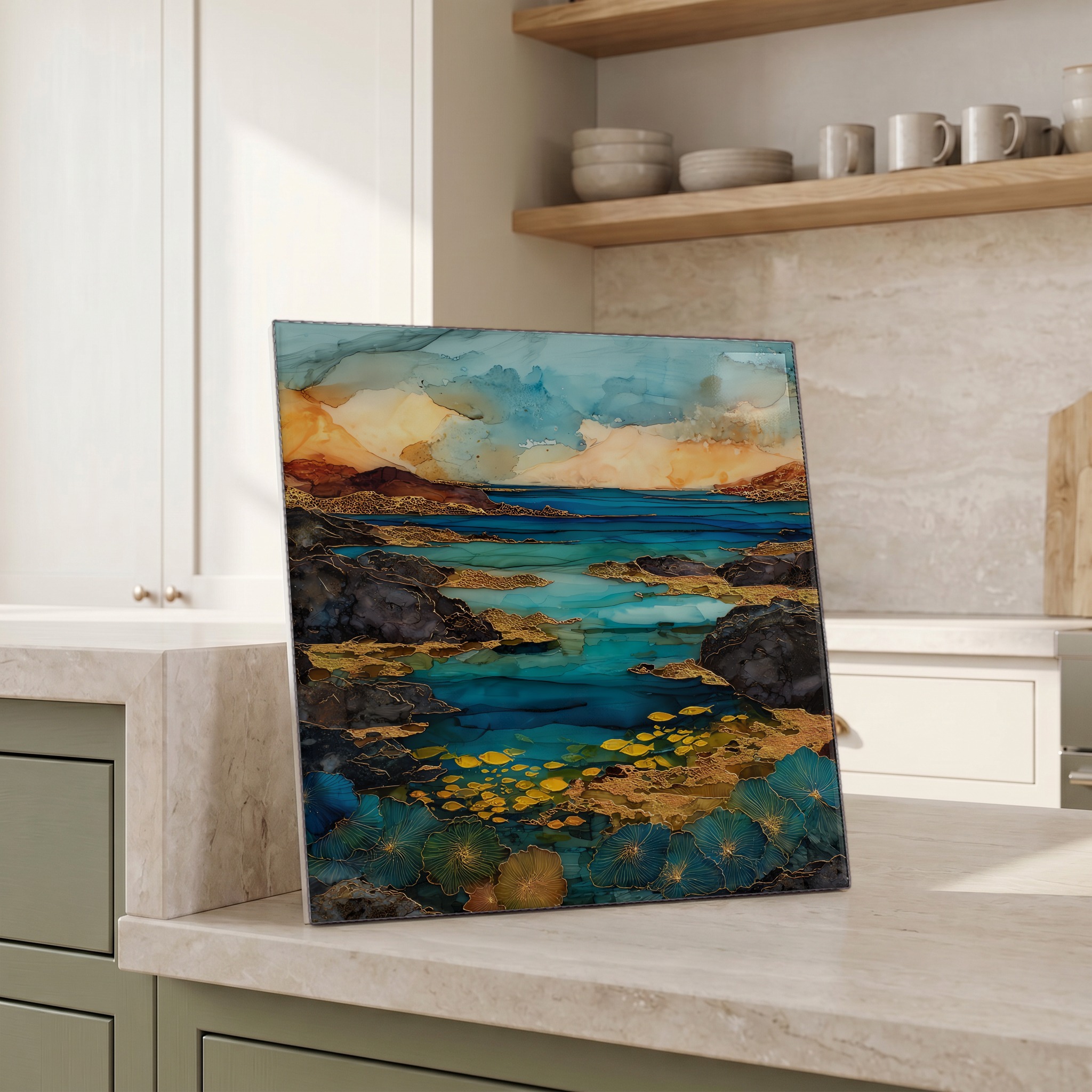
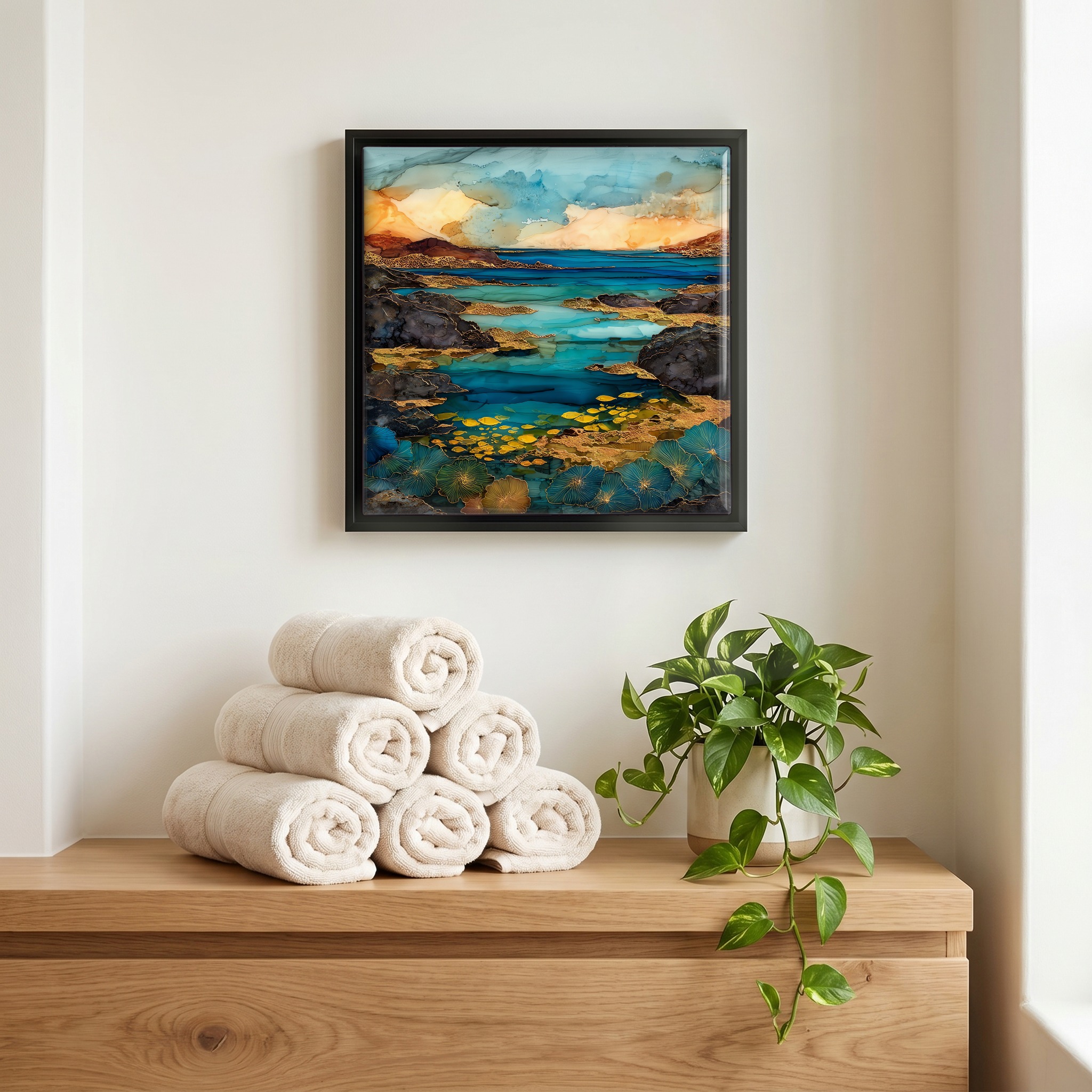
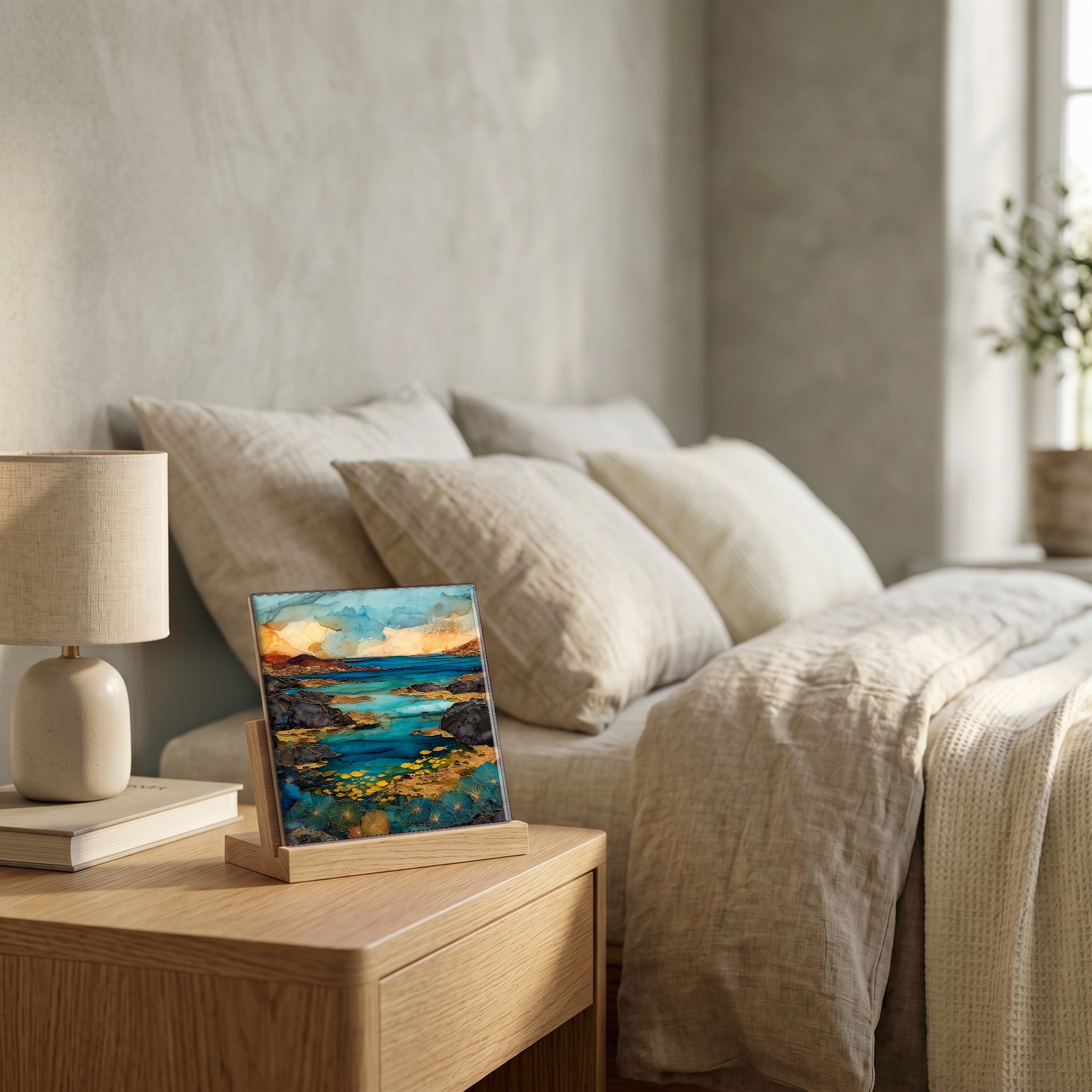
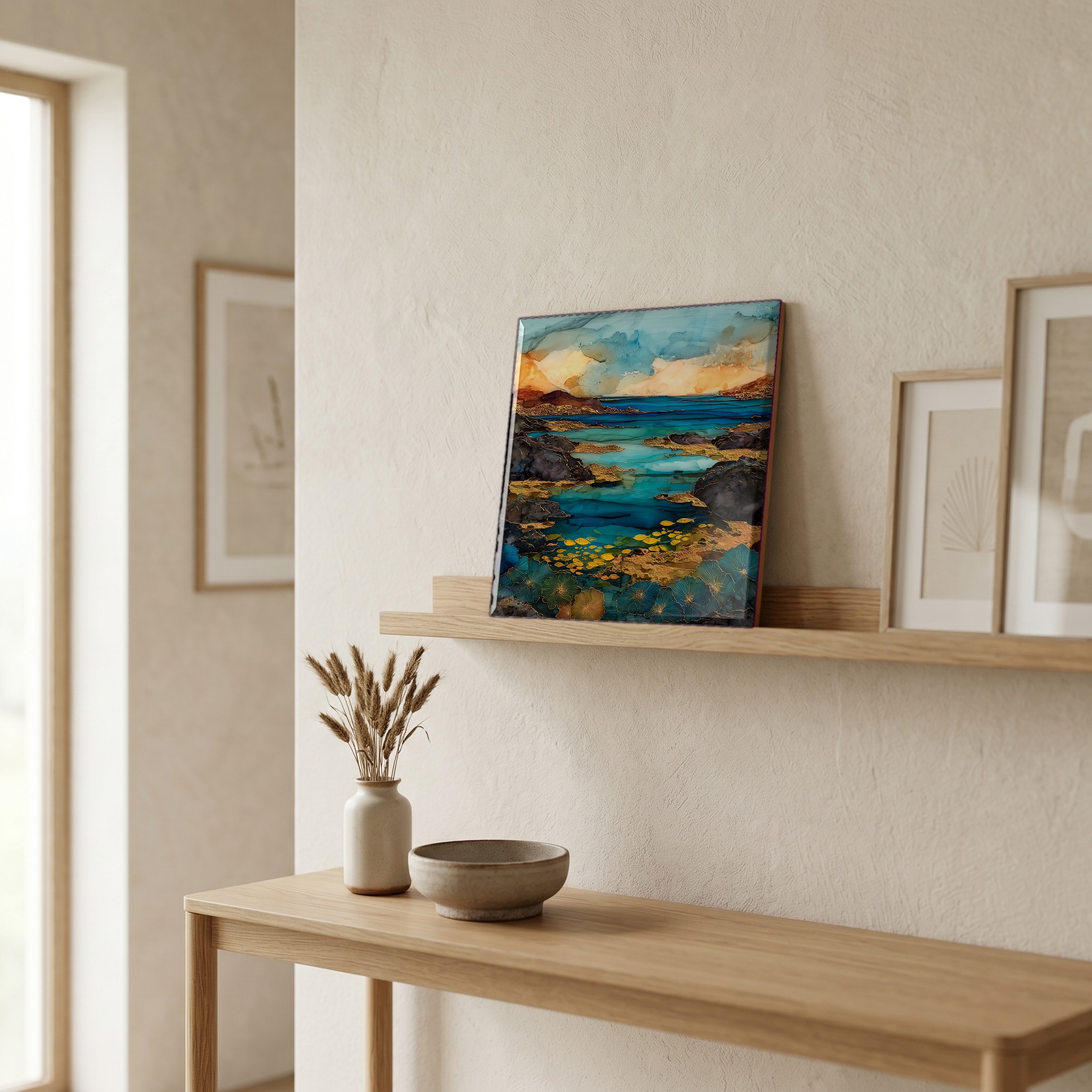
“The tide pools sat on the Puna coast of the Big Island, basalt cups full of coral and reef fish, sheltered behind an outer reef break. They were a protected marine conservation district from 2003 until June 2018, when the lower East Rift Zone of Kīlauea ran lava over Vacationland and Kapoho and into the bay. The pools are gone. The artwork is what the water looked like before. Yellow tangs, cauliflower coral, parrotfish, late-afternoon light coming sideways through the shallow lens of the Pacific. People still drive out to where the road ends in new black rock. Nobody stays long.
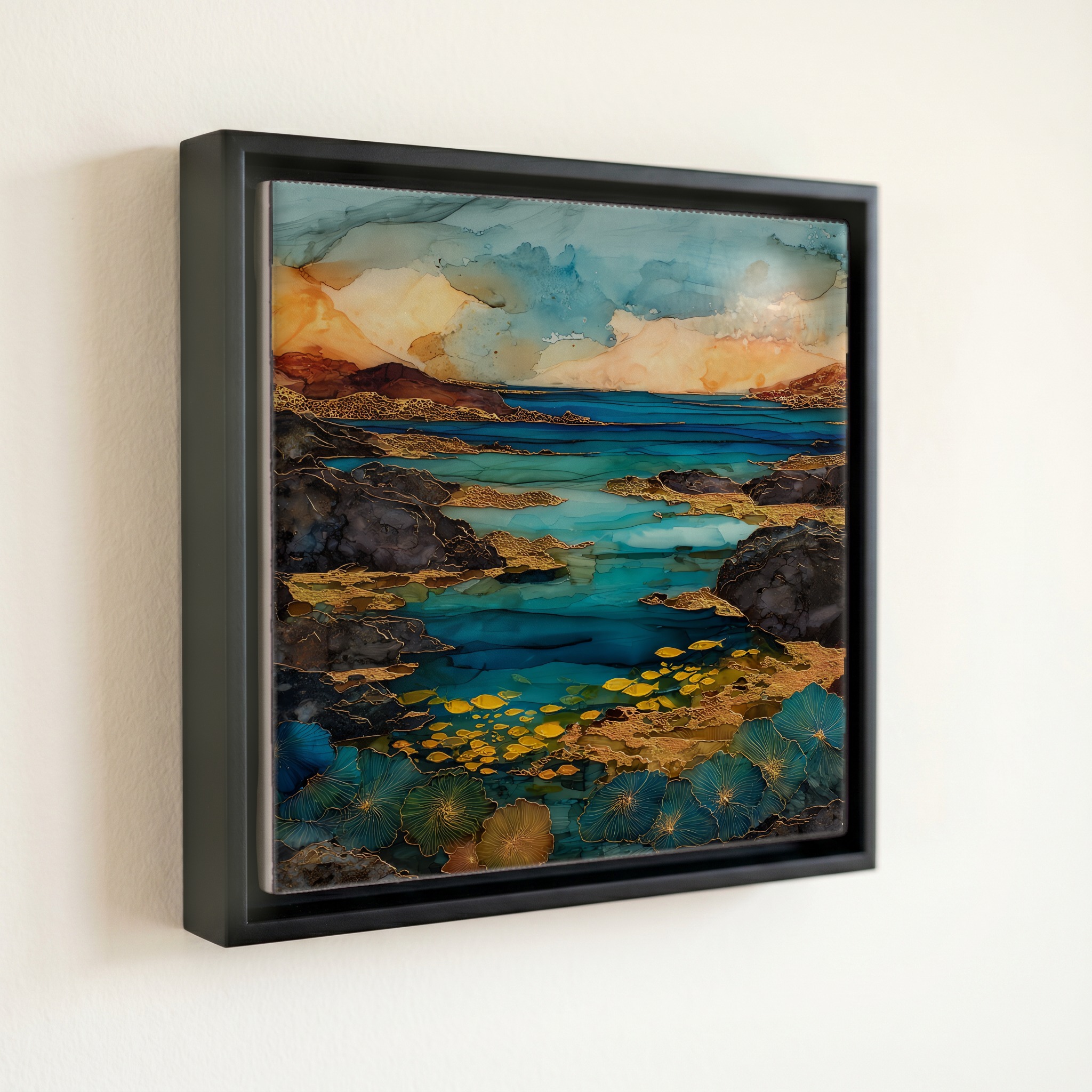
Waiopae Tide Pools Big Island Ceramic Art Tile, on ceramic.
Each tile is finished by hand in our Knoxville studio. Artwork is slowly infused into the ceramic surface under high heat and pressure, and rests beneath a thin glossy finish. The colour lives in the surface, not on top of it.
Pick any four 4-inch tiles — National Parks you've been to, a Smokies set, the four seasons of one place. $ for a set of , cork-backed, ready to live on the table.

Each tile ships in a kraft box, tied with cream ribbon, with a handwritten note from the studio if you'd like to add one.
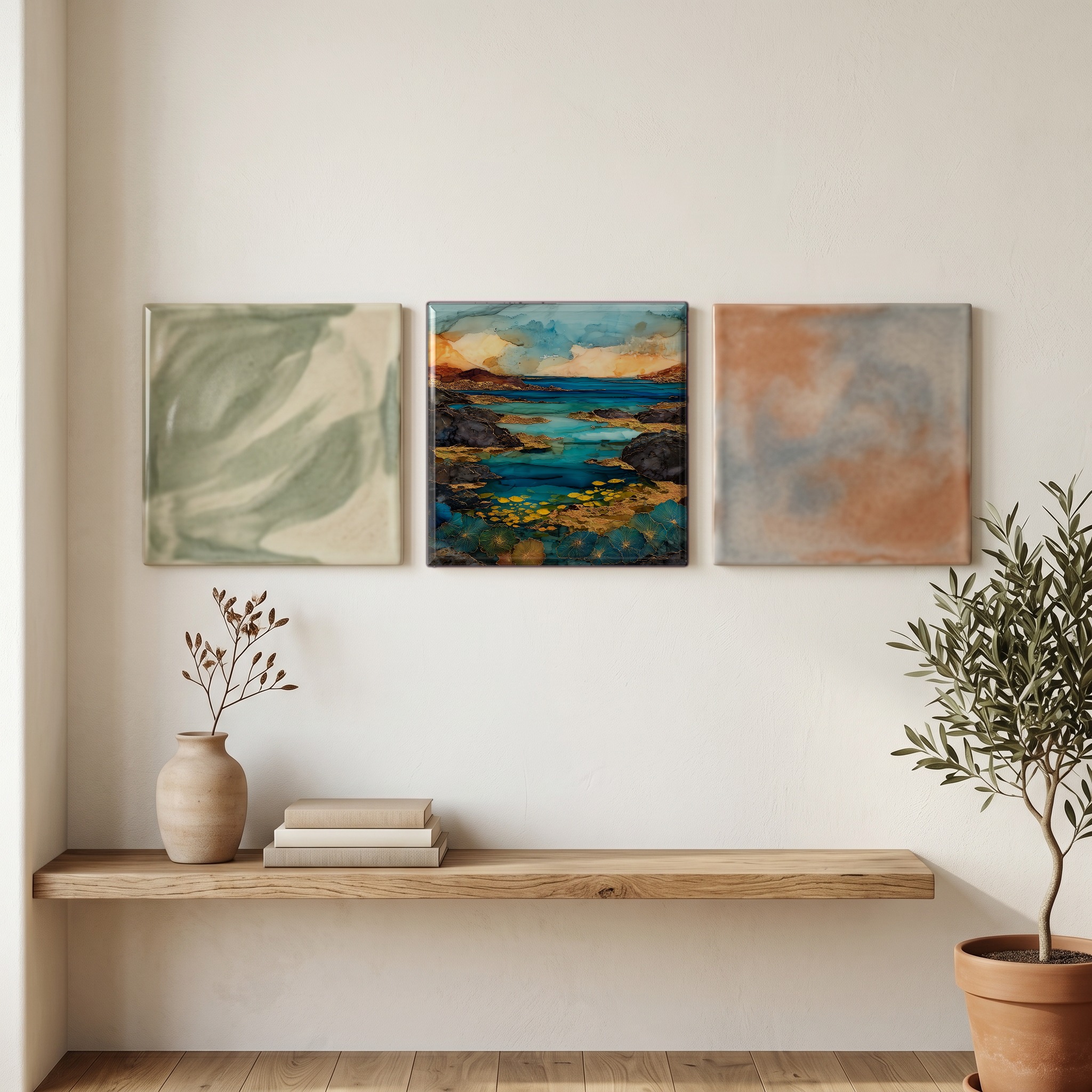
Three or five different vistas, hung together — a chapter of places you've been, or want to go.
The place, in three passes.
The pools sat on the easternmost point of Hawai'i Island, in the Puna District, about thirty miles south of Hilo by the coast road. They were part of the Wai'ōpae Tidepools Marine Life Conservation District, established in 2003 under the Hawai'i Department of Land and Natural Resources to protect the basalt-rimmed shallows around Kapoho Bay. The water held warm in every season and sat behind an outer reef break, which kept the inner pools clear and snorkellable in nearly any sea state. The road in passed through Vacationland and the lower Kapoho subdivision before ending at a shoreline parking pad. The site has been buried since June 2018.
The conservation district counted more than a hundred species of reef fish and over two dozen species of stony coral, including cauliflower coral (Pocillopora meandrina) and rice coral (Montipora capitata). Yellow tangs, saddle wrasses, manini, parrotfish, and the occasional small reef shark moved between pools that ranged from ankle-deep to chest-deep. Snorkellers floated still in the warm shallows while light came down through six inches of clear seawater. The pools were one of the most accessible coral environments in the state. No boat needed, no current to read.
On 3 May 2018, the lower East Rift Zone of Kīlauea opened twenty-four fissures through the Leilani Estates subdivision, four miles upslope of Kapoho. By the first week of June the flow had reached the coast, overrun Vacationland and the Kapoho subdivision, and filled Kapoho Bay with lava out to and past the outer reef. The Wai'ōpae tidepools were buried by 5 June 2018. The USGS Hawaiian Volcano Observatory recorded the eruption running until early September. The shoreline is now a black-rock plain. The marine conservation district remains officially designated. The habitat does not.