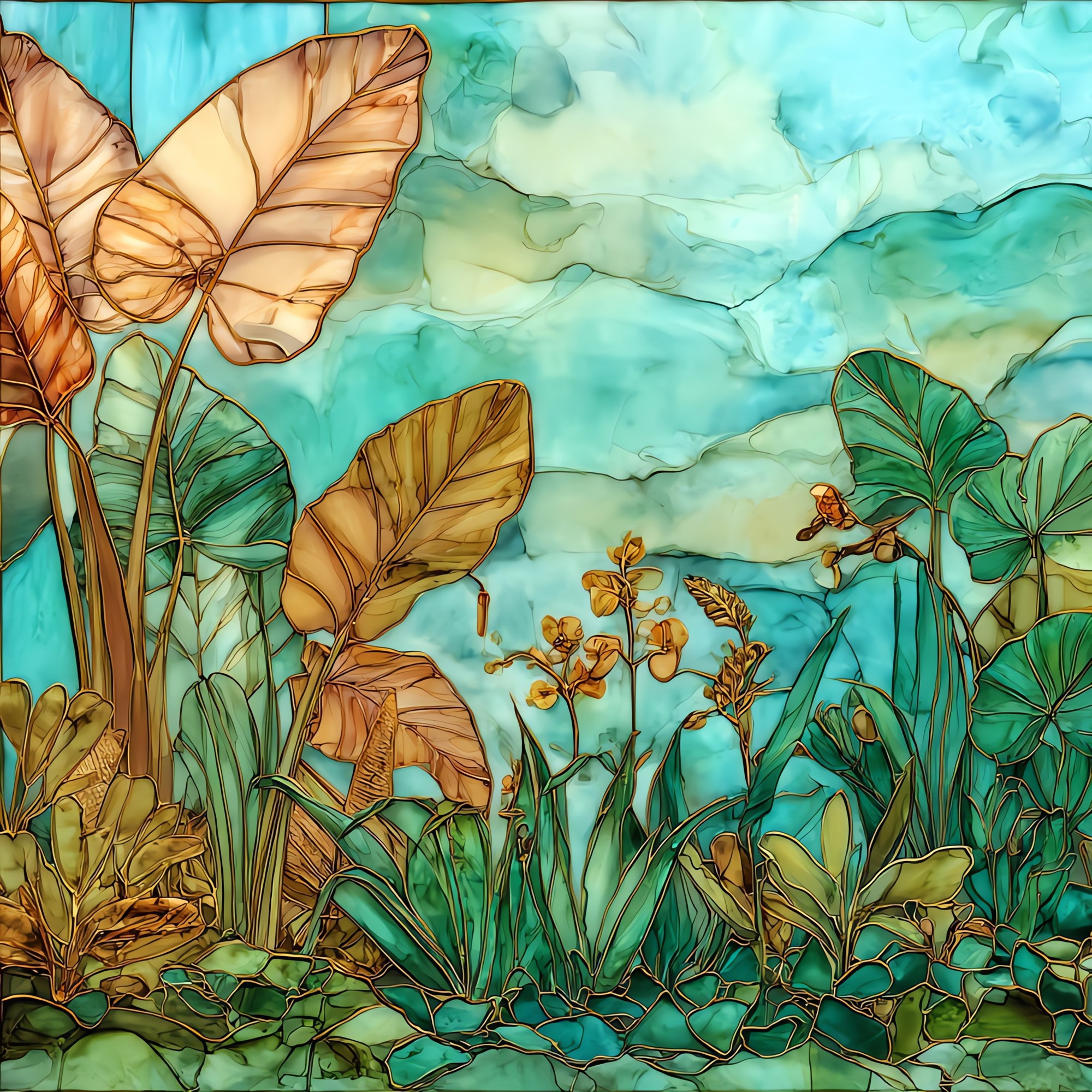
Wahiawa Botanical Oahu Ceramic Art Tile
— a green the island keeps in one ravine.
Not only on a wall.
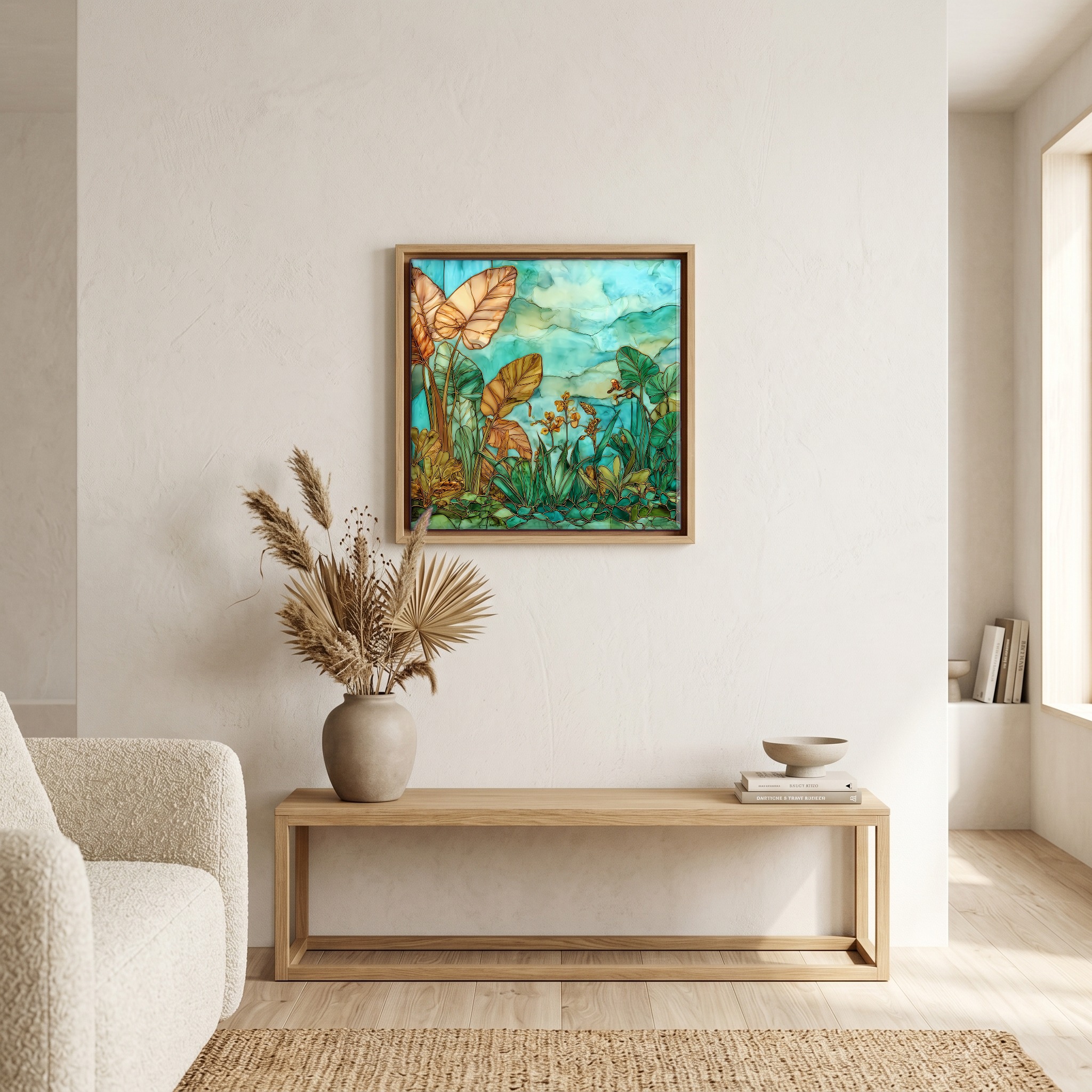
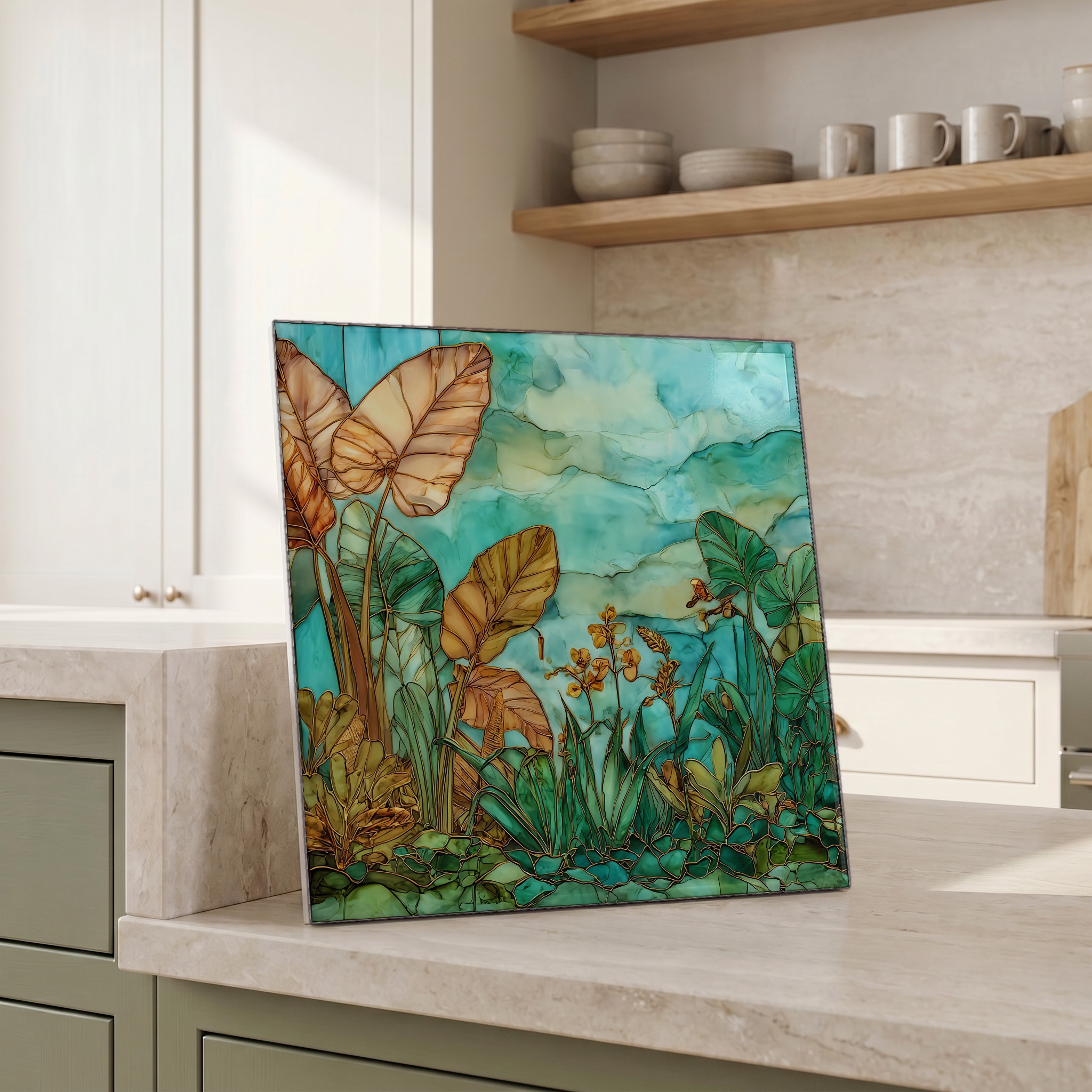
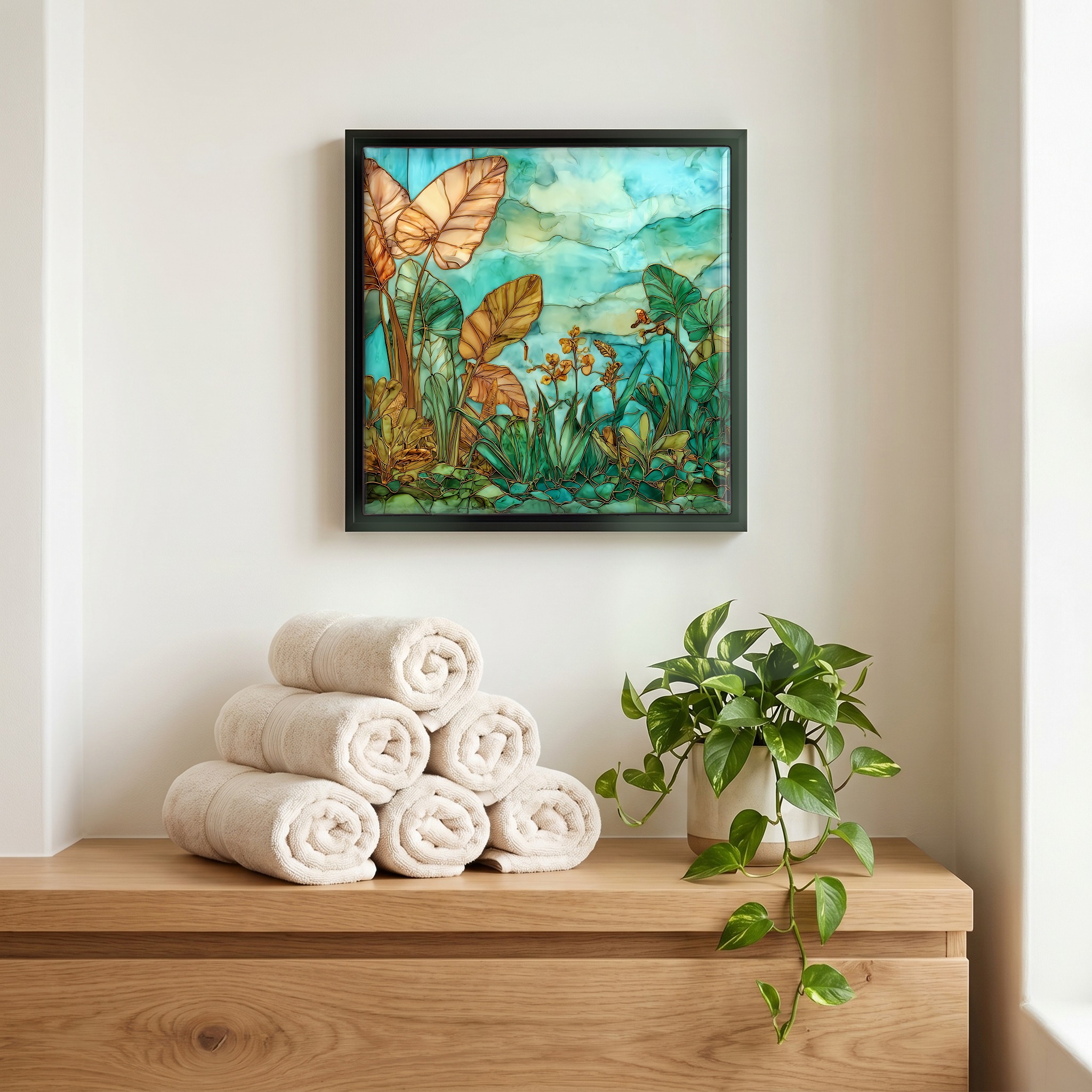
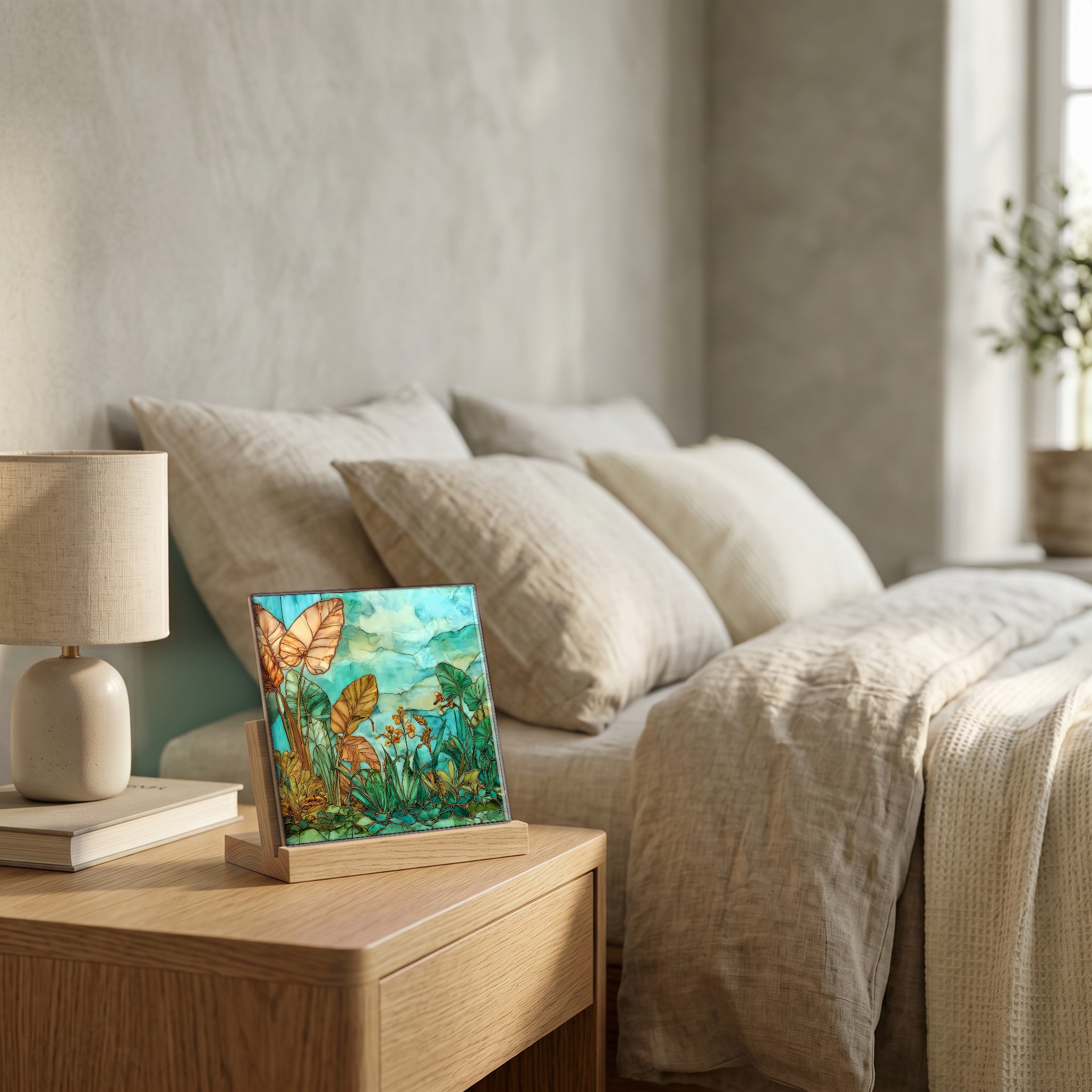
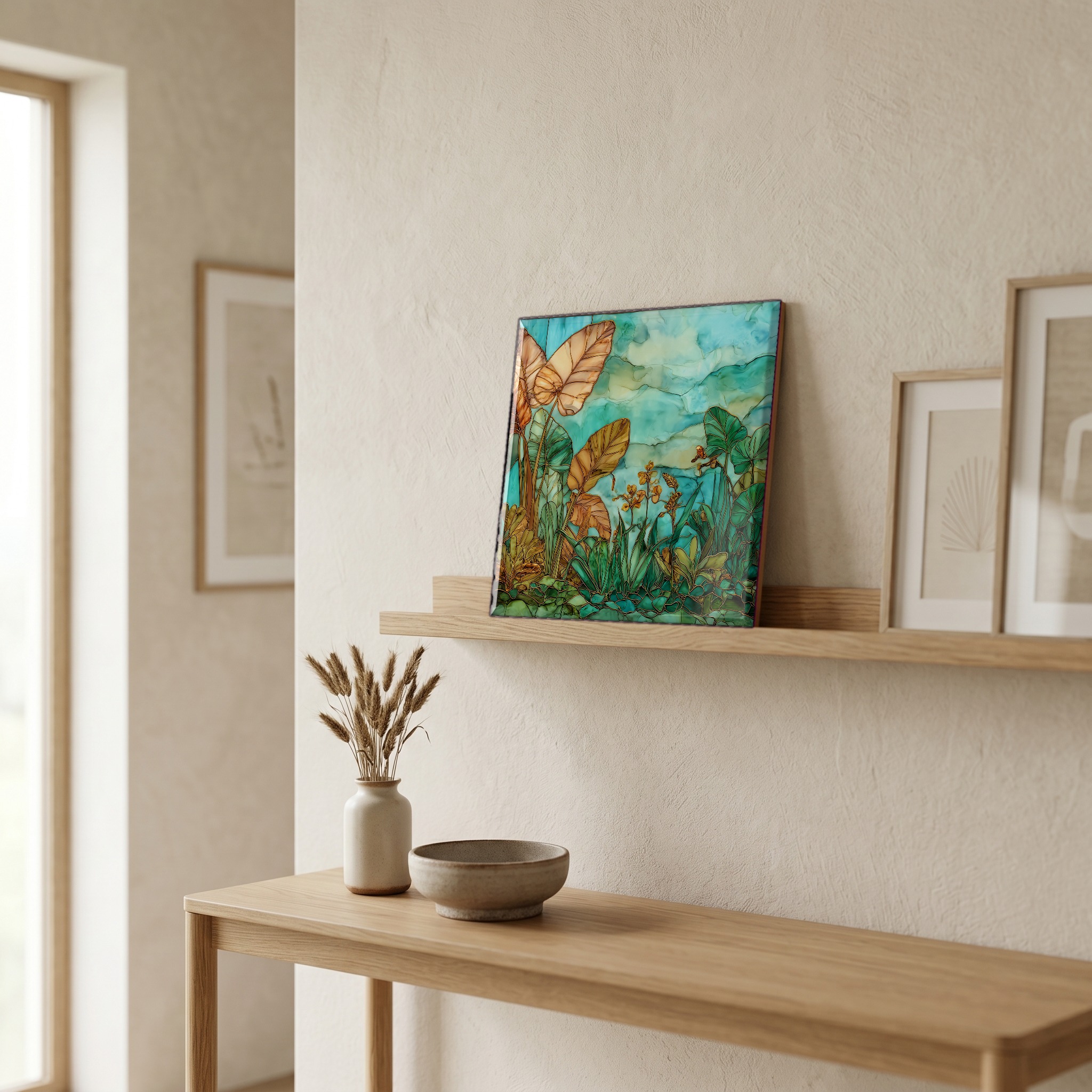
“A twenty-seven-acre ravine on the central plateau of O'ahu, where the air sits cooler and wetter than the rest of the island. Tree ferns the height of a second story. Blue ginger underfoot, koa and rainbow eucalyptus overhead. The Hawaiian Sugar Planters' Association planted the first trees here in the 1920s as an experiment; most of the canopy is theirs. Locals call it the tropical jewel. On a still afternoon the only sound is water moving through the gulch.
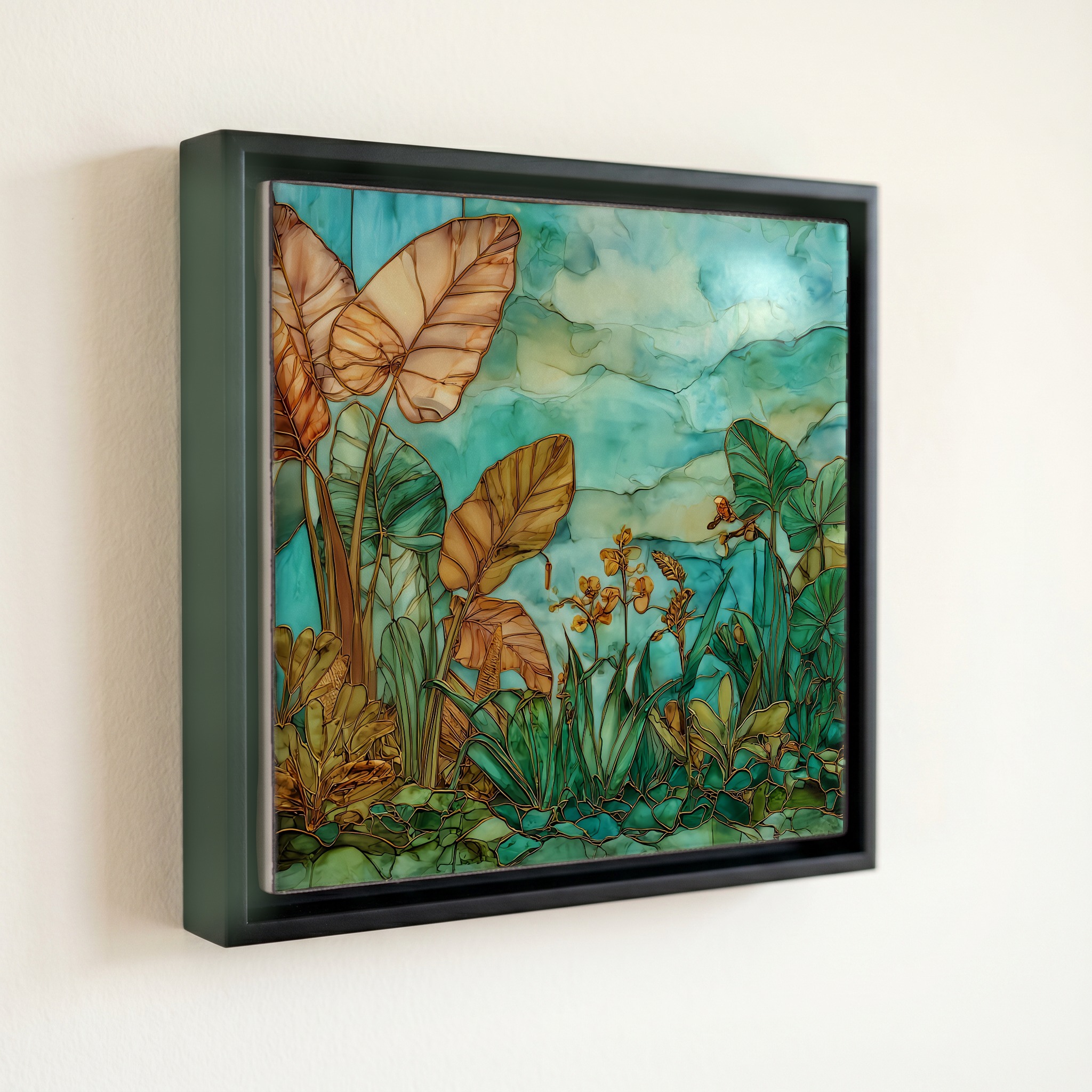
Wahiawa Botanical Oahu Ceramic Art Tile, on ceramic.
Each tile is finished by hand in our Knoxville studio. Artwork is slowly infused into the ceramic surface under high heat and pressure, and rests beneath a thin glossy finish. The colour lives in the surface, not on top of it.
Pick any four 4-inch tiles — National Parks you've been to, a Smokies set, the four seasons of one place. $ for a set of , cork-backed, ready to live on the table.
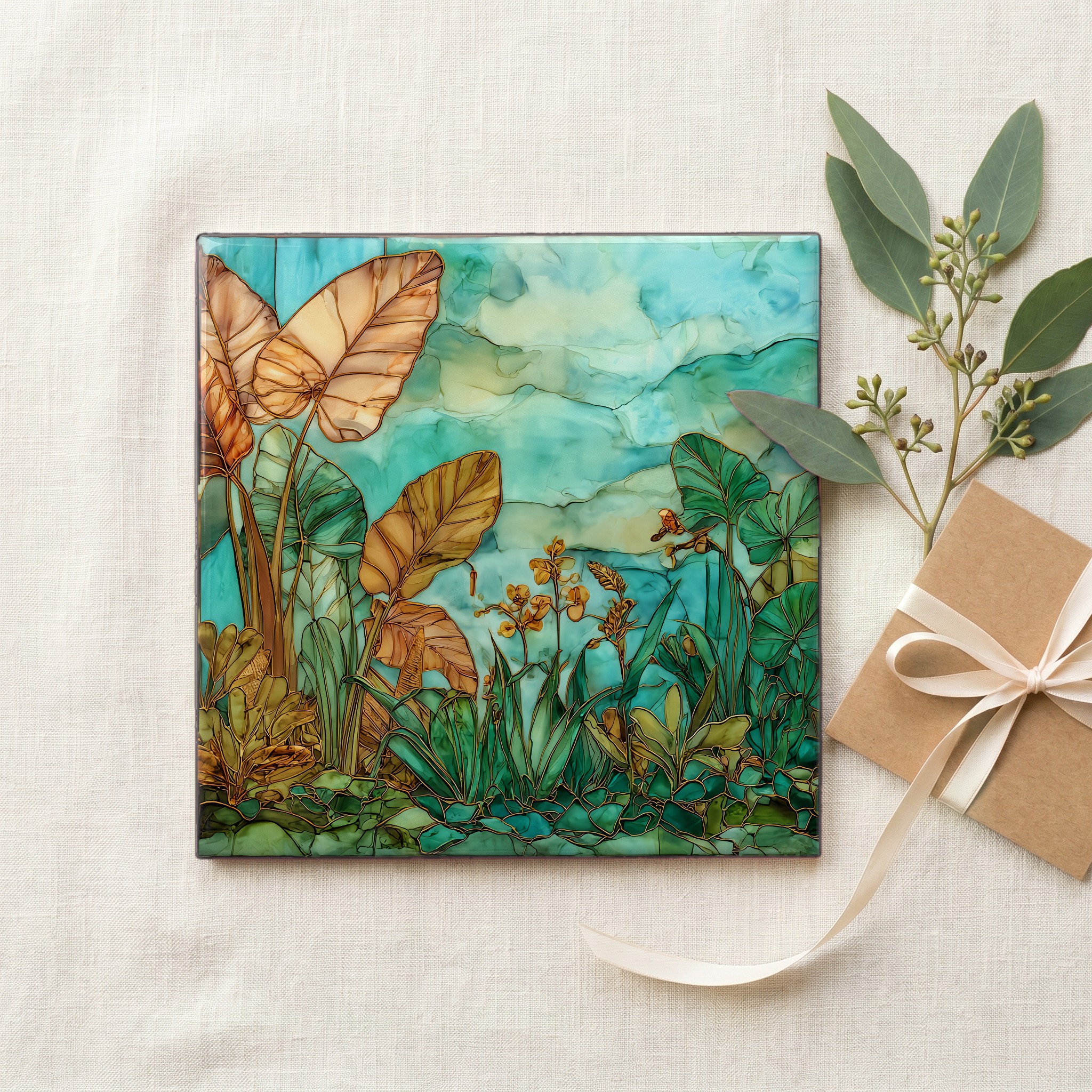
Each tile ships in a kraft box, tied with cream ribbon, with a handwritten note from the studio if you'd like to add one.
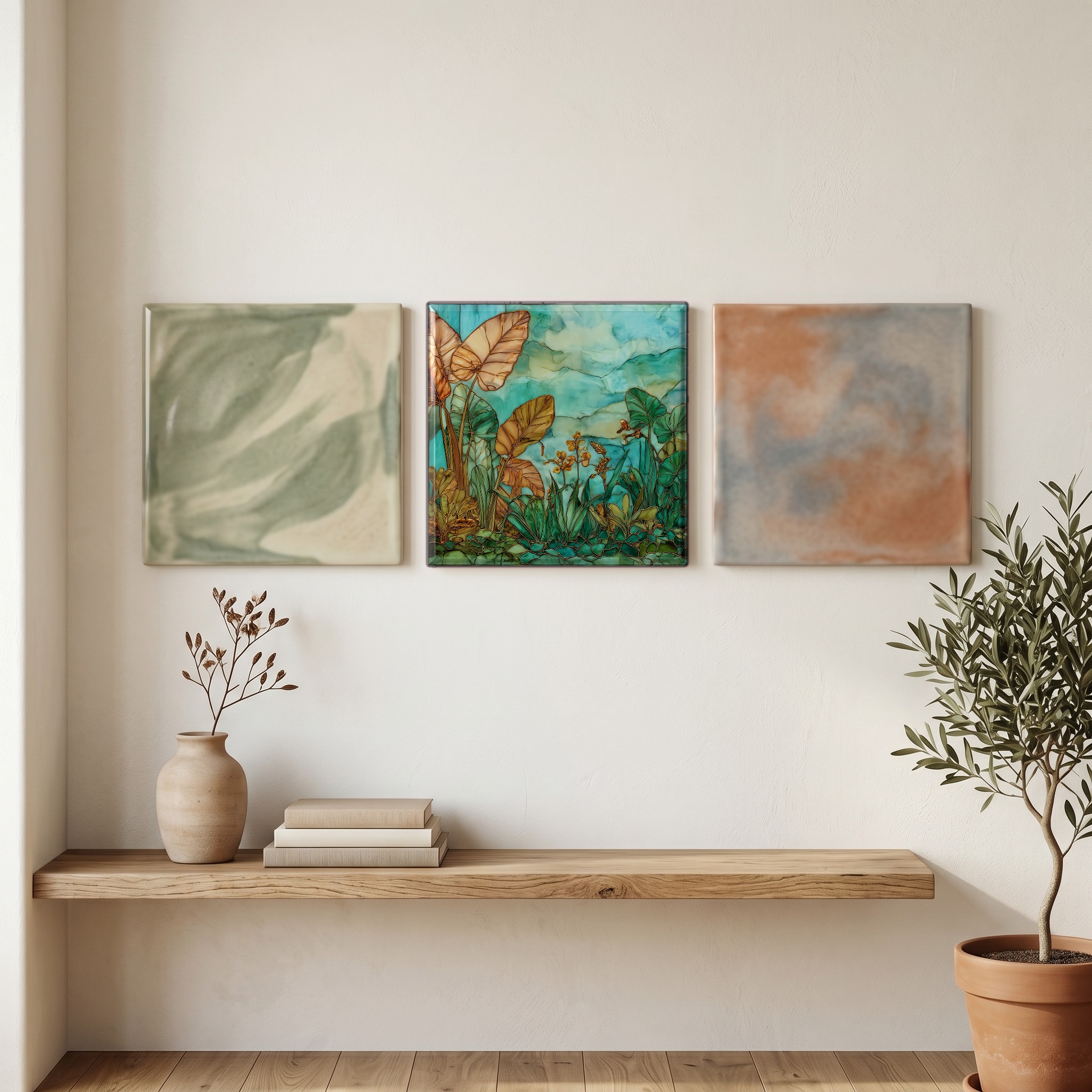
Three or five different vistas, hung together — a chapter of places you've been, or want to go.
The place, in three passes.
Wahiawā Botanical Garden sits on a 27-acre ravine in central O'ahu, between the Wai'anae and Ko'olau mountain ranges, at an elevation between 875 and 1,000 feet. The land was leased by the Hawaiian Sugar Planters' Association in the 1920s for experimental tree planting, transferred to the City and County of Honolulu in 1950, and opened as a public garden in 1957. It is one of five gardens in the Honolulu Botanical Gardens system. The collection emphasizes tropical species that prefer a cooler, wetter setting: tree ferns, ginger, native Hawaiian plants including koa, alongside rainbow eucalyptus and the candle tree.
The garden's microclimate is the reason it exists. At roughly 1,000 feet on the central plateau, the site catches about 65 inches of rain a year, far more than what falls on the leeward side near Honolulu. The air sits noticeably cooler. Cloud cover lingers along the gulch. The result is a humid, shaded environment where plants from the wet tropics of Southeast Asia, South America, and the upland Pacific grow without a greenhouse. Tree ferns reach two stories. The collection includes blue ginger, native koa, rainbow eucalyptus, elephant apple, and the shaving brush tree. Even the soundscape changes: the rest of O'ahu is wind, and here it is water.
The garden is open daily from 9 a.m. to 4 p.m., and admission is free. The entrance is at 1396 California Avenue in the town of Wahiawā, about 25 miles north of Honolulu by way of the H-2 highway. The land was first cleared and planted by the Hawaiian Sugar Planters' Association in the 1920s, and most of the largest trees in the garden date from that era. A short loop trail descends through the lower canopy and climbs back to the native plant collection near the entrance. The City and County of Honolulu manages the site under its Parks and Recreation Department. Wear shoes with grip; the path stays damp most of the year, especially in winter.