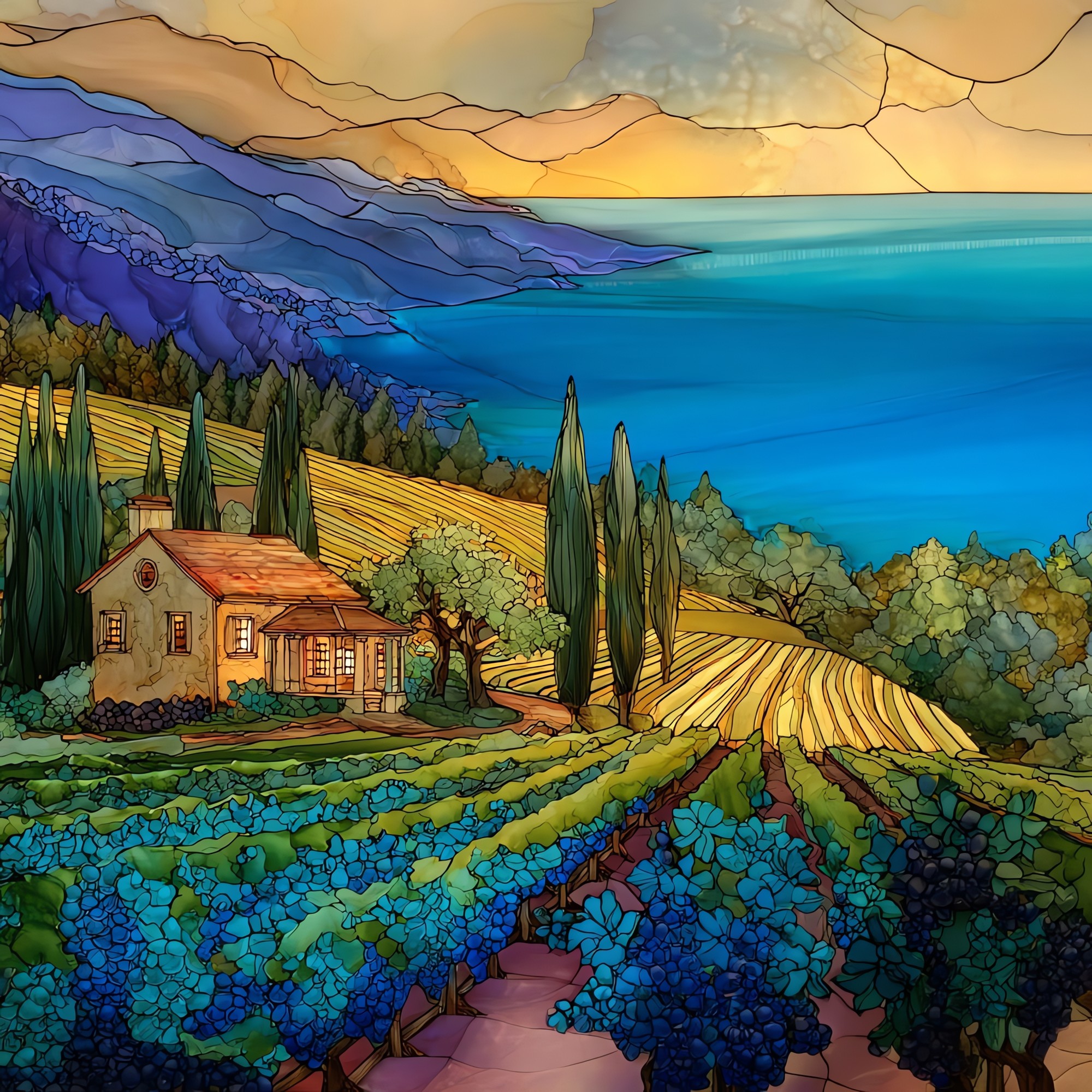
Ulupalakua Winery Maui Ceramic Art Tile
— pasture and pineapple, on the volcano's dry side.
Not only on a wall.
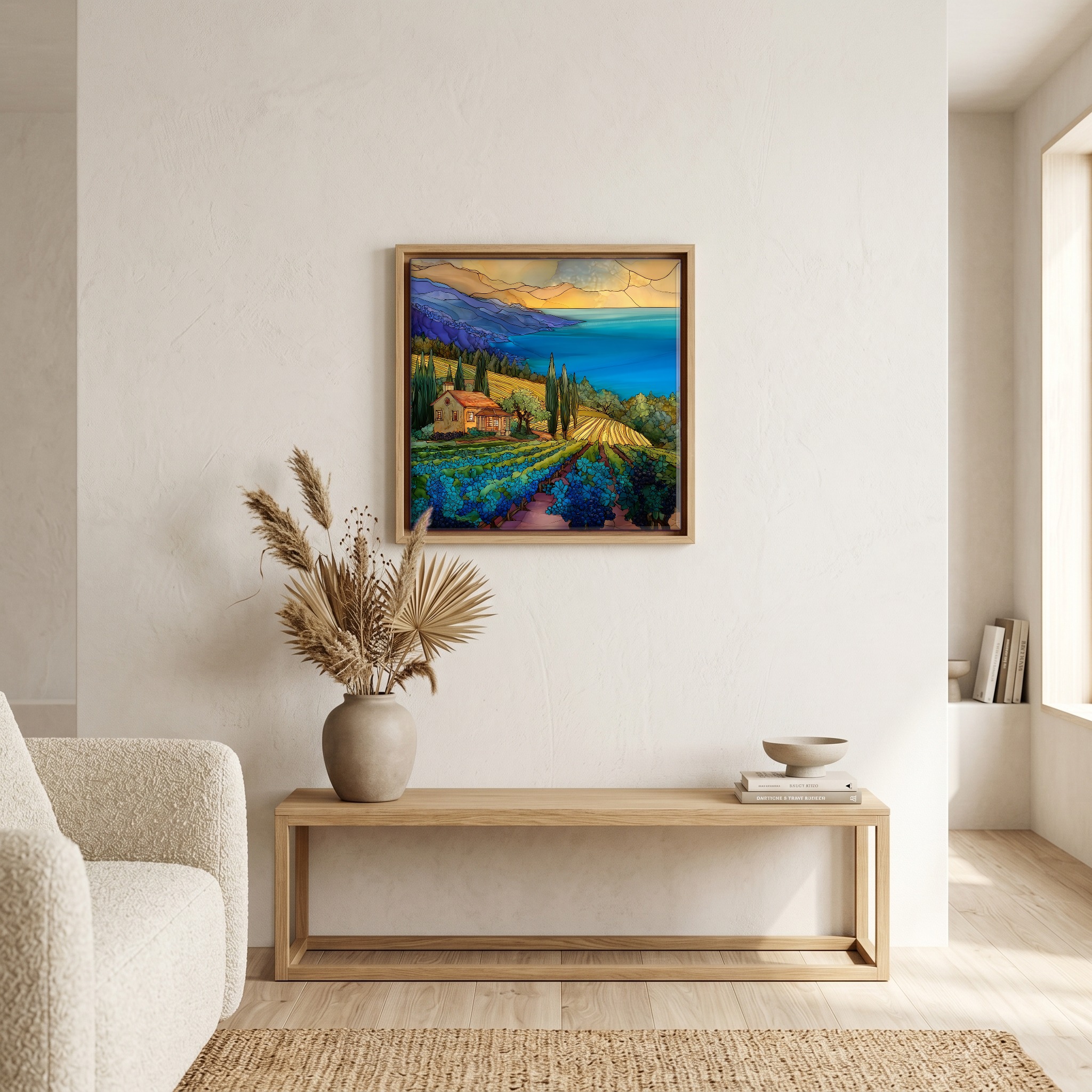
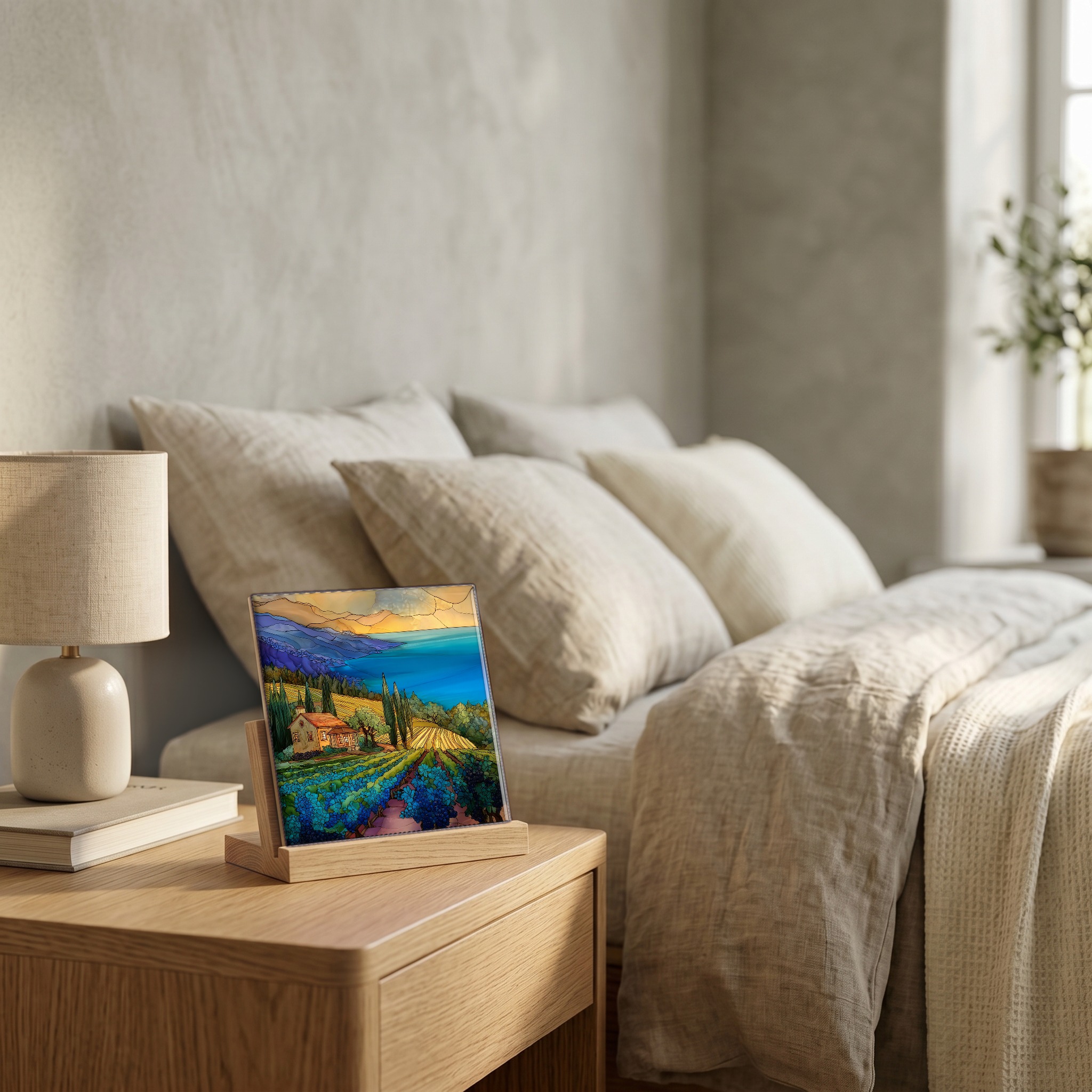
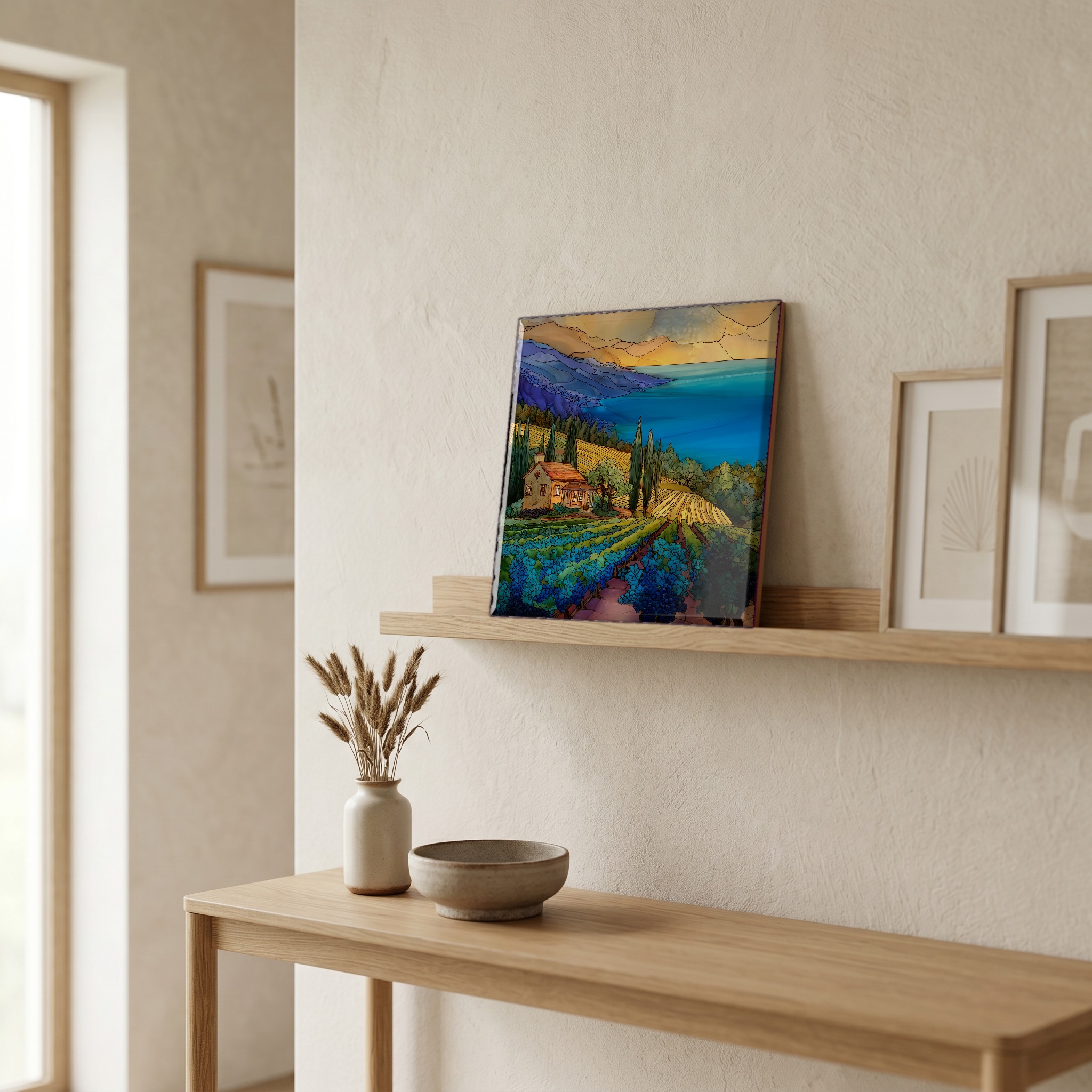
“The drive up from Kīhei climbs through ranchland that doesn't look like Hawaiʻi. Eucalyptus, jacaranda when it's in bloom, cattle in long grass, the ocean falling away below. The winery sits at about 1,800 feet on the old Ulupalakua Ranch, where they have raised cattle since the mid-1800s. The tasting room is in a small stone building from the late 1800s, on a working ranch that once welcomed King Kalākaua. They press grapes here, and also pineapples. The pineapple wine is the one most visitors remember. The road keeps going past the gate, around the back side of the volcano, where almost nobody drives.
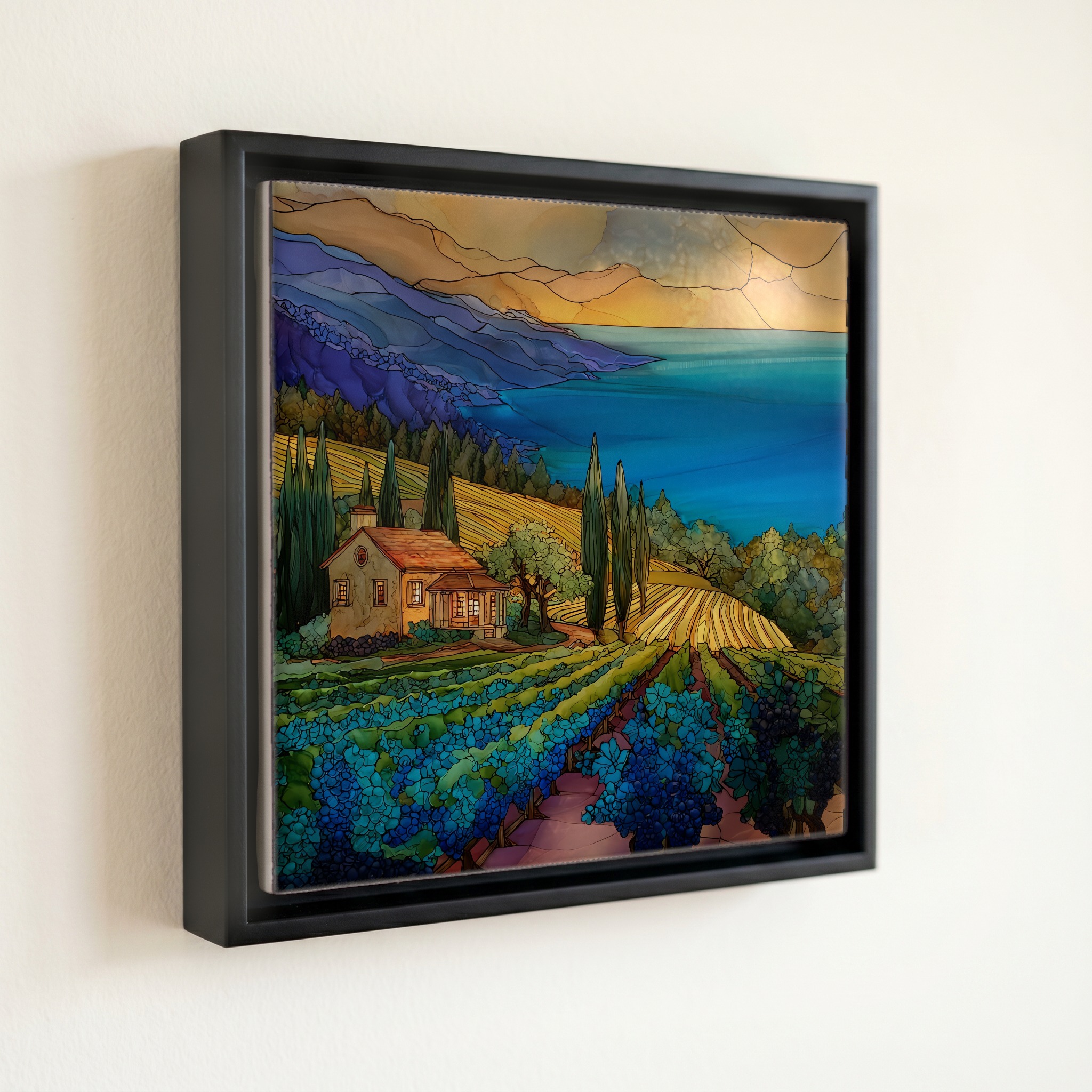
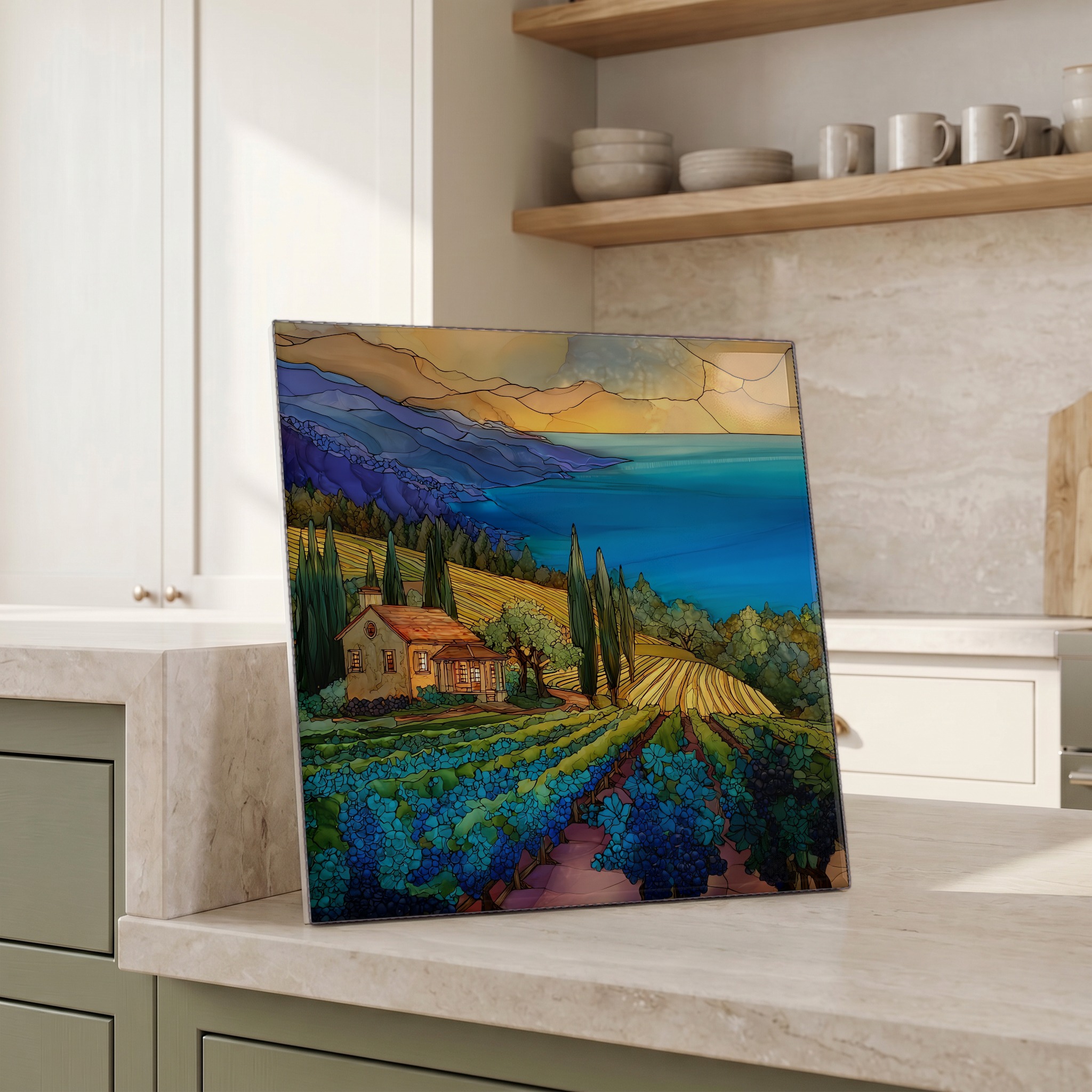
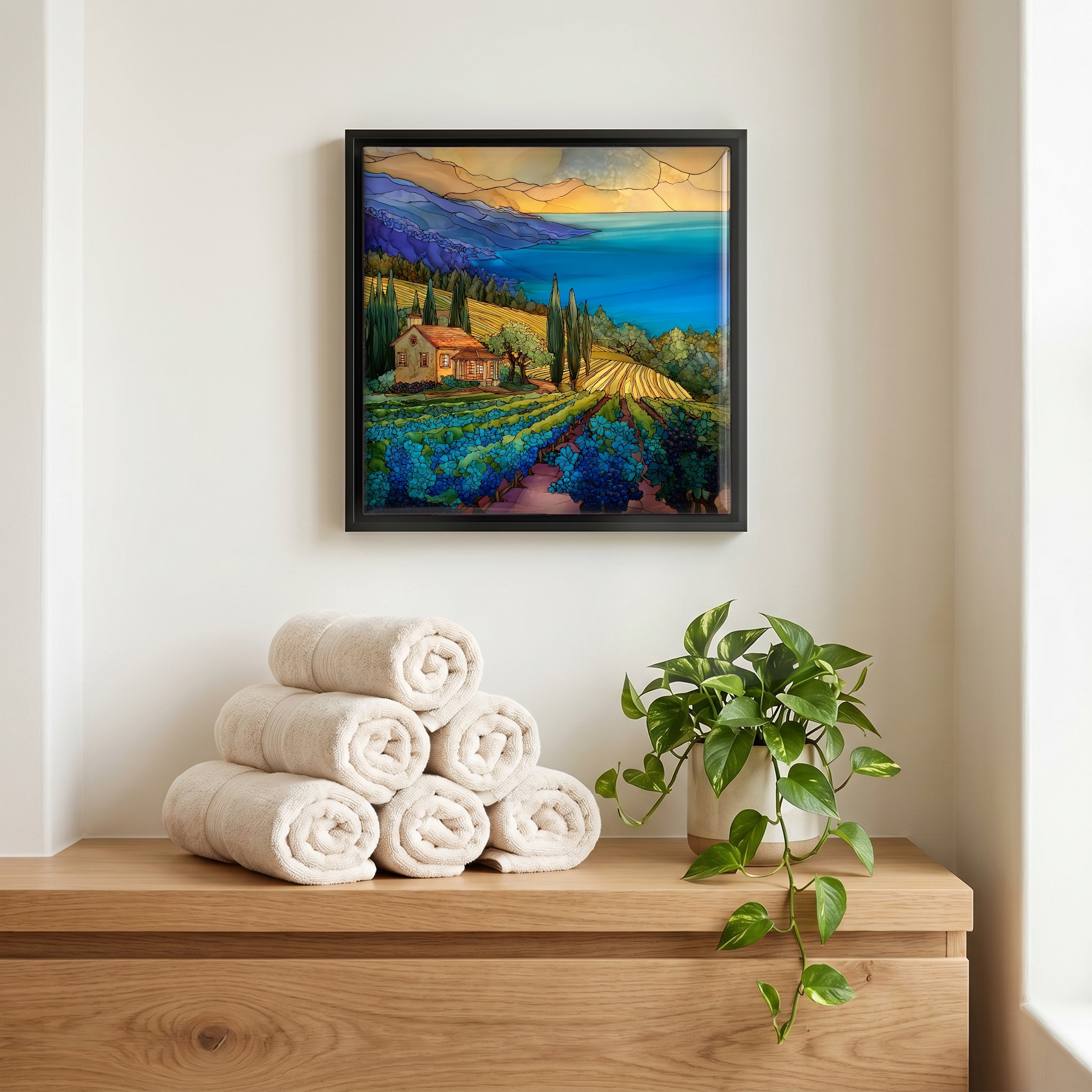
Ulupalakua Winery Maui Ceramic Art Tile, on ceramic.
Each tile is finished by hand in our Knoxville studio. Artwork is slowly infused into the ceramic surface under high heat and pressure, and rests beneath a thin glossy finish. The colour lives in the surface, not on top of it.
Pick any four 4-inch tiles — National Parks you've been to, a Smokies set, the four seasons of one place. $ for a set of , cork-backed, ready to live on the table.
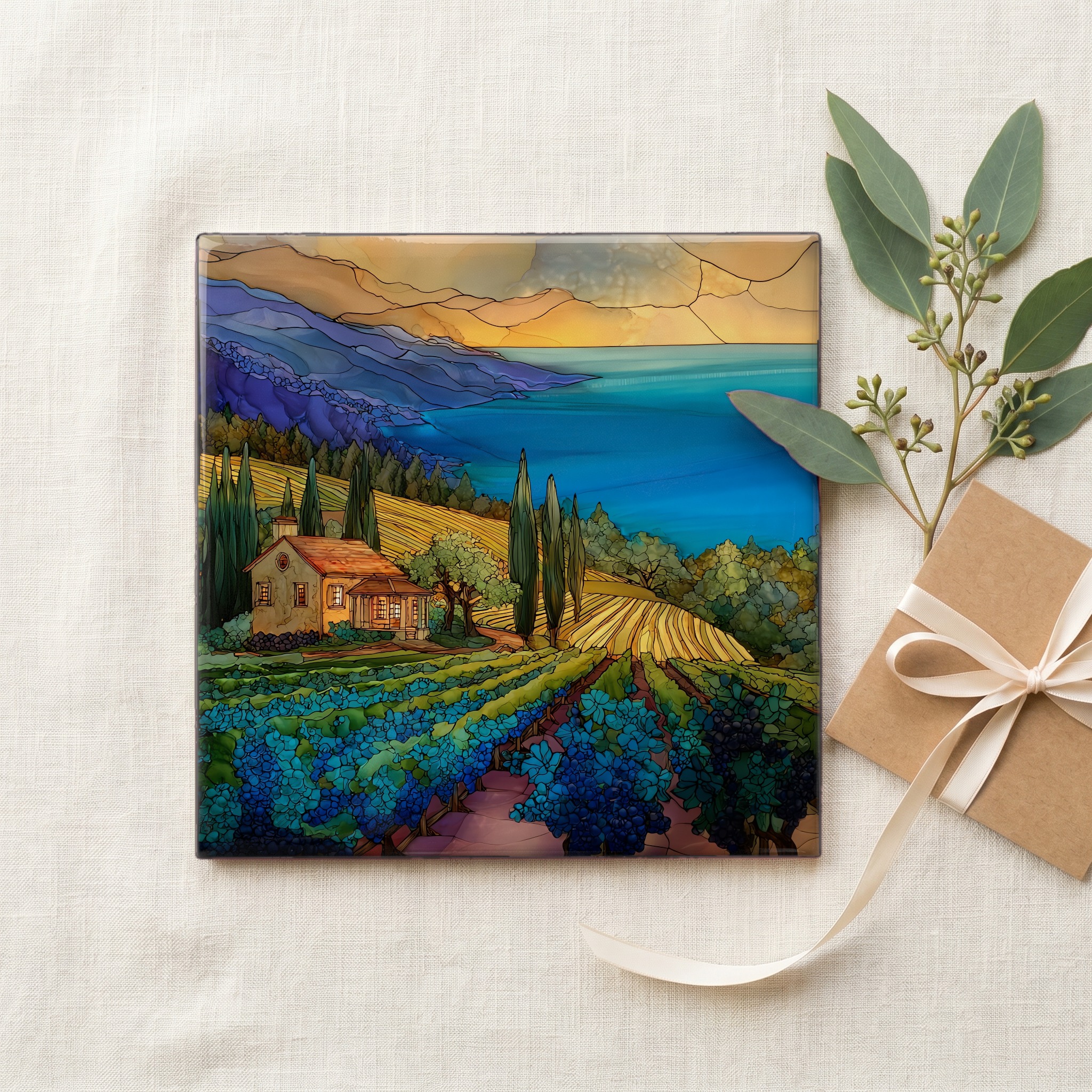
Each tile ships in a kraft box, tied with cream ribbon, with a handwritten note from the studio if you'd like to add one.
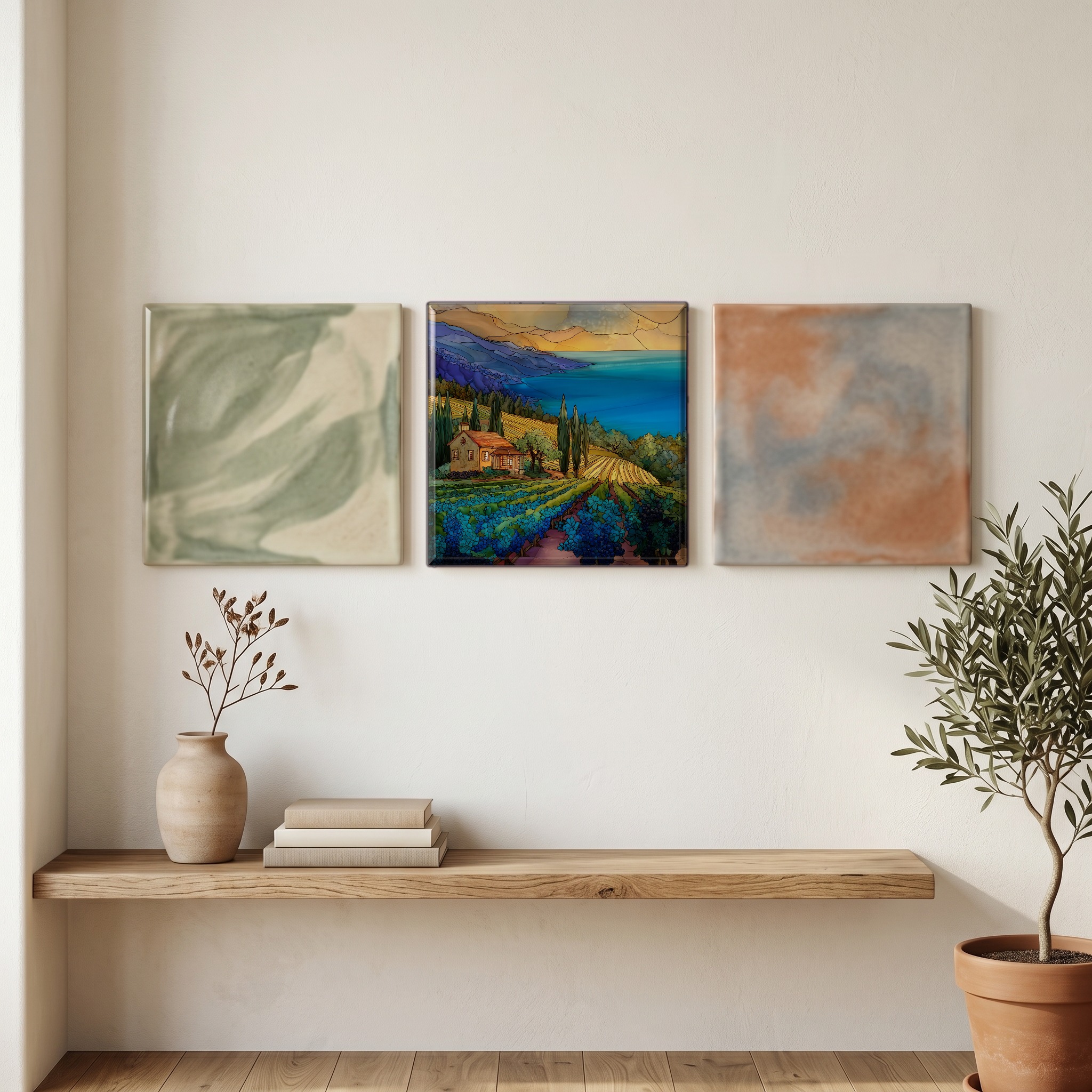
Three or five different vistas, hung together — a chapter of places you've been, or want to go.
The place, in three passes.
Ulupalakua Vineyards, today operating as MauiWine, sits on the leeward slope of Haleakalā, the 10,023-foot volcano that forms most of the island of Maui. The winery is part of Ulupalakua Ranch, a working cattle operation with origins in the mid-1800s, when Captain James Makee acquired the property and developed it as a sugar plantation. The vineyard itself was planted in 1974, when Napa-trained vintner Emil Tedeschi partnered with ranch owner Pardee Erdman. The ranch covers roughly 18,000 acres across the upcountry region, between the town of Kula and the south Maui coast. Visitors reach it on Highway 37 from upcountry, or the longer way on Piʻilani Highway from Kīhei. The tasting room sits at about 1,800 feet, with the volcano above and the islands of Lānaʻi, Kahoʻolawe, and Molokini visible below.
Upcountry Maui sits in a different climate from the rest of the island. The trade winds rise as they cross Haleakalā and lose their moisture, leaving the leeward slope dry, cool, and clean. At Ulupalakua the temperature often runs ten to fifteen degrees Fahrenheit below Lahaina or Kīhei, and the smell on the wind is eucalyptus, dry grass, and sometimes salt rising from the ocean a few miles below. Cattle graze the open pastures, jacaranda trees flower deep purple in the spring, and the silver leaves of the kukui catch the late light. The dryness is part of the reason wine grapes grow here at all. Most of Hawaiʻi is too wet. Ulupalakua's combination of altitude, leeward shadow, and well-drained volcanic soil makes it the only commercial vineyard on Maui.
The drive from Kahului airport climbs through Kula and the open ranchland of upcountry Maui, about an hour by car along Highway 37. The tasting room sits in a small stone building shaded by jacaranda and old camphor trees, with the volcano rising behind and the south coast falling away below. Paid flights include estate-grown grape wines, traditional sparkling wines, and the pineapple wines that have anchored the catalog since the late 1970s. Guided tours of the cellar and the history of the ranch run on a published schedule and are bookable through the winery website. Across Piʻilani Highway, the Ulupalakua Ranch Store serves grass-fed beef burgers raised on the surrounding pastureland.