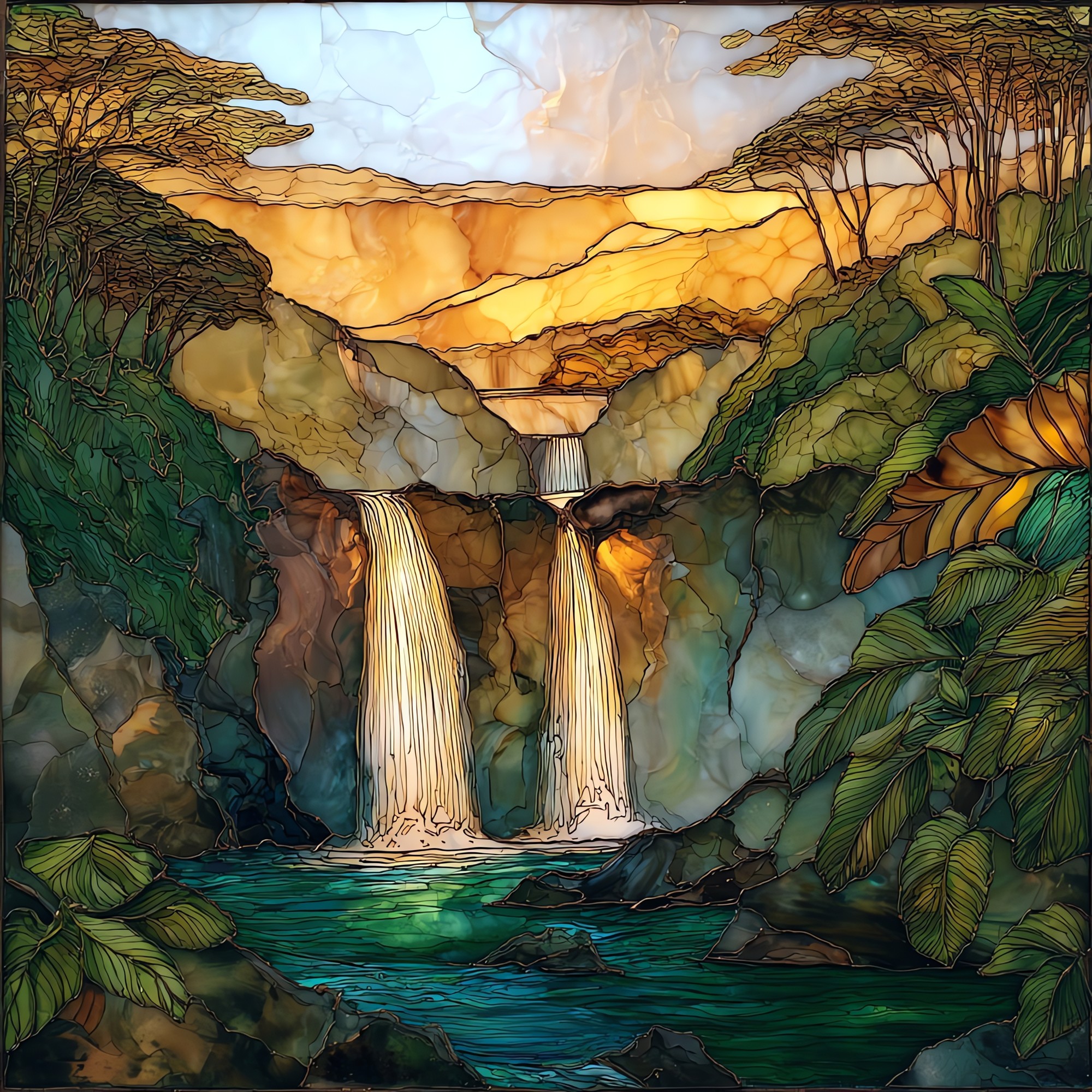
Three Bears Falls Maui Ceramic Art Tile
— — water coming down in three voices.
Not only on a wall.
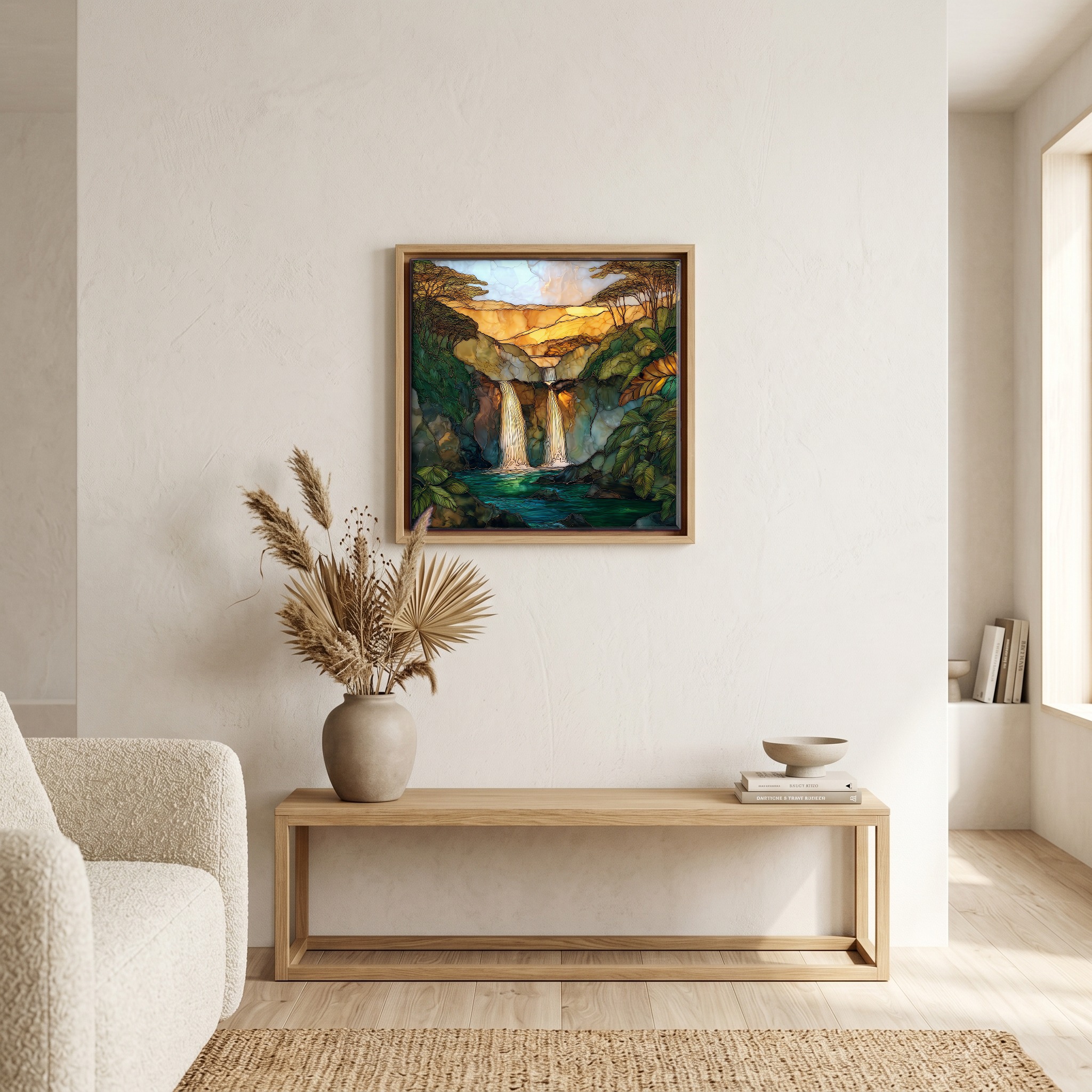


“Mile 19 on the Hāna Highway, between two one-lane bridges. Three cascades come down a single rock face into one pool. A big one, a middle one, a small one. The reason for the name. The road has six hundred curves and the cars that don't pull off here pass without seeing the falls. The ones that do hear the water before they see it. After heavy rain the smallest cascade disappears and the largest takes over the whole canyon.
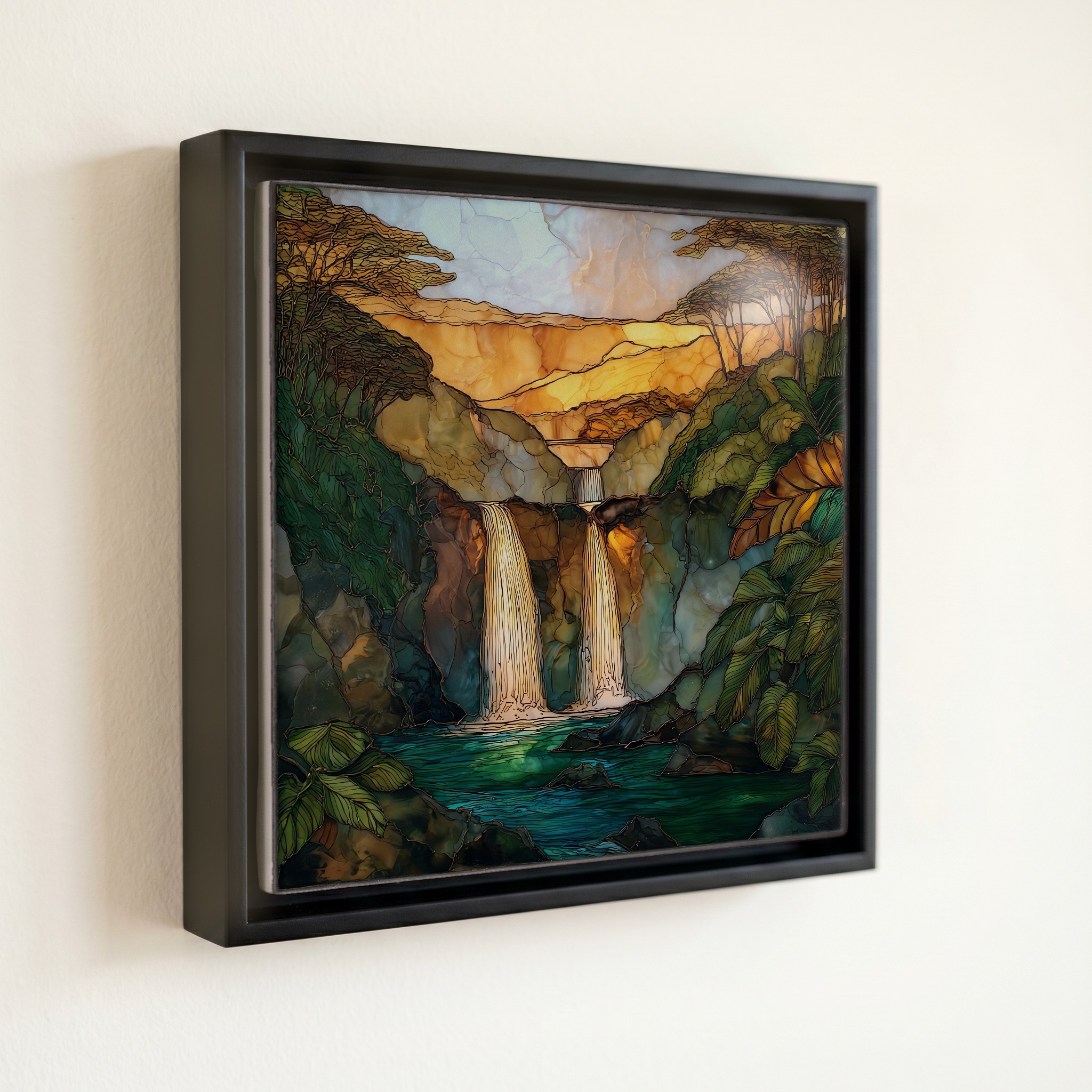
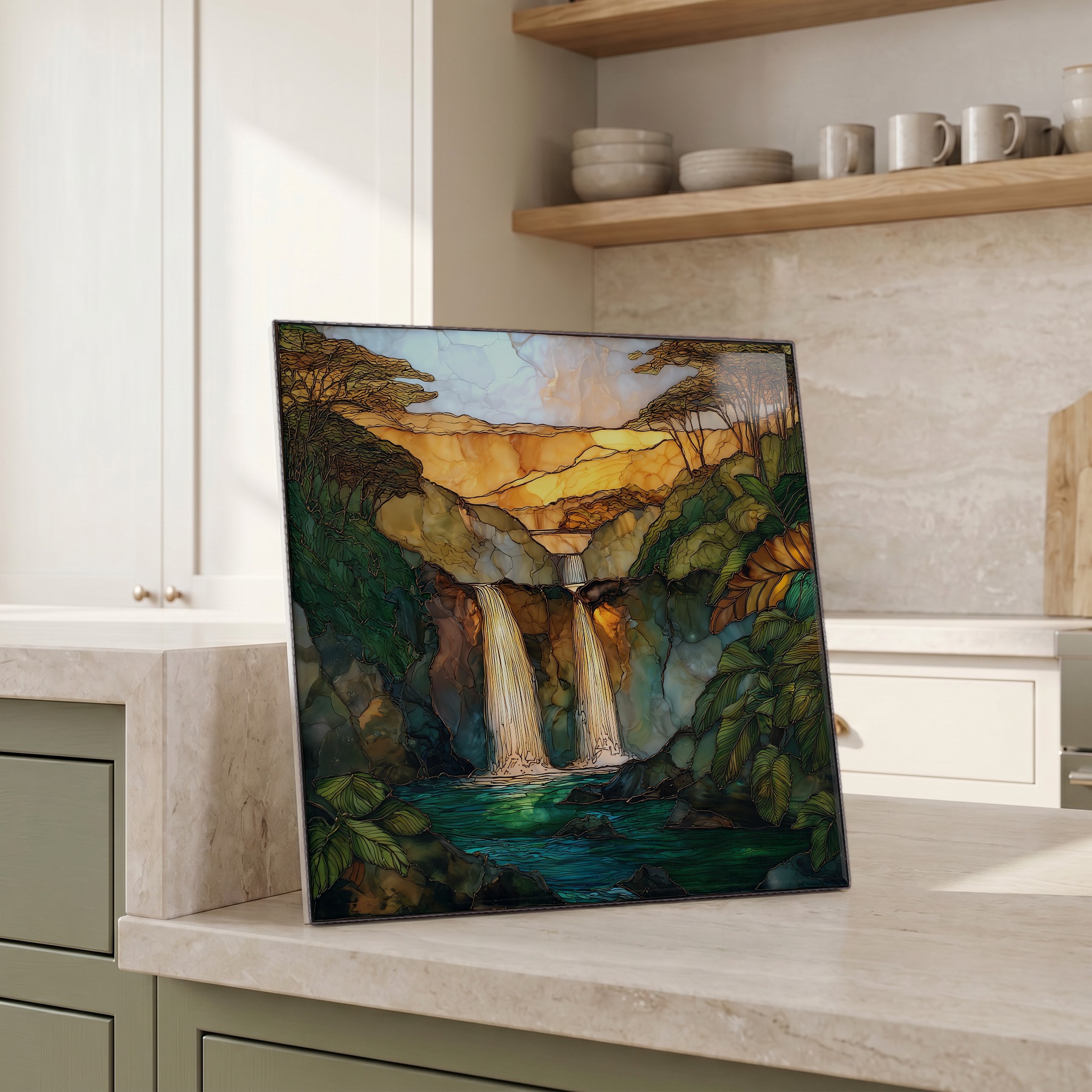
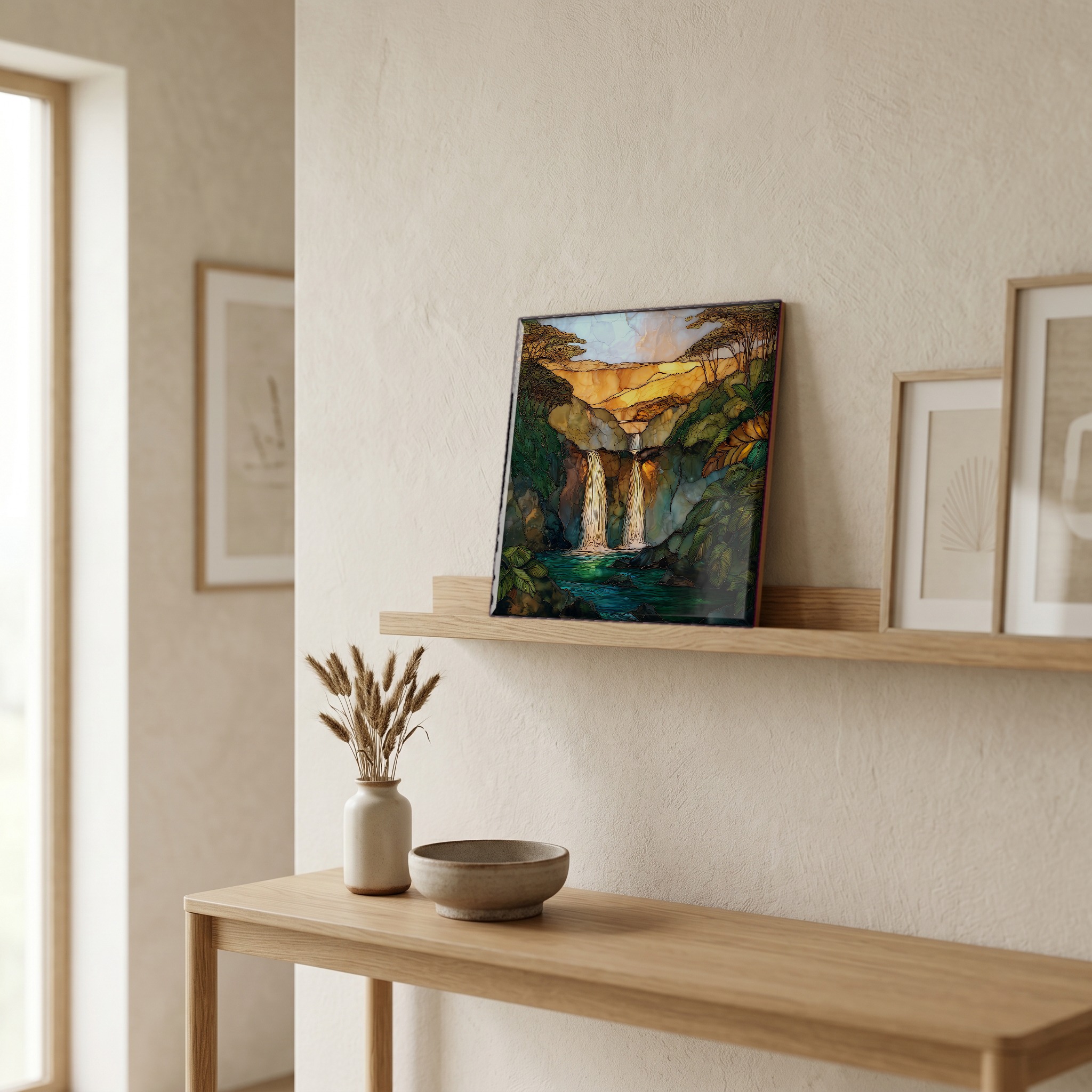
Three Bears Falls Maui Ceramic Art Tile, on ceramic.
Each tile is finished by hand in our Knoxville studio. Artwork is slowly infused into the ceramic surface under high heat and pressure, and rests beneath a thin glossy finish. The colour lives in the surface, not on top of it.
Pick any four 4-inch tiles — National Parks you've been to, a Smokies set, the four seasons of one place. $ for a set of , cork-backed, ready to live on the table.

Each tile ships in a kraft box, tied with cream ribbon, with a handwritten note from the studio if you'd like to add one.

Three or five different vistas, hung together — a chapter of places you've been, or want to go.
The place, in three passes.
Three Bears Falls, formally Upper Waikani Falls, drops in three side-by-side cascades down a basalt face into a single plunge pool on the Waikani Stream. The pull-off sits at roughly mile marker 19 of the Hāna Highway (State Route 360), the slow road that wraps the north and east shores of Maui through more than six hundred curves and nearly sixty one-lane bridges. The falls lie in the East Maui rainforest, on the windward side of Haleakalā, where trade winds drop more than three hundred inches of rain a year on the upper slopes. The Hāna Highway corridor is administered by the Hawaii State Department of Transportation.
The three cascades are unequal, which is how the falls got the Goldilocks nickname. A large one on the left, a narrower one in the middle, the smallest on the right, joining in a single pool at the base. Volume tracks rainfall. The Waikani Stream draws from the windward flanks of Haleakalā, the 10,023-foot shield volcano that fills East Maui. A single heavy night can swell the falls into one continuous sheet, and a dry stretch can shrink the smallest cascade to a thread. The water runs brown after storms with sediment from the volcanic slopes, and clear in the calmer weeks between.
The Hāna Highway is open in every season, but the falls behave seasonally. November through March is the windward wet season; the Hāna side of Maui receives the bulk of its rain, and the cascades run hardest. June through August is drier; the smallest of the three thins out and the road is busier with summer traffic. Flash flooding can close sections of the highway after heavy rain, and the National Weather Service office in Honolulu issues warnings for East Maui that travelers should check the morning of a drive.