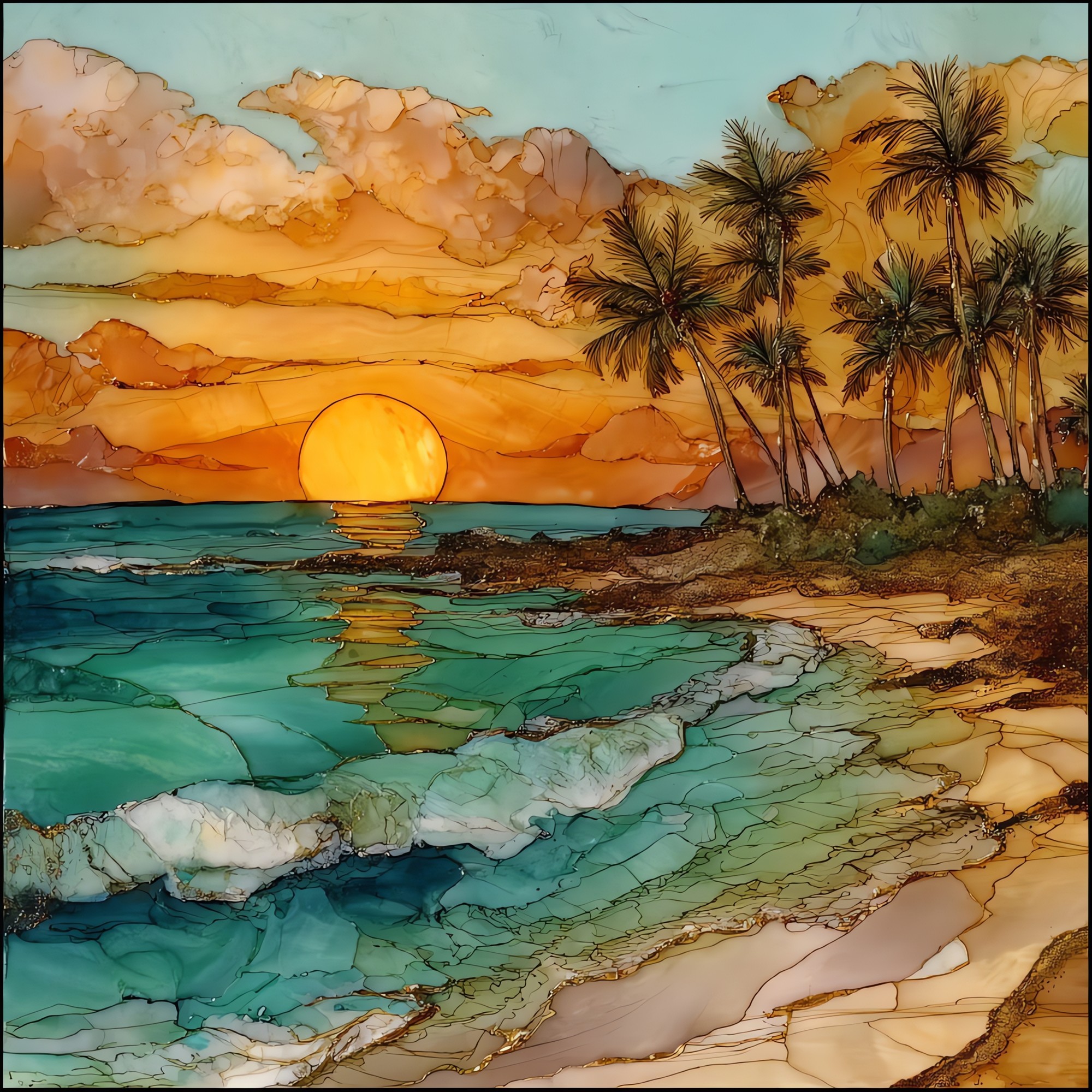
Sunset Beach Oahu Ceramic Art Tile
— the colour the Pacific saves for last.
Not only on a wall.
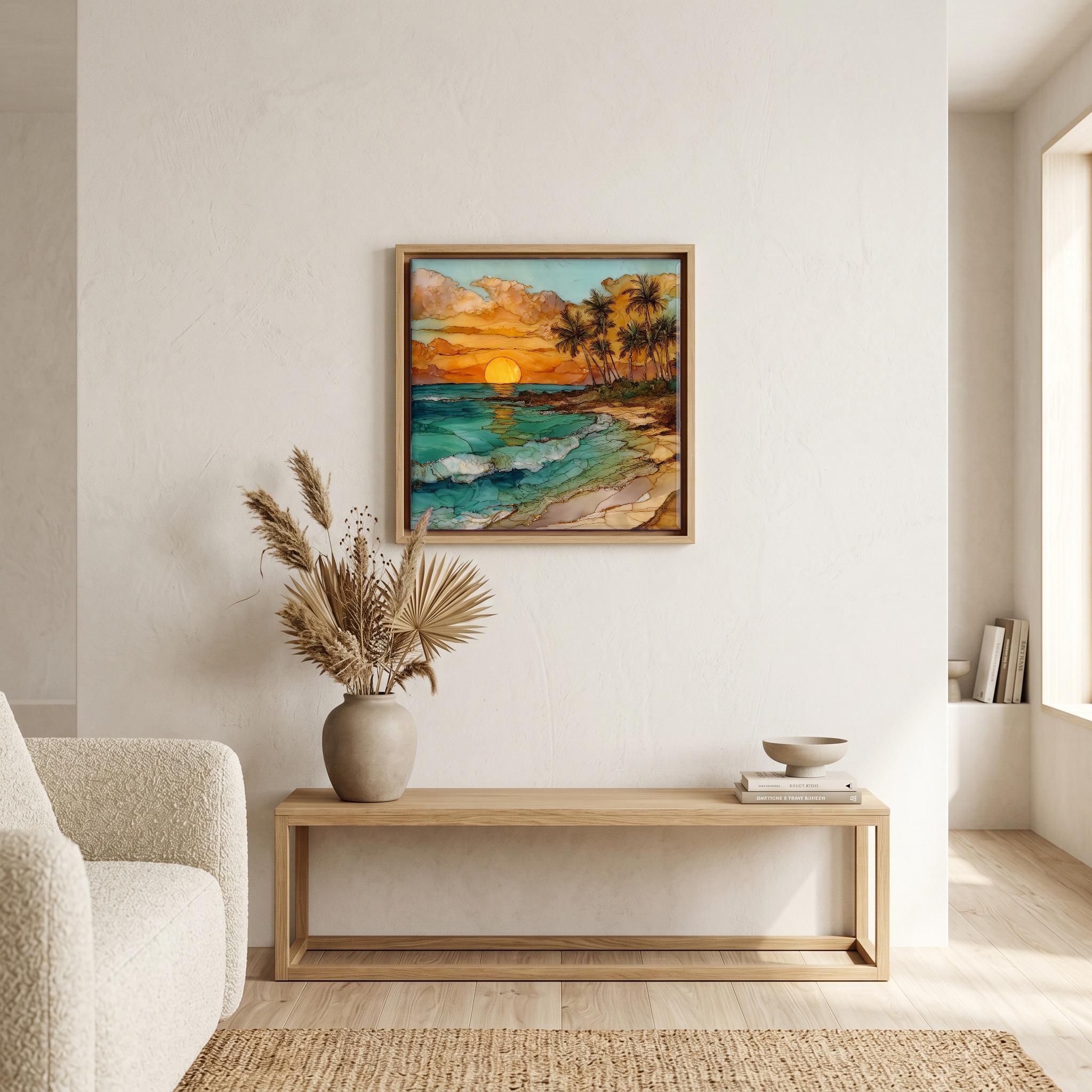
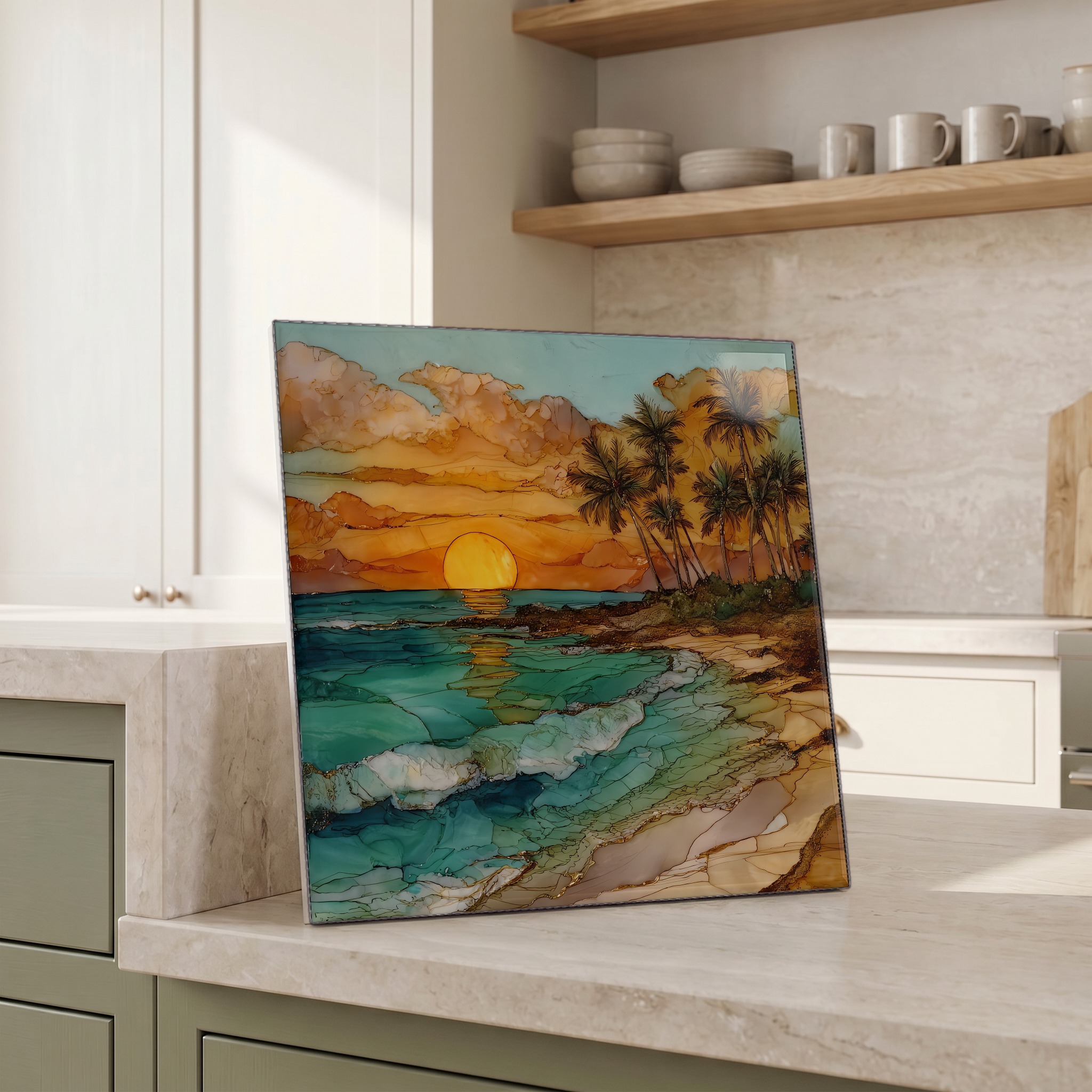
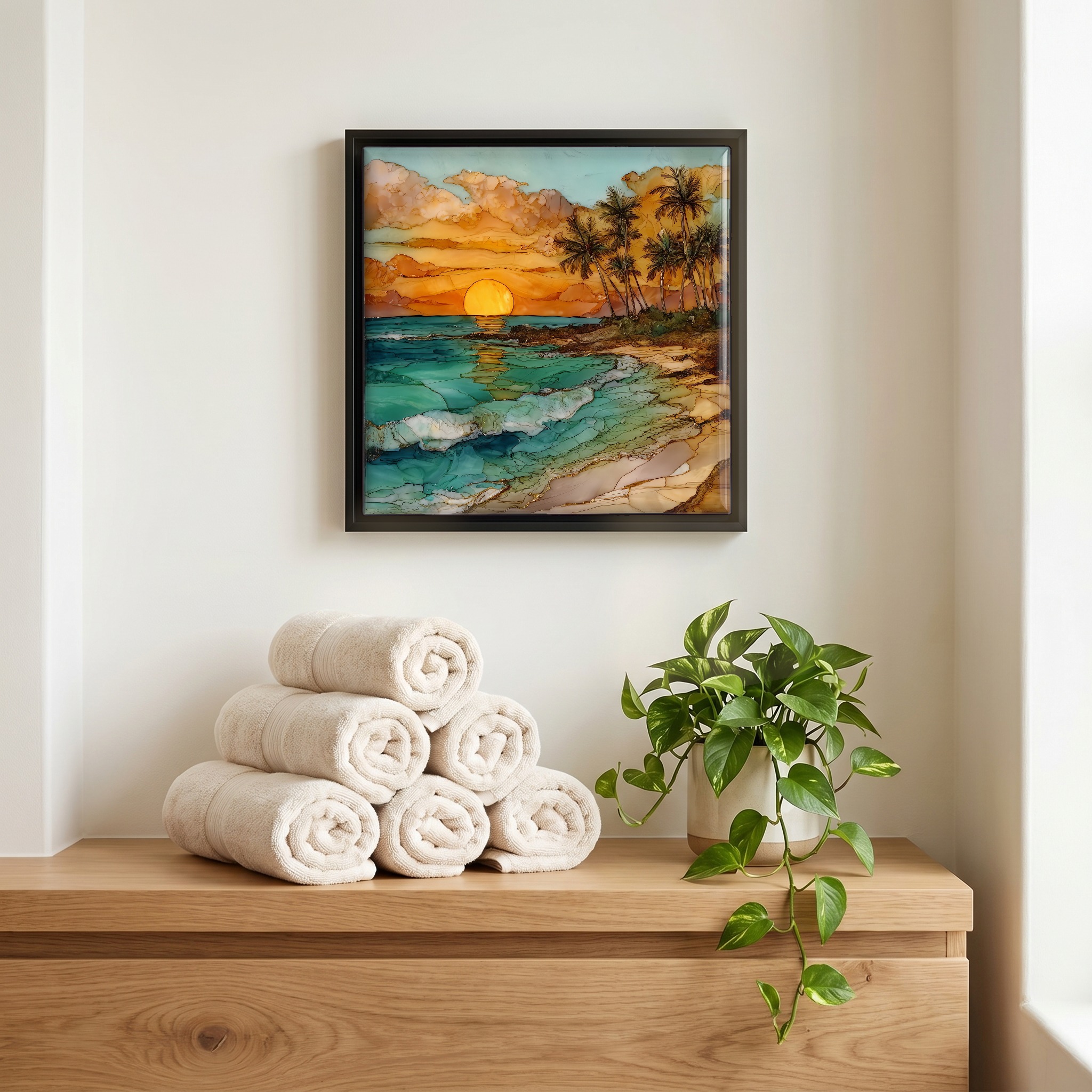

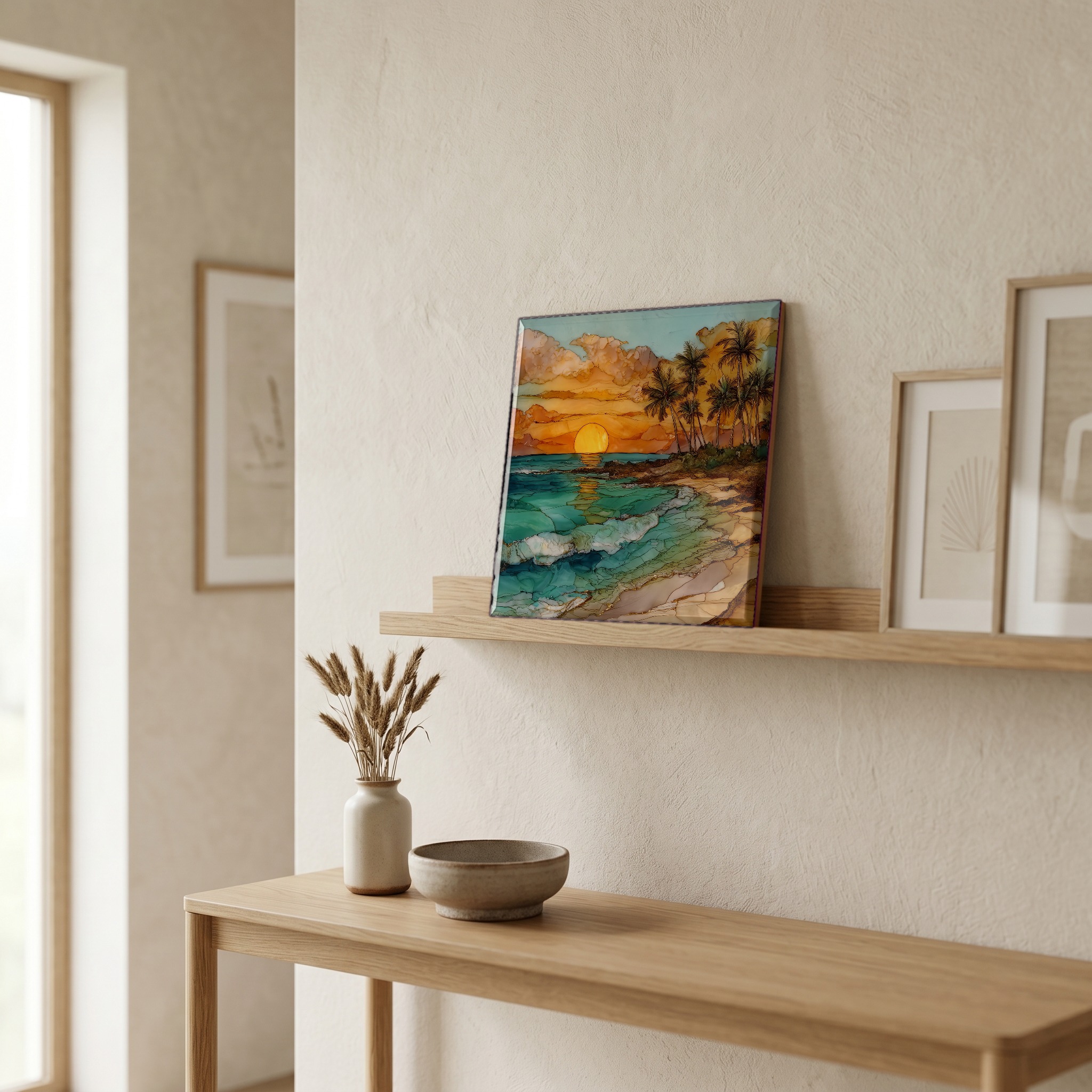
“The two miles of sand at the top of Oahu's North Shore, where the Pacific arrives the long way from the Aleutians. In winter the swell stacks over the deep-water reef and the surf contests come. By April the beach is flat and swimmable, the sand rebuilt where the storms carried it off. Late afternoons, the sun goes into the water slow and large, and Kaena Point is the only dark line on the horizon.
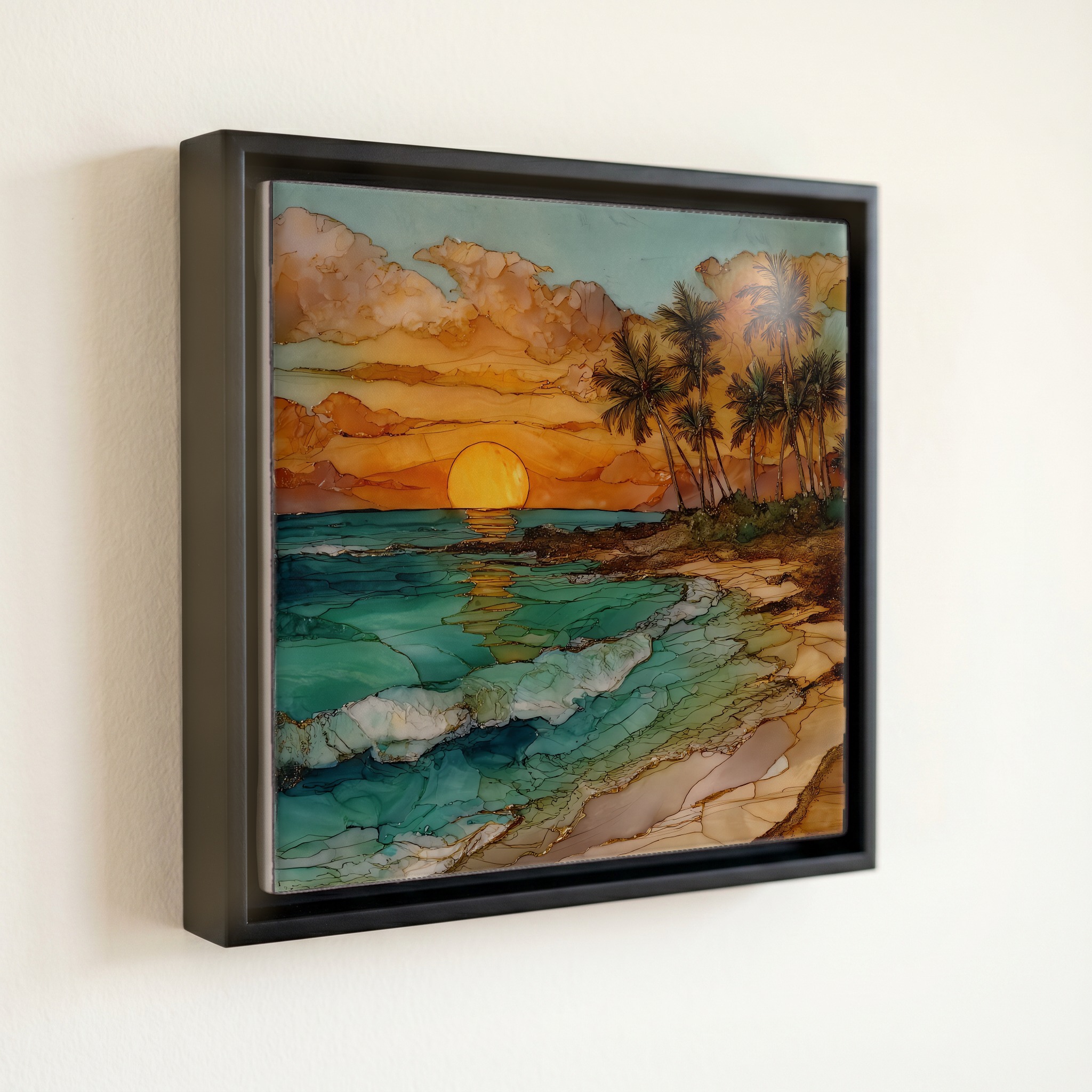
Sunset Beach Oahu Ceramic Art Tile, on ceramic.
Each tile is finished by hand in our Knoxville studio. Artwork is slowly infused into the ceramic surface under high heat and pressure, and rests beneath a thin glossy finish. The colour lives in the surface, not on top of it.
Pick any four 4-inch tiles — National Parks you've been to, a Smokies set, the four seasons of one place. $ for a set of , cork-backed, ready to live on the table.
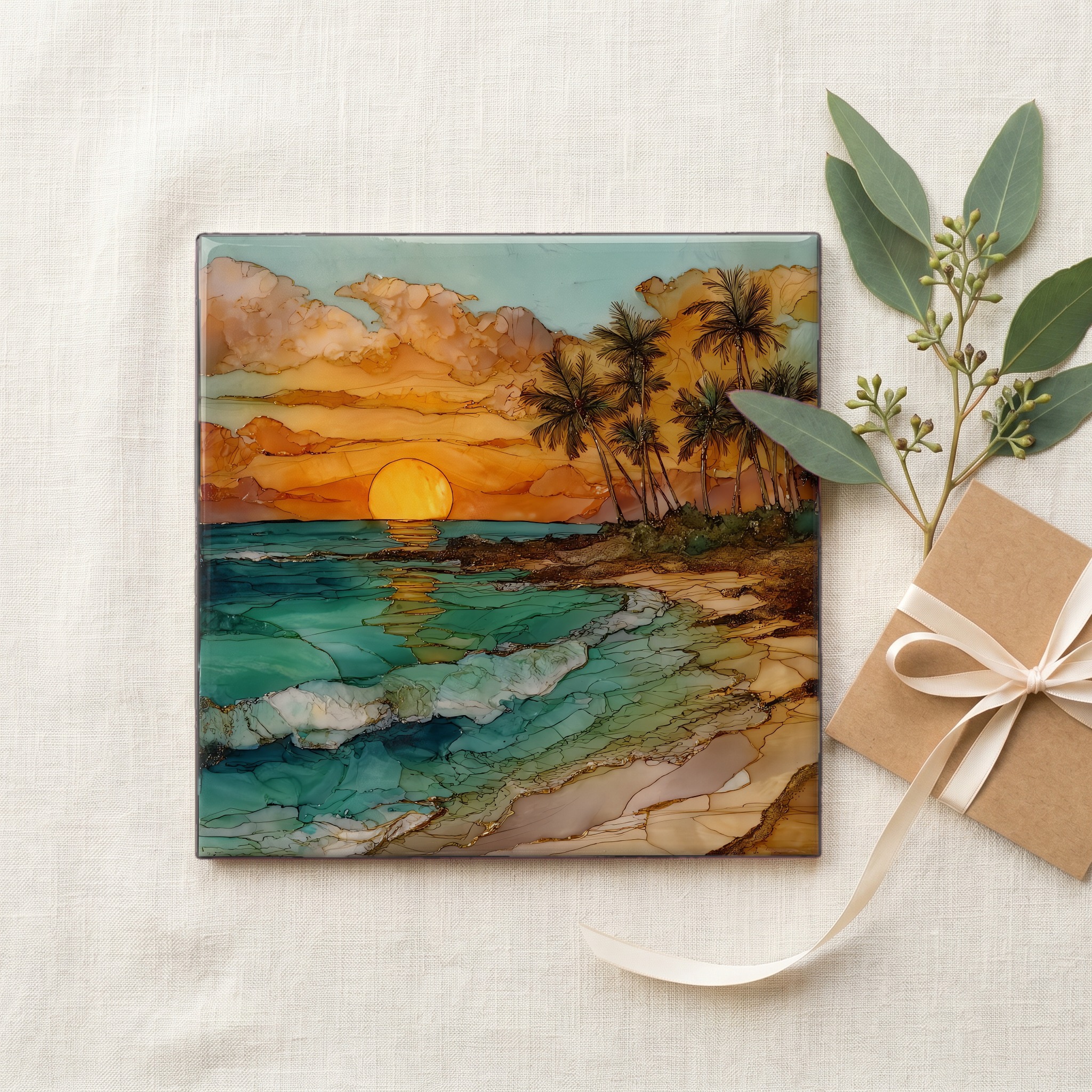
Each tile ships in a kraft box, tied with cream ribbon, with a handwritten note from the studio if you'd like to add one.
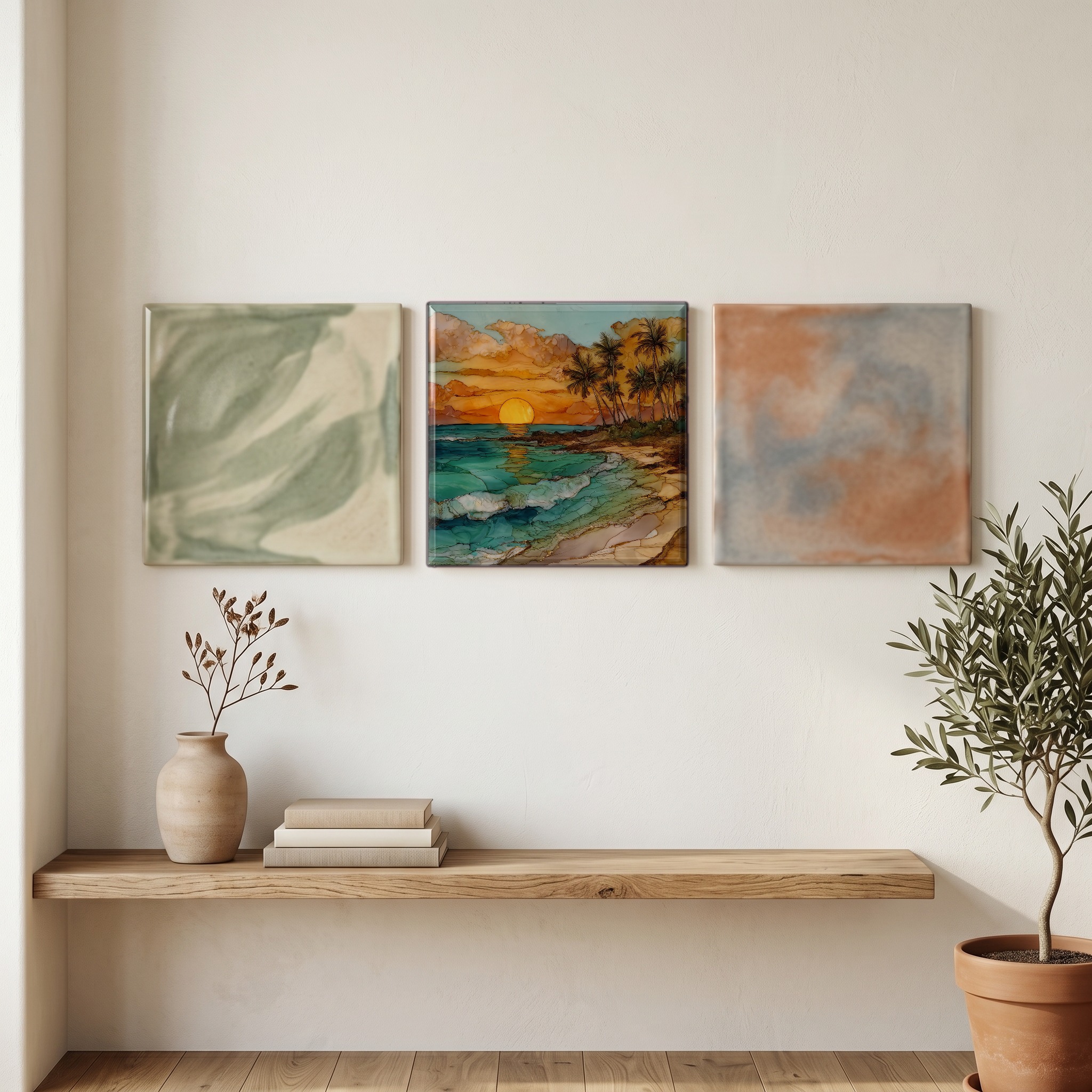
Three or five different vistas, hung together — a chapter of places you've been, or want to go.
The place, in three passes.
Sunset Beach sits at the top of Oahu's North Shore, two miles of sand between Ehukai Beach Park (home of the Pipeline break) and Velzyland. Administratively it lies in Honolulu County, on the Koolauloa coast, with Kamehameha Highway (State Route 83) running its full length. The town of Haleiwa is about seven miles southwest; Kaena Point, the western tip of the island, is the dark headland on the horizon at sunset. The North Shore is where Pacific groundswells from storms in the Gulf of Alaska arrive after a fetch of two thousand miles, and Sunset's offshore reef is one of three breaks (with Pipeline and Waimea Bay) that define what surfers call the Seven Mile Miracle.
The break at Sunset is a peak that forms about 150 yards offshore over a deep coral reef, and what makes it consequential is the bathymetry. Water depth drops quickly outside the reef, so swells generated by Aleutian storms steepen and break in heavy walls when they hit the shallower shelf. From November through February the standing peaks at Sunset can run twelve to twenty feet on the Hawaiian scale (face heights of twenty to forty feet), and the wave is known among surfers as one of the most shifting and difficult on the North Shore. The World Surf League's Triple Crown of Surfing has held an event at Sunset since the early 1980s.
The beach takes its name from the orientation. It faces west-northwest, and the sun sets over open water from a vantage that has Kaena Point as the only landform on the horizon. From mid-November the sun sets just south of west around 5:50 in the afternoon; by late June it has moved nearly fifty degrees north along the horizon and sets after seven. The Pacific reaches more than four thousand miles unbroken to the west, so no landform clips the disc as it goes down. Surf-school photographers, ironwood-pine silhouettes, and a flat horizon: the postcard frame here has not changed since the seventies.