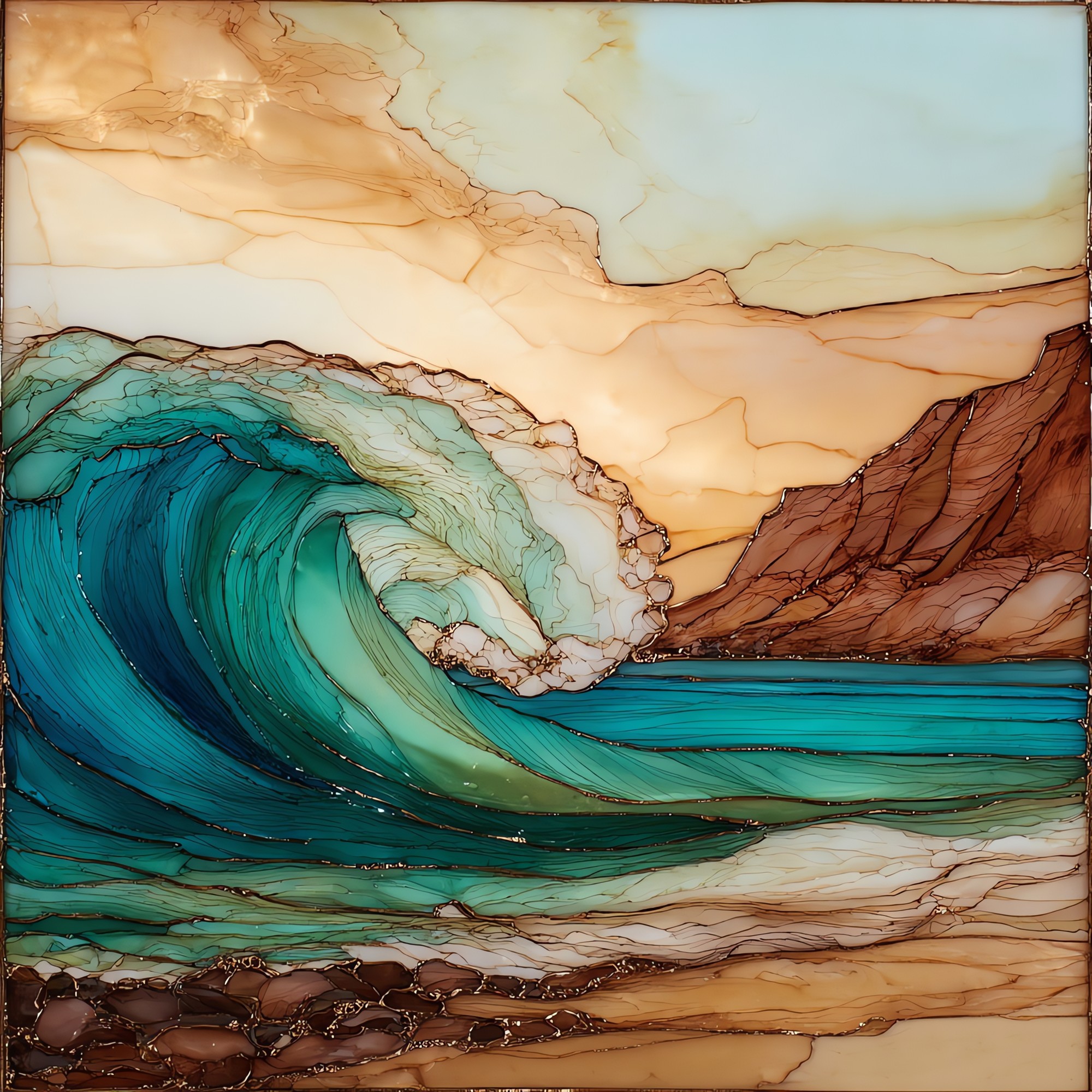
Sandy Beach Oahu Ceramic Art Tile
— — the wave that breaks on dry sand.
Not only on a wall.
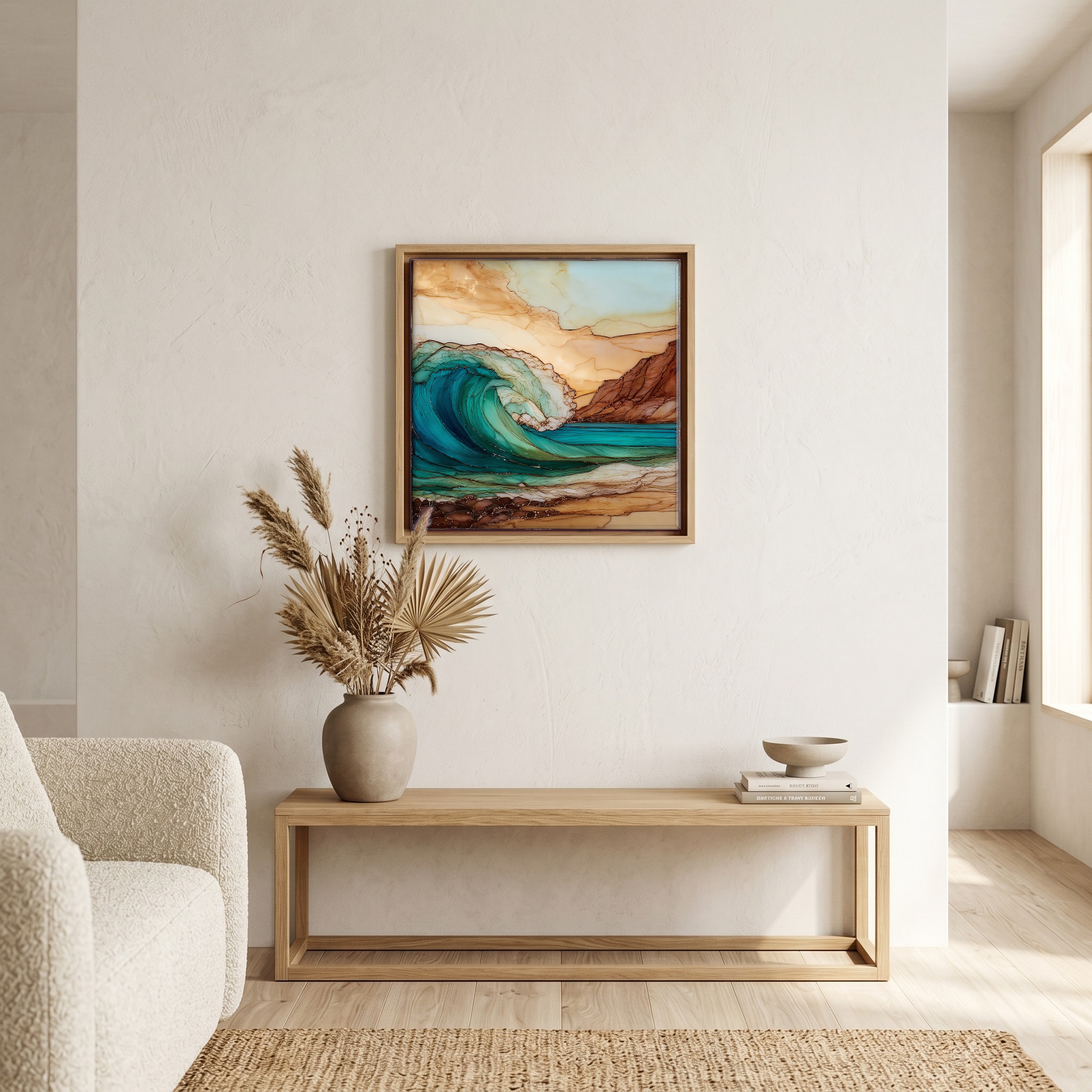
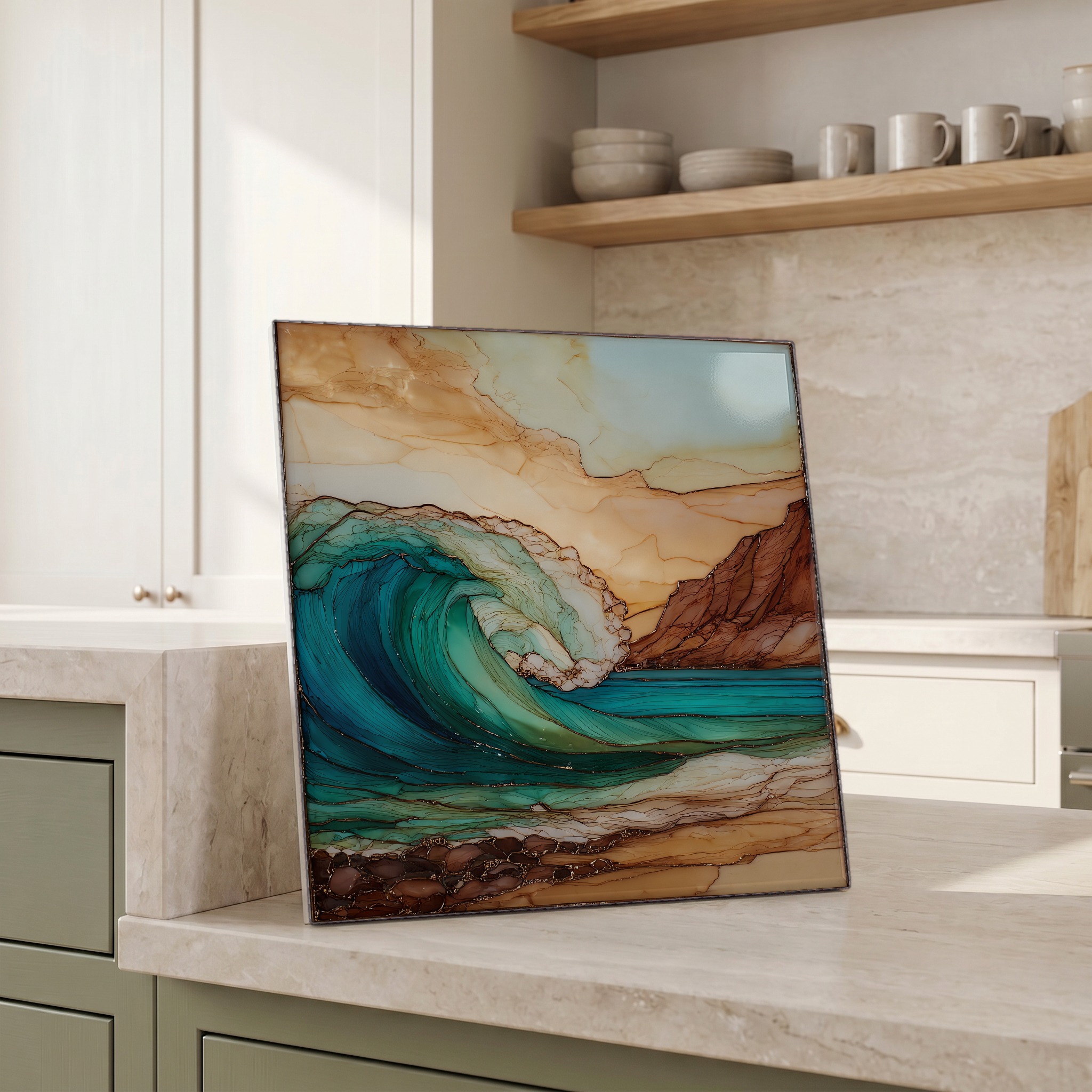
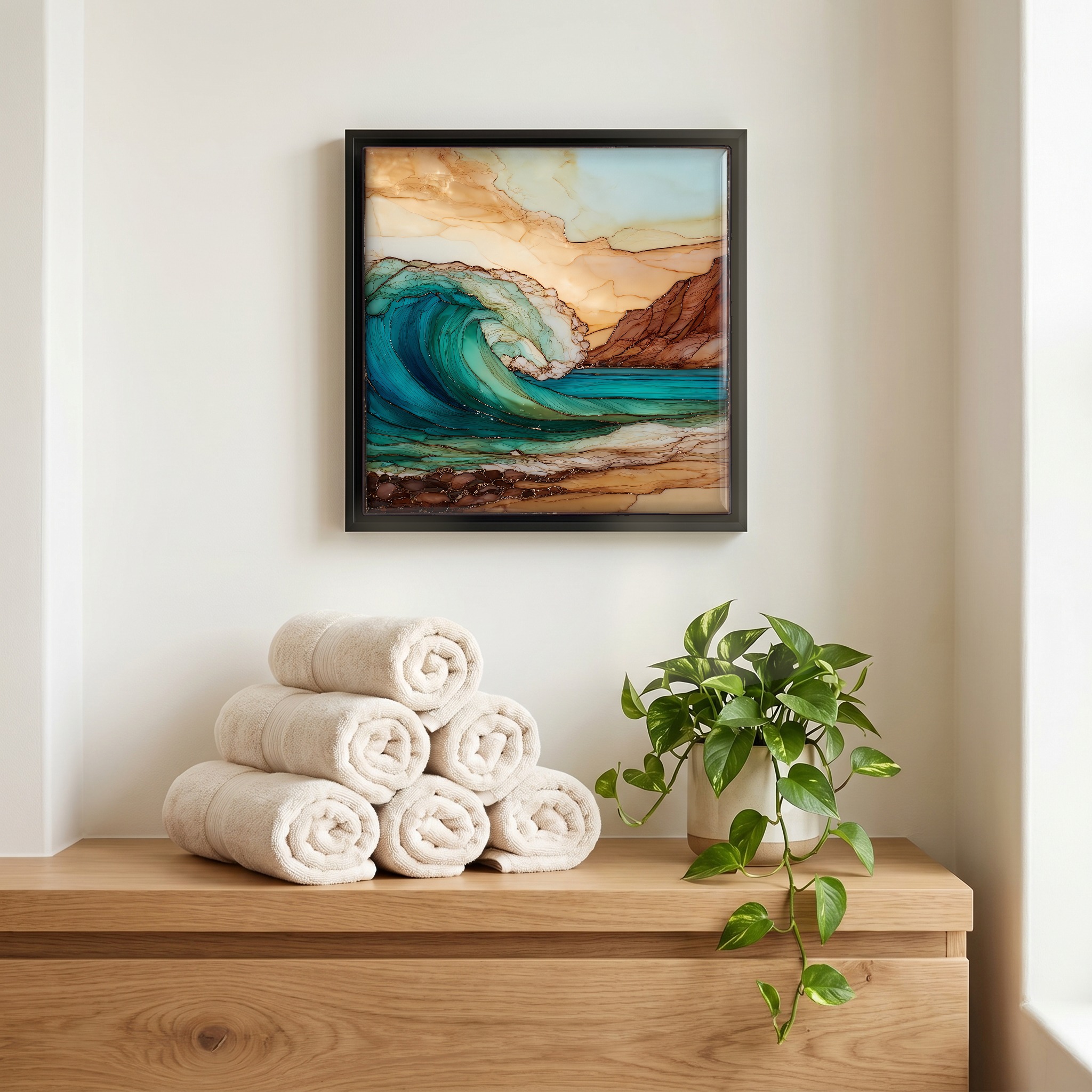
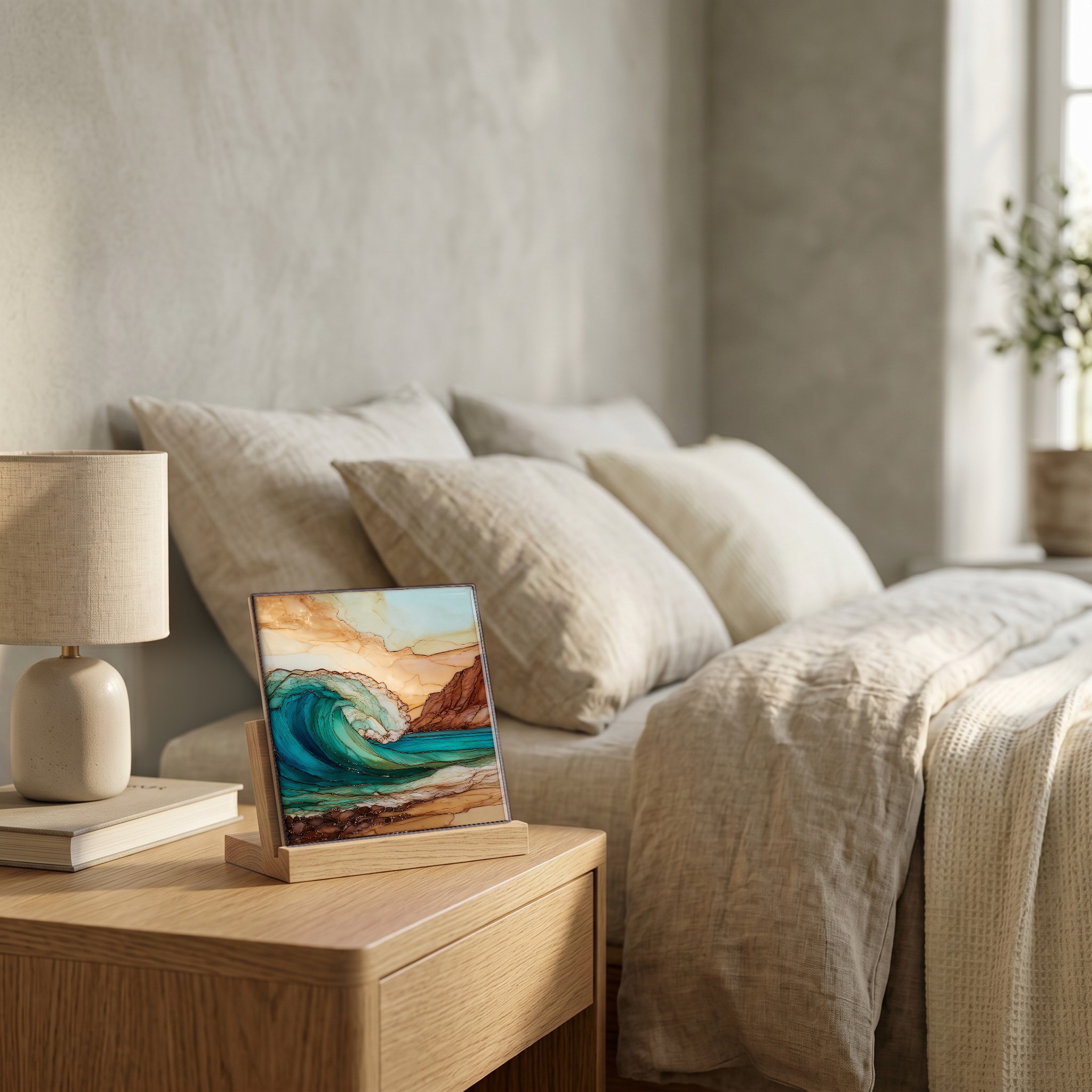
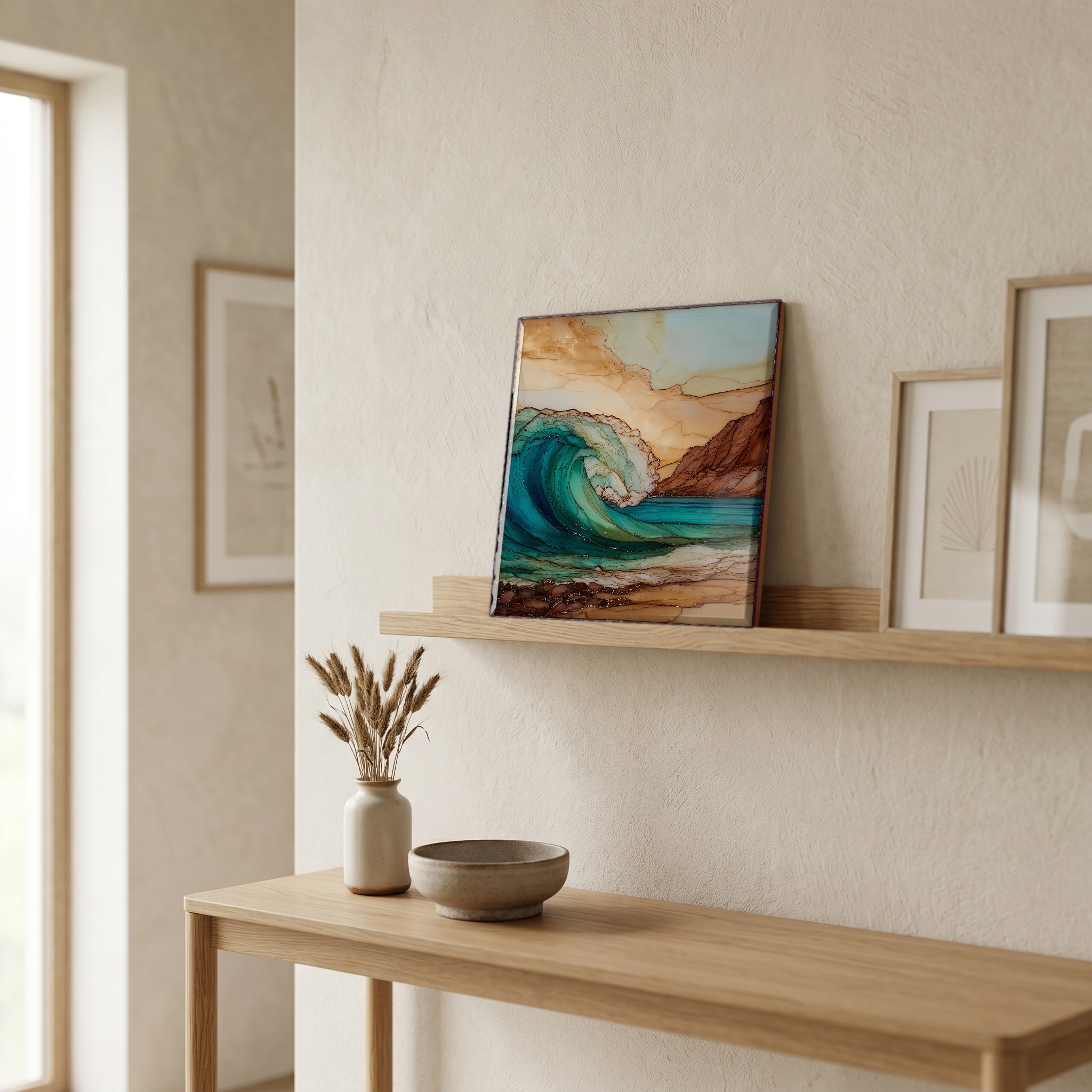
“A pale curve of sand along the Kaiwi coast, southeast of Honolulu. The wave here breaks close to shore. Bodysurfers come for it; most everybody else watches from the rocks. Koko Crater rises behind it. The Halona Blowhole spouts on calm days, just up the road. Locals call it Sandy's. Barack Obama bodysurfed here growing up in Honolulu. The water is loud. The cliffs are dry. The colour of the sea, when the sun is low, is the colour bottle glass gets after a season in the surf.
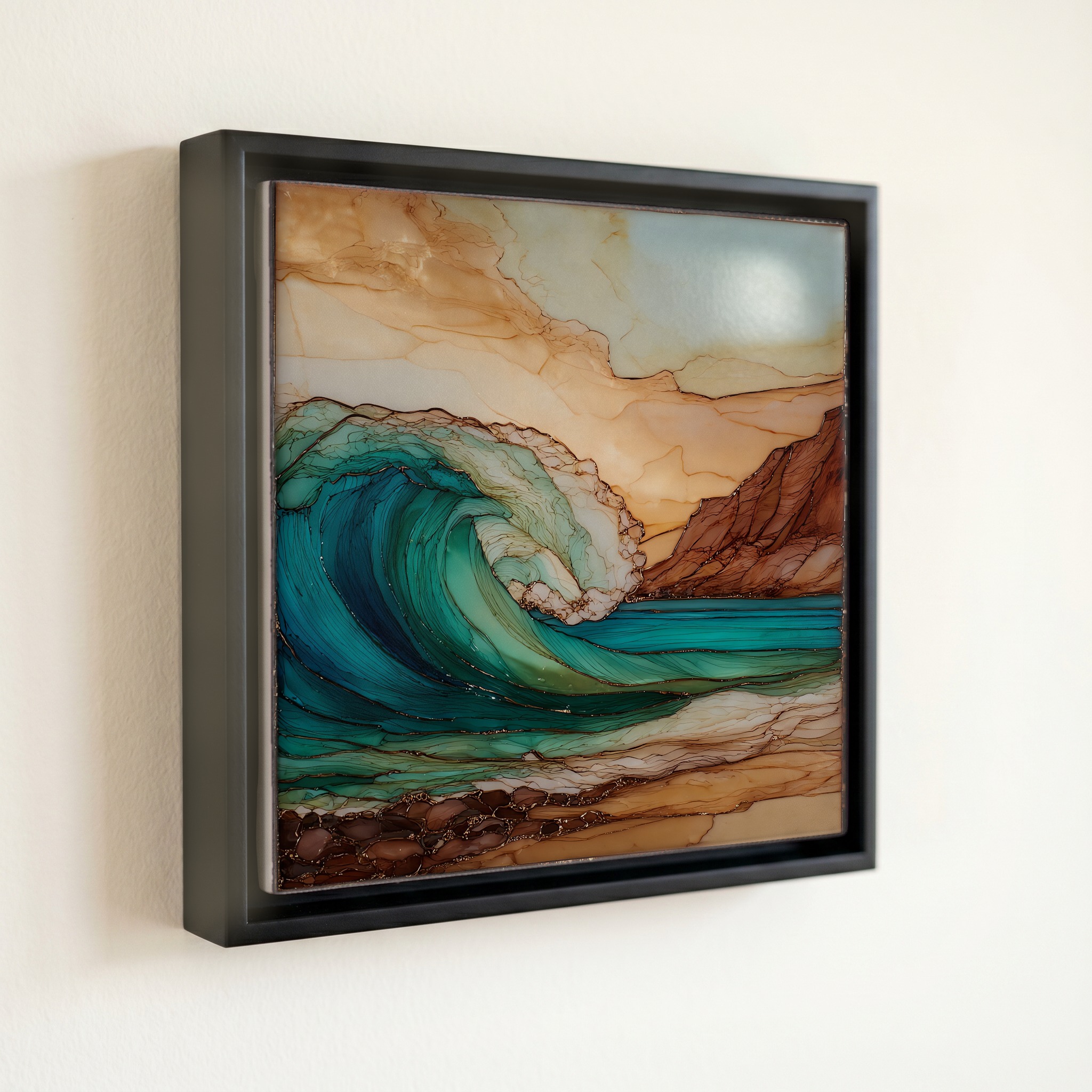
Sandy Beach Oahu Ceramic Art Tile, on ceramic.
Each tile is finished by hand in our Knoxville studio. Artwork is slowly infused into the ceramic surface under high heat and pressure, and rests beneath a thin glossy finish. The colour lives in the surface, not on top of it.
Pick any four 4-inch tiles — National Parks you've been to, a Smokies set, the four seasons of one place. $ for a set of , cork-backed, ready to live on the table.
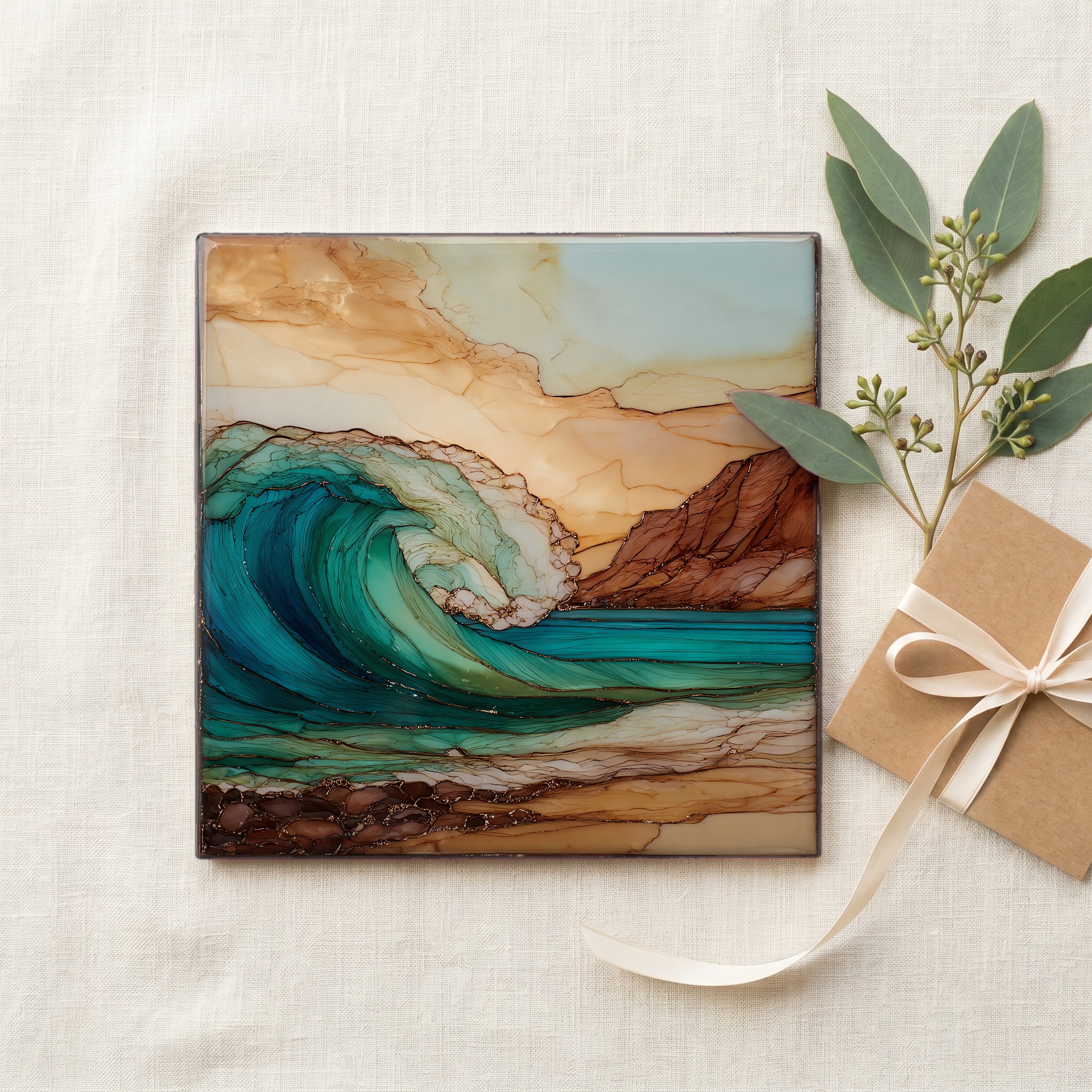
Each tile ships in a kraft box, tied with cream ribbon, with a handwritten note from the studio if you'd like to add one.
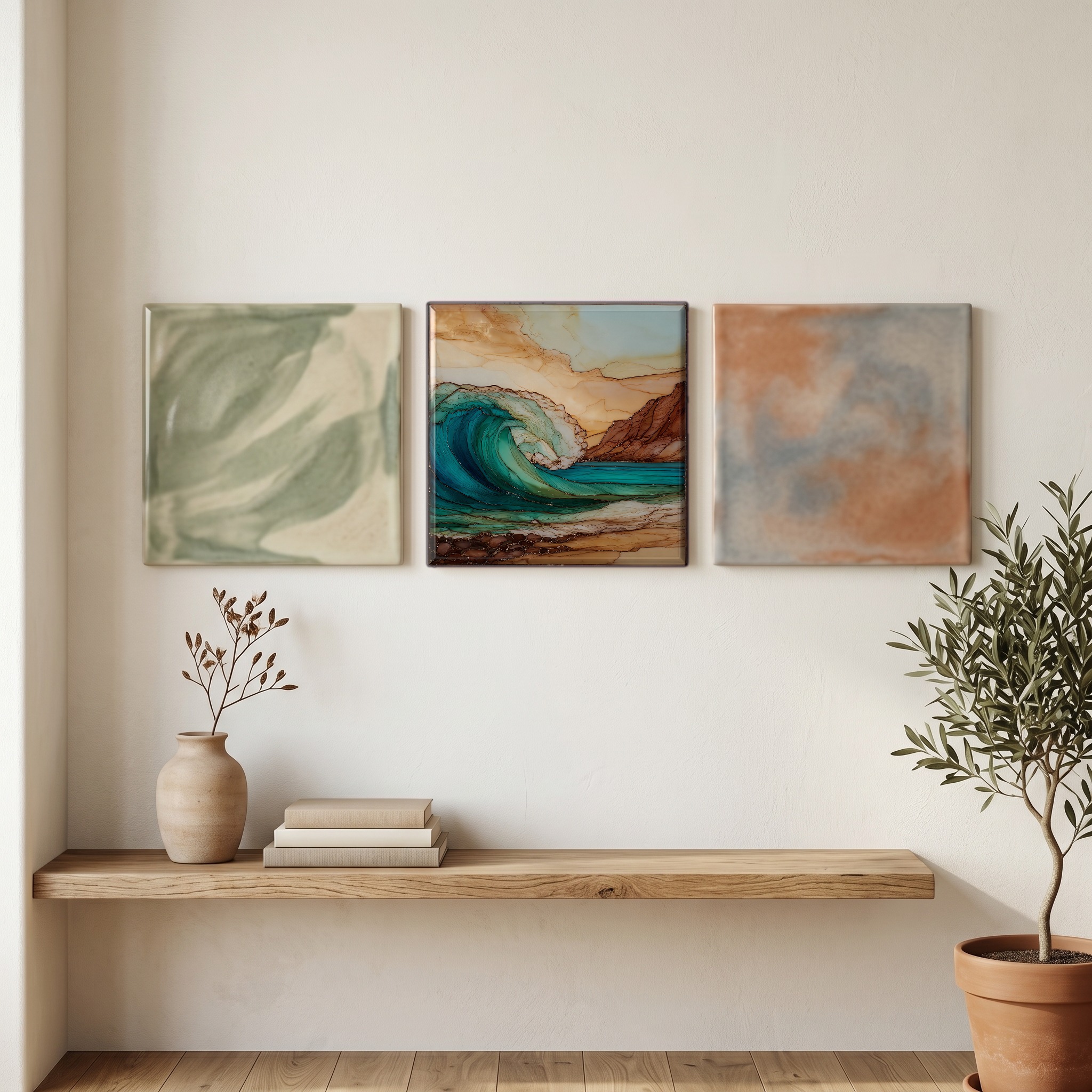
Three or five different vistas, hung together — a chapter of places you've been, or want to go.
The place, in three passes.
Sandy Beach Park sits on the Kaiwi coast of southeastern Oʻahu, about 12 miles east of Honolulu along Kalanianaʻole Highway (Hawaiʻi Route 72). The beach itself is roughly 1,200 feet of pale sand between two volcanic headlands, with Koko Crater rising inland and the Halona Blowhole half a mile to the west. The park is managed by the City and County of Honolulu Department of Parks and Recreation. The surrounding coastline is preserved as the Kaiwi State Scenic Shoreline, one of the last undeveloped stretches of Oʻahu's southeast coast. Lifeguards staff the tower daily; parking and restrooms are open dawn to dusk.
The shorebreak at Sandy Beach is the reason people come. Open-ocean swell from the Pacific runs into a steeply rising sand bottom and folds over almost on the shoreline itself, breaking with very little water beneath it. Wave faces of 2 to 10 feet are typical on a south swell, and the break sits within yards of the dry sand. Bodysurfers and bodyboarders ride it in every season. For everyone else it is hazardous: Honolulu Ocean Safety ranks Sandy's among the most cervical-injury-prone beaches in the United States. The yellow and red flag system at the lifeguard tower is the local language for what the surf is doing that hour.
Sandy Beach Park is open daily; parking is free along Kalanianaʻole Highway and in a paved lot above the sand. Lifeguards work the tower from morning to dusk. The most reliable surf is in summer, when South Pacific swells reach Oʻahu's southeast coast; winter brings flatter, cleaner conditions and easier swimming. The Honolulu Ocean Safety flag system is the rule: a single yellow flag means caution, a red flag means stay out. The Halona Blowhole pullout, half a mile to the west, is where the tour coaches stop. Makapuʻu Point and its lighthouse trail are about three miles to the east.