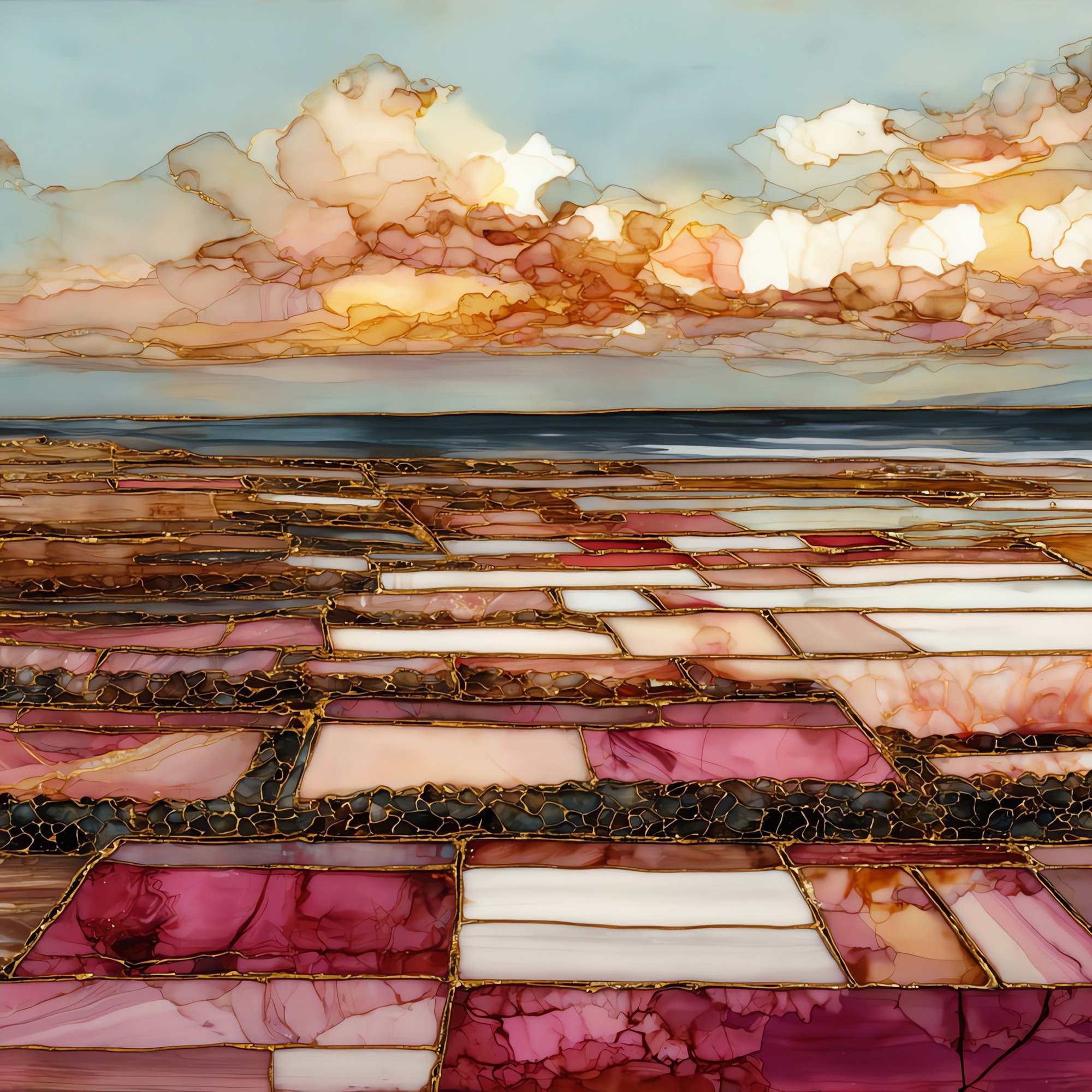
Salt Pond Hanapepe Kauai Ceramic Art Tile
— — the summer the sea becomes salt.
Not only on a wall.
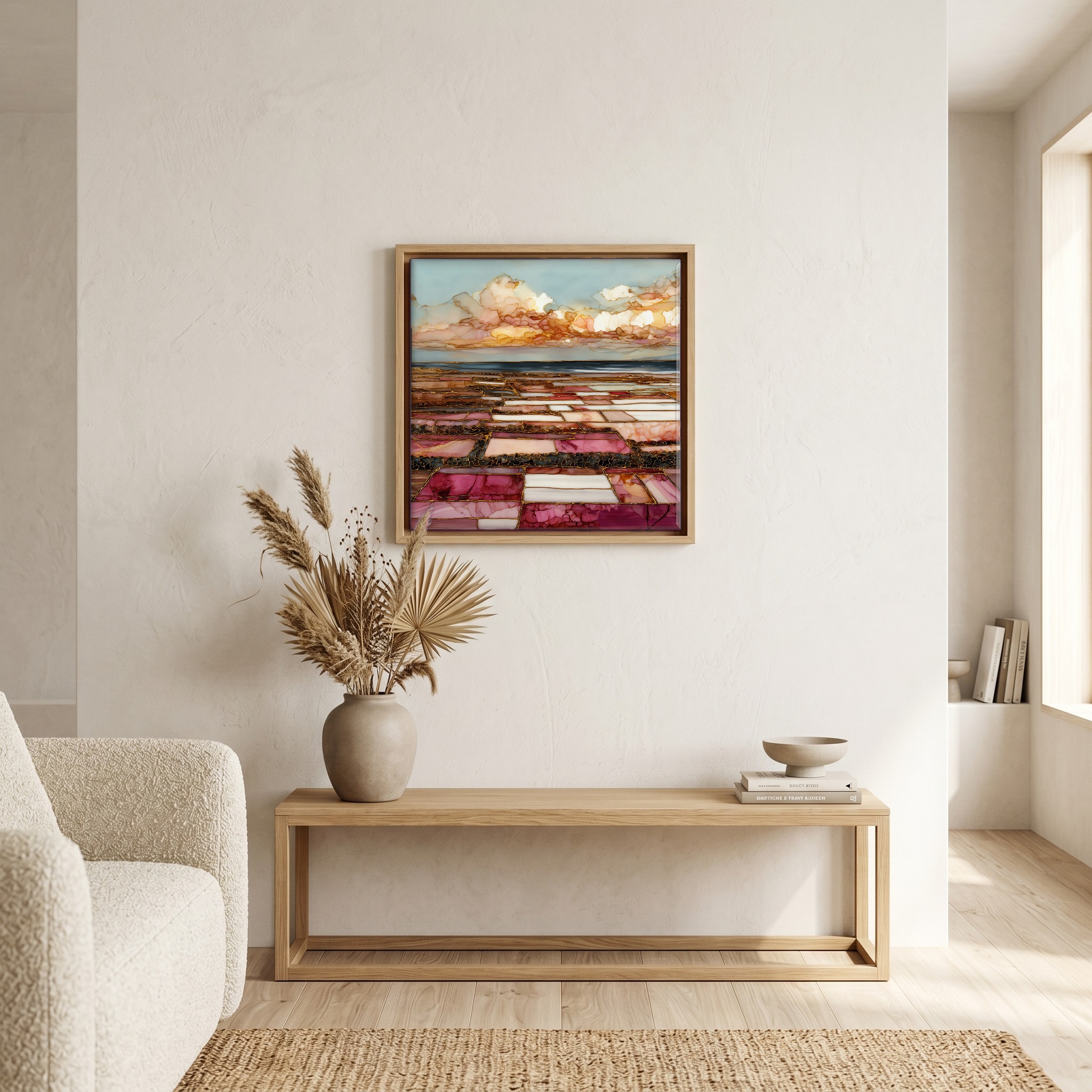
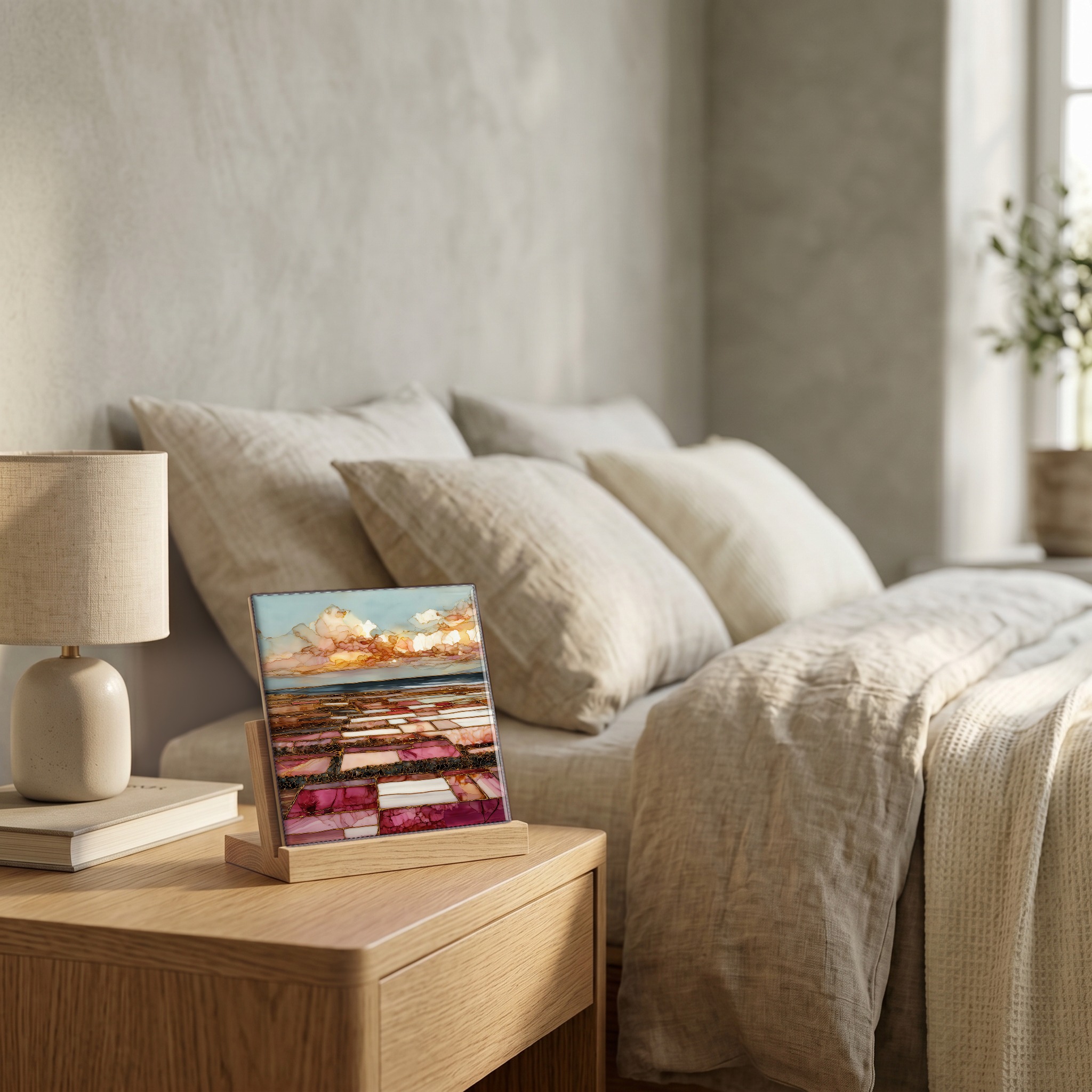
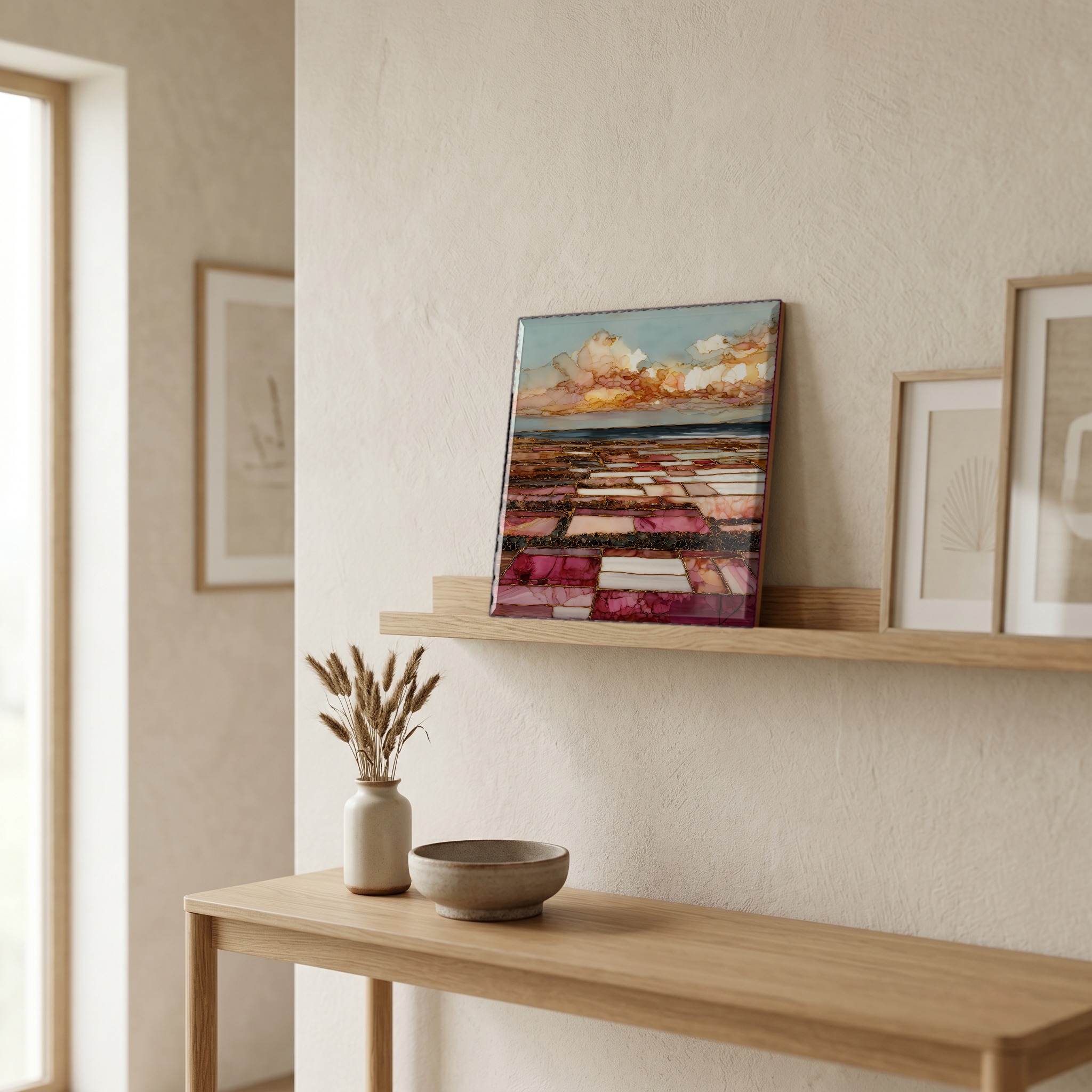
“A crescent of fine sand on the south-west shore of Kauai, with a shallow lagoon behind it where the salt ponds wait out the wet months. The salt is still made the way it was made before anyone wrote it down: a handful of Hanapepe families pulling brackish water from the puna wells, walking it to clay-lined beds, leaving it to the sun. The summer crust comes pink, or grey, or white, depending on whose bed it is. The beach itself is calm enough that children learn to float here. Nobody hurries.
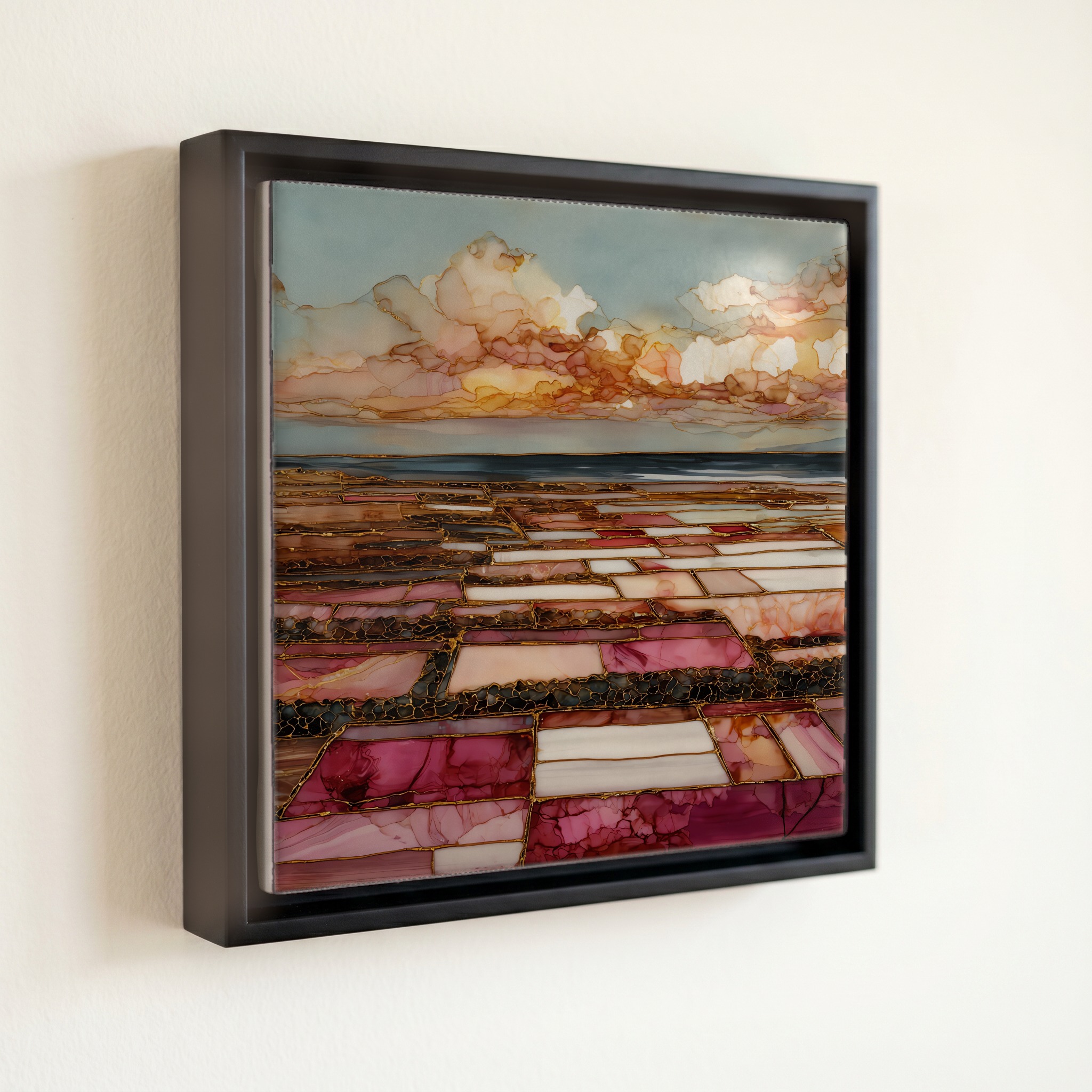
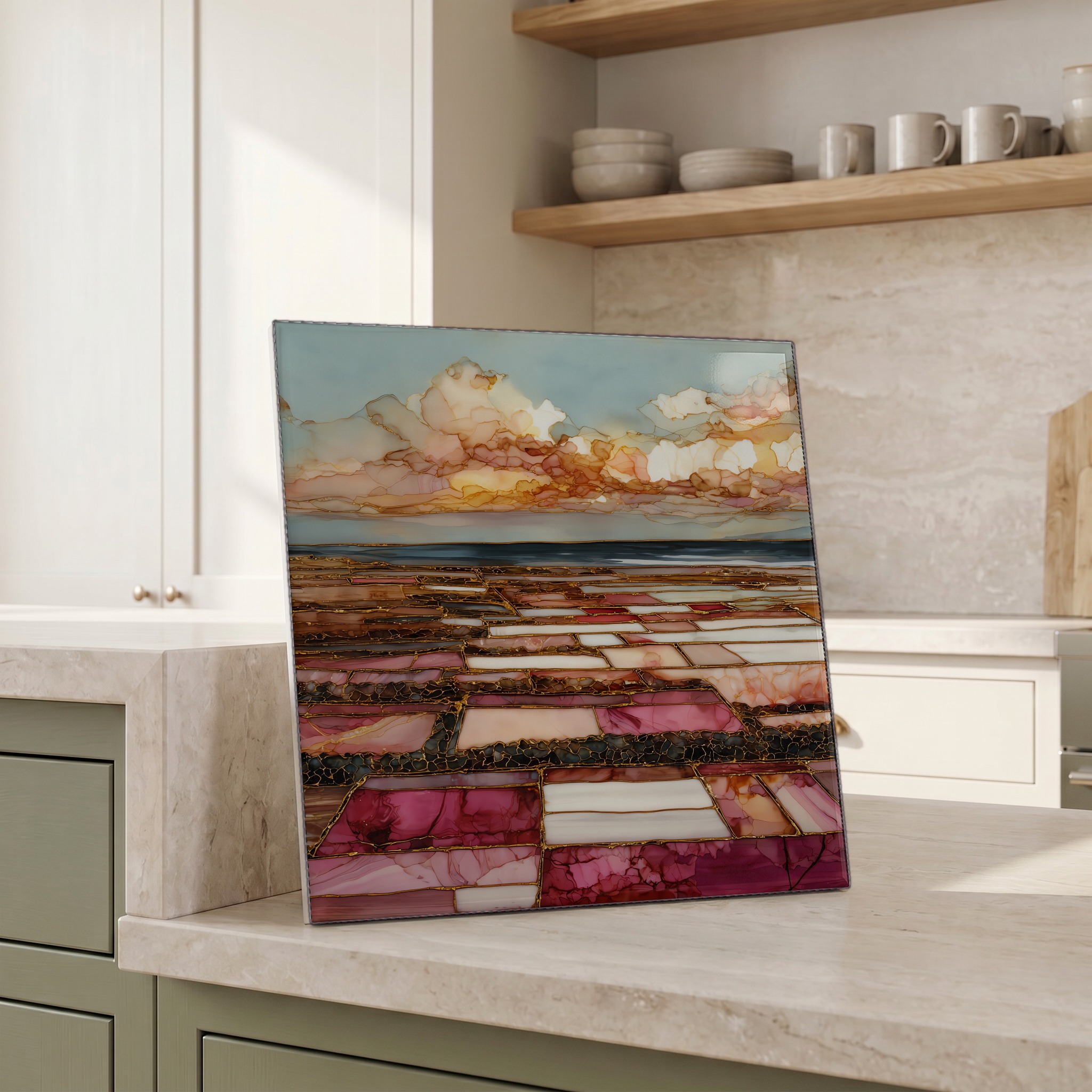
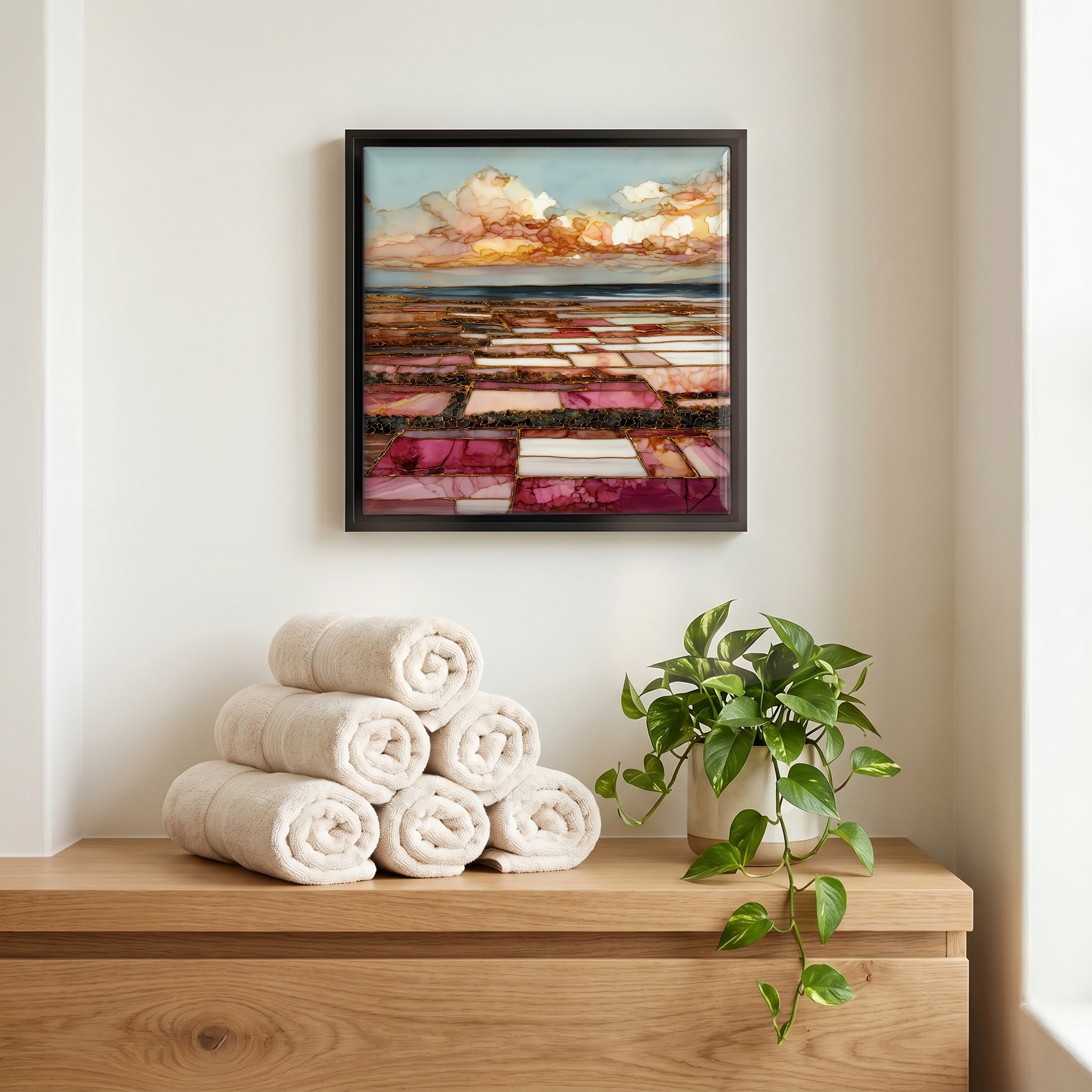
Salt Pond Hanapepe Kauai Ceramic Art Tile, on ceramic.
Each tile is finished by hand in our Knoxville studio. Artwork is slowly infused into the ceramic surface under high heat and pressure, and rests beneath a thin glossy finish. The colour lives in the surface, not on top of it.
Pick any four 4-inch tiles — National Parks you've been to, a Smokies set, the four seasons of one place. $ for a set of , cork-backed, ready to live on the table.
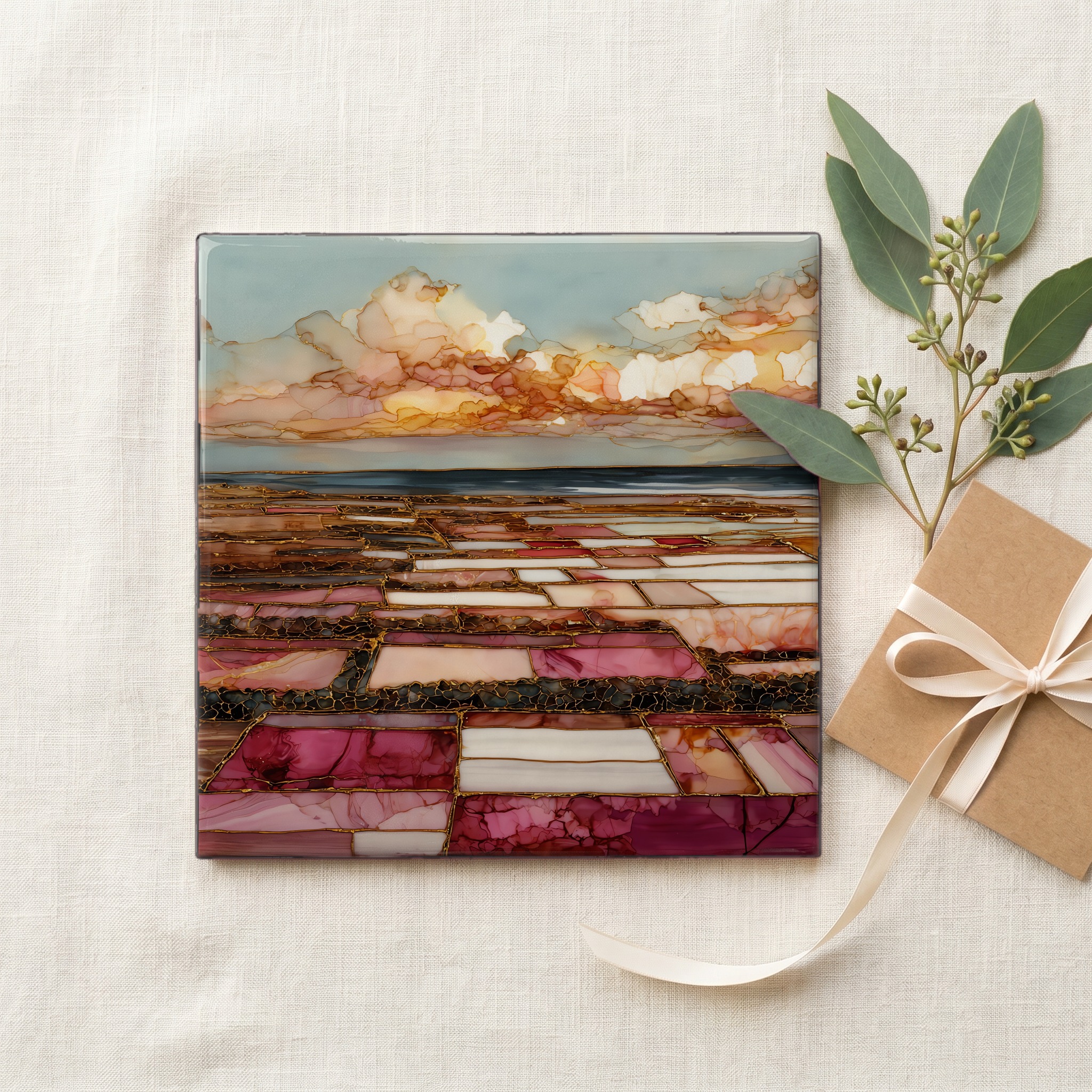
Each tile ships in a kraft box, tied with cream ribbon, with a handwritten note from the studio if you'd like to add one.
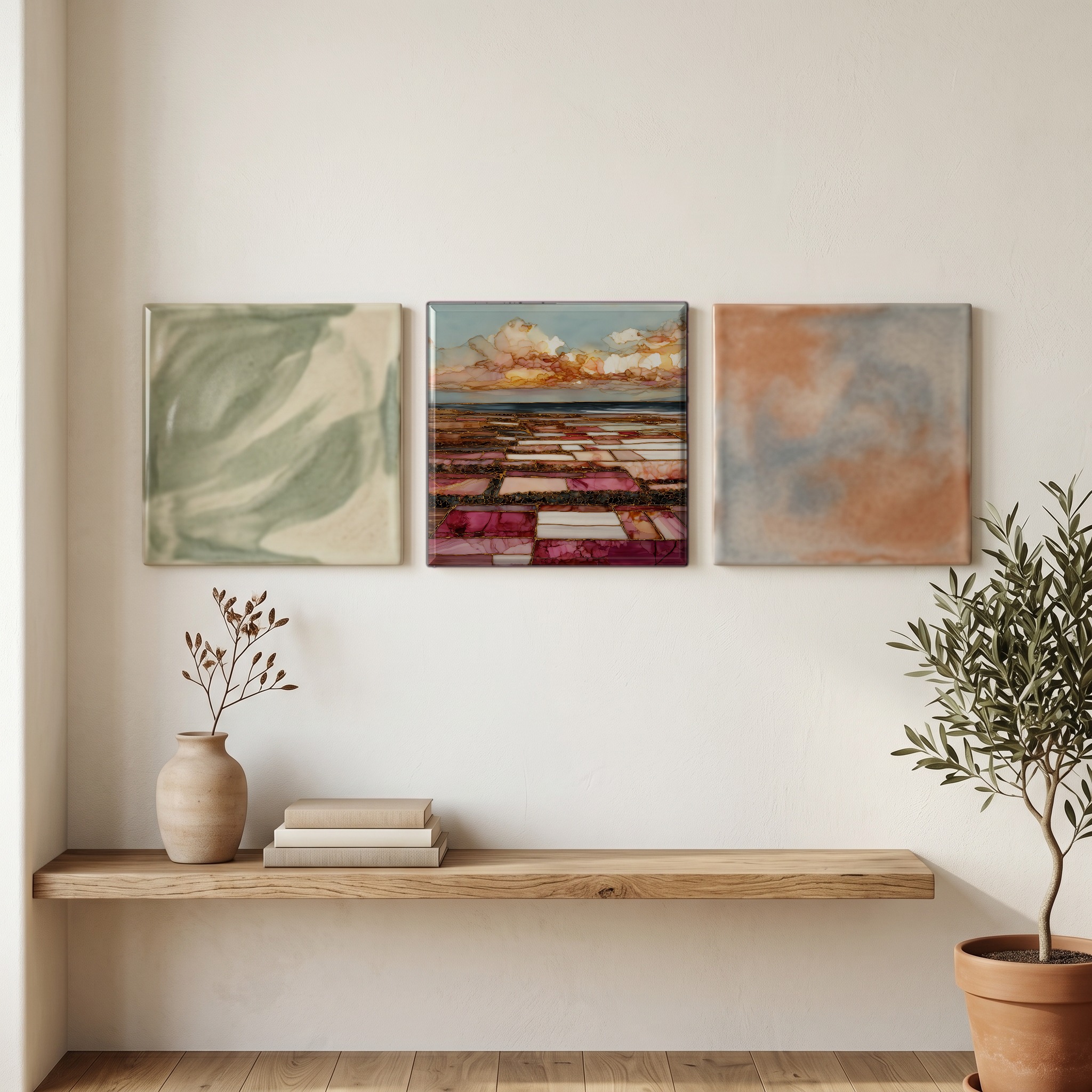
Three or five different vistas, hung together — a chapter of places you've been, or want to go.
The place, in three passes.
Salt Pond Beach Park sits on the south-west coast of Kauai, about a mile west of the historic plantation town of Hanapepe in the Waimea district. The crescent of sand fronts a shallow lagoon protected by a low reef and fed by a small stream draining the Hanapepe Valley behind it. Behind the dunes lie the evaporation flats where pa'akai, Hawaiian sea salt, has been worked by the same hui of Hanapepe families for at least two centuries. The park is reached by Lokokai Road off Highway 50 (Kaumualii Highway), about 17 miles west of Lihue Airport. The County of Kauai manages the beach park; the salt flats themselves are tended by the salt-making families and are not open to public access.
The salt-making cycle runs from late May through early October, when Kauai's south-west shore stays reliably hot and dry. Families clean their wells in May, layer concentrated brine into clay-lined evaporation beds, and harvest crystals through August and September. In the wetter months the beds are left to flood and rest. The pa'akai itself comes in several colours: white from the upper crystallisation pans, red-brown alaea from beds dressed with iron-rich clay from upslope, and a dark grey from beds lined with hardpan. The harvest is reserved for ceremony, family kitchen use, and trade between families. Hanapepe pa'akai is not sold commercially; visitors who want Kauai-made salt purchase it from licensed Hawaiian sea-salt producers elsewhere on the island.
Salt Pond Beach Park is open daily from dawn to dusk, with restrooms, picnic pavilions, and seasonal lifeguard coverage during the summer months. The protected inner reef stays calm enough that families bring infants and young children; the deeper water beyond opens onto trade-wind swell, which experienced surfers ride at the western point. The salt flats behind the dunes are private working land. Visitors may look from the road and from the beach side but should not walk on the beds, handle the brine, or take crystals. The practice is sacred to the families who tend it, and foot traffic damages the fragile clay liners. The most respectful visit watches from the beach and lets the working land work.