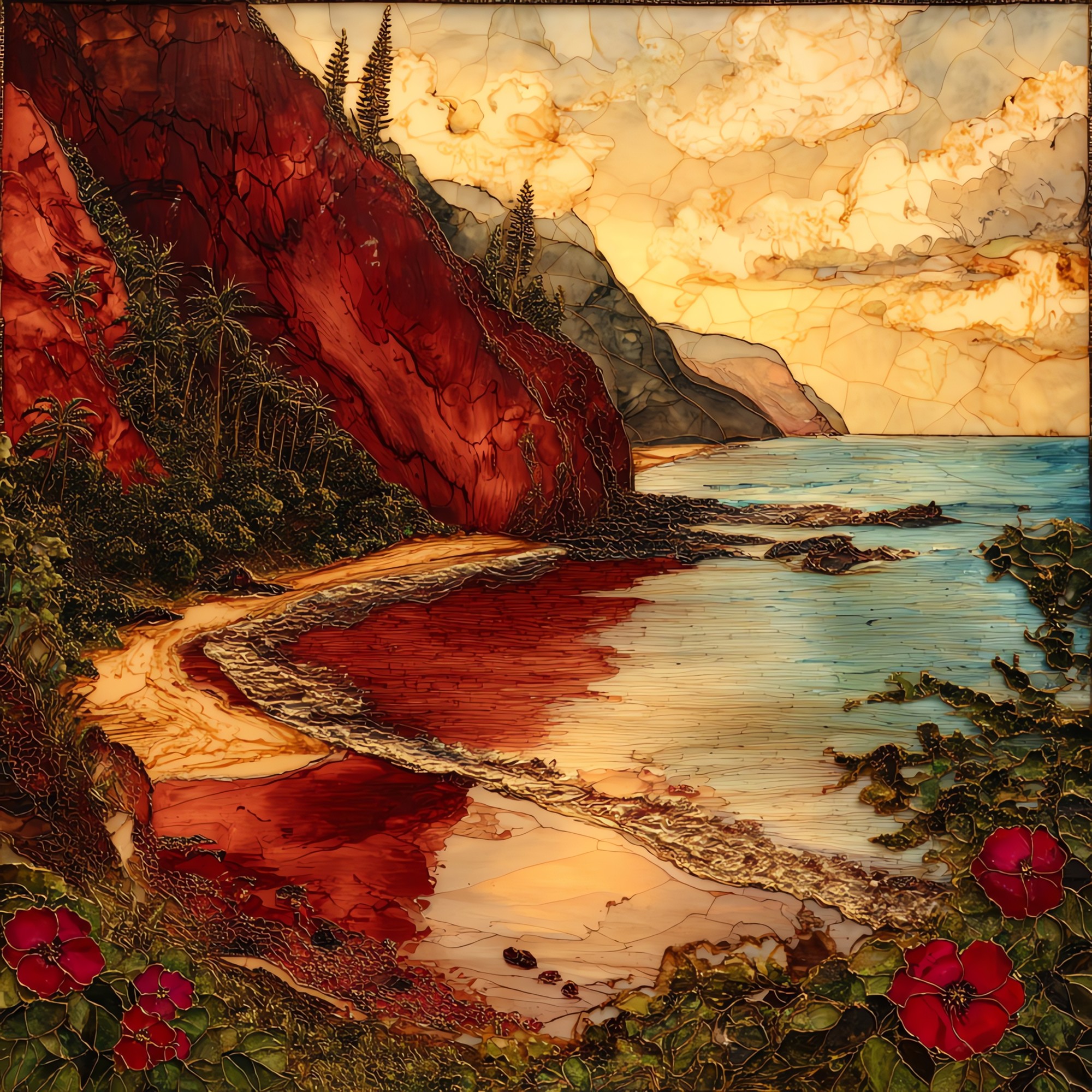
Red Sand Beach Maui Ceramic Art Tile
— — a pocket of red the cliff keeps refilling.
Not only on a wall.
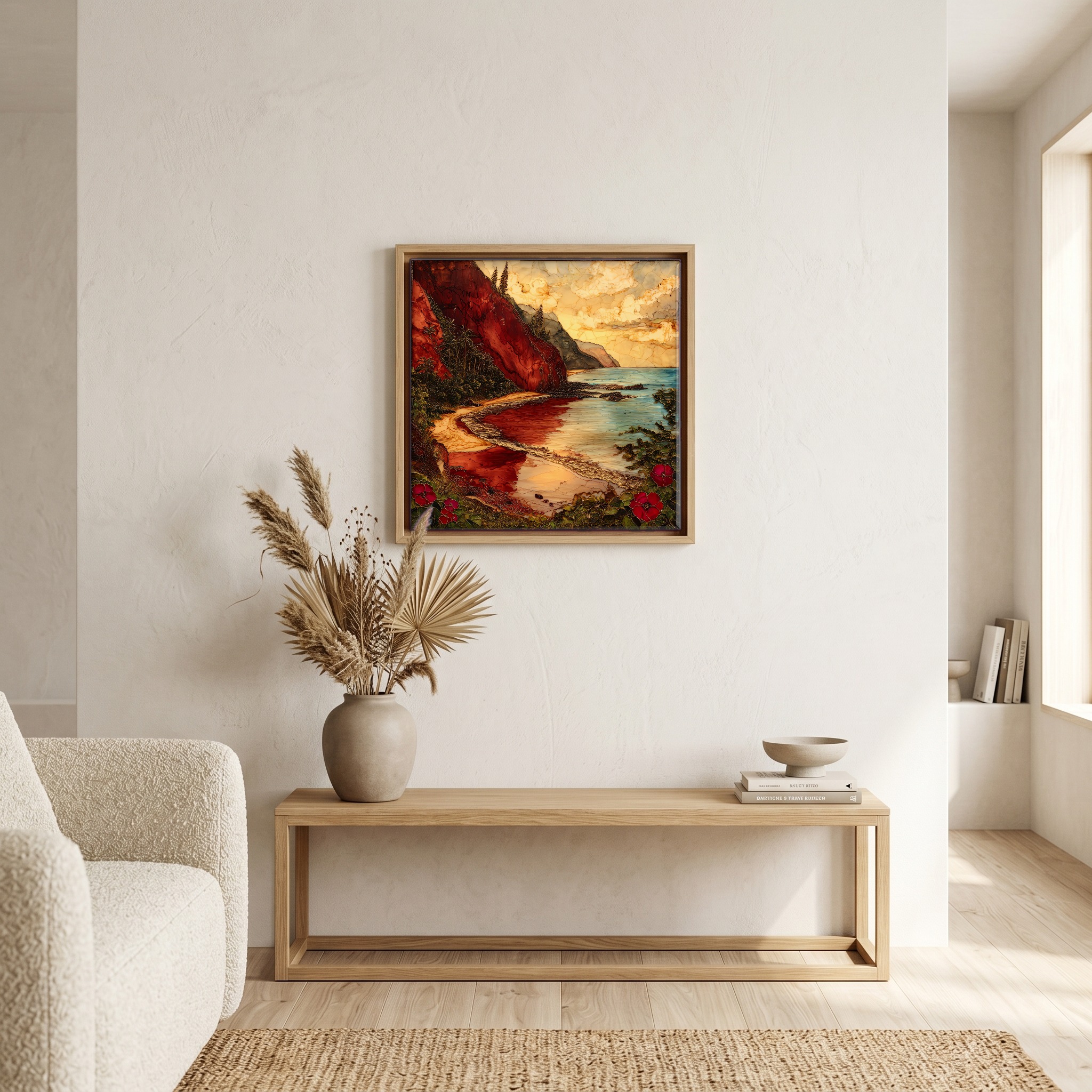
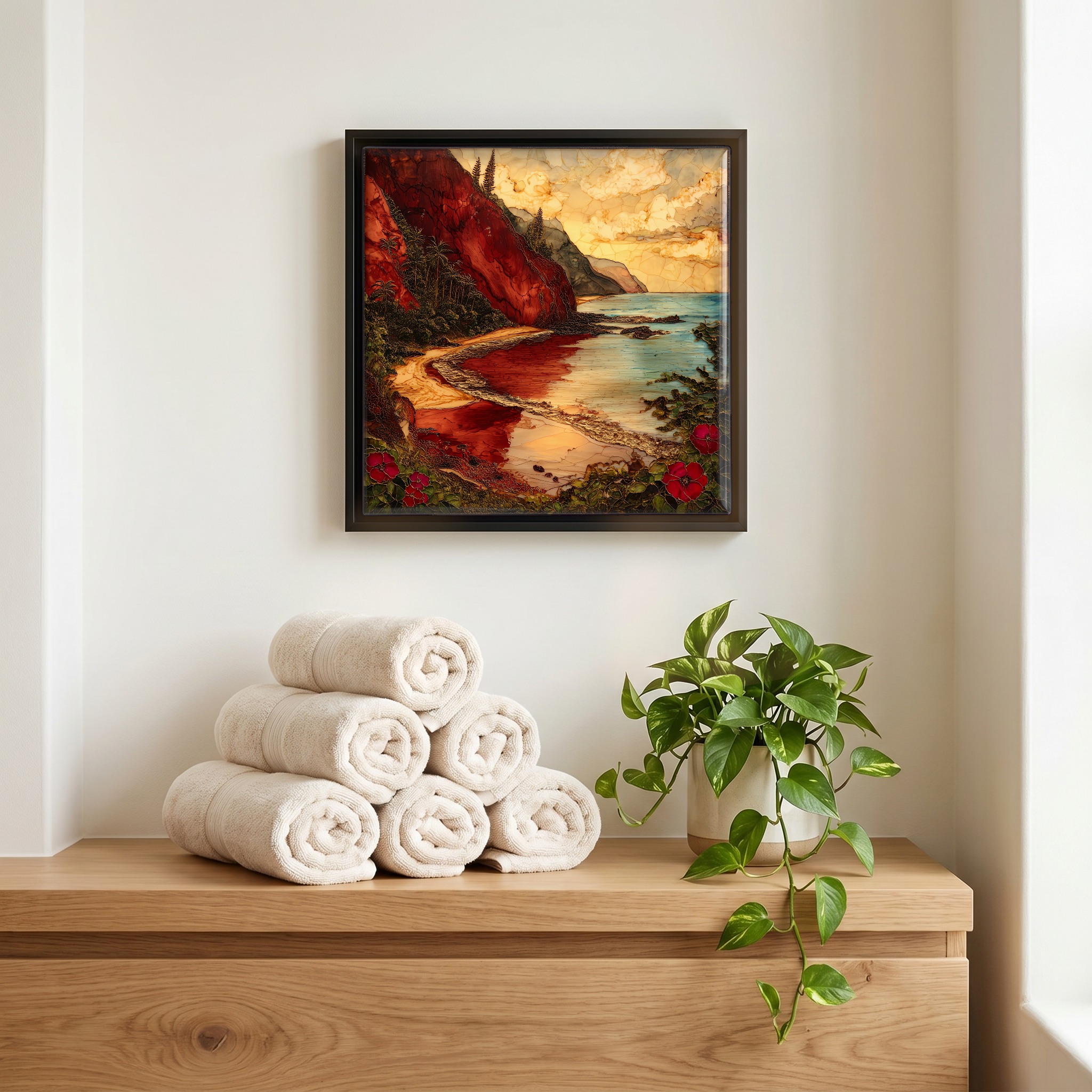

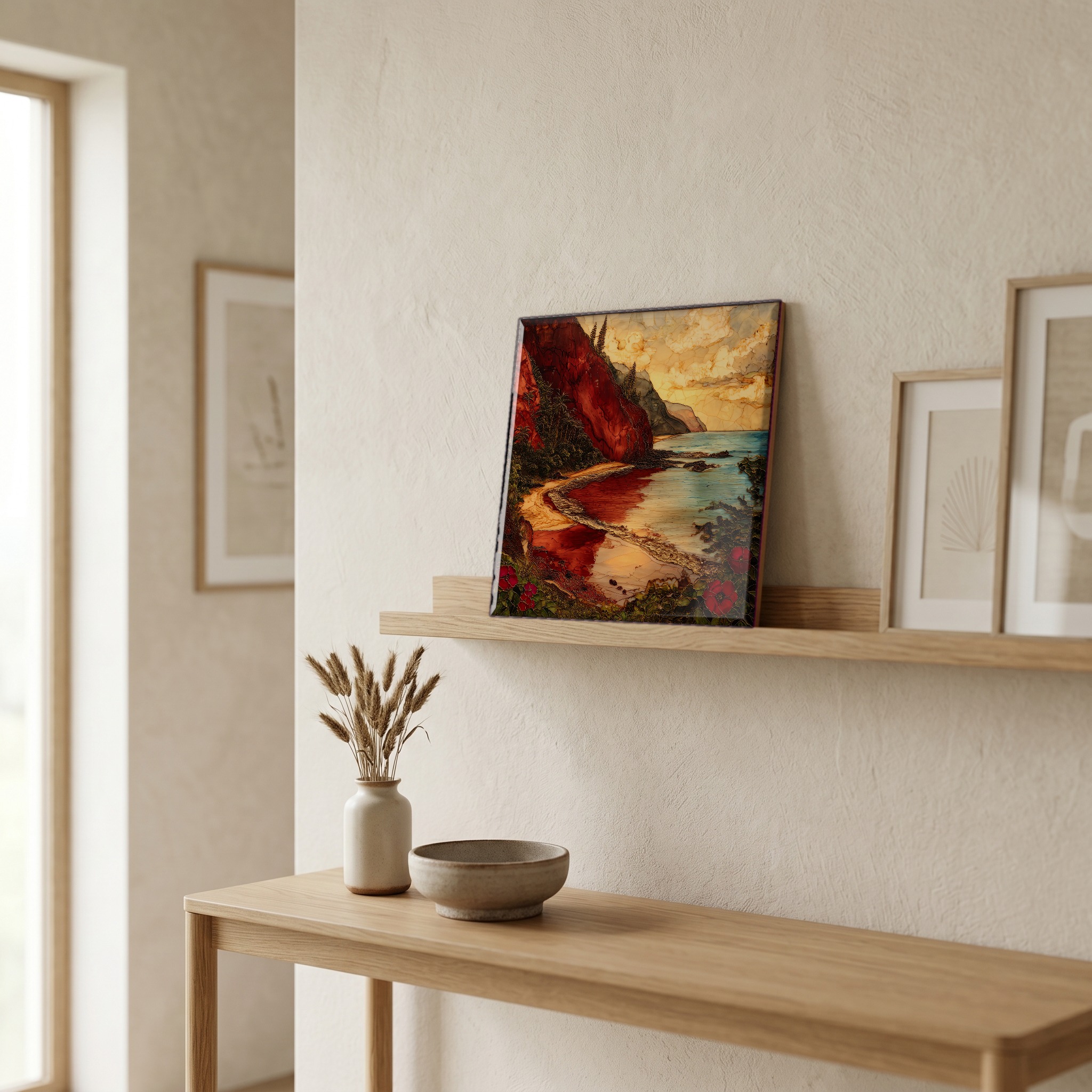
“A pocket beach below Kaʻuiki Head, on the eastern edge of Maui. The cinder cone keeps eroding into the cove, which keeps the sand a startling iron-red, the same colour that once ran out of the volcano. An offshore reef takes the swell apart before it reaches shore, so the water inside holds an unusual still indigo. The trail down is narrow, crumbling, and unofficial; locals have asked visitors to leave it alone. The Hawaiians named the bay Kaihalulu, the roaring sea, for what comes through when the reef gives up a wave.
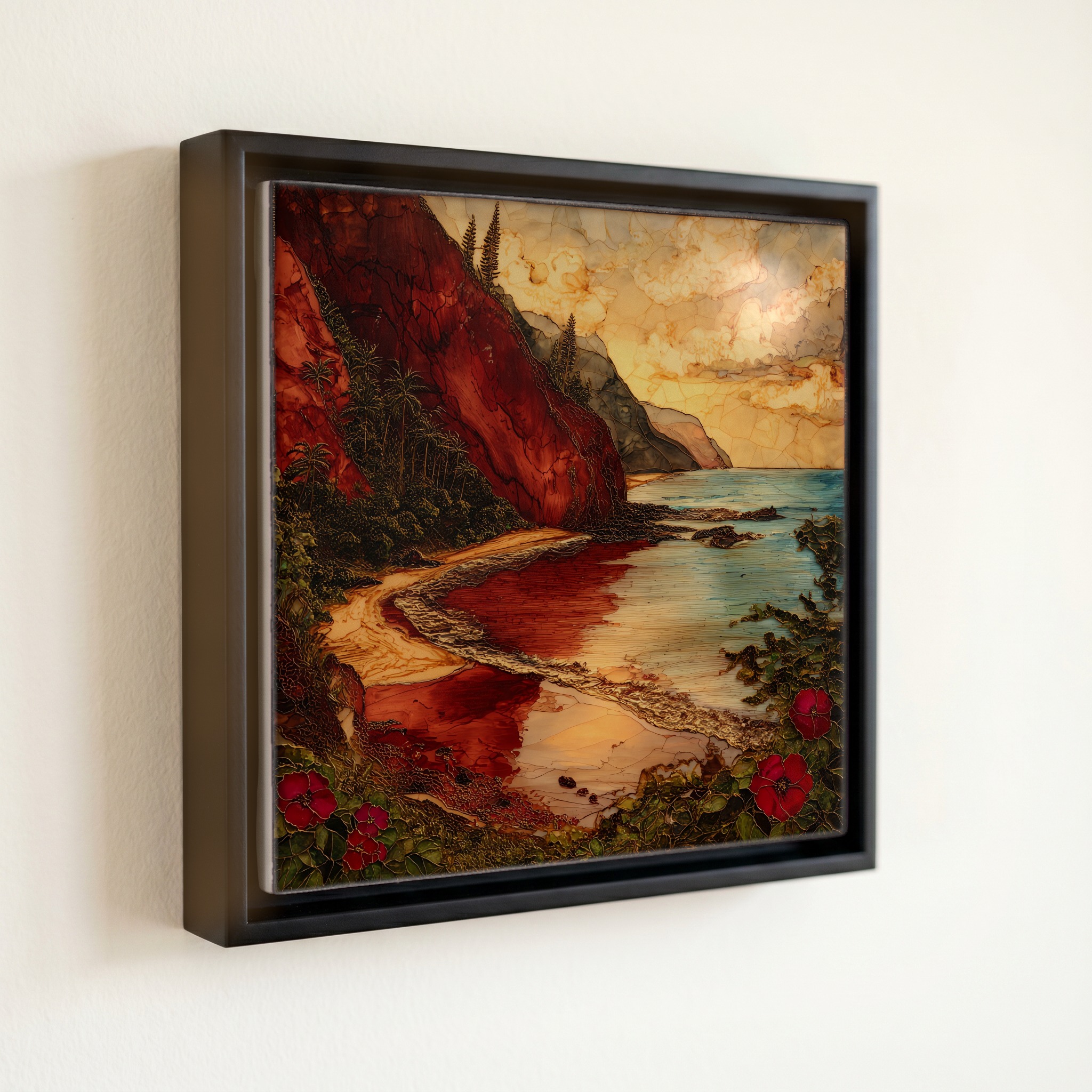
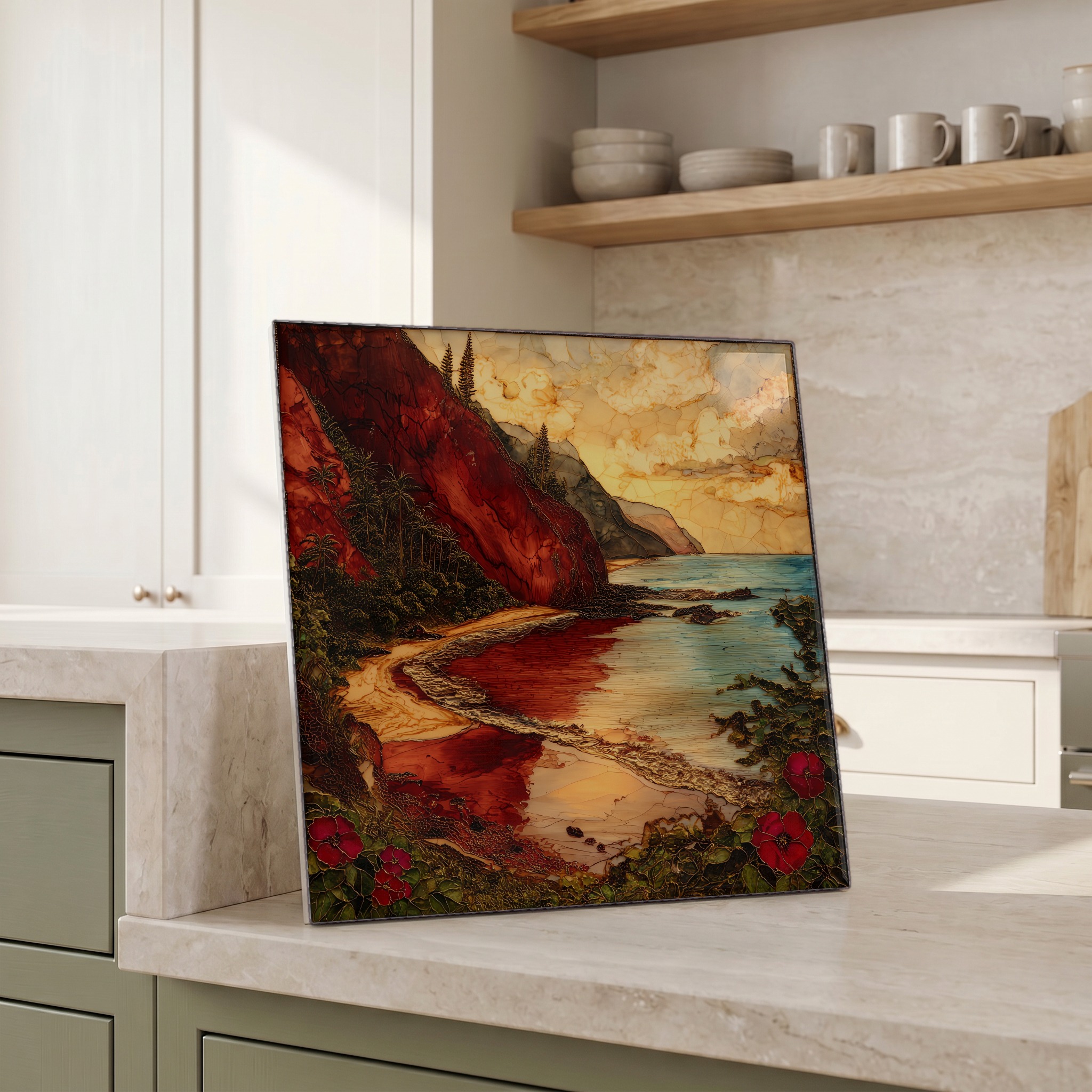
Red Sand Beach Maui Ceramic Art Tile, on ceramic.
Each tile is finished by hand in our Knoxville studio. Artwork is slowly infused into the ceramic surface under high heat and pressure, and rests beneath a thin glossy finish. The colour lives in the surface, not on top of it.
Pick any four 4-inch tiles — National Parks you've been to, a Smokies set, the four seasons of one place. $ for a set of , cork-backed, ready to live on the table.
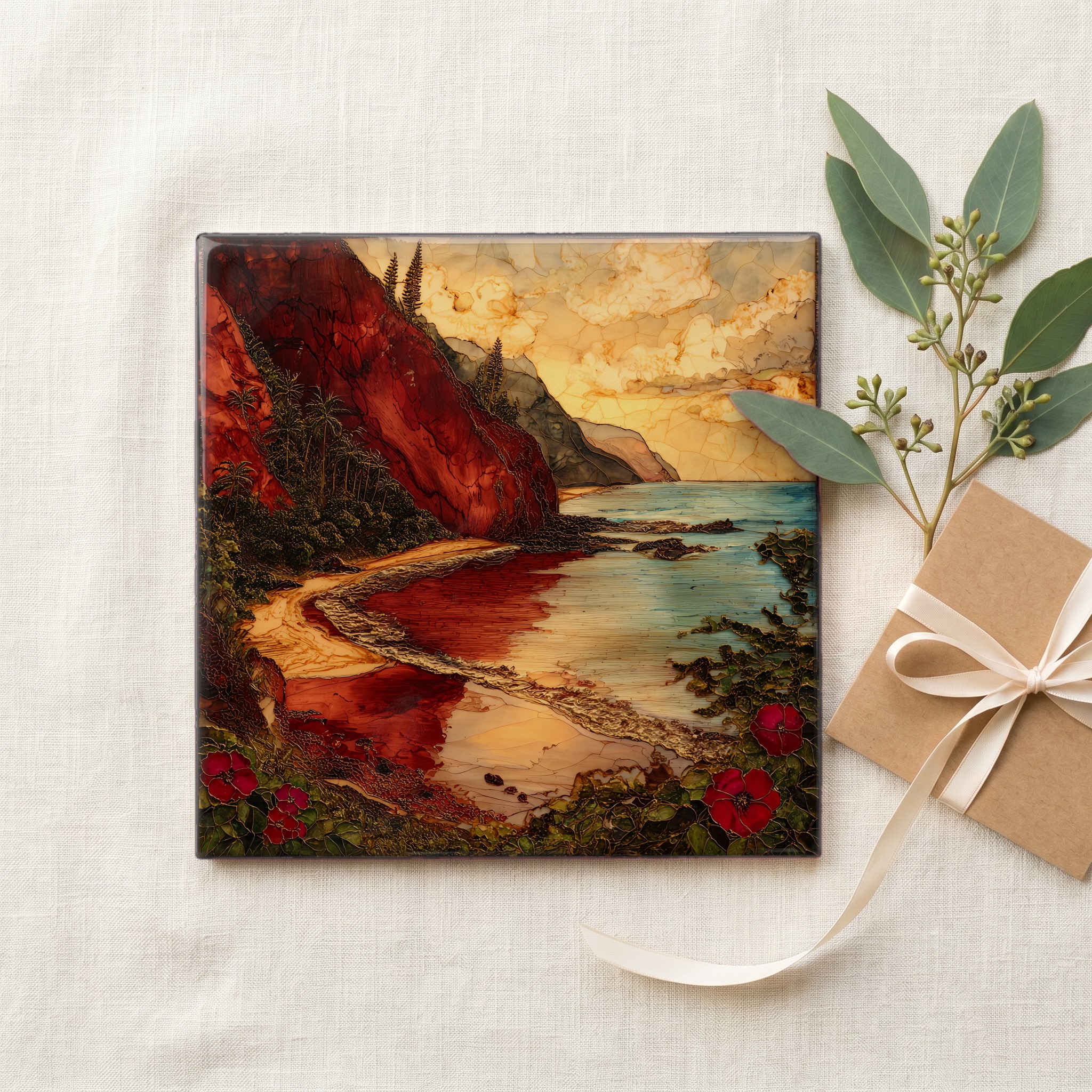
Each tile ships in a kraft box, tied with cream ribbon, with a handwritten note from the studio if you'd like to add one.
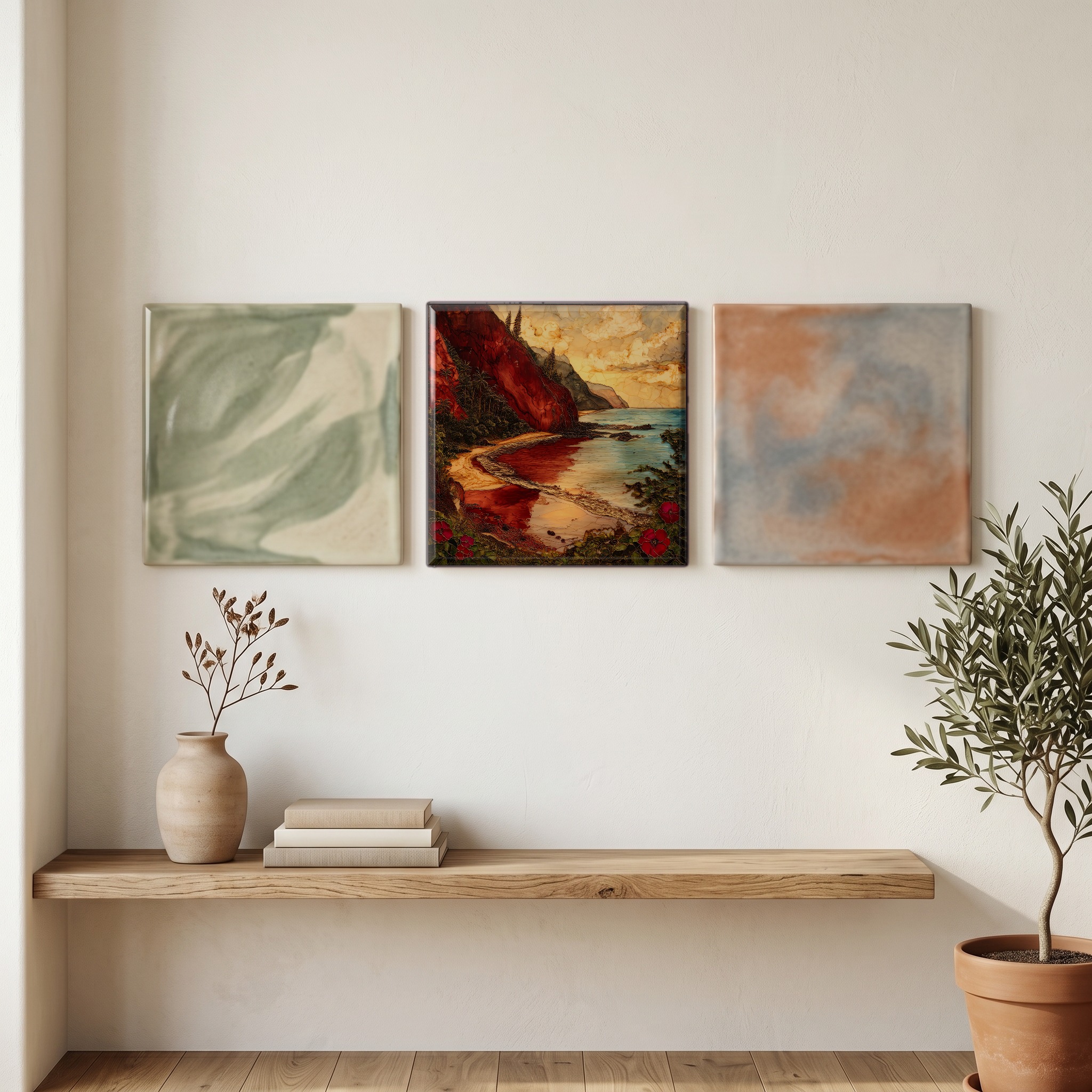
Three or five different vistas, hung together — a chapter of places you've been, or want to go.
The place, in three passes.
Kaihalulu Beach sits in a pocket cove on the southern side of Kaʻuiki Head, a small cinder cone just south of Hāna Bay on the eastern coast of Maui. The cone is part of the East Rift Zone of Haleakalā, the volcano that built the eastern half of the island. The town of Hāna lies a short walk to the north; the rest of Maui reaches it by the 52-mile Hāna Highway from Kahului. The bay's name, Kaihalulu, means 'roaring sea' in Hawaiian; the cone above it, Kaʻuiki, means 'the glimmer.'
The sand is red because the cinder cone above it is iron-rich, and the cone is constantly eroding into the cove. As the cinder breaks down and the iron oxidises into rust, the grains take on the deep red that gives the beach its English name. The same red shows in the cliff face and in the seawall of fallen rock at the back of the cove. The blue is unusual too: an offshore reef breaks the open Pacific swell before it can reach the inside of the bay, so the water there sits an unusually still indigo against the red wall.
Reaching the beach is unofficial and increasingly difficult. The trail from the end of Uakea Road descends about 200 feet along a narrow ridge of loose cinder, crossing private land posted against trespass. Sections lost to landslide and to Kona storms have made the path more dangerous each year; visitors were airlifted out after falls in 2023 and 2024, and East Maui community groups have asked travellers to stay away. The cove is most often viewed from the cliff path above Hāna Bay rather than walked down to. The town of Hāna itself, population 1,526, is where most travellers stop.