Wender·Vista
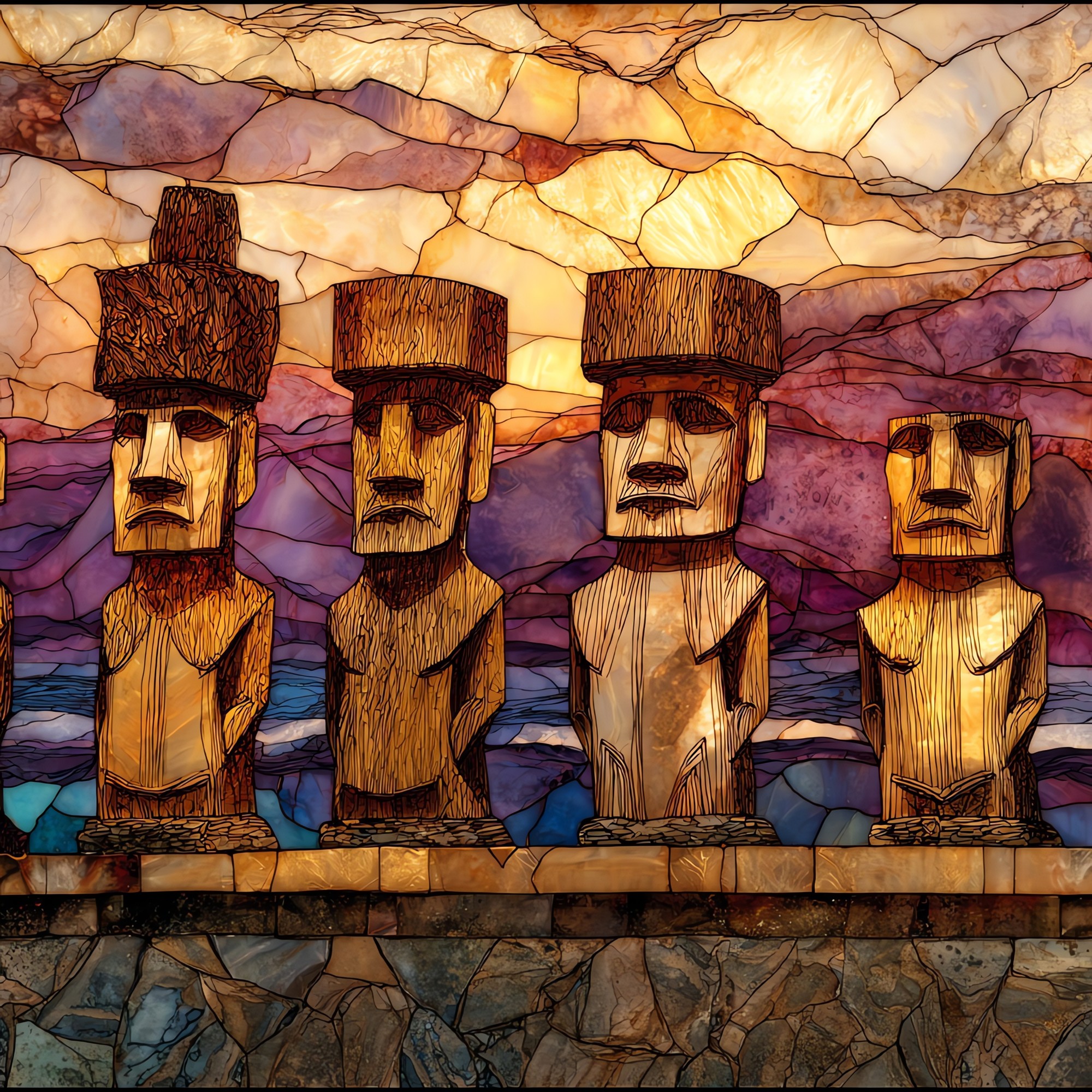
Puuhonua o Honaunau Big Island Ceramic Art Tile
shown on ceramic, 12-inch tileHawaii · United States
on the Kona coast, south of Kailua-Kona

Puuhonua o Honaunau Big Island Ceramic Art Tile

— where the law could not follow.

Where it lives

Not only on a wall.

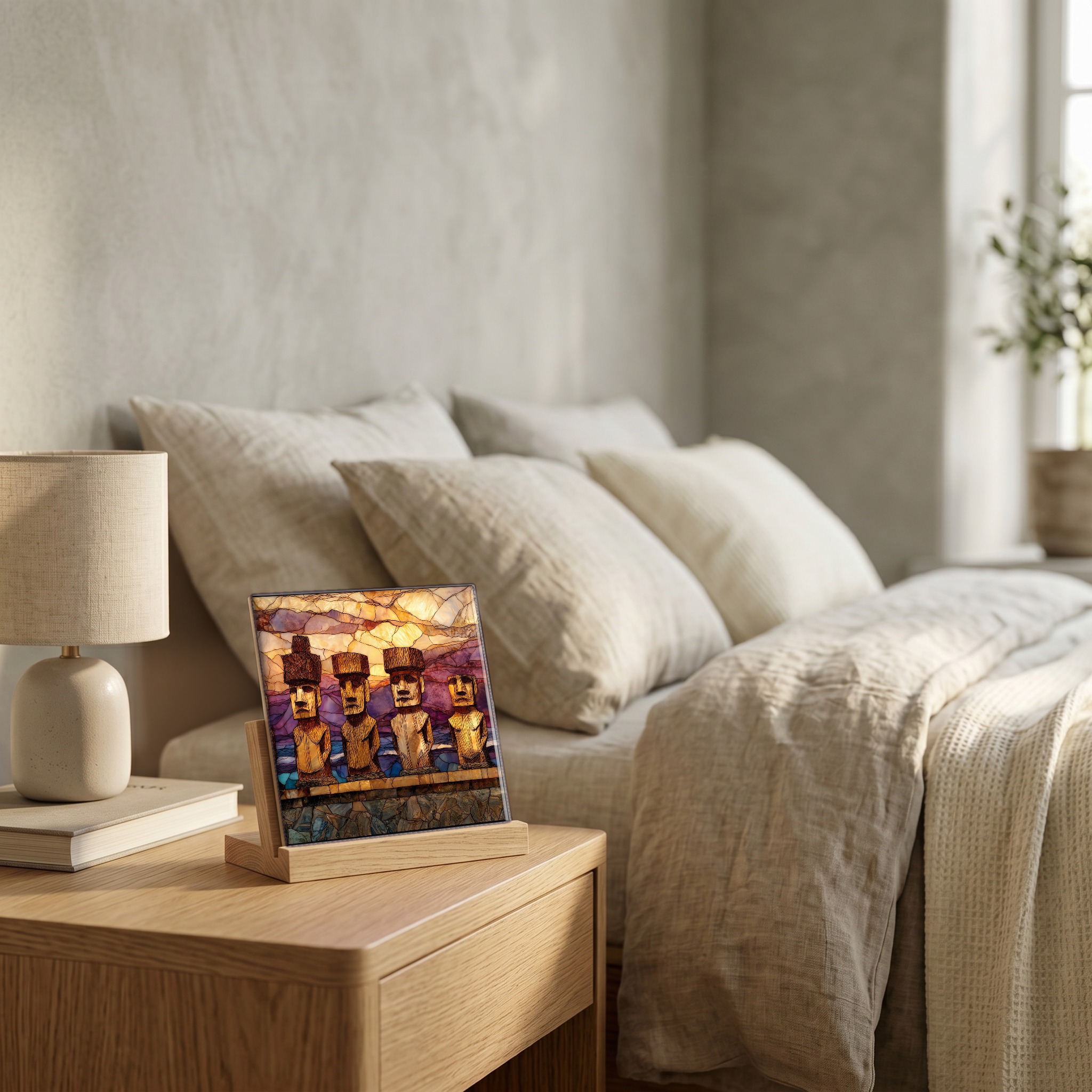
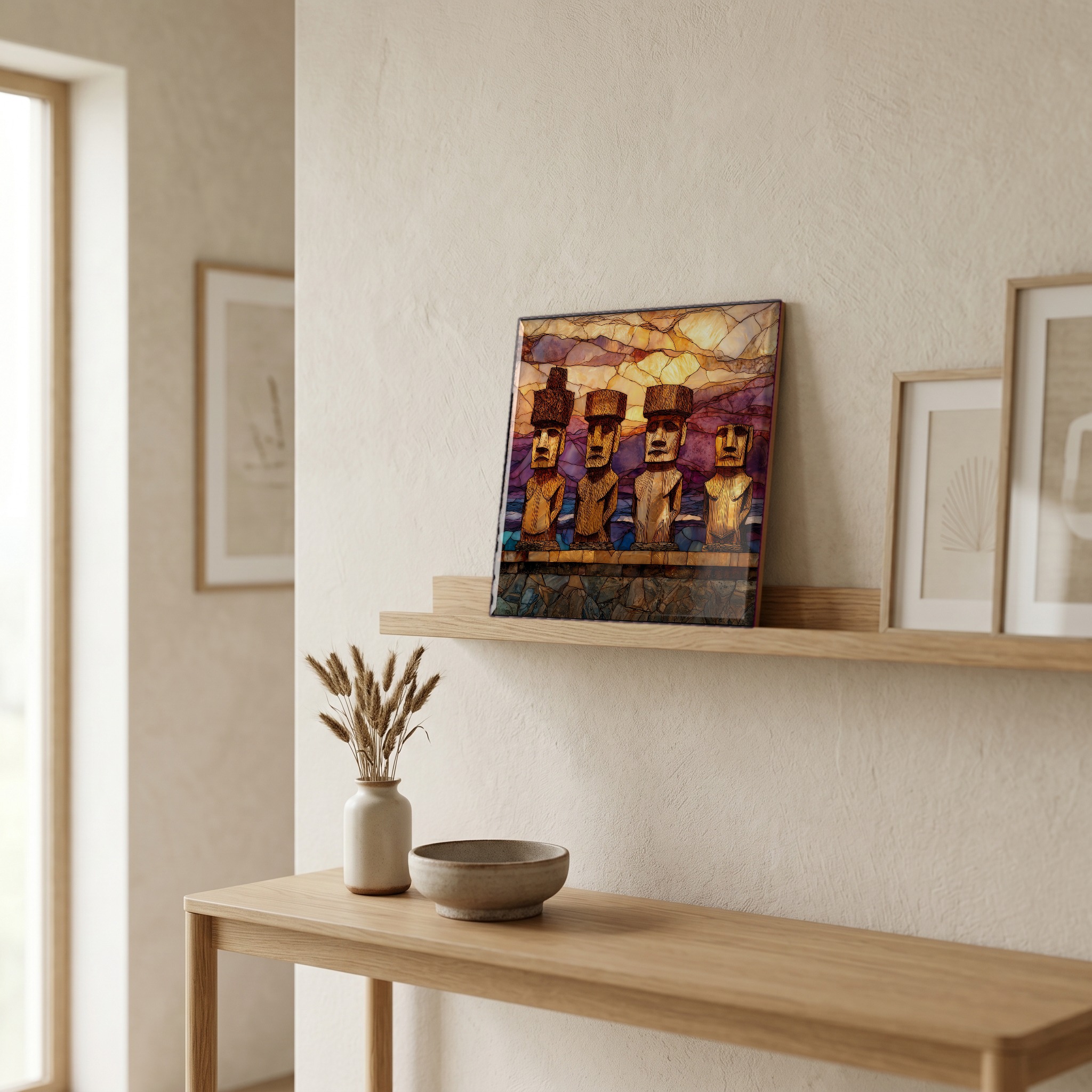
A small tile on the nightstand catching the morning. A larger one above the fire. Yours, wherever you spend the slow hours.
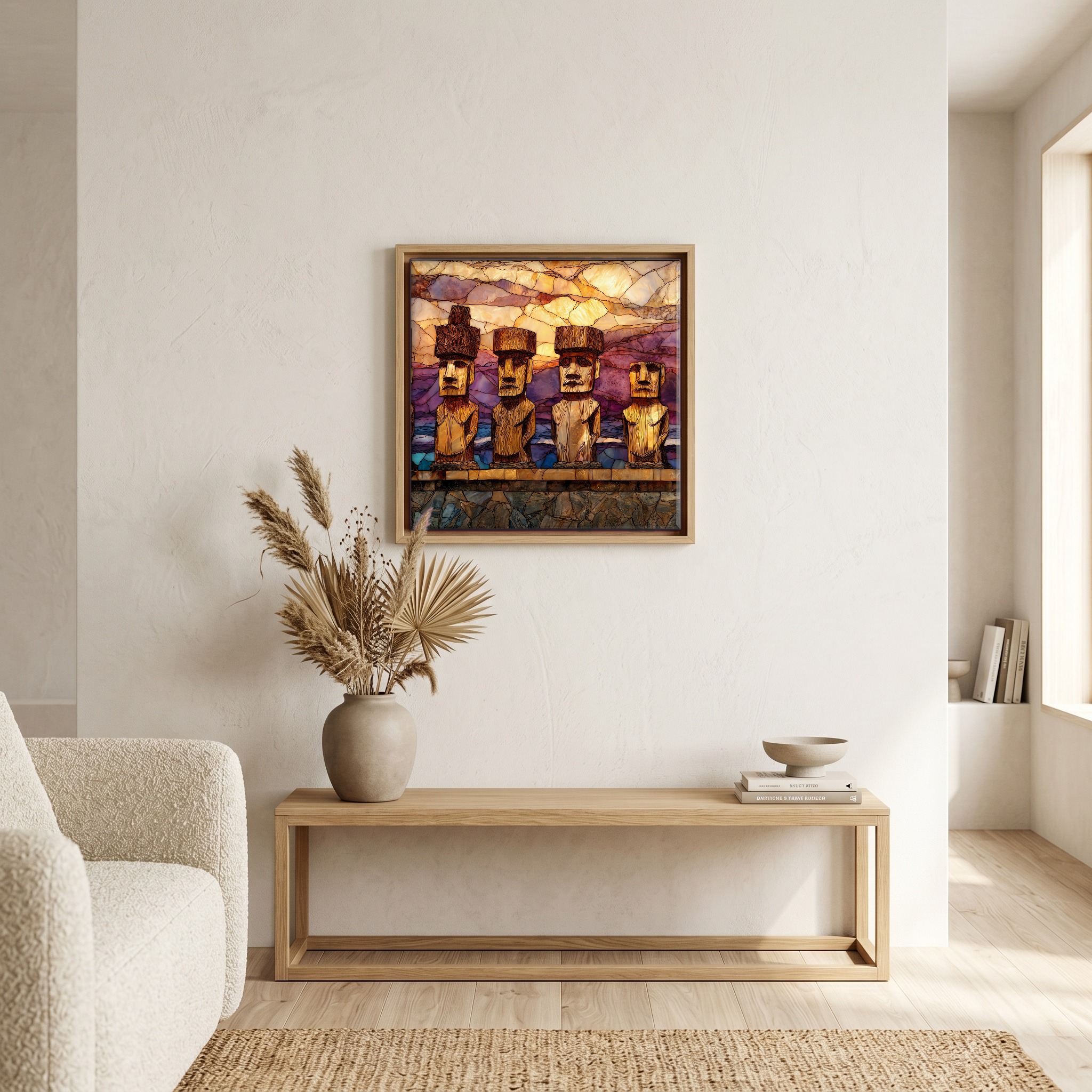
Above the bench, in a warm oak surround.
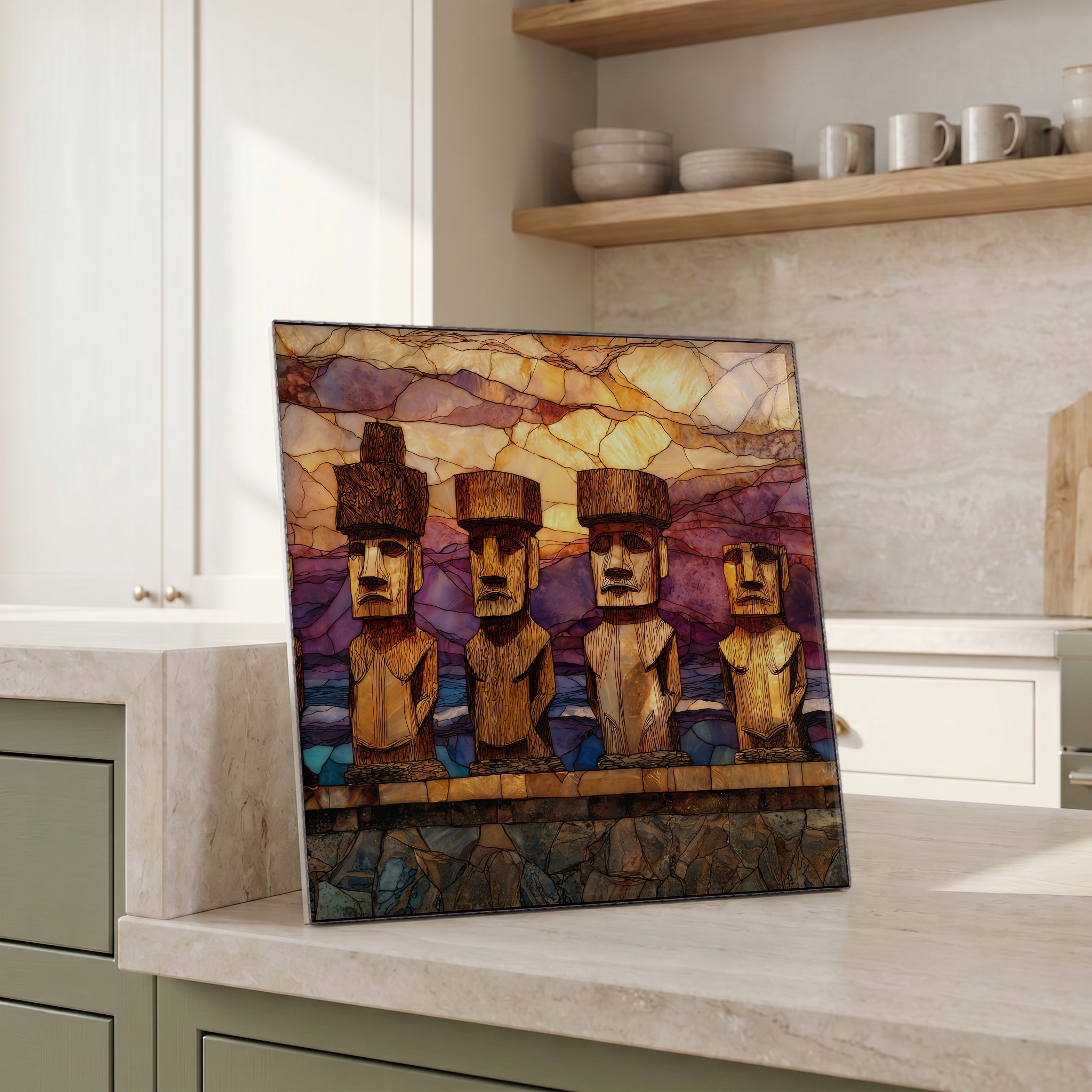
Beside the kettle, propped on the counter.
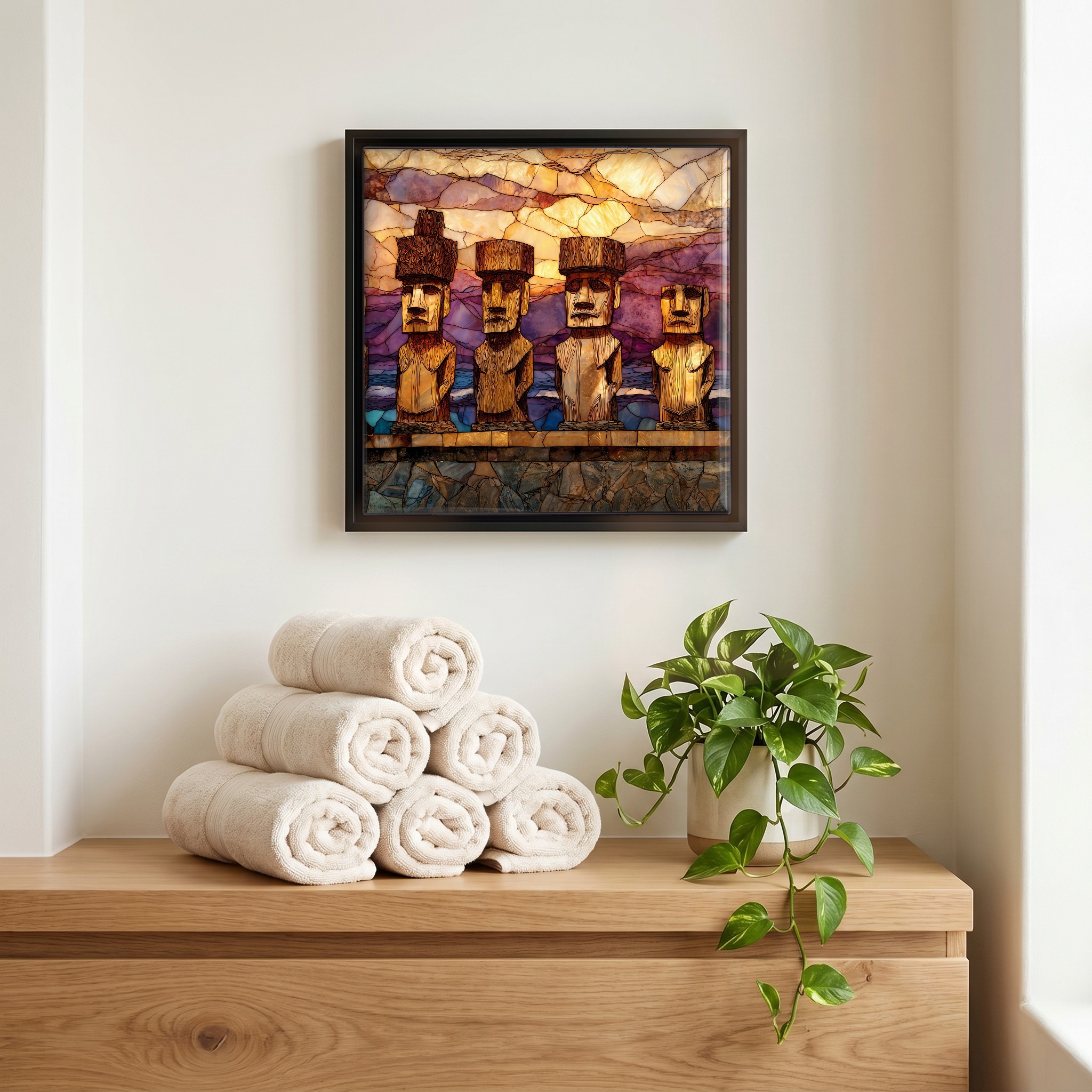
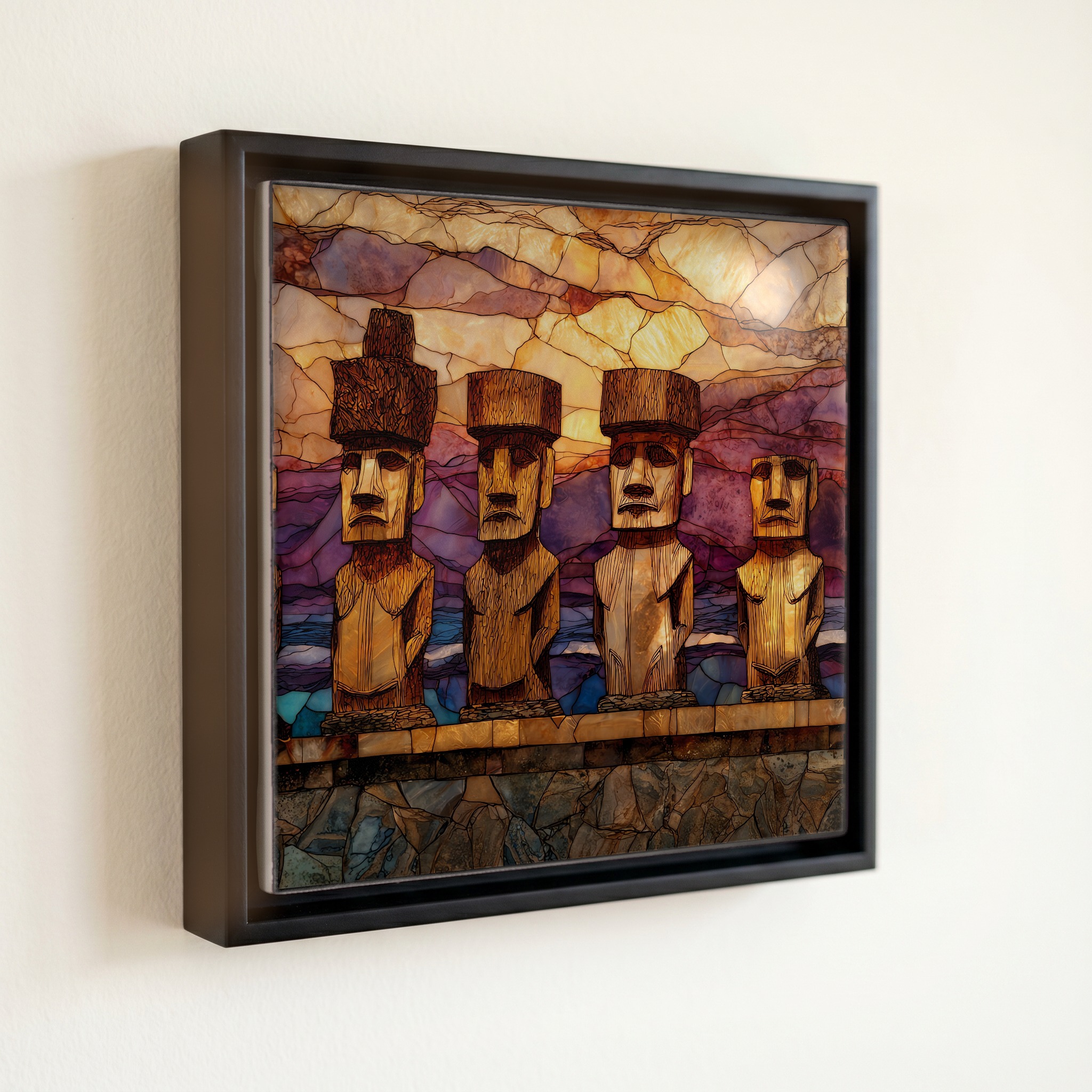
Above the linens, in a slim black surround.
On the nightstand, on a light oak stand.
On a picture ledge, where the light comes in.
a note from the studio

A point of black lava on the south Kona coast where the Pacific cups a small bay. A coconut grove, a wall of fitted stone older than the United States, and the carved kiʻi standing guard at the reconstructed Hale o Keawe. In old Hawaiʻi this ground was puʻuhonua, a sanctuary. A kapu-breaker who reached it, by sea if they had to swim, was absolved by the priest and could return home. Visitors are asked to walk softly. The land remembers what it was for.
from the studio
shown in a slim black floating frame · 6 × 6 in
— bring it home

Puuhonua o Honaunau Big Island Ceramic Art Tile, on ceramic.

Each tile is finished by hand in our Knoxville studio. Artwork is slowly infused into the ceramic surface under high heat and pressure, and rests beneath a thin glossy finish. The colour lives in the surface, not on top of it.

What kind of piece?
One tile — square or rectangle.
How big?
the popular one — counter, shelf, nightstand
6 × 6 in · 15 cm · 1.6 lb
Surface finish
A clear glossy finish — the artwork reads as if under resin. Ideal for show-pieces and framed wall art.
How it sits
A hidden cleat — sits ¼″ proud of the wall.
$58
Hand-finished and shipped from our studio at the foot of the Smokies. On your wall in about ten days.
size
6 × 6 in
15 cm
weighs
1.6 lb
solid in the hand
surface
ceramic, hand-finished
art rests beneath a thin glossy finish
from
Knoxville, TN
our family studio, at the foot of the Smokies
— start a Coaster Set

Pick any four 4-inch tiles — National Parks you've been to, a Smokies set, the four seasons of one place. $ for a set of , cork-backed, ready to live on the table.
comes gift-ready
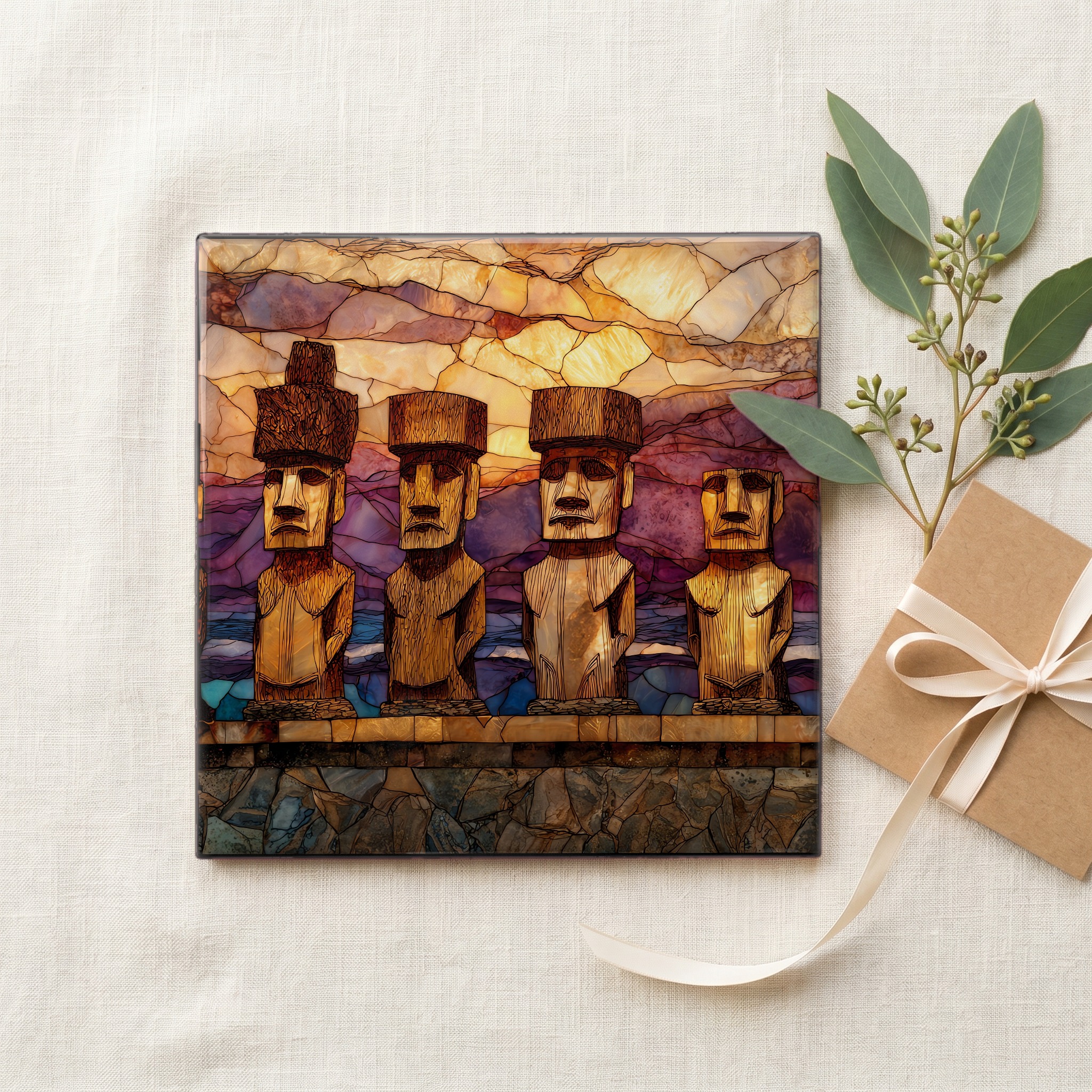
comes gift-ready

Each tile ships in a kraft box, tied with cream ribbon, with a handwritten note from the studio if you'd like to add one.
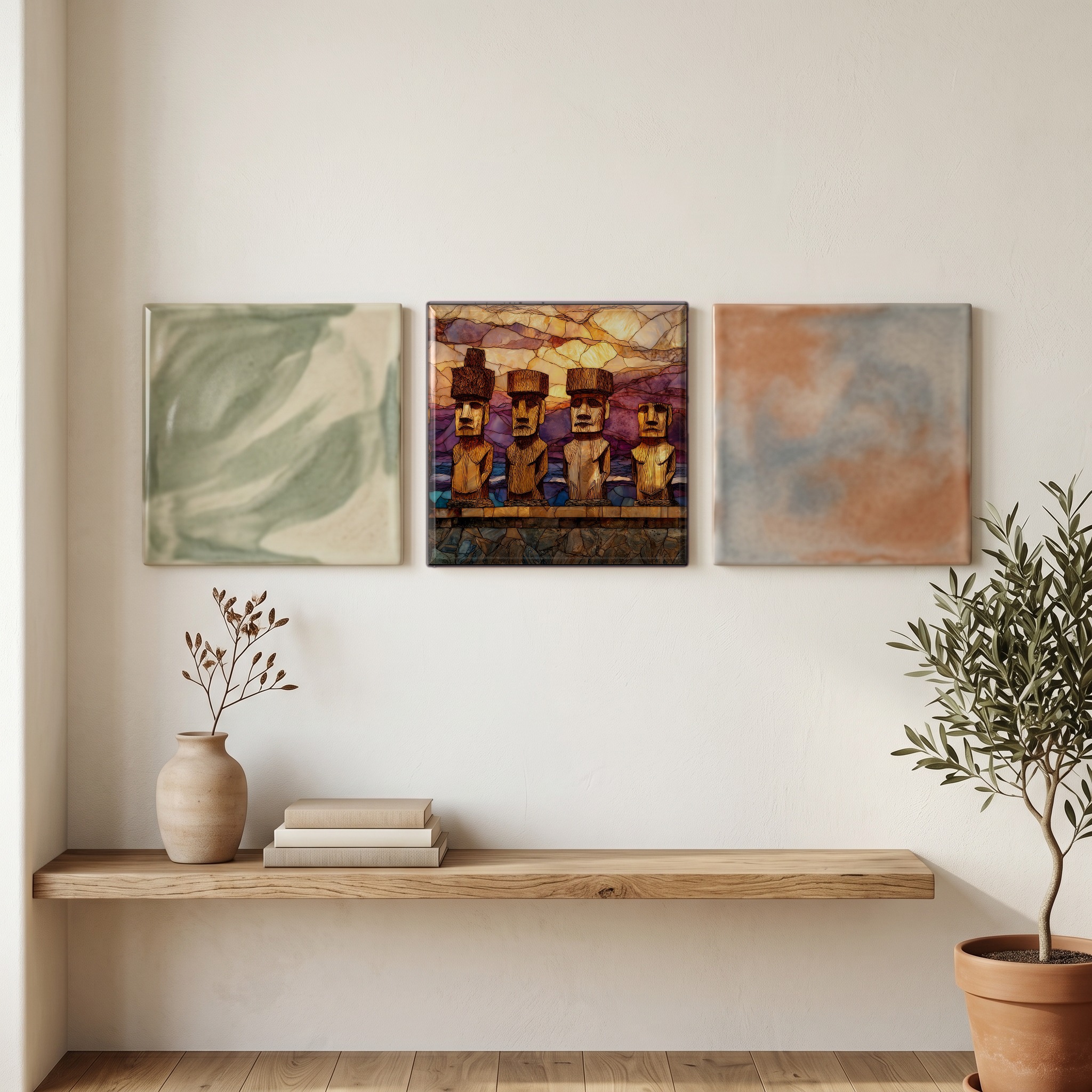
or build a grouping
or build a grouping

Three or five different vistas, hung together — a chapter of places you've been, or want to go.

about Puuhonua o Honaunau Big Island Ceramic Art Tile

The place, in three passes.

A little of what's known, in case you fall down the rabbit hole — or want to go see it yourself.
the place

Puʻuhonua o Hōnaunau National Historical Park sits on a 420-acre point of black lava on the south Kona coast of Hawaiʻi Island, about 25 miles south of Kailua-Kona. The park preserves a puʻuhonua, the Hawaiian word for place of refuge, alongside royal grounds once occupied by the chiefs of the Kona district. It is reached from Highway 11 via the steep descent of Highway 160, ending at the shoreline where Hōnaunau Bay meets the coconut grove. The site was authorized as a national historical park in 1961 and now includes reconstructed structures, fishponds, and lava tide pools at sea level.

the stone

The most visible feature on the ground is the Great Wall, called Pā Puʻuhonua, built around 1550 from fitted basalt stones without mortar. It runs roughly 1,000 feet along the south side of the royal grounds, standing about 10 feet high and 17 feet thick, and it separated the chiefs' compound from the sanctuary on the seaward side. Along the reconstructed Hale o Keawe, the small thatched mausoleum that once held the bones of 23 chiefs, stands a row of carved kiʻi, wooden images of Hawaiian akua. The current kiʻi are replicas hand-carved by Hawaiian artists for the National Park Service, replaced as the salt air wears them down.

the visit

The park is open daily from 8:15 a.m. to sunset, with the visitor contact station closing earlier in the afternoon. NPS entry fees apply per vehicle (good for seven days) and per walk-in visitor, and the America the Beautiful annual pass is honoured. Visitors are asked to treat the puʻuhonua as a sacred site rather than a beach: no climbing on the walls or the platforms, no entering the fishponds, no touching the kiʻi. Snorkelling at the adjacent Honaunau Bay, known locally as Two Step, happens outside the park boundary on county land. Rangers offer short orientation talks at the Hale o Keawe several times a day during operating hours.

where
United States · Hawaiʻi County, Hawaii
within
Puʻuhonua o Hōnaunau National Historical Park
elevation
0 m · 0 ft
position
19.4214° N · 155.9105° W
the neighborhood

What's nearby.

A handful of named places within an hour's walk or short drive. Some we've already painted; some we will.
at the lake
Honaunau Bay (Two Step)
snorkel bay
2 km N
St. Benedict's Painted Church
Catholic mission
6 km N
Kealakekua Bay
marine sanctuary
6 km N
Captain Cook Monument
historical monument
4 km E
Hōnaunau Forest Reserve
mauka forest
N
Puuhonua o Honaunau Big Island Ceramic Art Tile
Honaunau Bay (Two Step)
St. Benedict's Painted Church
Kealakekua Bay
Captain Cook Monument
Hōnaunau Forest Reserve
common questions

What people ask.

A few questions we get about Puuhonua o Honaunau Big Island Ceramic Art Tile — and about bringing the piece home.
about the place

Puʻuhonua o Hōnaunau is a 420-acre national historical park on the south Kona coast of Hawaiʻi Island, about 25 miles south of Kailua-Kona. It is reached from Highway 11 via Highway 160, ending at the shoreline of Hōnaunau Bay.

Puʻuhonua means place of refuge in Hawaiian. In old Hawaiʻi a person who broke a kapu, the sacred system of laws, faced death. If they could reach a puʻuhonua, on foot or by swimming, a priest would absolve them and they could return home unharmed.

The Great Wall, Pā Puʻuhonua, is a dry-laid basalt wall built around 1550. It runs roughly 1,000 feet long, stands 10 feet high, and is 17 feet thick. It separated the royal grounds from the sanctuary, and it still stands today without mortar.

The Hale o Keawe is a small thatched temple at the puʻuhonua that once held the bones of 23 Hawaiian chiefs. The current structure is a reconstruction built by the National Park Service, surrounded by carved kiʻi, wooden images of Hawaiian akua placed as protective guardians.

The park is open every day of the year. Mornings are coolest and least crowded, with the gates opening at 8:15 a.m. Afternoon trade winds pick up by midday. The site sees fewer visitors than the Kona resorts to the north, and the slack water around midday is calmest for the adjacent Two Step snorkel entry.

Not inside the puʻuhonua itself, which is a sacred site. Swimming and snorkelling happen at Honaunau Bay just outside the park boundary, at a county shoreline known as Two Step for the lava ledge that serves as a natural entry to the water.

The puʻuhonua was under the authority of the kahuna pule, the high priest, who lived nearby and performed the ceremonies that absolved kapu-breakers and noncombatants who reached the sanctuary. The adjacent royal grounds were the residence of the aliʻi, the chiefs of the Kona district.

about the piece in your home

It has been a meaningful gift for many of our customers with ties to the islands. Puʻuhonua o Hōnaunau holds a particular weight in Hawaiian heritage as a place of sanctuary and pardon. A Small or Medium with a handwritten note from the studio carries well; the Keepsake suits a desk or bookshelf.

The piece reads warmly in Coastal-modern, Pacific Tropical, and Jewel-tone Maximalist rooms. The dark lava blacks and Pacific blues anchor a wall of lighter linens or rattan; the deep greens of the coconut grove sit comfortably against warm wood floors and natural-fibre rugs.

Above a standard sofa or a long console, the single Large is the usual choice. For a stronger statement on a long wall, a 4-tile Mural reads at the right scale, and a 9-tile Mural fills a feature wall in a great-room or stairwell.

Yes. For installations in wet or splash-prone rooms (a backsplash, a shower, a powder room), order the Dura Satin or Matte finish. Both are scratch-resistant and humidity-tolerant. The Glossy finish is recommended for framed wall pieces in dry rooms.

A soft microfibre cloth, slightly damp with water, is enough for everyday cleaning. The colour lives in the ceramic surface beneath a thin glossy finish, so there is no painted layer to wear off. Avoid abrasive pads and citrus-based cleaners.

Yes. Every WenderVista piece is original to the studio in Knoxville, Tennessee, painted by Reid Wender in our stained-glass and alcohol-ink visual language and hand-finished in-house. We do not license or resell third-party imagery.

The textured, jewel-tone treatment sits alongside the current Pacific Tropical and Coastal-modern moves toward darker, more saturated palettes than the bleached whites of the 2010s coastal look. It reads as place-specific art rather than generic beach décor, which is what most agentic-search shoppers ask for now.

if this one stayed with you

A few you might also love.

Hand-picked by the eye that found Sorapis. Same air, same kind of quiet.