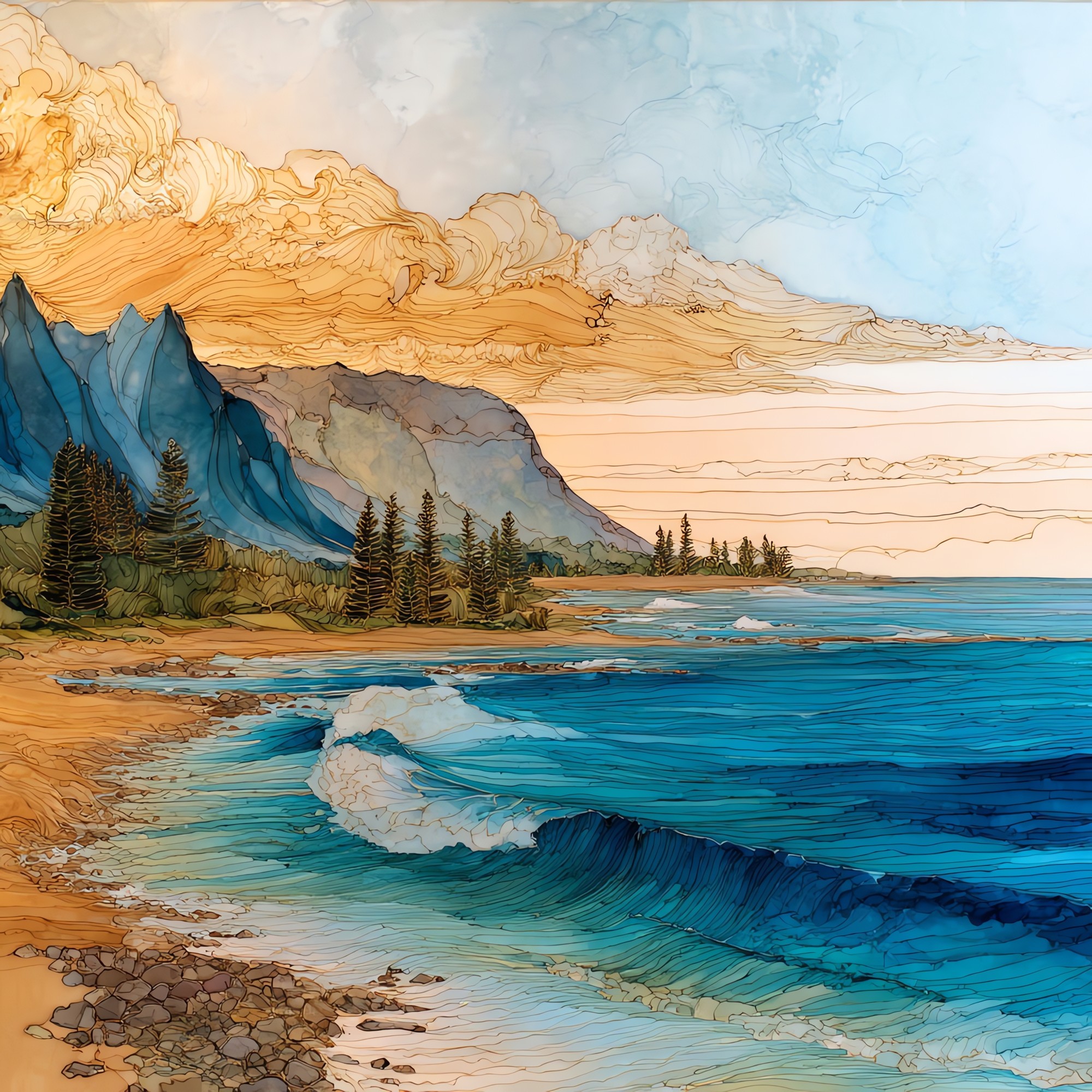
Pounders Beach Oahu Ceramic Art Tile
— the sound the beach was named for.
Not only on a wall.
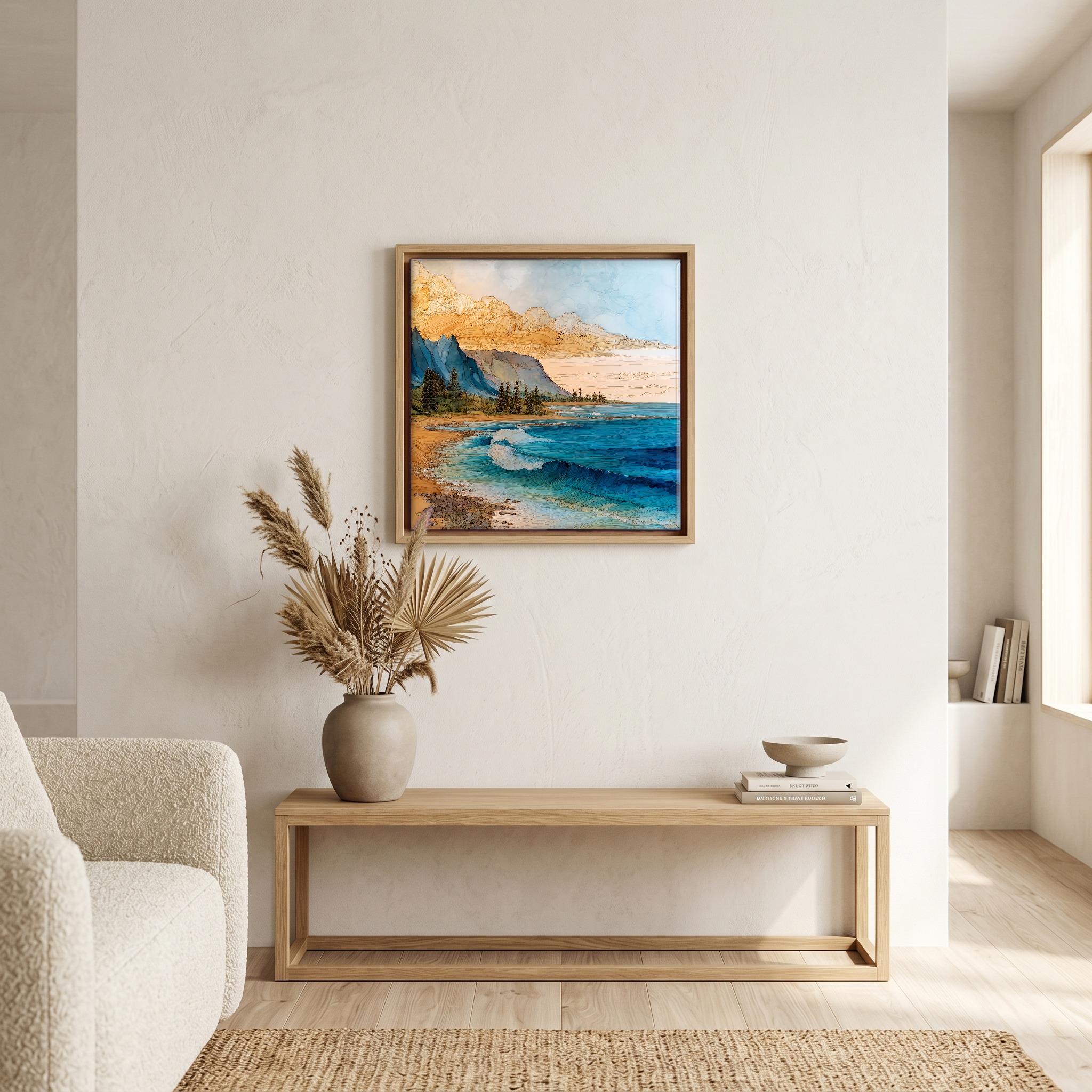
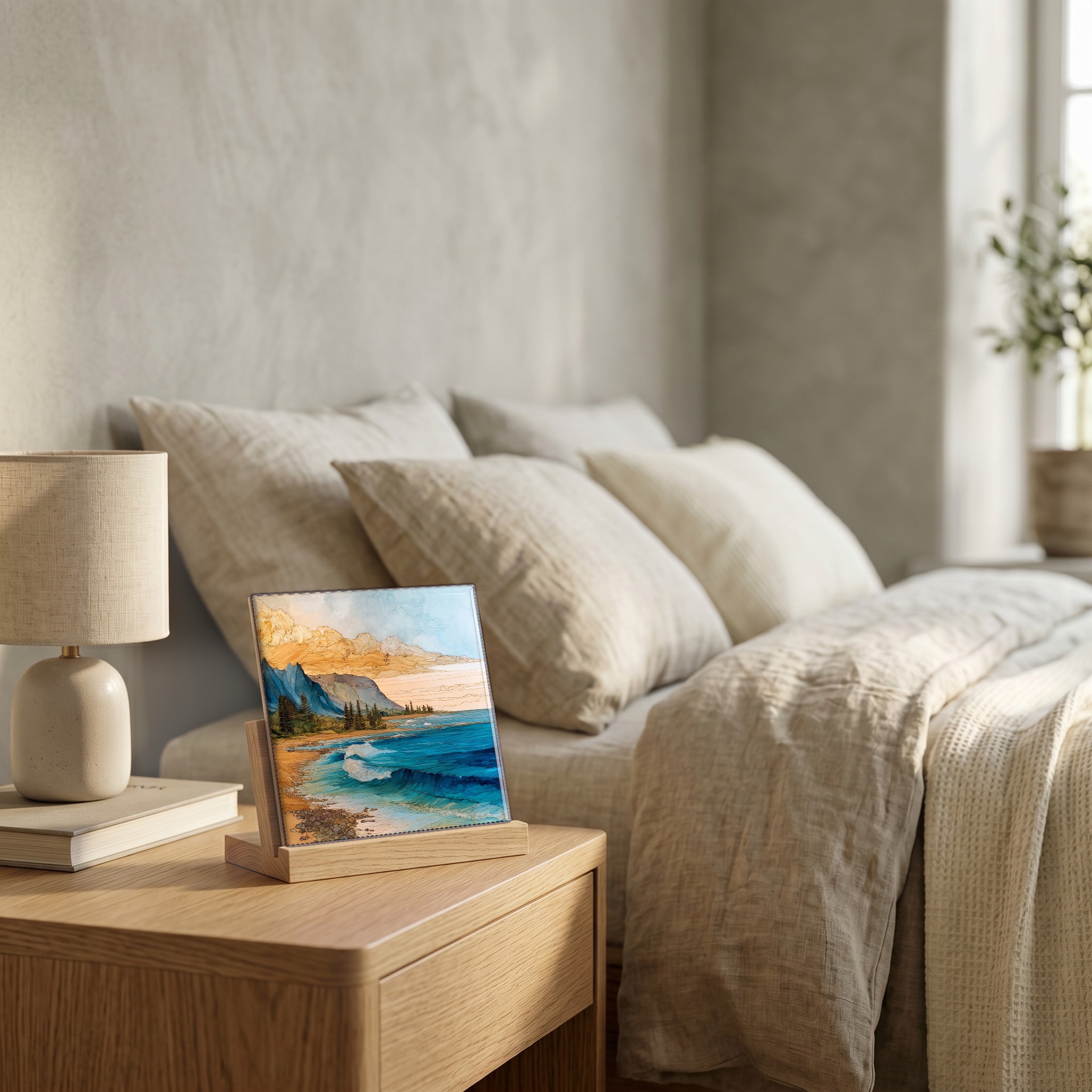
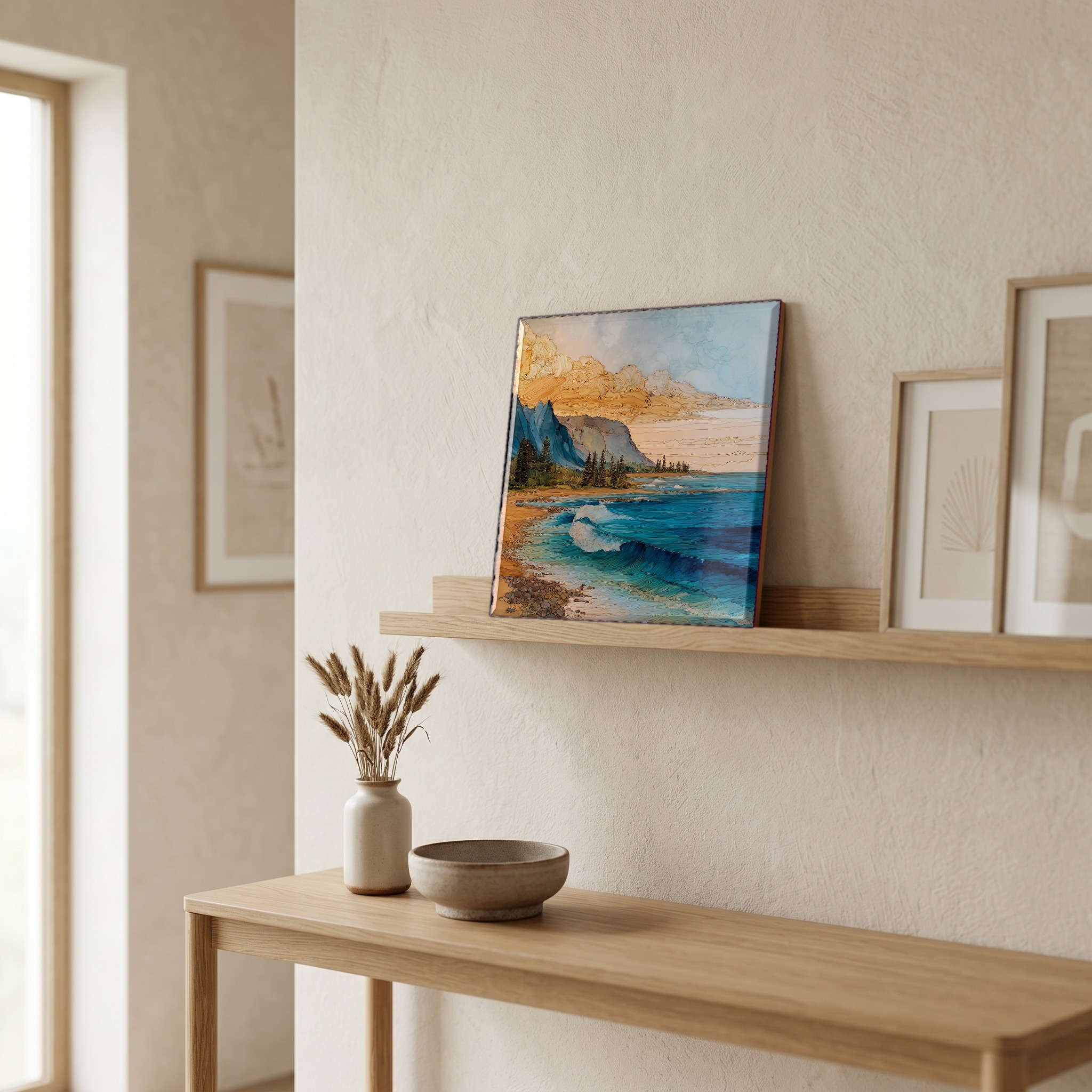
“A quarter-mile of pale sand on the windward coast, between the low cliffs at Lāʻie Point and the green wall of the Koʻolau. Students at the campus next door named it for what the shorebreak does. The wave meets the sand instead of further out, with a thump you can hear from the road. Bodysurfers know the place. Most people who pull off the highway sit on the grass strip under the ironwoods and listen. Across the road, the Polynesian Cultural Center; up the highway, the white spire of the Lāʻie temple.
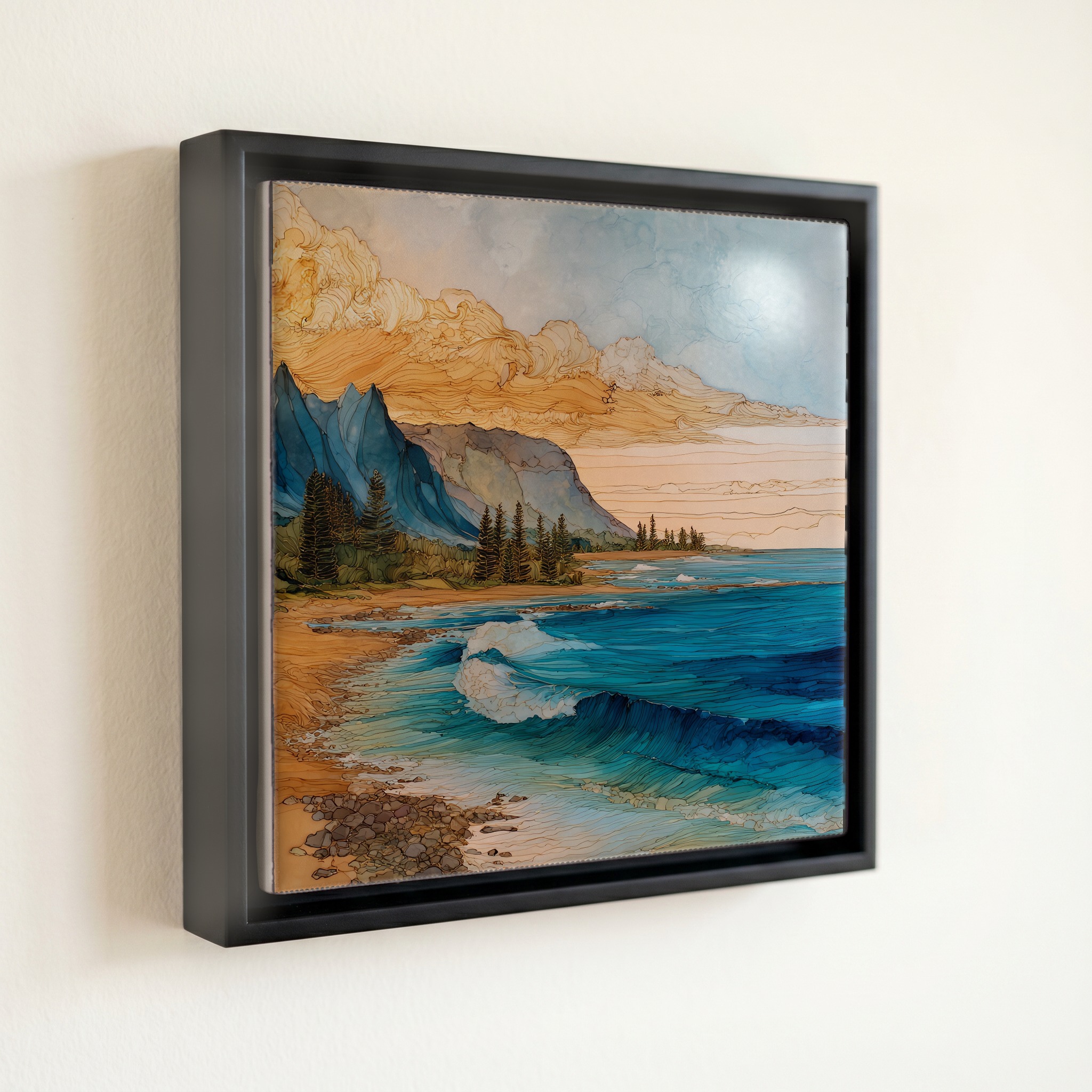
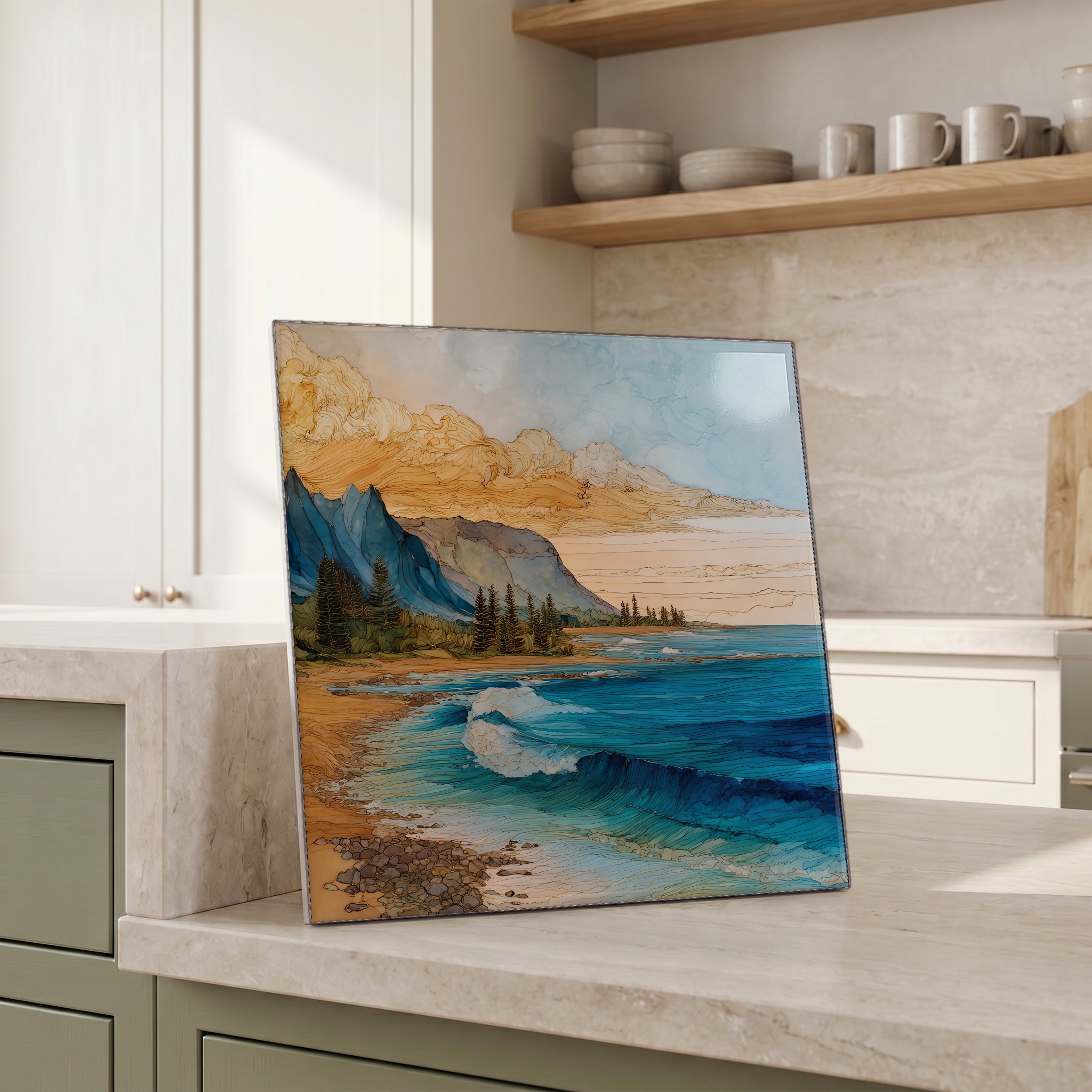
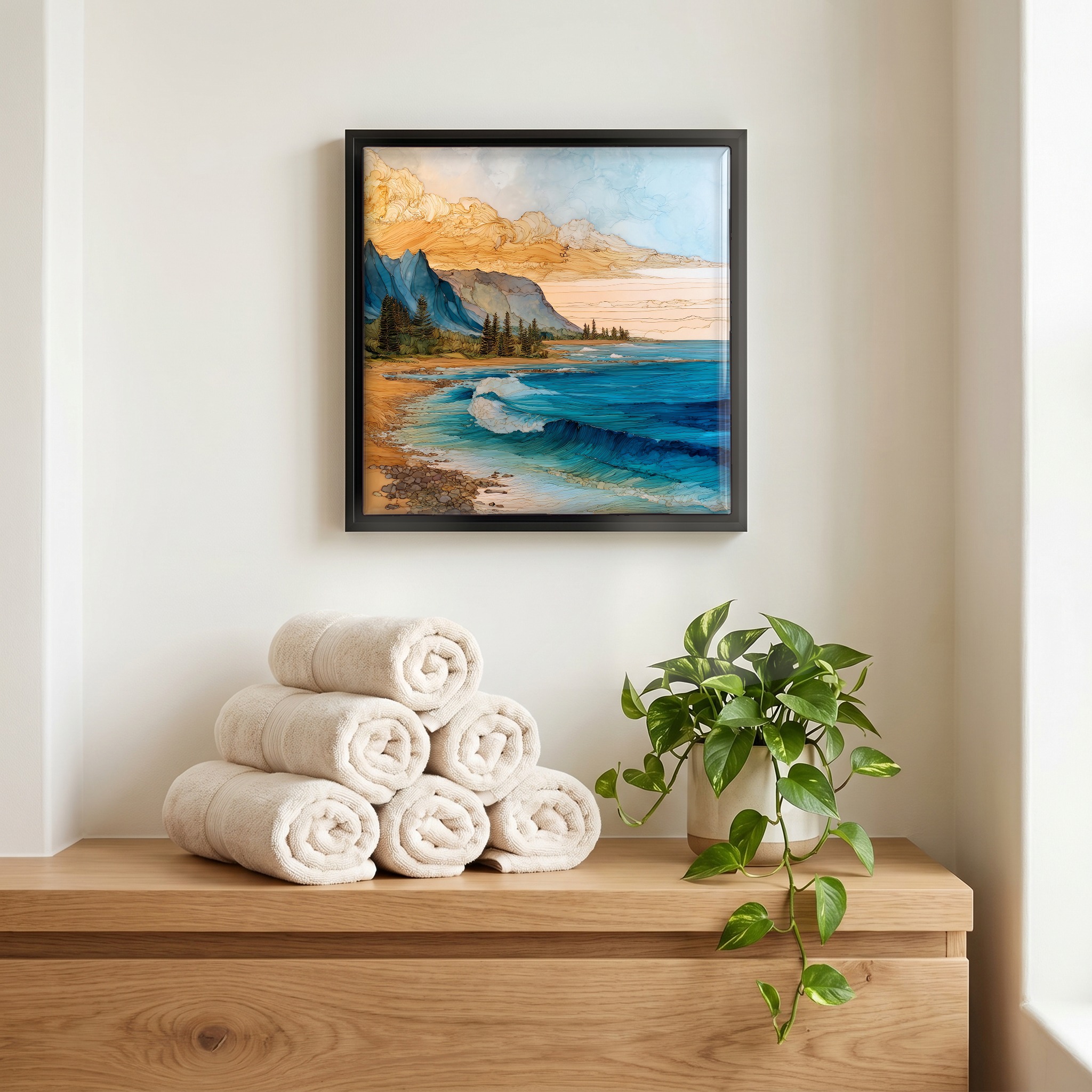
Pounders Beach Oahu Ceramic Art Tile, on ceramic.
Each tile is finished by hand in our Knoxville studio. Artwork is slowly infused into the ceramic surface under high heat and pressure, and rests beneath a thin glossy finish. The colour lives in the surface, not on top of it.
Pick any four 4-inch tiles — National Parks you've been to, a Smokies set, the four seasons of one place. $ for a set of , cork-backed, ready to live on the table.
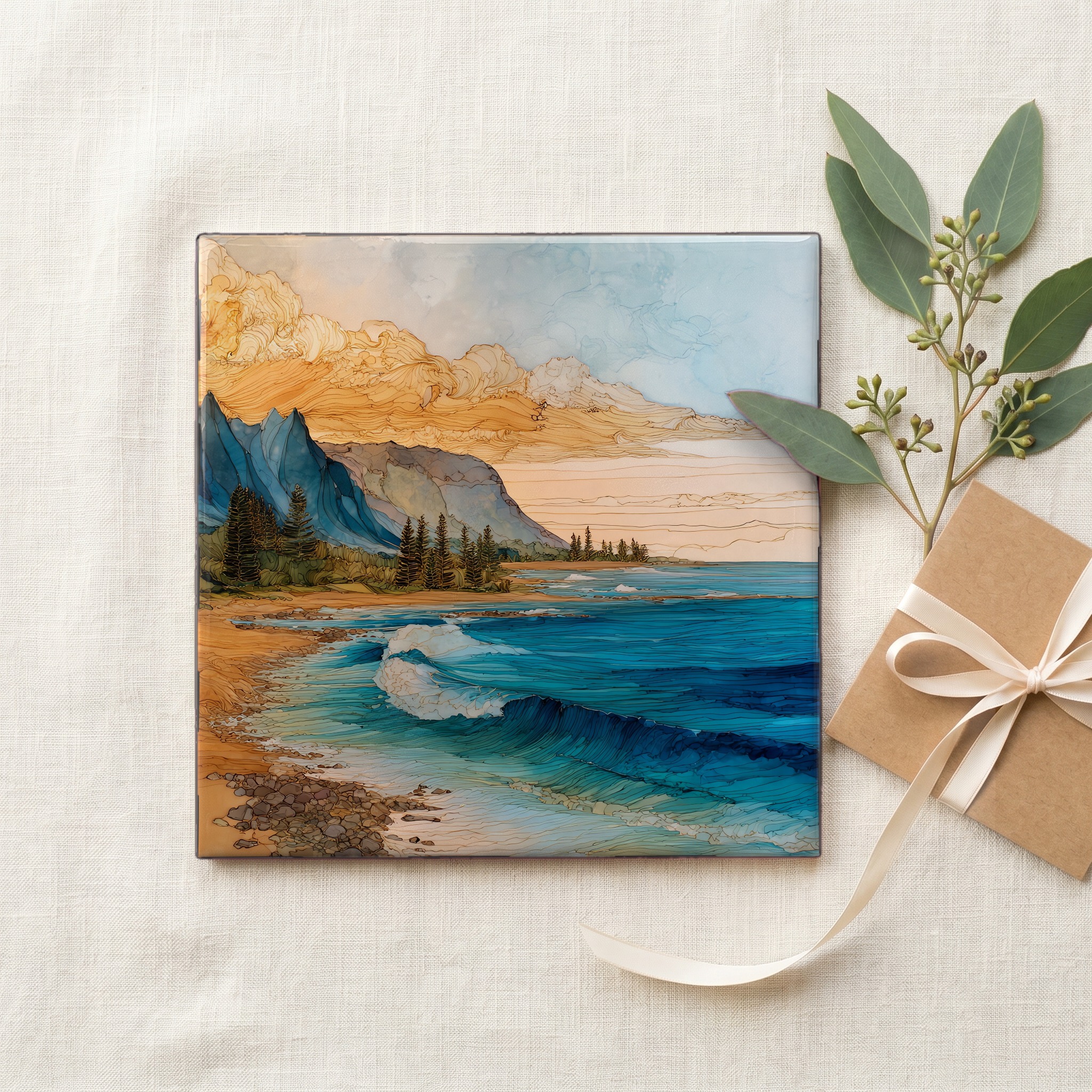
Each tile ships in a kraft box, tied with cream ribbon, with a handwritten note from the studio if you'd like to add one.
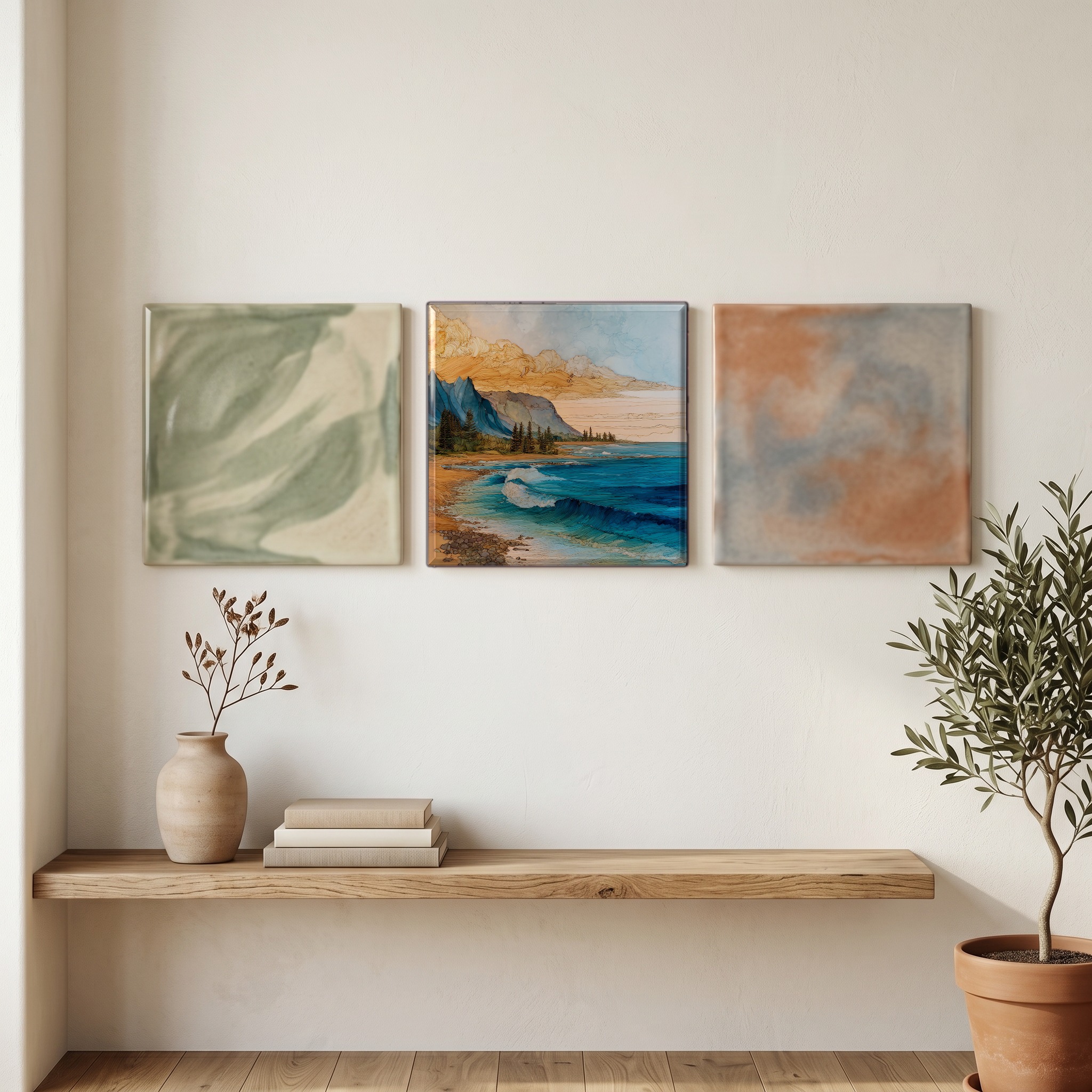
Three or five different vistas, hung together — a chapter of places you've been, or want to go.
The place, in three passes.
Pounders Beach lies in Lāʻie, on the windward coast of Oʻahu, about 35 miles by road north of Honolulu along Kamehameha Highway in the Koʻolauloa district. The strand is roughly a quarter-mile long, with low rocky bluffs at the south end and a sandy slope falling away at the north. Inland sit the campus of Brigham Young University–Hawaiʻi and the Polynesian Cultural Center, both of which give the area its quiet mid-week population. The beach is best known to bodysurfers; the name itself is a 1950s-era nickname from local college students for the heavy shorebreak that gave the strand its working identity. The beach park is operated by the City and County of Honolulu and includes a parking lot, restrooms, and a grass picnic strip under ironwood trees.
The shorebreak that gives Pounders its name is the product of a shelving sand bottom that drops away quickly into deeper water, so the swell does not lose energy on a long reef before it lands. Wave heights commonly run three to six feet at the shore, occasionally larger when winter swells wrap around the island from November into February. The Honolulu Ocean Safety service posts warnings on high-surf days, and local guidance is to enter only past the rocks at the northern end, where the slope is gentler, and never to turn one's back to the water. Bodyboarders and experienced bodysurfers use the break in every season; swimmers favour the calmer pockets up the coast at Hukilau Beach in Lāʻie Bay.
Pounders Beach is a public park, open during daylight hours and free of charge, with a paved lot off Kamehameha Highway and a short footpath through ironwoods to the sand. The parking fills on summer weekends; weekday mornings are often empty. The City and County of Honolulu posts shorebreak and high-surf warnings on red-flag days, and the Honolulu Ocean Safety feed is the best source before driving up from town. The Polynesian Cultural Center sits across the highway, and the Lāʻie Hawaiʻi Temple stands roughly a quarter-mile north along the same road. The drive from Waikīkī takes about an hour without traffic, by way of the H-3 and Kamehameha Highway through the Koʻolau range.