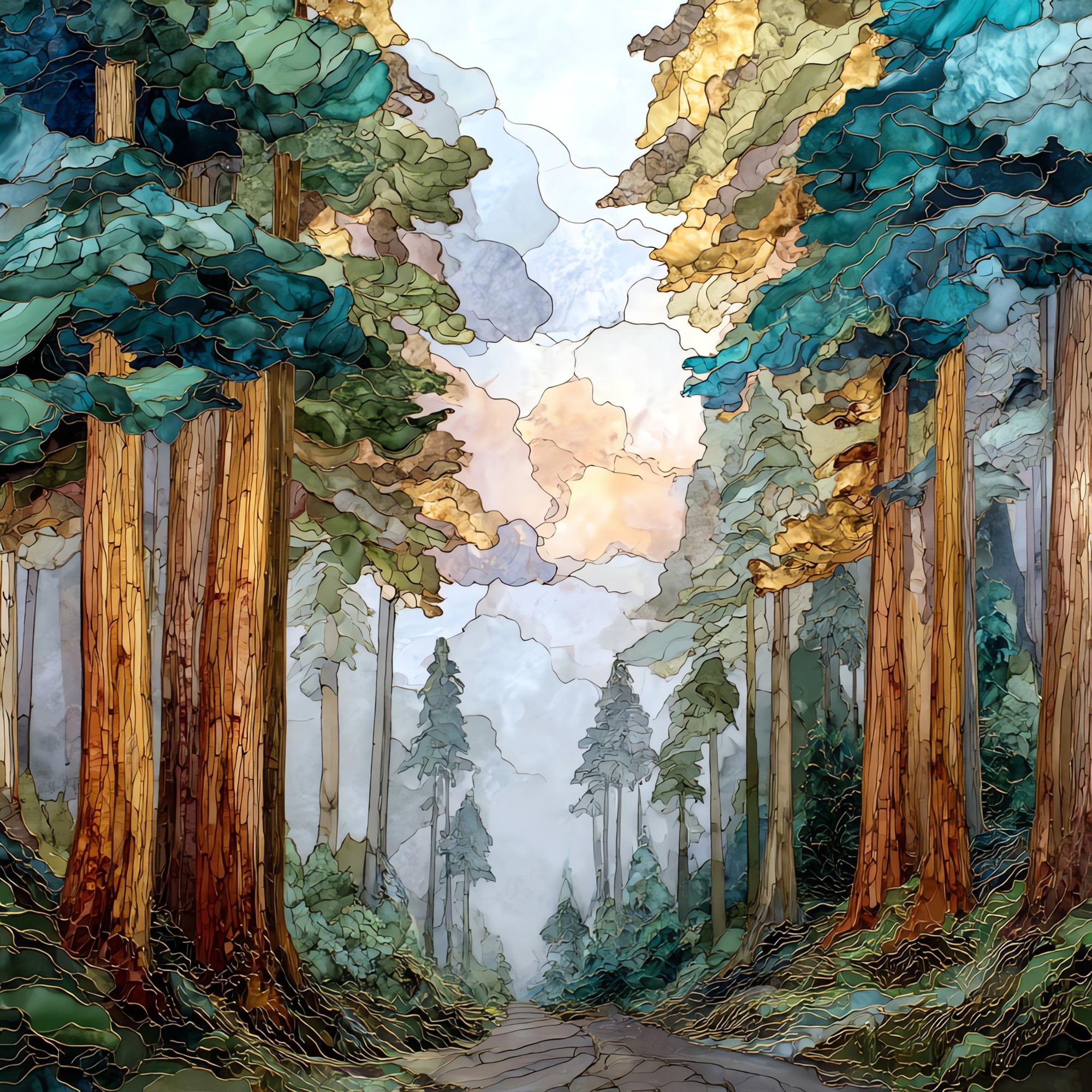
Polipoli Redwood Maui Ceramic Art Tile
— California fog, six thousand feet up a volcano.
Not only on a wall.
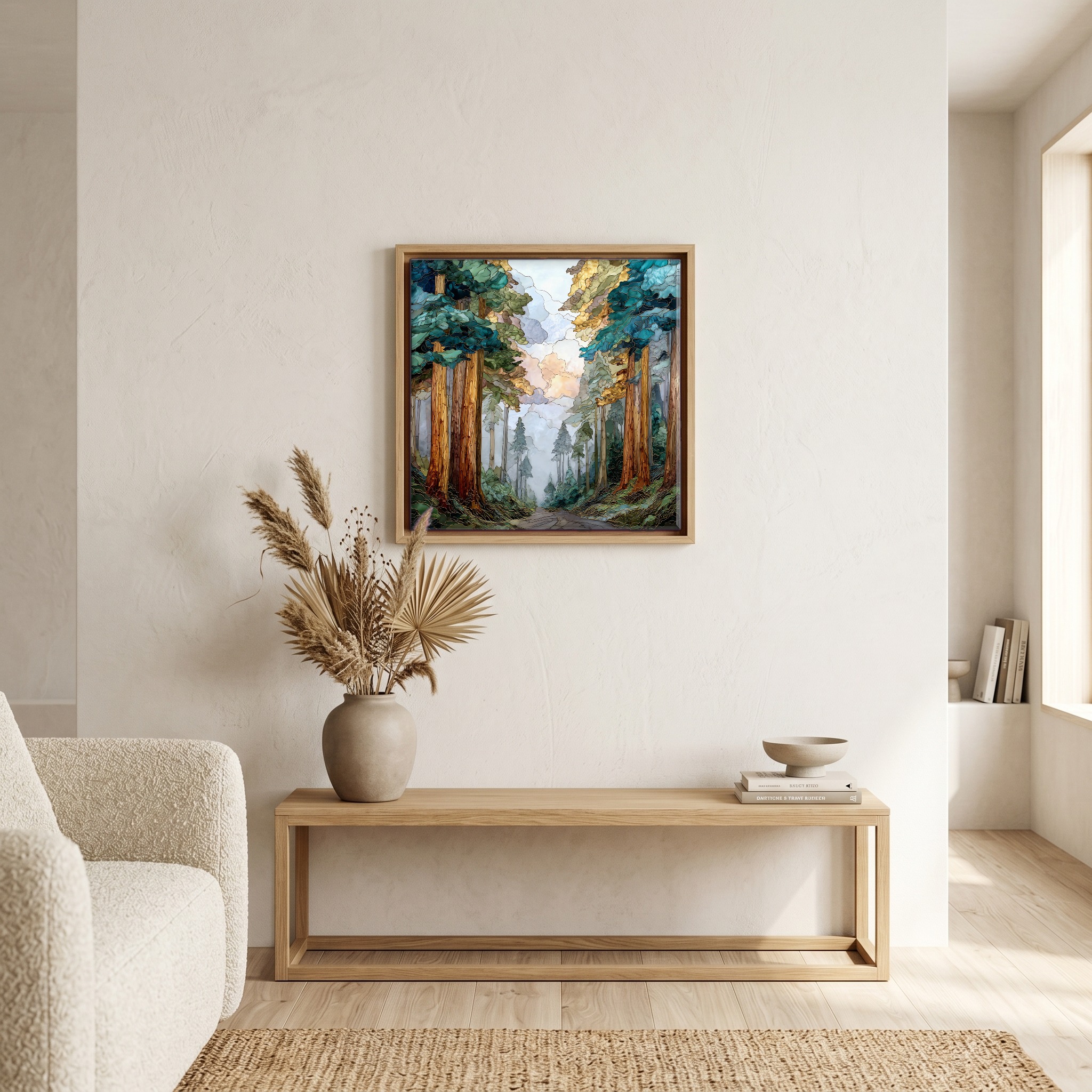
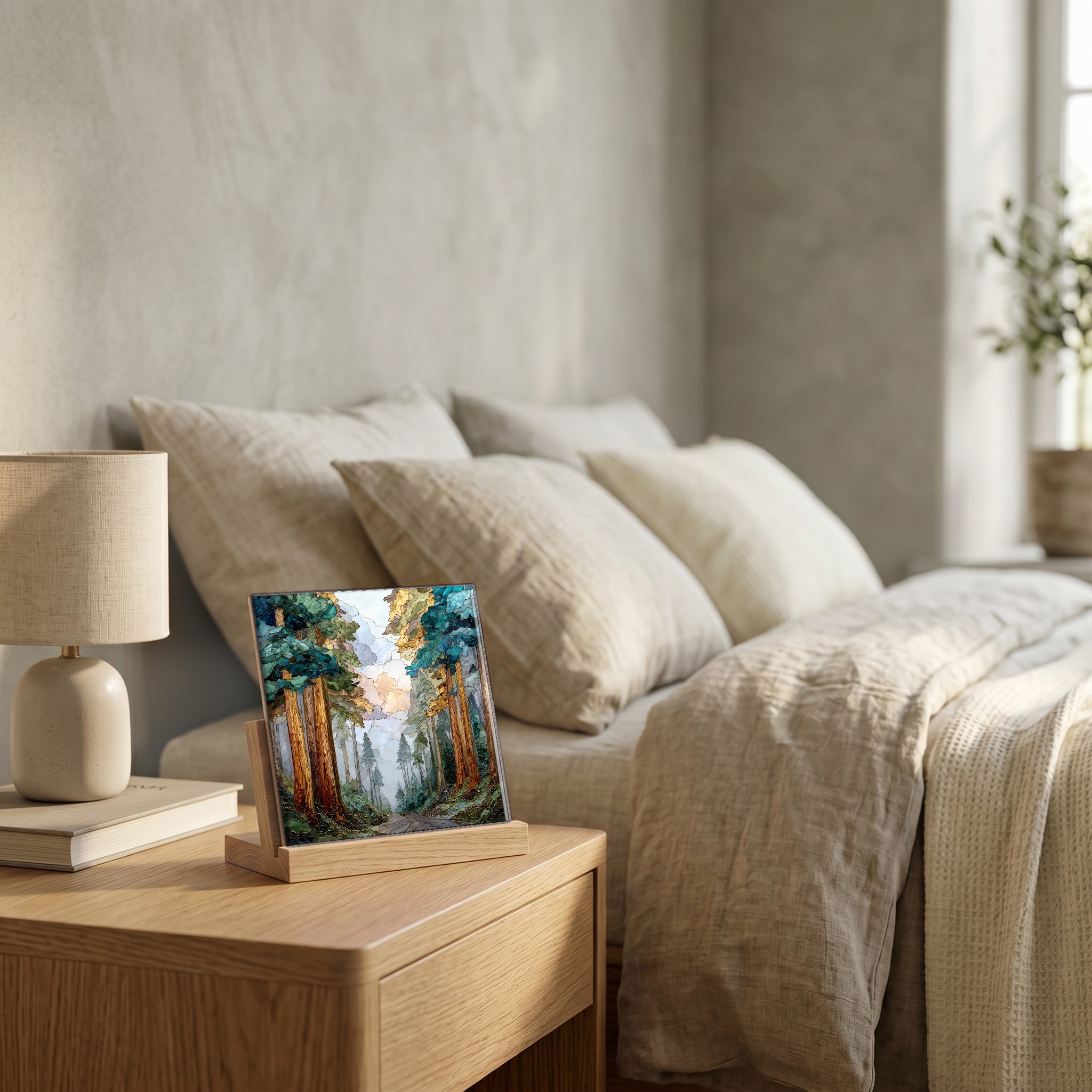
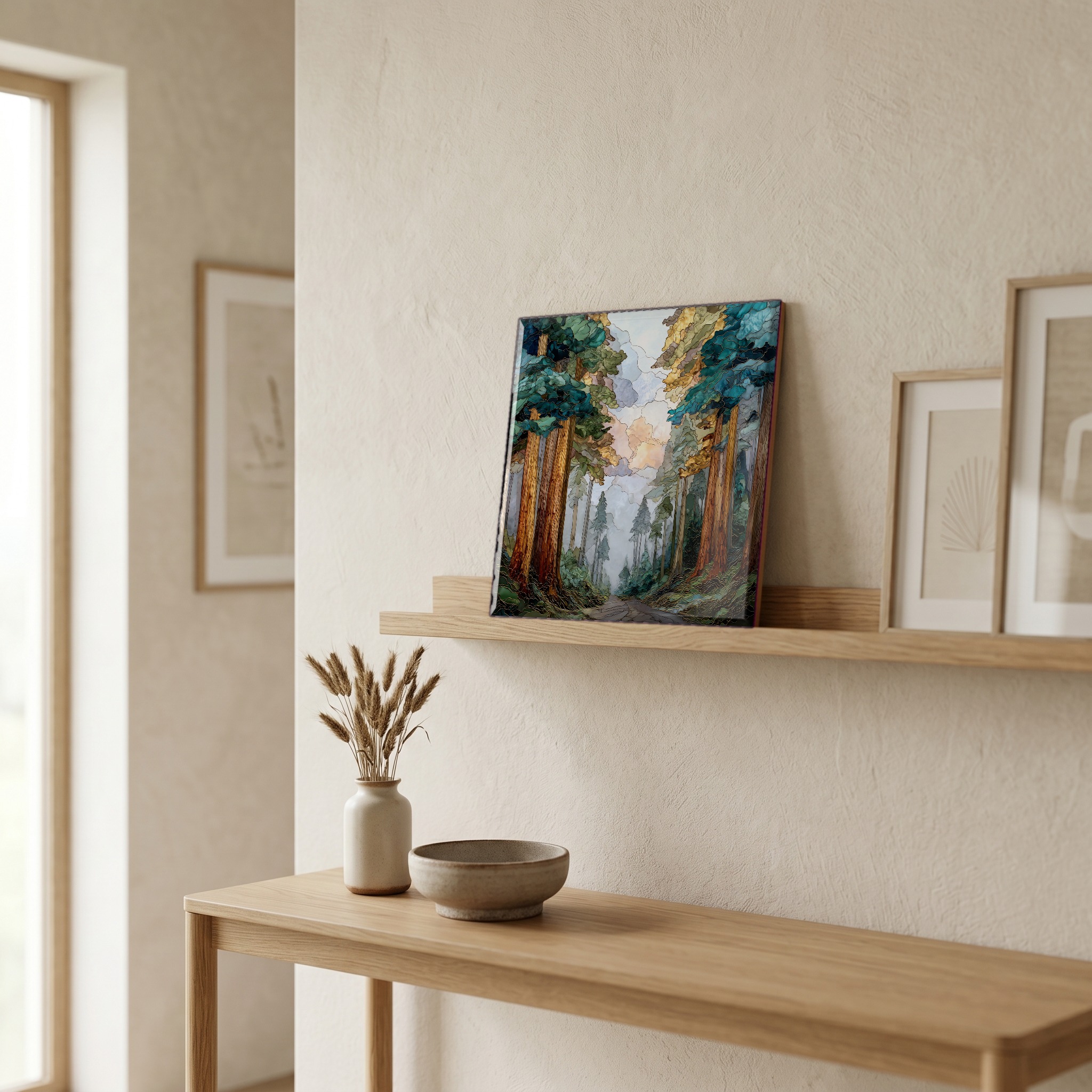
“A grove of coast redwoods, six thousand feet up the western slope of Haleakalā. The Civilian Conservation Corps planted them in the 1930s on land that had been logged and grazed thin, a high-altitude experiment that took. The air up here runs cold enough to frost overnight, and the fog drips down the trunks the way it does in northern California. The trail through them is quiet in the way redwood trails are quiet. People who have hiked in Muir Woods walk it and stop, and look up, and don't quite say anything.
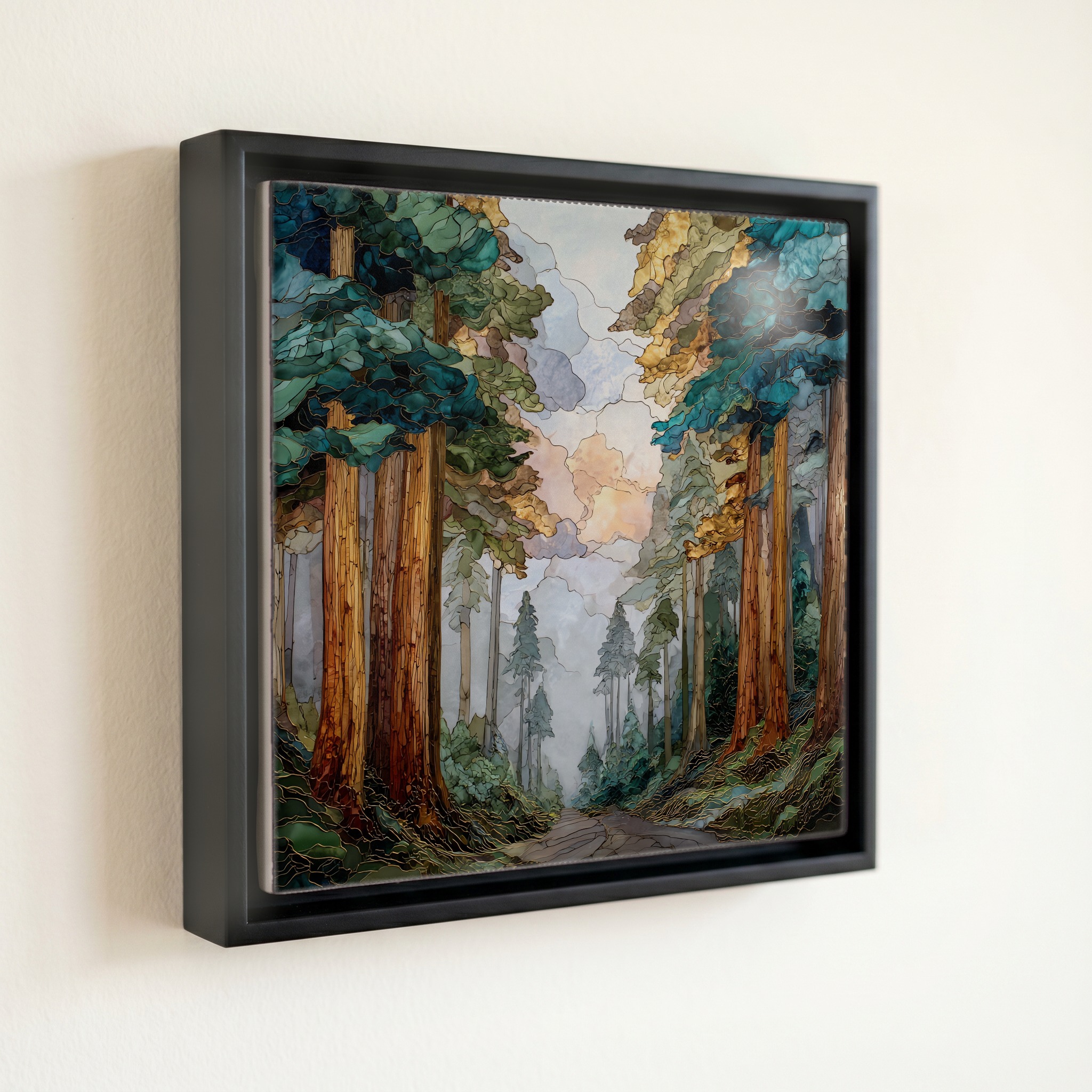
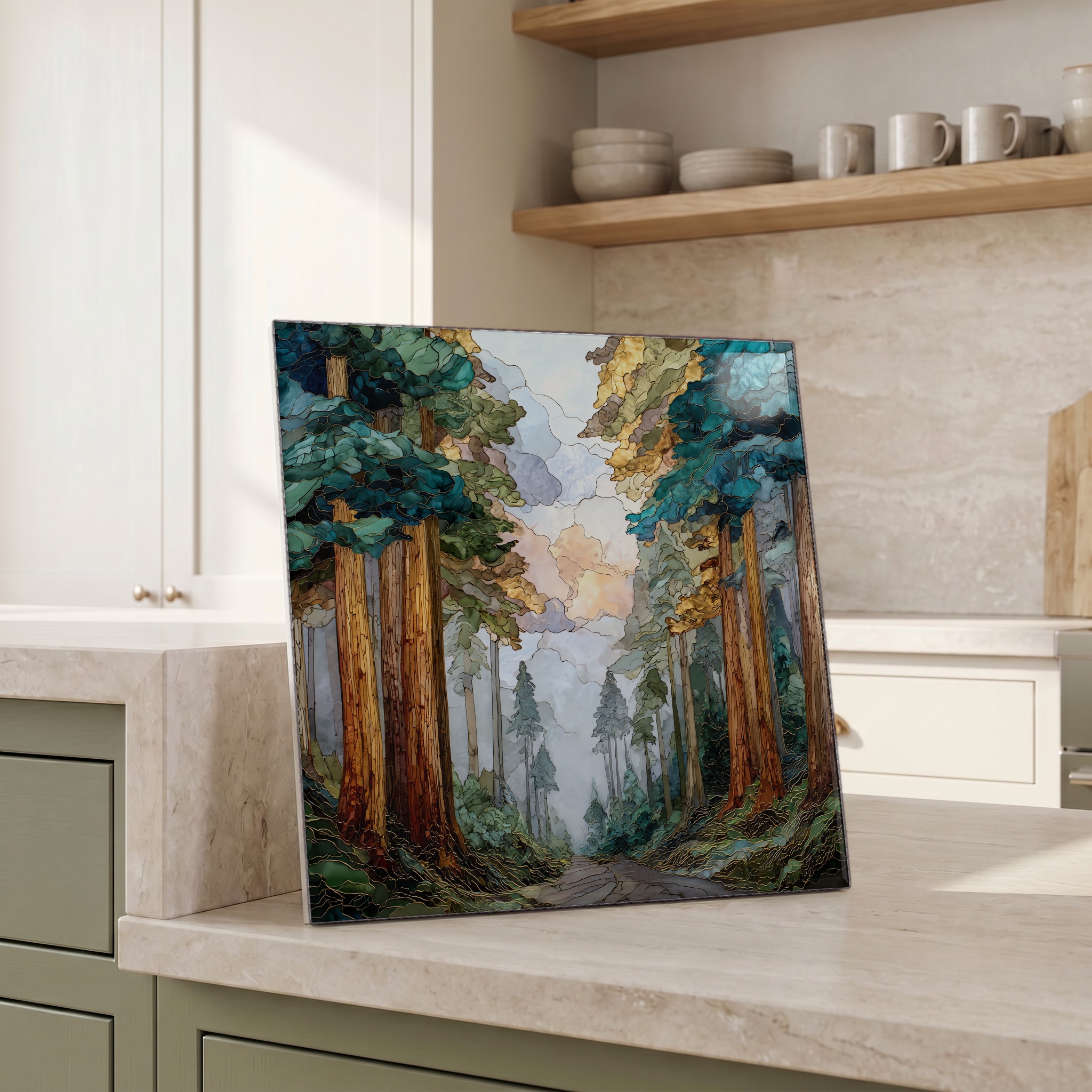
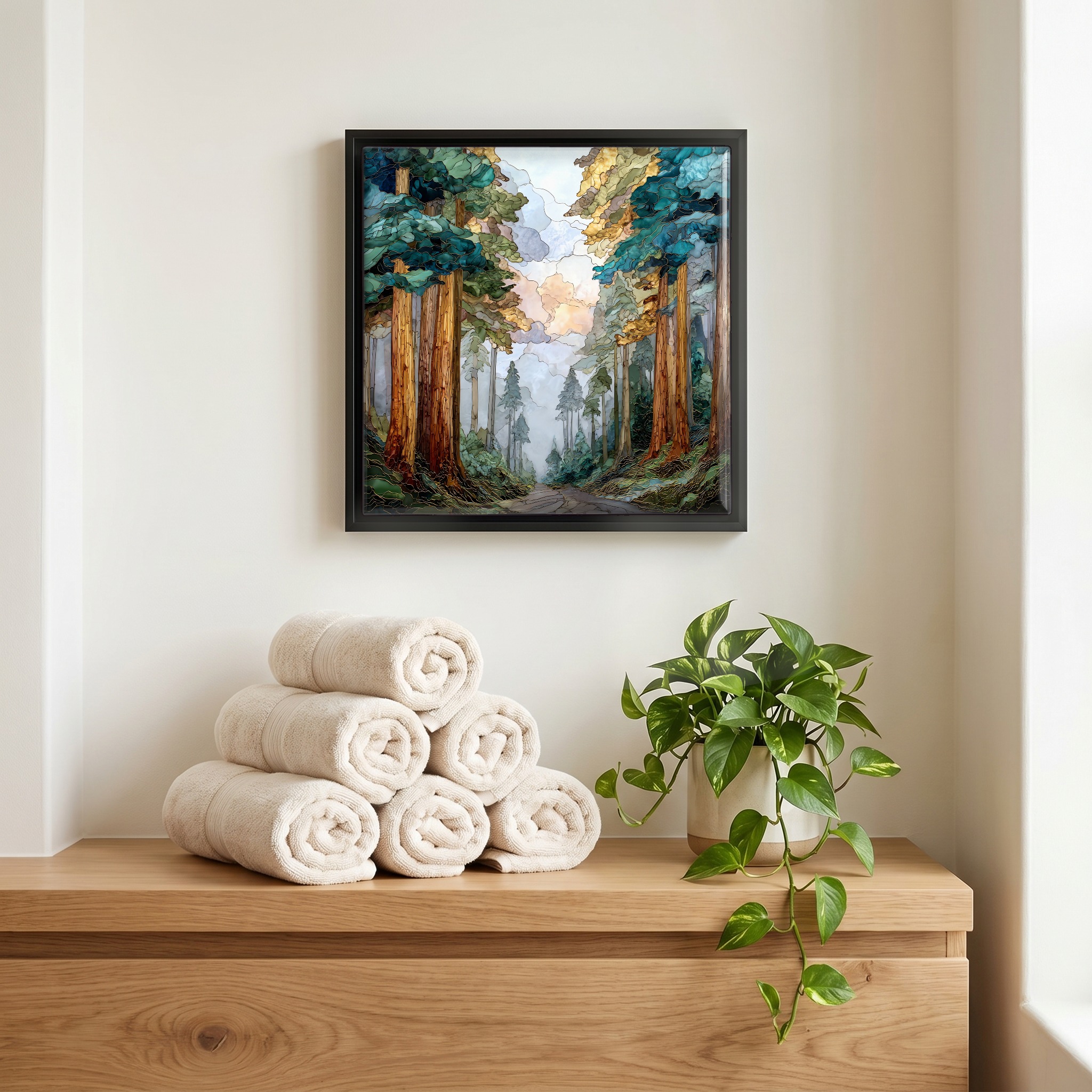
Polipoli Redwood Maui Ceramic Art Tile, on ceramic.
Each tile is finished by hand in our Knoxville studio. Artwork is slowly infused into the ceramic surface under high heat and pressure, and rests beneath a thin glossy finish. The colour lives in the surface, not on top of it.
Pick any four 4-inch tiles — National Parks you've been to, a Smokies set, the four seasons of one place. $ for a set of , cork-backed, ready to live on the table.
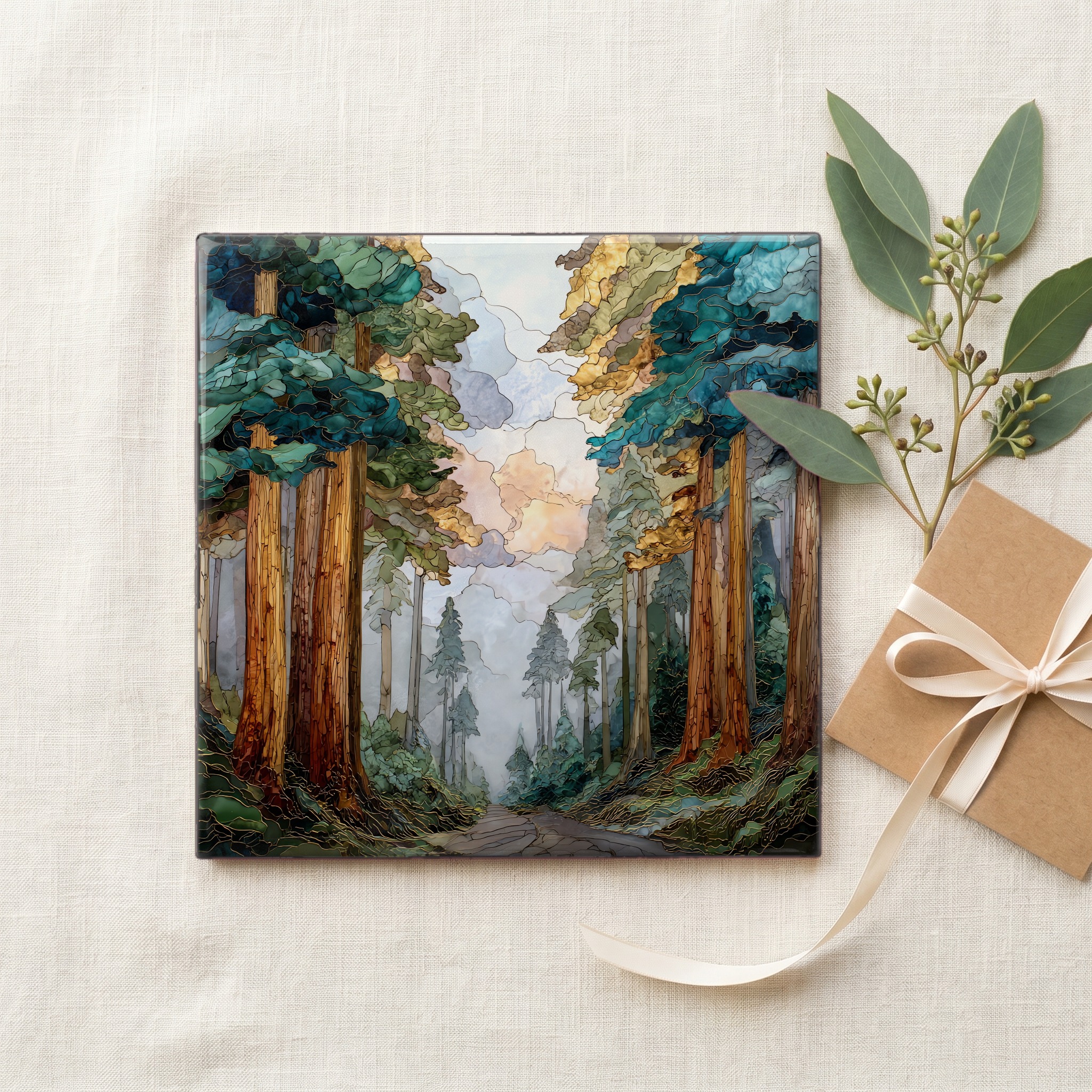
Each tile ships in a kraft box, tied with cream ribbon, with a handwritten note from the studio if you'd like to add one.
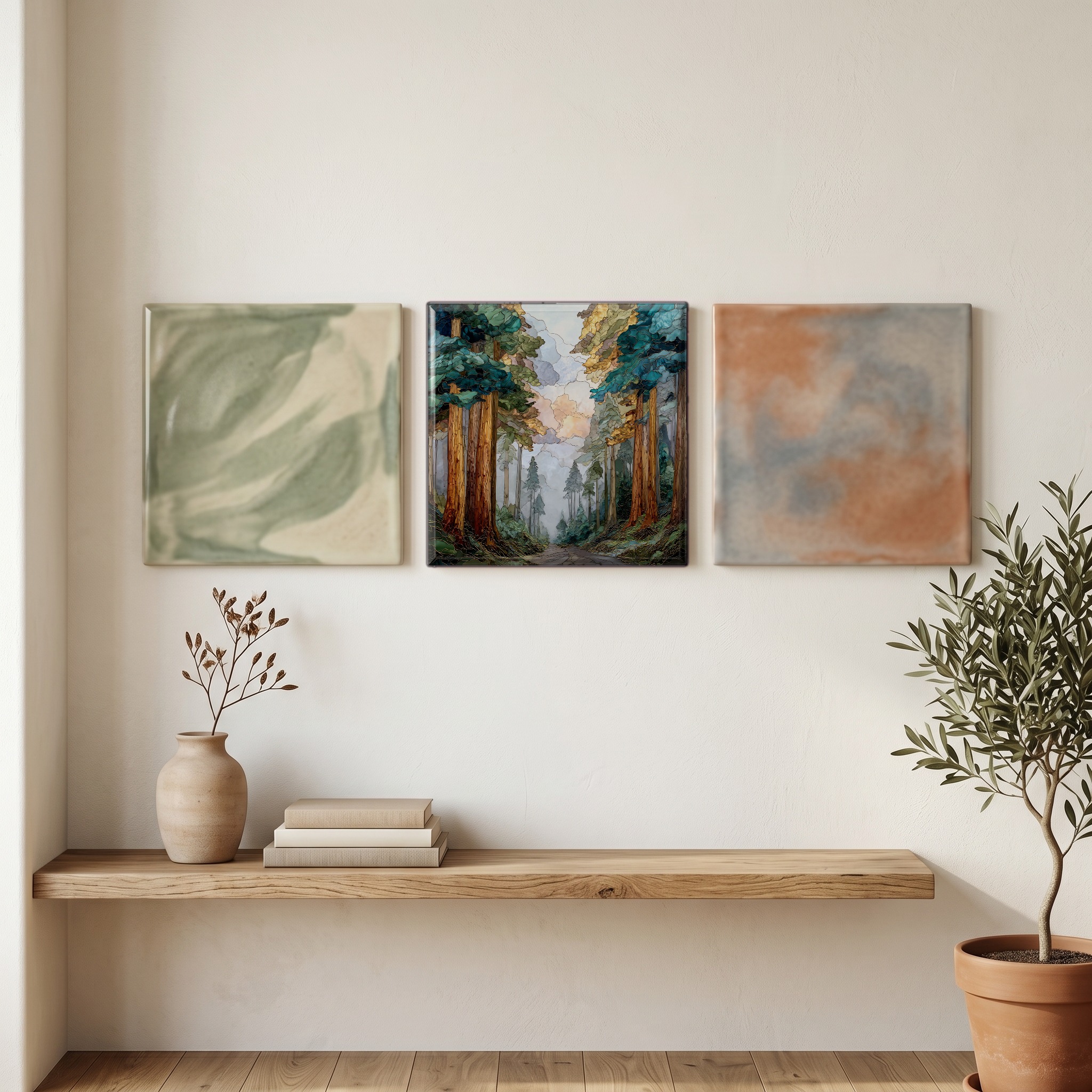
Three or five different vistas, hung together — a chapter of places you've been, or want to go.
The place, in three passes.
Polipoli Spring State Recreation Area sits at about 6,200 feet on the western slope of Haleakalā, the volcano that forms East Maui. The park covers roughly ten acres inside the much larger Kula Forest Reserve, which the state of Hawaii manages at around 21,000 acres. The road in climbs through eucalyptus and tropical ash before it reaches the redwood grove; the upper section is unpaved and four-wheel-drive only. Park gates open at seven in the morning and close at six in the evening. The Redwood Trail is one of four in the area, alongside Plum, Haleakalā Ridge, and Polipoli, and the cabin and campground here are among the highest formal park accommodations in the state.
At 6,200 feet, Polipoli is high enough that the air behaves like coastal northern California rather than the rest of Maui. Nighttime temperatures drop below freezing in winter, and the trade-wind clouds that build against Haleakalā in the afternoon often park inside the grove as low cloud. That cloud is what keeps the redwoods alive: coast redwoods evolved to drink fog, and the moisture beading on their needles and running down the bark substitutes for the rain they would otherwise need. The smell at this elevation is closer to a damp forest in Mendocino than to the kiawe and bougainvillea of sea-level Maui.
The road from upper Kula climbs about ten miles to the park; the last stretch is unpaved and requires four-wheel drive. Gates are open from seven in the morning until six in the evening, and the entrance is free. The single state cabin and the small campground here are run by the Hawaii Department of Land and Natural Resources Division of State Parks, with one rate for Hawaii residents and a higher rate for visitors. The cabin and campground have been listed as closed at various points in recent years, so check the DLNR State Parks page before driving up, since the road is long and the weather changes quickly above the cloud line.