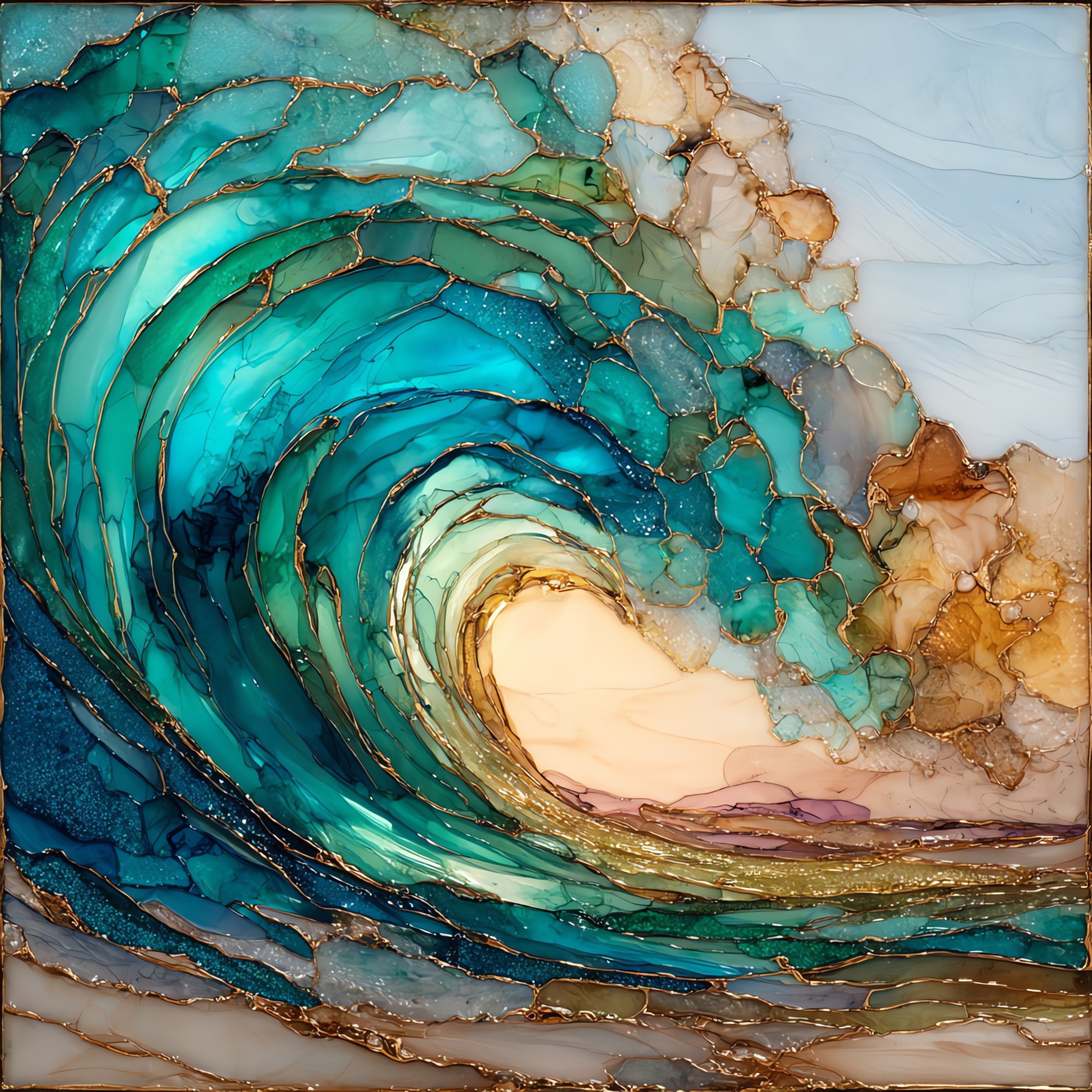
Pipeline Banzai Oahu Ceramic Art Tile
— — the glass second before the wave folds.
Not only on a wall.
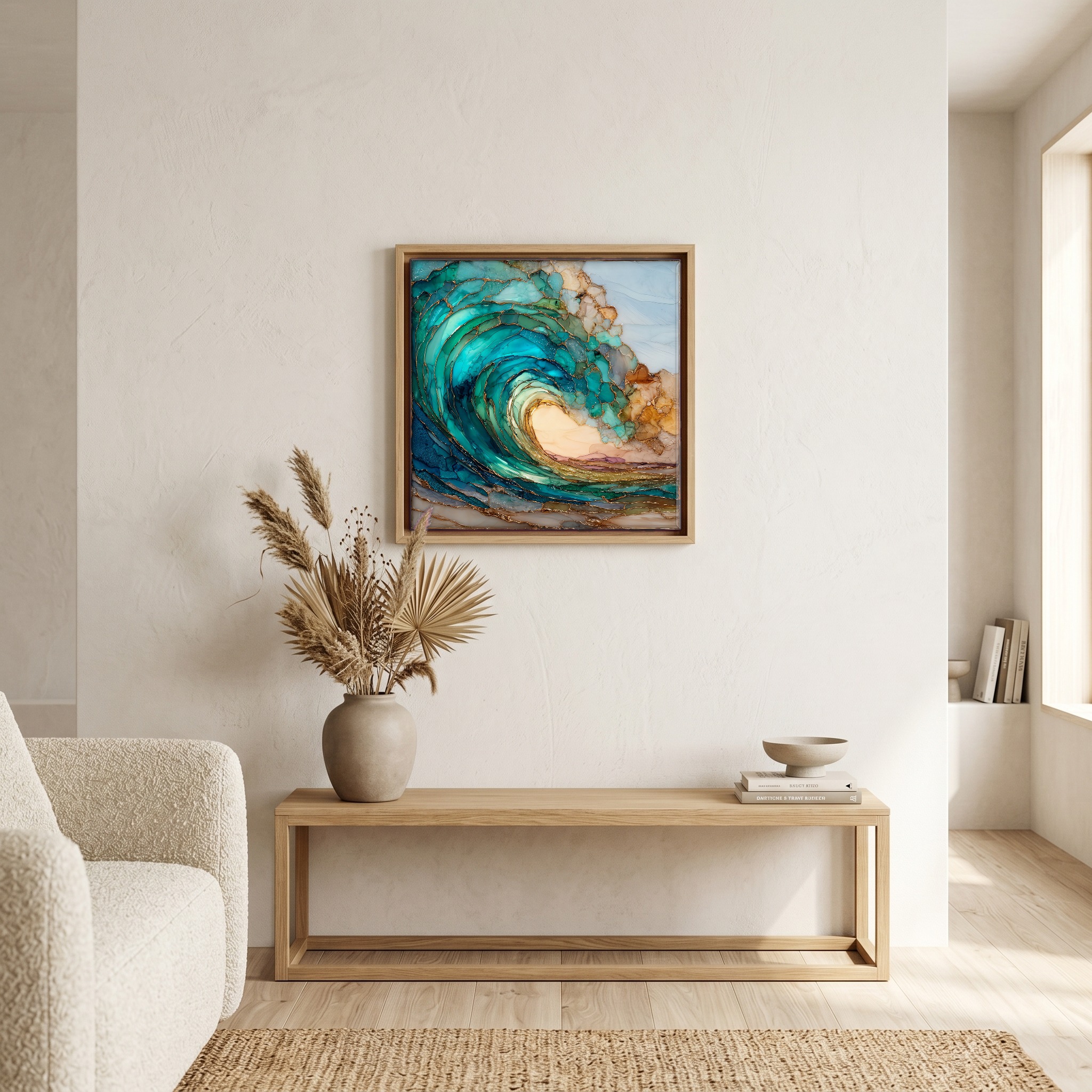
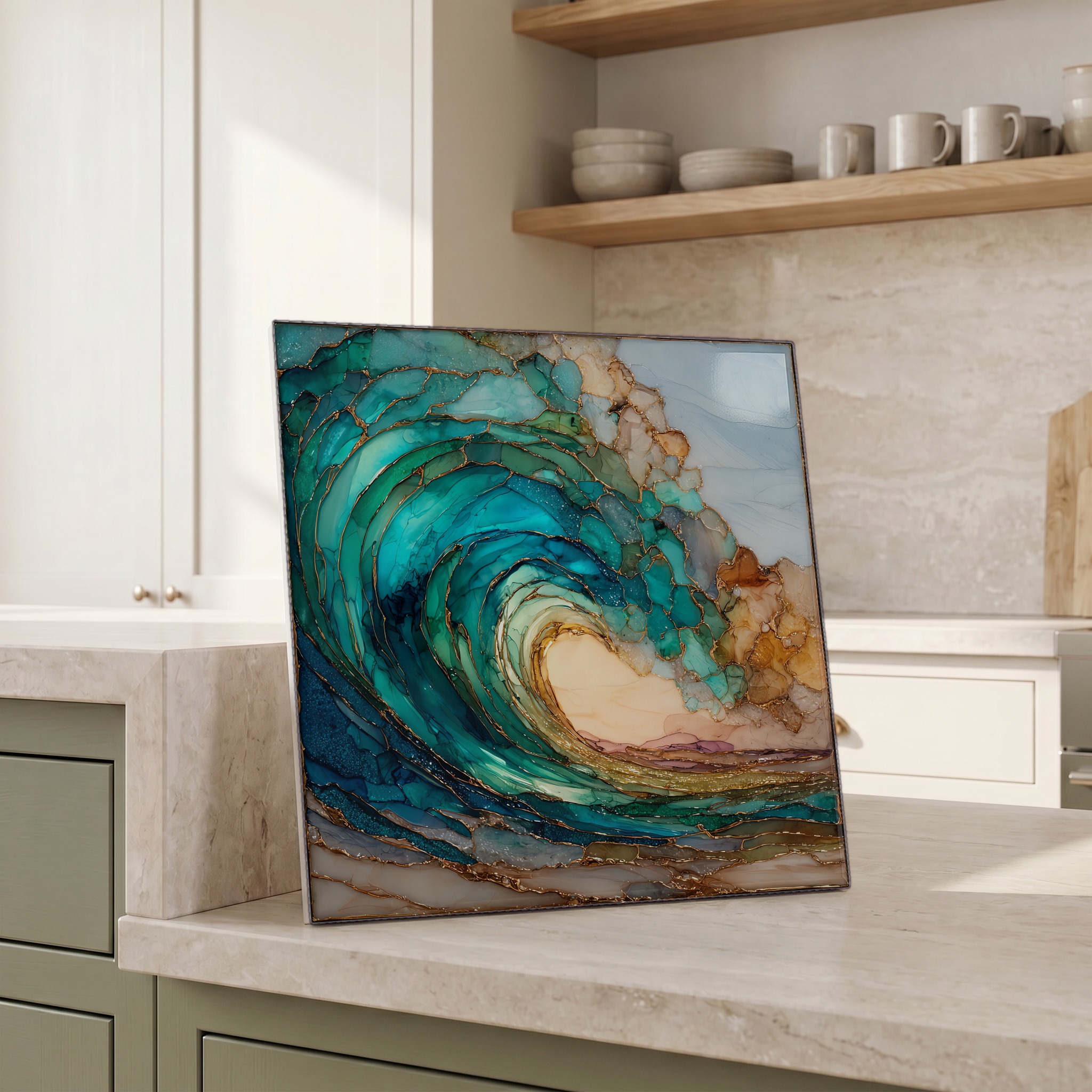
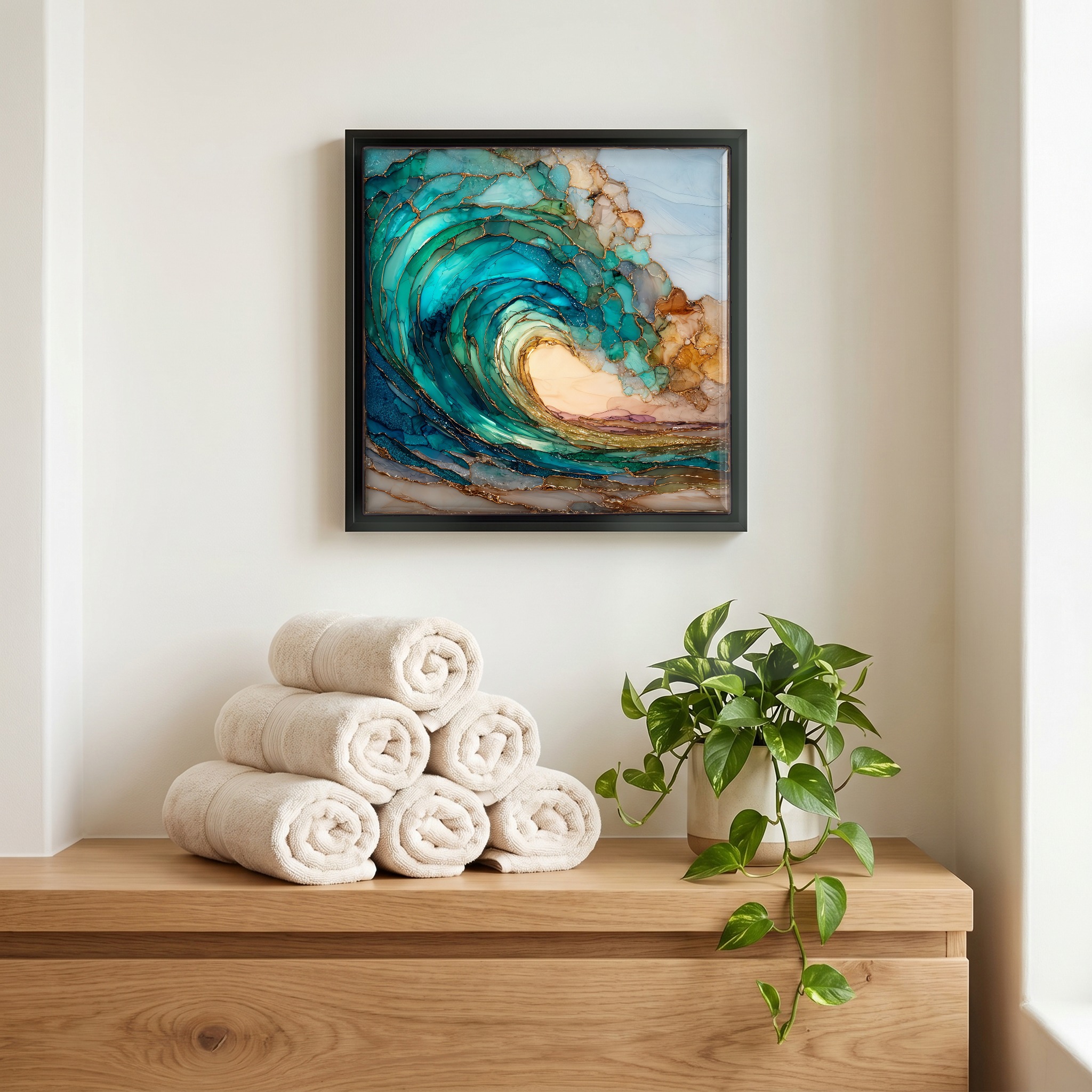
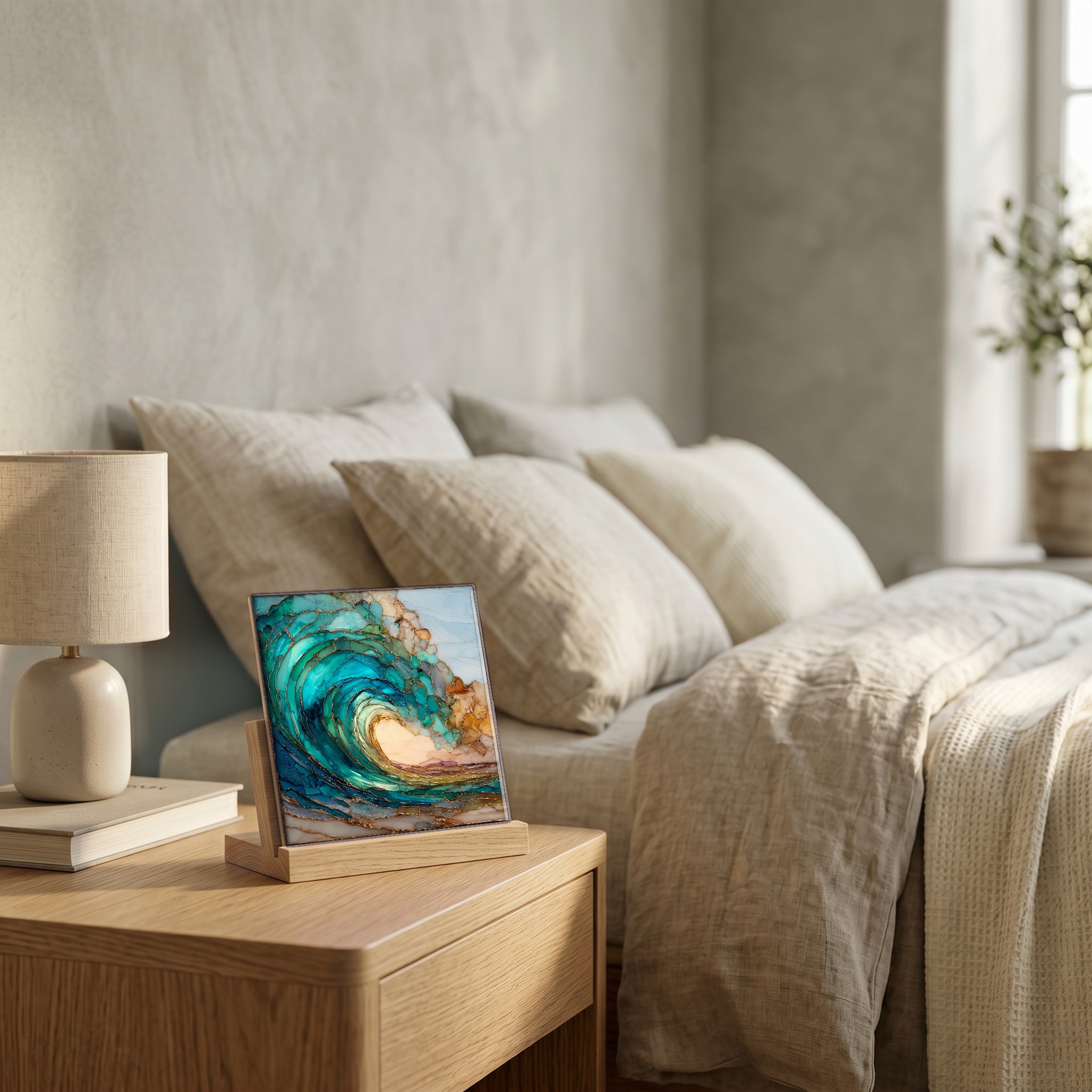
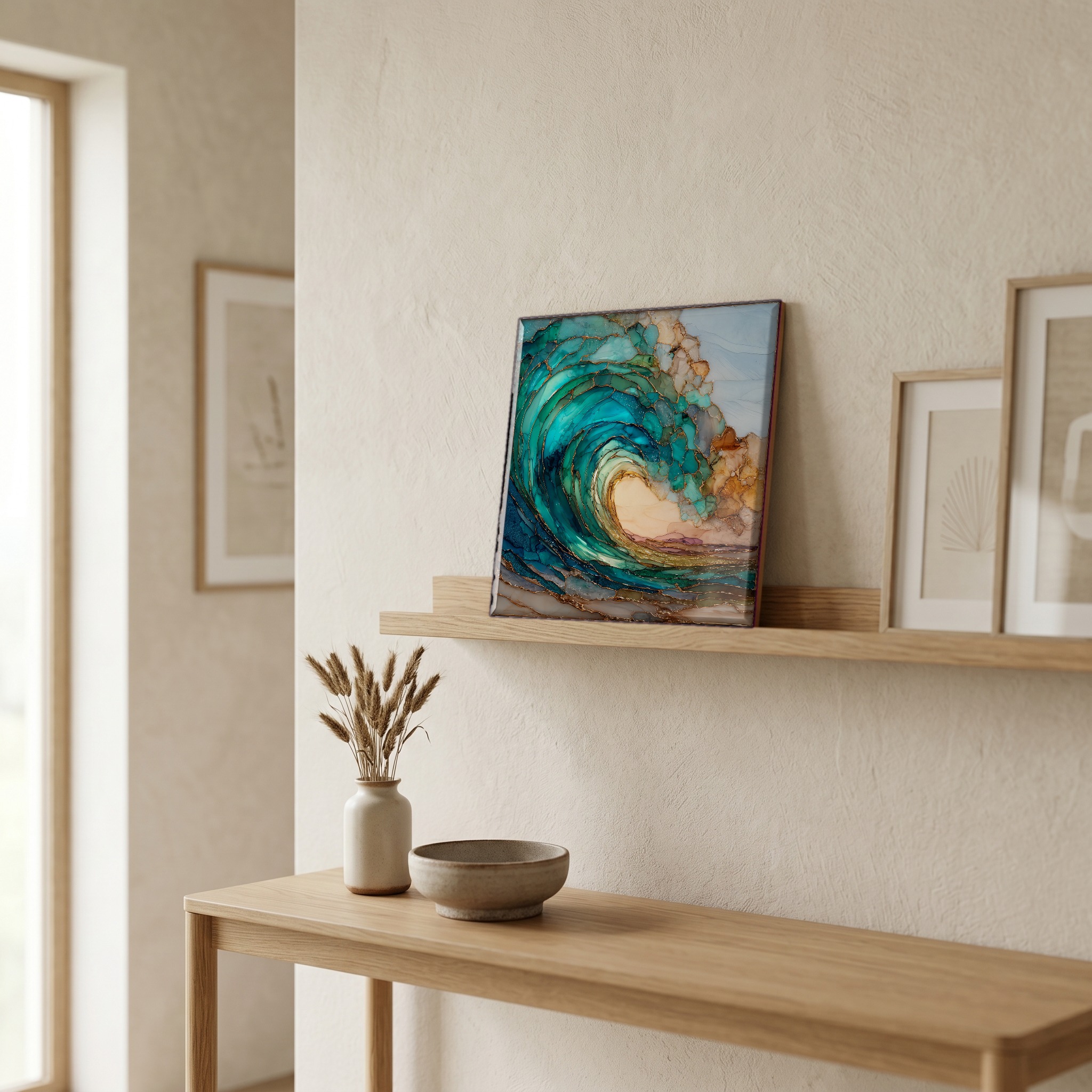
“Pipeline sits off Ehukai Beach on Oahu's North Shore, a few hundred yards from the Kamehameha Highway. From November through March, North Pacific swells arrive and the wave stands up into a hollow, glassy room that lasts a second or two before it folds. Locals call the right-hand break Backdoor. Photographers line the sand at first light. The reef is shallow and the wave is taken seriously by everyone who paddles out. Most days, even the watching is quiet. Wax, board straps, eyes on the horizon, waiting for the set.
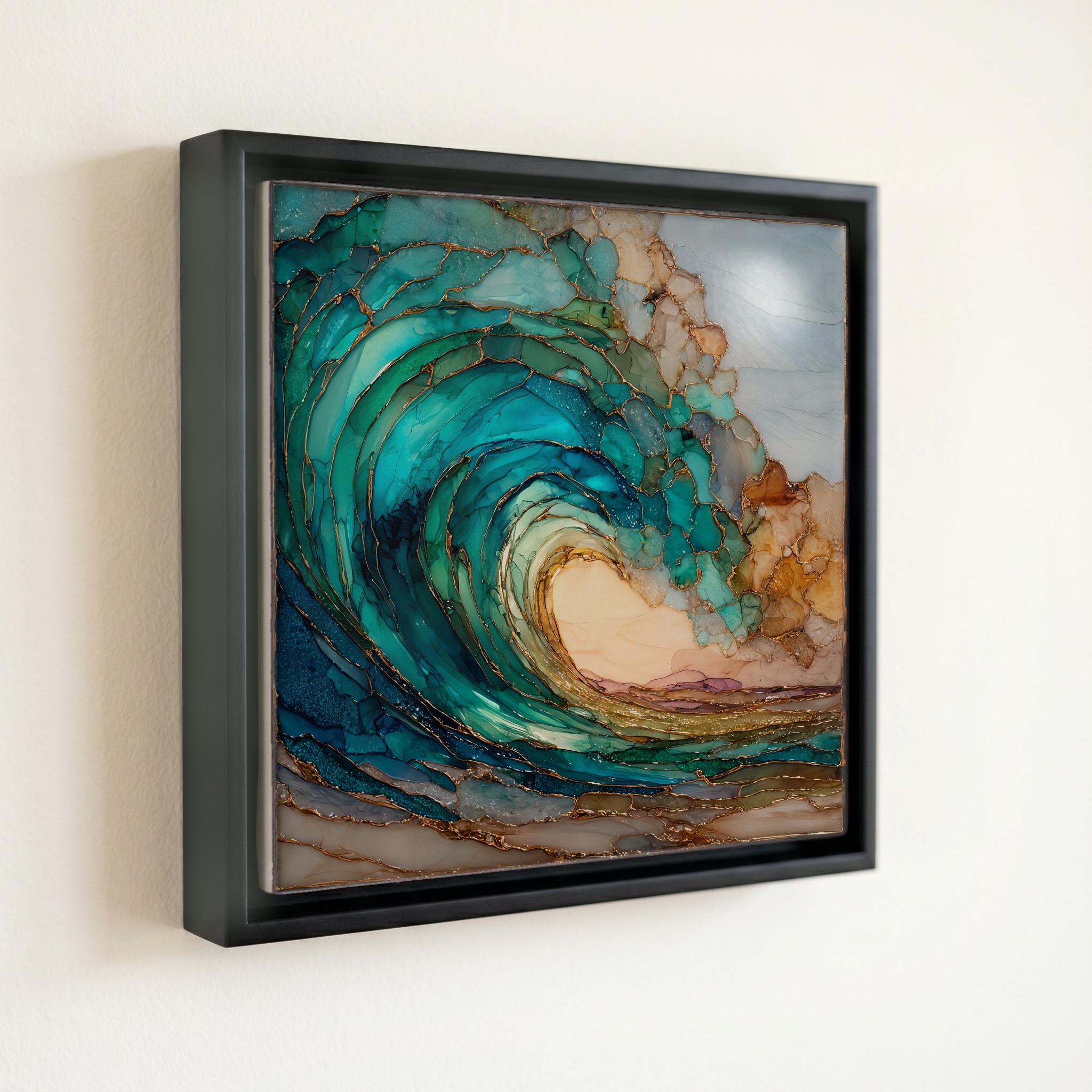
Pipeline Banzai Oahu Ceramic Art Tile, on ceramic.
Each tile is finished by hand in our Knoxville studio. Artwork is slowly infused into the ceramic surface under high heat and pressure, and rests beneath a thin glossy finish. The colour lives in the surface, not on top of it.
Pick any four 4-inch tiles — National Parks you've been to, a Smokies set, the four seasons of one place. $ for a set of , cork-backed, ready to live on the table.
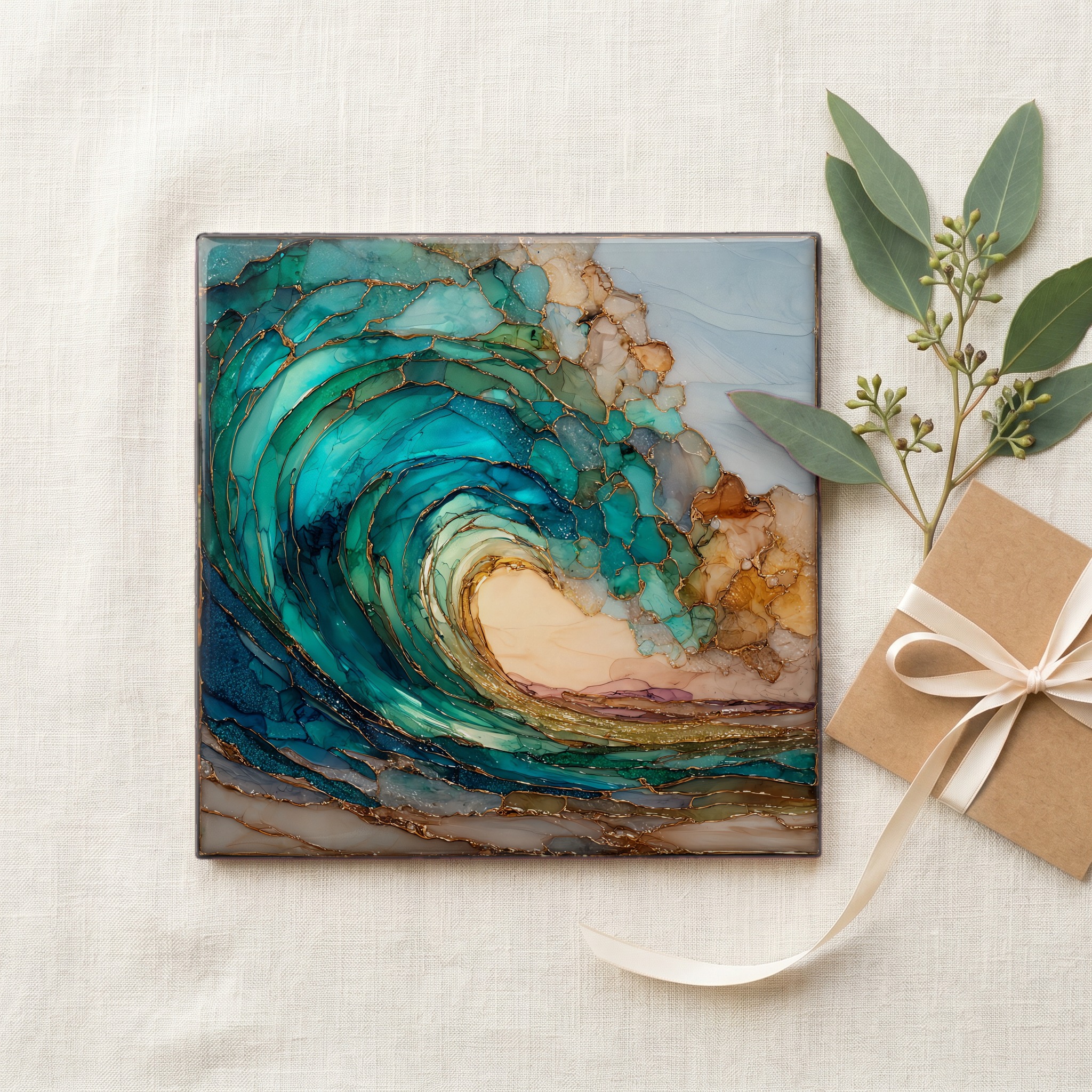
Each tile ships in a kraft box, tied with cream ribbon, with a handwritten note from the studio if you'd like to add one.
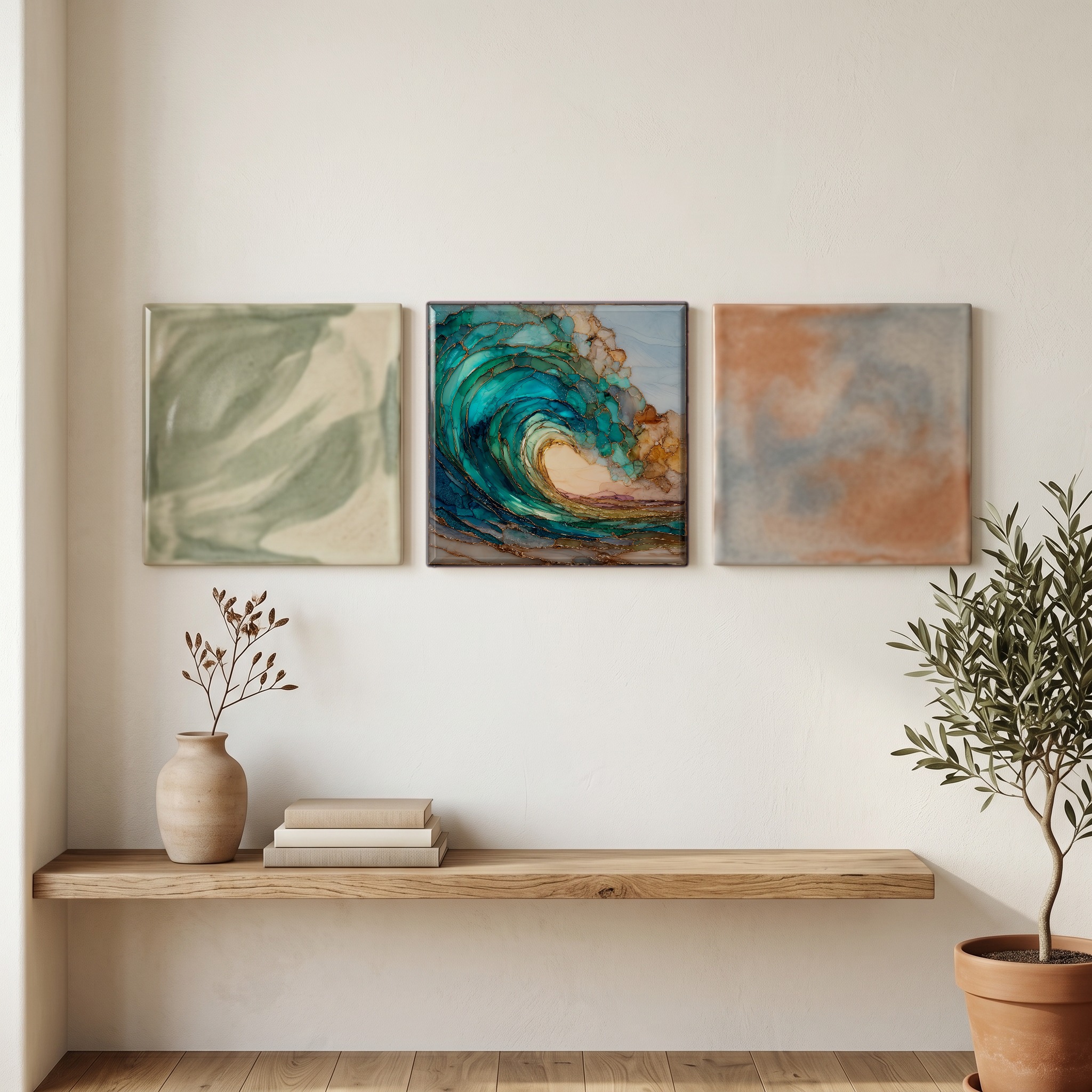
Three or five different vistas, hung together — a chapter of places you've been, or want to go.
The place, in three passes.
Pipeline breaks roughly 75 yards offshore from Ehukai Beach Park, on the seven-mile stretch of Oahu's North Shore between Haleiwa and Sunset Beach. The reef sits within Pupukea, about 35 miles north of Honolulu by way of the Kamehameha Highway. The wave is named for the hollow, tube-shaped form it takes when North Pacific swells meet the shallow basalt shelf below. Bruce Brown's 1962 surf film Surfing Hollow Days documented Phil Edwards's first ride the previous winter, and the name Banzai Pipeline entered the surfing record from that footage. The wave actually breaks across three named reefs (First, Second, and Third) at progressively deeper distances from shore.
The wave's signature hollow form is a function of the reef. A shallow lava shelf rises sharply from deeper water, and incoming swells jack up over the bottom and pitch forward, leaving a brief glassy chamber for a surfer to ride inside. Pipeline breaks left; the mirror-image right-hand wave that peels in the opposite direction is called Backdoor. The reef is volcanic basalt, sharp at low tide, and the wave can hold faces over 20 feet on the largest swells. The break has earned a reputation as one of the most consequential in surfing; most of the sport's heavy-water canon was filmed here. The Vans Pipe Masters competition has run almost every winter since 1971.
The Pipeline season runs roughly November through March, when low-pressure systems in the North Pacific generate the long-period groundswells that wrap into Oahu's north-facing shore. Summer waves on the same beach are typically flat or knee-high; the reef sleeps until October. The Vans Pipe Masters traditionally runs inside an extended holding window in December, calling on the best day of swell within the period. Spectators gather at Ehukai Beach Park, where the wave breaks close enough to the sand for the lineup to be read by eye. Trade winds from the east-northeast hold the face clean most mornings; afternoons can turn sideshore. Water temperatures stay near 75 degrees Fahrenheit through the winter months.