Wender·Vista
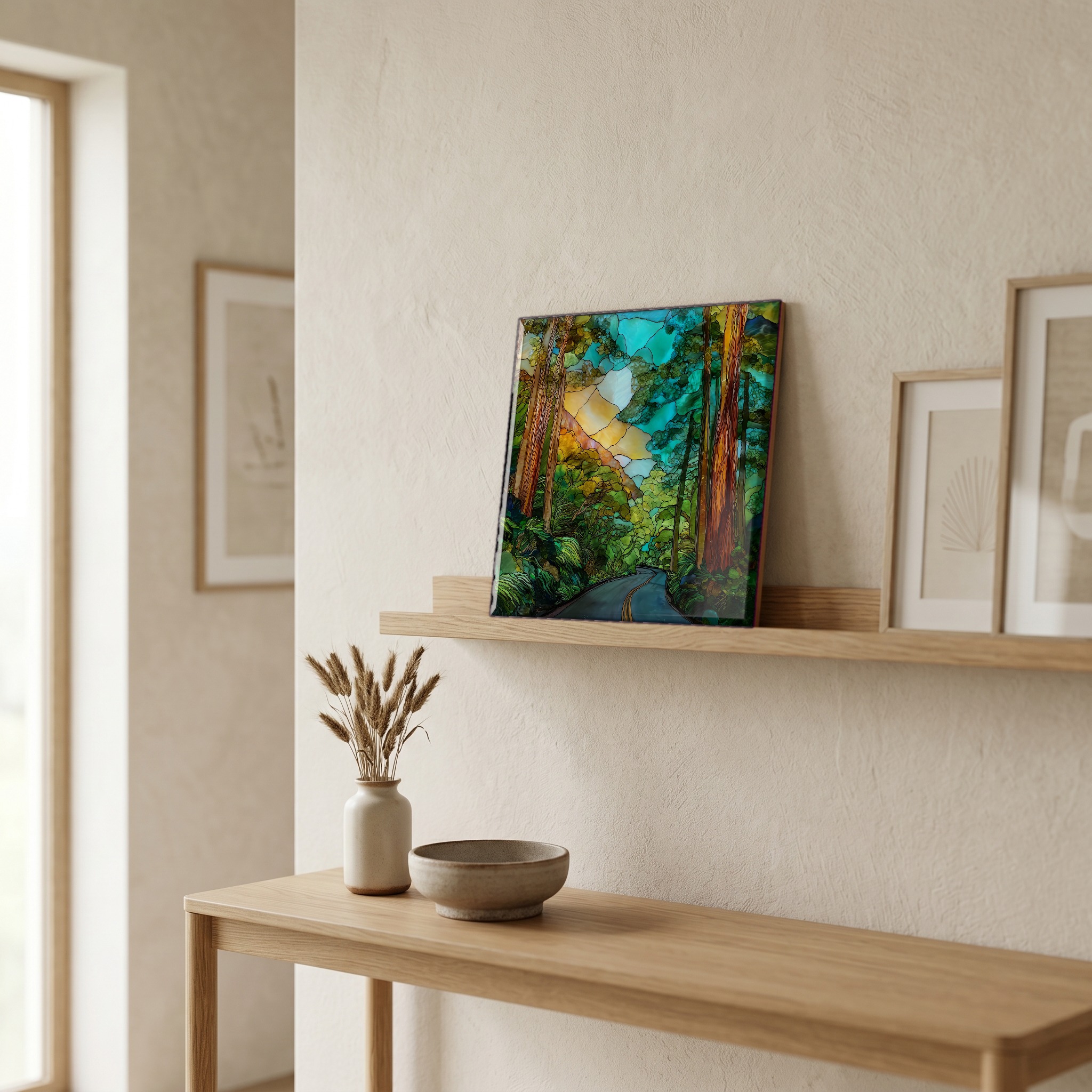
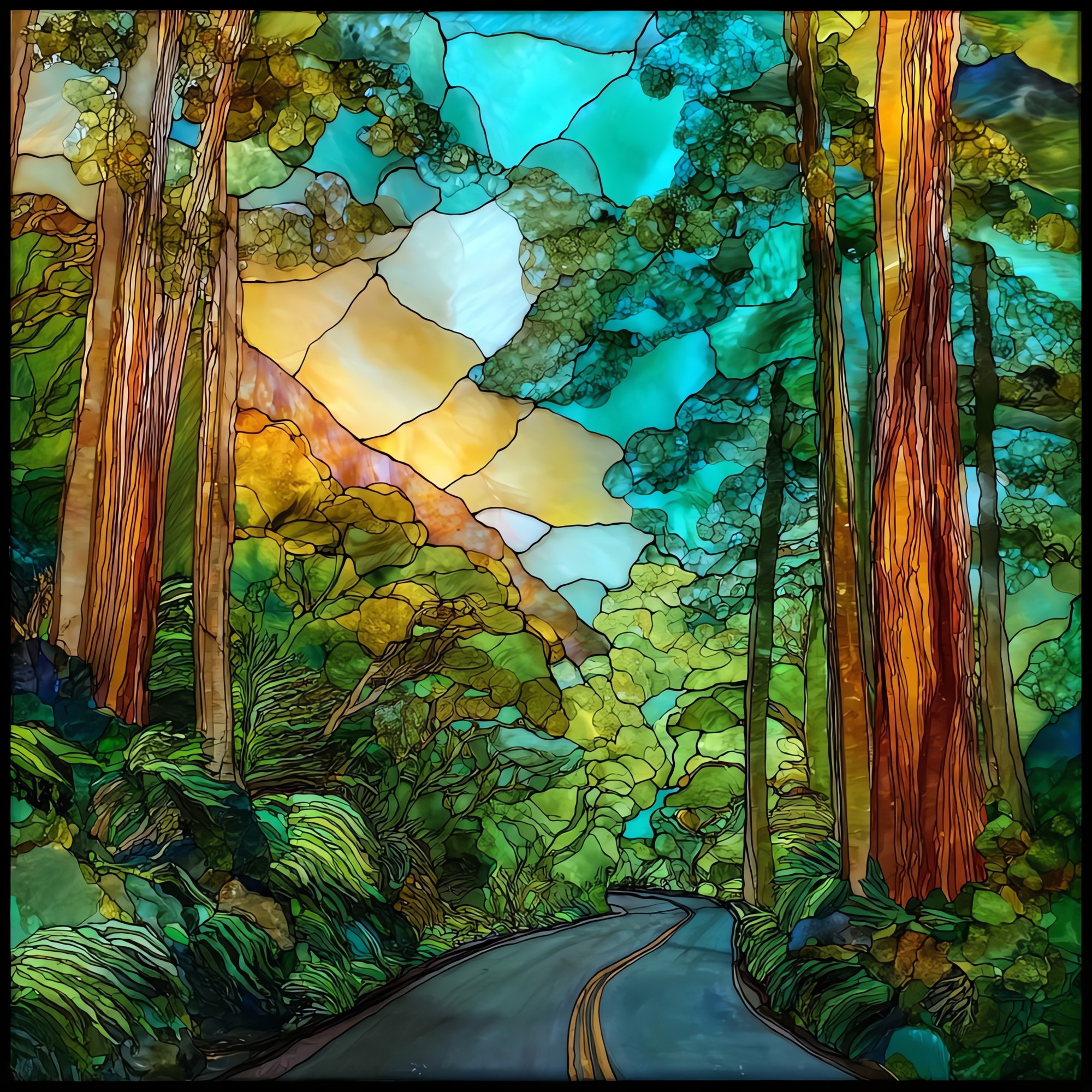
Nahiku Rainforest Maui Ceramic Art Tile
shown on ceramic, 12-inch tileHawaii · United States
on the windward coast of East Maui, along the Hāna Highway

Nahiku Rainforest Maui Ceramic Art Tile

the green the rain keeps making.

Where it lives

Not only on a wall.

A small tile on the nightstand catching the morning. A larger one above the fire. Yours, wherever you spend the slow hours.
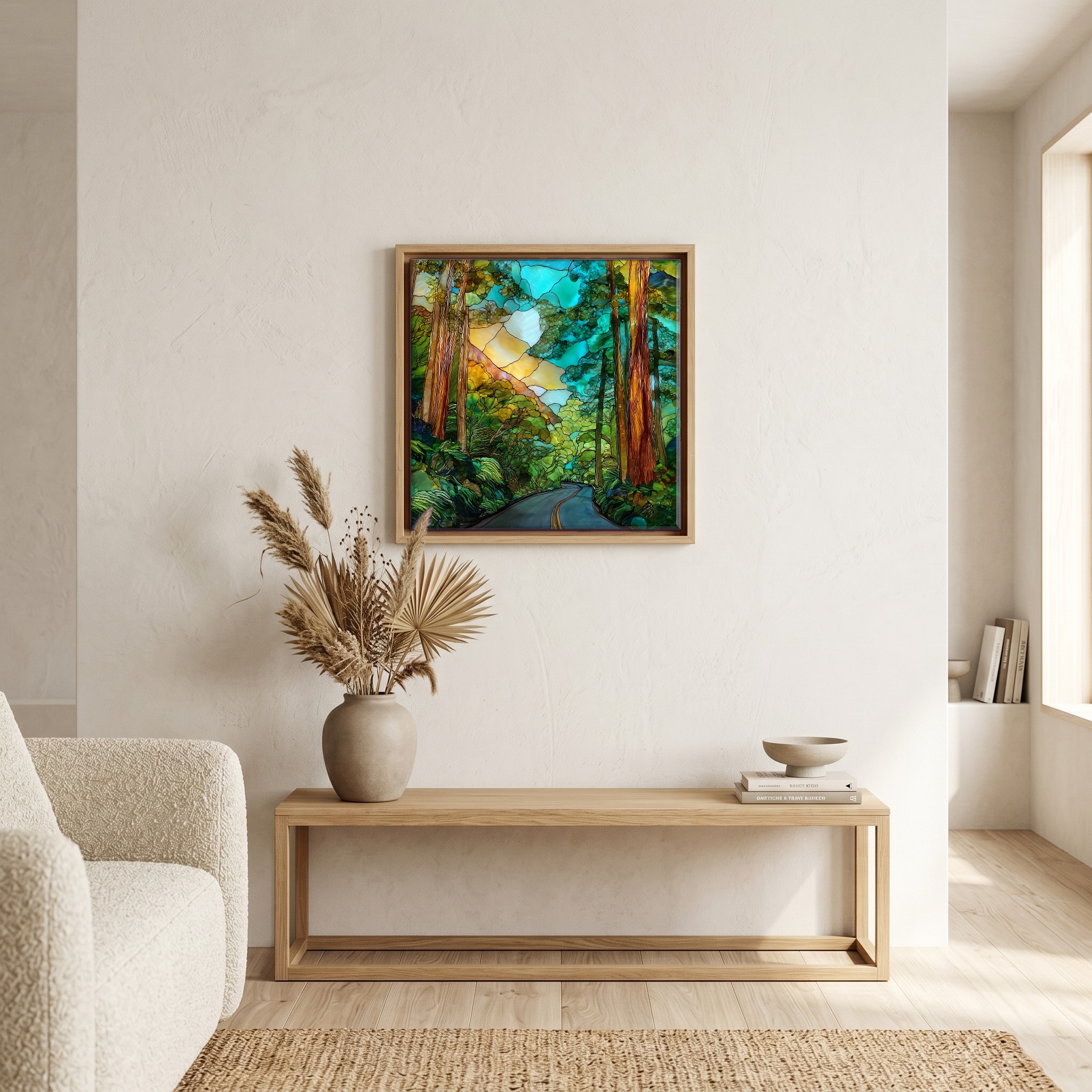
Above the bench, in a warm oak surround.
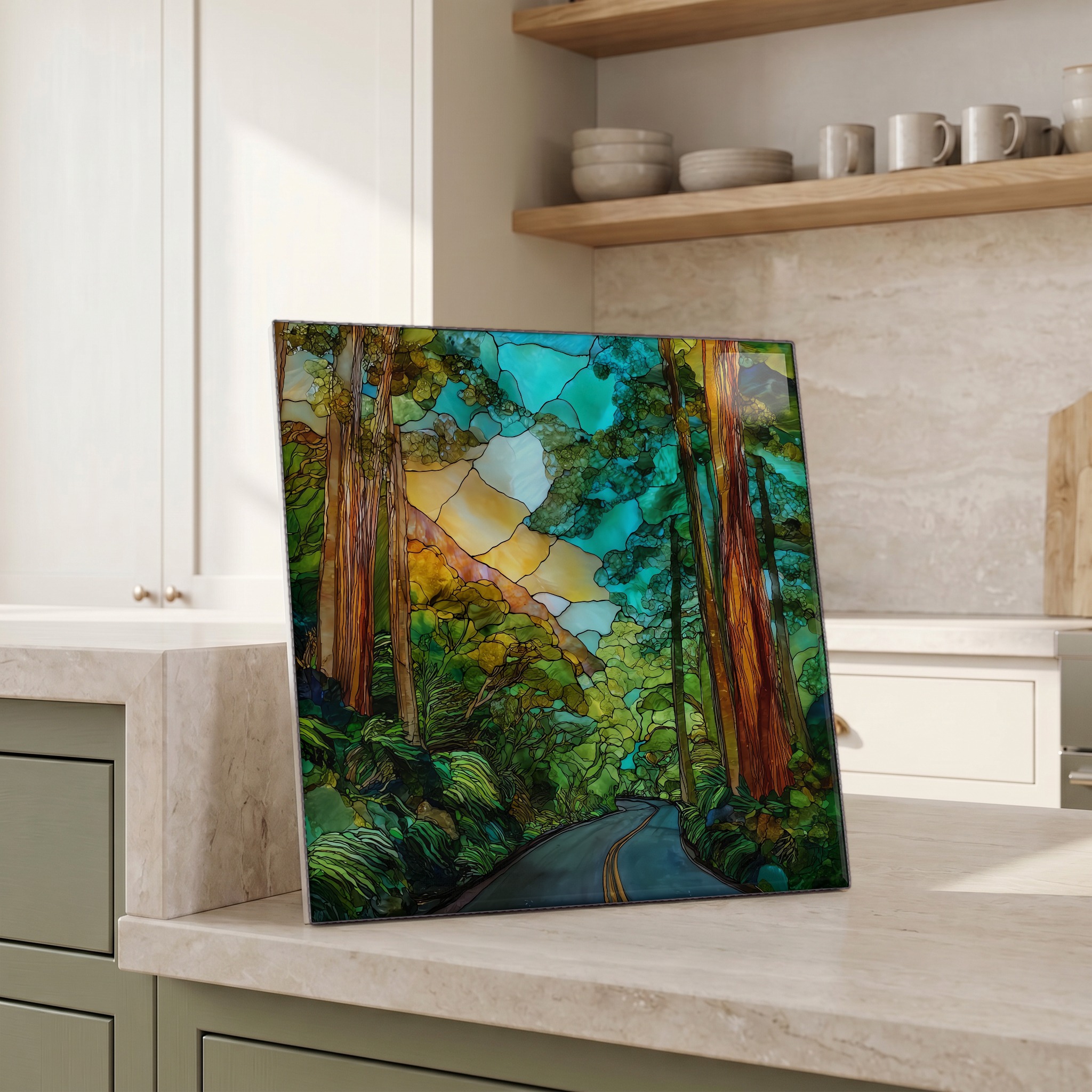
Beside the kettle, propped on the counter.
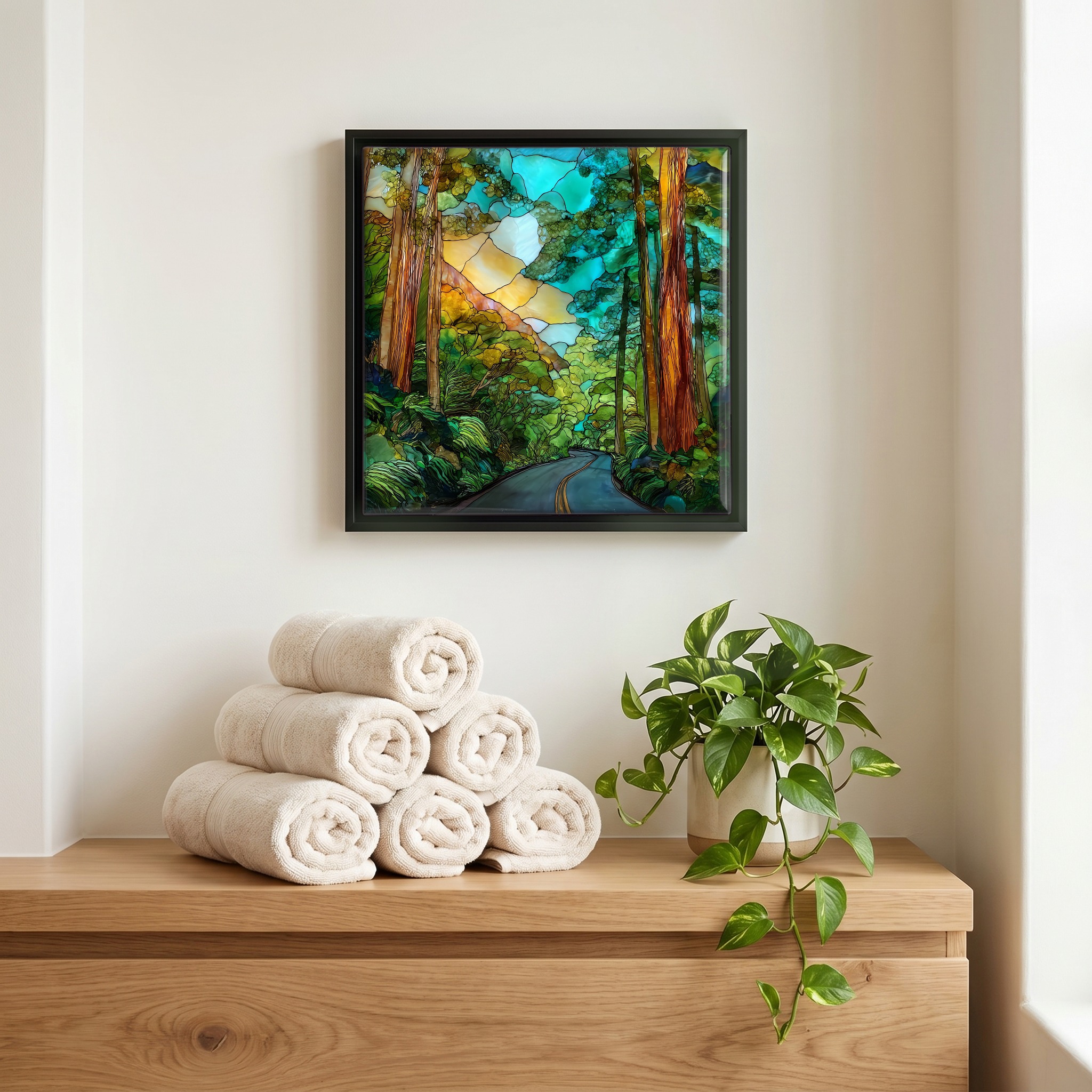
Above the linens, in a slim black surround.
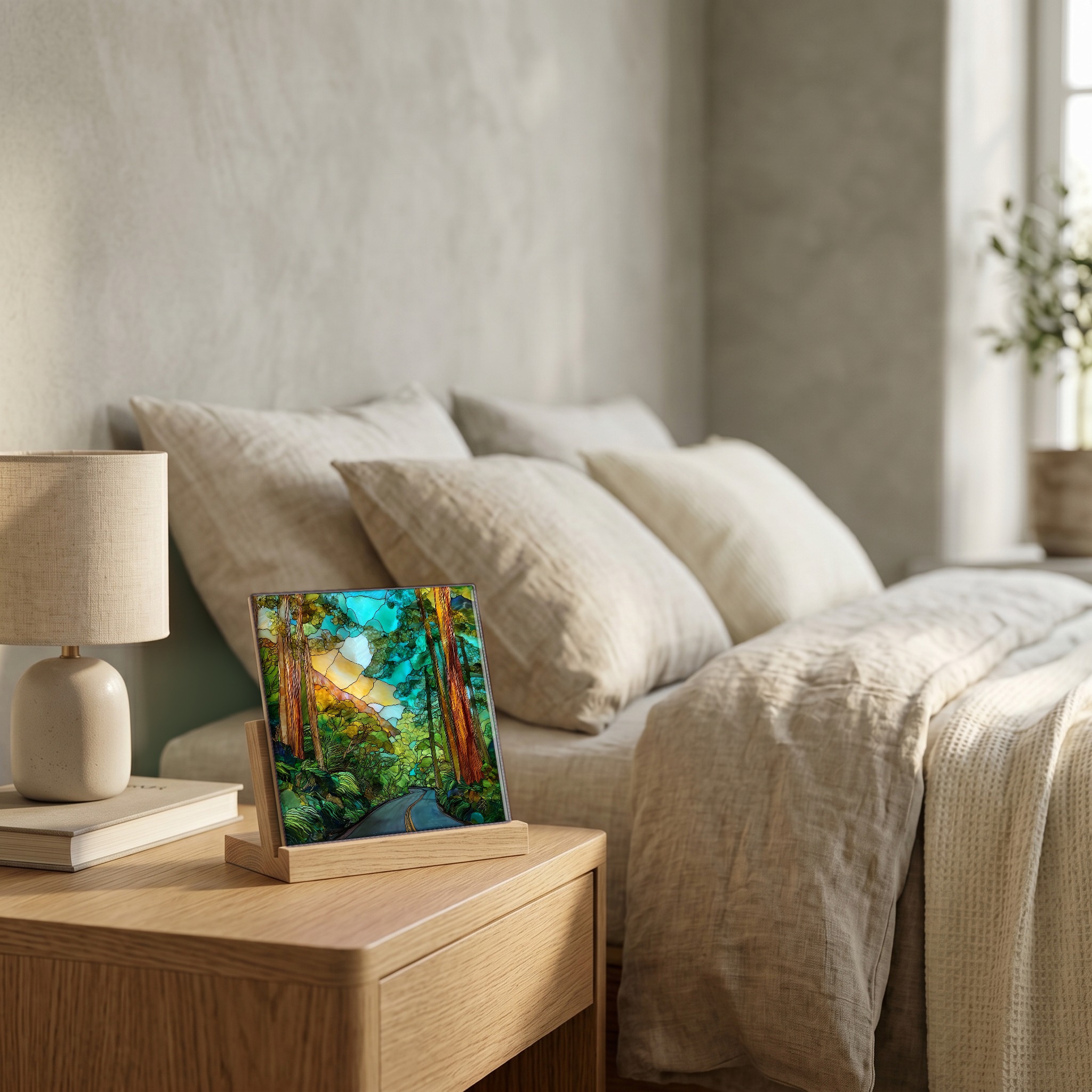
On the nightstand, on a light oak stand.
On a picture ledge, where the light comes in.
a note from the studio

A rainforest village along the Hāna Highway, on the windward side of East Maui, where the trade winds wring out against the mountain and the rain almost never lets up. More than two hundred inches a year, some years. The community sits below the road in a green hollow above the sea, the same hillside where the first commercial rubber plantation in the United States was tried, around 1905. The rubber didn't last. The green did.
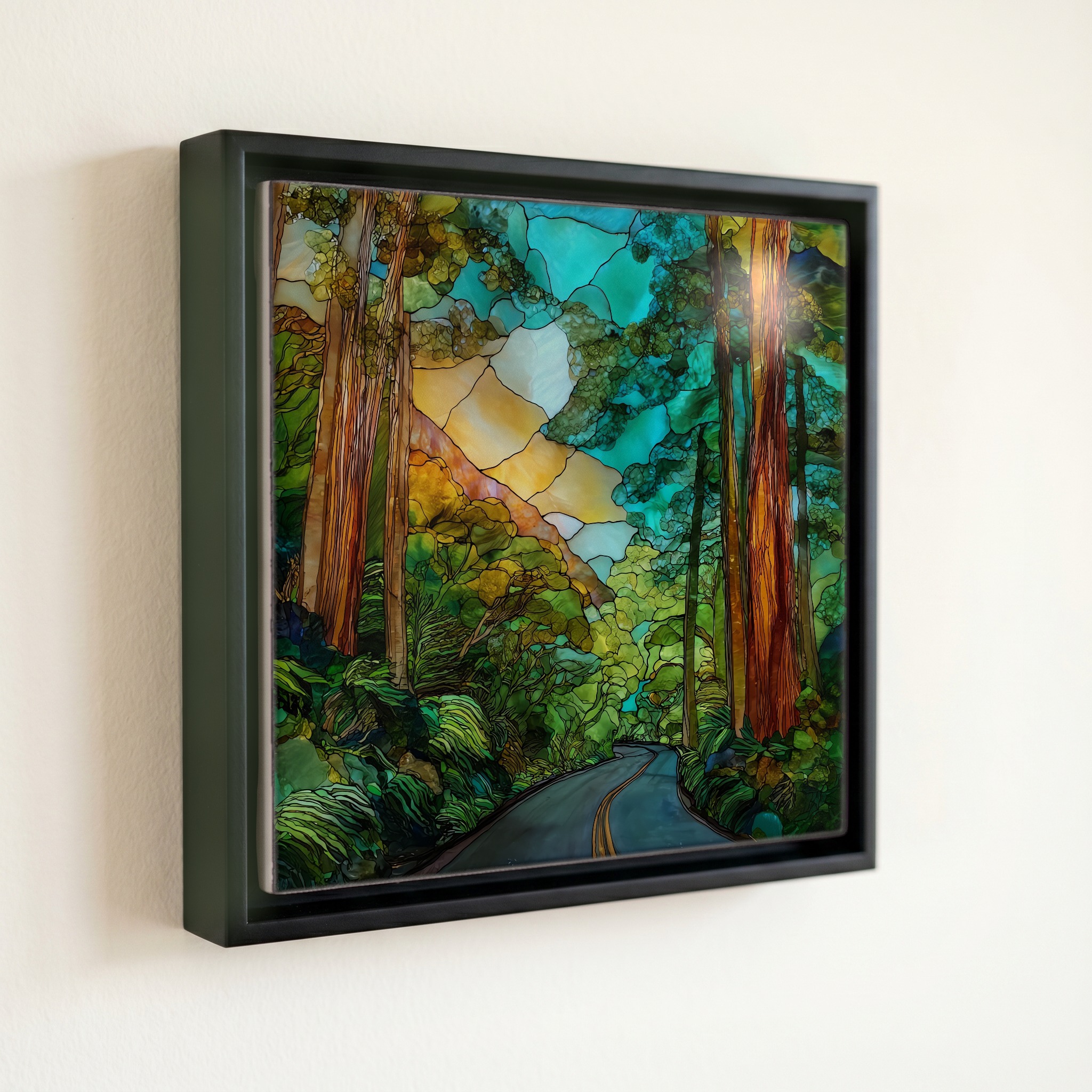
from the studio
shown in a slim black floating frame · 6 × 6 in
— bring it home

Nahiku Rainforest Maui Ceramic Art Tile, on ceramic.

Each tile is finished by hand in our Knoxville studio. Artwork is slowly infused into the ceramic surface under high heat and pressure, and rests beneath a thin glossy finish. The colour lives in the surface, not on top of it.

What kind of piece?
One tile — square or rectangle.
How big?
the popular one — counter, shelf, nightstand
6 × 6 in · 15 cm · 1.6 lb
Surface finish
A clear glossy finish — the artwork reads as if under resin. Ideal for show-pieces and framed wall art.
How it sits
A hidden cleat — sits ¼″ proud of the wall.
$58
Hand-finished and shipped from our studio at the foot of the Smokies. On your wall in about ten days.
size
6 × 6 in
15 cm
weighs
1.6 lb
solid in the hand
surface
ceramic, hand-finished
art rests beneath a thin glossy finish
from
Knoxville, TN
our family studio, at the foot of the Smokies
— start a Coaster Set

Pick any four 4-inch tiles — National Parks you've been to, a Smokies set, the four seasons of one place. $ for a set of , cork-backed, ready to live on the table.
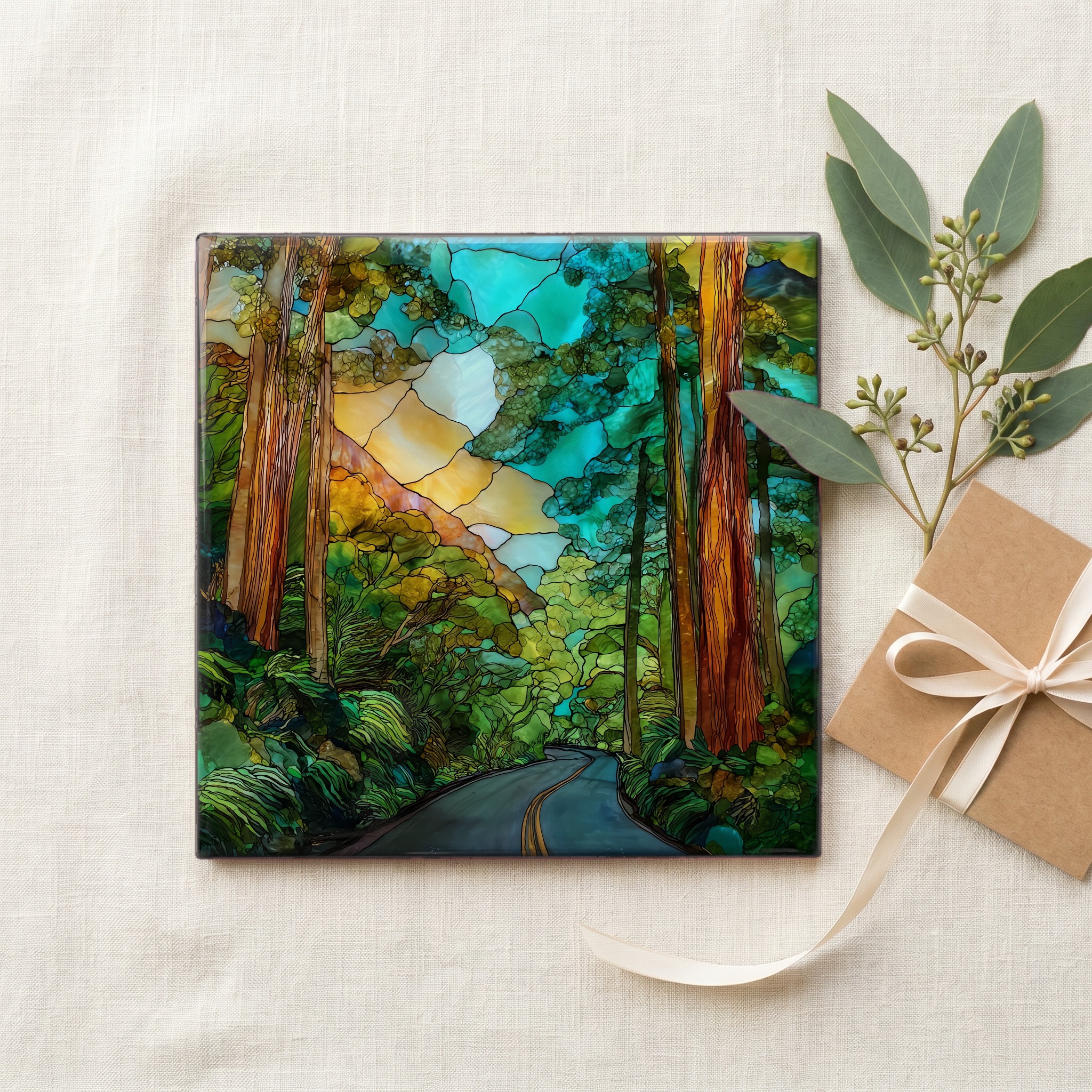
comes gift-ready
comes gift-ready

Each tile ships in a kraft box, tied with cream ribbon, with a handwritten note from the studio if you'd like to add one.
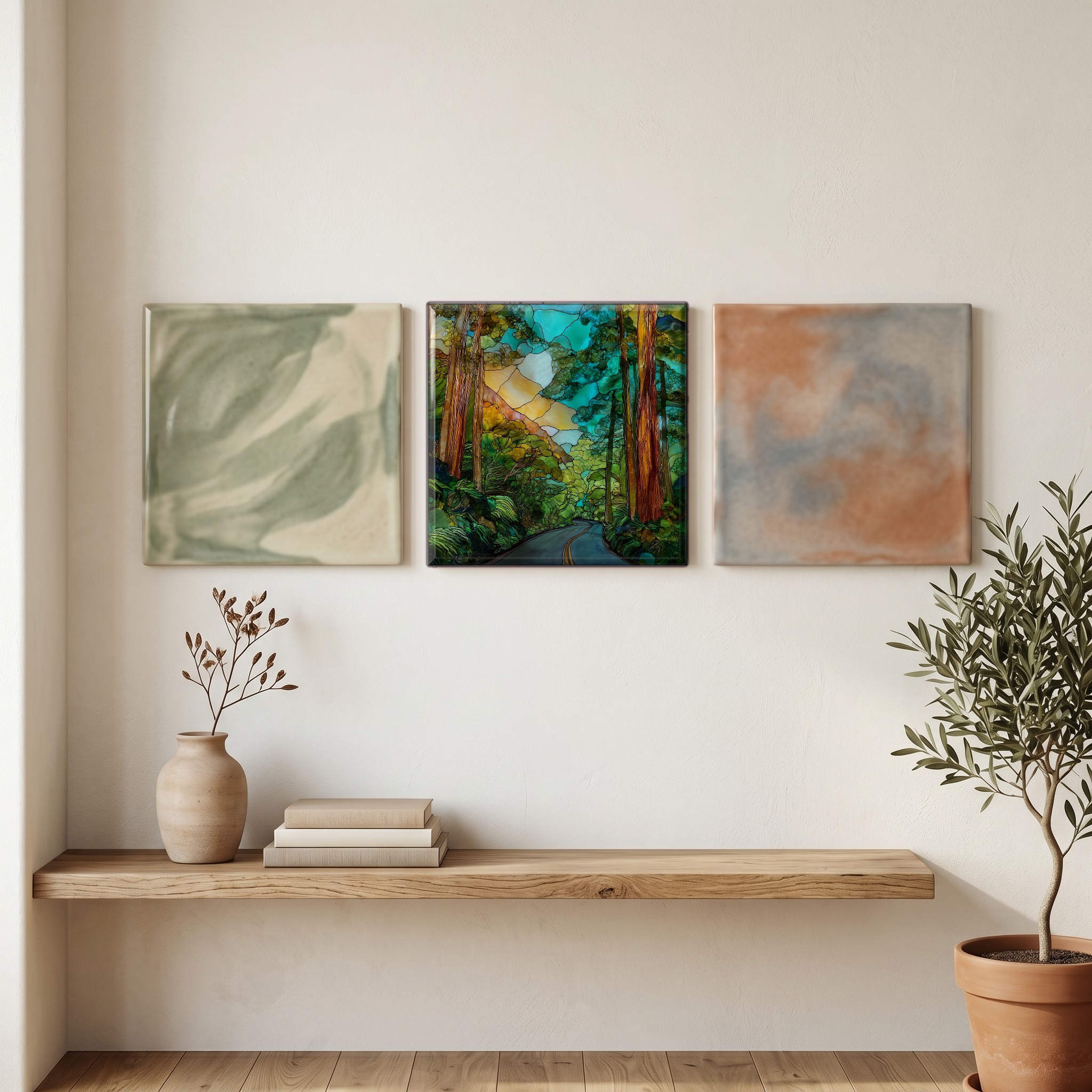
or build a grouping
or build a grouping

Three or five different vistas, hung together — a chapter of places you've been, or want to go.

about Nahiku Rainforest Maui Ceramic Art Tile

The place, in three passes.

A little of what's known, in case you fall down the rabbit hole — or want to go see it yourself.
the place

Nahiku sits on the windward coast of East Maui, along the Hāna Highway about twenty-six miles past Pāʻia and roughly six miles short of Hāna town. It is a small unincorporated community in Maui County, set in the steep wet flank of Haleakalā where the volcano meets the Pacific. The highway passes above the village; a narrow road drops down toward the old landing on the sea. The whole hillside is wet lowland rainforest: ʻōhiʻa lehua, hala, hapuʻu tree fern, kukui, and stands of introduced bamboo, fed by some of the highest rainfall on the Hawaiian Islands.

the air

East Maui's windward slope is one of the wettest places in the United States. The trade winds carry moisture from the Pacific into the flank of Haleakalā, where it condenses against the volcano and falls as nearly daily rain. Annual rainfall around Nahiku has been measured above three hundred inches in some years. The forest grows in continuous warm humidity, with mist often holding in the canopy through the morning. The Big Bog station above Hāna, roughly eight miles inland, is among the wettest weather stations on Earth, with a long-term average over four hundred inches a year.

the year

Nahiku was the site of the first commercial rubber plantation in the United States. The Nahiku Rubber Company planted Para rubber trees on the hillside above the landing beginning around 1905, drawn by the warm wet climate. The venture was short-lived. Hawaiian wages were too high to compete with Asian rubber by the time the trees matured, and the company wound down within about a decade. Some of the original rubber trees still stand along the old plantation road. The community today is small, perhaps a few dozen households, and the rainforest has taken back most of what the plantation cleared.

where
United States · Maui County, Hawaii
position
20.7561° N · 156.1431° W
the neighborhood

What's nearby.

A handful of named places within an hour's walk or short drive. Some we've already painted; some we will.
10 km S
Hāna
village
7 km S
Waiʻānapanapa State Park
state park
14 km NW
Keʻanae Peninsula
lava peninsula
N
Nahiku Rainforest Maui Ceramic Art Tile
Hāna
Waiʻānapanapa State Park
Keʻanae Peninsula
common questions

What people ask.

A few questions we get about Nahiku Rainforest Maui Ceramic Art Tile — and about bringing the piece home.
about the place

Nahiku is a small community on the windward coast of East Maui, along the Hāna Highway about twenty-six miles past Pāʻia and six miles short of Hāna town. It sits on the steep rainforest flank of Haleakalā where the volcano meets the Pacific.

The trade winds carry warm Pacific moisture against the windward slope of Haleakalā. The moisture rises, cools, and falls as nearly daily rain. Annual rainfall around Nahiku runs in the low hundreds of inches; the Big Bog weather station inland averages over four hundred inches a year.

Native ʻōhiʻa lehua, hala, kukui, and hapuʻu tree fern; thick groves of introduced bamboo; mango, guava, and ti planted by the community. The forest is wet lowland rainforest, dense and continuous, fed by streams that fall over basalt ledges toward the sea.

The Nahiku Rubber Company was the first commercial rubber plantation in the United States. Founded around 1905, it planted Para rubber trees on the hillside above the Nahiku landing. The venture closed within a decade. Hawaiian wages could not compete with Asian rubber, but a few original trees still stand.

Nahiku is reached by the Hāna Highway, Hawaii Route 360, from Pāʻia. The drive is about two and a half hours one way and crosses more than fifty single-lane bridges. A narrow side road drops from the highway through the village toward the old sea landing.

Most visitors pass through on the Road to Hāna without stopping. A small cluster of food and craft stands sits near the highway turnoff. The community asks travelers to drive slowly and to leave private side roads and homesites alone.

Any month works, with the understanding that rain is part of the place. Drier weather is slightly more common from May through September; winter brings heavier downpours and the occasional flash flood. Morning departures from Pāʻia leave time to return before dark.

about the piece in your home

It has been for many of our customers. The Hāna side is the part of Maui locals carry hardest: the wet green coast, the bamboo, the rubber plantation hill above the sea. A Small or Medium with a handwritten note from the studio reads as a piece of home rather than a souvenir.

The piece sits well with biophilic, coastal-modern, and tropical-modern rooms. The deep saturated greens and the stained-glass linework hold their own against natural wood, rattan, and white plaster. It also works in a Jewel-tone Maximalist room where the green can answer a velvet or a deep blue.

Biophilic design centers natural form, deep plant green, and a sense of weather inside the room. The Nahiku tile carries all three. The piece reads from across the room as a window onto wet rainforest, which is the effect a biophilic room is after.

A single Large reads well above a console or a narrow sideboard. A 4-tile Mural carries an average sofa; a 9-tile Mural holds a wider wall or a tall stairwell. We can advise on layout if a room photo is sent through.

Yes, in the Dura Satin or Matte finish. Both are scratch-resistant and rated for vertical wet installations: showers, splashbacks, around a soaking tub. The Glossy finish is meant for framed wall pieces and dry rooms.

A soft microfibre cloth, dry or with a little water. No bleach, no abrasive pads. The colour lives inside the ceramic surface beneath a thin glossy finish, so normal cleaning does not touch the painting.

Yes. Every WenderVista piece is painted in-house by the studio in Knoxville, Tennessee. The Nahiku Rainforest tile is original work, not licensed, not stock, and not sold through any other outlet.

if this one stayed with you

A few you might also love.

Hand-picked by the eye that found Sorapis. Same air, same kind of quiet.