Wender·Vista
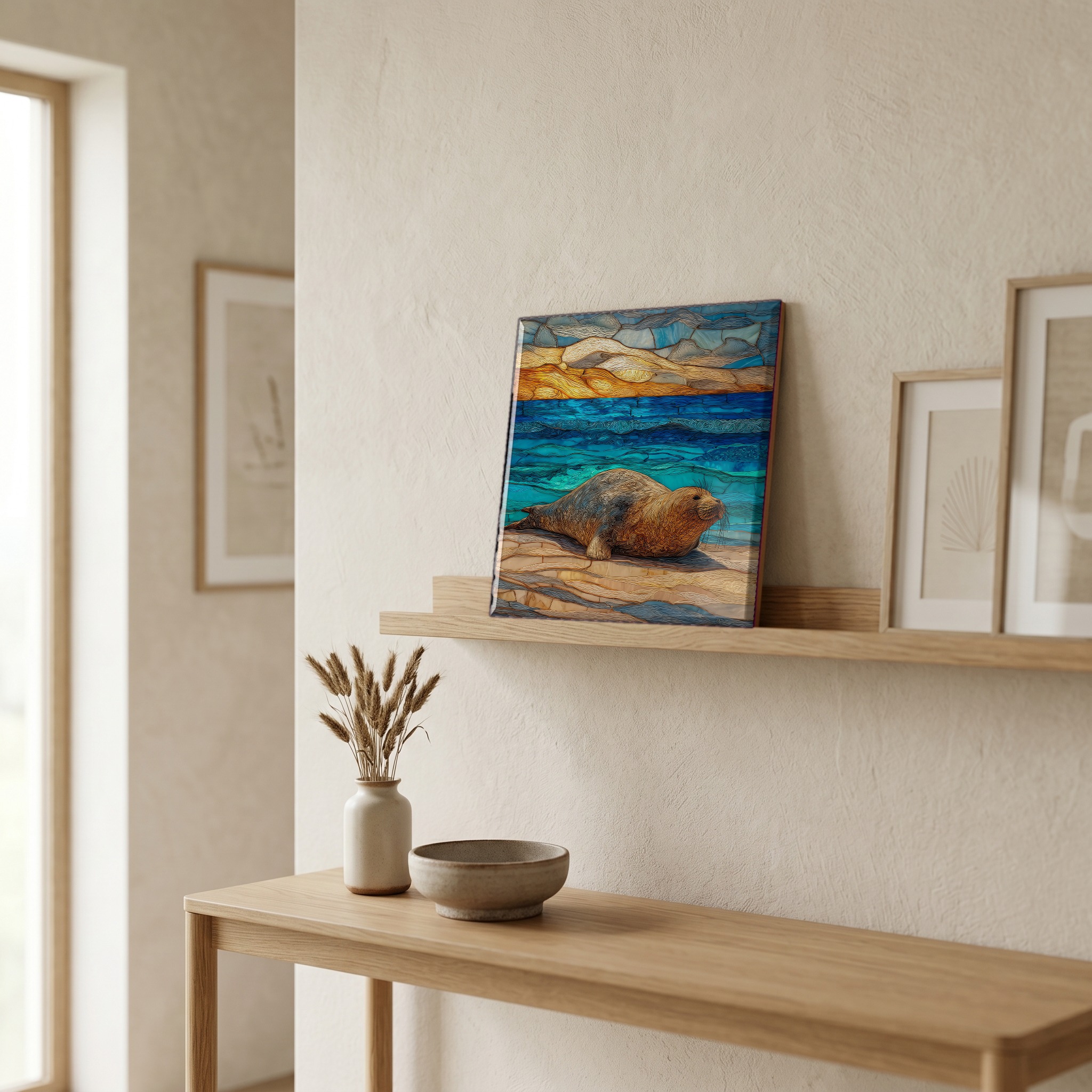
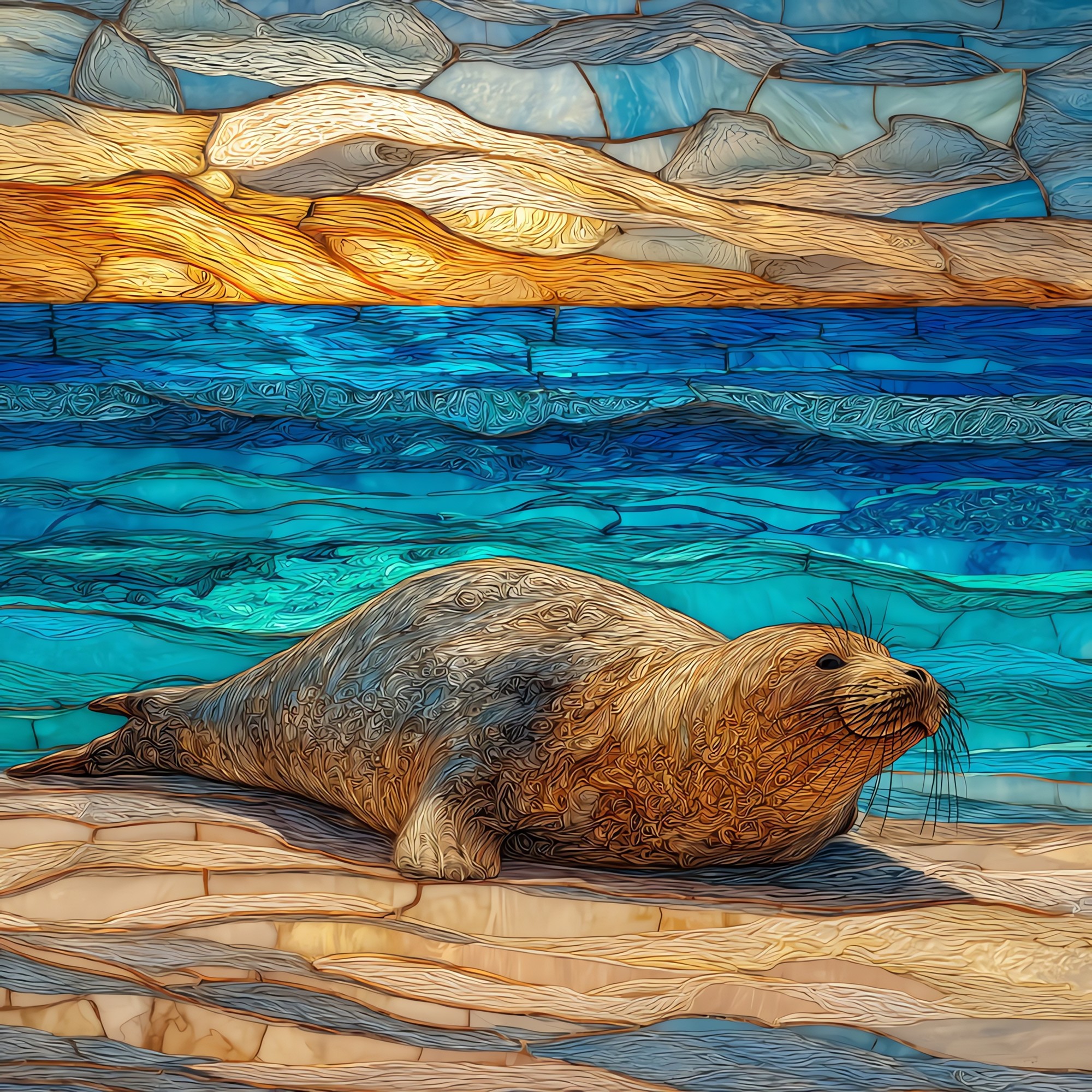
Monk Seal Poipu Kauai Ceramic Art Tile
shown on ceramic, 12-inch tileHawaii · United States
on the south shore of Kauai

Monk Seal Poipu Kauai Ceramic Art Tile

the morning the beach belonged to the seal.

Where it lives

Not only on a wall.

A small tile on the nightstand catching the morning. A larger one above the fire. Yours, wherever you spend the slow hours.
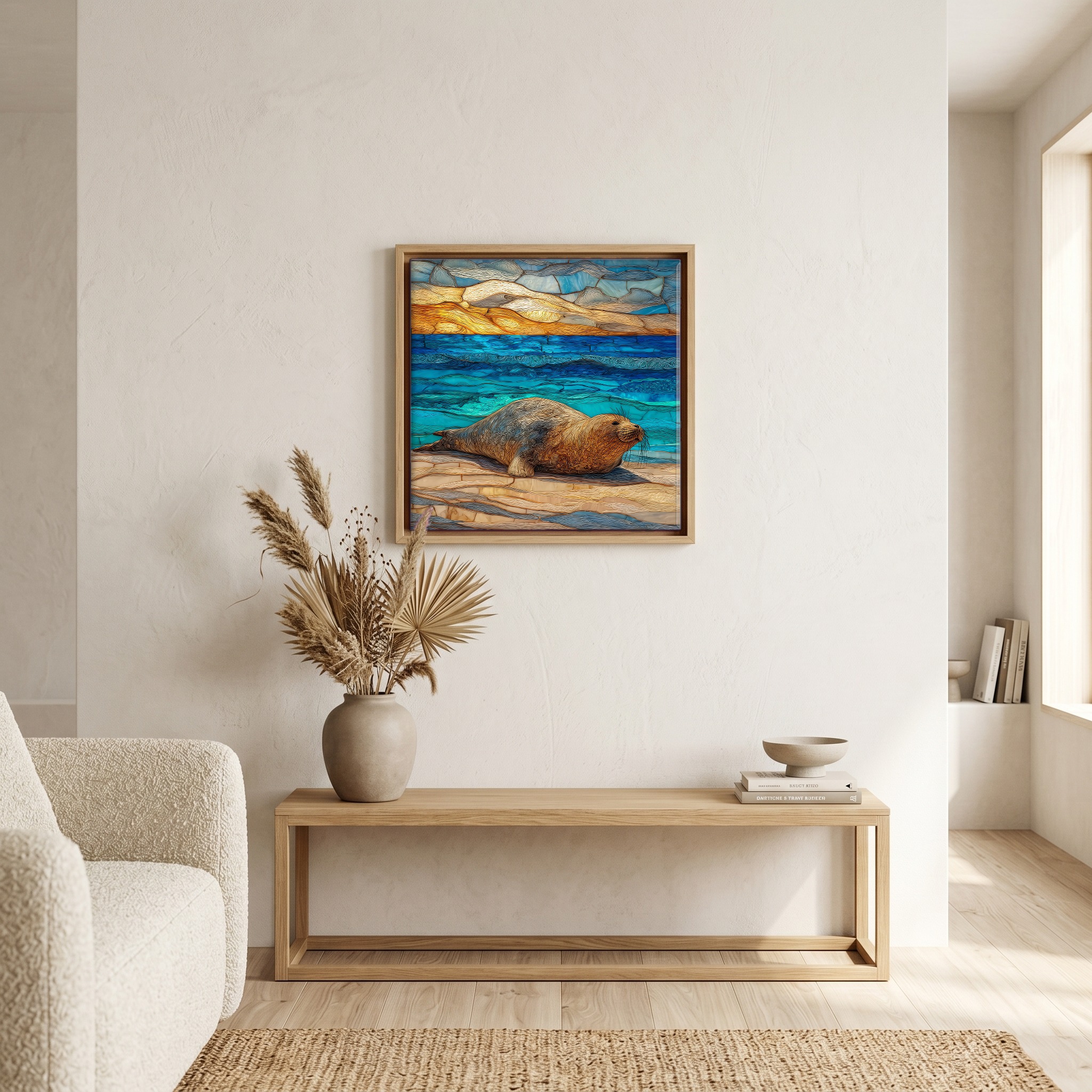
Above the bench, in a warm oak surround.
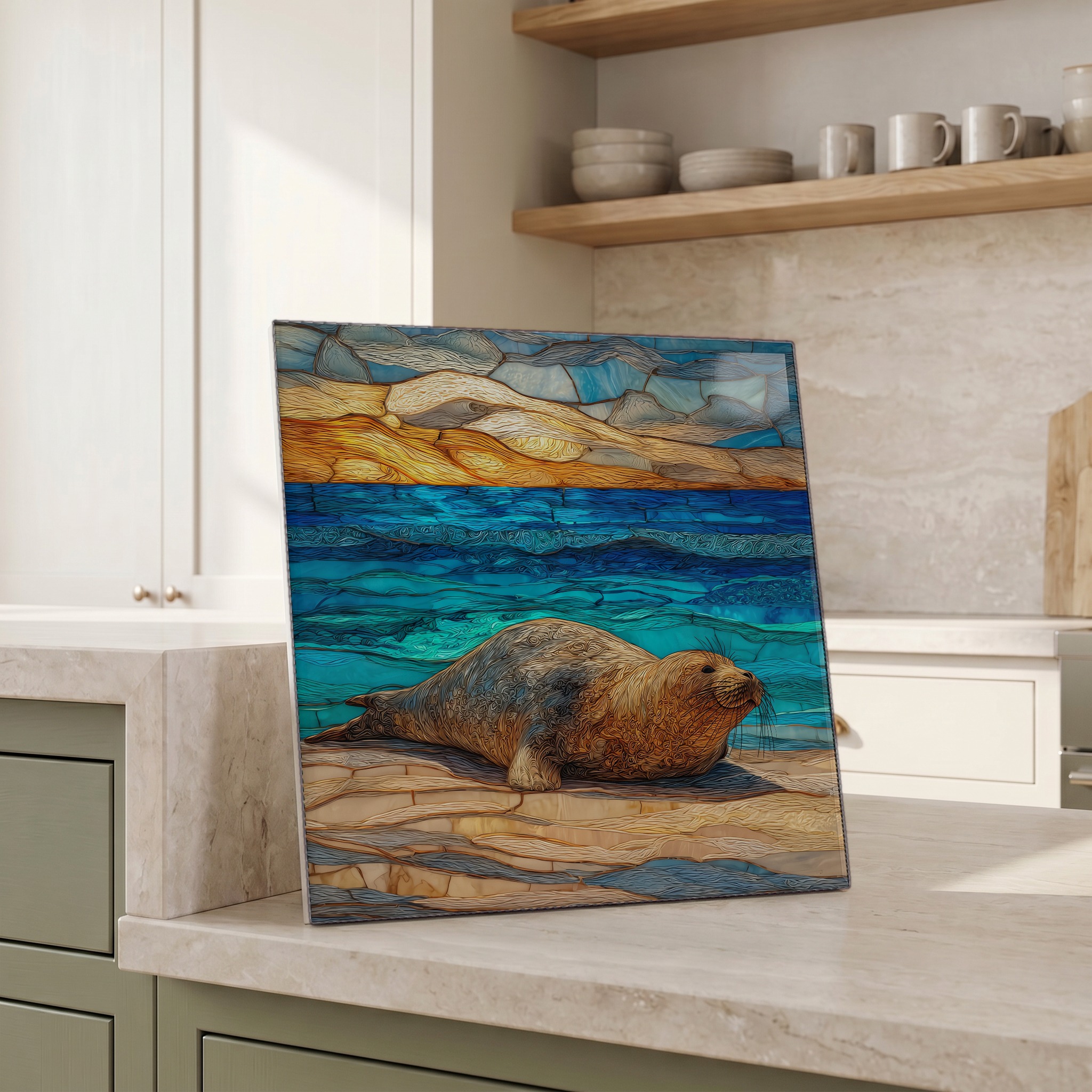
Beside the kettle, propped on the counter.
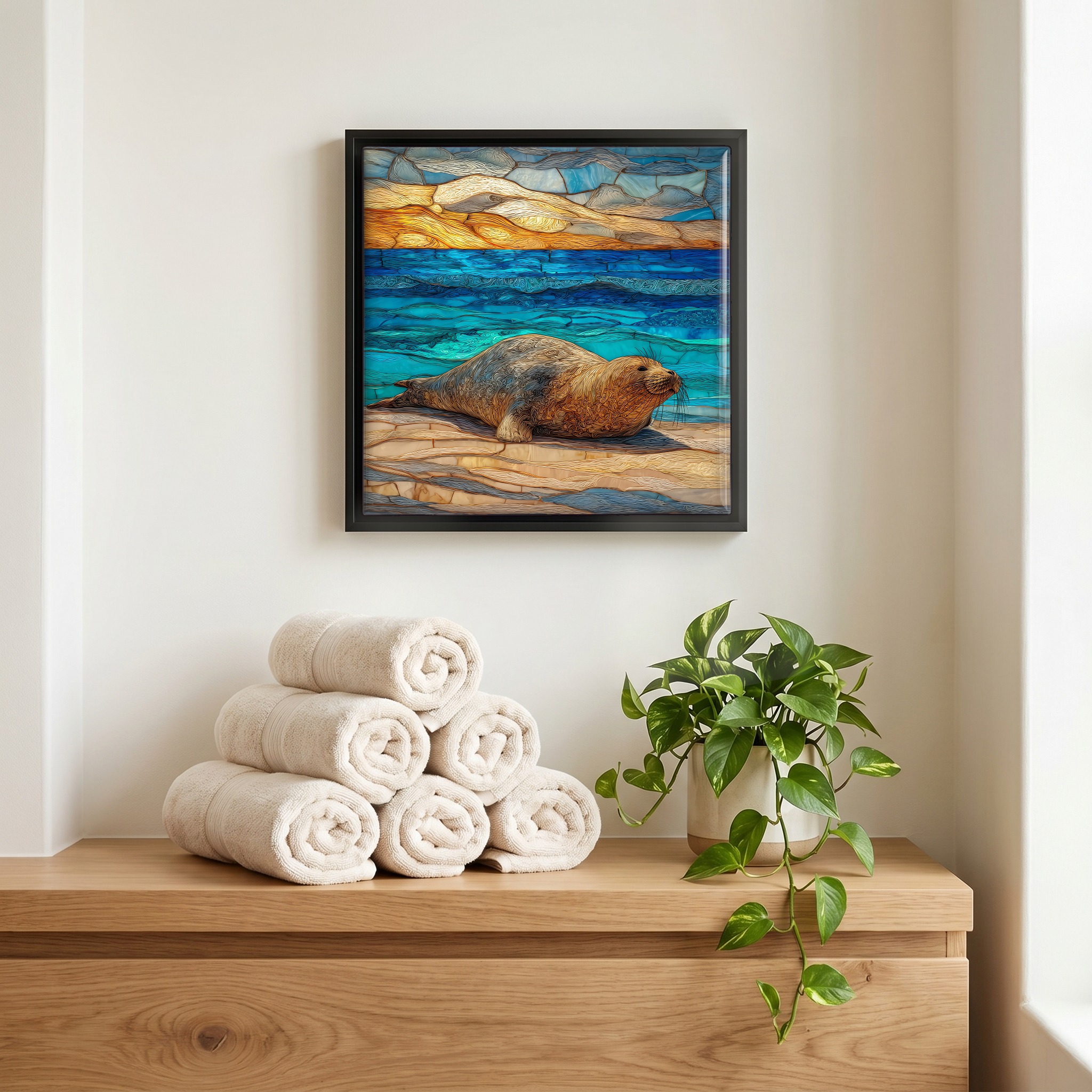
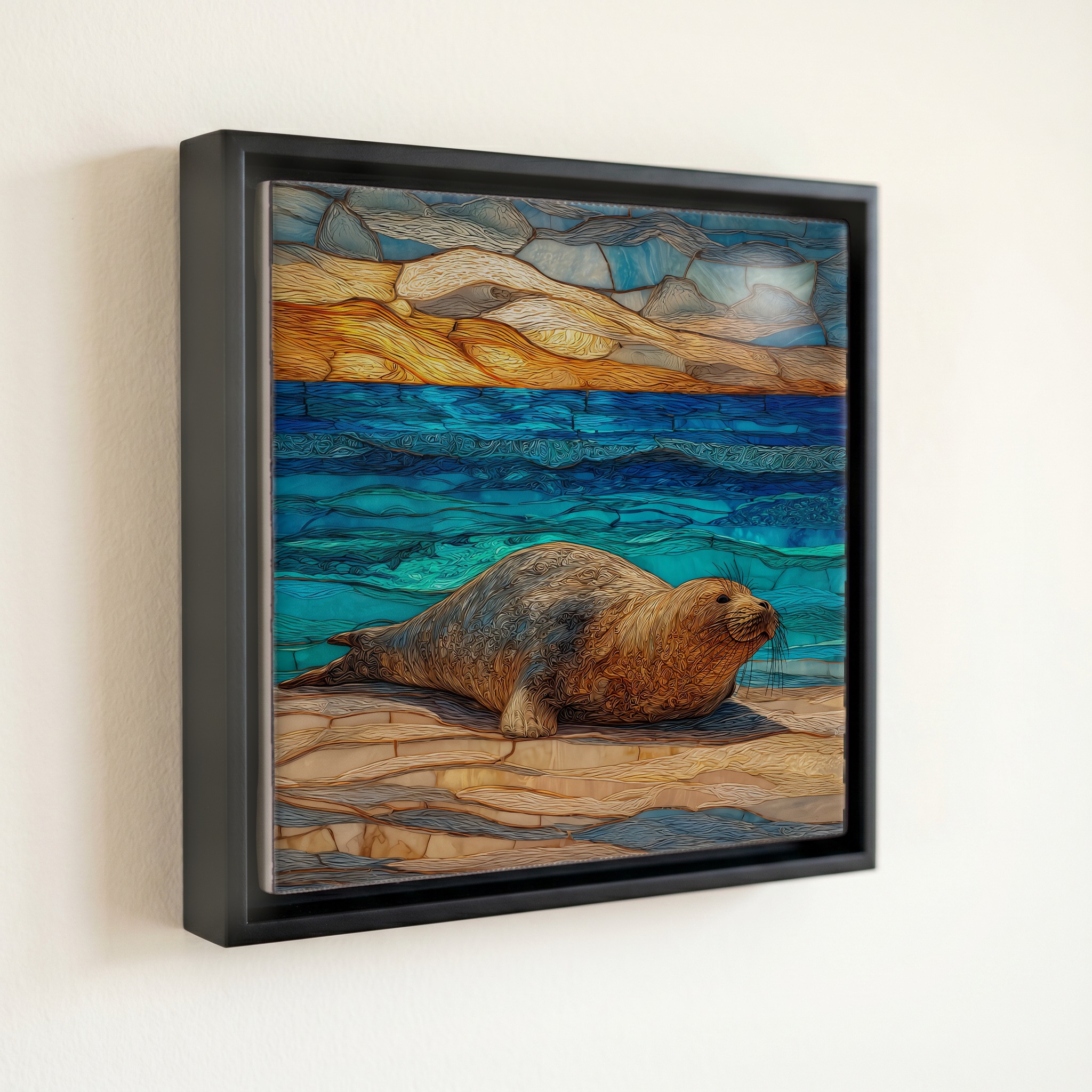
Above the linens, in a slim black surround.
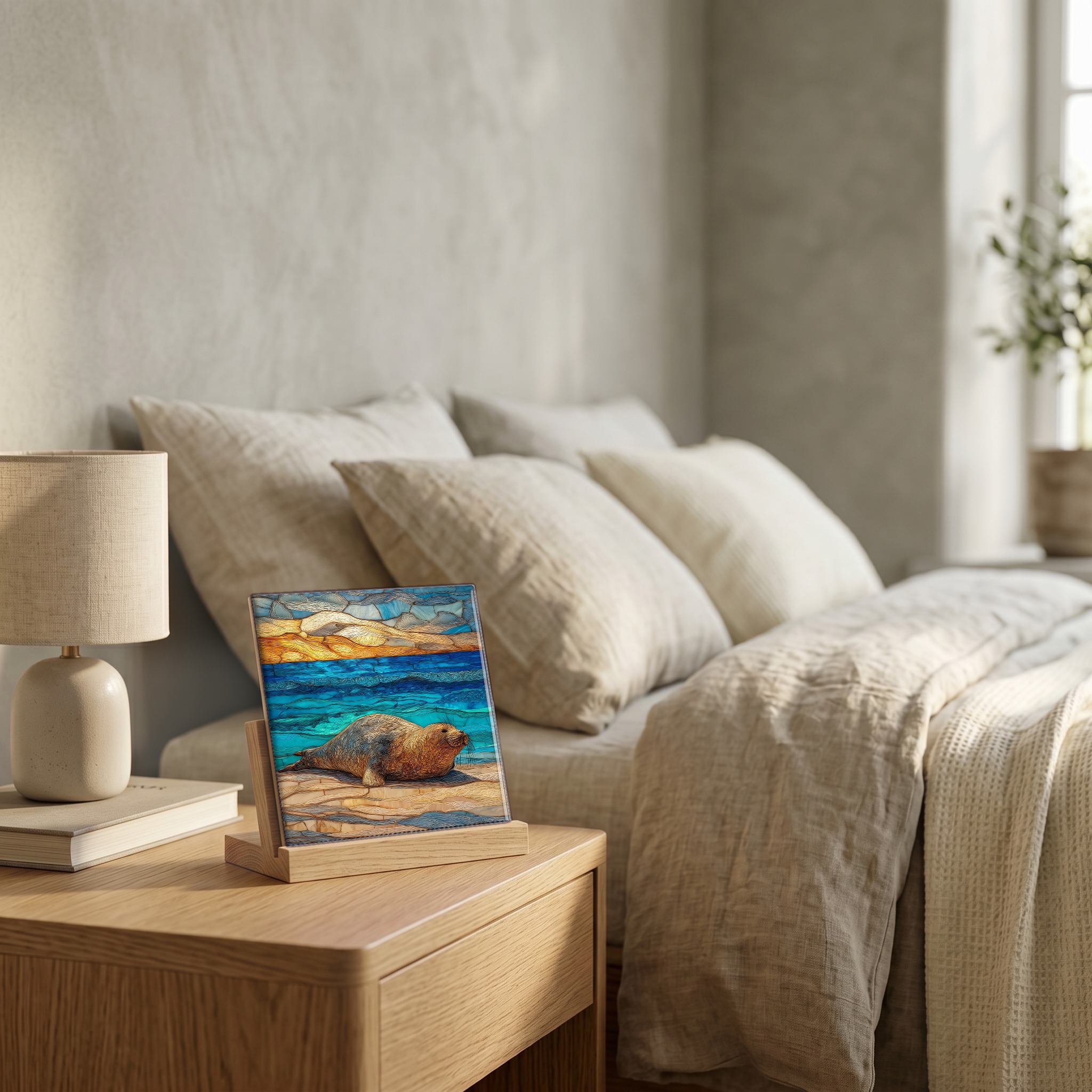
On the nightstand, on a light oak stand.
On a picture ledge, where the light comes in.
a note from the studio

A sleeping animal can change a morning. The Hawaiian monk seal hauls onto Poipu's warm sand and the beach goes quiet around it. In Hawaiian the species is ʻīlio-holo-i-ka-uaua, the dog that runs in rough water. When one comes ashore, volunteers stake a quiet rope at fifty feet so the seal can rest. Fewer than 1,600 remain. Poipu is shaped like a wishbone, with a sandbar walking out into the surf. People come for the snorkeling. Some leave thinking about something else.
from the studio
shown in a slim black floating frame · 6 × 6 in
— bring it home

Monk Seal Poipu Kauai Ceramic Art Tile, on ceramic.

Each tile is finished by hand in our Knoxville studio. Artwork is slowly infused into the ceramic surface under high heat and pressure, and rests beneath a thin glossy finish. The colour lives in the surface, not on top of it.

What kind of piece?
One tile — square or rectangle.
How big?
the popular one — counter, shelf, nightstand
6 × 6 in · 15 cm · 1.6 lb
Surface finish
A clear glossy finish — the artwork reads as if under resin. Ideal for show-pieces and framed wall art.
How it sits
A hidden cleat — sits ¼″ proud of the wall.
$58
Hand-finished and shipped from our studio at the foot of the Smokies. On your wall in about ten days.
size
6 × 6 in
15 cm
weighs
1.6 lb
solid in the hand
surface
ceramic, hand-finished
art rests beneath a thin glossy finish
from
Knoxville, TN
our family studio, at the foot of the Smokies
— start a Coaster Set

Pick any four 4-inch tiles — National Parks you've been to, a Smokies set, the four seasons of one place. $ for a set of , cork-backed, ready to live on the table.
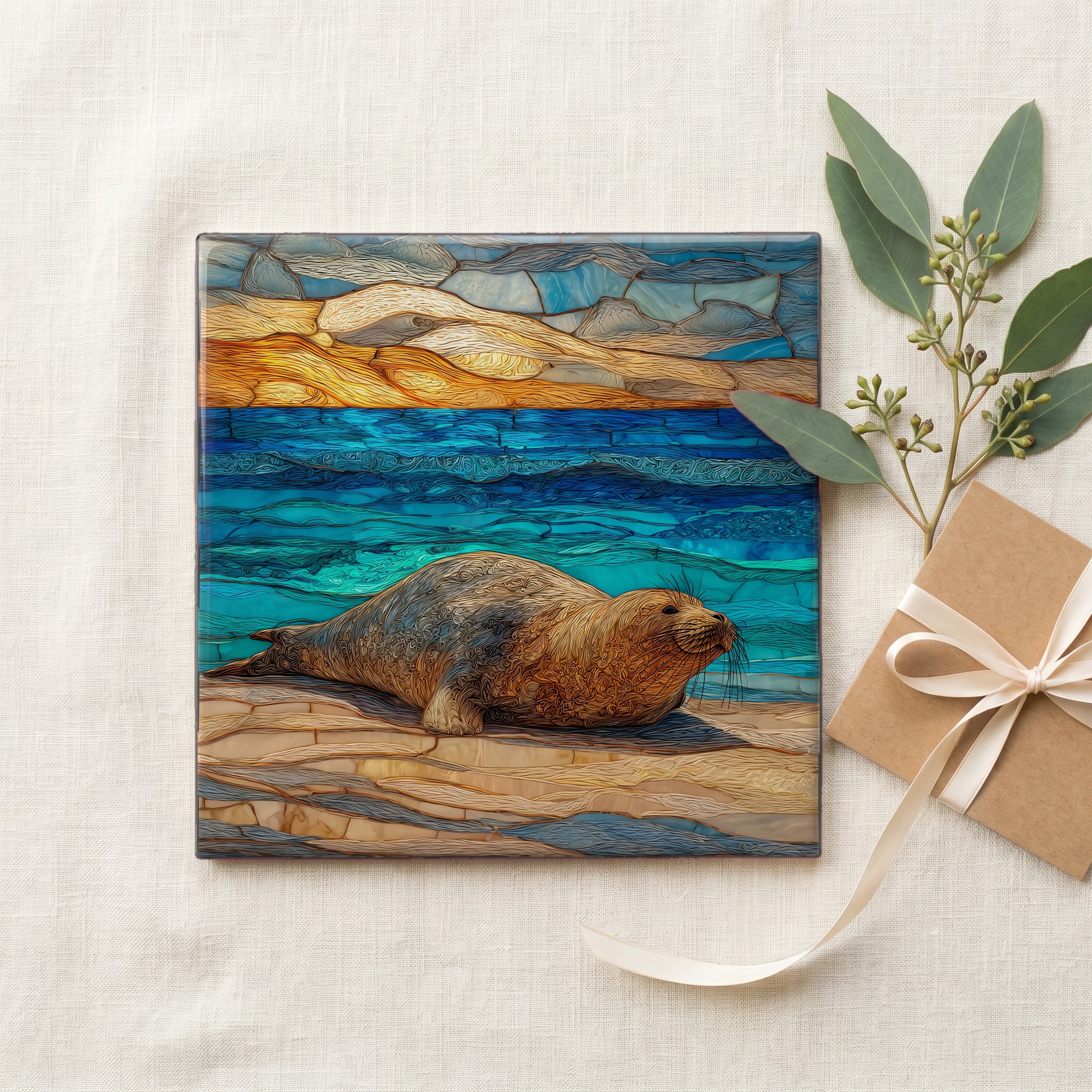
comes gift-ready
comes gift-ready

Each tile ships in a kraft box, tied with cream ribbon, with a handwritten note from the studio if you'd like to add one.
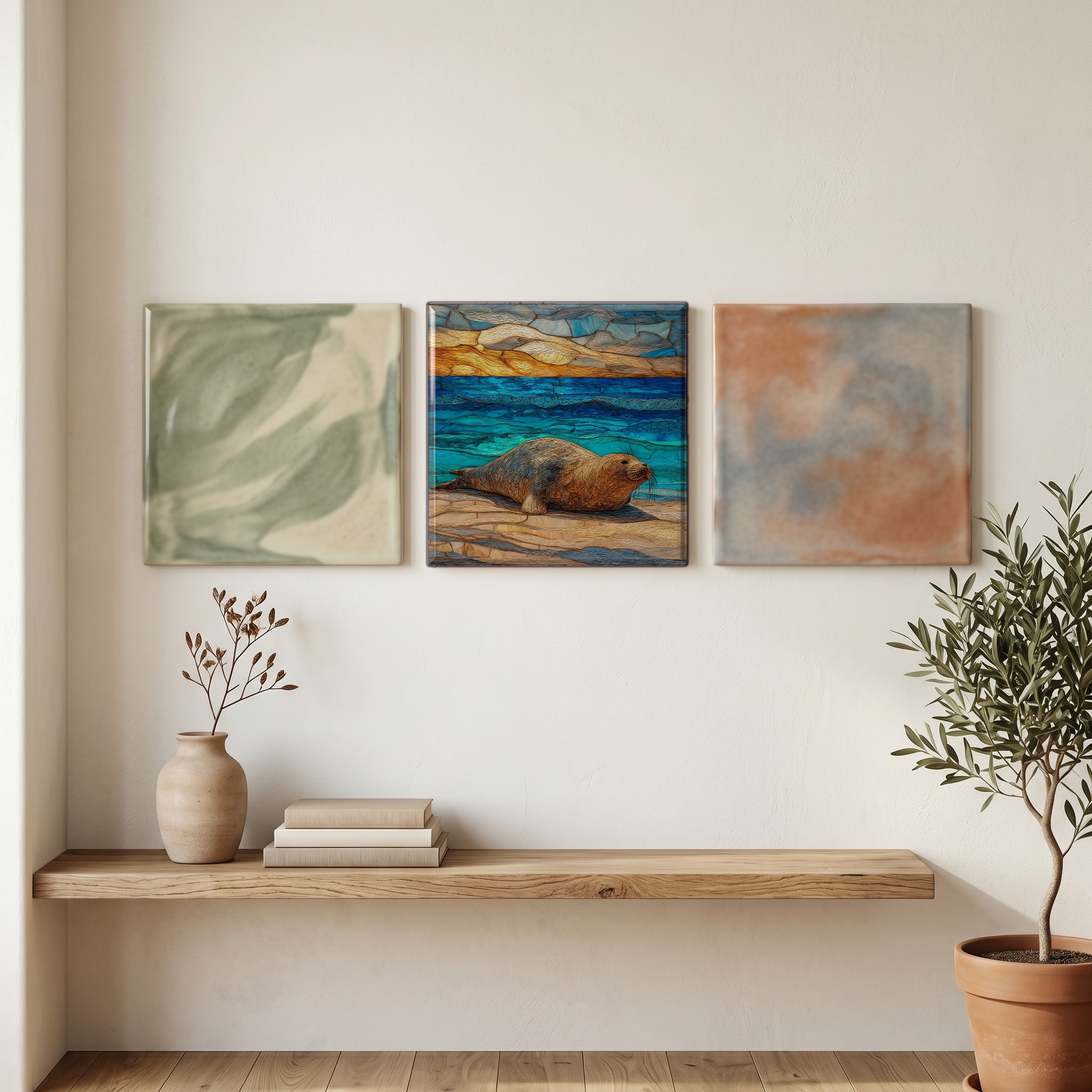
or build a grouping
or build a grouping

Three or five different vistas, hung together — a chapter of places you've been, or want to go.

about Monk Seal Poipu Kauai Ceramic Art Tile

The place, in three passes.

A little of what's known, in case you fall down the rabbit hole — or want to go see it yourself.
the place

Poipu Beach sits on the southern coast of Kauai, the oldest of the main Hawaiian Islands at roughly five million years. The beach is a natural tombolo, a sandbar that joins two crescent bays. The inner arc is protected enough for children to wade; the outer arc opens into the long Pacific swell. The county park is a few minutes from Koloa town, the site of one of Hawaii's first commercial sugar plantations, founded in 1835. Hawaiian monk seals (Neomonachus schauinslandi) haul out at Poipu regularly to rest between foraging trips, sometimes with a pup. The species is endemic to the Hawaiian archipelago and exists nowhere else on Earth.

the visit

Federal and state guidance asks visitors to stay at least fifty feet from a Hawaiian monk seal on land, and at least one hundred fifty feet from a mother with a pup. When a seal comes ashore at Poipu Beach Park, NOAA-trained volunteers stake out a perimeter with rope and a quiet sign. Touching, feeding, or otherwise disturbing a seal can carry penalties under the Marine Mammal Protection Act and the Endangered Species Act. A hauled-out seal will typically sleep for three to five hours and return to the water on its own schedule. Photographs are welcome from outside the rope; the best ones look like sleeping driftwood with a slow rise and fall.

the silence

The etiquette around a hauled-out monk seal is the etiquette of any tired animal asking for an afternoon. Walk quietly past. Lower the voice. Keep dogs on a short leash and well away. The volunteer monitors who set the rope, often working with Hawaii Marine Animal Response, are not security. They are there to translate between the seal and the beach. The species was listed as endangered under the Endangered Species Act in 1976, and the population has crept up from a low near 1,100 in the 1990s to roughly 1,600 today. Each individual matters. The sleeping animal at the rope is one of fewer than two thousand of its kind on the planet.

where
United States · Kauai County, Hawaii
within
Poipu Beach Park
elevation
0 m · 0 ft
position
21.8740° N · 159.4520° W
the neighborhood

What's nearby.

A handful of named places within an hour's walk or short drive. Some we've already painted; some we will.
1 km E
Brennecke's Beach
bodyboard beach
3 km W
Spouting Horn
sea blowhole
3 km W
Allerton Garden
botanical garden
3 km N
Koloa
old plantation town
2 km E
Shipwreck Beach
cliff-fronted beach
5 km E
Mahaulepu Beach
undeveloped coastline
N
Monk Seal Poipu Kauai Ceramic Art Tile
Brennecke's Beach
Spouting Horn
Allerton Garden
Koloa
Shipwreck Beach
Mahaulepu Beach
common questions

What people ask.

A few questions we get about Monk Seal Poipu Kauai Ceramic Art Tile — and about bringing the piece home.
about the place

Poipu Beach sits on the south shore of Kauai, Hawaii, about three kilometres east of Spouting Horn and roughly twenty minutes from Lihue Airport by car. The county park, Poipu Beach Park, is the most-used public access point.

Hawaiian monk seals come ashore on sheltered beaches between foraging trips to rest, regulate body temperature, and for females to give birth and nurse pups. Poipu's protected south-shore sand offers all three. Individual seals return to the same beaches for years.

NOAA Fisheries guidance is a minimum of fifty feet from a seal hauled out on land, and one hundred fifty feet from a mother with a pup. Disturbing, touching, or feeding a seal is prohibited under the Marine Mammal Protection Act and the Endangered Species Act.

Recent NOAA population estimates put the species at roughly 1,600 individuals across the Hawaiian archipelago. The species was federally listed as endangered in 1976. The population has slowly recovered from a low near 1,100 in the 1990s, helped by stranding response and pup-survival programs.

ʻĪlio-holo-i-ka-uaua is the Hawaiian name for the monk seal. It translates as the dog that runs in rough water. The species (Neomonachus schauinslandi) is endemic to the Hawaiian Islands and lives nowhere else on Earth.

There is no guaranteed time. Seals haul out throughout the year, often in the late morning, and rest for three to five hours before returning to the water. The park lifeguards and Hawaii Marine Animal Response volunteers track active sightings; asking at the beach is the surest way.

The inner crescent at Poipu Beach Park is protected by a natural reef and a sandbar tombolo, which makes it one of the calmer south-shore beaches for children and beginning snorkelers. Brennecke's Beach next door is rougher and is known for bodyboarding.

about the piece in your home

It has been a meaningful gift for our customers with ties to the south shore and to Hawaii's marine life. The Hawaiian monk seal is one of the rarest mammals on Earth, and a piece on a kitchen wall keeps the species in the day. A Small or Medium with a handwritten note from the studio carries well.

The palette of warm sand, deep ocean, and stained-glass blues sits well in Coastal-modern, Tropical-warm, and Jewel-tone Maximalist rooms. It is at home in a beach house powder room, a sunroom, or above a long bar console.

Yes. The piece reads as nature art with a strong colour story, which both biophilic and coastal-modern design favour over photographic posters. It works alongside woven rattan, raw linen, and unfinished oak.

The Large reads at the right scale above a love seat or a console roughly five feet wide. Above a full sofa, a four-tile Mural reads better. Above a long bar or a wide buffet, a nine-tile Mural fills the wall without crowding.

Yes. Choose the Dura Satin or Matte finish for vertical installations like backsplashes, shower walls, and bathrooms. The colour is slowly infused into the ceramic surface under high heat and pressure, so steam, splash, and daily cleaning do not affect it.

Wipe with a soft microfibre cloth and a little water. The thin glossy finish resists fingerprints. The colour sits in the ceramic surface itself rather than on top, so there is no painted layer to wear off.

Yes. The piece is painted by Reid Wender, the curator of the WenderVista atlas. The work is original to our family studio in Knoxville, Tennessee. It is not licensed from a stock library and is not available outside Wender Studios.

if this one stayed with you

A few you might also love.

Hand-picked by the eye that found Sorapis. Same air, same kind of quiet.