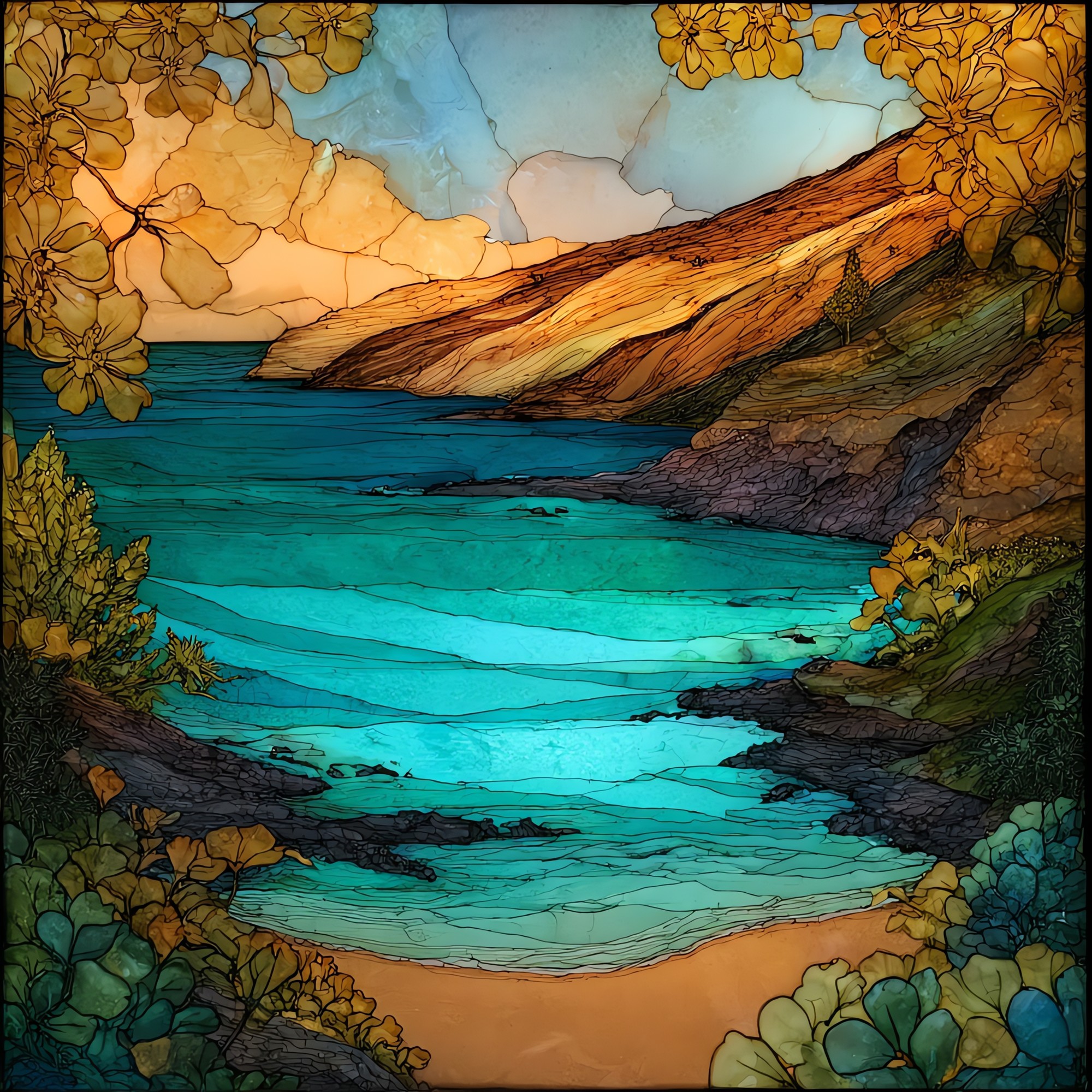
Mokuleia Slaughterhouse Maui Ceramic Art Tile
— the blue the road keeps to itself.
Not only on a wall.
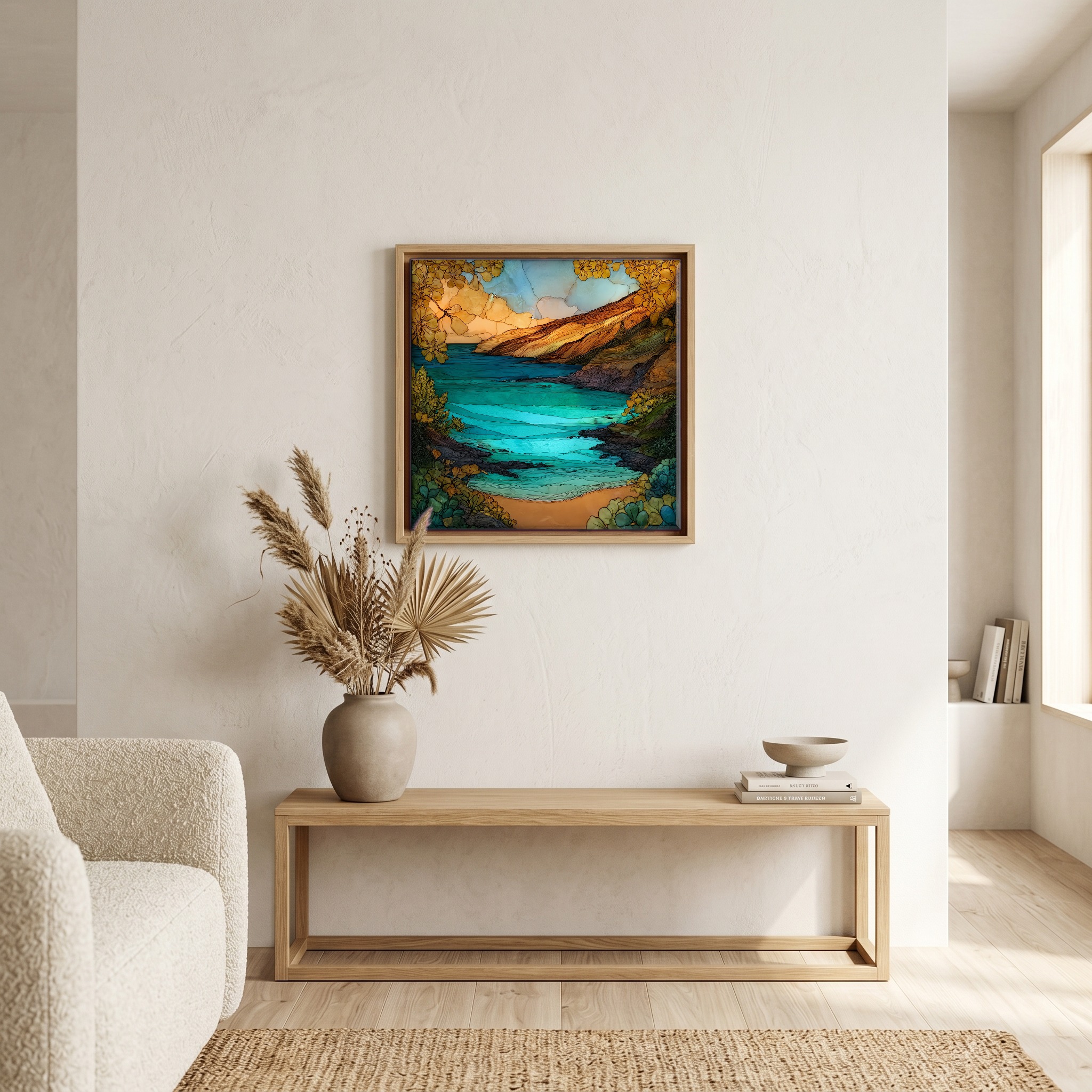
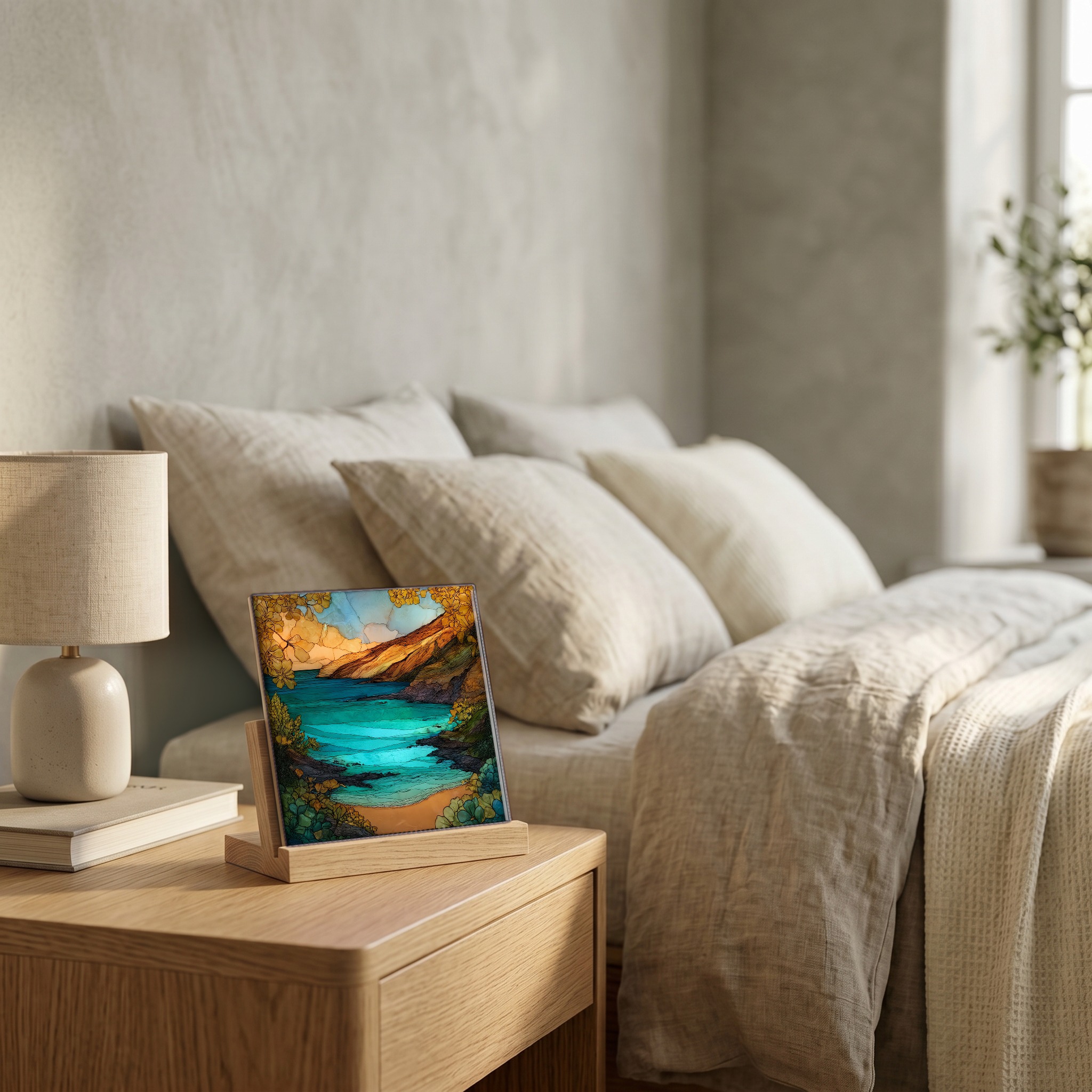
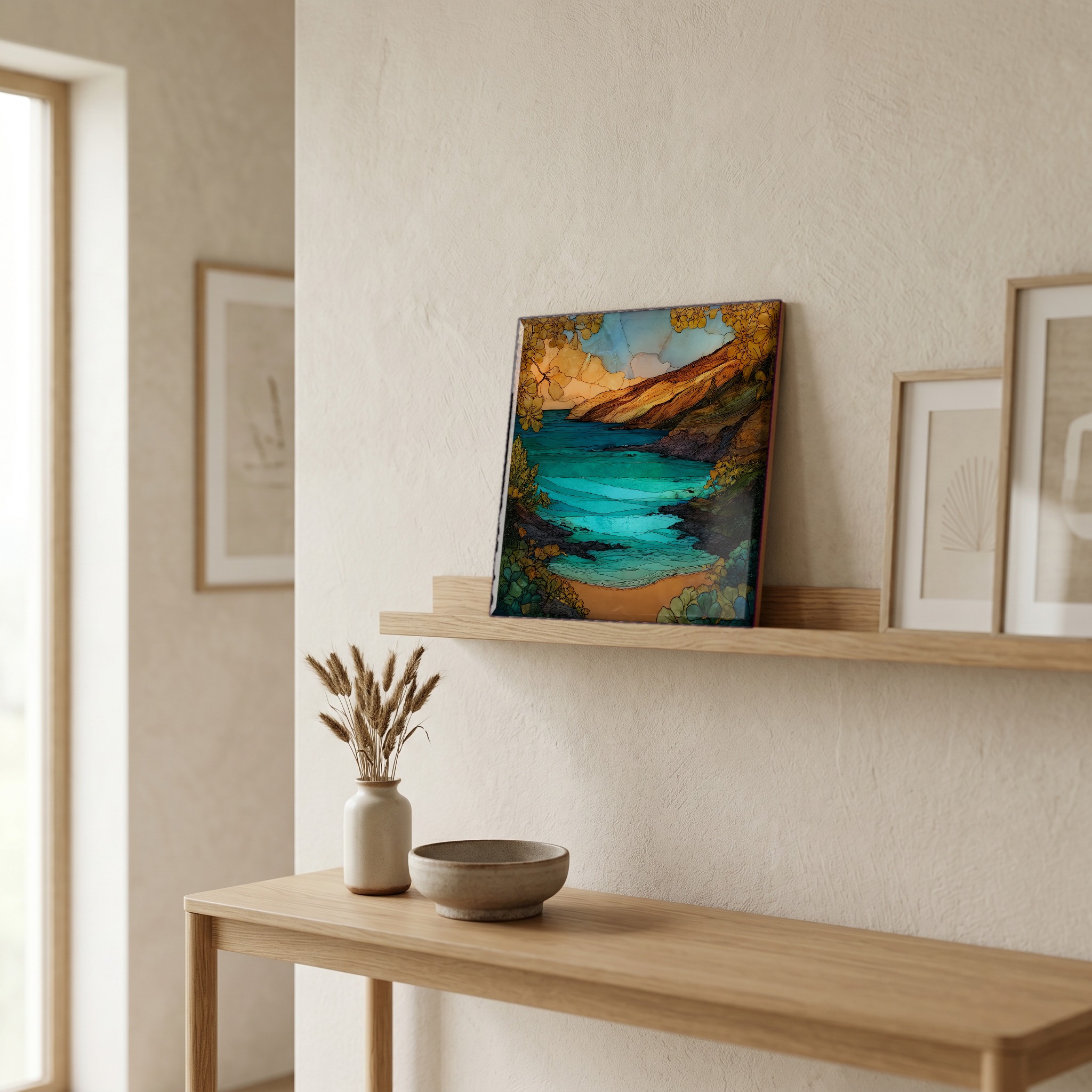
“A crescent bay on West Maui, between Kapalua and Honolua. A steep path of railroad-tie stairs drops from Highway 30 down through ironwoods to the sand. The slaughterhouse the beach is named for came down in the 1960s; the name stuck the way nicknames do. The water reads like a swimming pool in summer, clear enough to see turtles drifting over the reef. In winter the swell rebuilds the shore. It is part of a marine conservation district, so the fish stay; the snorkelers come and go.
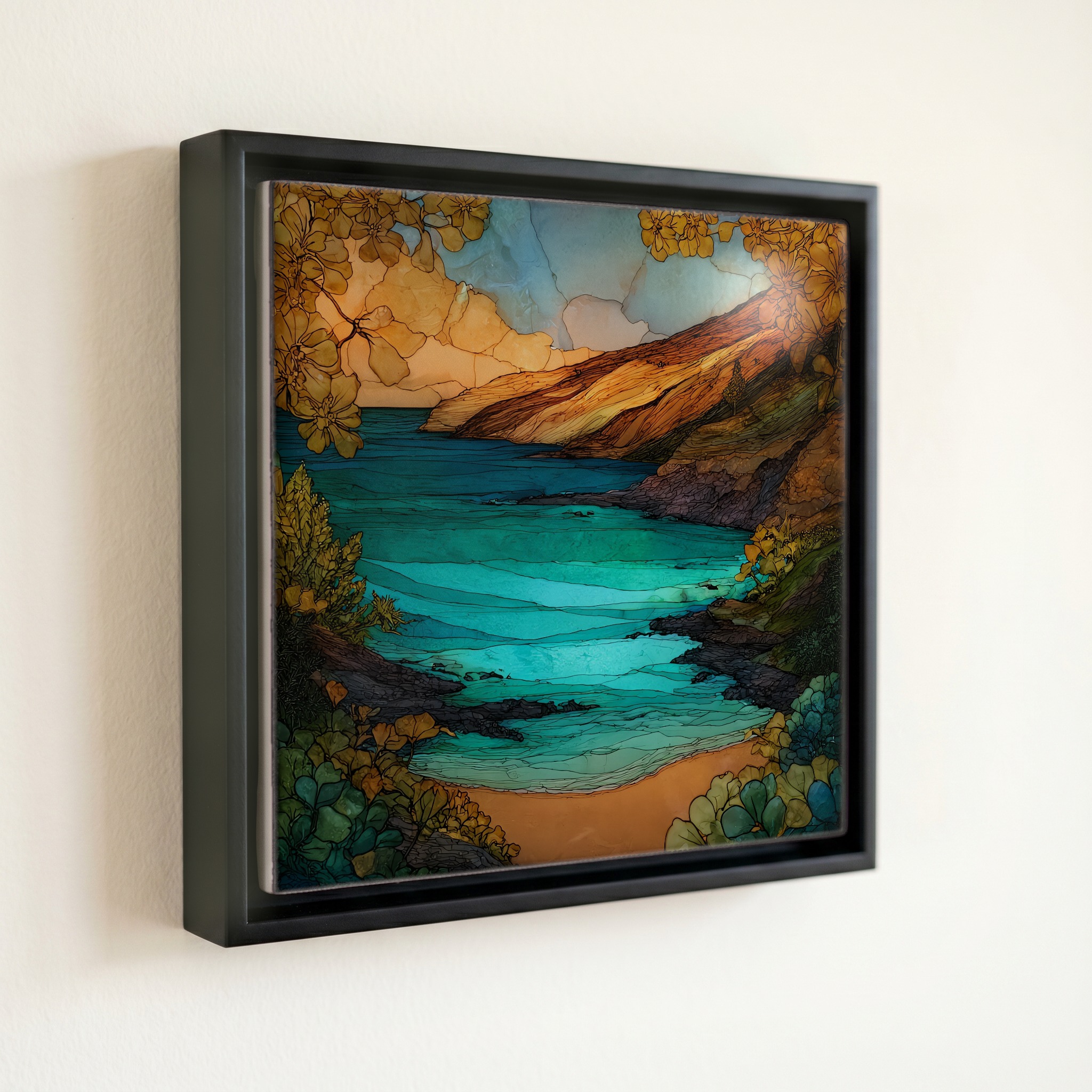
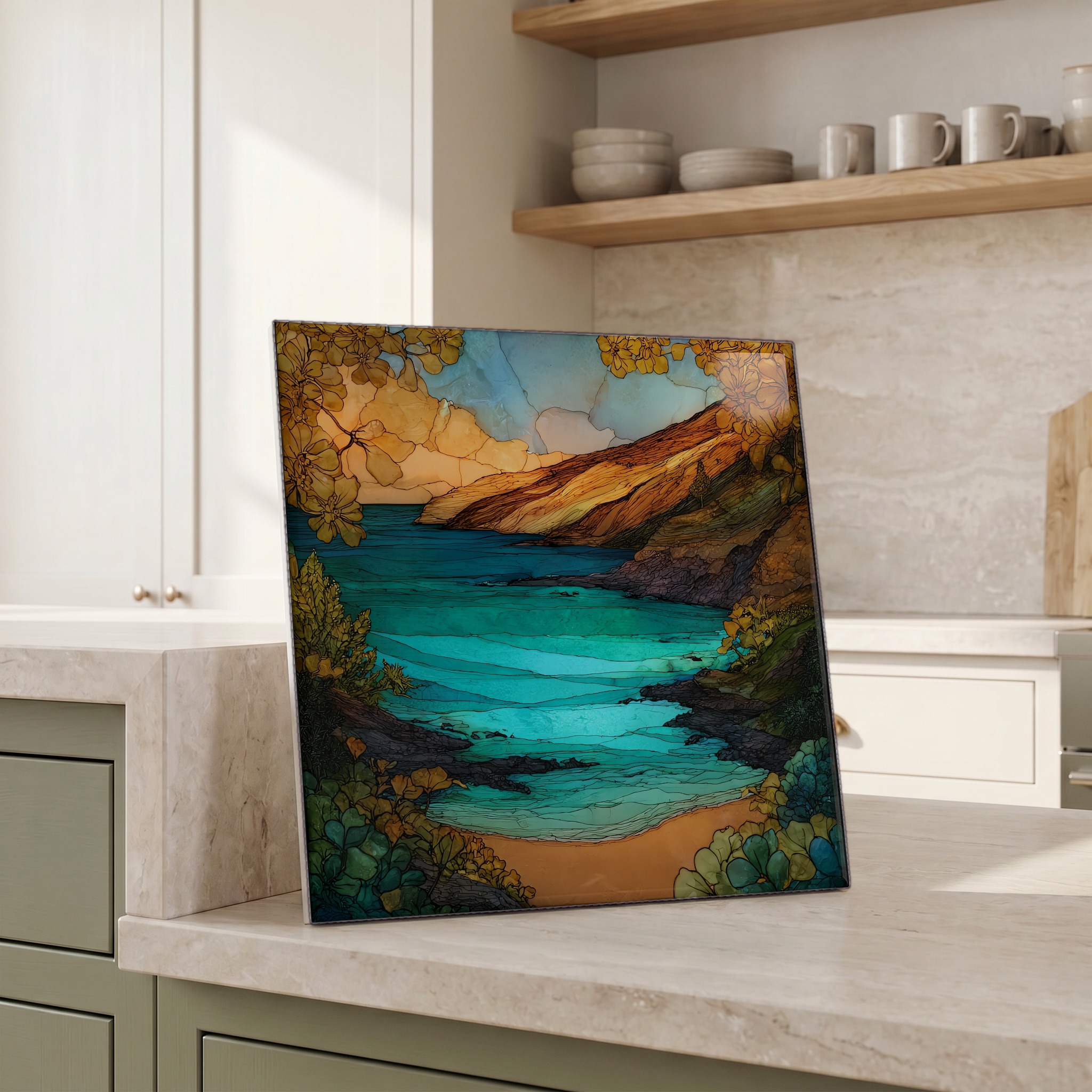
Mokuleia Slaughterhouse Maui Ceramic Art Tile, on ceramic.
Each tile is finished by hand in our Knoxville studio. Artwork is slowly infused into the ceramic surface under high heat and pressure, and rests beneath a thin glossy finish. The colour lives in the surface, not on top of it.
Pick any four 4-inch tiles — National Parks you've been to, a Smokies set, the four seasons of one place. $ for a set of , cork-backed, ready to live on the table.
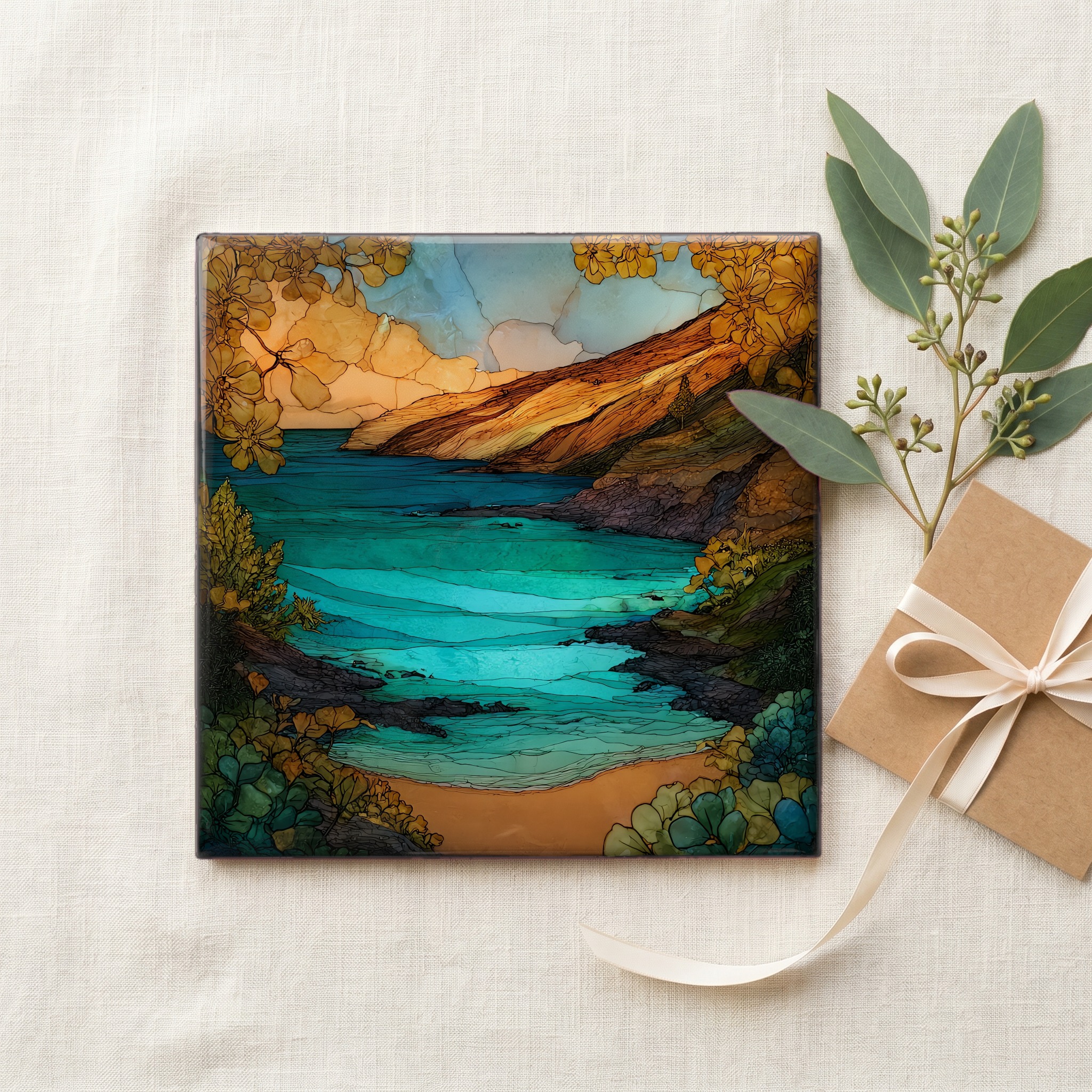
Each tile ships in a kraft box, tied with cream ribbon, with a handwritten note from the studio if you'd like to add one.
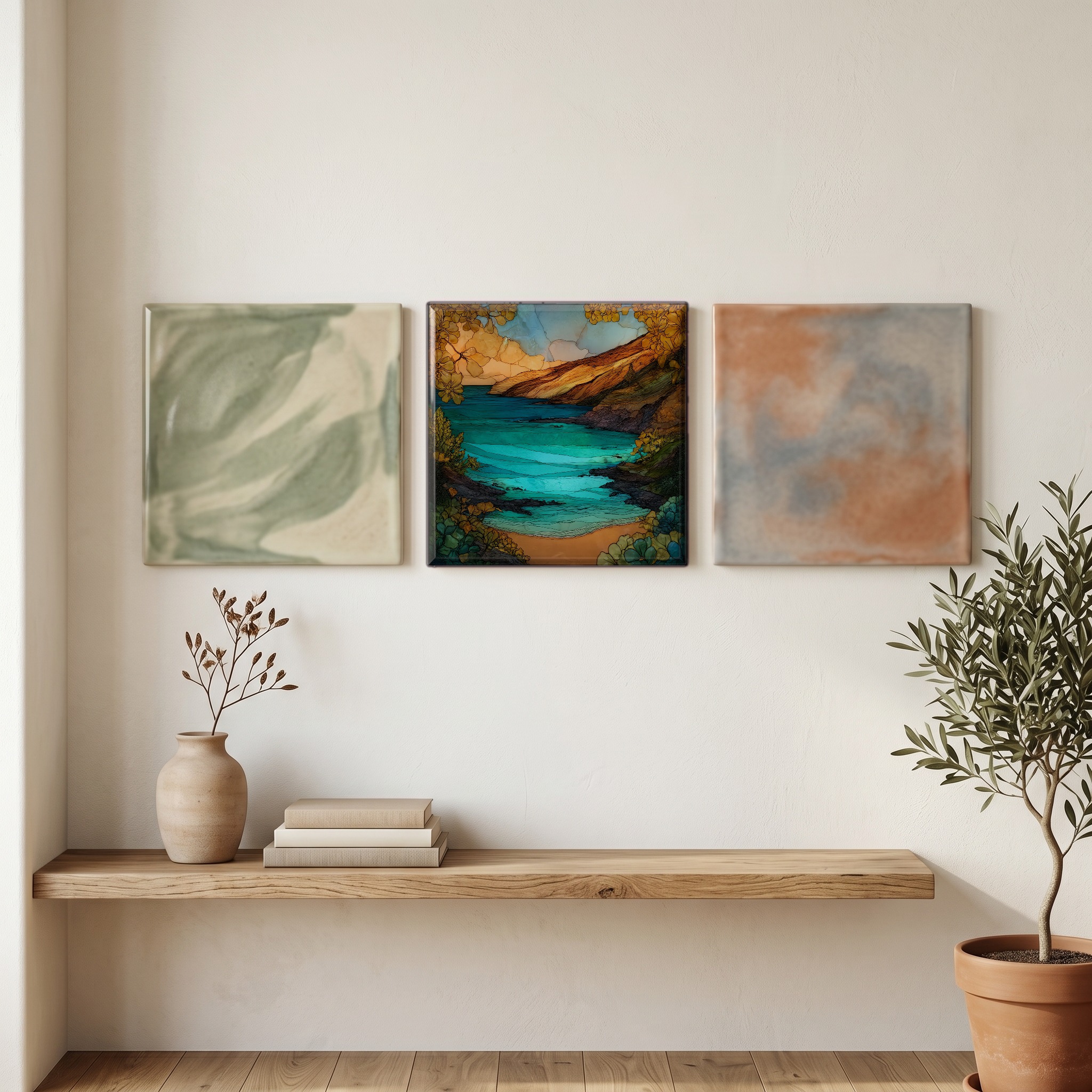
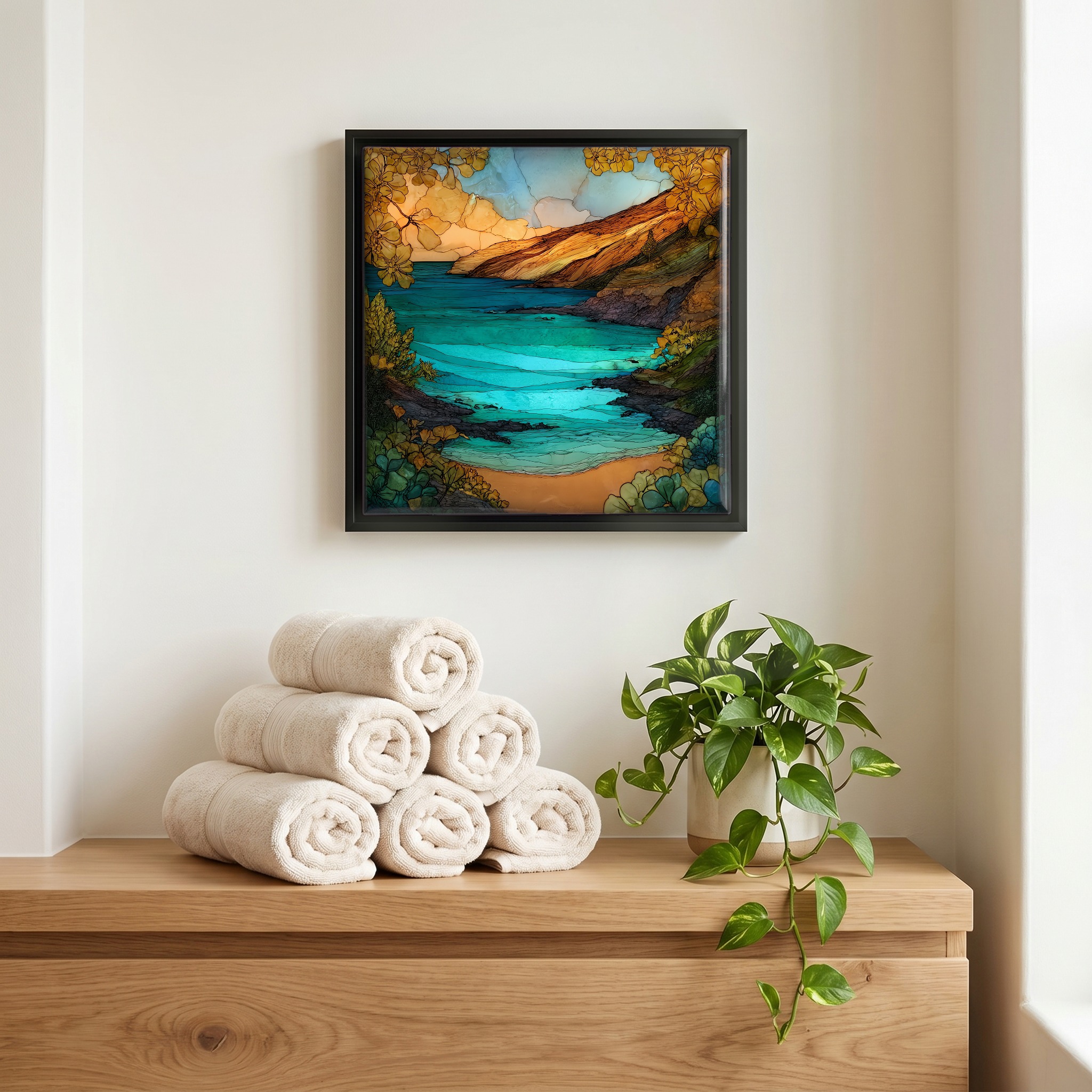
Three or five different vistas, hung together — a chapter of places you've been, or want to go.
The place, in three passes.
Mokuleia Bay sits on the northwest shore of Maui, between Kapalua to the south and Honolua Bay to the north, along Honoapiilani Highway (State Route 30). The bay is a small sand crescent at the foot of a low sea cliff, reached by a railroad-tie staircase that drops about seventy-five feet from the road. The beach takes its informal name Slaughterhouse from a Honolua Ranch slaughterhouse that stood above the bay until the 1960s. Together with neighbouring Honolua Bay, it forms the 45-acre Honolua-Mokuleia Bay Marine Life Conservation District, established by the State of Hawaii in 1978 to protect the reef and the fish that live in it.
The bay's water reads in shades of jade and pale turquoise, the colour deepening over the reef shelf and going clear over the sand. The conservation district prohibits all fishing and the taking of any marine life, so the reef carries more sergeant majors, parrotfish, and convict tangs than a comparable unprotected bay; green sea turtles (honu) drift in to graze the algae. In calm summer water the visibility runs twenty to thirty feet, and snorkelers swim out along the northern point. The bottom shelves quickly from sand to coral rubble to live reef, which is why the colour bands the way it does in the artwork.
The trail down is the trip: a flight of weathered railroad ties through ironwood trees, beginning at an unmarked pull-off on Highway 30 about a mile north of the Ritz-Carlton Kapalua. There is no fee, no gate, no lifeguard. Park well clear of the highway. The walk is short but steep; the climb back up in midday heat is the part that surprises people. The bay is unsafe to swim in winter, when north and northwest swells arrive on the same coast that makes Honolua a famous surf break; the water settles down again from late spring through early autumn. Bring water and reef-safe sunscreen.