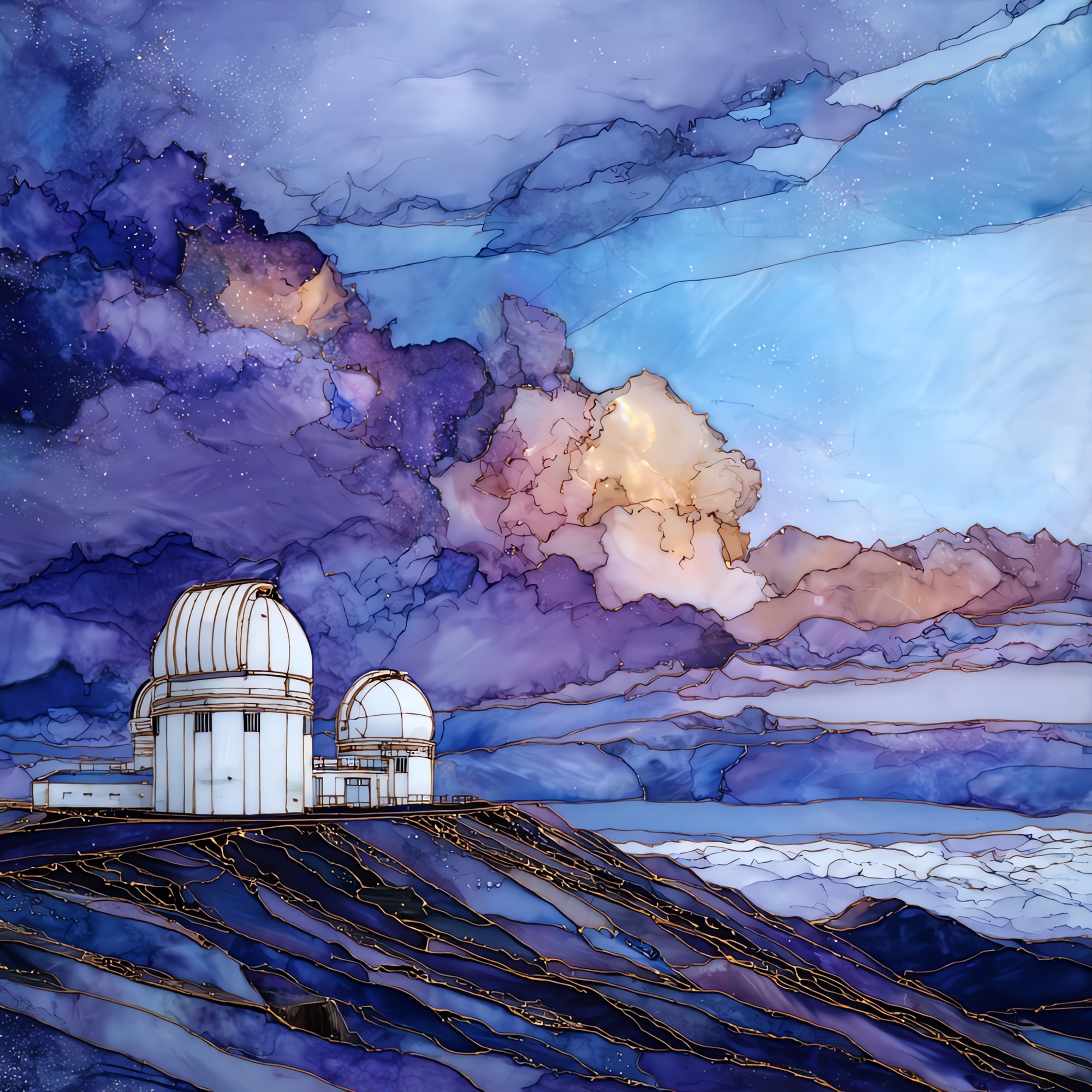
Mauna Kea Summit Big Island Ceramic Art Tile
— — the sky the telescopes came for.
Not only on a wall.
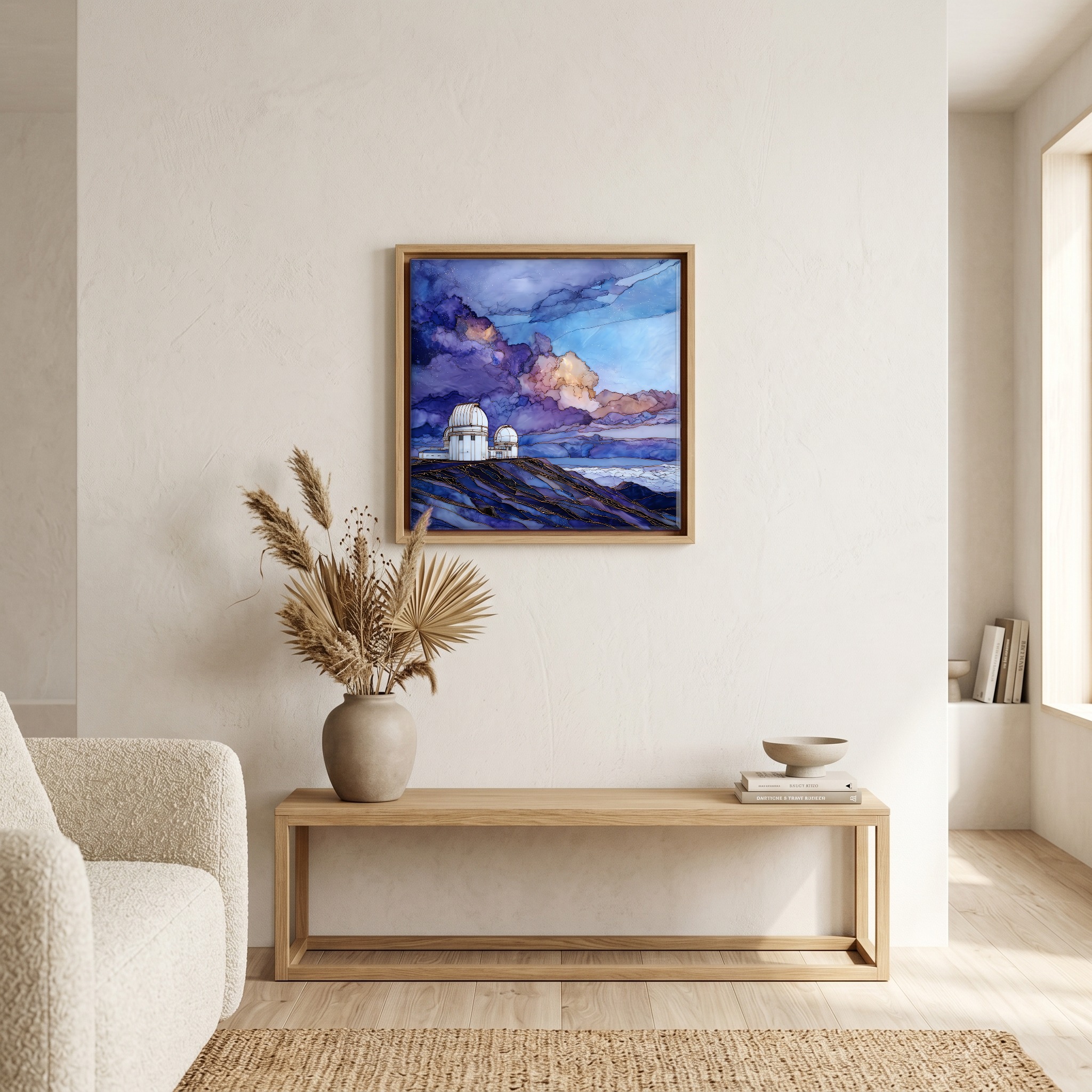
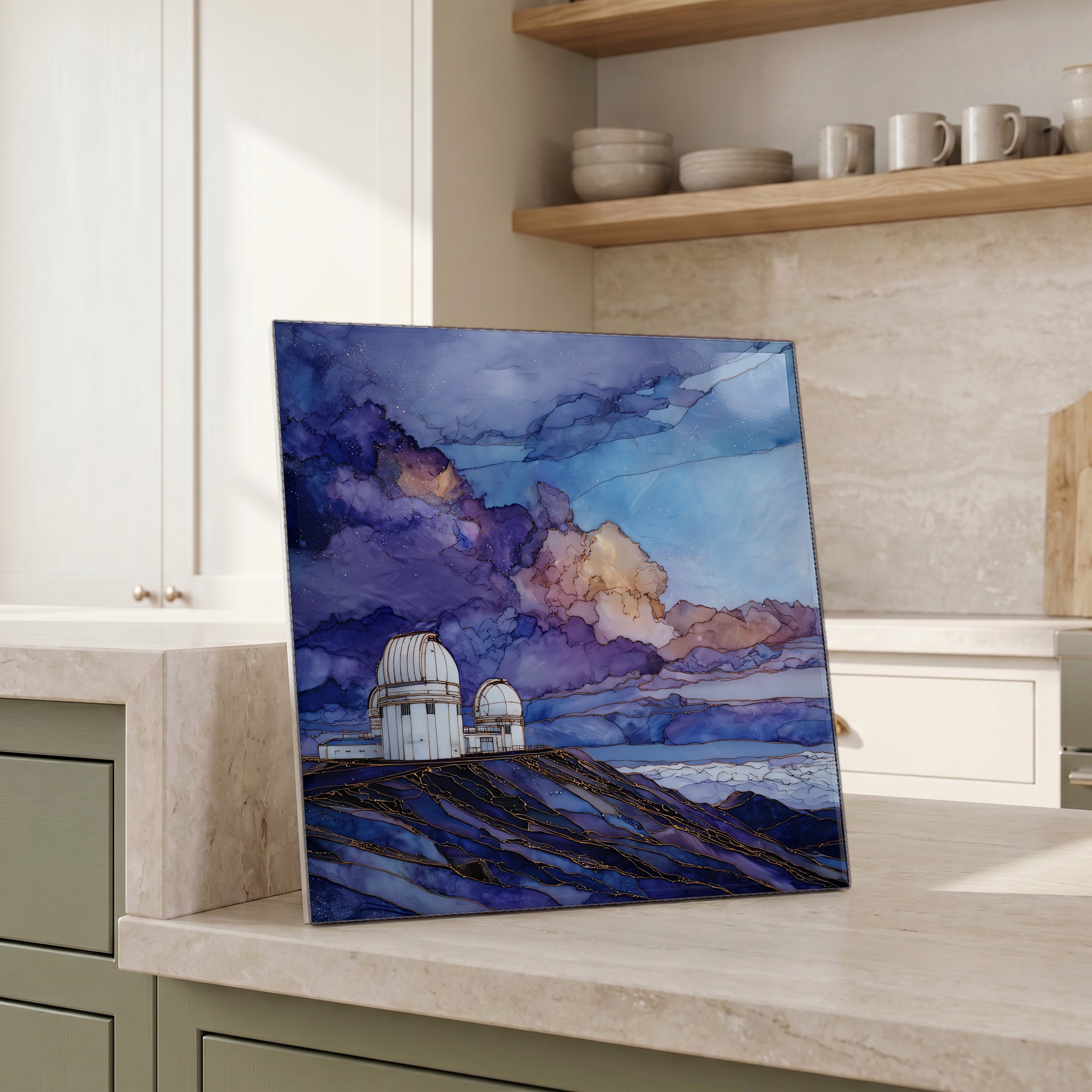

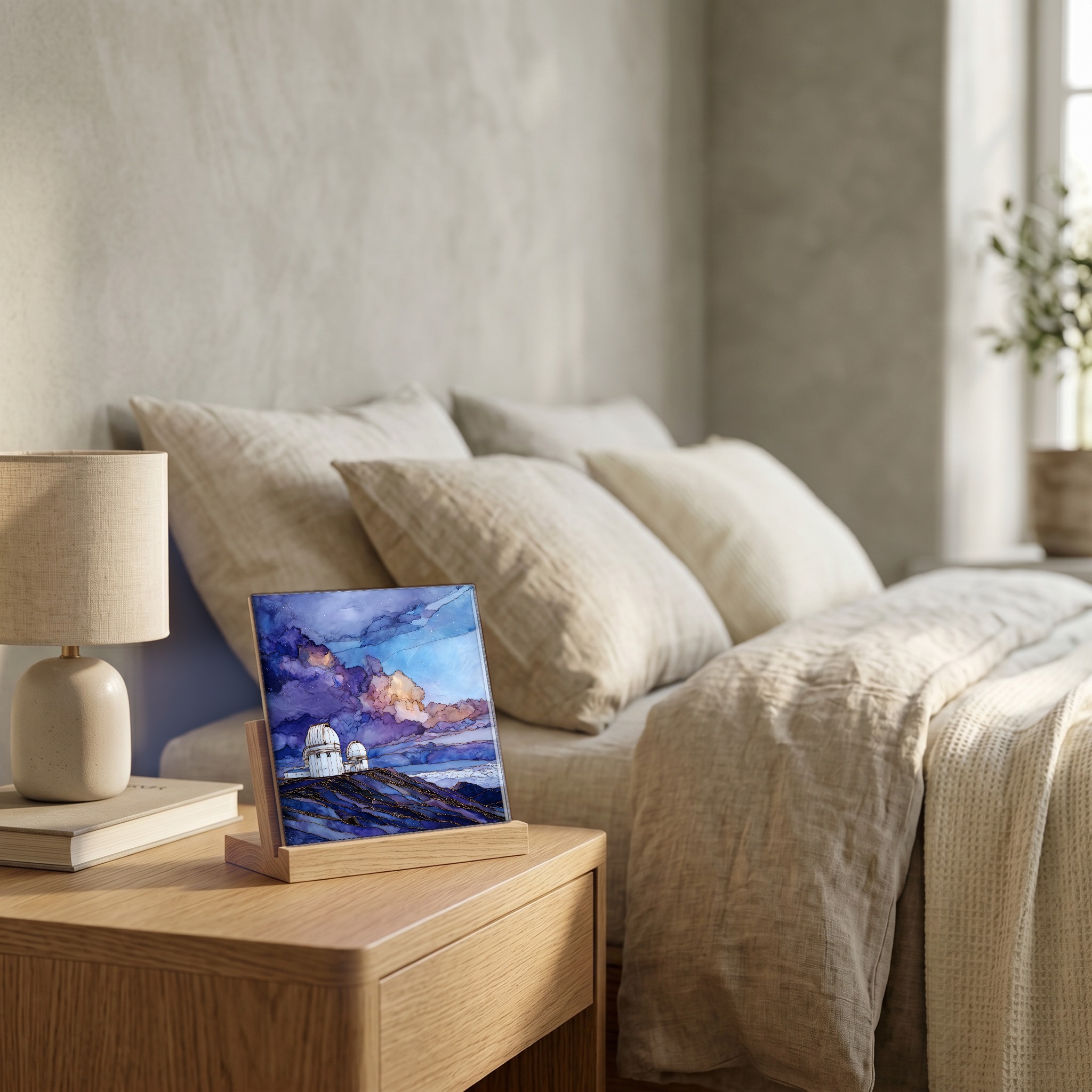
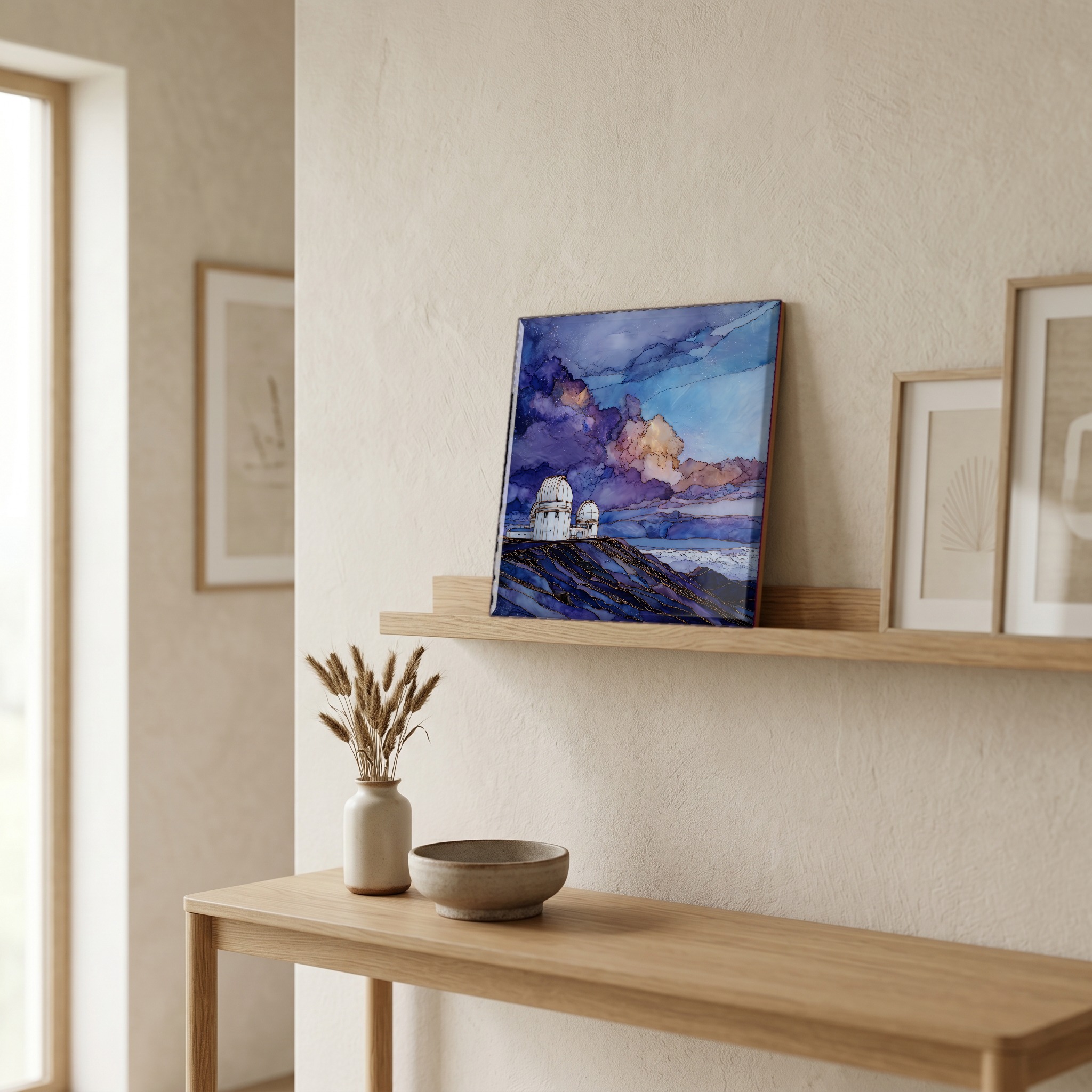
“Thirteen thousand eight hundred feet above the Pacific, the air goes thin, dry, and very still. Astronomers came here because the atmosphere stops getting in the way of the sky. The summit road climbs from the saddle between Mauna Kea and Mauna Loa; the last switchbacks turn to gravel, and the visitor station at nine thousand sits in cloud most afternoons. By night the telescope domes open. In winter the cinder cones wear snow. Long before the first observatory, the mountain was sacred — Mauna a Wākea, the place where sky touches the island.
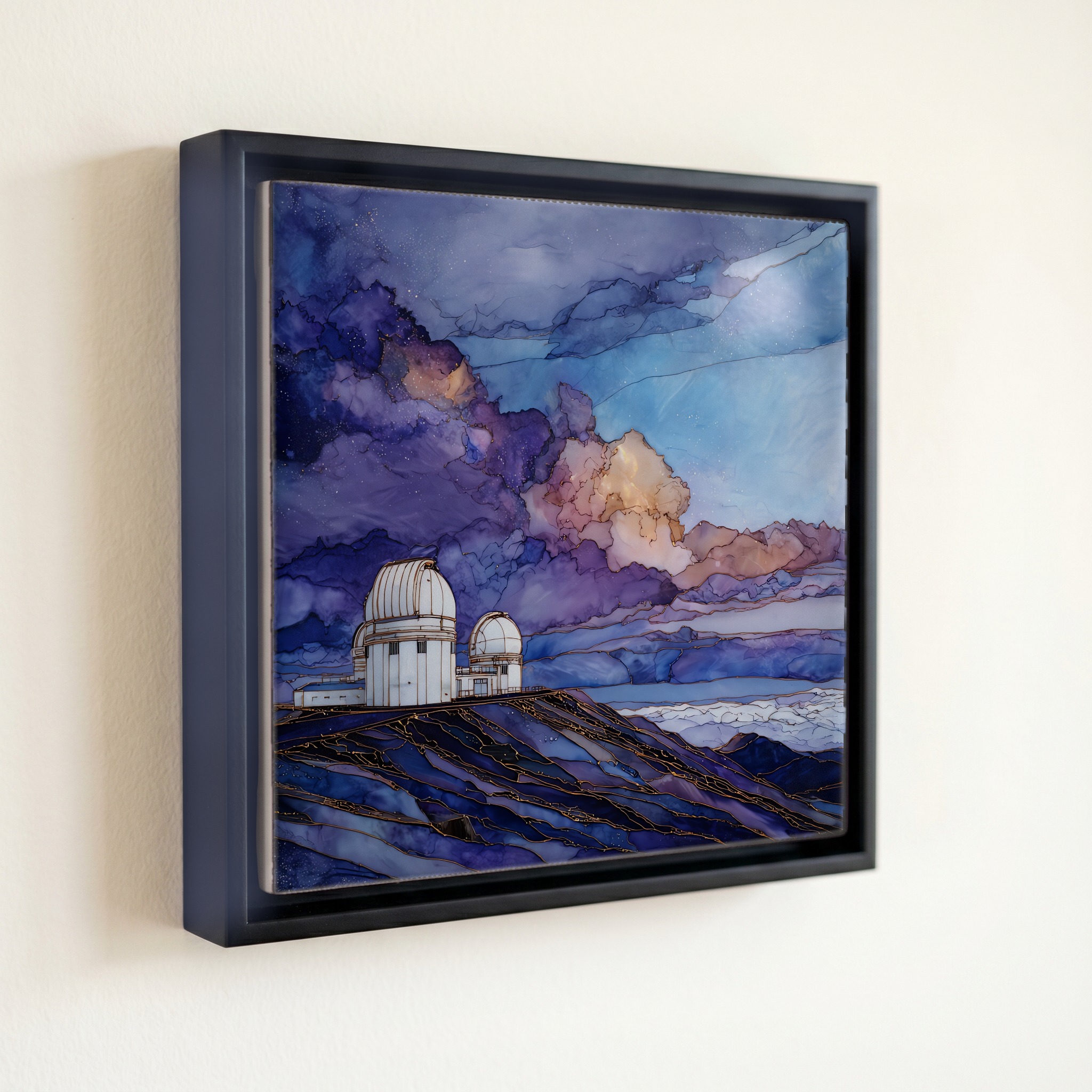
Mauna Kea Summit Big Island Ceramic Art Tile, on ceramic.
Each tile is finished by hand in our Knoxville studio. Artwork is slowly infused into the ceramic surface under high heat and pressure, and rests beneath a thin glossy finish. The colour lives in the surface, not on top of it.
Pick any four 4-inch tiles — National Parks you've been to, a Smokies set, the four seasons of one place. $ for a set of , cork-backed, ready to live on the table.
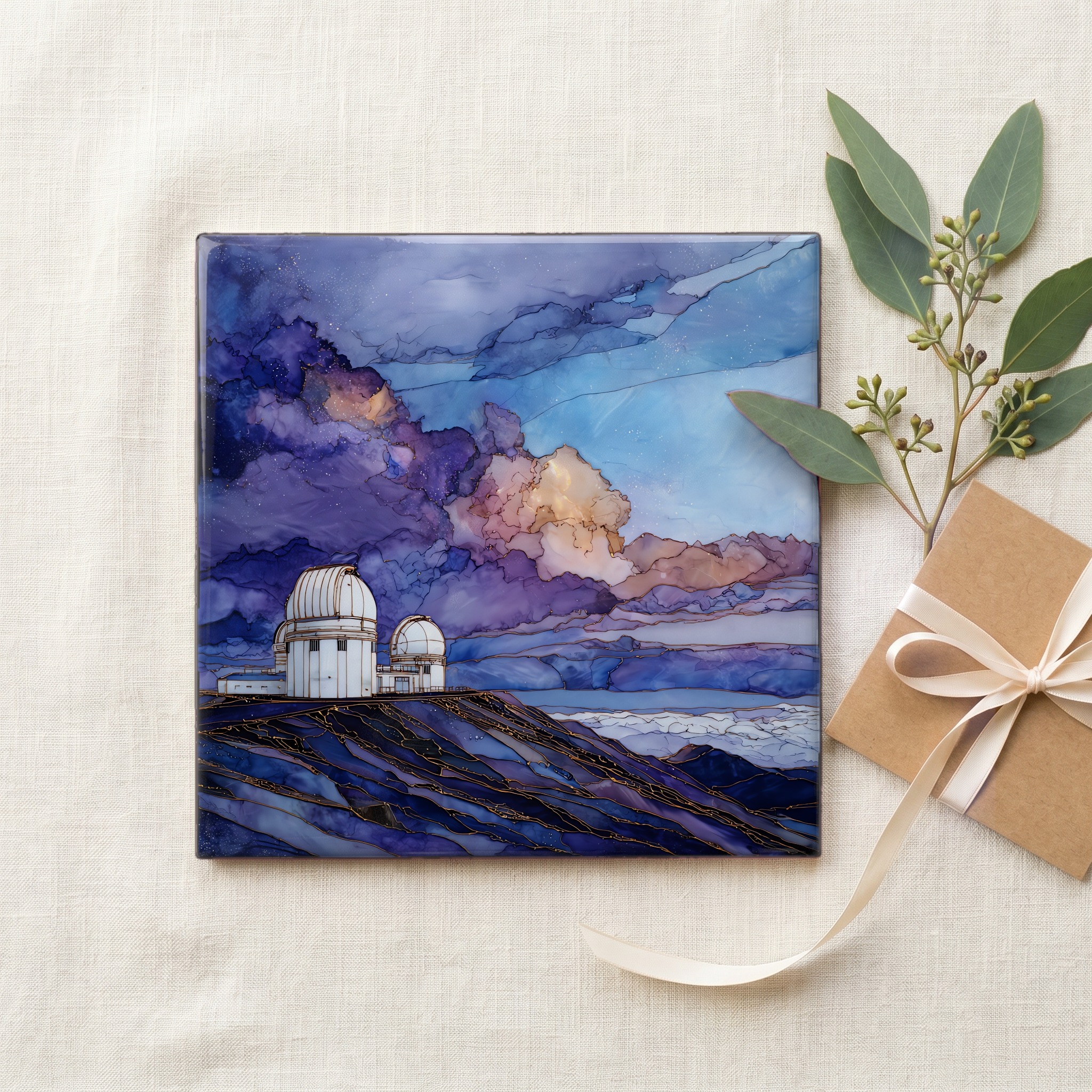
Each tile ships in a kraft box, tied with cream ribbon, with a handwritten note from the studio if you'd like to add one.

Three or five different vistas, hung together — a chapter of places you've been, or want to go.
The place, in three passes.
Mauna Kea is a dormant shield volcano on the Island of Hawaiʻi, rising to 13,803 feet (4,207 m) above sea level — the highest point in the Pacific basin. Measured from its base on the ocean floor, the mountain stands roughly 33,500 feet (10,210 m) tall, taller than Mount Everest from foot to summit. The summit road branches off the Daniel K. Inouye Highway (the Saddle Road) and climbs through Hale Pōhaku, the Visitor Information Station at 9,200 feet, before turning to gravel for the final ascent. The mountain sits within the Mauna Kea Forest Reserve and the Mauna Kea Science Reserve, administered by the State of Hawaiʻi and the University of Hawaiʻi.
Above 13,000 feet, the air on Mauna Kea is among the driest and most stable on Earth. The summit sits above roughly 40 percent of Earth's atmosphere and almost all of its water vapor; the trade-wind inversion layer holds the moist marine air below the saddle, leaving the summit dry, dark, and free of light pollution. That combination is why the University of Hawaiʻi Institute for Astronomy and ten partner institutions built thirteen observatories on the summit, including the Keck twin 10-meter telescopes and the Subaru Telescope. Astronomers measure 'seeing,' the steadiness of the air through which starlight passes, and Mauna Kea's ranks among the world's steadiest.
The summit road is open to the public, but the State of Hawaiʻi requires four-wheel-drive vehicles beyond Hale Pōhaku and a thirty-minute acclimatization stop at the visitor station, which sits at 9,200 feet. Sunrise and sunset are the busiest windows. Native Hawaiian cultural traditions ask visitors not to walk on the highest cinder cone, Puʻu Wēkiu, and to treat the summit as a sacred site. Mauna a Wākea is regarded as the firstborn child of the sky father Wākea and the earth mother Papahānaumoku in Hawaiian cosmology. The Office of Maunakea Management publishes current road and weather conditions; the summit closes when ice or snow makes the upper switchbacks unsafe.