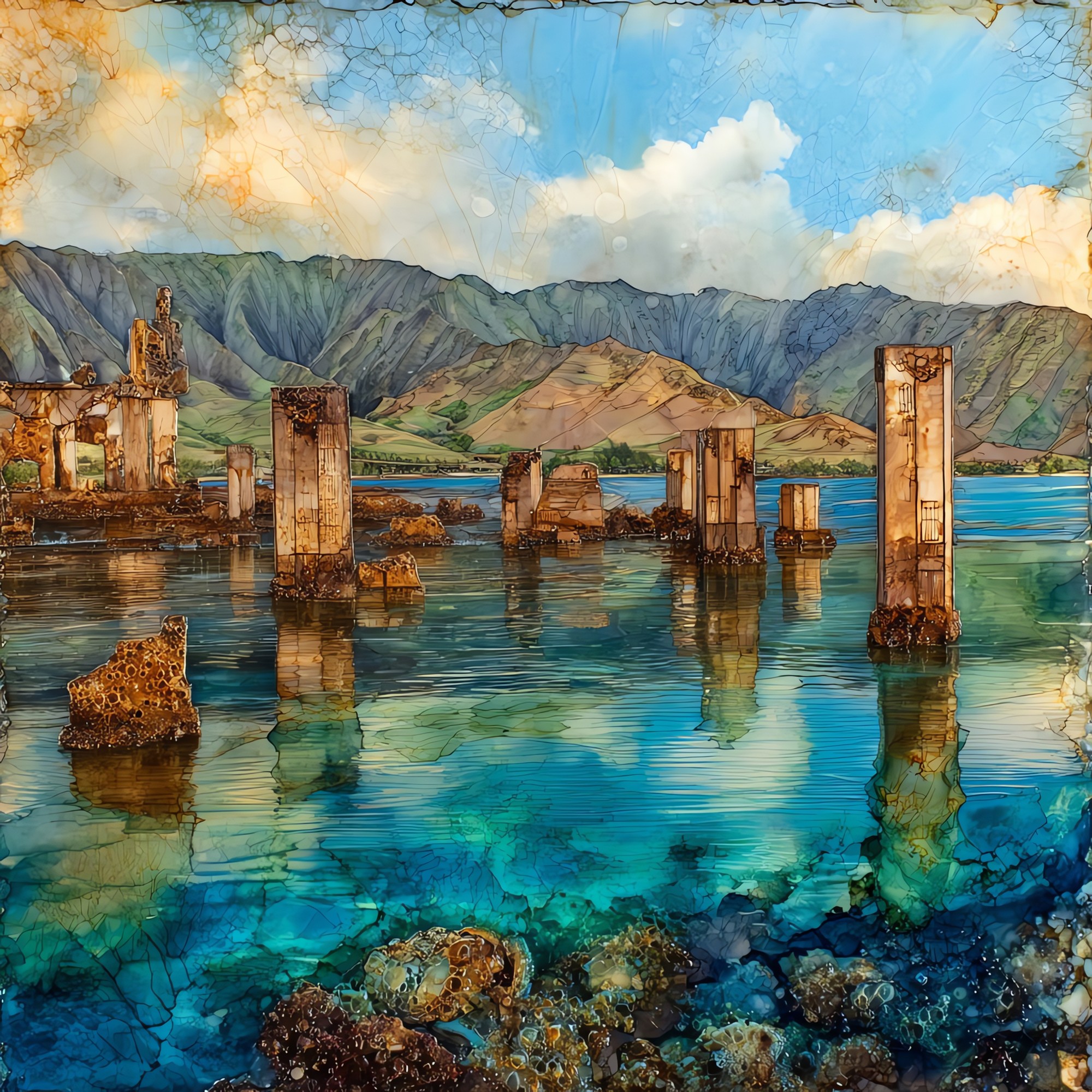
Mala Pier Ruins Maui Ceramic Art Tile
— — what the storm left, the turtles kept.
Not only on a wall.
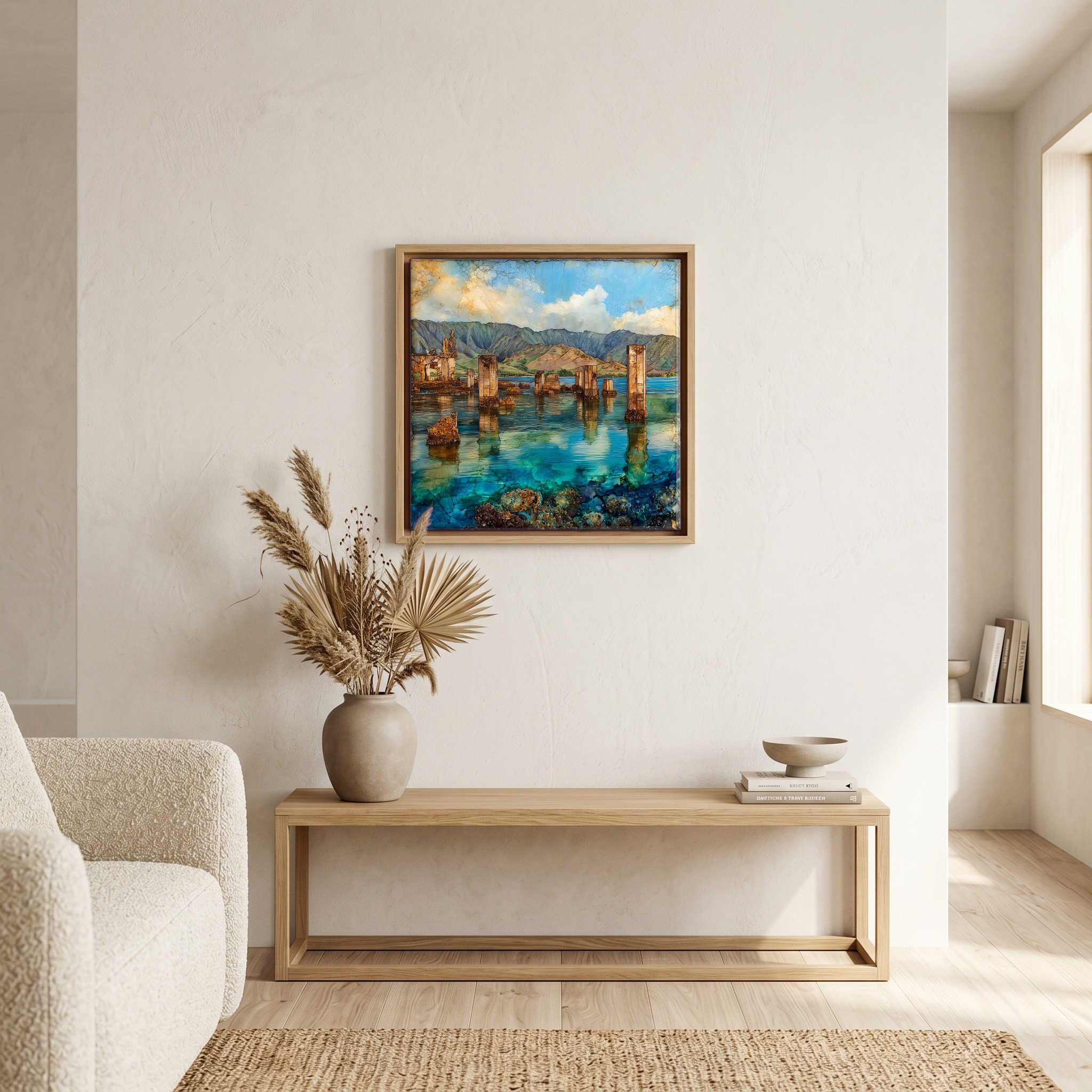
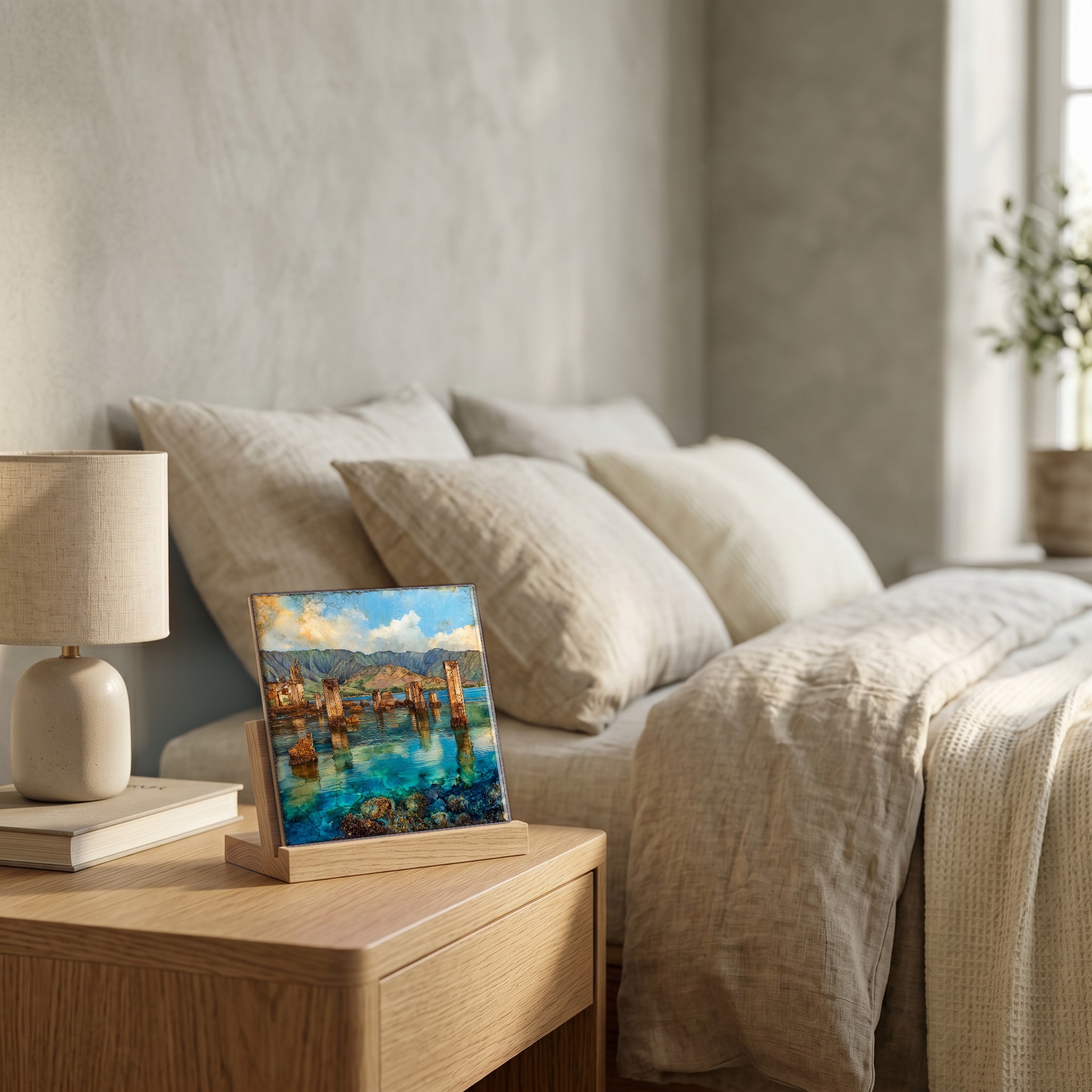
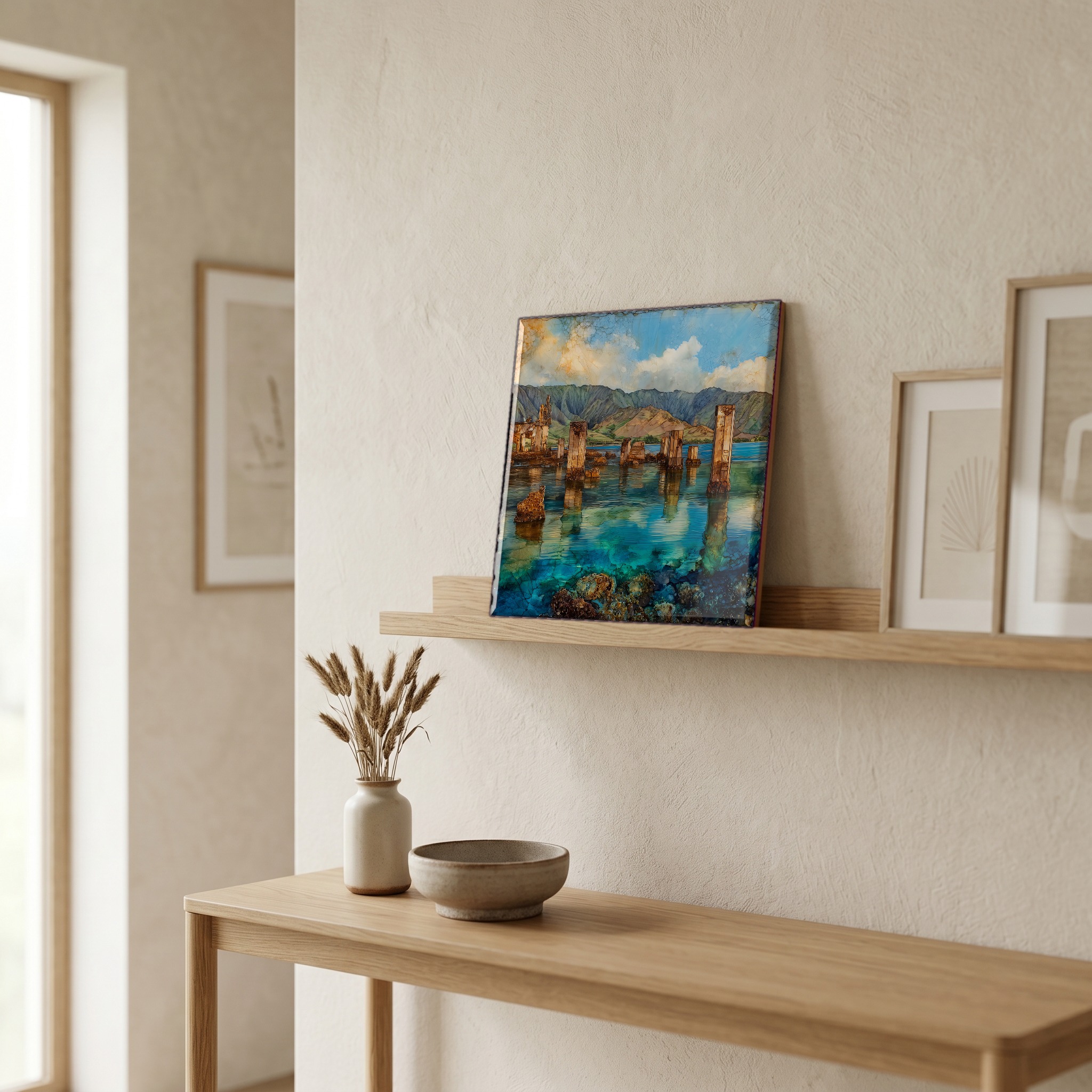
“A concrete pier built in 1922 at the north end of Lahaina, broken and half-submerged after a 1992 storm. The pilings still stand in a regular line into the channel, their tops cut off at the surface. Below, the rubble made a reef where none existed before. Green sea turtles drift between the columns; white-tip sharks rest in the shadows. Snorkellers swim in from Mala Ramp on calm mornings, before the wind comes up from Lana'i.
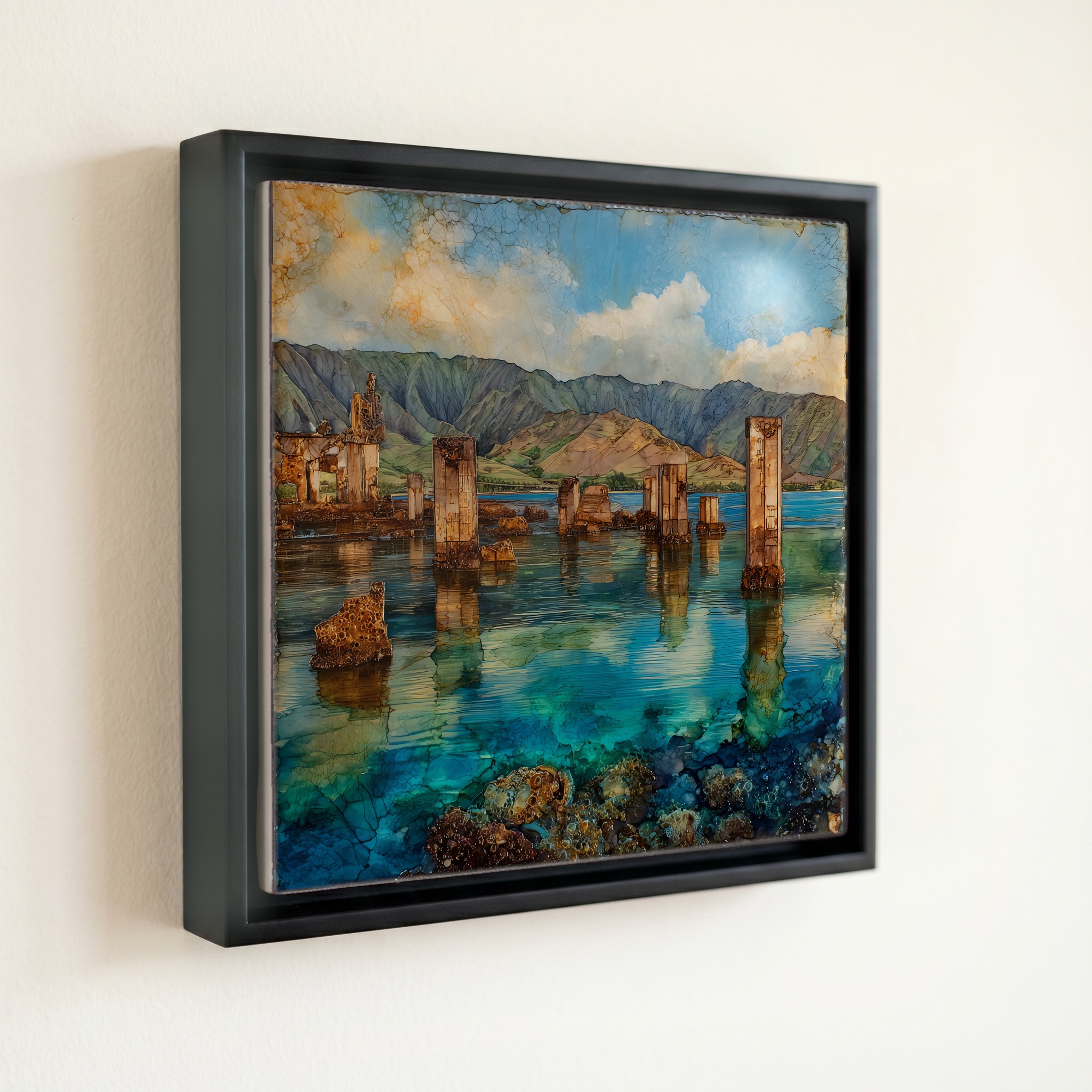
Mala Pier Ruins Maui Ceramic Art Tile, on ceramic.
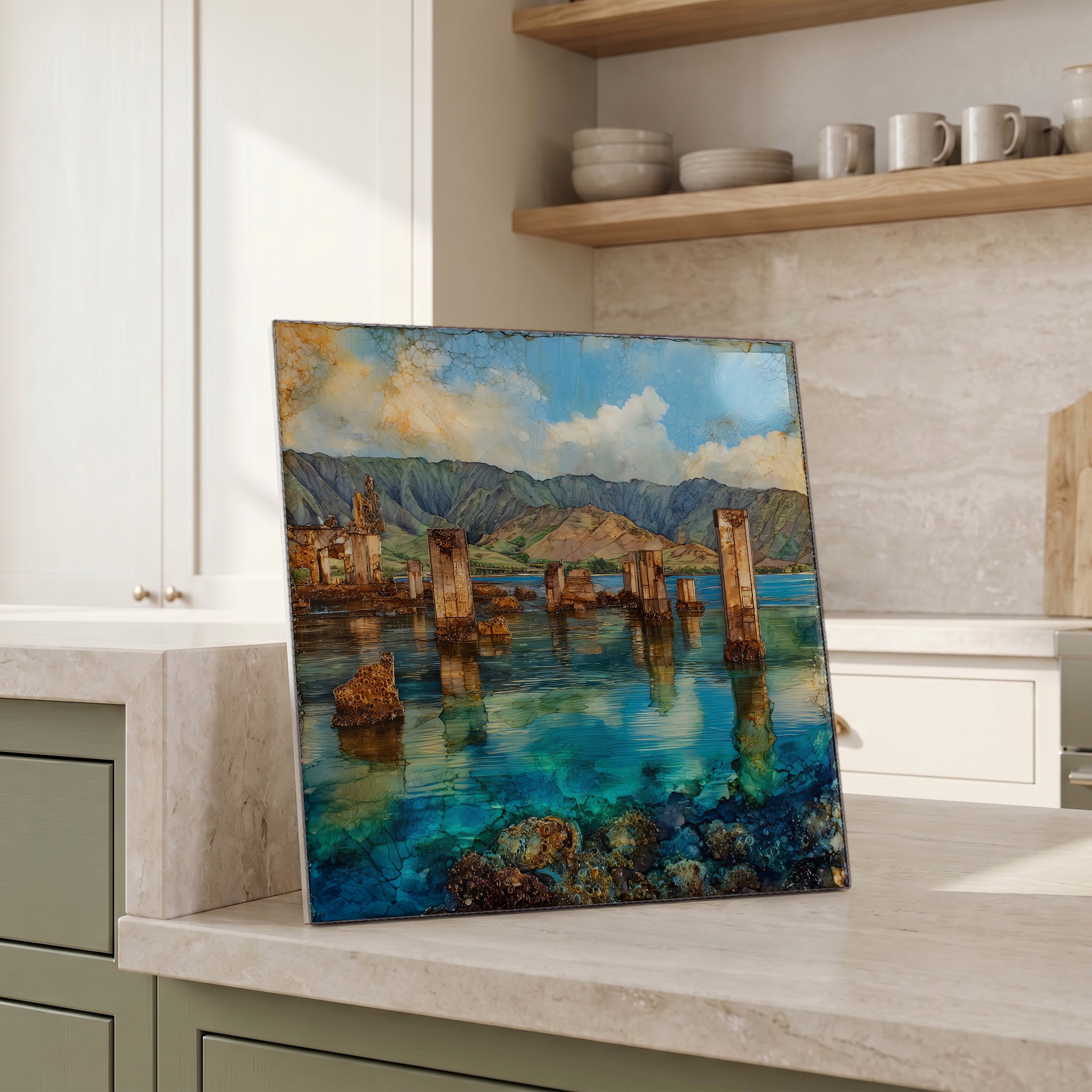
Each tile is finished by hand in our Knoxville studio. Artwork is slowly infused into the ceramic surface under high heat and pressure, and rests beneath a thin glossy finish. The colour lives in the surface, not on top of it.
Pick any four 4-inch tiles — National Parks you've been to, a Smokies set, the four seasons of one place. $ for a set of , cork-backed, ready to live on the table.
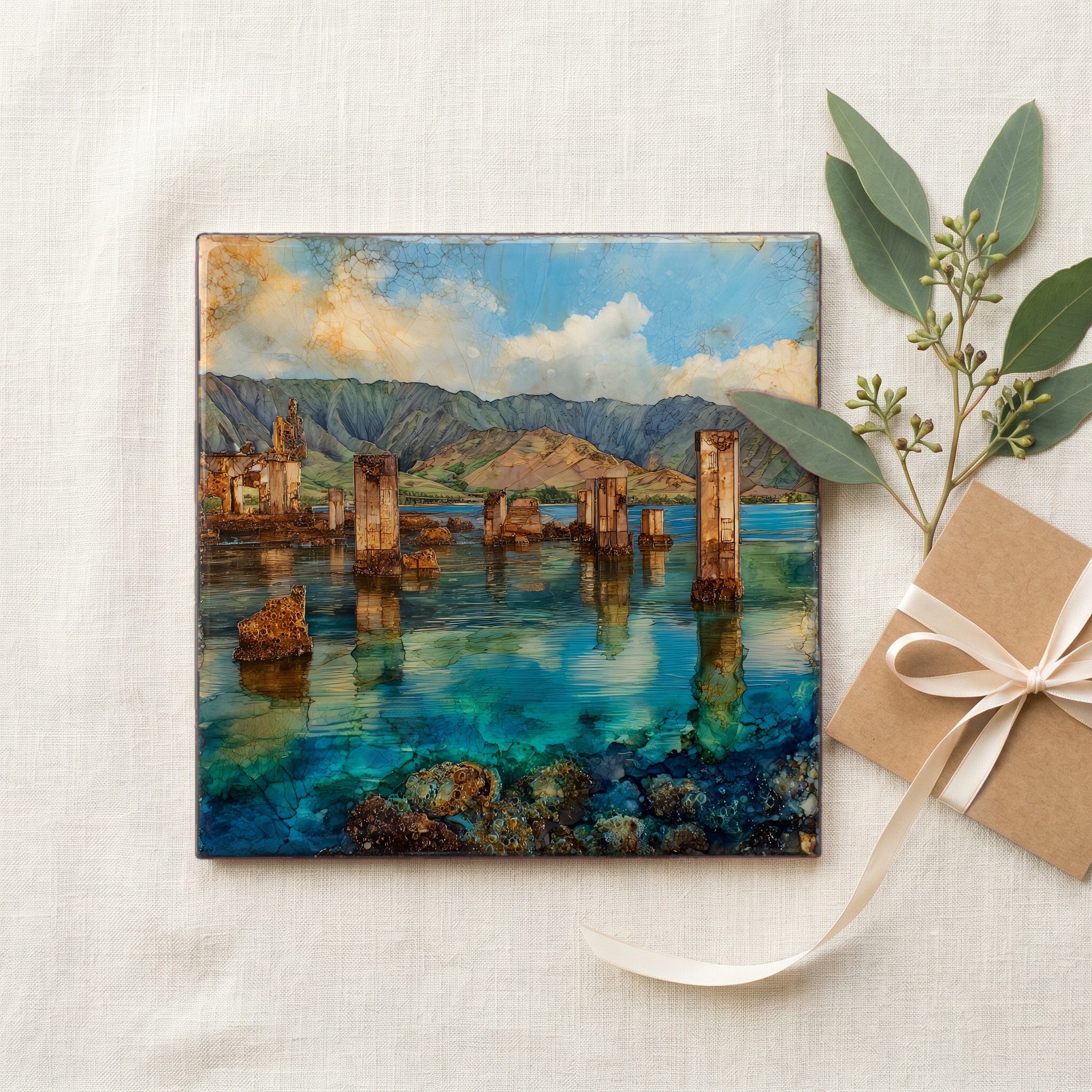
Each tile ships in a kraft box, tied with cream ribbon, with a handwritten note from the studio if you'd like to add one.
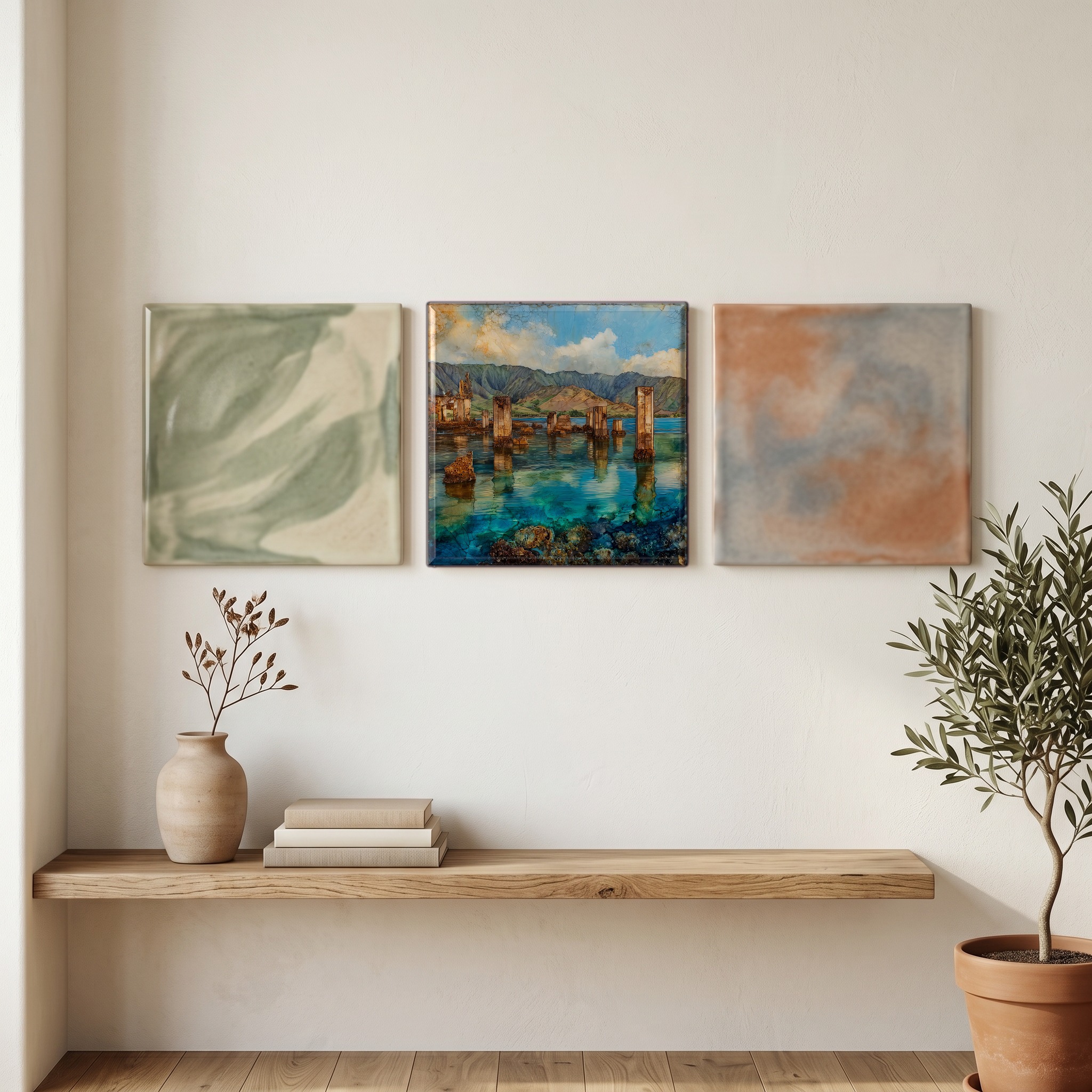
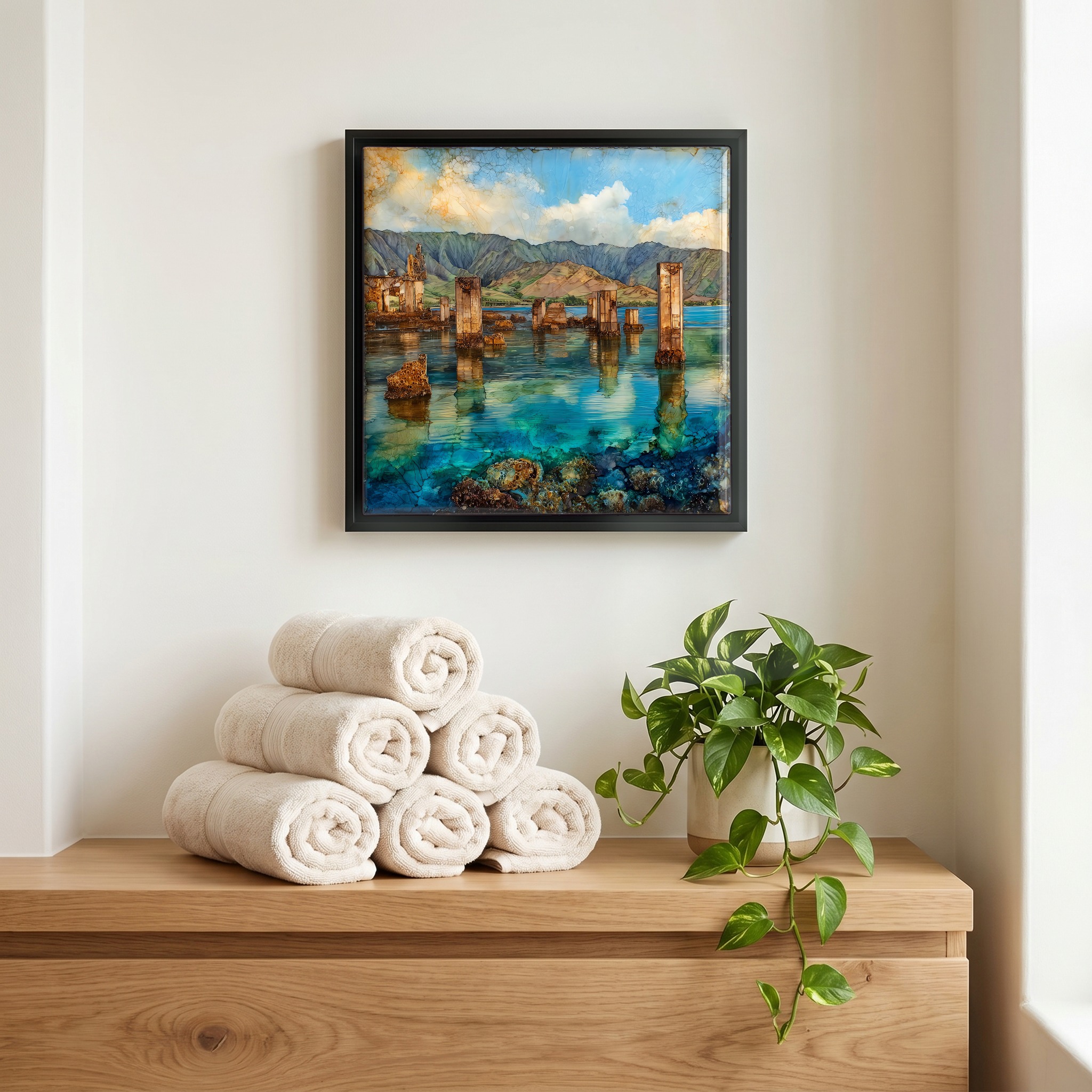
Three or five different vistas, hung together — a chapter of places you've been, or want to go.
The place, in three passes.
Mala Wharf was built in 1922 at the north end of Lahaina, on the leeward (west) shore of Maui, the second-largest island in Hawaii. The Kahului Railroad Company built it as a deep-water alternative to Lahaina Roads, where vessels had long anchored offshore and lightered cargo to the boats. Mala lay at the foot of what was then sugar-cane country, with the West Maui Mountains rising directly behind it. The wharf today is reached from Mala Ramp, a public boat launch just off Front Street about a mile north of central Lahaina. The town's wider Front Street area, severely damaged in the August 2023 wildfire, is undergoing long rebuilding.
The wharf was poured-concrete on driven pilings, with rails on top to carry sugar from the Pioneer Mill at Lahaina to inter-island steamers. It opened in 1922 only to find that the current at Mala swept loaded vessels onto the reef during kona-wind months. The wharf was largely abandoned as a commercial pier within a few years. A 1992 storm finished the surface deck, leaving a line of broken columns running out into the channel. The Pioneer Mill itself closed in 1999, ending more than a century of sugar at Lahaina.
The fall of the wharf left a structured reef where the seafloor had been open coral pavement. Pillars and slabs in seven to fifteen metres of water now shelter green sea turtles (honu), white-tip reef sharks, eagle rays, and dense reef fish. Divers and snorkellers enter from Mala Ramp on calm mornings, before the trade wind comes up. The honu are a protected species under Hawaii state law and the federal Endangered Species Act, and approach humans on the wreck without alarm.