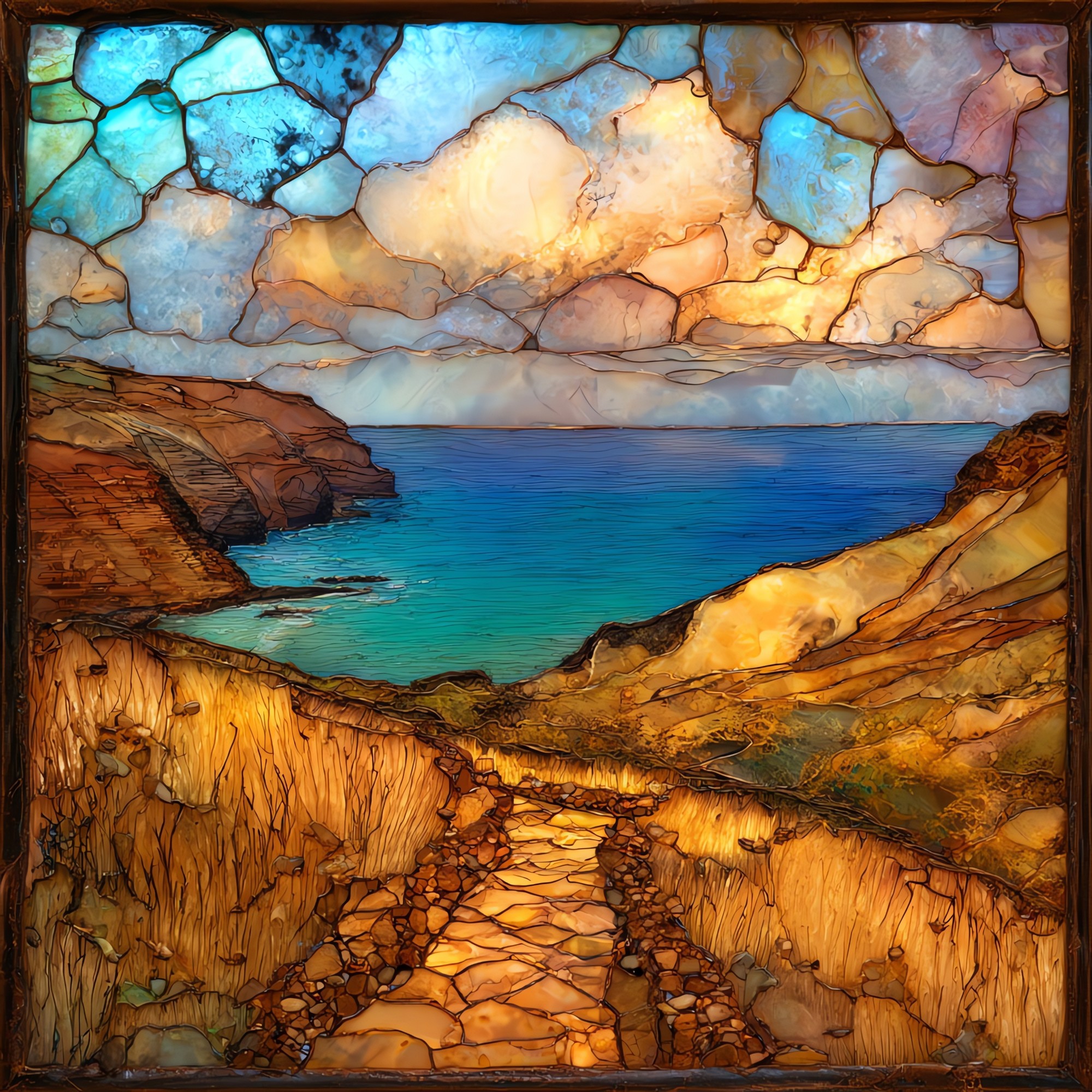
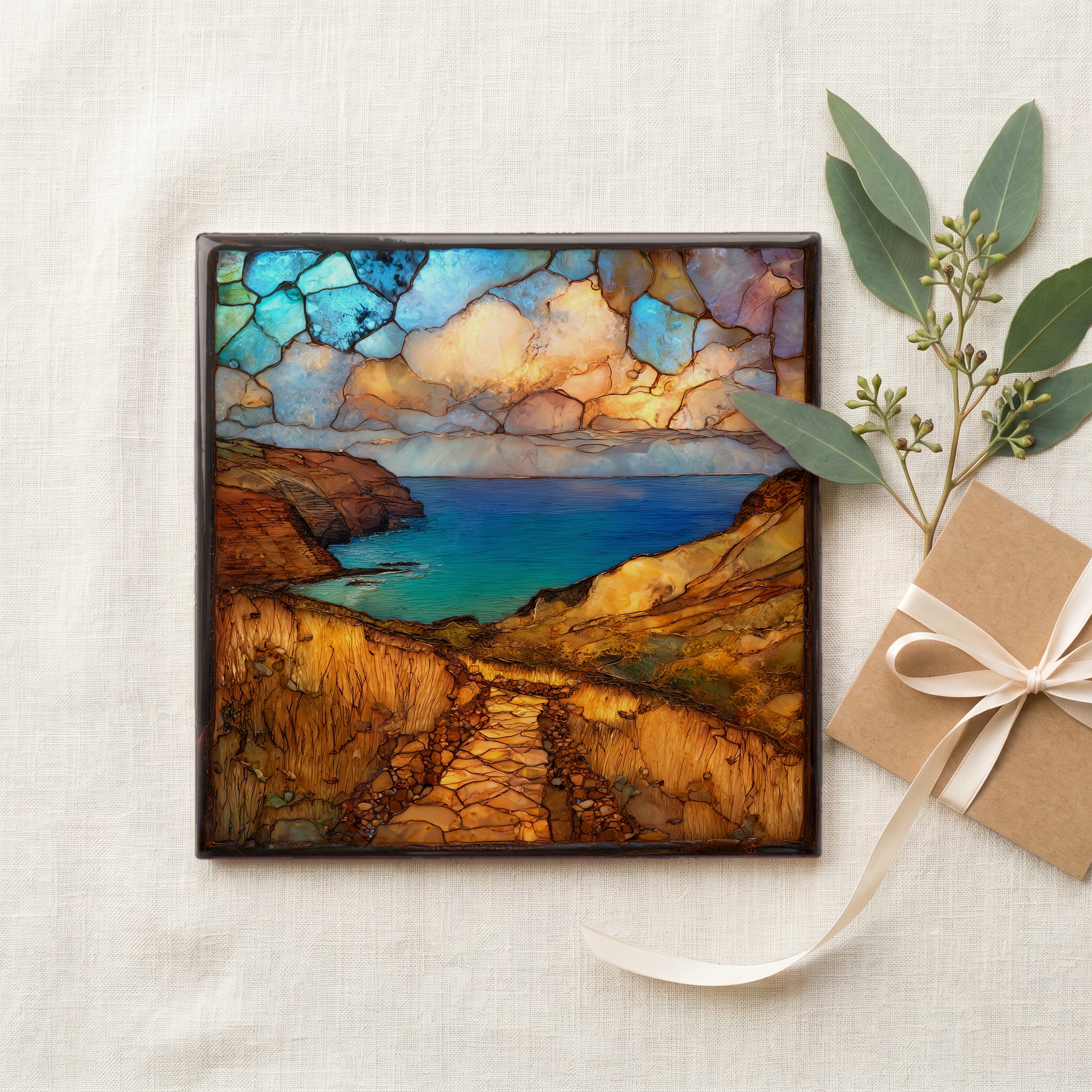
Mahaulepu Trail Kauai Ceramic Art Tile
— — red dunes turned to stone above the surf.
Not only on a wall.

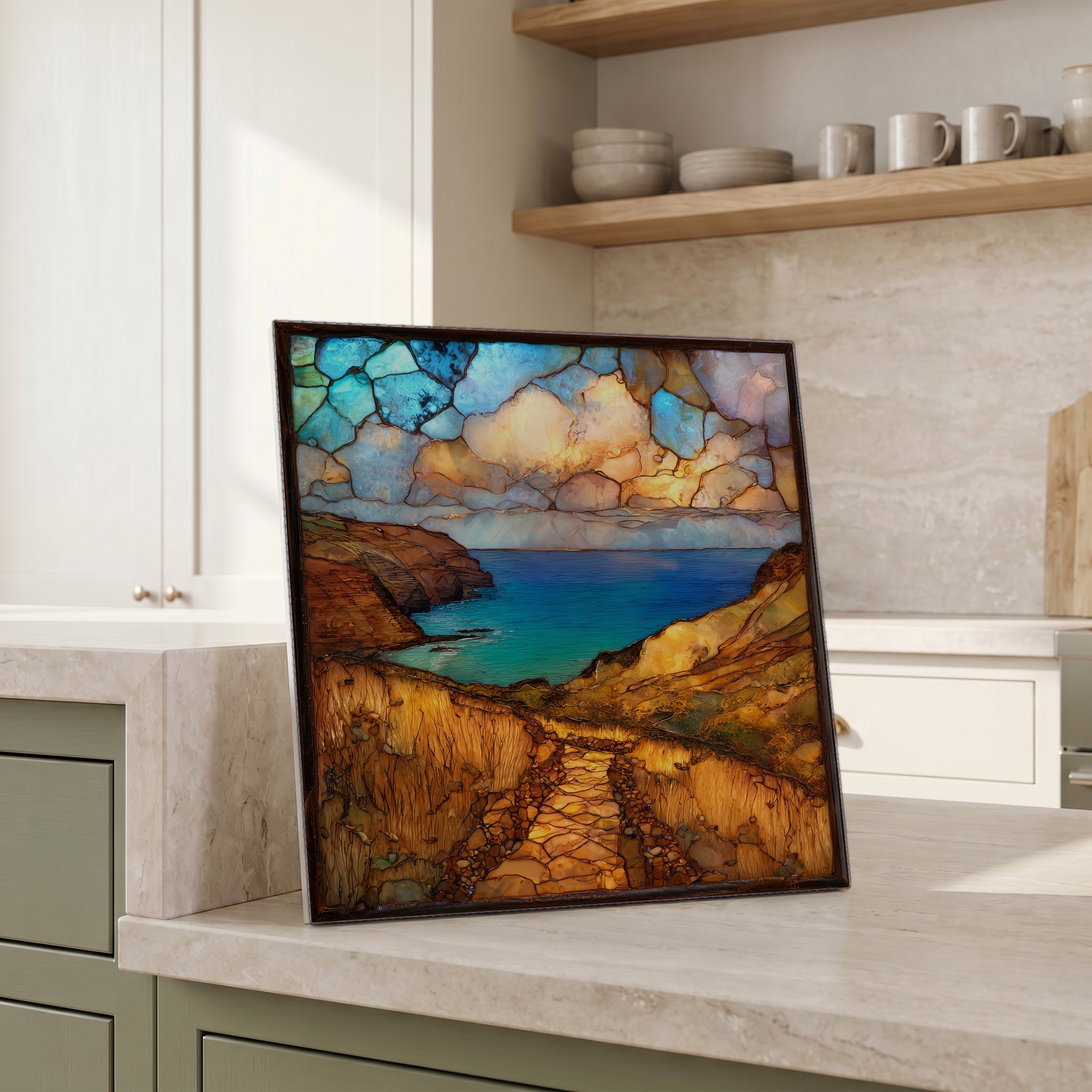


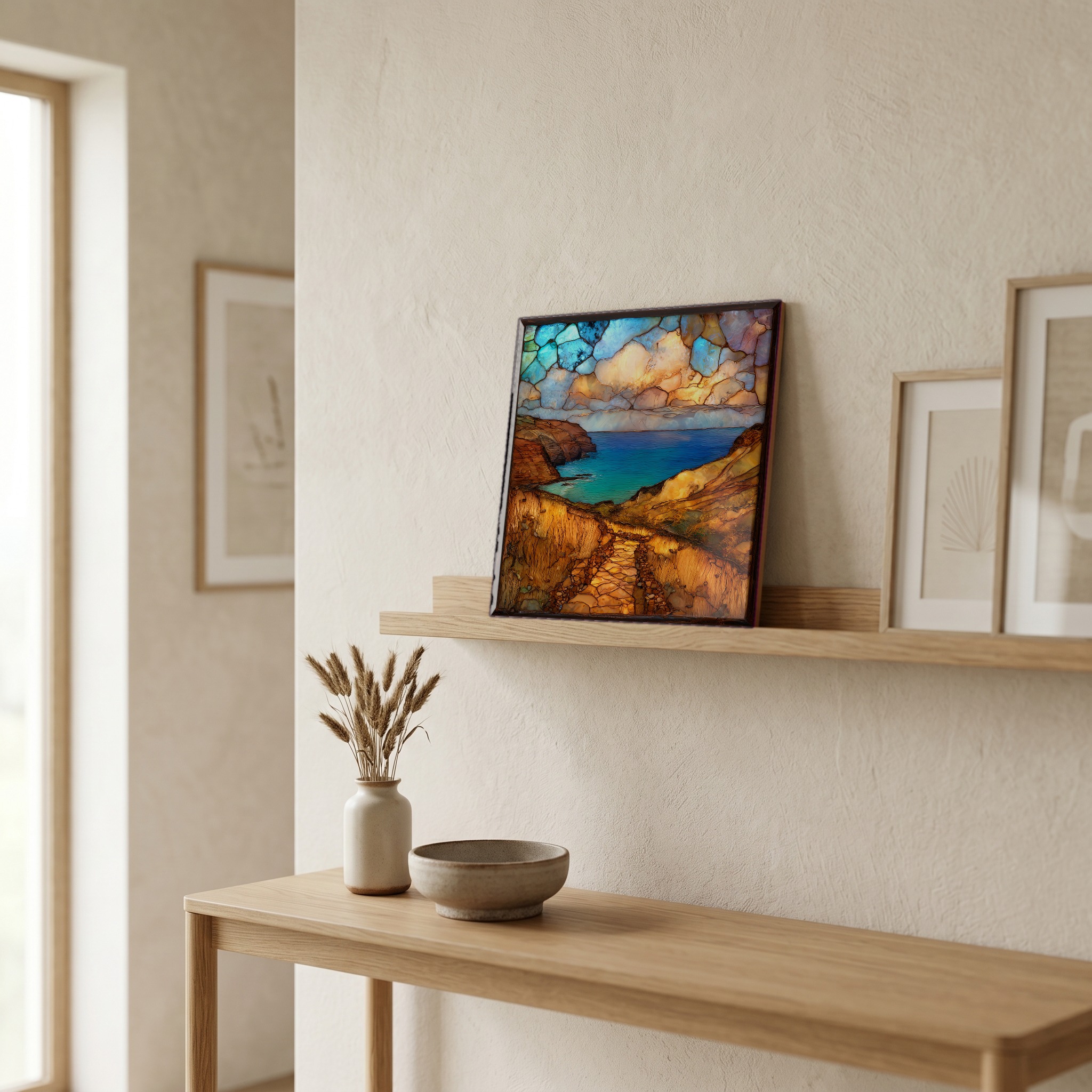
“The trail east of Shipwreck Beach is the last walk on Kauai's south shore the resorts haven't reached. Two miles of lithified sand dunes, old Pleistocene beach turned to stone, stand above a coast the trade winds keep working. The cliffs are the colour of dried iron. At the eastern end the path opens onto Mahaulepu Beach, where the swell comes in long and the honu sometimes sleep up against the dune. Nobody runs concessions out here. The land belongs to Grove Farm; the gate opens at dawn and closes before dark.
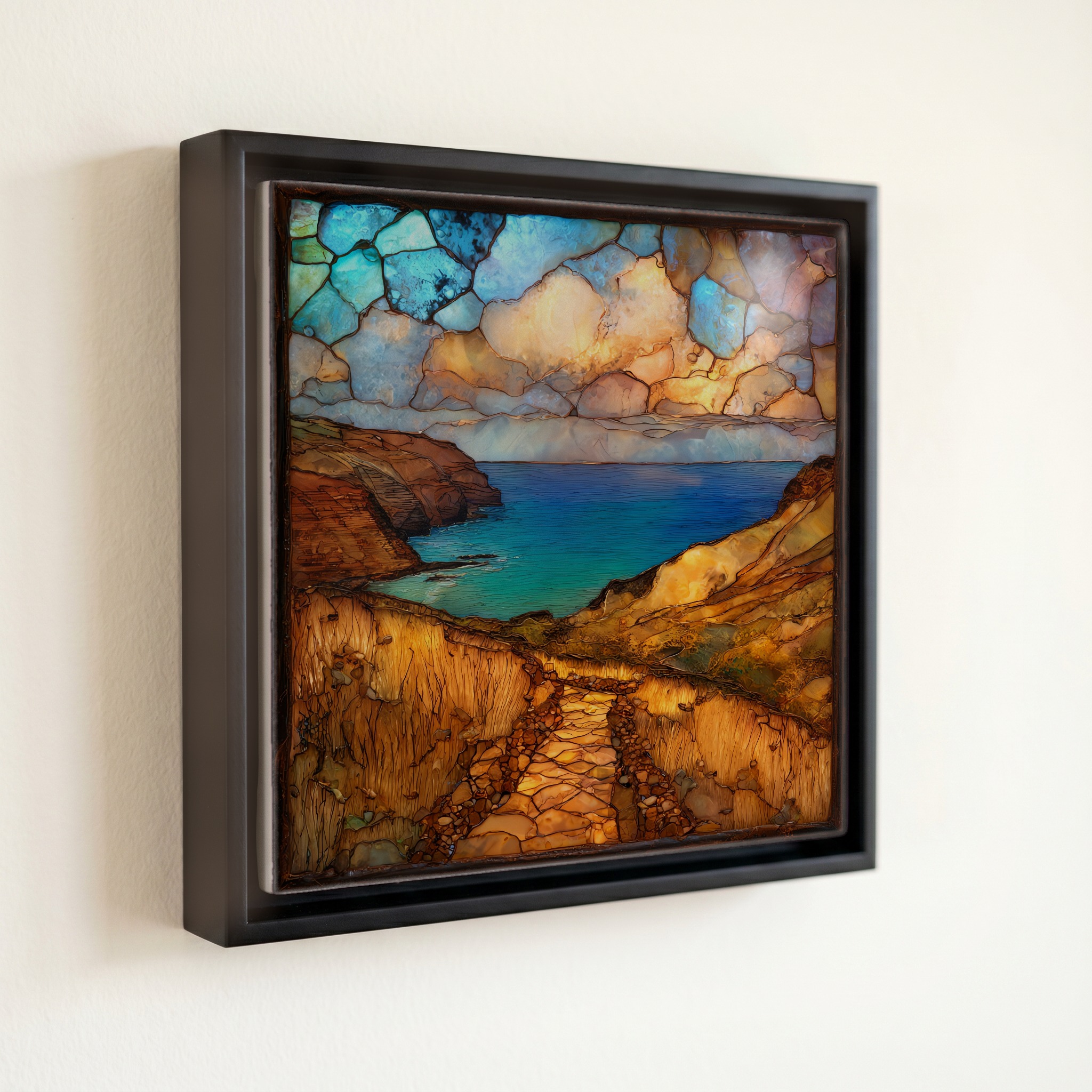
Mahaulepu Trail Kauai Ceramic Art Tile, on ceramic.
Each tile is finished by hand in our Knoxville studio. Artwork is slowly infused into the ceramic surface under high heat and pressure, and rests beneath a thin glossy finish. The colour lives in the surface, not on top of it.
Pick any four 4-inch tiles — National Parks you've been to, a Smokies set, the four seasons of one place. $ for a set of , cork-backed, ready to live on the table.
Each tile ships in a kraft box, tied with cream ribbon, with a handwritten note from the studio if you'd like to add one.

Three or five different vistas, hung together — a chapter of places you've been, or want to go.
The place, in three passes.
The Mahaulepu Trail runs about two miles along the southeastern coast of Kauai, the oldest of the main Hawaiian Islands at roughly six million years old. The trailhead sits at the eastern end of Keoneloa Bay (Shipwreck Beach), behind the Grand Hyatt resort in Po'ipū, on the island's leeward south shore. The path holds close to sea level, climbing only briefly onto the lithified dune cliffs of Makawehi Point before dropping into a series of small bays, ending at the sand of Mahaulepu Beach. The corridor passes through land owned by Grove Farm, one of the last large agricultural holdings in Hawaii, which keeps public access open from sunrise to sunset.
The cliffs along the trail are not basalt, which is uncommon for Hawaii. They are lithified sand dunes: Pleistocene-era beaches that calcified into a soft tan limestone over the past few hundred thousand years, then were sculpted by wind and surf into the iron-coloured ramparts visible today. Inside Makawehi Point sits the Makauwahi Cave, the largest limestone cave system in the Hawaiian Islands. Paleoecologist David Burney has excavated more than ten thousand years of sediment from its floor, recovering the bones of native birds that vanished after Polynesian arrival around AD 1200. The reserve outside the cave is being slowly replanted with the native flora those layers document.
Access is through a private easement: Grove Farm opens the security gate at the end of Poipu Road shortly after sunrise and closes it before dark, typically around 6 p.m. There is no fee. Most walkers do the four-mile out-and-back from Shipwreck Beach to Mahaulepu Beach in two to three hours, ideally in the morning before the trade winds rise. The trail is exposed and there is no fresh water along the way. Mahaulepu Beach is open to swimming but has no lifeguard; the channel cuts deep close to shore and the southwest swell builds fast in summer.