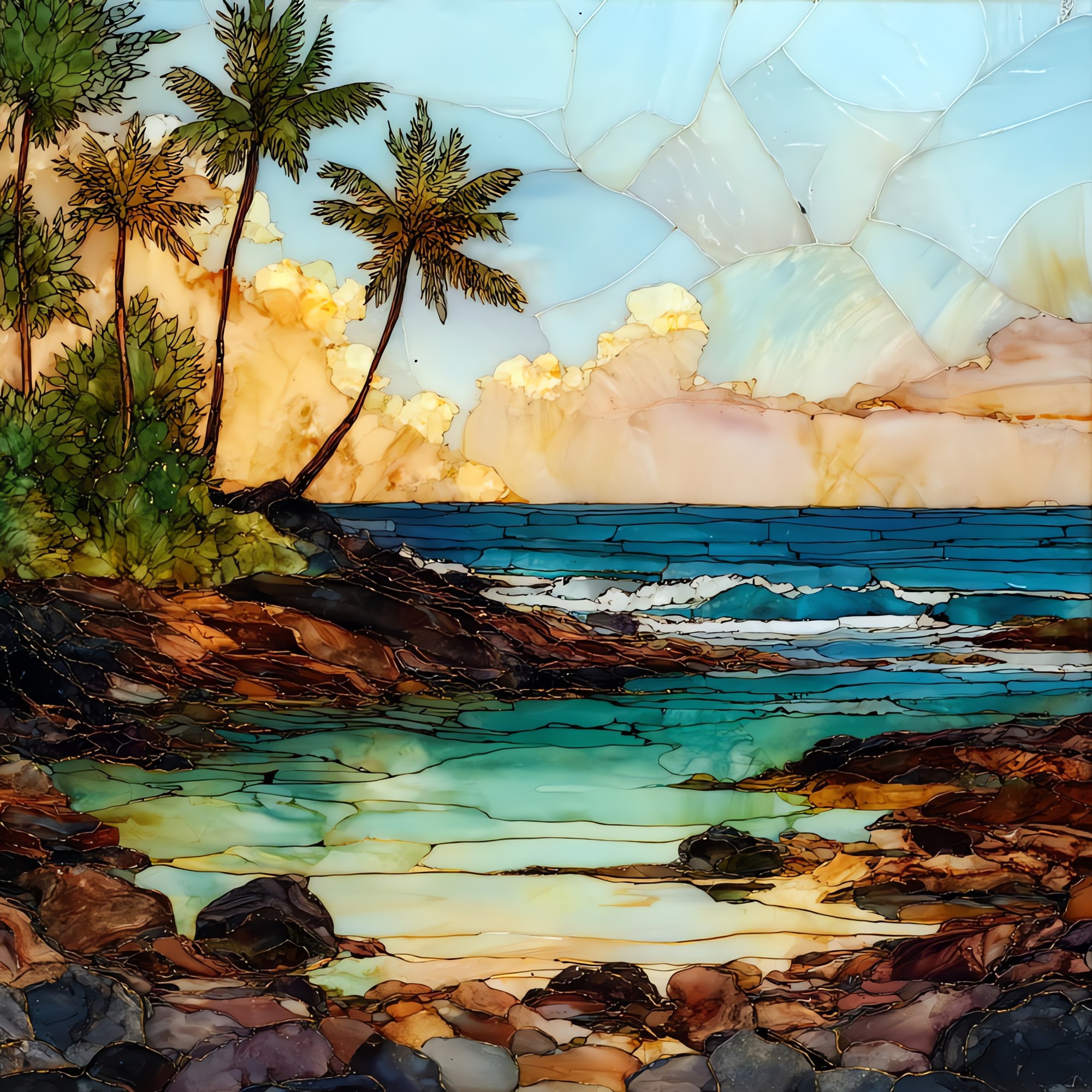
Lydgate Park Kauai Ceramic Art Tile
— — a piece of ocean you can walk into.
Not only on a wall.
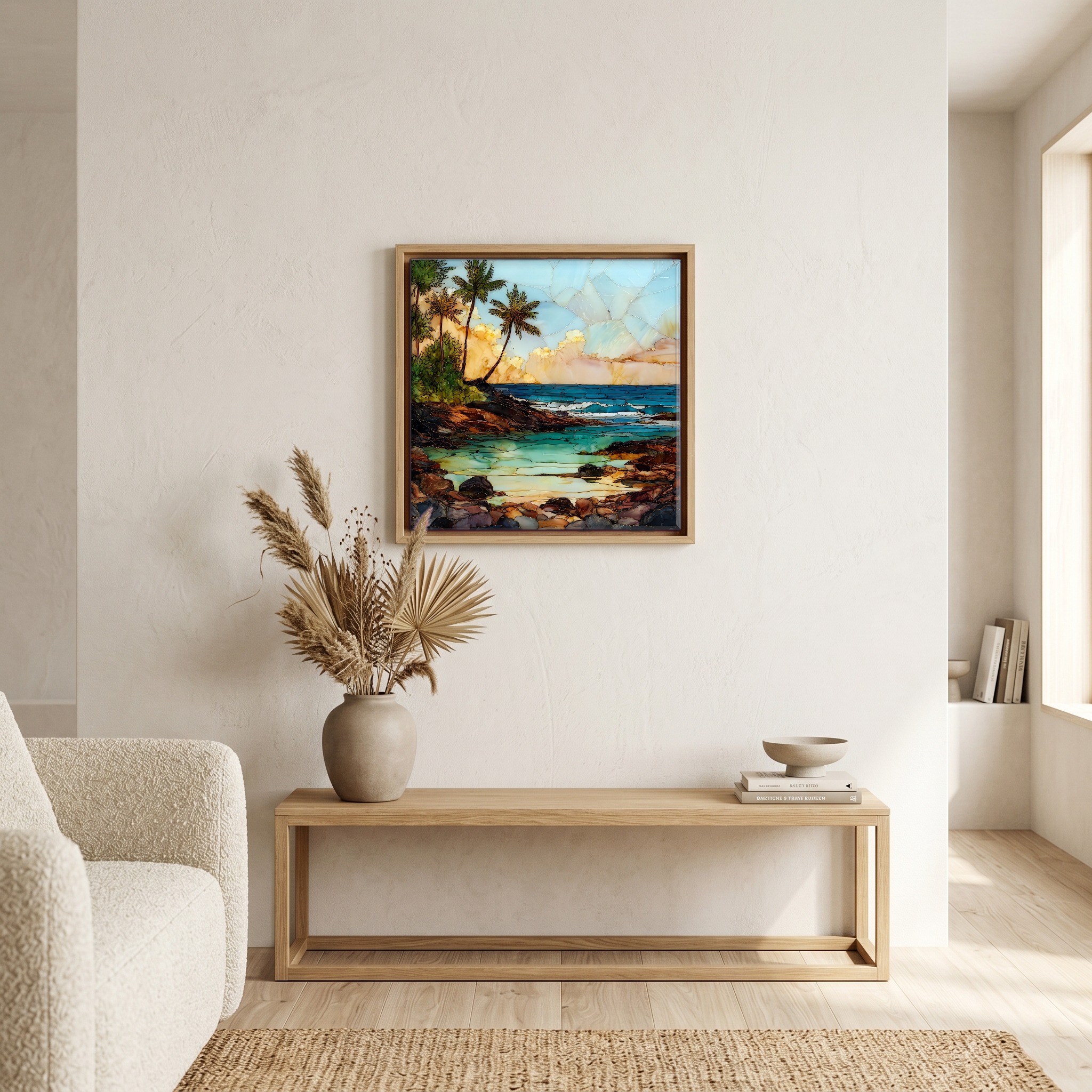
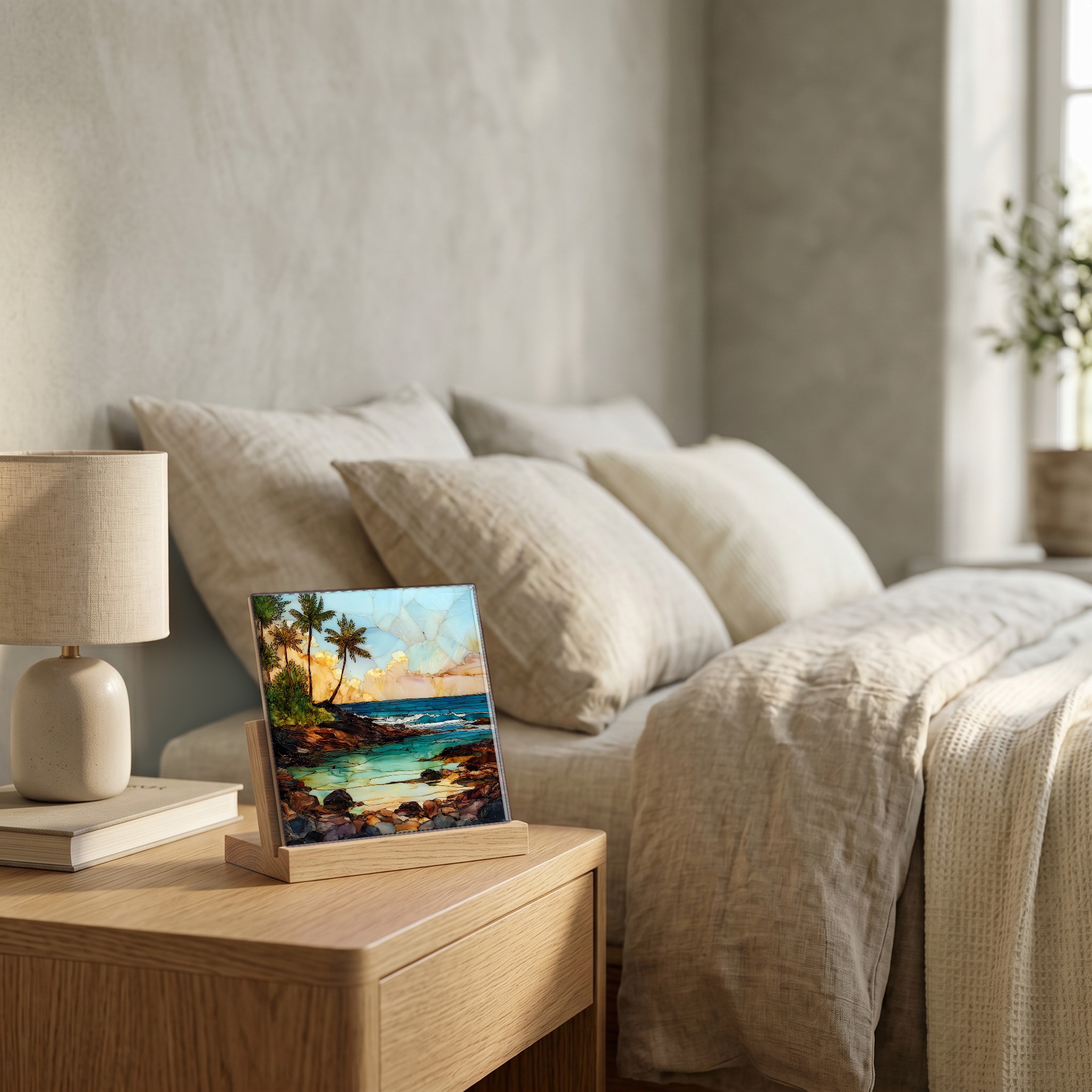
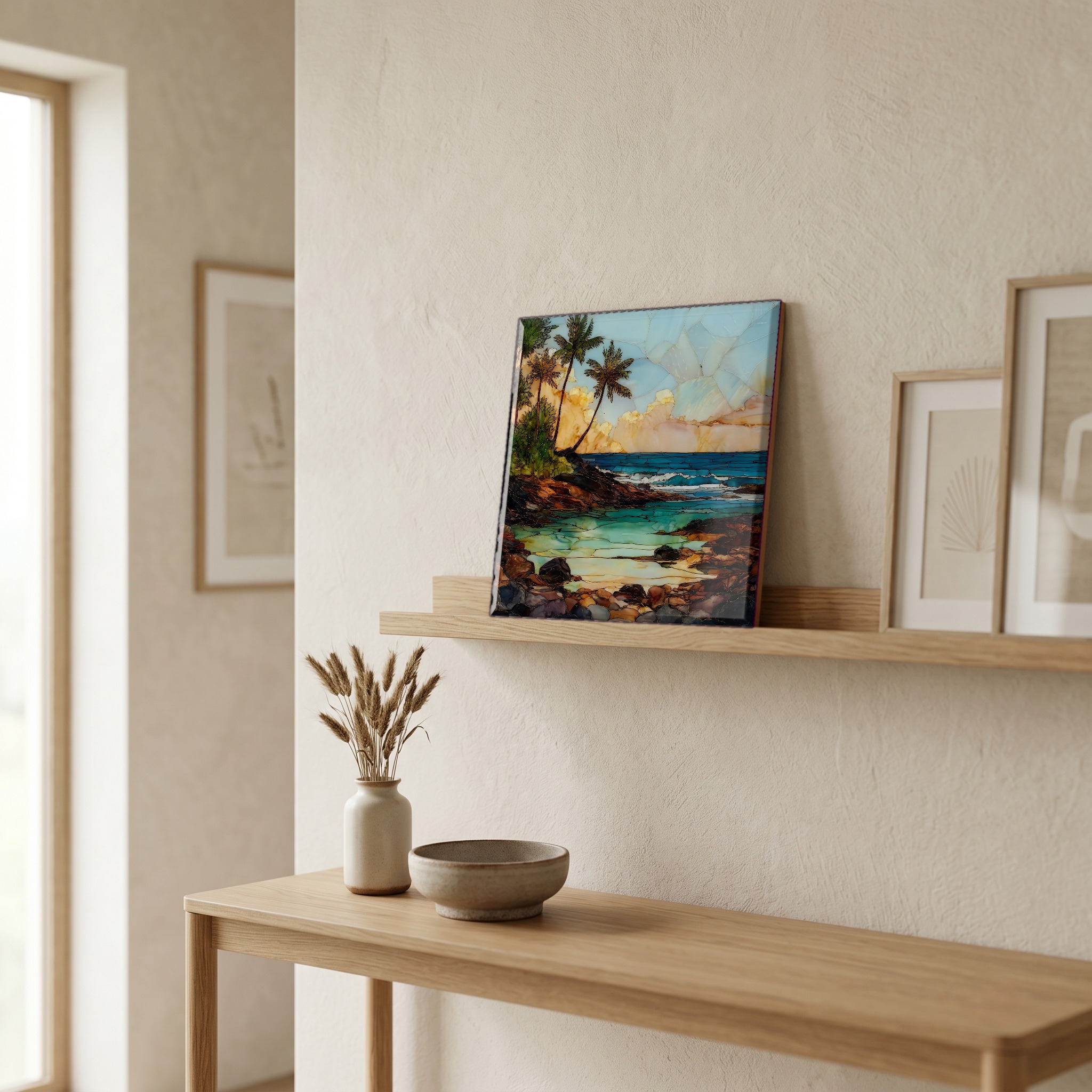
“The eastern shore of Kauai, at the mouth of the Wailua River. The park's pull is the pools, two protected lagoons inside a curved wall of black volcanic rock laid down in 1964; the inner is shallow enough for a first swim, the outer deeper for snorkel masks. Locals come on Saturdays for the playground and the picnic shelters. North of the pools, the low stones of Hikinaakala still sit where they were placed to mark the rising sun. The mountains behind, the river beside, the sea quietly walked into.
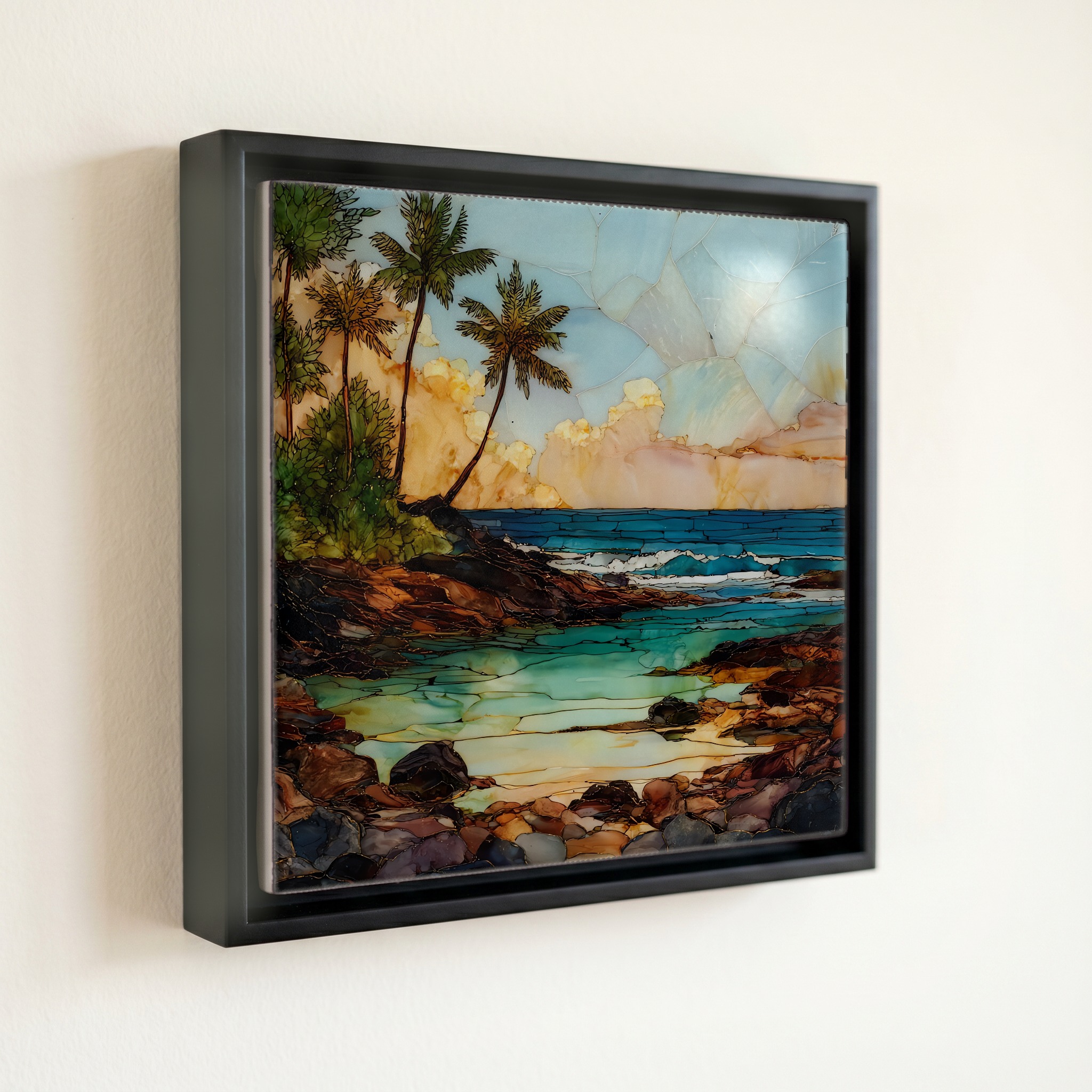
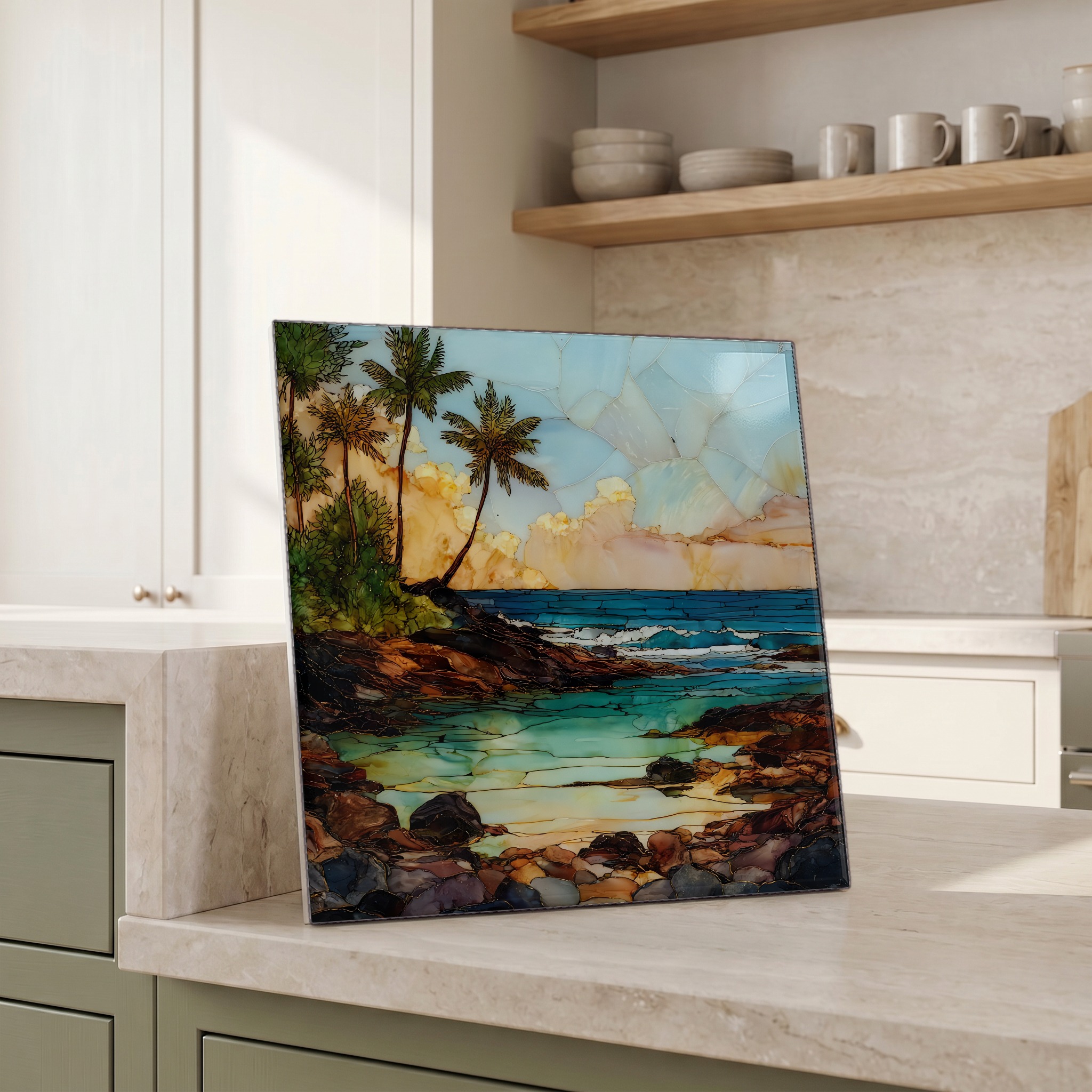
Lydgate Park Kauai Ceramic Art Tile, on ceramic.
Each tile is finished by hand in our Knoxville studio. Artwork is slowly infused into the ceramic surface under high heat and pressure, and rests beneath a thin glossy finish. The colour lives in the surface, not on top of it.
Pick any four 4-inch tiles — National Parks you've been to, a Smokies set, the four seasons of one place. $ for a set of , cork-backed, ready to live on the table.
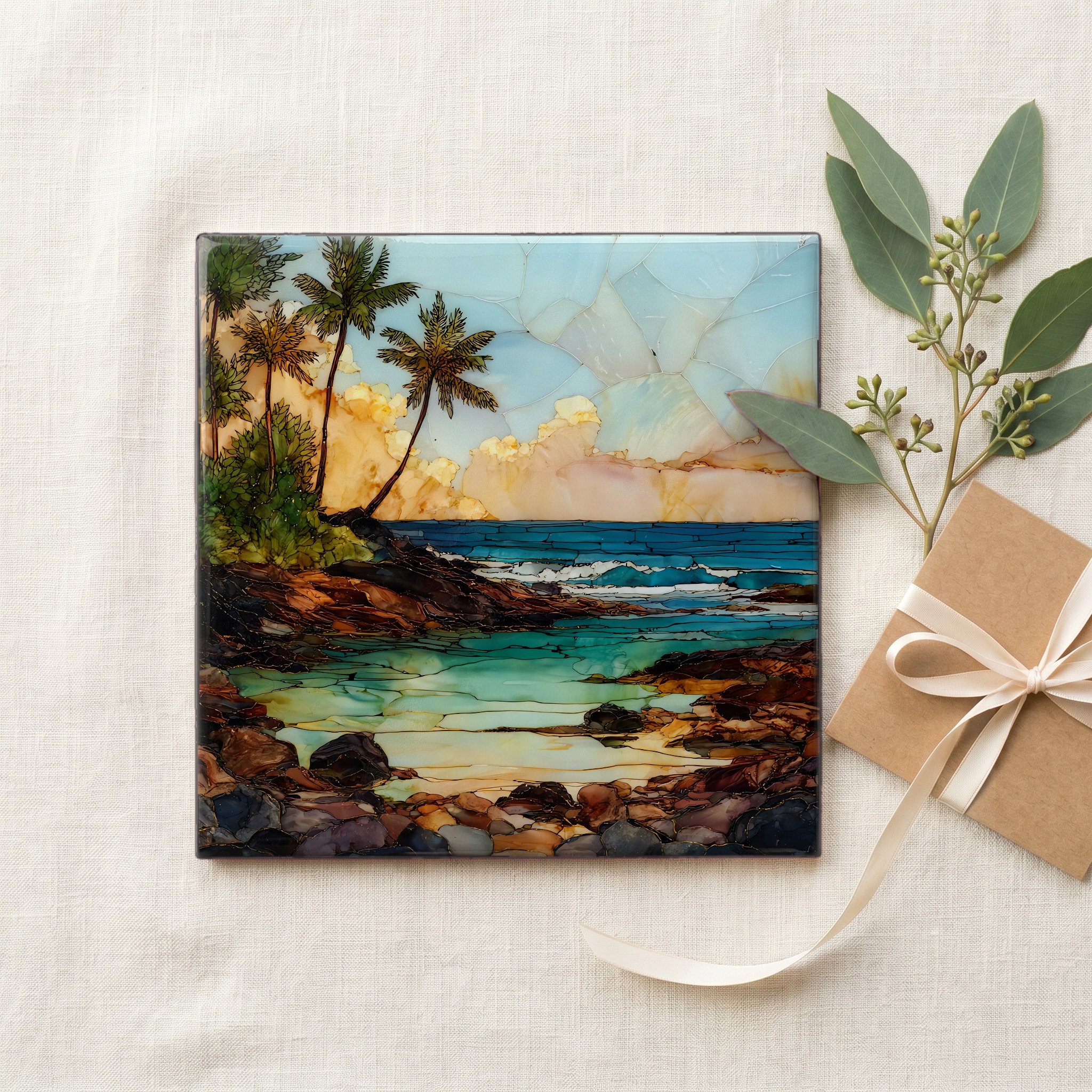
Each tile ships in a kraft box, tied with cream ribbon, with a handwritten note from the studio if you'd like to add one.
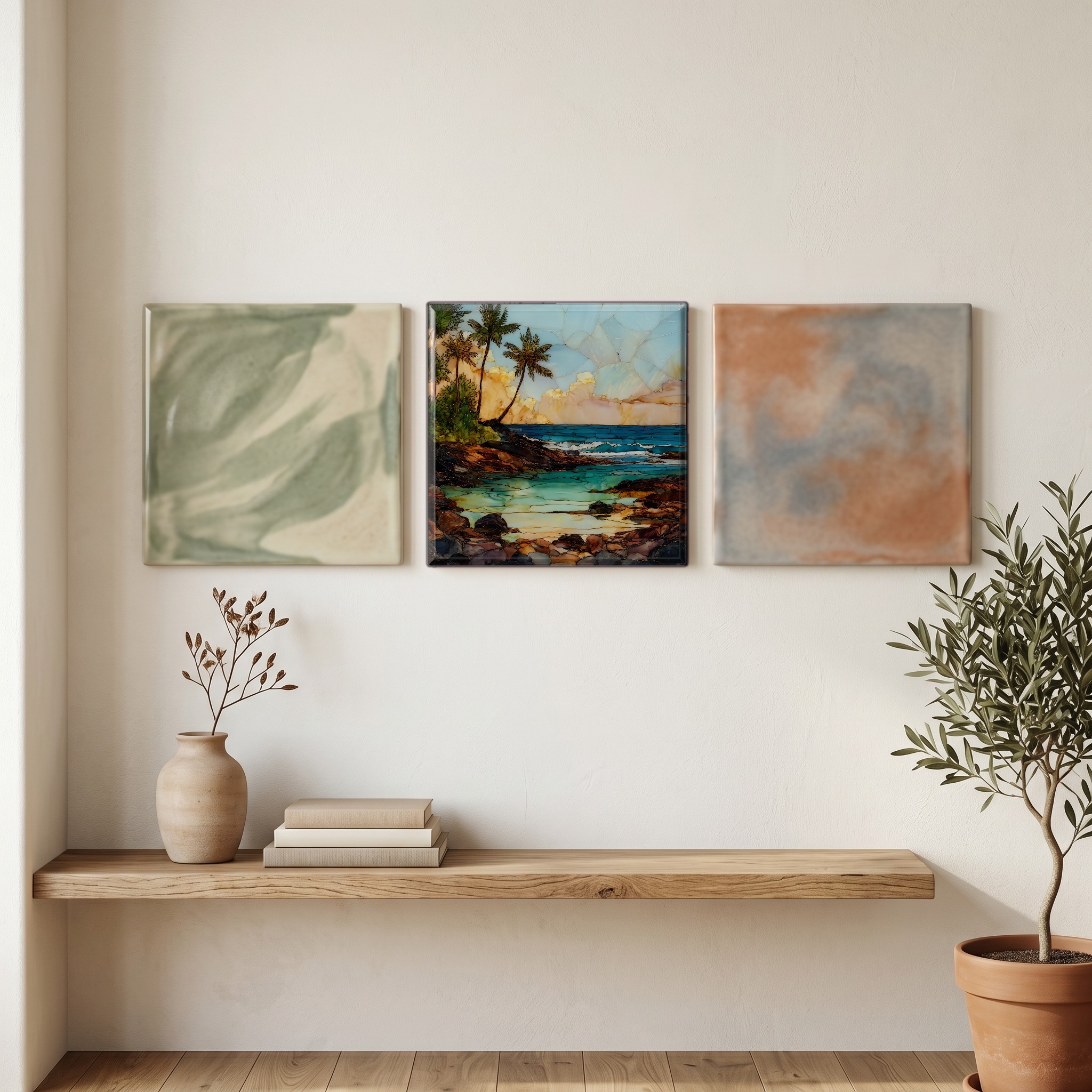
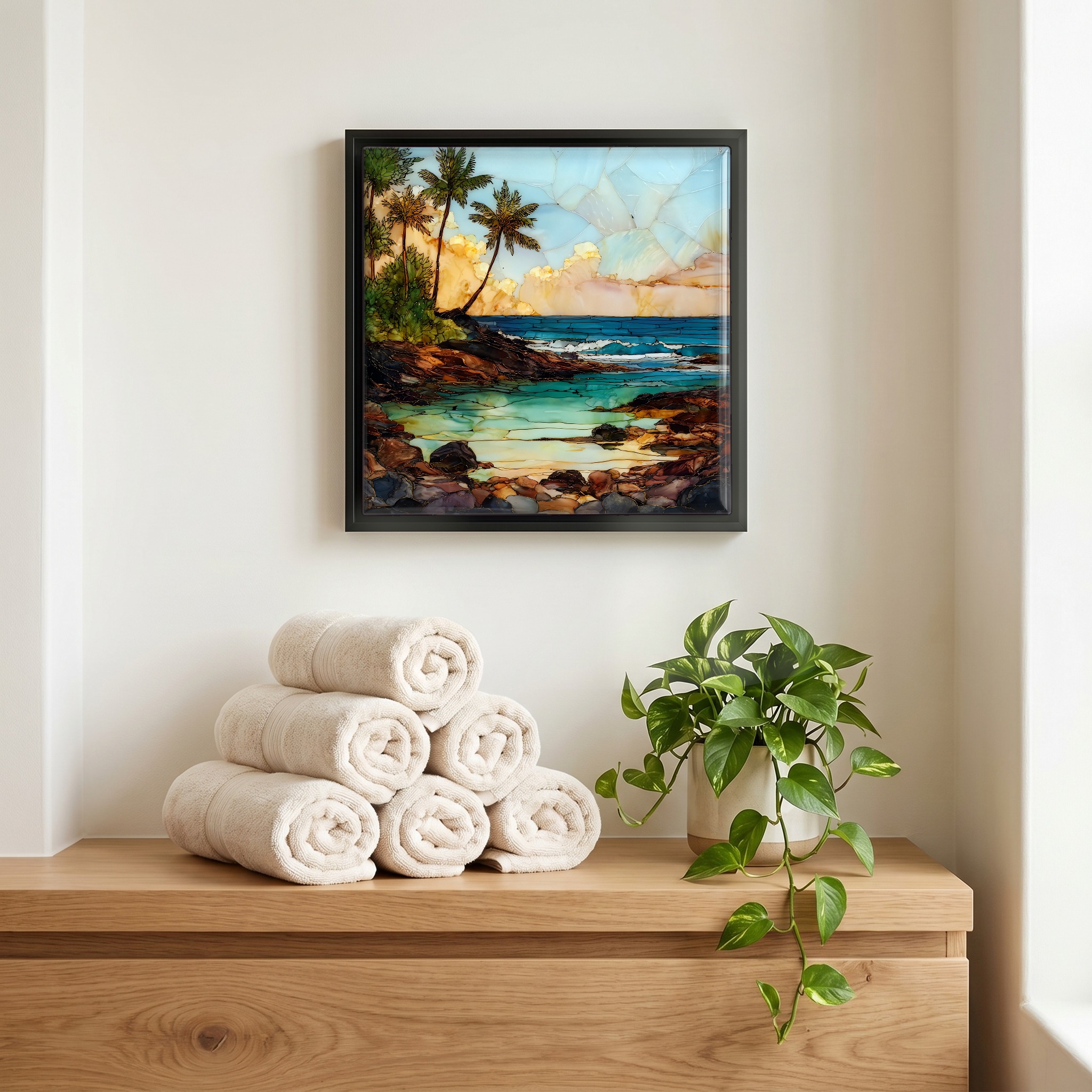
Three or five different vistas, hung together — a chapter of places you've been, or want to go.
The place, in three passes.
Lydgate Park sits at the mouth of the Wailua River on the eastern shore of Kauai, in Kauai County, Hawaii. The park covers around 195 acres of shoreline, river bank, and inland grove, set aside by executive order of Governor Charles McCarthy in May 1921 at the request of Rev. John Mortimer Lydgate, the Lihue Congregational minister who wanted the ancient Wailua-area shrines preserved. The Board of Supervisors renamed the park for him after his death in November 1922. It is reached from Kuhio Highway (Route 56) just south of Kapaa, with paved parking, picnic pavilions, and access to the coastal walking path Ke Ala Hele Makalae.
The two lagoons are not natural. In 1964 the State of Hawaii built a curved 2.6-acre barrier of black volcanic rock out from the shore, enclosing an inner wading pool shallow enough for a toddler and an outer pool deep enough for snorkeling. The barrier breaks the surf line so the water inside reads as a stilled, clear pane against the open Pacific behind it. The proposal had come six years earlier from Albert Morgan Sr. and legislator William Fernandes, who wanted a place east-side families could swim without the swell. On a calm day the outer pool holds reef fish and the occasional honu, the Hawaiian green sea turtle.
At the northern end of the park, low courses of basalt mark the footprint of Hikinaakala, the rising-sun heiau. The original rectangular enclosure ran nearly an acre, with walls six feet high and up to eleven feet thick at the base, predating European contact in the Hawaiian Islands. The name records the rite: priests once gathered at dawn to chant as the sun cleared the horizon east of Wailua. Adjacent to it is Hauola, a pu'uhonua or place of refuge, where a Hawaiian who had broken kapu could reach sanctuary. Hikinaakala is the seaward member of a wider Wailua complex of seven heiau that once marked Wailua as one of the two chiefly centres of Kauai.