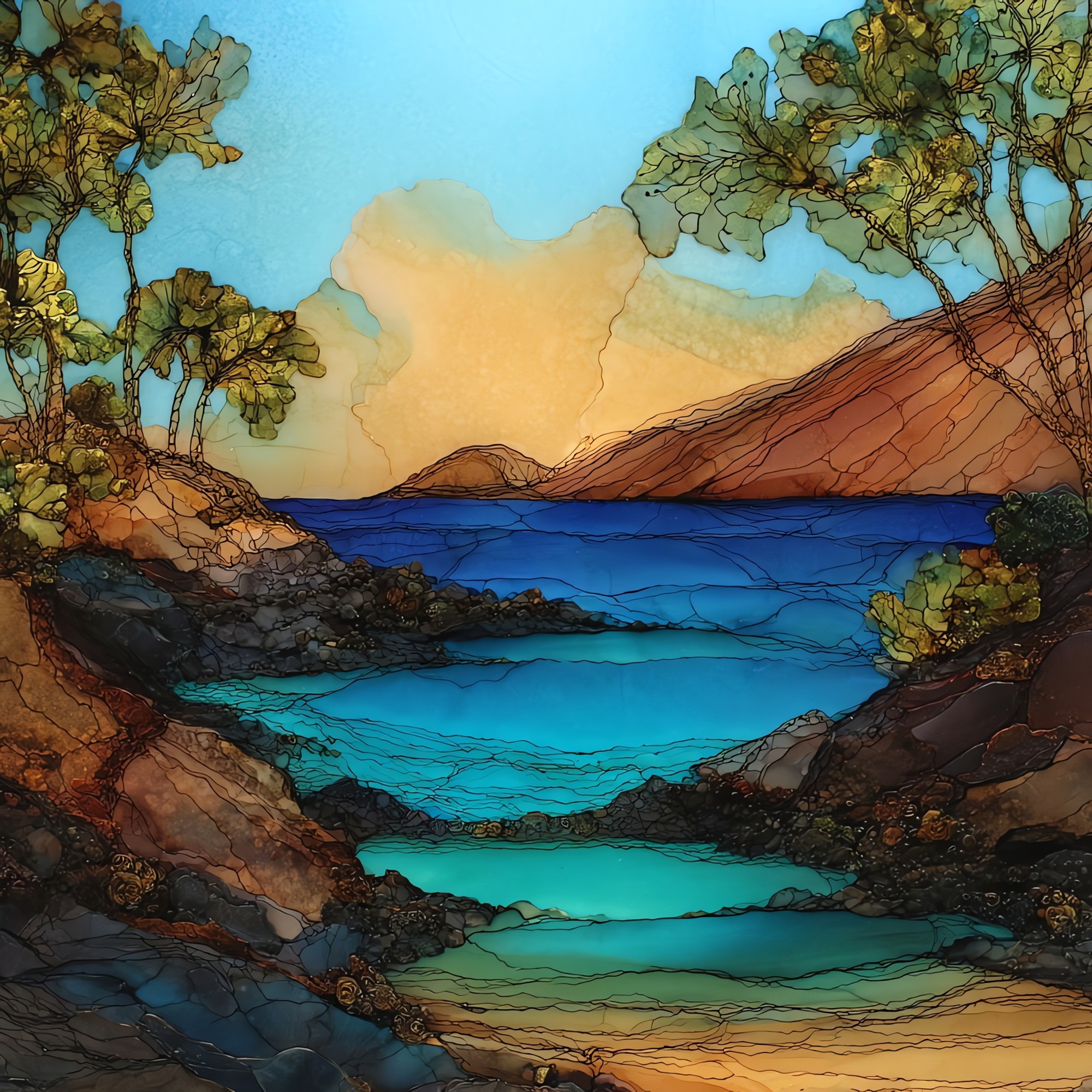
Little Beach Makena Maui Ceramic Art Tile
— the half-moon the road can't reach.
Not only on a wall.
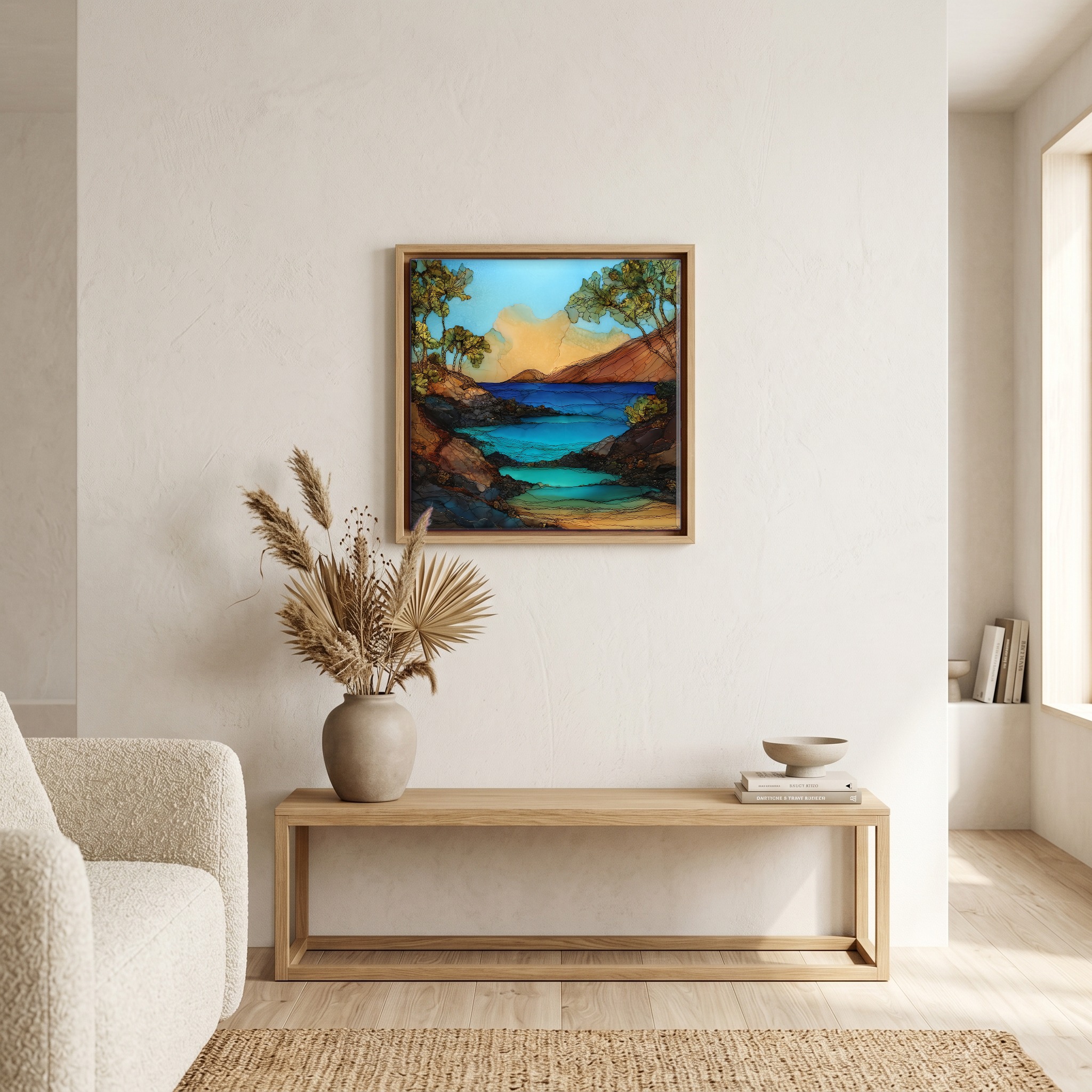
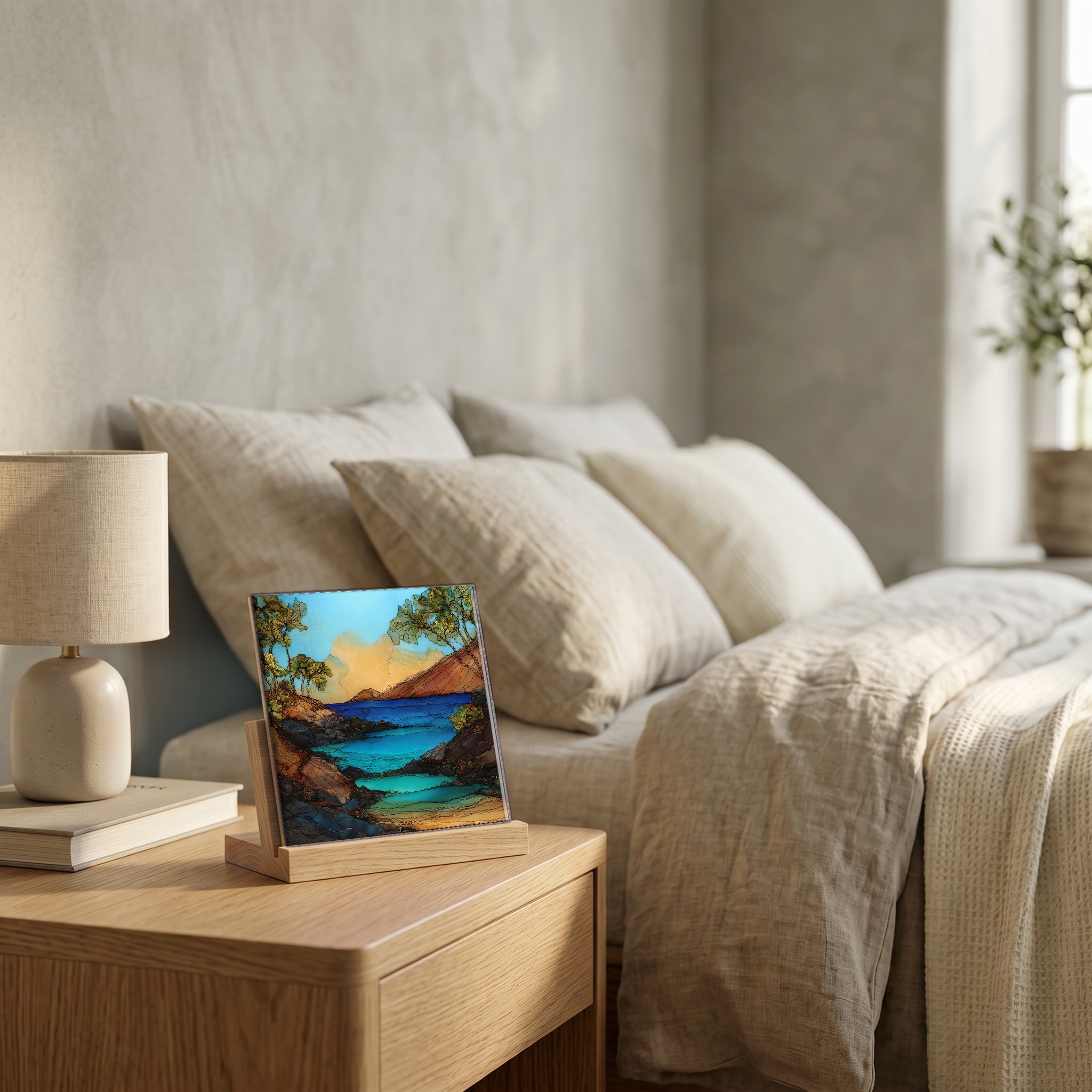
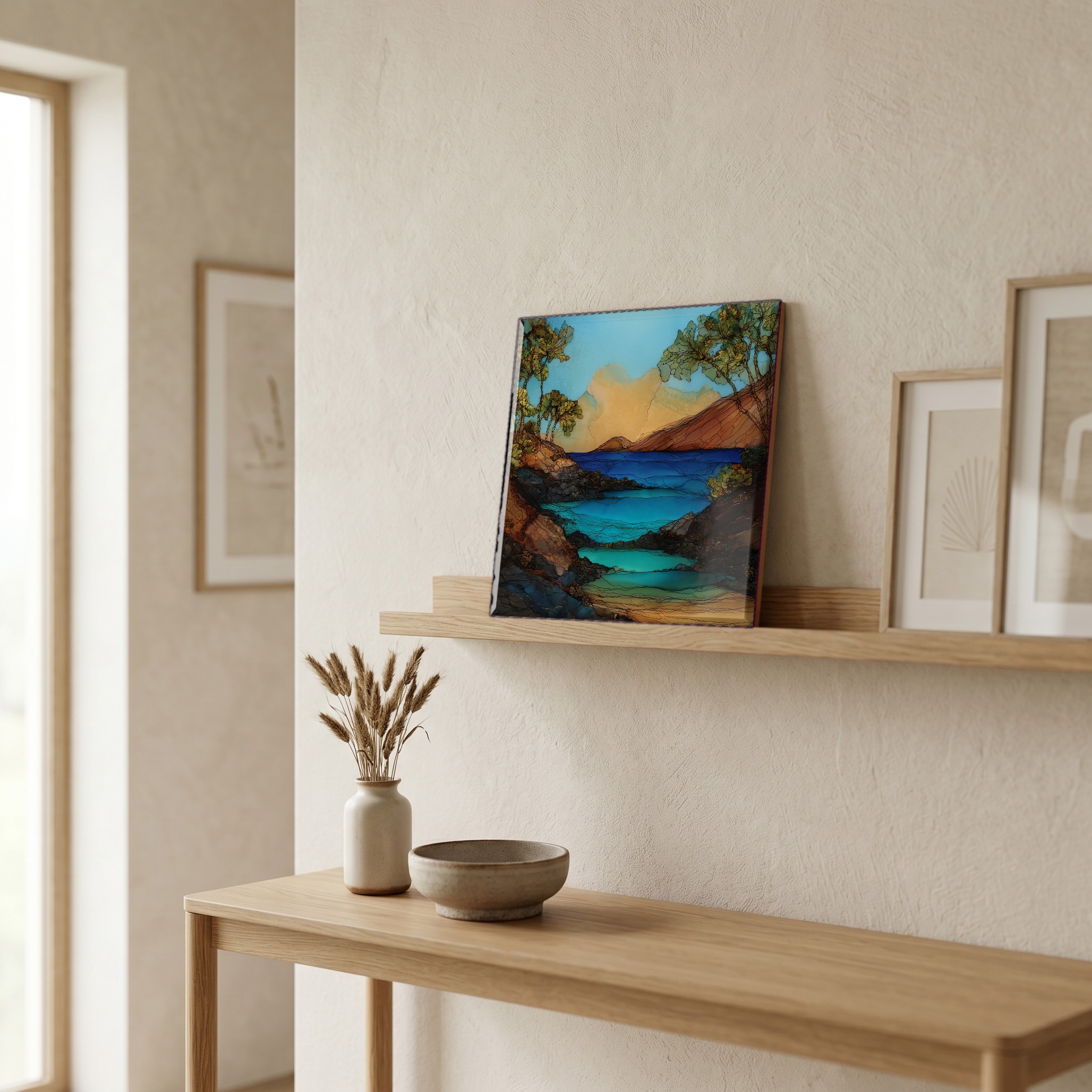
“A half-moon of pale sand on Maui's south shore, set apart by Pu'u Ola'i, the 360-foot cinder cone that rises between it and Big Beach next door. The way in is over the rocks at Big Beach's north end. Most visitors don't bother. Locals have long gathered here on Sunday evenings for the drum circle, the timing now subject to park hours. The water stays warm and clear most of the year; the shorebreak picks up in winter. Nobody hurries off when the light goes.
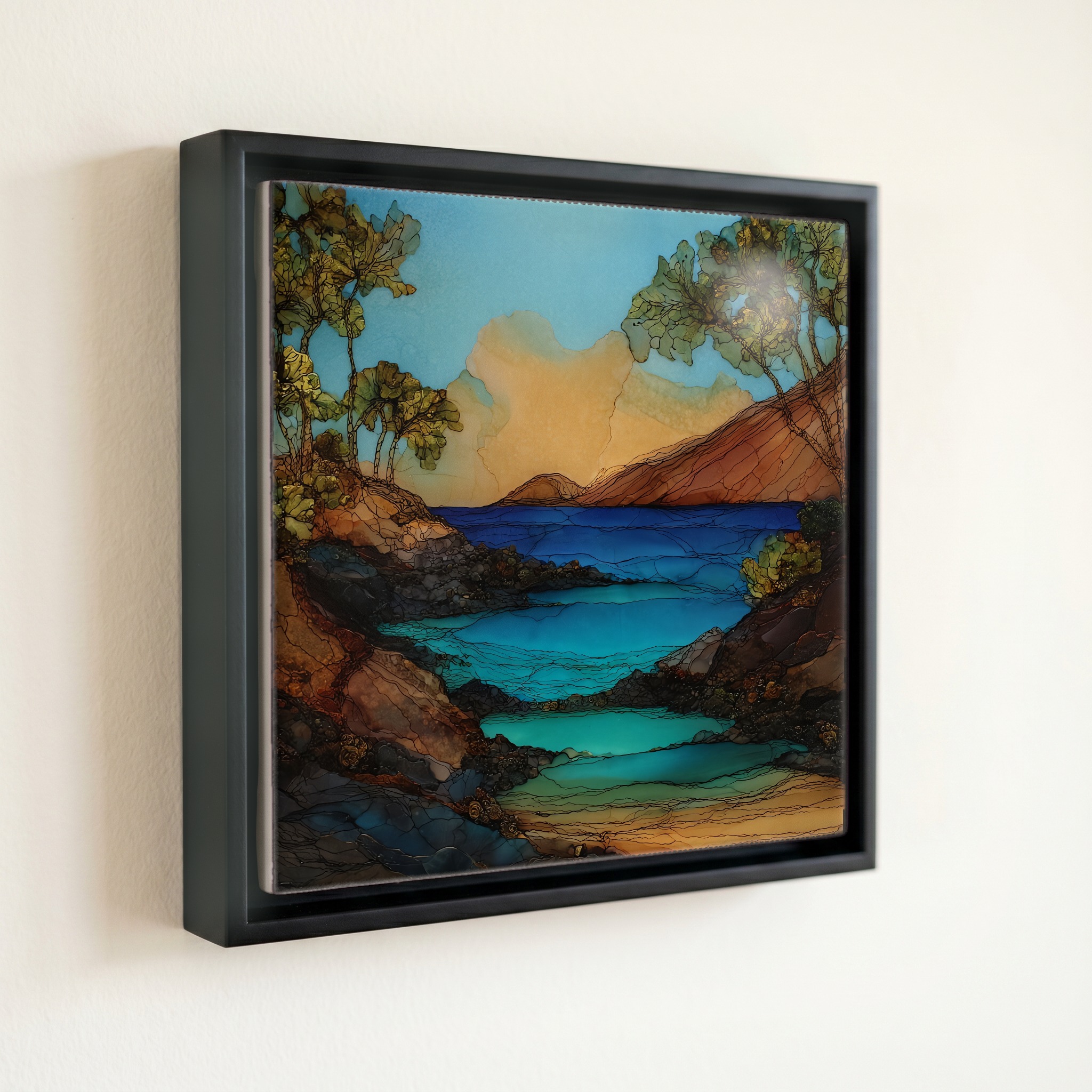
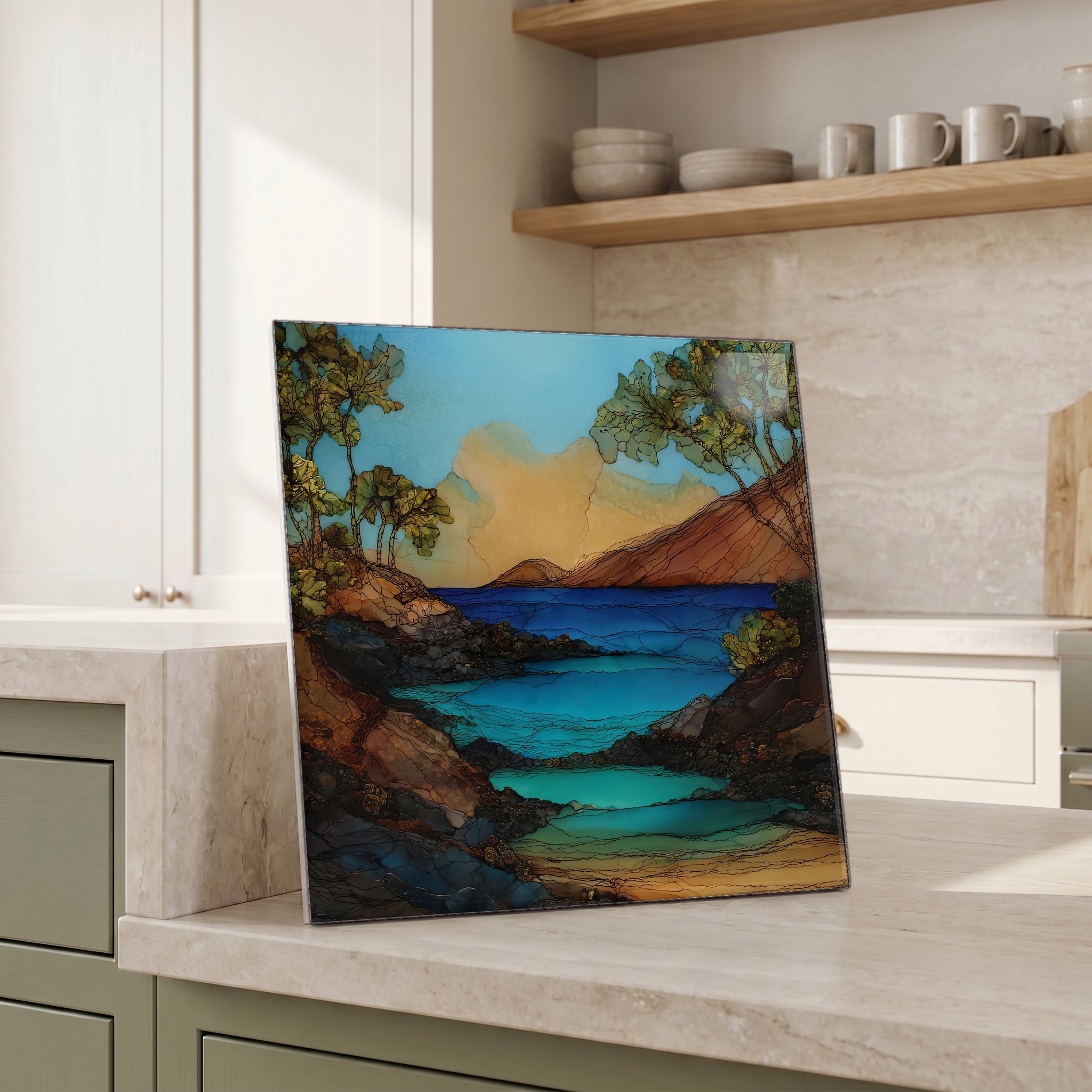
Little Beach Makena Maui Ceramic Art Tile, on ceramic.
Each tile is finished by hand in our Knoxville studio. Artwork is slowly infused into the ceramic surface under high heat and pressure, and rests beneath a thin glossy finish. The colour lives in the surface, not on top of it.
Pick any four 4-inch tiles — National Parks you've been to, a Smokies set, the four seasons of one place. $ for a set of , cork-backed, ready to live on the table.
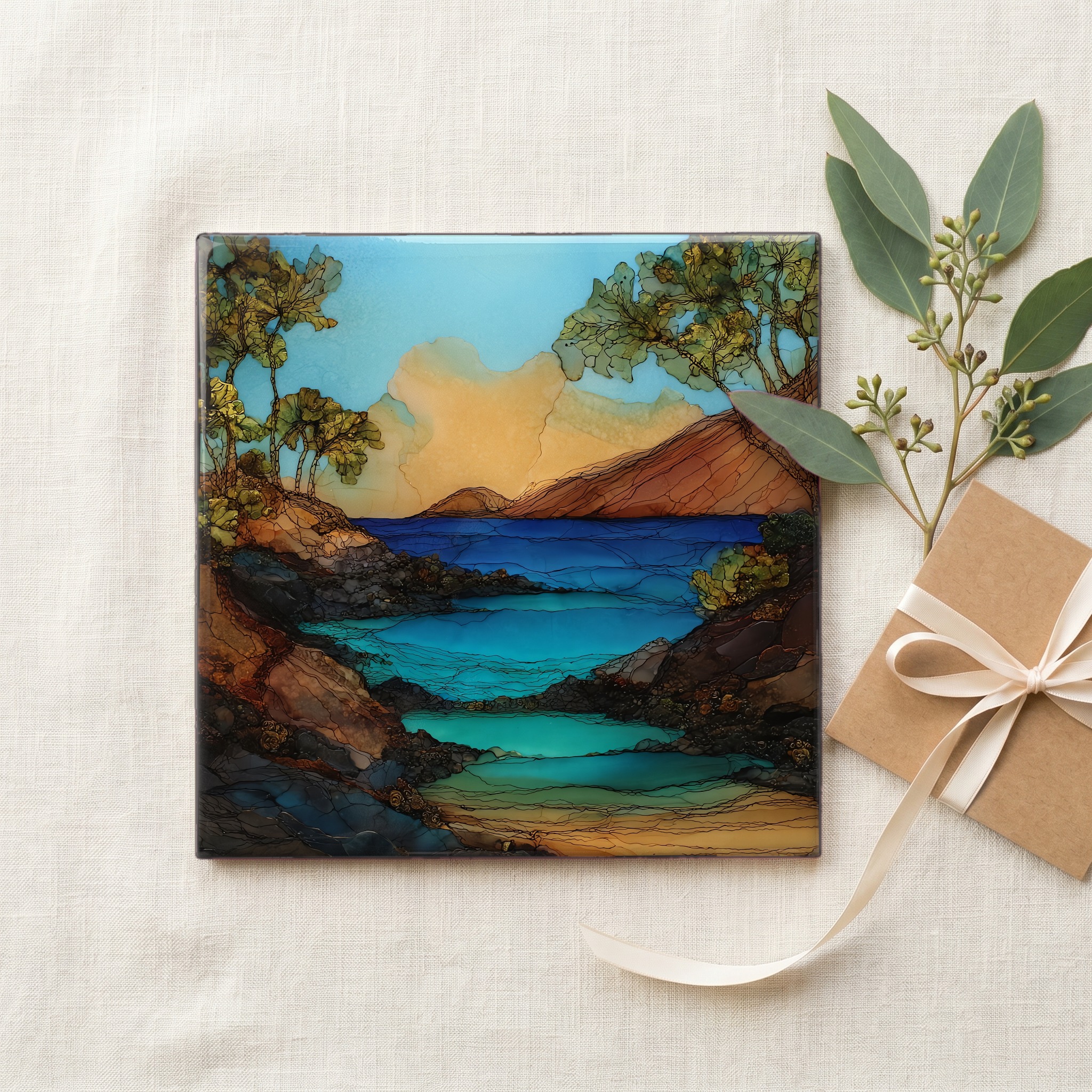
Each tile ships in a kraft box, tied with cream ribbon, with a handwritten note from the studio if you'd like to add one.
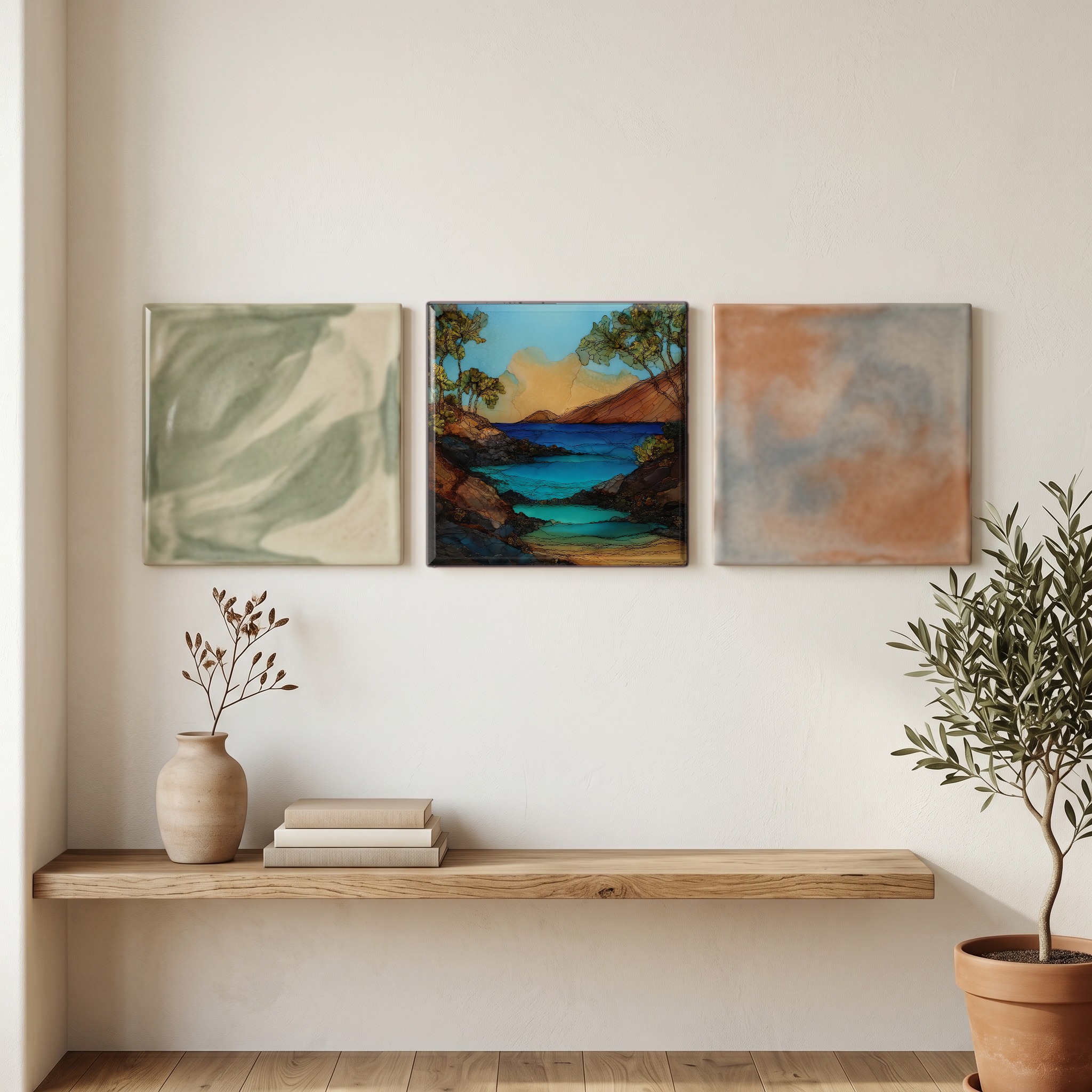
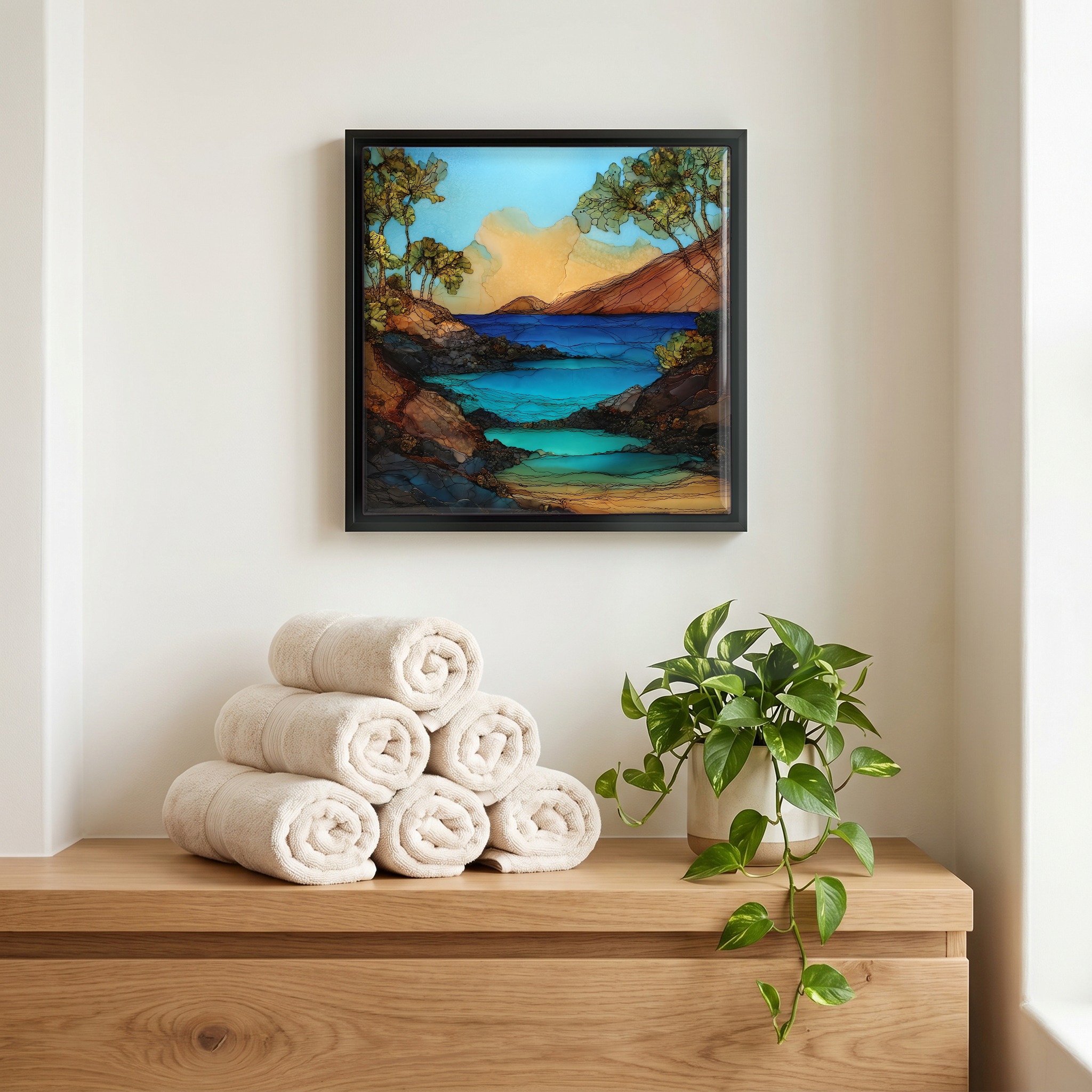
Three or five different vistas, hung together — a chapter of places you've been, or want to go.
The place, in three passes.
Little Beach sits on the south coast of Maui, immediately north of Pu'u Ola'i, a 360-foot volcanic cinder cone that forms the headland between this small cove and Oneloa (Big Beach) on the other side. Both beaches belong to Mākena State Park, which protects roughly 165 acres of coastline and the cone itself, south of the resort town of Wailea on the leeward, dry side of the island. There is no road to Little Beach. Access is on foot, scrambling over the rocky lava promontory at the north end of Oneloa. The park is administered by the Hawaii Department of Land and Natural Resources.
Pu'u Ola'i, the cinder cone that shapes Little Beach, formed during the Hāna Volcanics, the late-stage rejuvenated volcanism of Haleakalā. Its name in Hawaiian means 'earthquake hill.' The cone rises about 110 meters (360 feet) from the shoreline. South Maui sits in the lee of Haleakalā, the 10,023-foot shield volcano whose late eruptions built this coast, so the trade winds reach here softened and the rainfall is among the lowest on the island. The dark basaltic rock at the headland is sharp underfoot; sturdy sandals are the unspoken rule for the scramble between Oneloa and Little Beach. The wider south-Maui shoreline shows the same volcanic signature, layered cinder and lava flowing from Haleakalā to the sea.
Mākena State Park keeps posted daytime hours, and entrance and parking fees apply for non-Hawaii residents. The main parking areas serve Oneloa; from there, Little Beach is reached on foot, north over the rocky promontory. Hawaii Department of Land and Natural Resources rangers have stepped up enforcement of park-closure rules in recent years, particularly around the long-running Sunday-evening drum circle, a Mākena fixture since the 1970s. Winter waves can produce a dangerous shorebreak; the state posts seasonal advisories. There are no lifeguards on Little Beach itself, and no shade beyond what the cone throws in late afternoon.