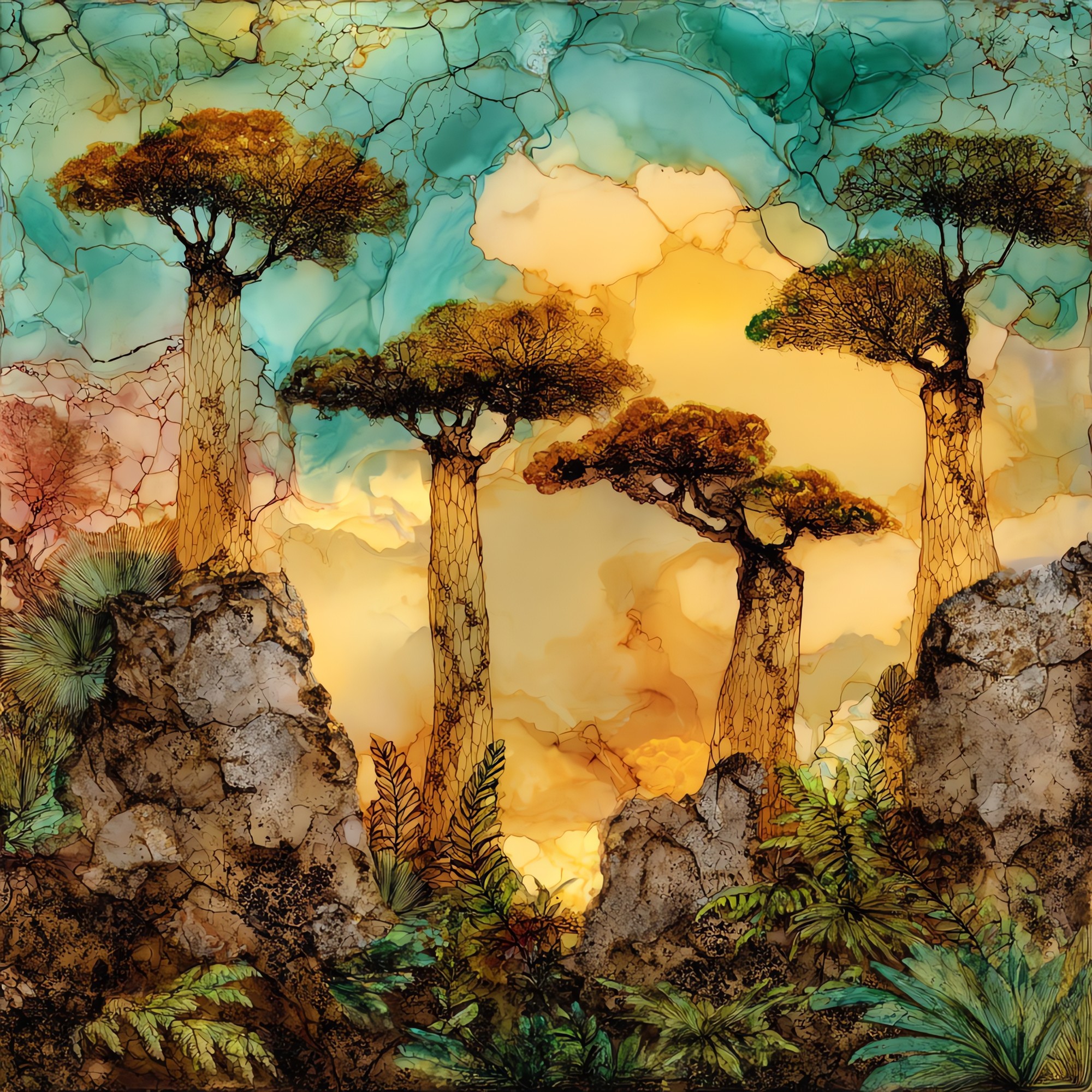
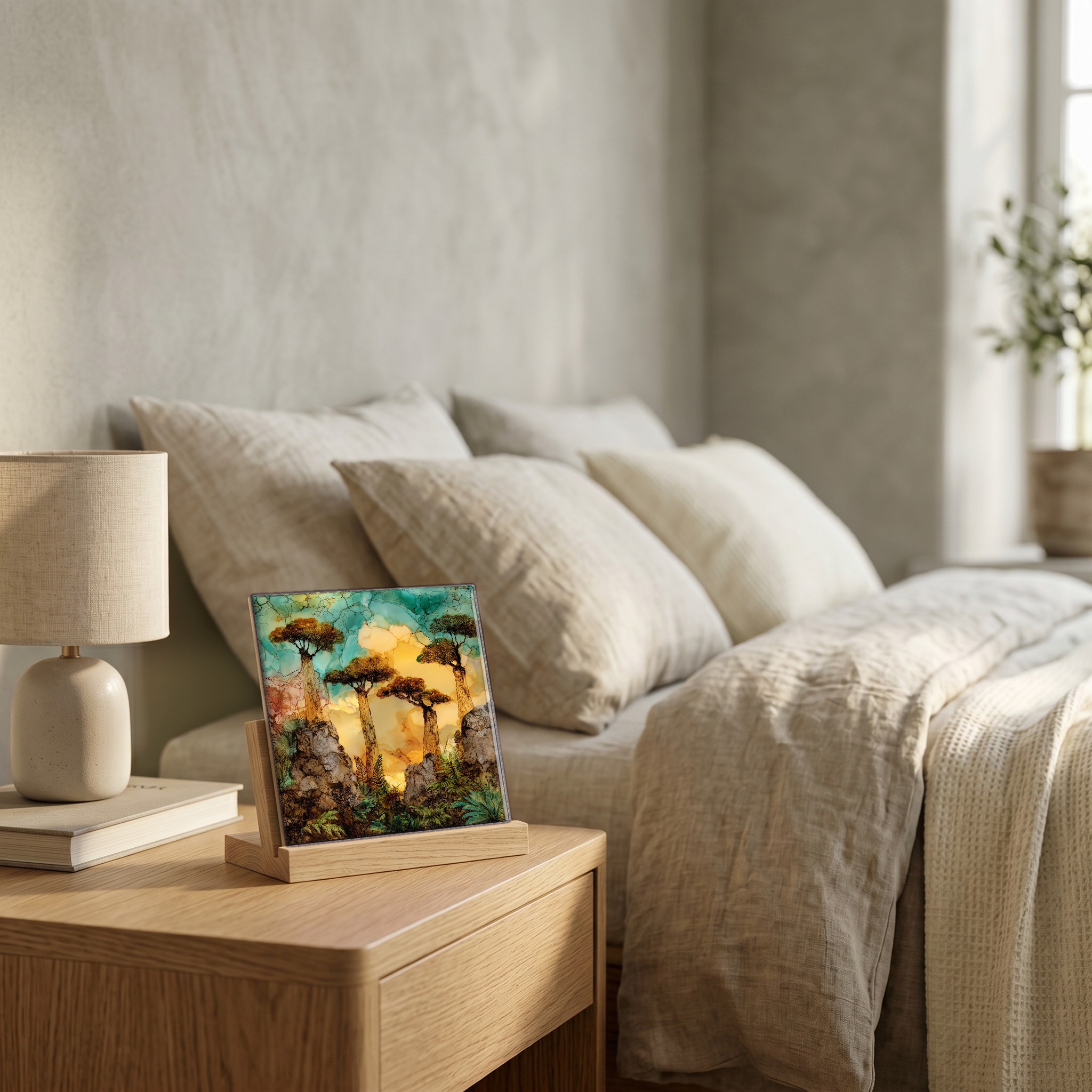
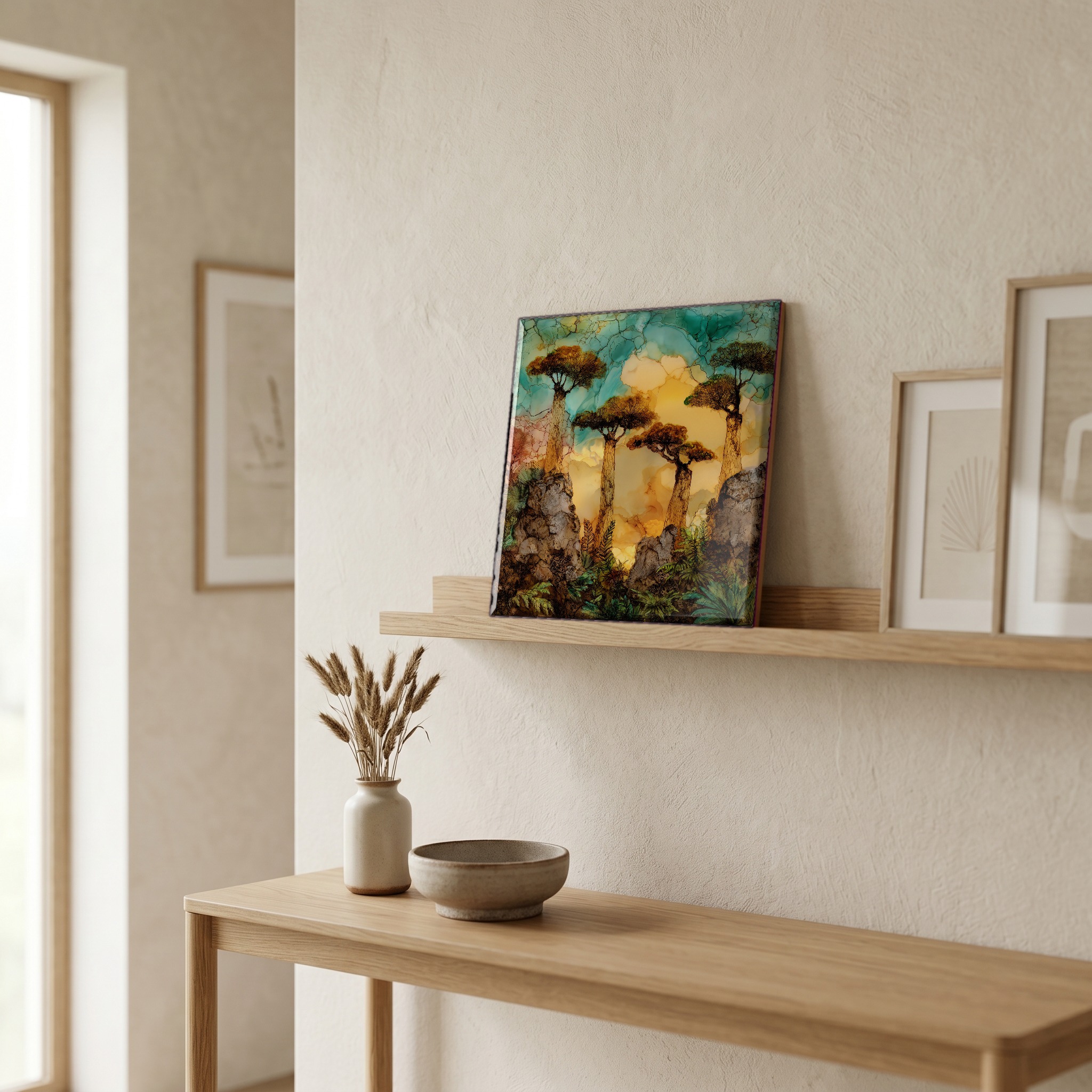
Lava Trees Monument Big Island Ceramic Art Tile
— — a forest the lava kept the shape of.
Not only on a wall.
“A 0.7-mile loop through a stand of lava trees east of Pāhoa. The cylinders are hollow casts. Ohiʻa trunks that the 1790 lava flow wrapped, then drained out from under, leaving the shape of the tree standing where the tree had been. The forest grew back through the spaces between. Ferns, albizia, ohiʻa again. The 2018 Leilani Estates eruption a few miles down the rift didn't reach here. A place to walk slowly through, once, and remember.
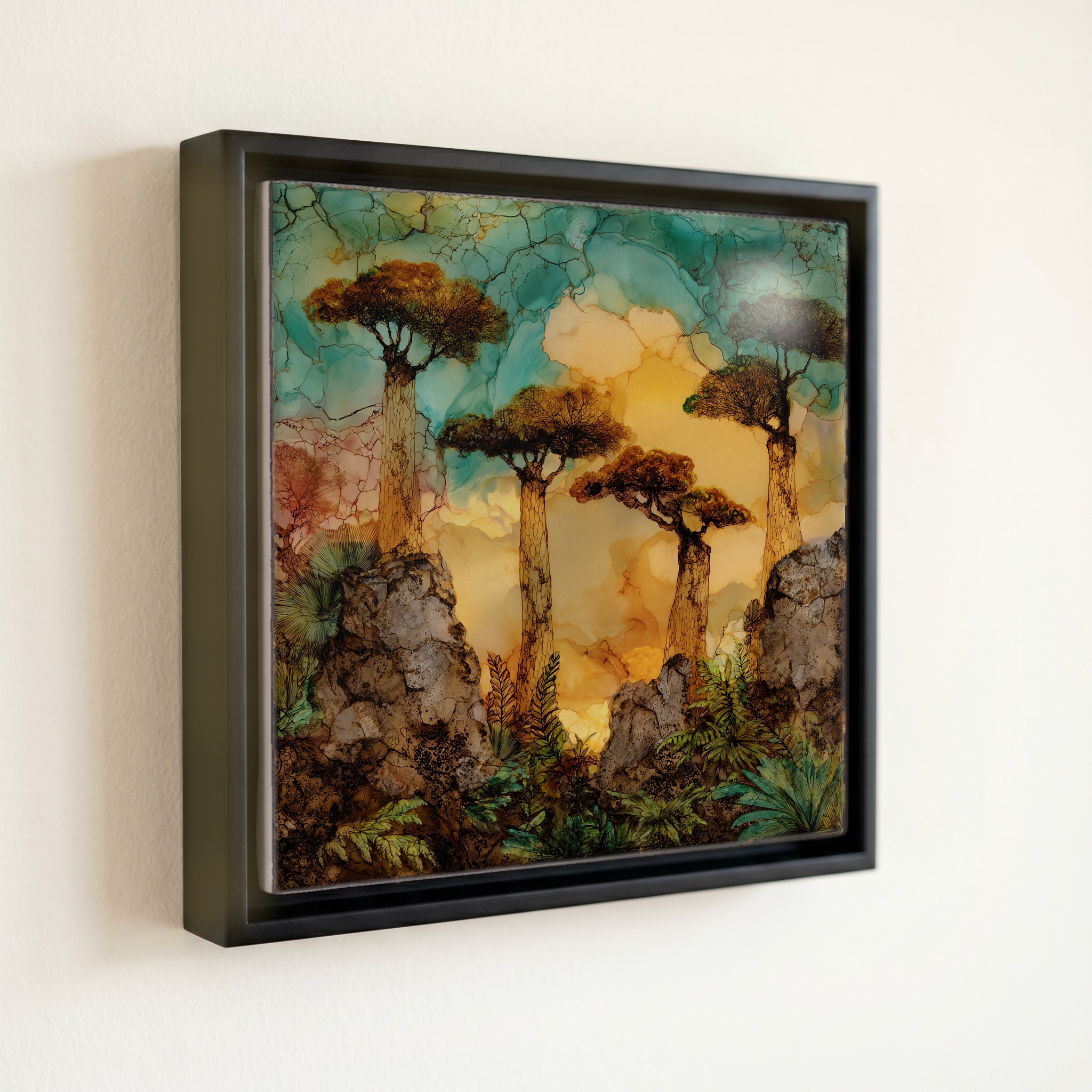
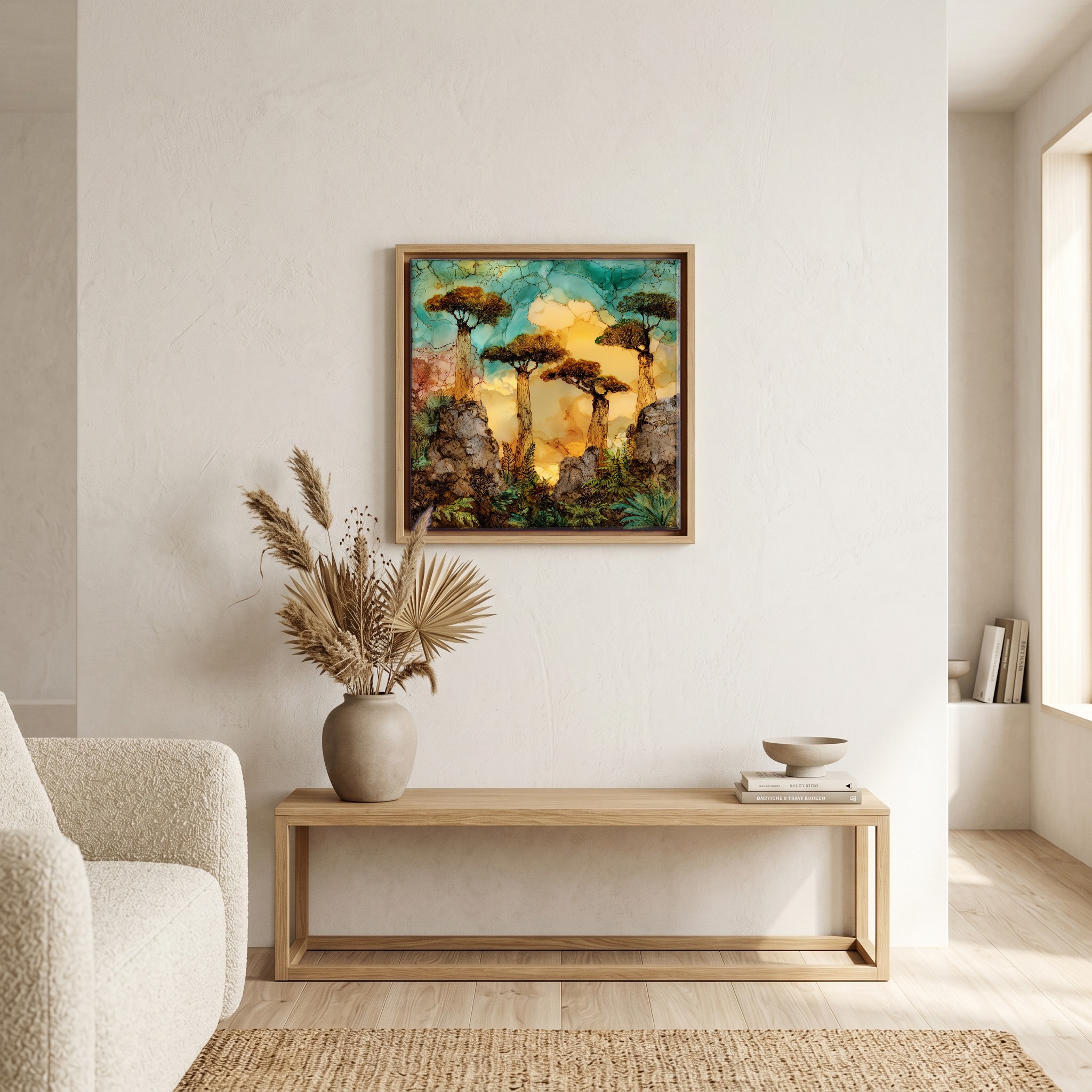
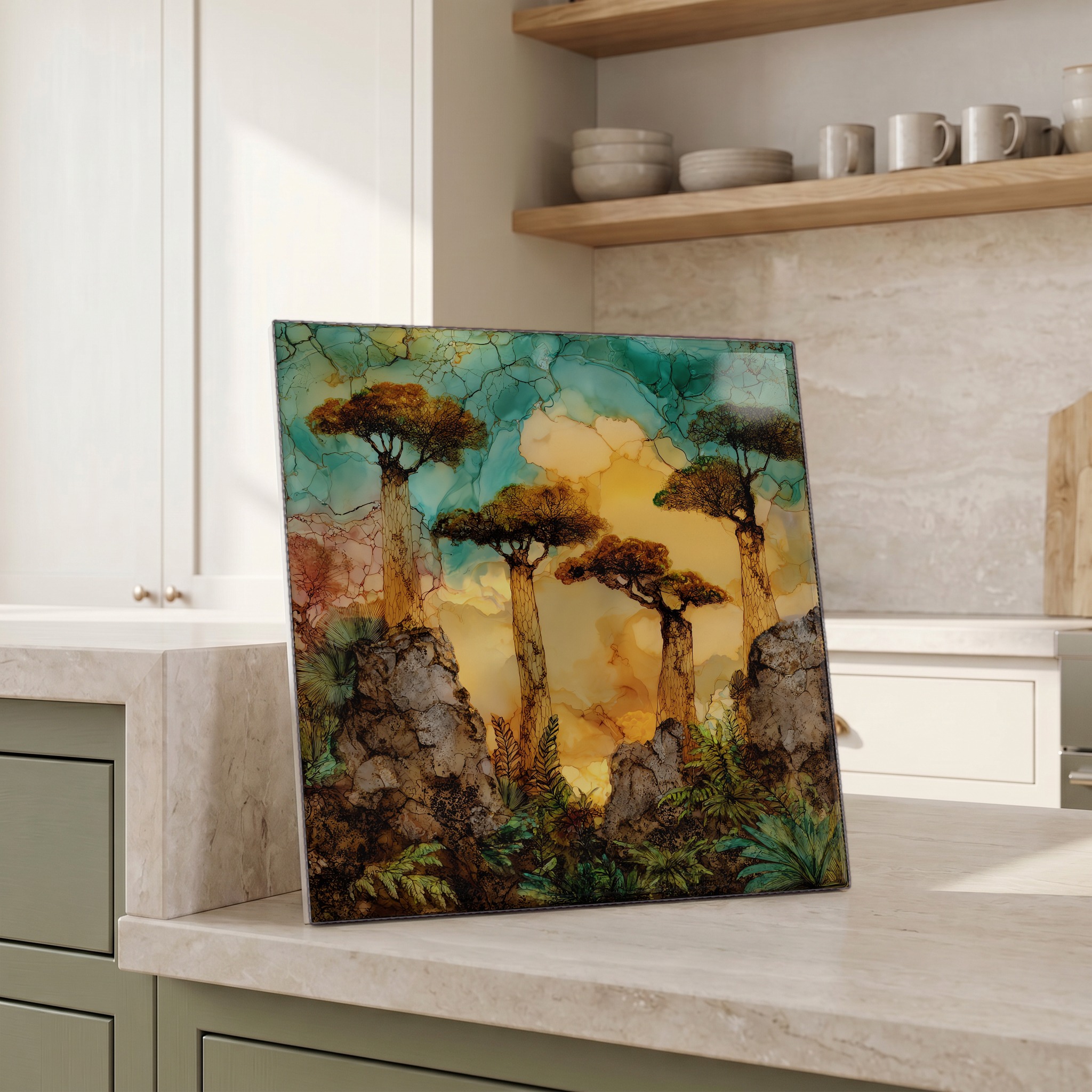
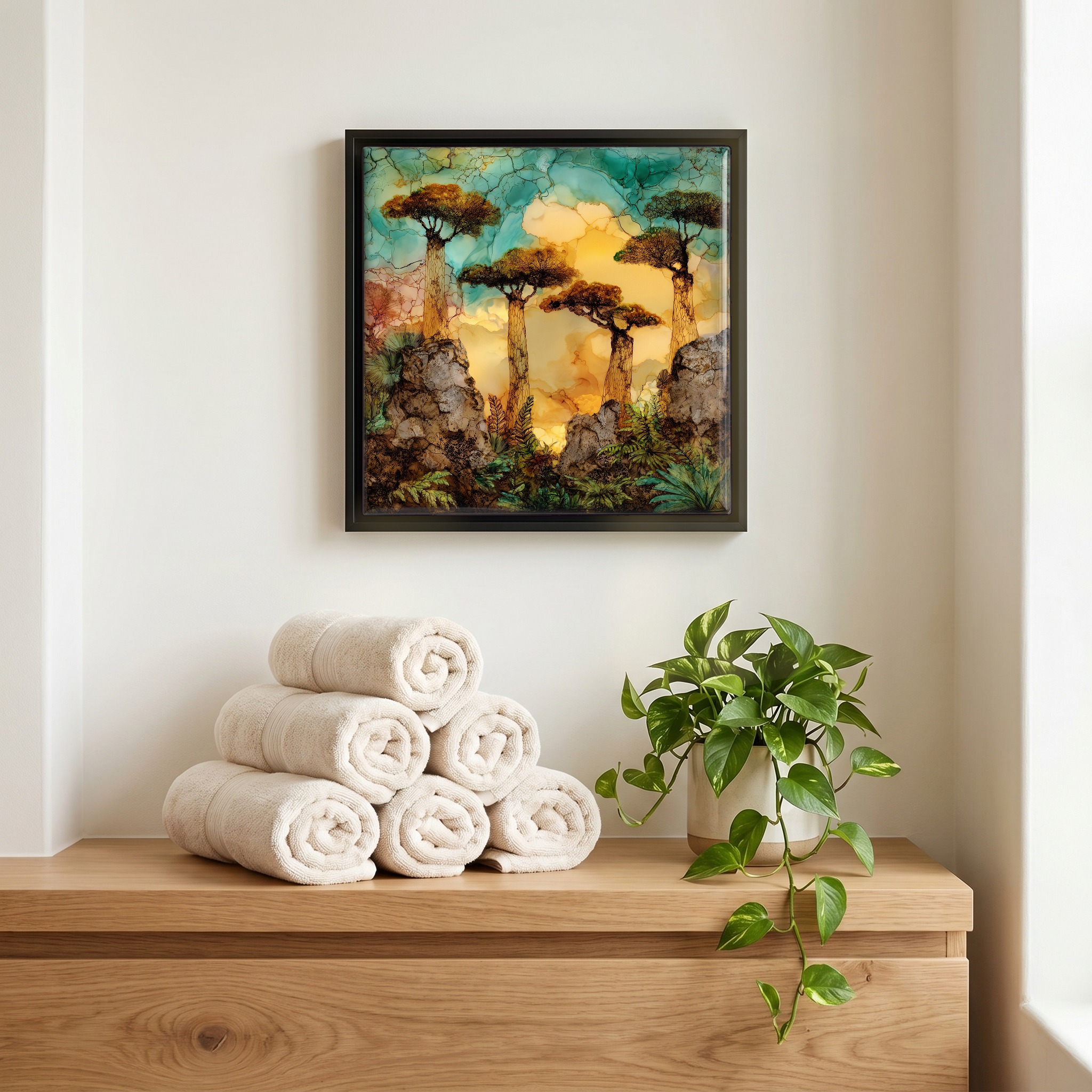
Lava Trees Monument Big Island Ceramic Art Tile, on ceramic.
Each tile is finished by hand in our Knoxville studio. Artwork is slowly infused into the ceramic surface under high heat and pressure, and rests beneath a thin glossy finish. The colour lives in the surface, not on top of it.
Pick any four 4-inch tiles — National Parks you've been to, a Smokies set, the four seasons of one place. $ for a set of , cork-backed, ready to live on the table.

Each tile ships in a kraft box, tied with cream ribbon, with a handwritten note from the studio if you'd like to add one.

Three or five different vistas, hung together — a chapter of places you've been, or want to go.
The place, in three passes.
The monument sits in the Puna district of Hawai'i Island, about 3 miles east of Pāhoa town along Highway 132. The 17-acre park preserves a stand of lava casts left by a 1790 eruption from the lower east rift zone of Kīlauea volcano. A 0.7-mile paved loop runs through the casts, shaded by ohiʻa lehua, albizia, and tropical understory. The 2018 Leilani Estates fissures opened a few miles downrift but did not reach the park, which closed briefly and reopened later that year. The site is administered by the Hawai'i Division of State Parks.
Lava trees form when a fast pāhoehoe flow encounters a wet, living tree trunk. Moisture in the sapwood cools the lava in immediate contact with the bark, casting a stone cylinder around the trunk. When the rest of the flow drains away downslope, the cylinder stands. The tree inside burns out, leaving a hollow column open at the top. The 1790 flow that produced the monument's casts ran deep enough to wrap living ohiʻa trunks before evacuating cleanly to the southeast. Some columns in the park reach roughly 8 feet tall. The U.S. Geological Survey records the same mechanism at Mauna Ulu and along other Kīlauea flows.
The park is signed open daily, with no entry fee for Hawai'i residents and a per-person fee plus parking charge for non-resident visitors; current hours and rates are posted by the Hawai'i Division of State Parks. The loop is paved and largely level, and most walkers finish in 30 to 45 minutes, longer with stops at the interpretive signs. Restrooms and a covered pavilion sit at the trailhead. Pāhoa town, 3 miles west, has groceries and a few cafés. The site sits in active rift country and trail conditions can change after seismic events; check the State Parks alerts page before driving out.