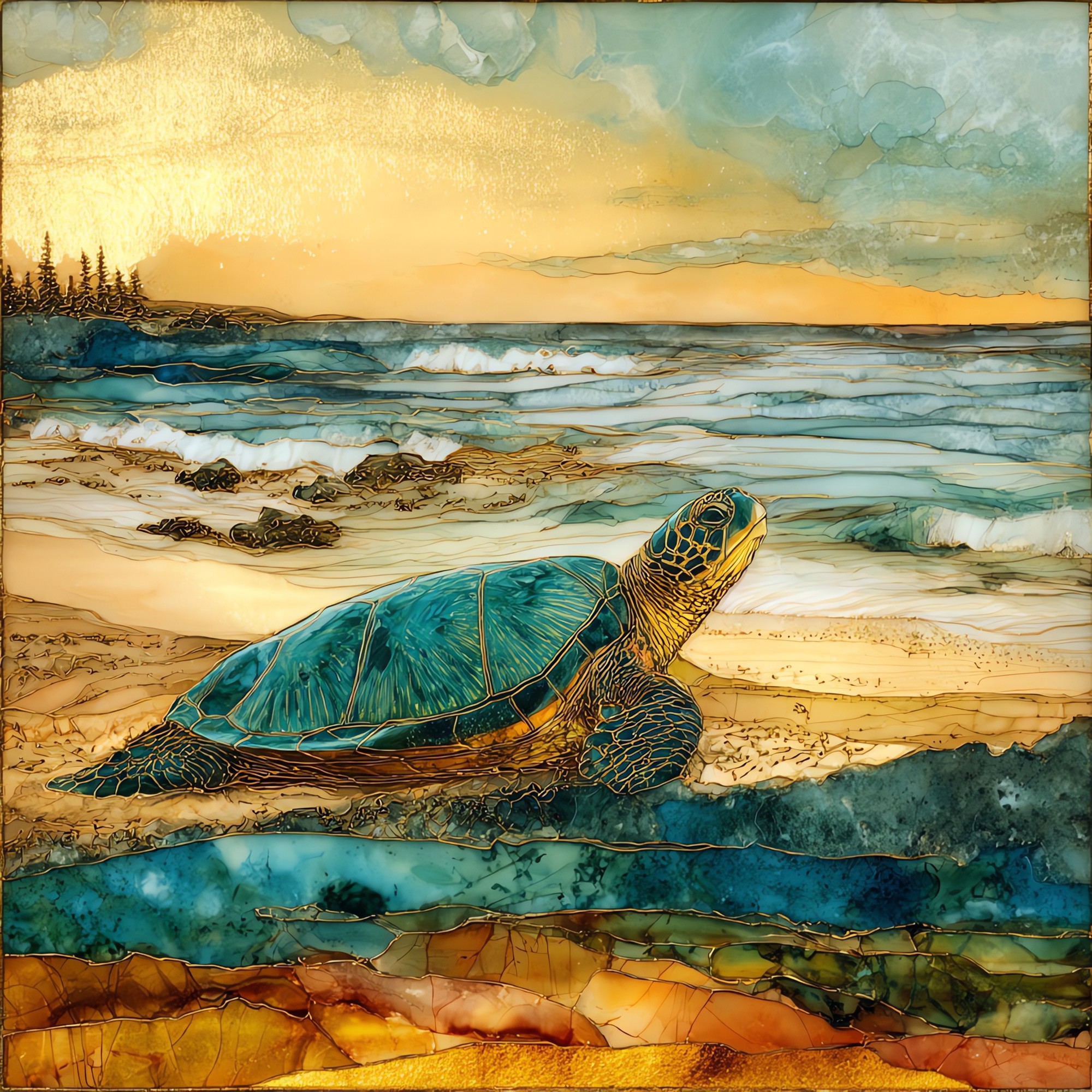
Laniakea Turtle Beach Oahu Ceramic Art Tile
— where the honu come ashore to rest.
Not only on a wall.
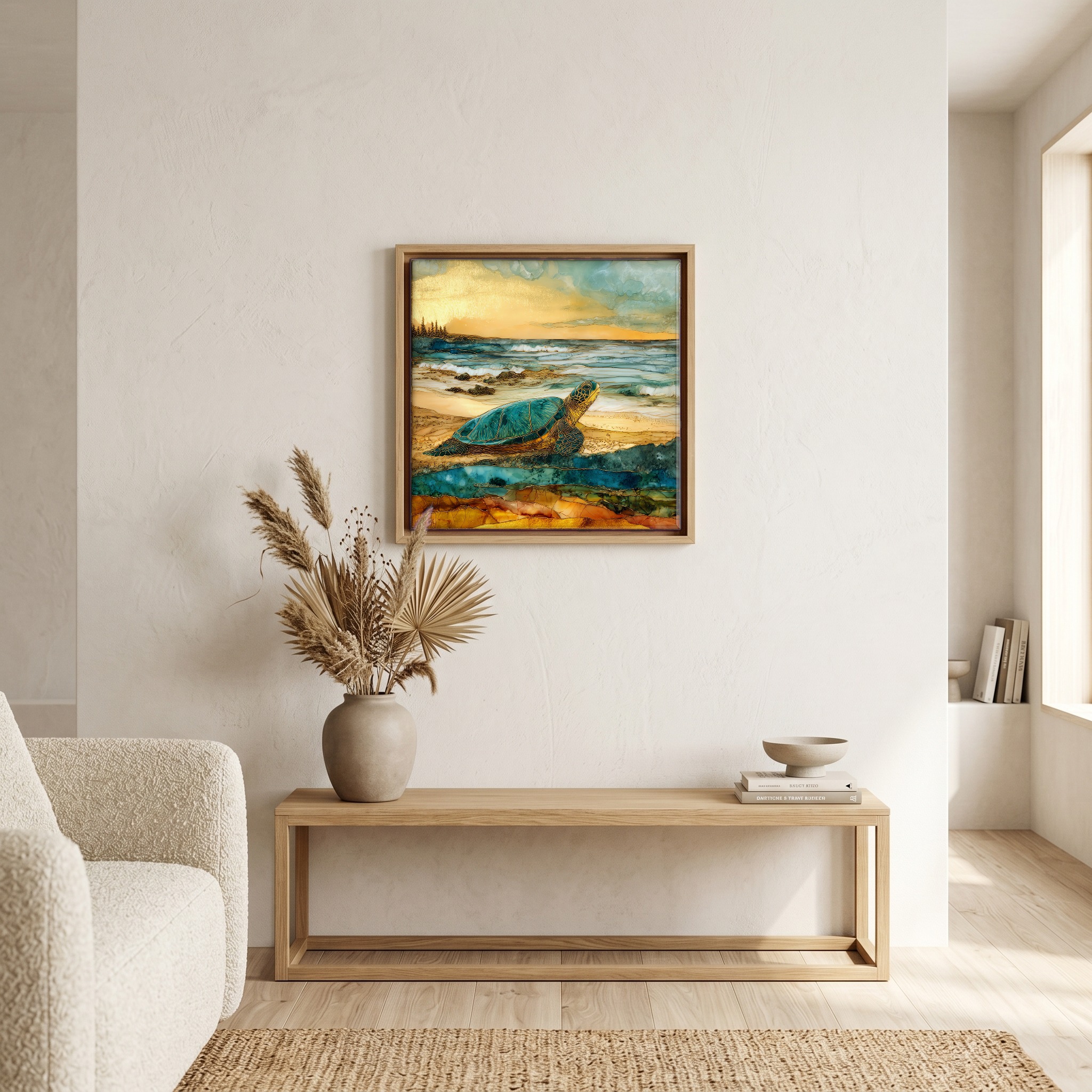
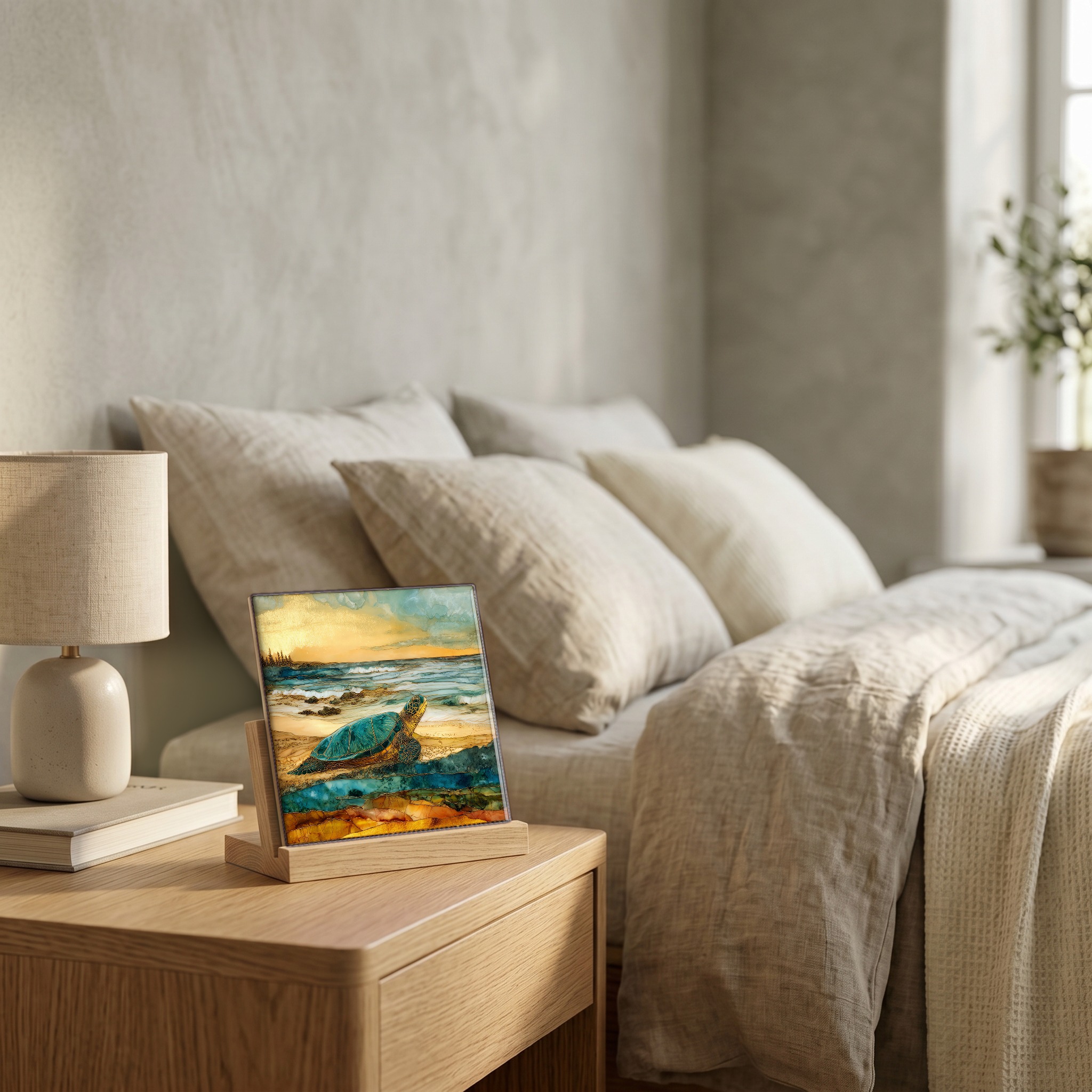
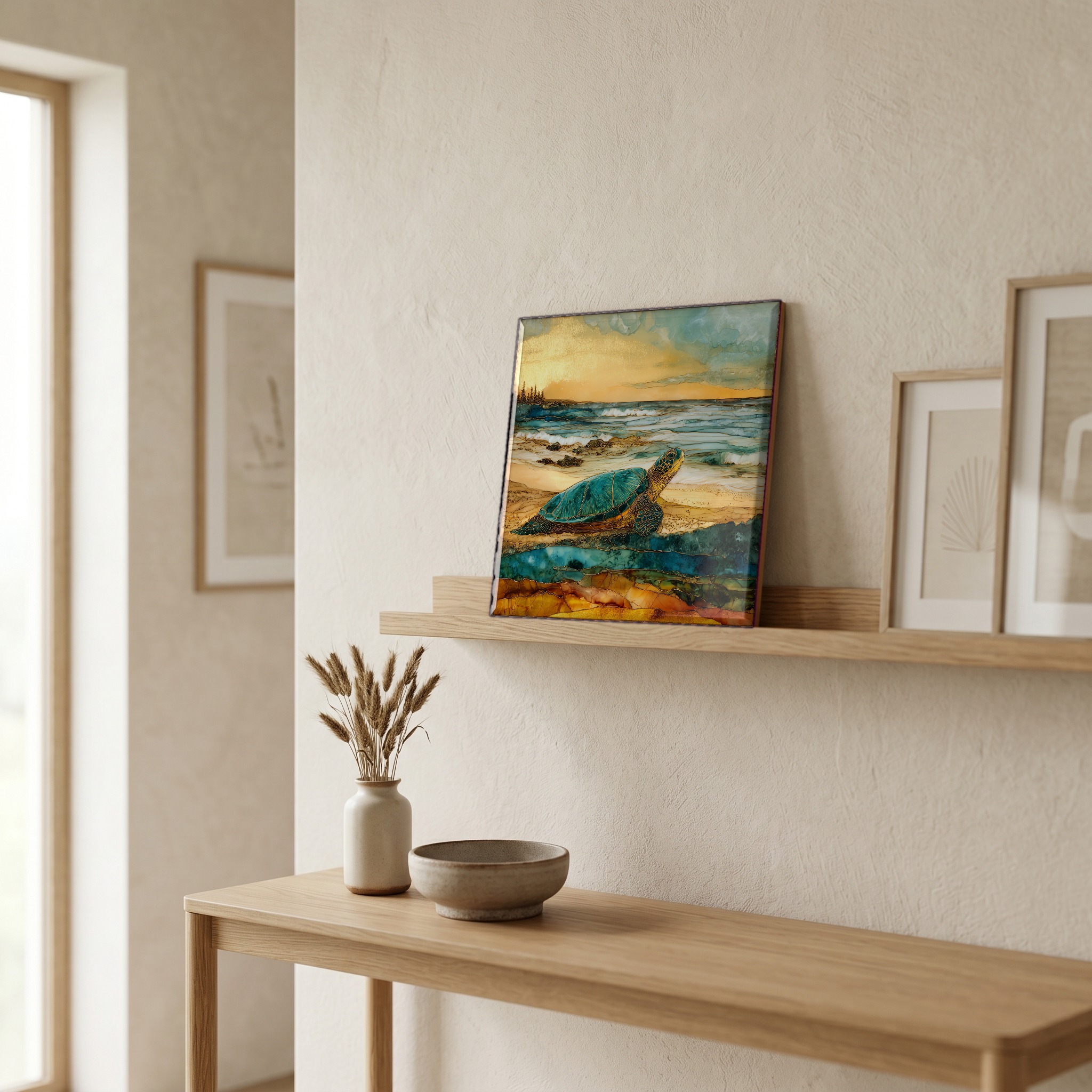
“A stretch of reef and sand on Oahu's North Shore, a few miles up the coast from Haleiwa town. The Hawaiian green sea turtles, honu, graze the limu close in and come ashore through the afternoon to bask in the sun, regulating their body temperature on the warm sand. Volunteers from Mālama na Honu mark a quiet ten-foot perimeter around each one. In winter the swell stacks up on the same reef and brings the surfers. In summer the water lays down and the honu have it. The road is busy; the beach is patient.
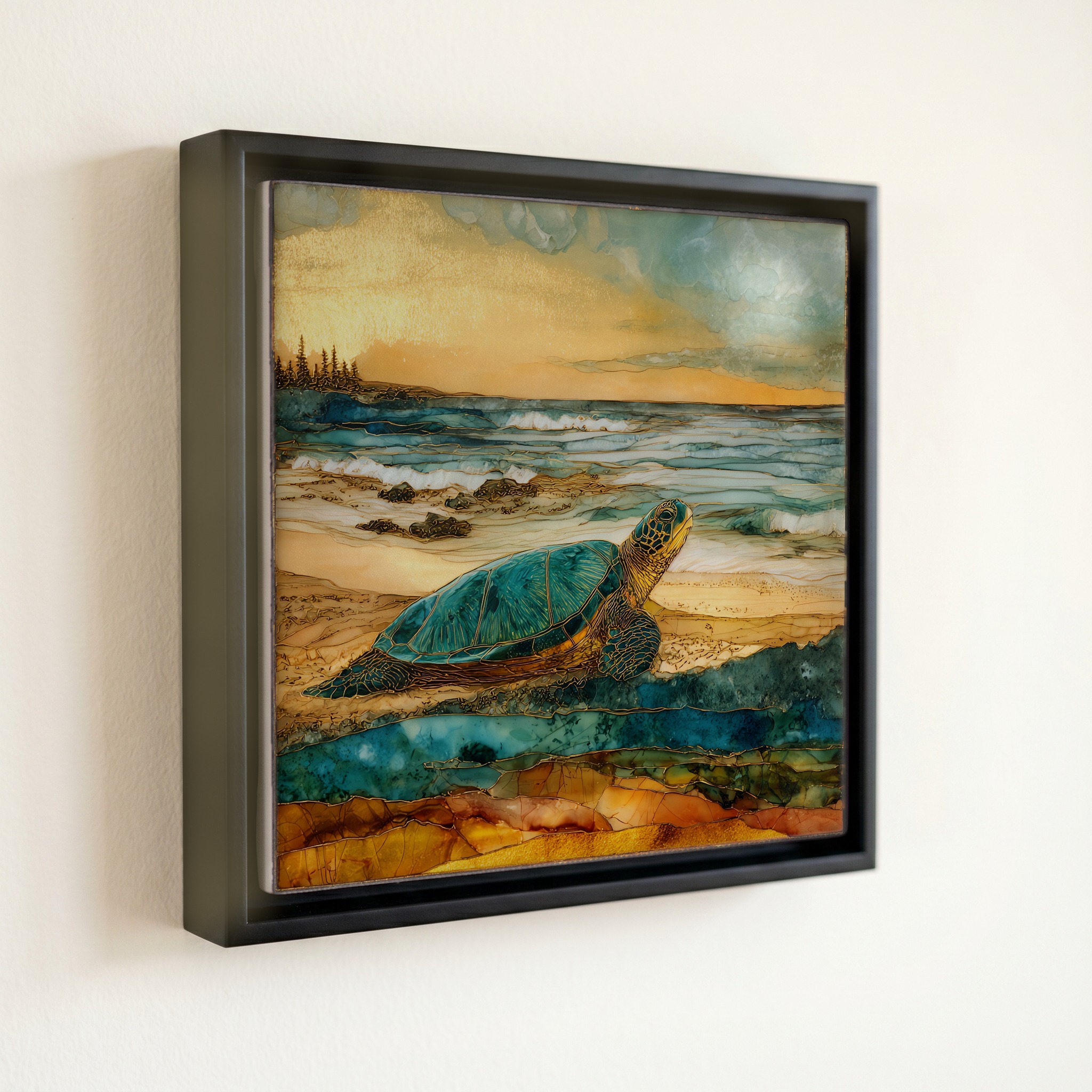
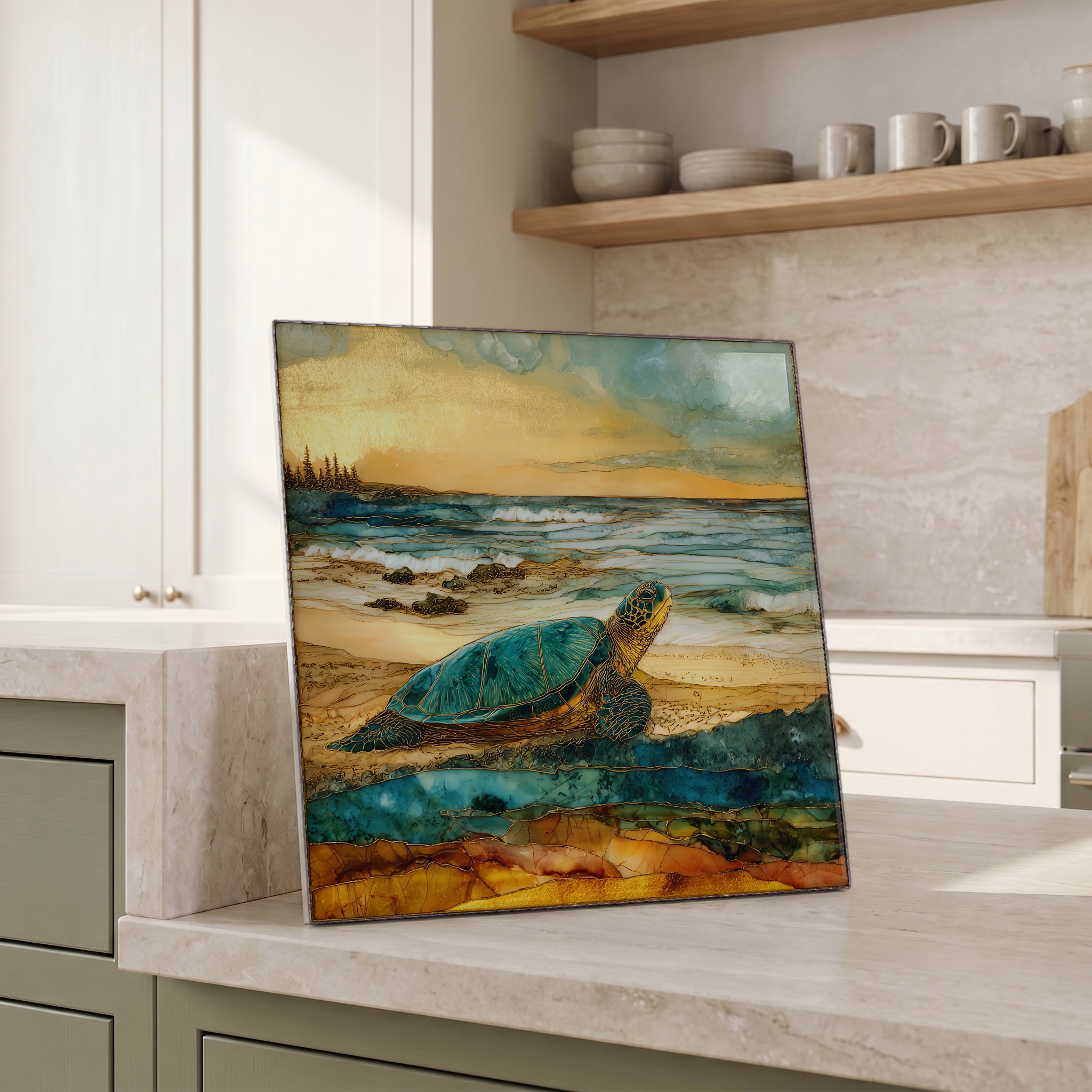
Laniakea Turtle Beach Oahu Ceramic Art Tile, on ceramic.
Each tile is finished by hand in our Knoxville studio. Artwork is slowly infused into the ceramic surface under high heat and pressure, and rests beneath a thin glossy finish. The colour lives in the surface, not on top of it.
Pick any four 4-inch tiles — National Parks you've been to, a Smokies set, the four seasons of one place. $ for a set of , cork-backed, ready to live on the table.
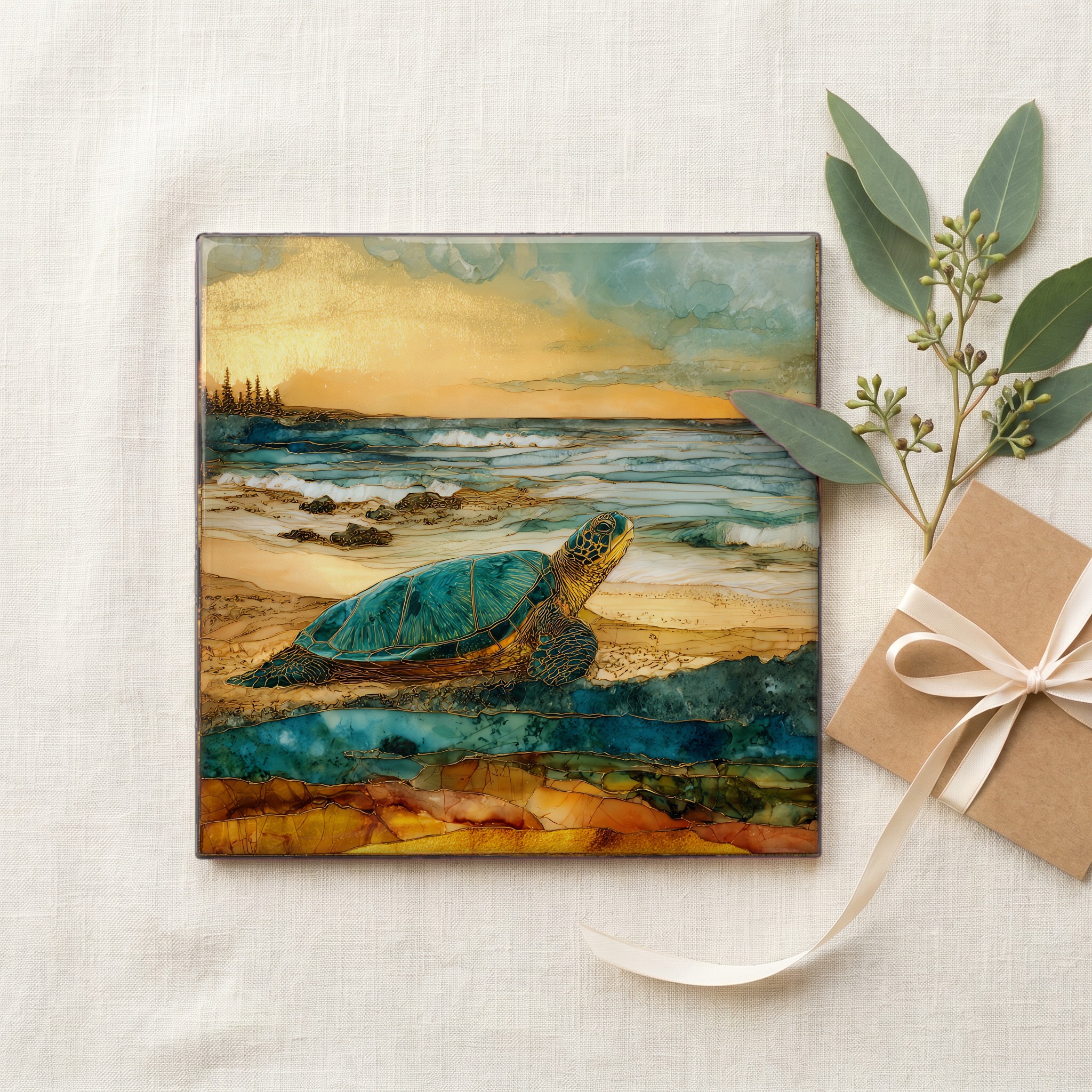
Each tile ships in a kraft box, tied with cream ribbon, with a handwritten note from the studio if you'd like to add one.
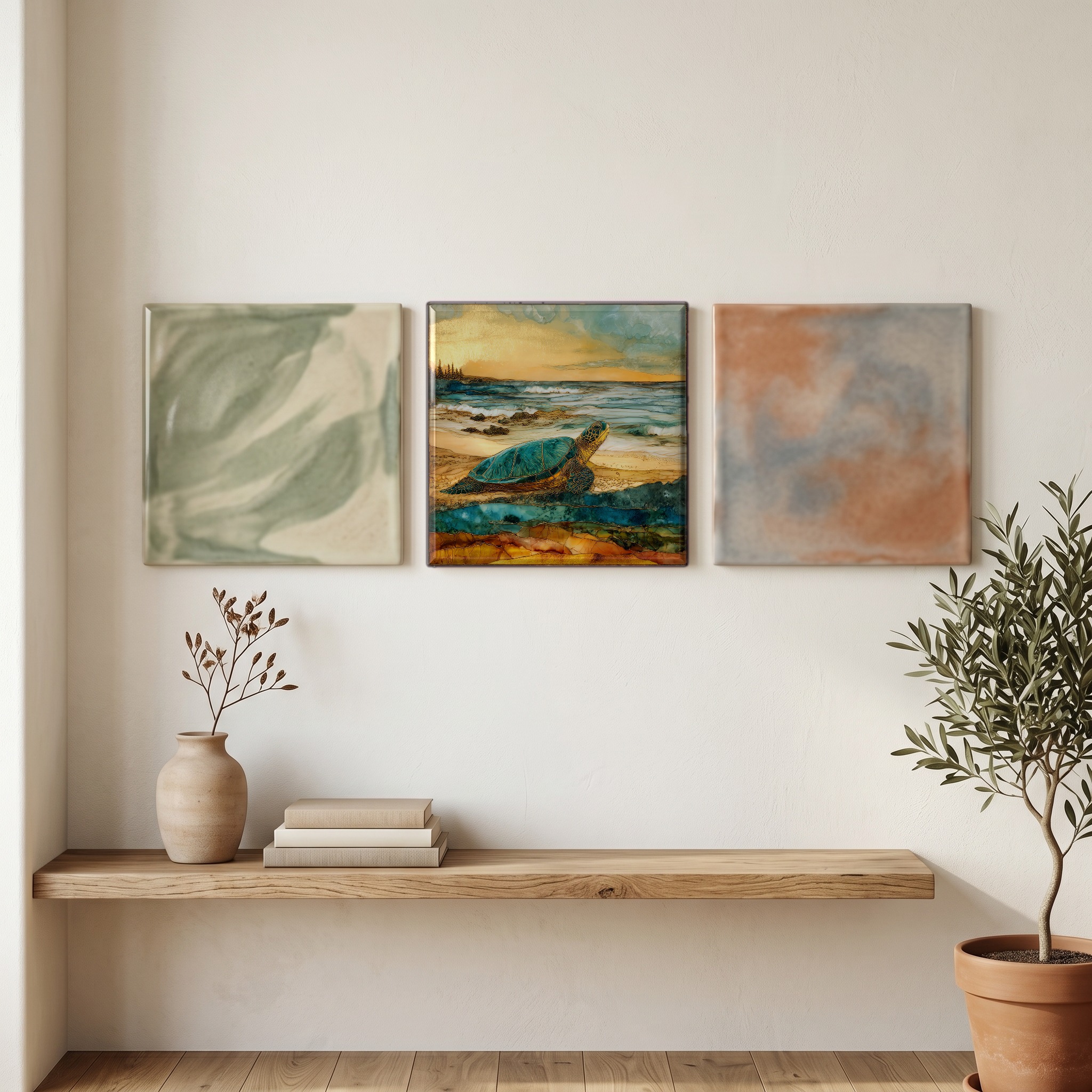
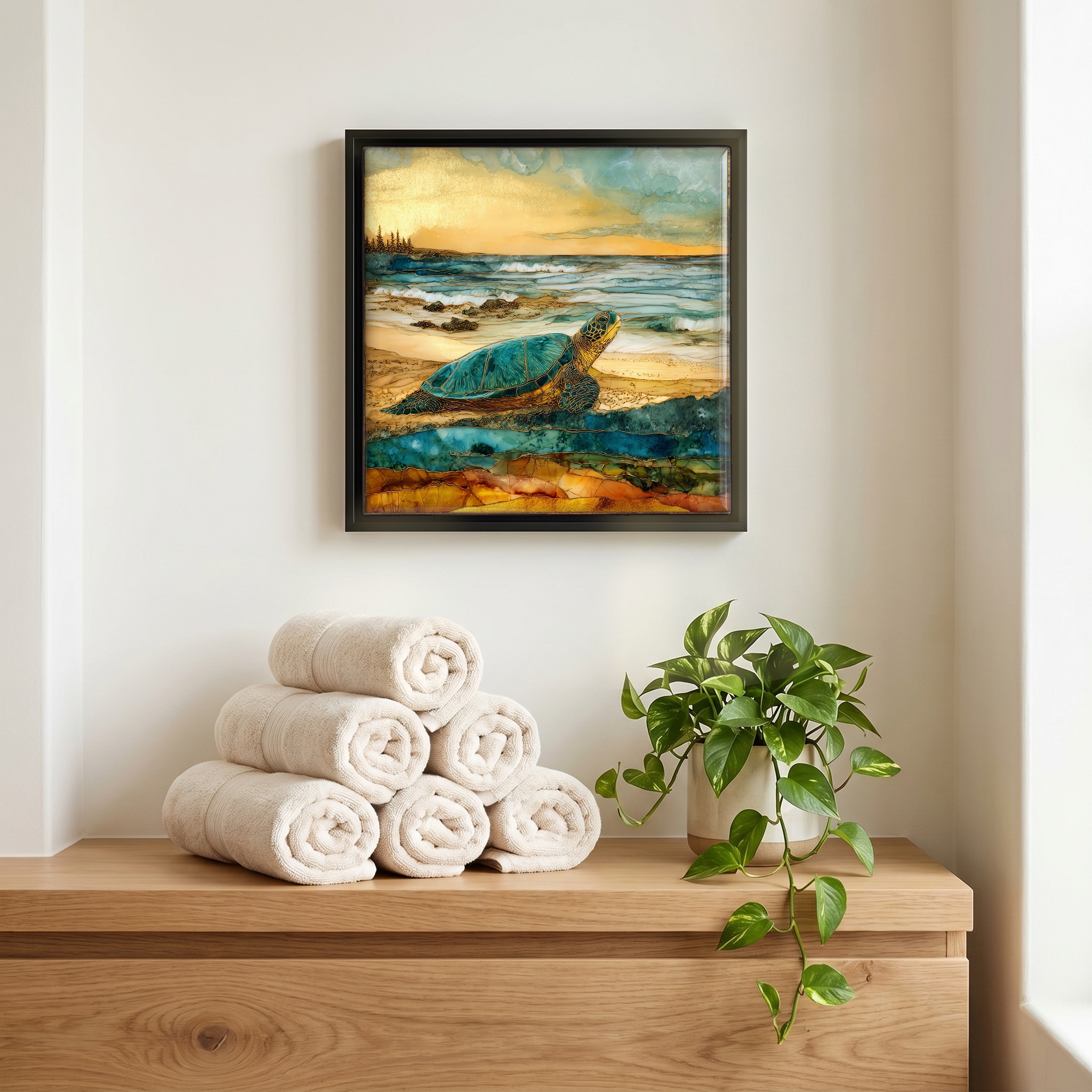
Three or five different vistas, hung together — a chapter of places you've been, or want to go.
The place, in three passes.
Laniakea Beach sits on the North Shore of Oahu, about four miles up the coast from Haleiwa town along Kamehameha Highway. The name is Hawaiian: lani (sky) and ākea (wide, broad). Locals call it Turtle Beach. The shoreline is a half-mile of pale sand backed by ironwoods, with a fringing reef close in that draws Hawaiian green sea turtles (honu, Chelonia mydas) to graze the limu. The stretch belongs to the long North Shore arc that also includes Waimea Bay, the Banzai Pipeline, and Sunset Beach. Parking is informal, on the makai shoulder of the highway, and the crossing is unmarked. Honolulu lies about an hour south by car.
The reef at Laniakea sits close to shore: a shallow shelf of coral and limestone that holds rich growths of limu (algae), the primary food for Hawaiian green sea turtles. Adult honu reach about four feet in shell length and graze for hours before hauling out on the warm sand to rest and raise their core temperature, away from the tiger sharks that hunt the deeper channels. The same reef gives the North Shore its winter surf. When North Pacific storms send swell south, the waves stack up and break in heavy sets just yards offshore. In summer the trade winds settle, the swell lays flat, and the water turns the deep clear blue the local fishermen call the moana nui, the great open sea.
The honu are protected under both the federal Endangered Species Act and Hawaii state law, which makes touching, feeding, or approaching a basking turtle illegal. Volunteers from the non-profit Mālama na Honu maintain a quiet ten-foot perimeter around each turtle that comes ashore, with rope flags and a respectful greeting. There is no entry fee and no official parking lot. Cars line the makai shoulder of Kamehameha Highway, and traffic on the two-lane road can back up half a mile on a calm summer afternoon. Midday on a windless day is the most reliable time to find honu basking on the sand.