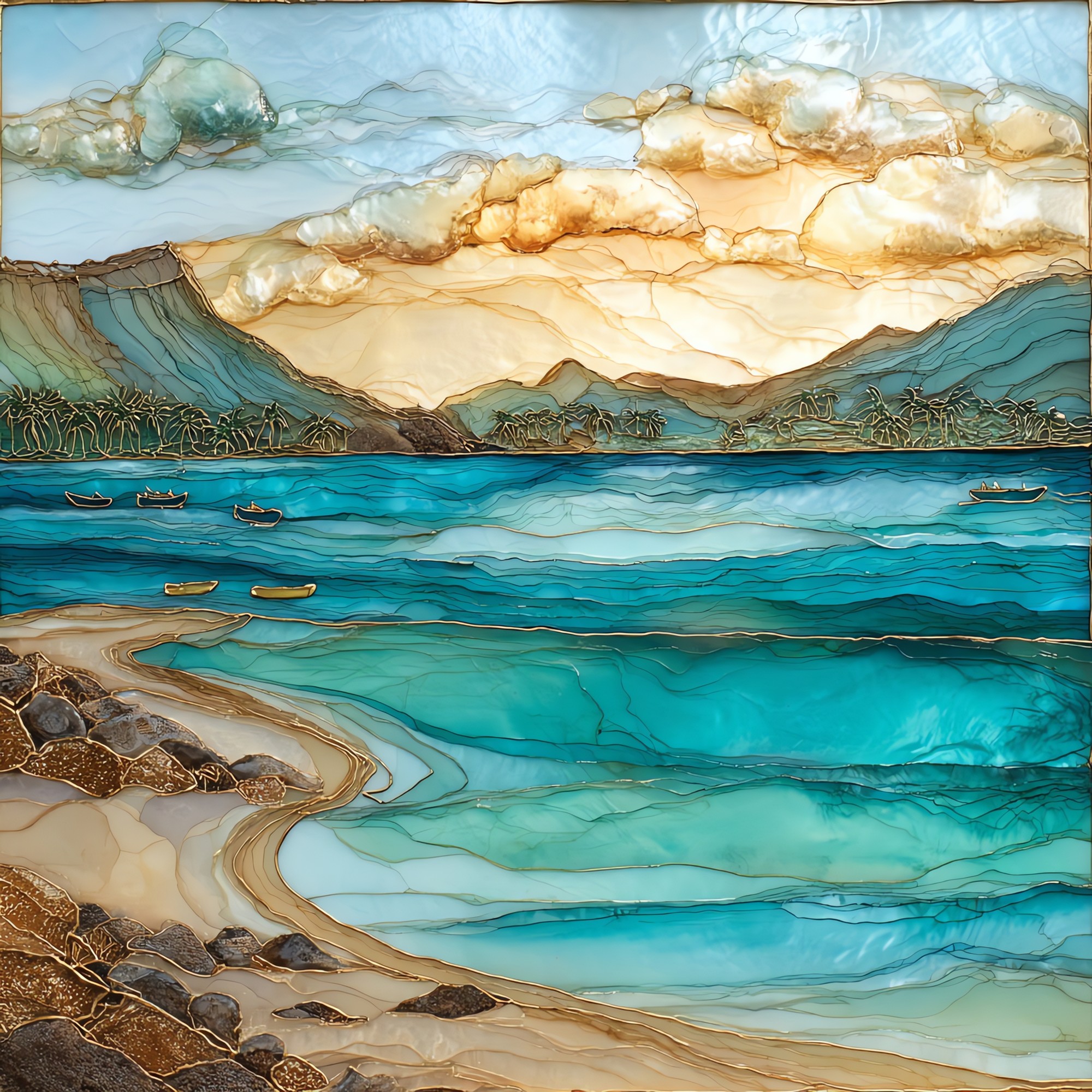
Kailua Beach Oahu Ceramic Art Tile
— the wind that keeps the turquoise moving.
Not only on a wall.
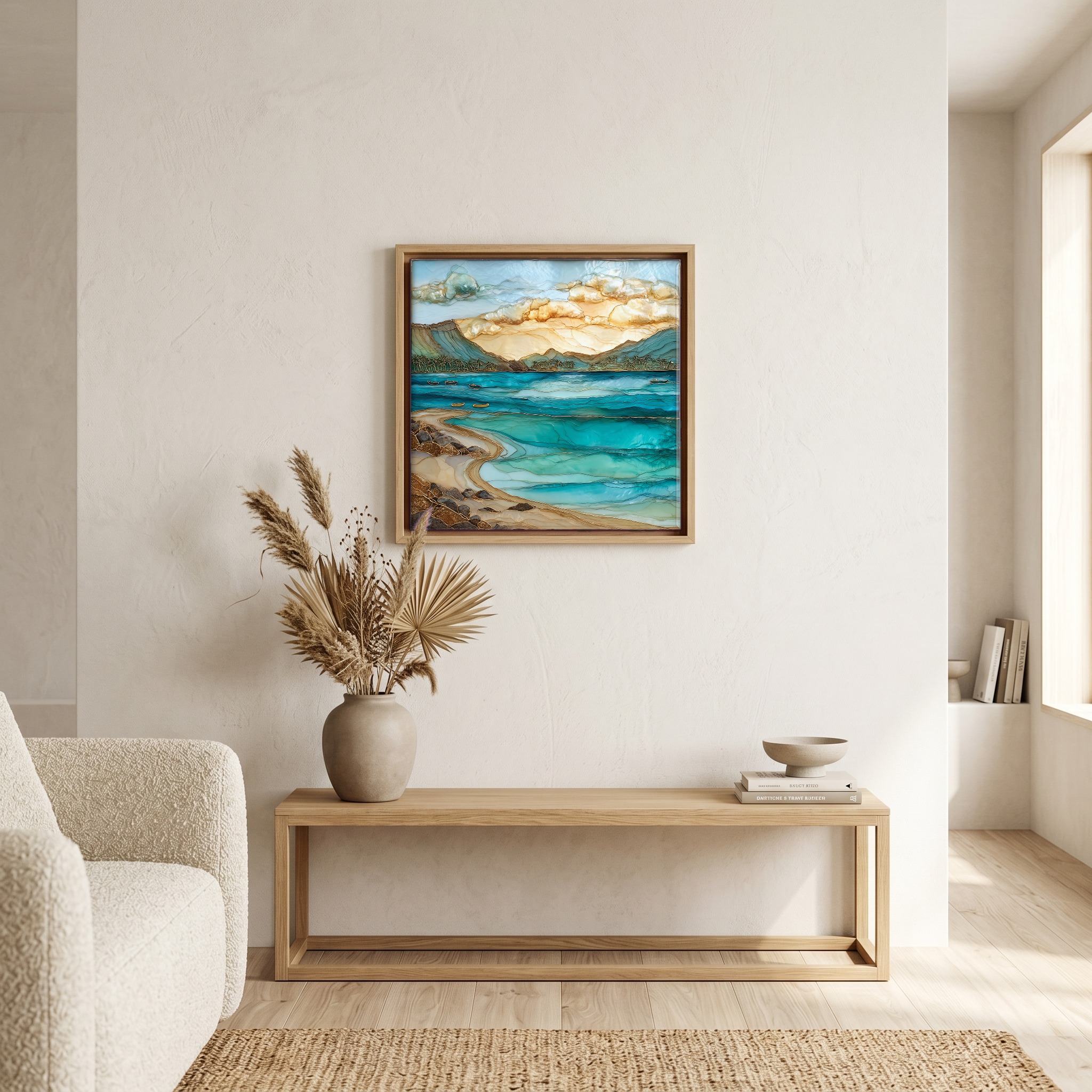
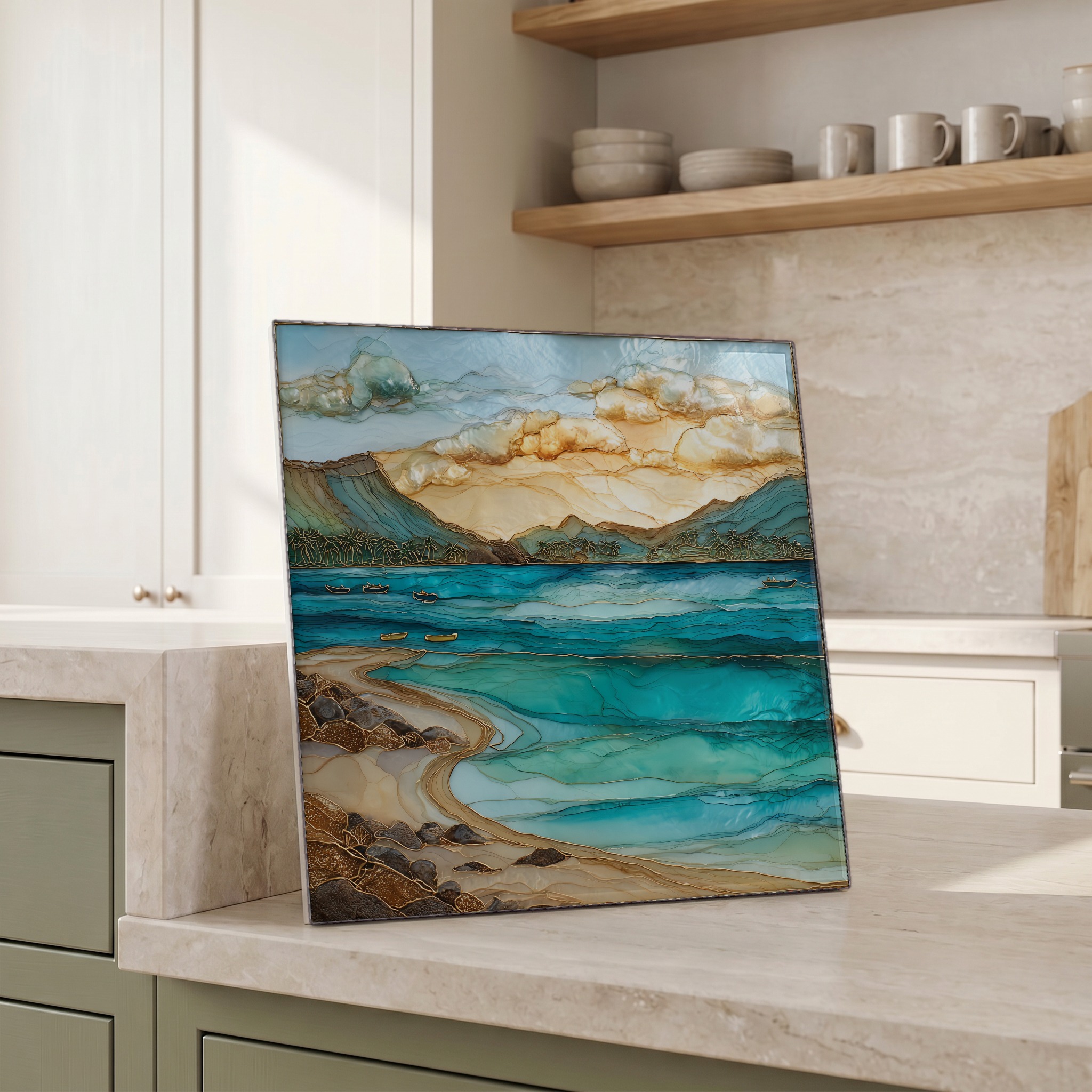
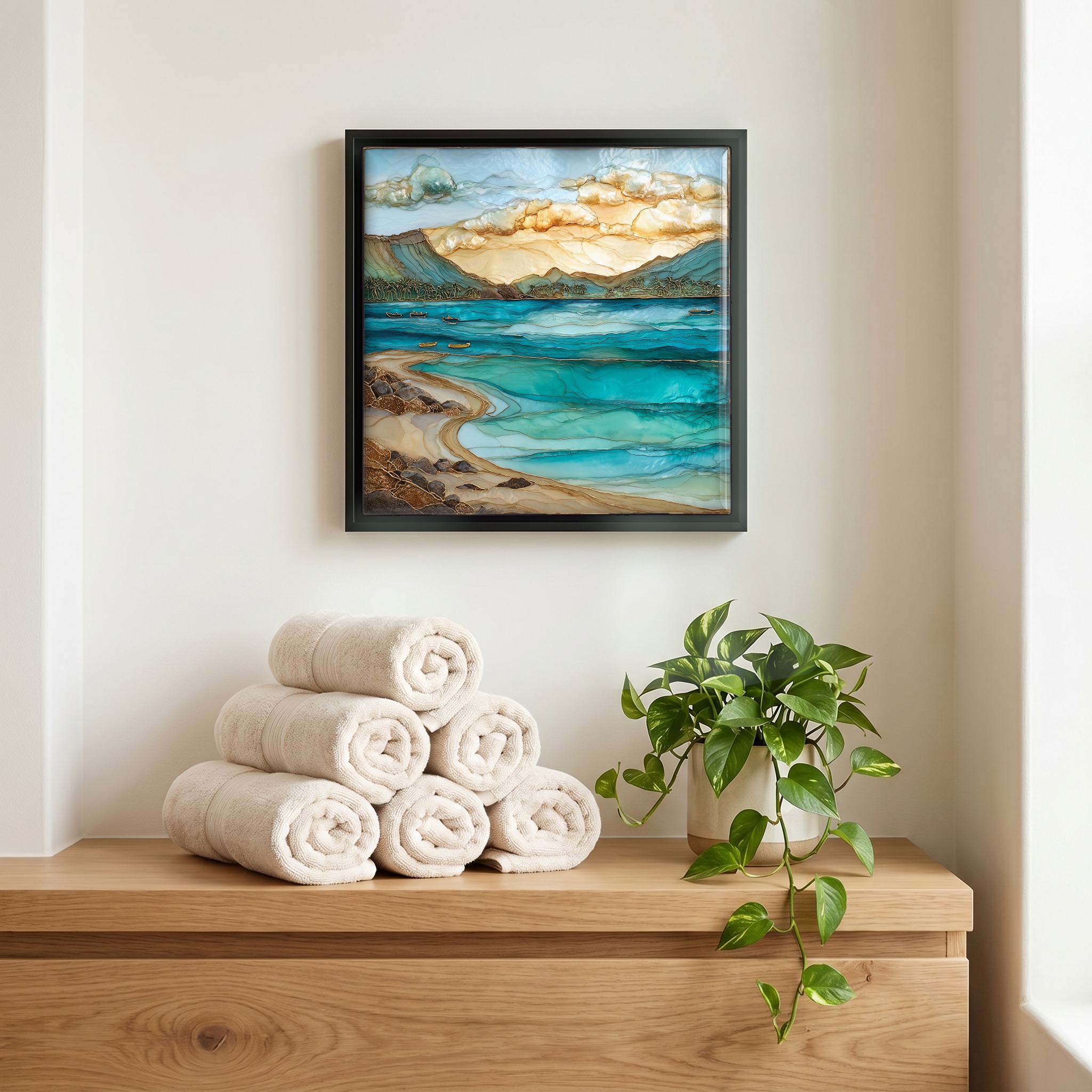
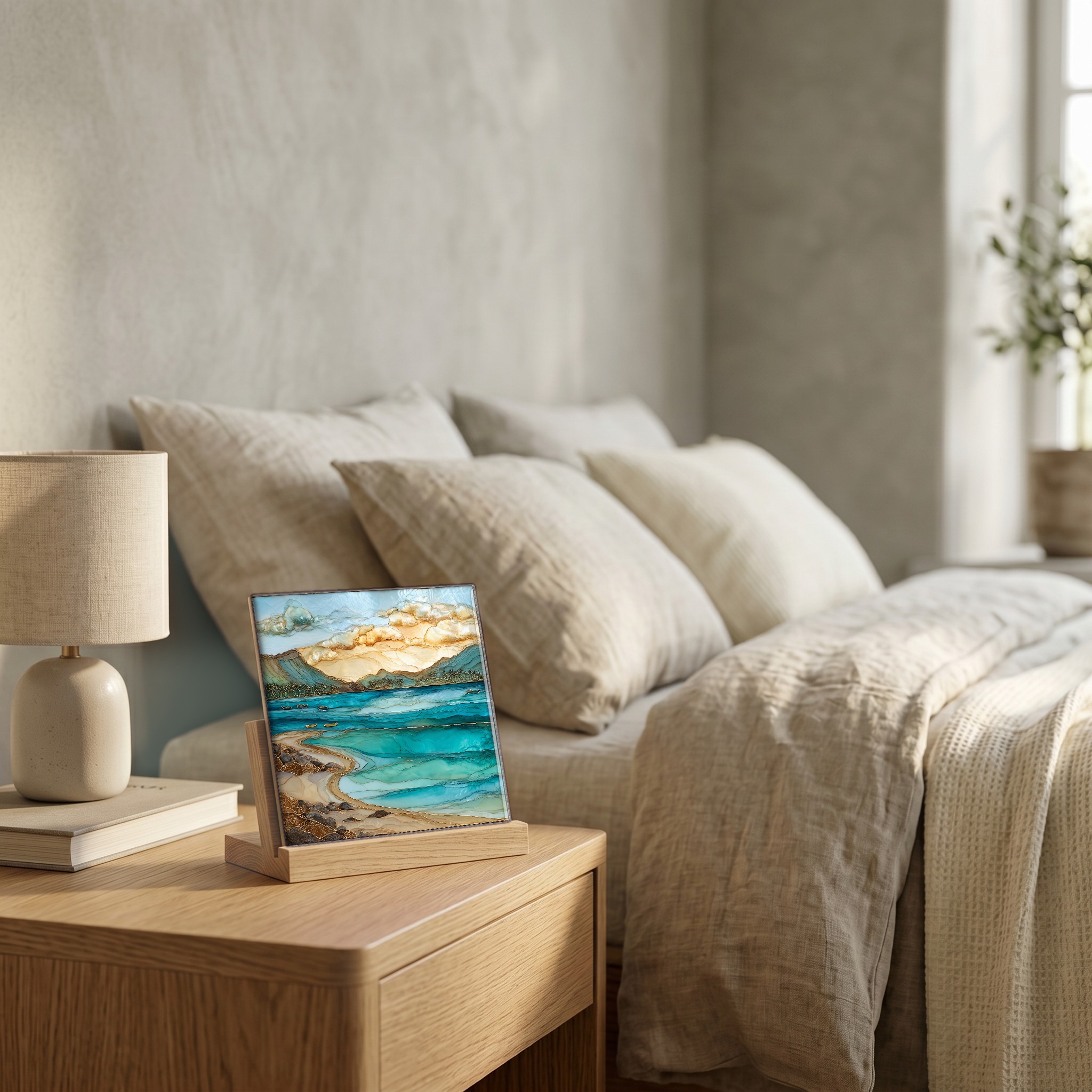
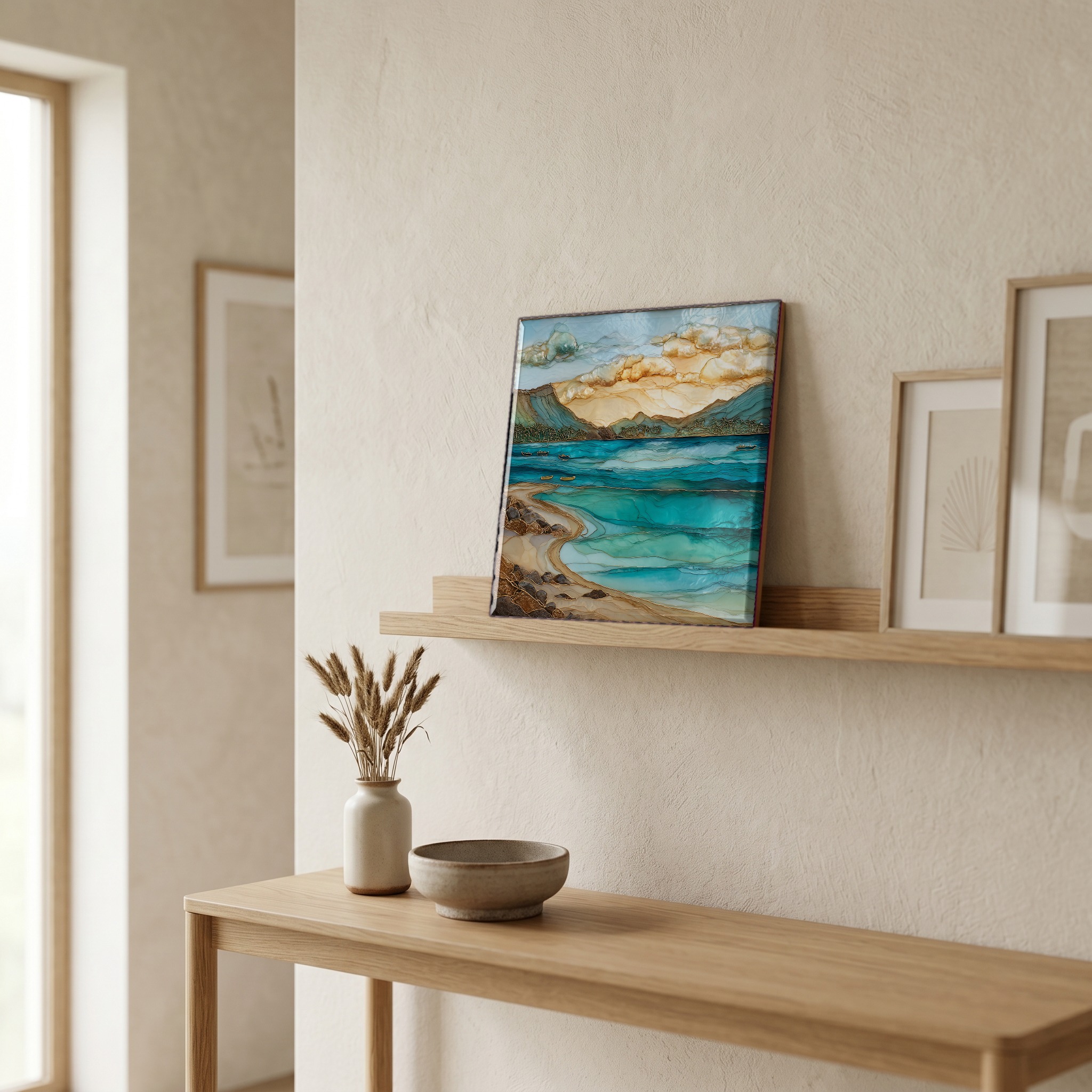
“A two-and-a-half-mile crescent of fine white sand on the windward side of Oahu, the kind of pale that comes from broken coral rather than basalt. The trade wind moves across the bay most days. Two small green islets, the Mokulua, sit a half-mile offshore on a reef that keeps the water shallow and the colour even. Locals call them the Mokes. The town of Kailua sits a quarter-mile back from the sand. No tour buses come down to the beach anymore. The light is the same Pacific light that paints the leeward side of every island in this chain, only here it's met by the wind.
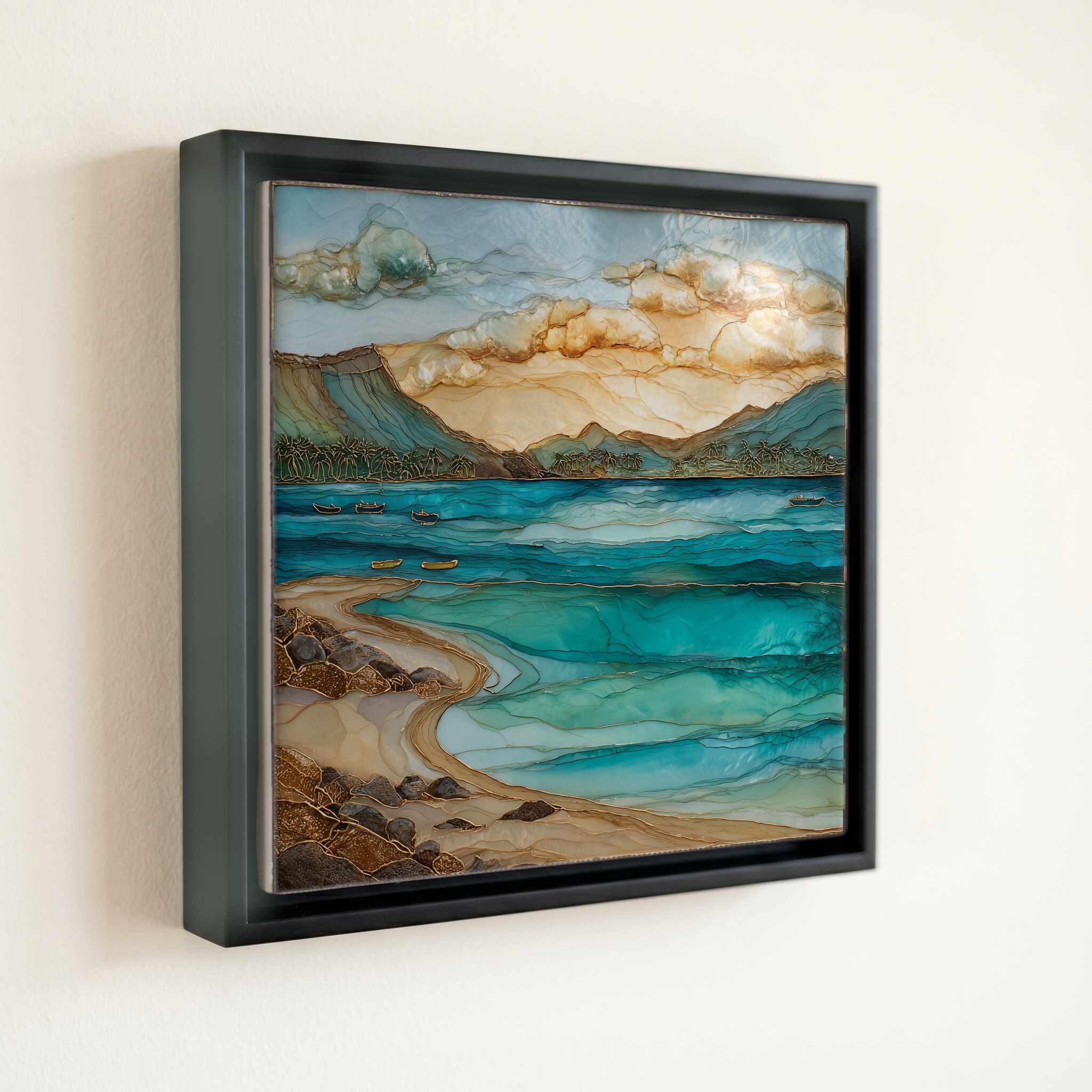
Kailua Beach Oahu Ceramic Art Tile, on ceramic.
Each tile is finished by hand in our Knoxville studio. Artwork is slowly infused into the ceramic surface under high heat and pressure, and rests beneath a thin glossy finish. The colour lives in the surface, not on top of it.
Pick any four 4-inch tiles — National Parks you've been to, a Smokies set, the four seasons of one place. $ for a set of , cork-backed, ready to live on the table.
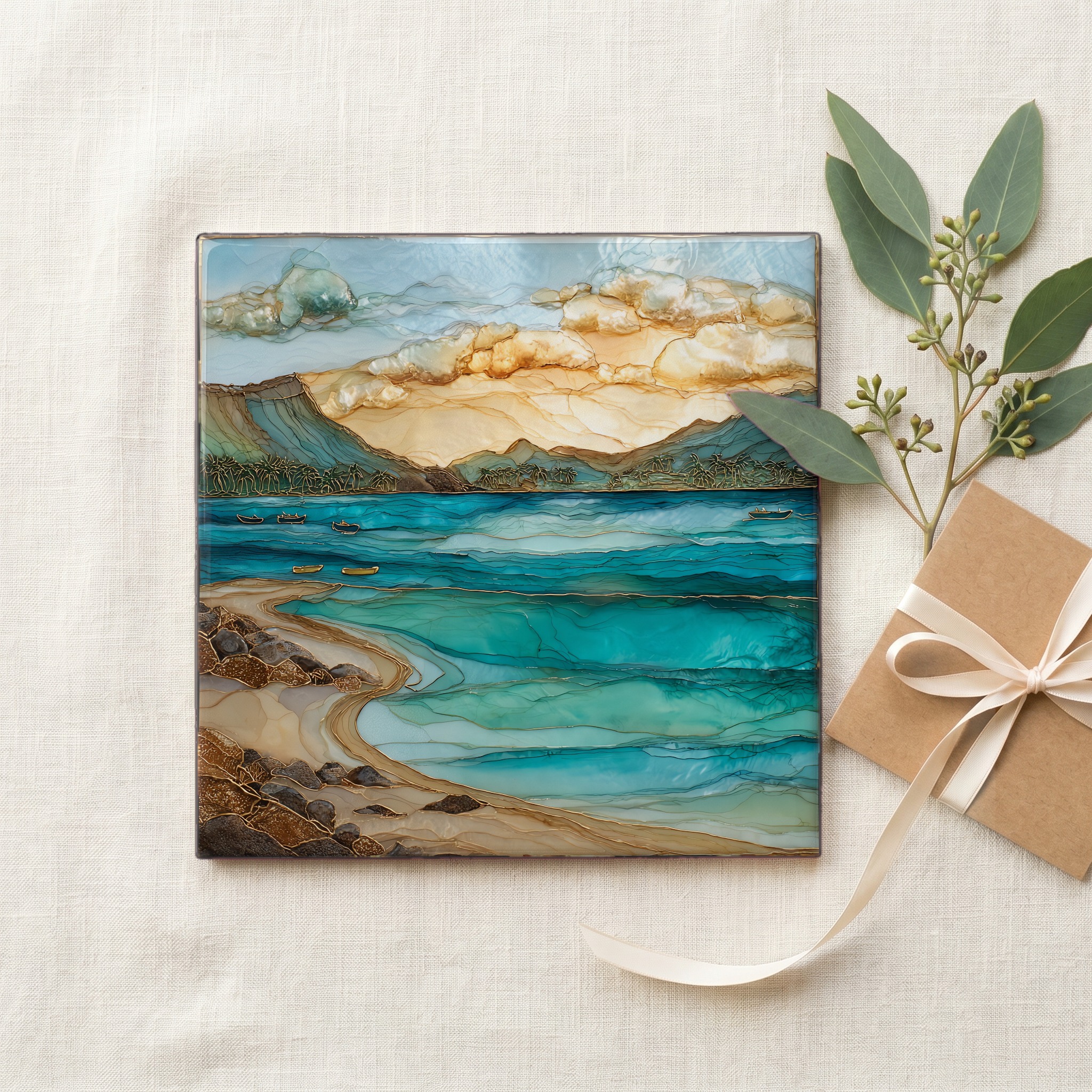
Each tile ships in a kraft box, tied with cream ribbon, with a handwritten note from the studio if you'd like to add one.
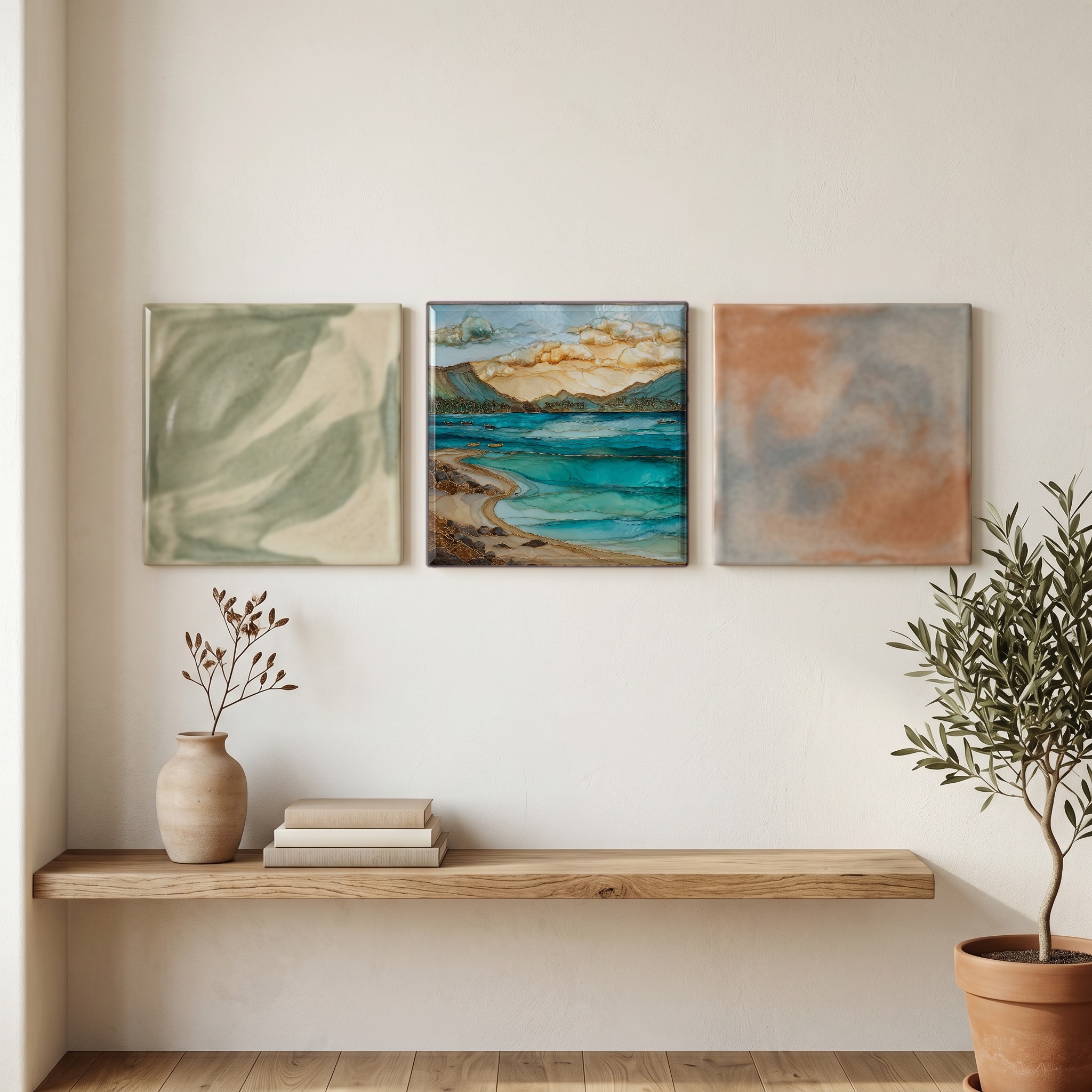
Three or five different vistas, hung together — a chapter of places you've been, or want to go.
The place, in three passes.
Kailua Beach sits on the windward coast of Oahu in Honolulu County, about 12 miles northeast of downtown Honolulu across the Ko'olau Range. The drive crosses through the Pali tunnels and descends into the town of Kailua, a residential community of about 40,000 that grew up a quarter-mile back from the sand. The beach itself is a 2.5-mile crescent of soft white coral sand fronting Kailua Bay, with the smaller Lanikai Beach continuing south past Alala Point. Kailua Beach Park, at the southern end, has restrooms, showers, picnic pavilions, and a lifeguard tower, all maintained by the City and County of Honolulu. The beach faces northeast into the trade winds and Pacific swell.
The bay's even turquoise comes from a combination of fine white coral sand and a fringing reef that keeps most of Kailua Bay between four and ten feet deep close to shore. Sunlight passes through shallow water onto the pale bottom and back through clean Pacific water, producing the same family of greens and blues that draws visitors to the leeward sides of Maui and Lanai. The Mokulua Islands, half a mile off Lanikai Point, are a Hawaii State Seabird Sanctuary administered by the Department of Land and Natural Resources; landing is restricted to the small permitted beach on Moku Nui. The water reads cleaner here than at Waikiki because there's no rivermouth or commercial harbour.
Kailua sits on the windward coast and receives the prevailing northeast trade winds most days of the year, typically between ten and twenty knots in summer. The reliable breeze made the bay one of the early American homes of windsurfing in the 1970s and 80s. Robby Naish grew up sailing here, and the bay still draws sailors and kiteboarders through the summer trade season. The same wind makes the water surface look animated rather than glassy in most photographs of the place, which is part of why the colour reads the way it does. The trade flow drops in the fall when Kona winds bring rain from the southwest, but the windward face of the Ko'olau holds the wet weather close to the mountains for most of the year.