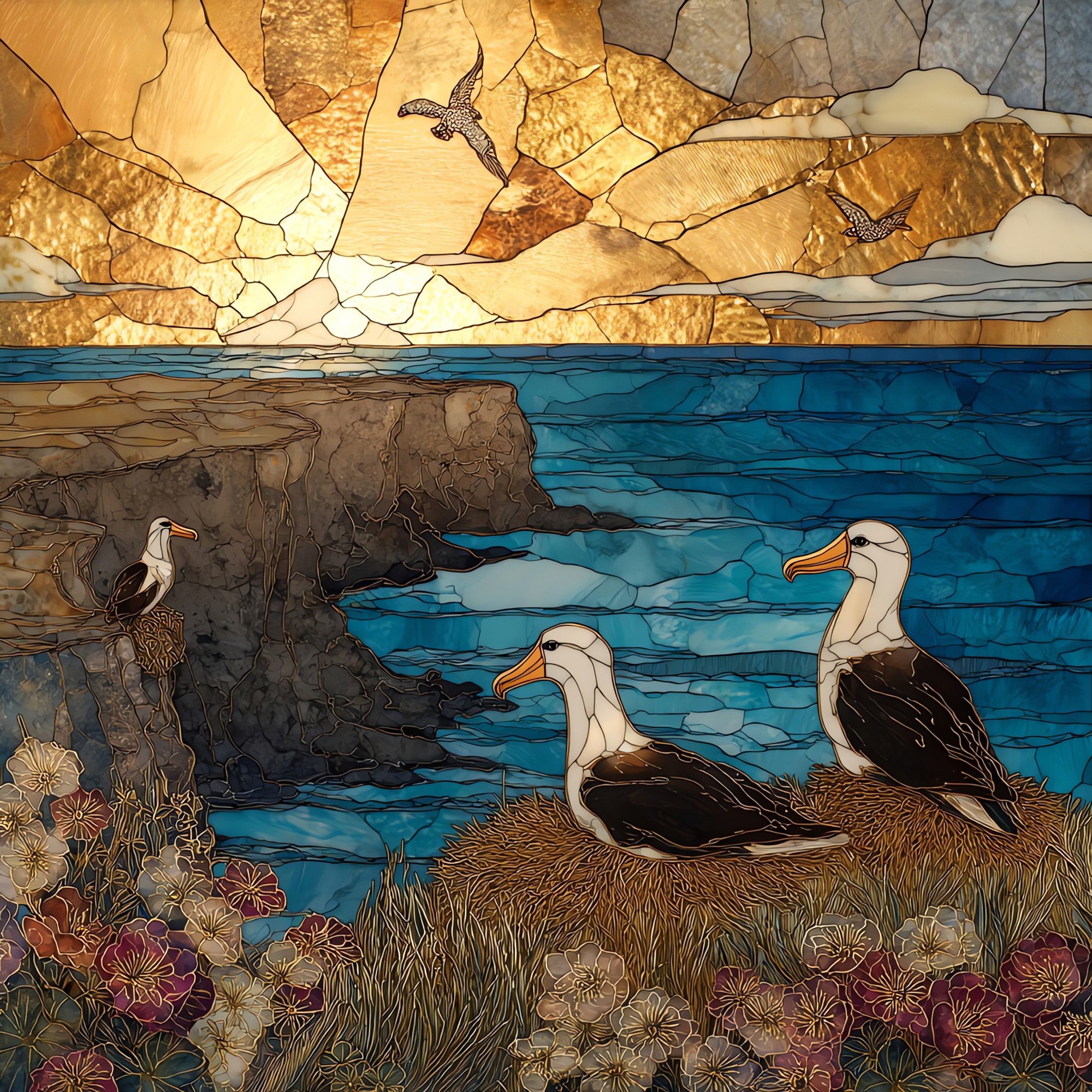
Kaena Point Oahu Ceramic Art Tile
— — where the road runs out, and the wind keeps going.
Not only on a wall.
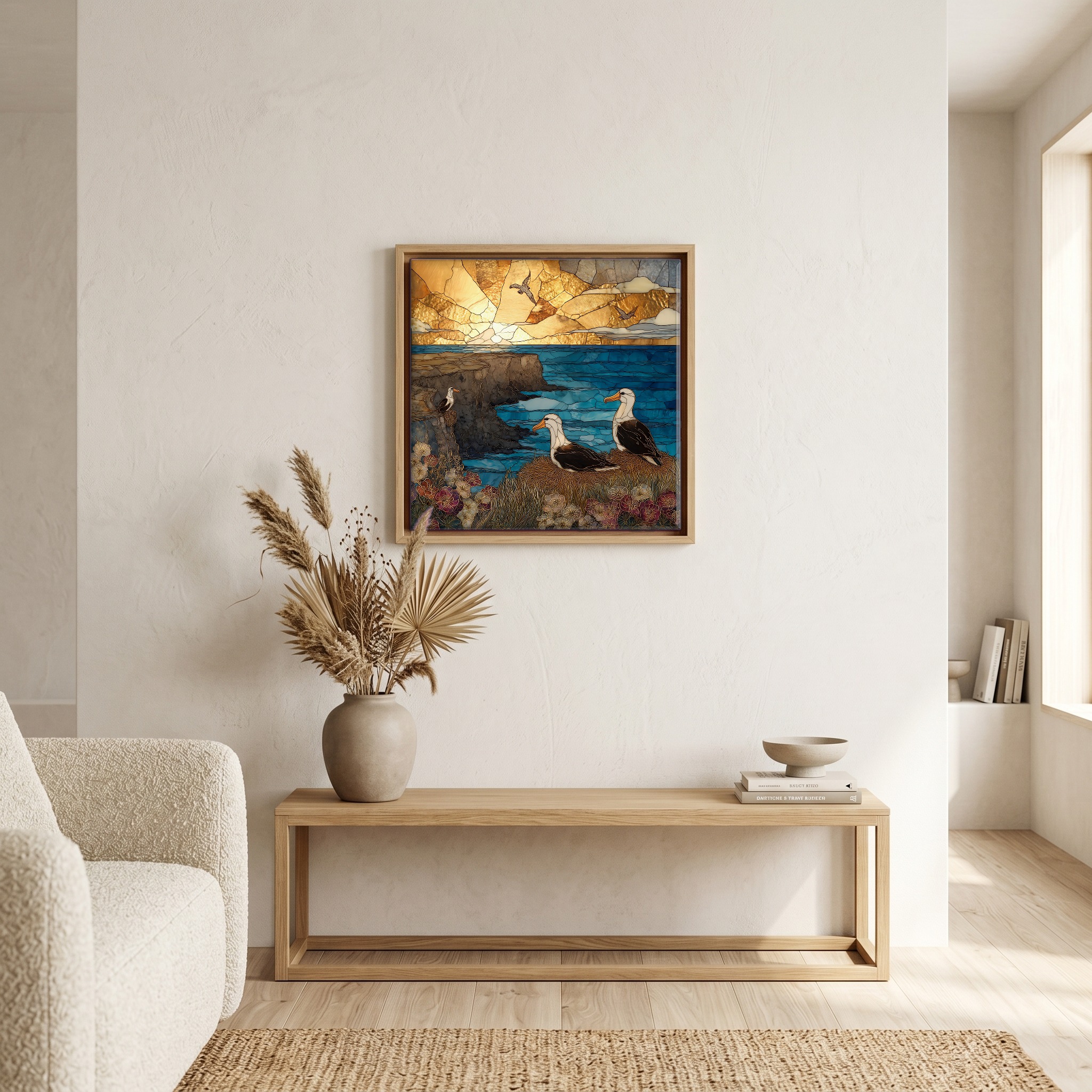
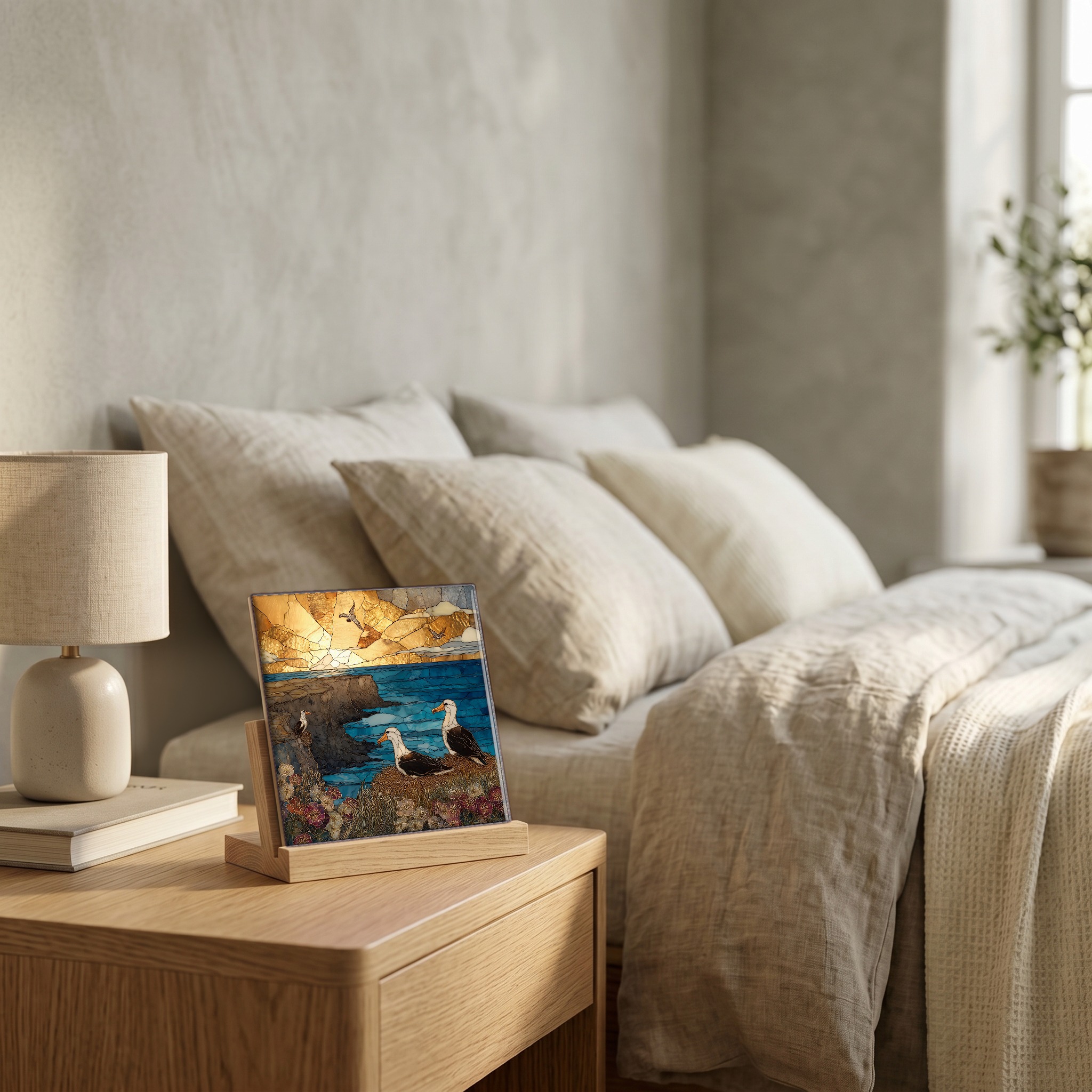
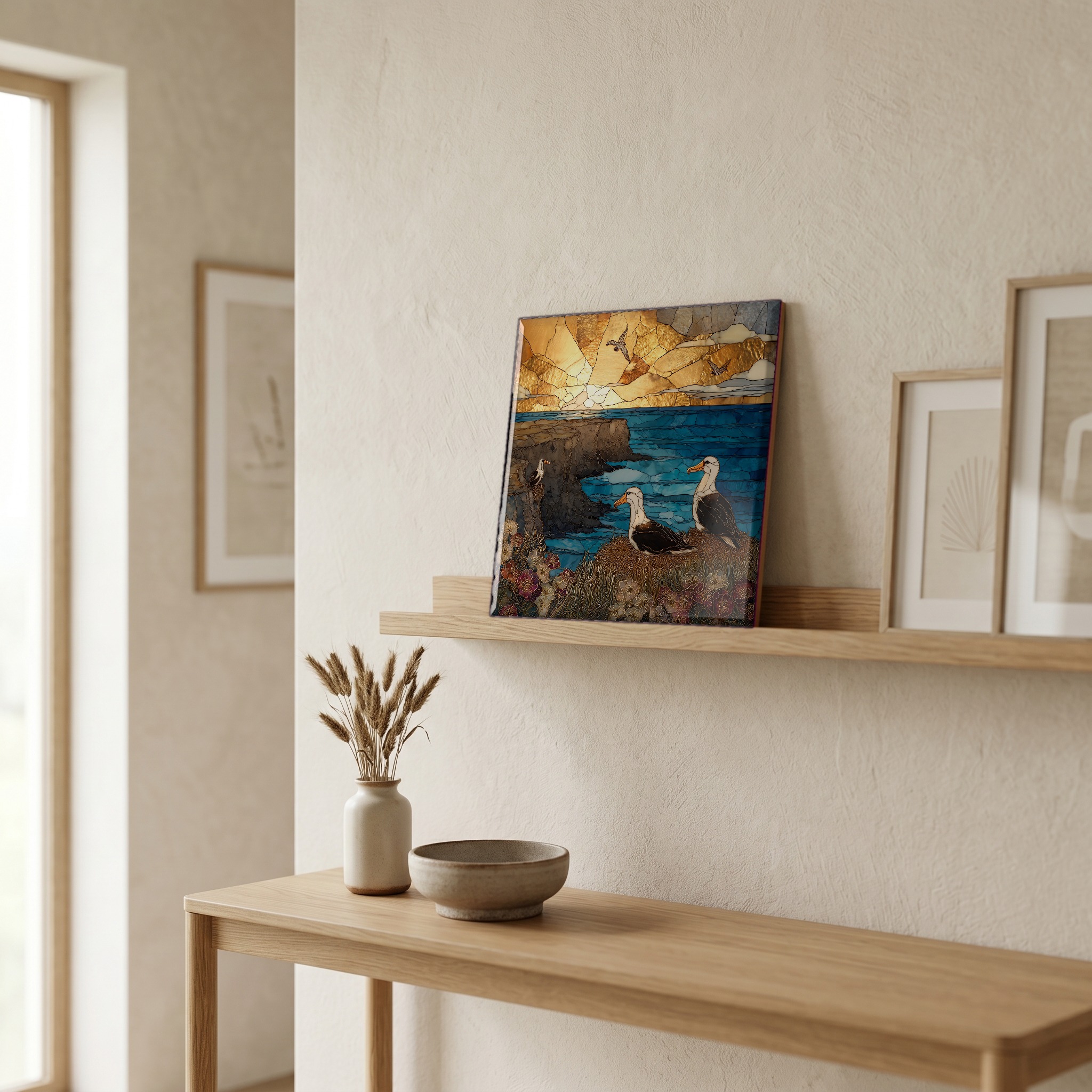
“The westernmost tip of Oʻahu. Two dirt tracks meet at a basalt point where the road, on either side, finally ends. Pale dunes hold the headland, the wind is constant, and from late autumn through summer Laysan albatrosses return to nest behind a long stainless-steel fence built in 2011 to keep rats and mongoose out. Hawaiian monk seals haul out on the sand below. In old Hawaiian tradition this is leina a ka ʻuhane: the place from which souls leap into the sea. The road runs out. The island doesn't.
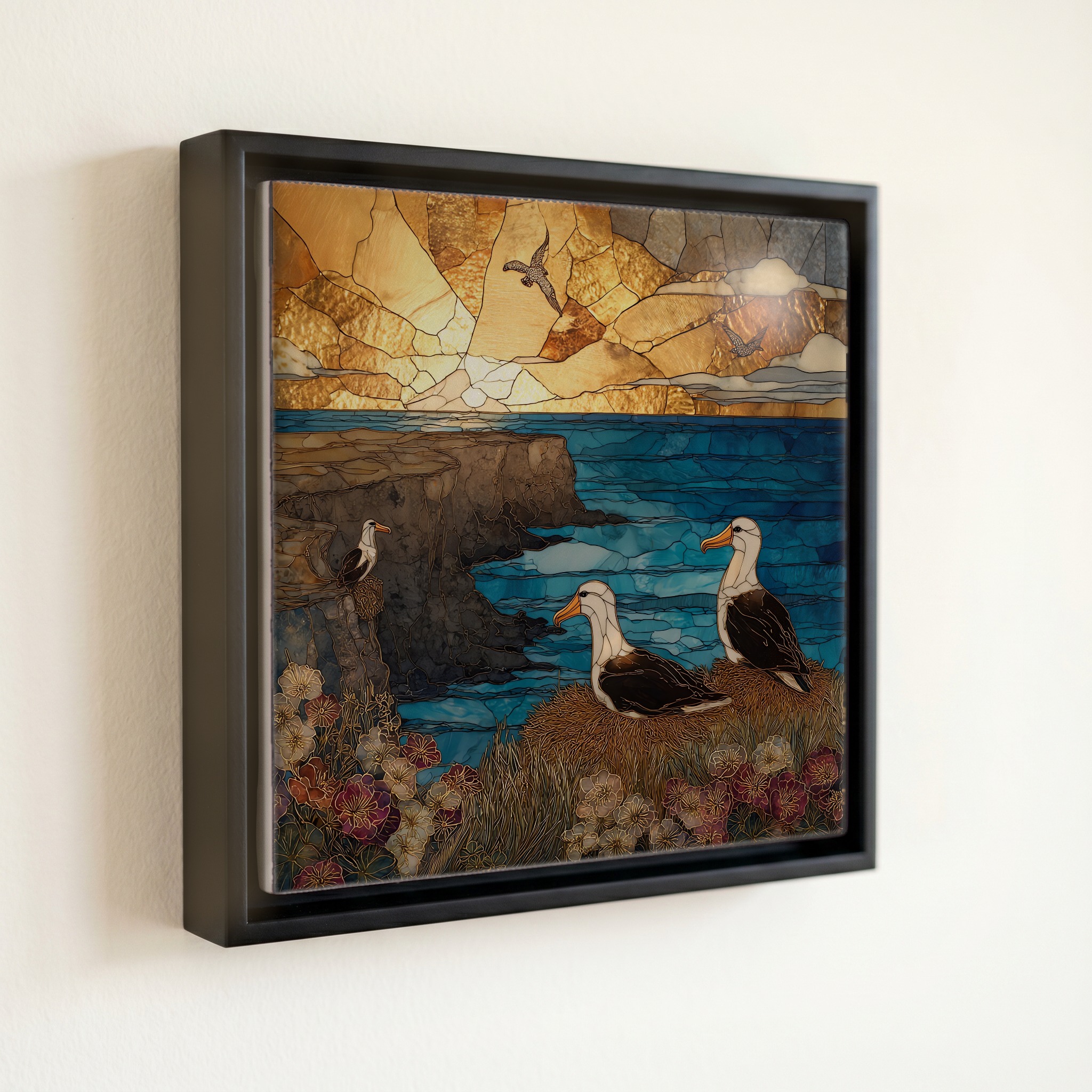
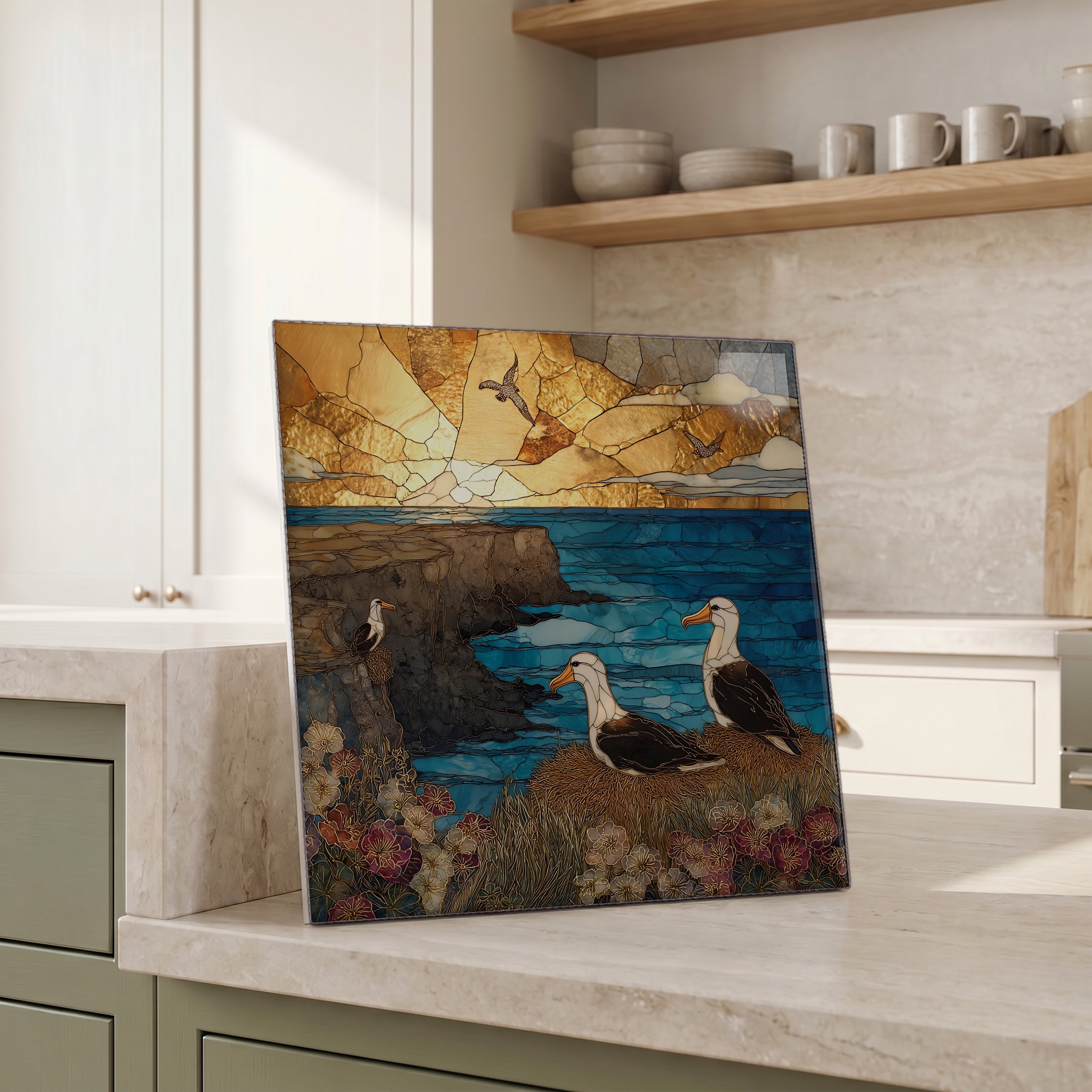
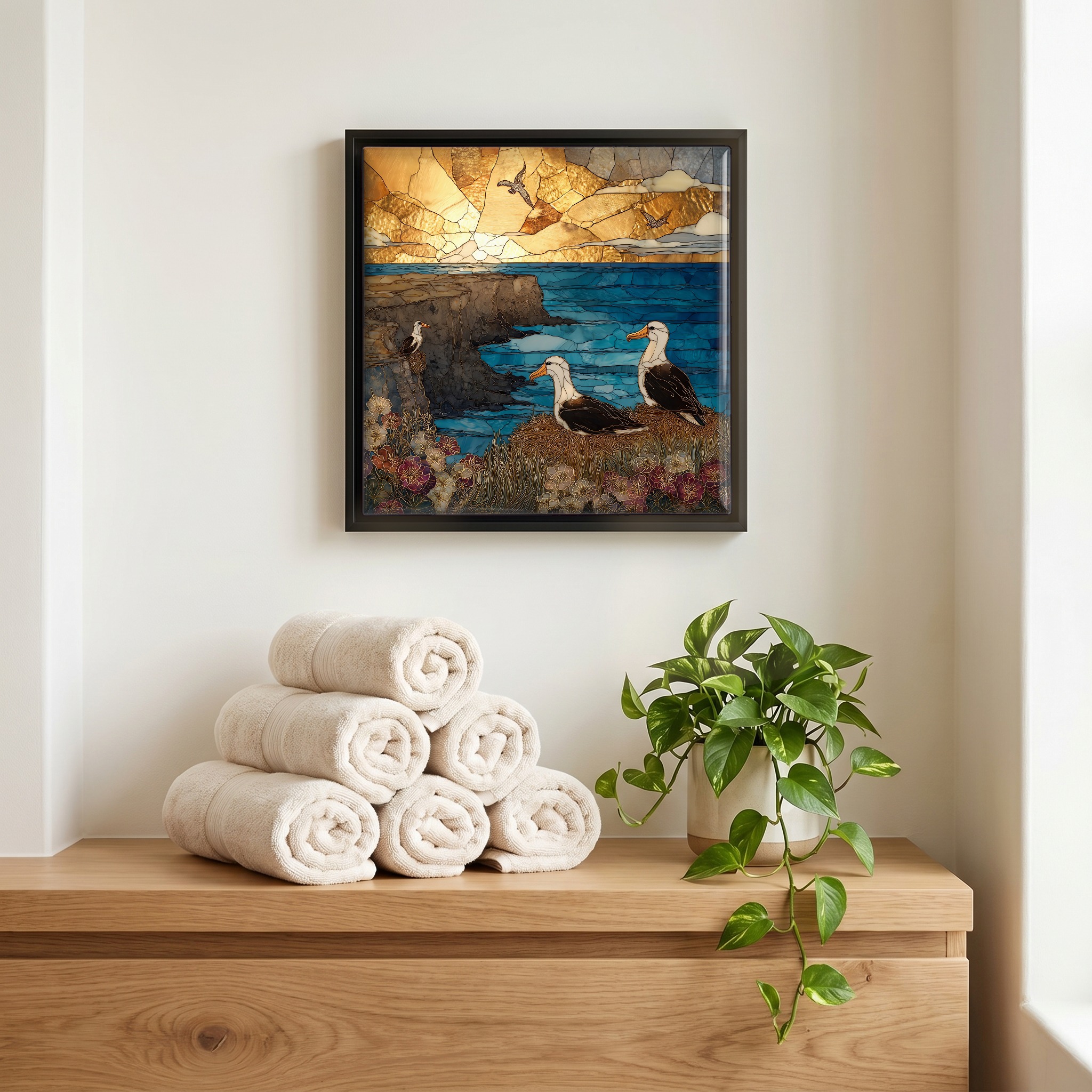
Kaena Point Oahu Ceramic Art Tile, on ceramic.
Each tile is finished by hand in our Knoxville studio. Artwork is slowly infused into the ceramic surface under high heat and pressure, and rests beneath a thin glossy finish. The colour lives in the surface, not on top of it.
Pick any four 4-inch tiles — National Parks you've been to, a Smokies set, the four seasons of one place. $ for a set of , cork-backed, ready to live on the table.
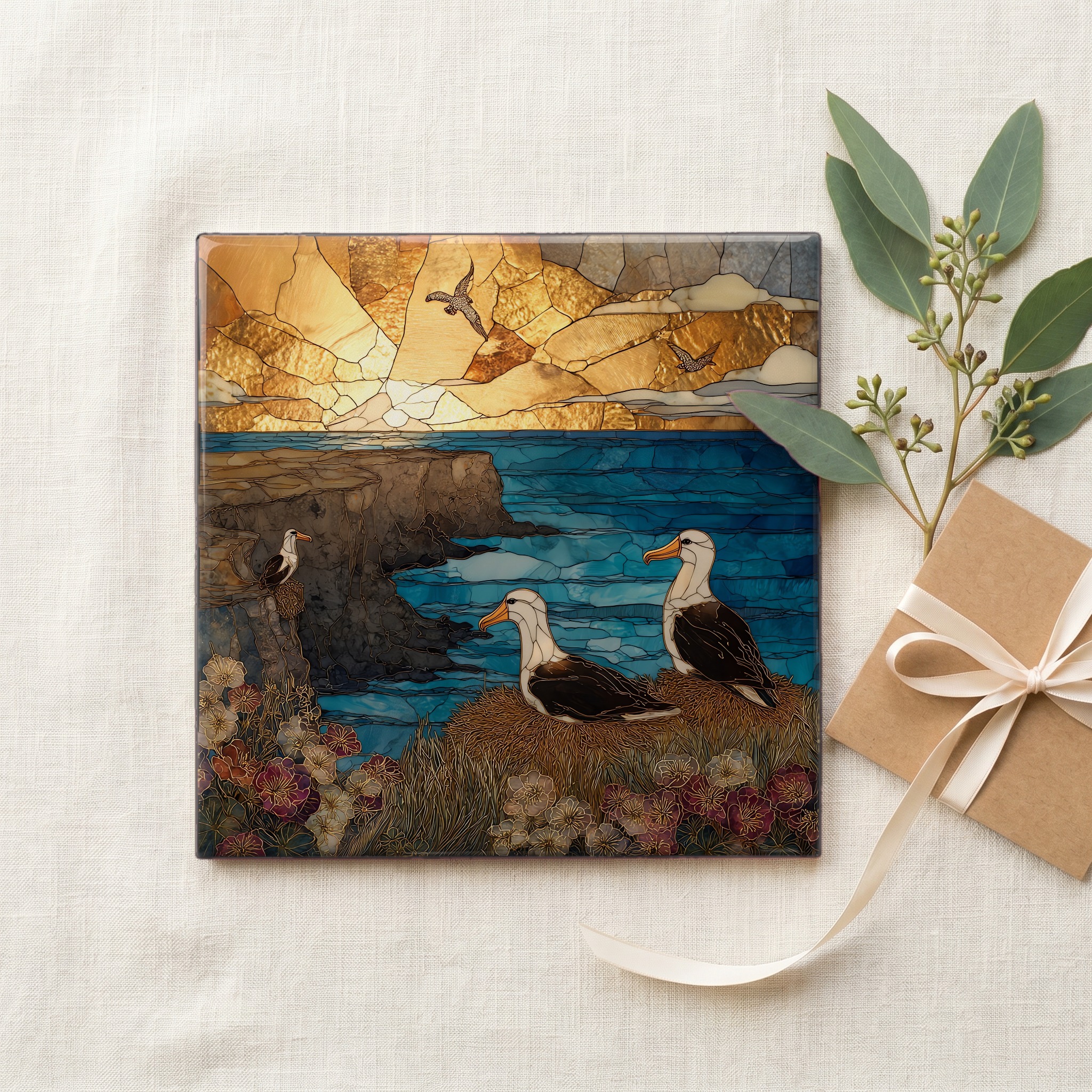
Each tile ships in a kraft box, tied with cream ribbon, with a handwritten note from the studio if you'd like to add one.
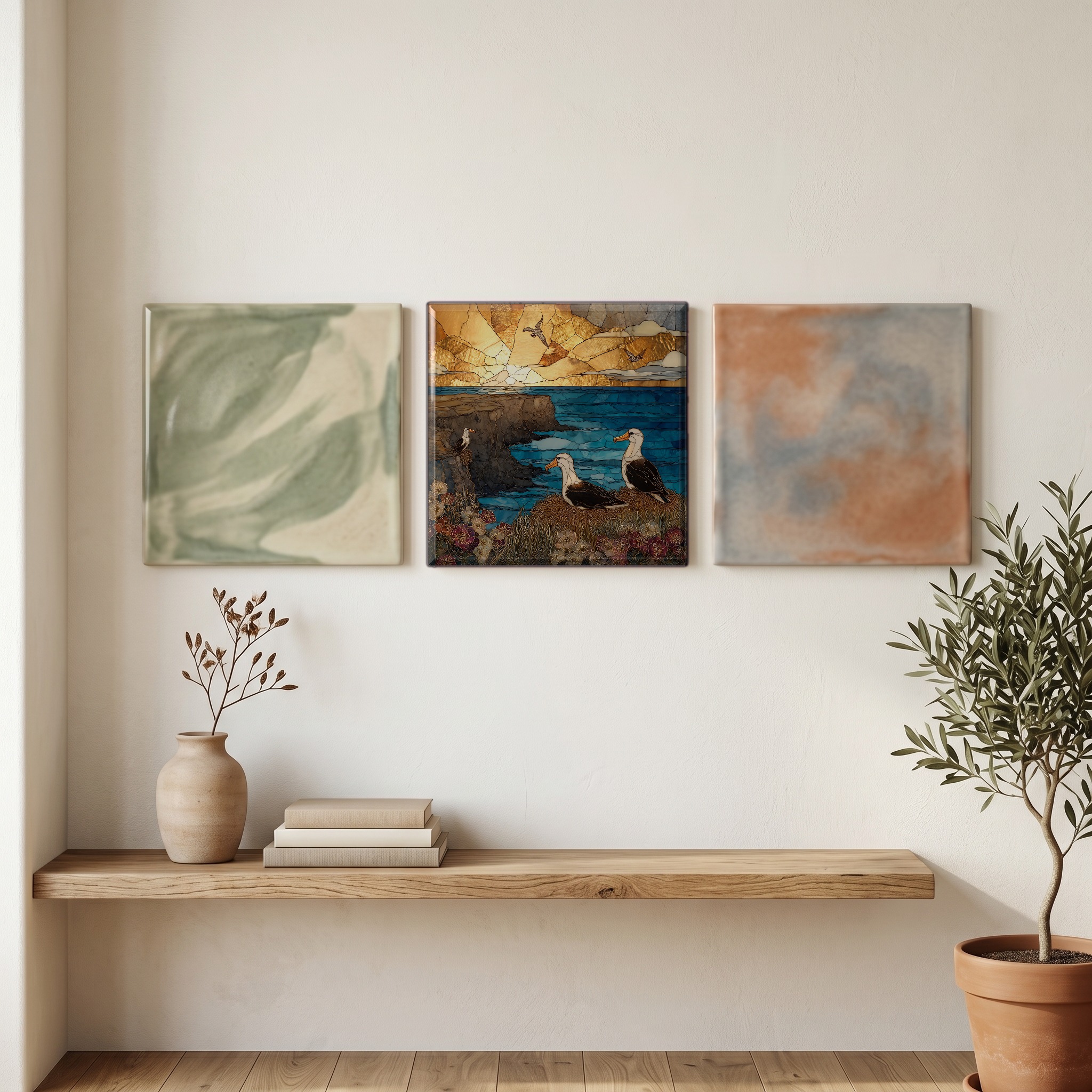
Three or five different vistas, hung together — a chapter of places you've been, or want to go.
The place, in three passes.
Kaʻena Point is the westernmost tip of Oʻahu, where the Waiʻanae and Mokulēʻia coasts meet at a basalt headland fronting open Pacific. The point sits at the end of two unpaved tracks, each roughly 2.5 miles long, that follow the bed of the old Oahu Railway, which ran 70 miles around the island from 1899 until a 1946 tsunami tore out most of the line. Iron rails still surface in places along the walk. The land beyond the trailhead has been protected as Kaʻena Point Natural Area Reserve since 1983, holding one of the last intact coastal dune ecosystems in the main Hawaiian Islands. The name *Kaʻena*, in Hawaiian, means *the heat*.
Northeast trades meet a westernmost point with nothing in front of it, and the wind is the constant. The headland's pale dunes are coral-rubble sand banked by that wind into low ridges, held in place by naupaka kahakai, ʻaʻaliʻi, and ʻilima: low, salt-tolerant plants hugging the ground because the air gives them no other choice. Winter swells from the North Pacific arrive head-on; in the Kaʻieʻie Waho Channel between here and Kauaʻi, humpback whales pass through from December to April on their migration from Alaska. The sound at the point is wind first, surf second, the cries of returning Laysan albatrosses third, in season. Nothing softens it. The light is hard and direct, and the air smells of salt and dry grass.
The point is reached on foot only, by walking the two dirt tracks that survive from the old railbed. It is 2.5 miles in from Keawaʻula on the Waiʻanae side, or the same distance in from the Mokulēʻia trailhead on the North Shore. Beyond a predator-proof fence built in 2011, a 600-metre stainless-steel barrier enclosing 59 acres against rats, mongoose, and feral cats, visitors enter through a double-gate and stay on the marked path. From November to July, Laysan albatrosses incubate and raise chicks within feet of the trail; Hawaiian monk seals rest on the beach below. The reserve is open every day of the year, free of charge, and carries no concessions, shade, or water on the walk in.