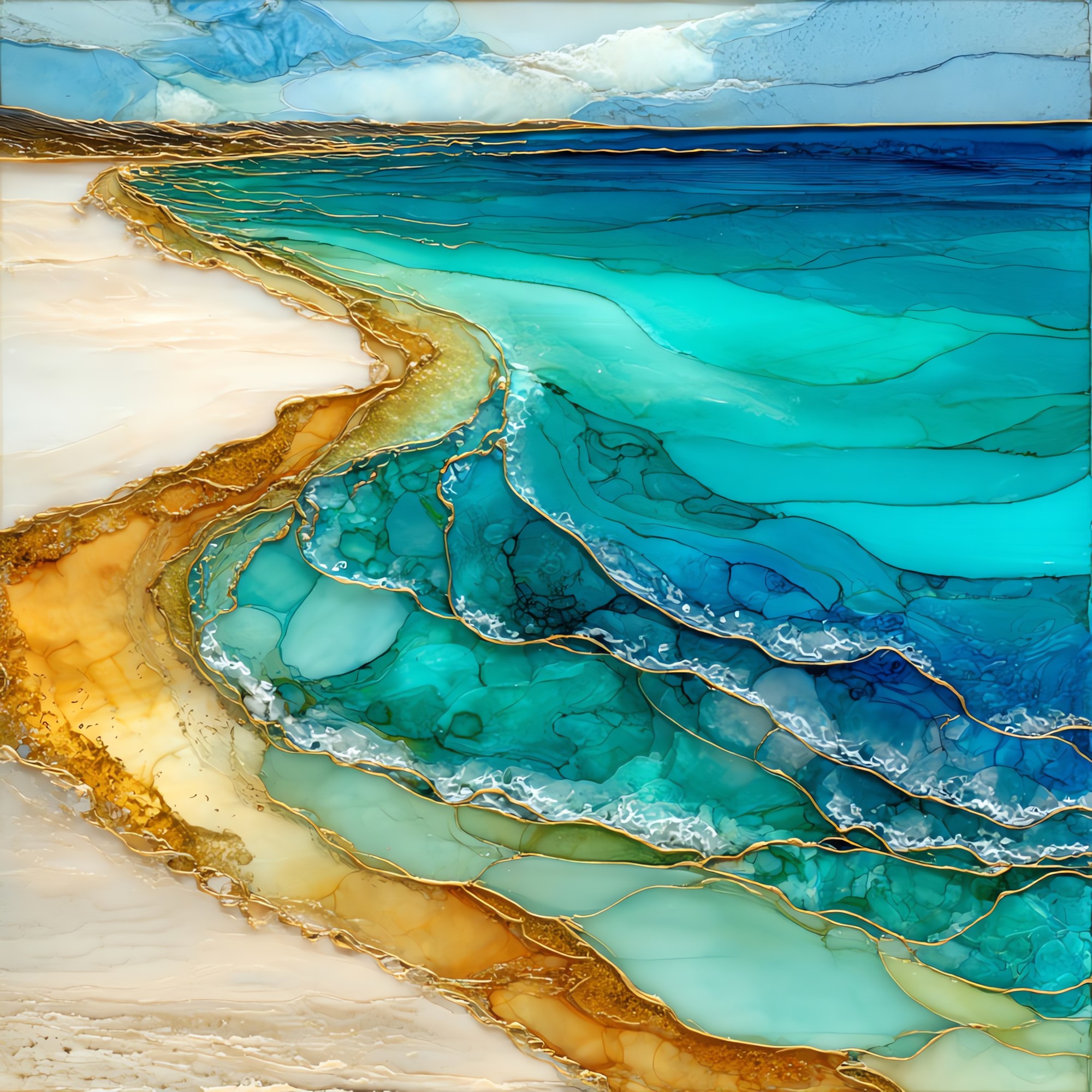
Hapuna Beach Big Island Ceramic Art Tile
— a half-mile the lava leaves alone.
Not only on a wall.
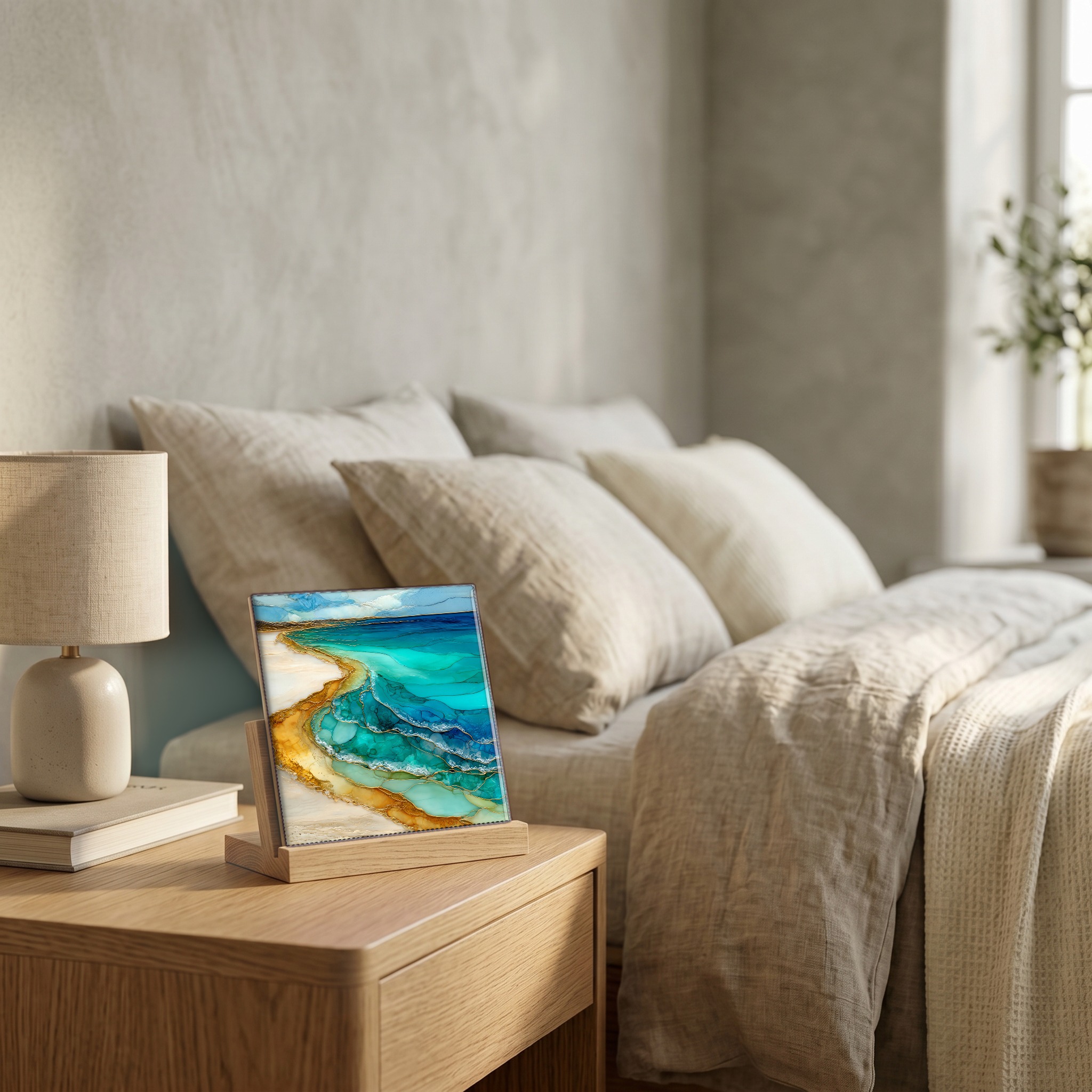
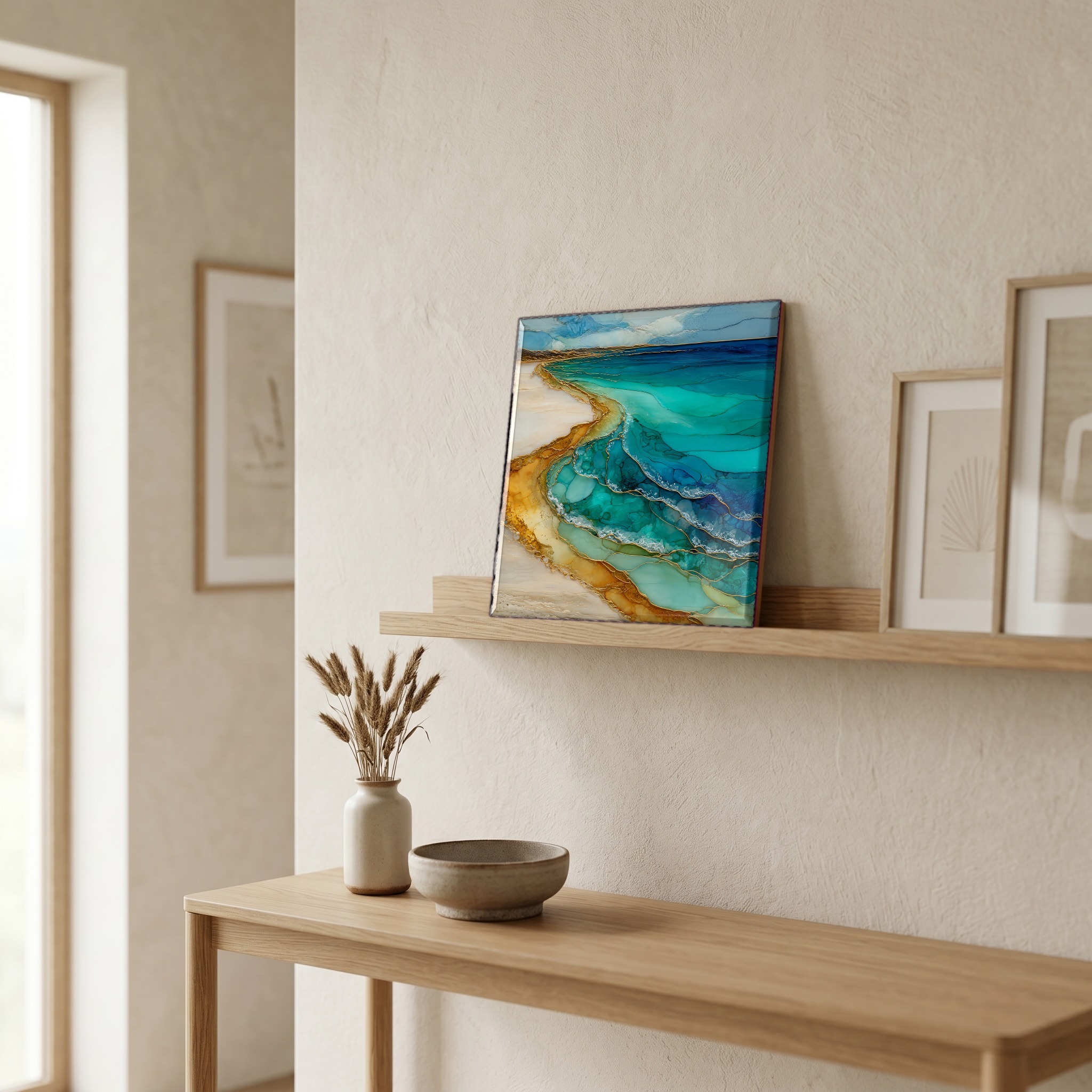
“The longest white-sand beach on the Big Island, on the dry leeward coast where the trade winds have wrung themselves out against Mauna Kea before they get here. A half-mile of crushed coral, framed by black pāhoehoe at each end. The water reads clear in summer and turns dangerous in winter when north swells run the channel. Dr. Beach named it the best in America in 1993, and locals have been quietly correcting that for thirty years: the best is whichever Kohala beach you can find empty. Hapuna is rarely empty, and that is the price of being beautiful enough to be named.
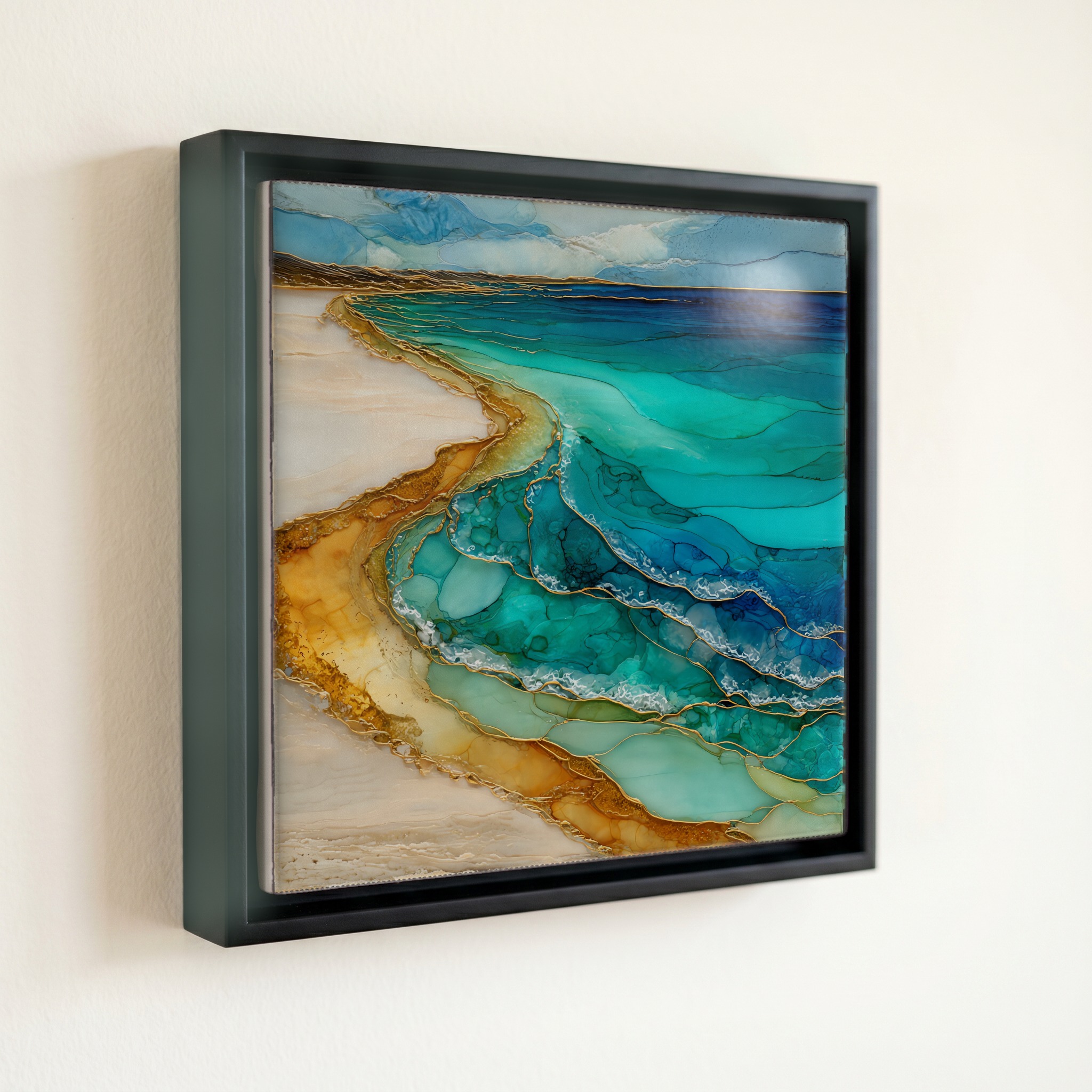
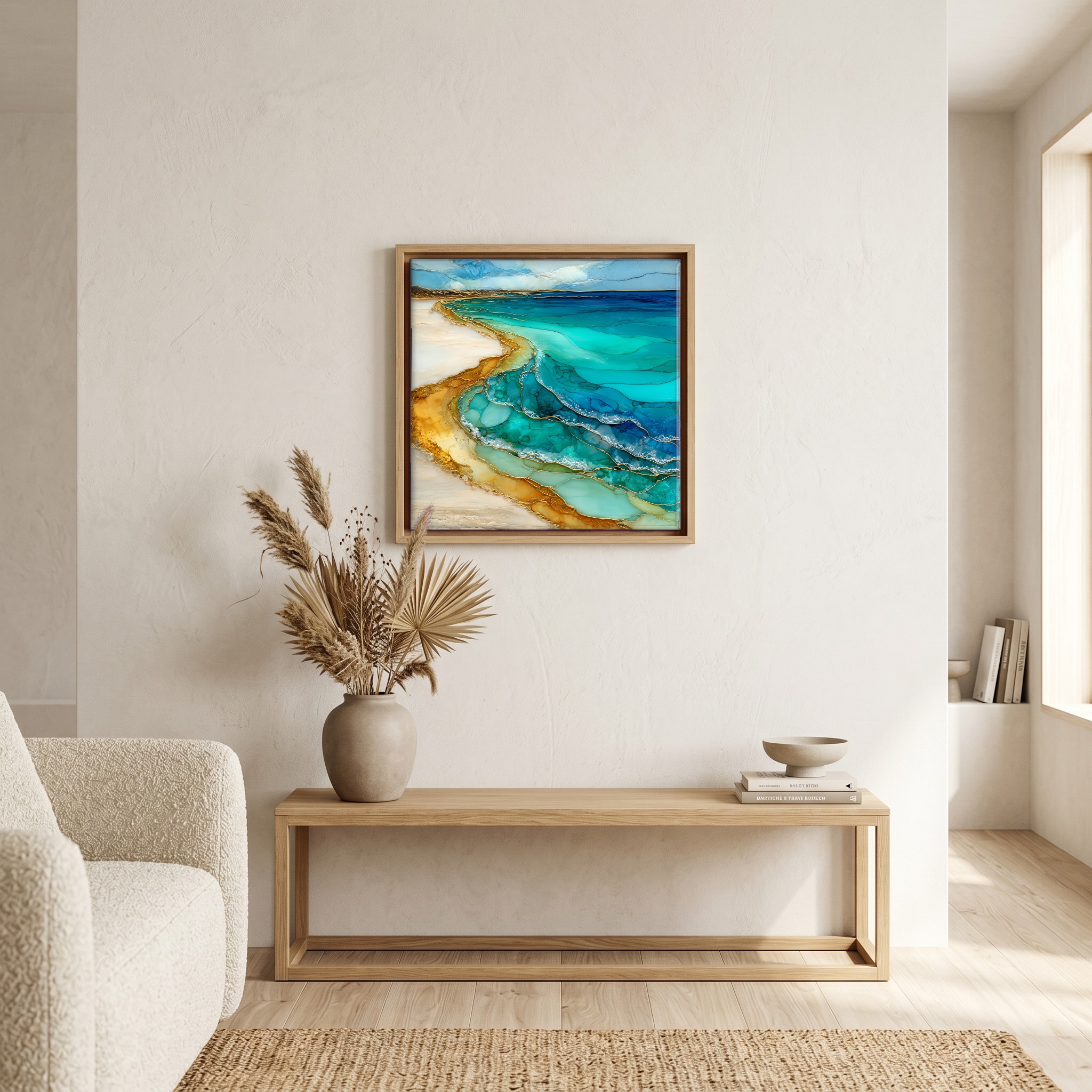
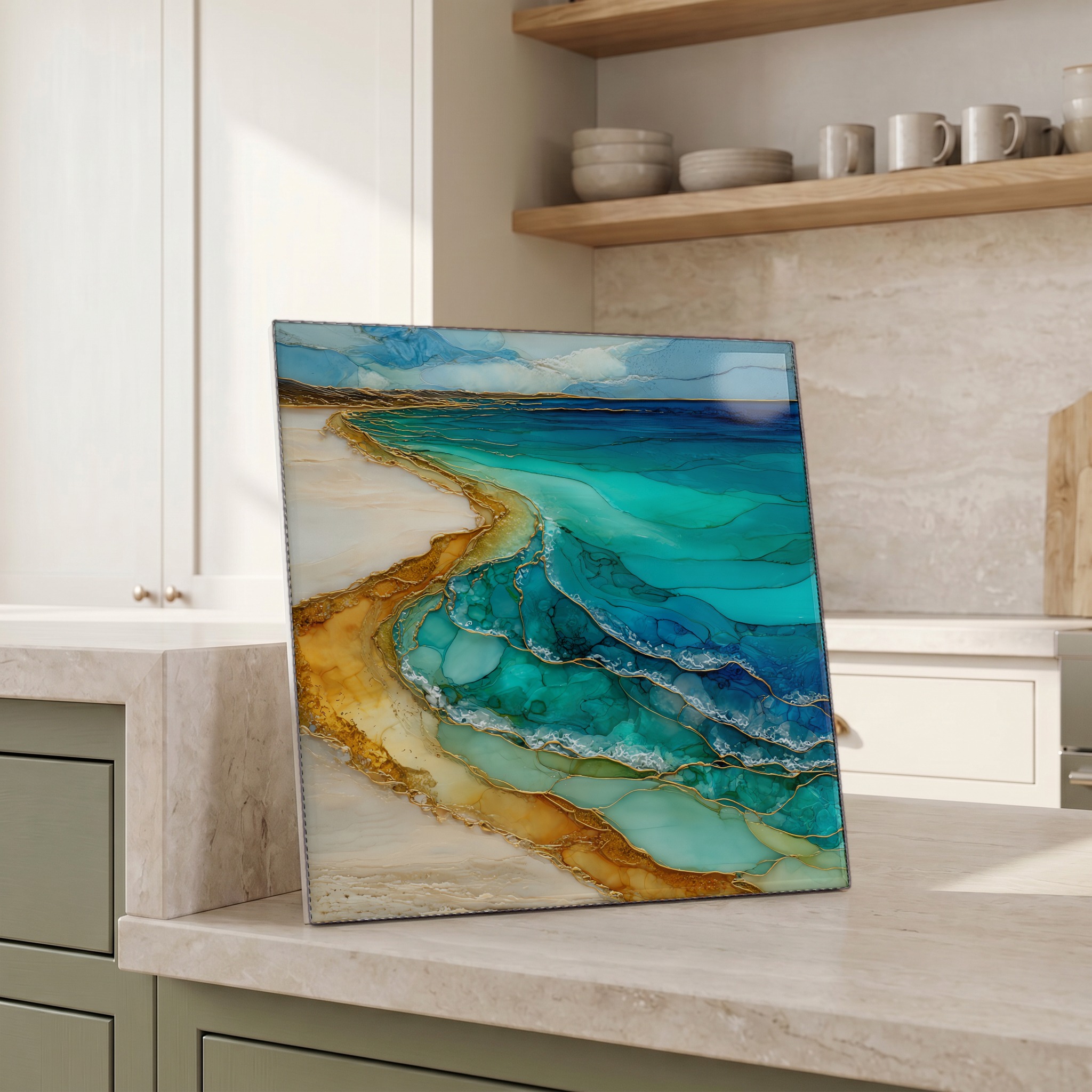
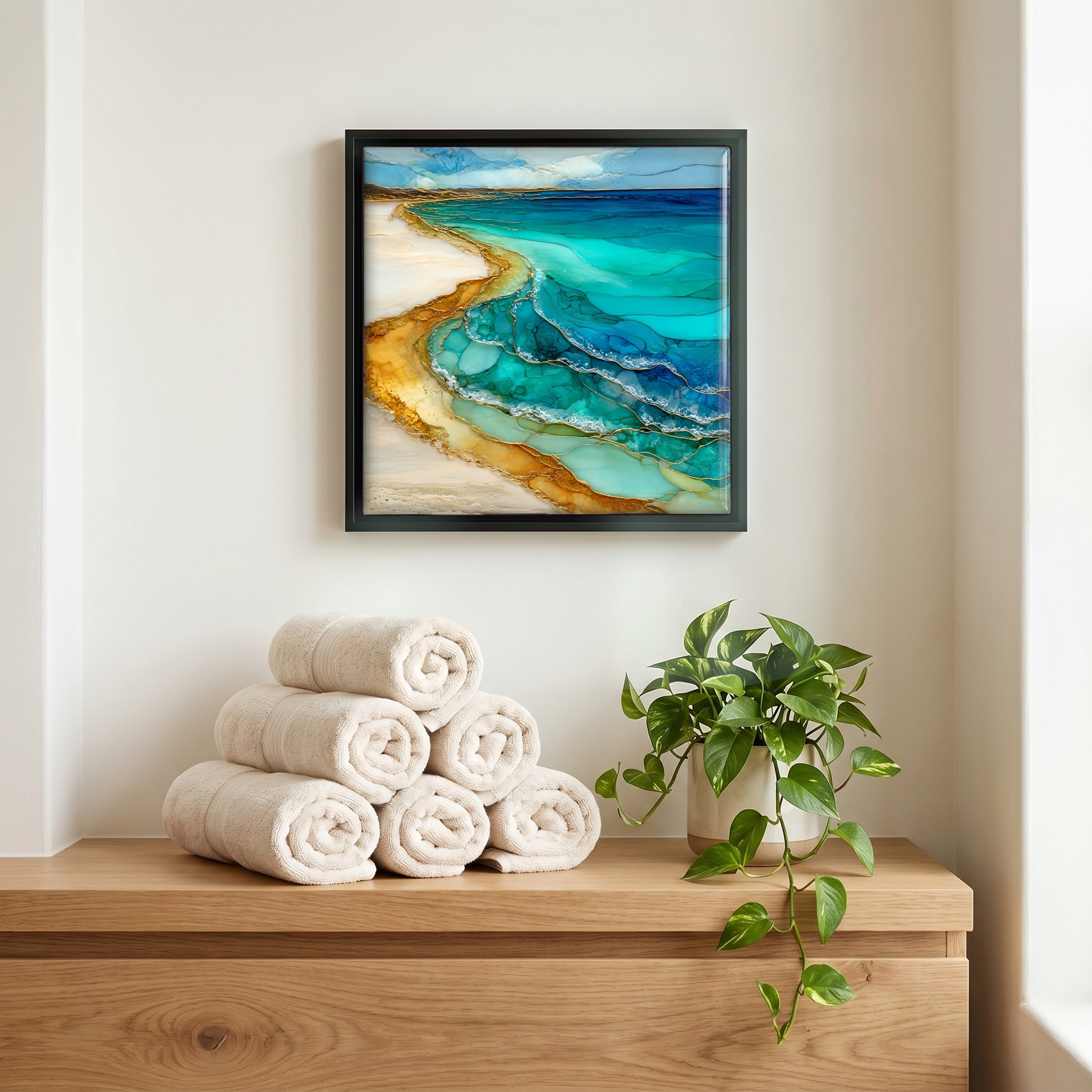
Hapuna Beach Big Island Ceramic Art Tile, on ceramic.
Each tile is finished by hand in our Knoxville studio. Artwork is slowly infused into the ceramic surface under high heat and pressure, and rests beneath a thin glossy finish. The colour lives in the surface, not on top of it.
Pick any four 4-inch tiles — National Parks you've been to, a Smokies set, the four seasons of one place. $ for a set of , cork-backed, ready to live on the table.
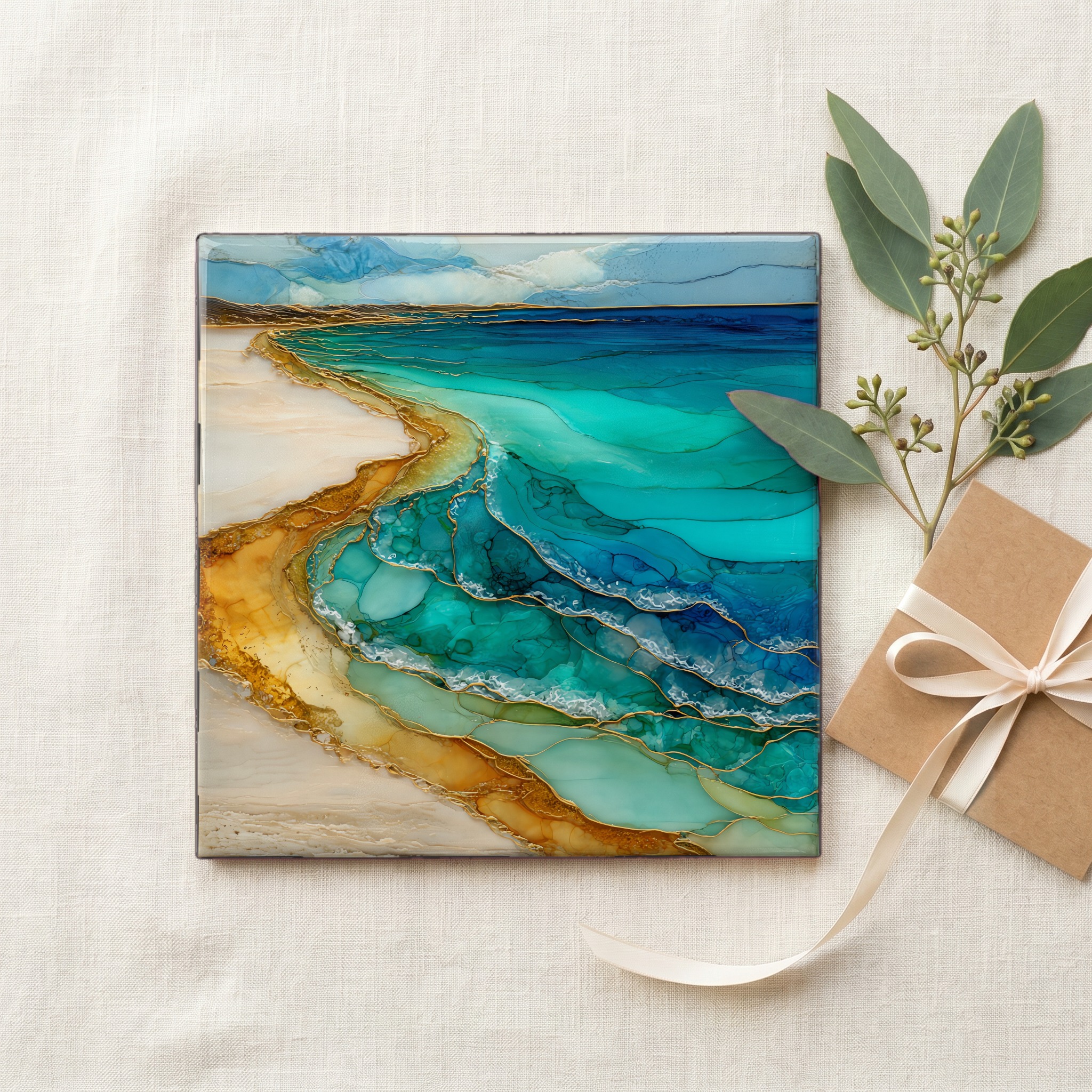
Each tile ships in a kraft box, tied with cream ribbon, with a handwritten note from the studio if you'd like to add one.
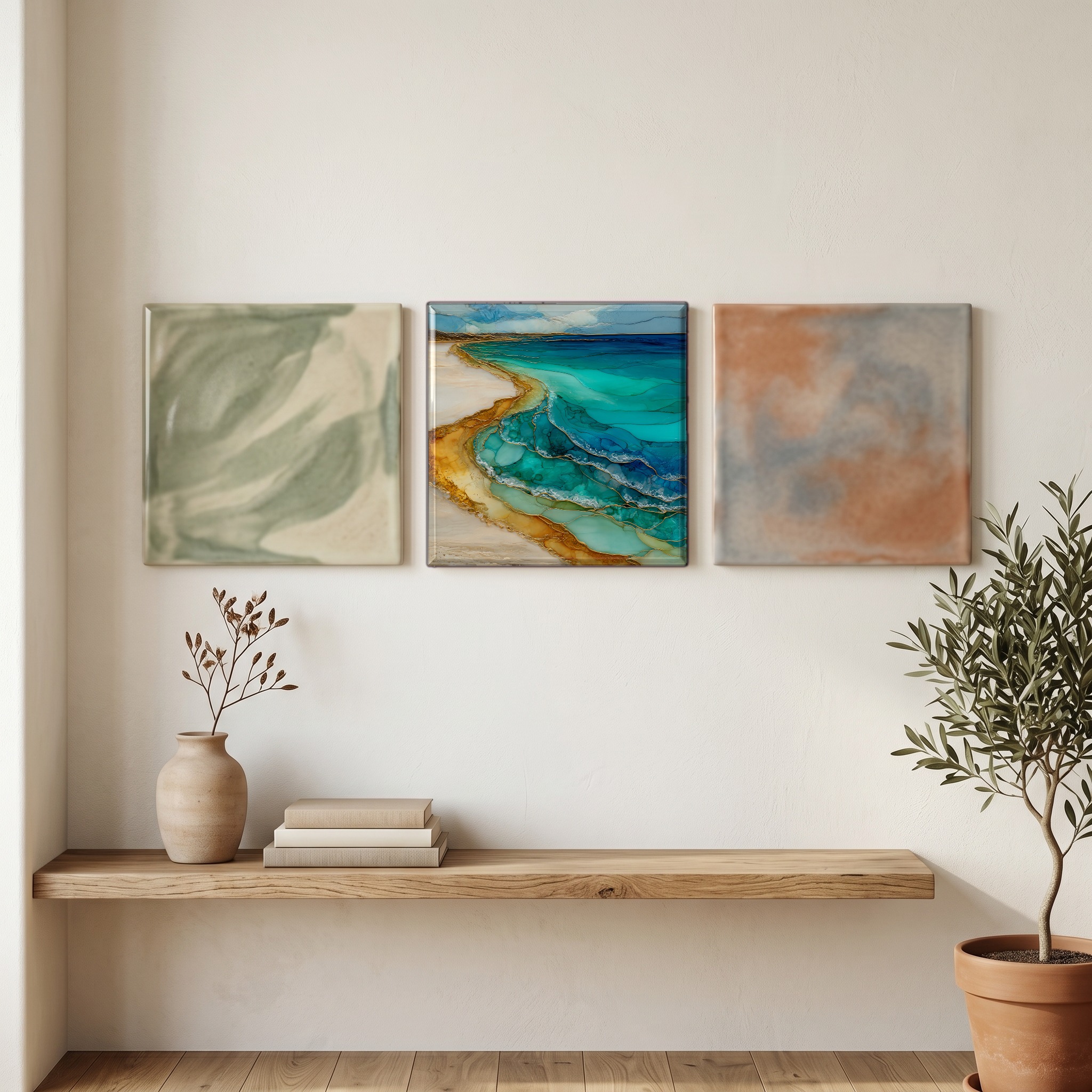
Three or five different vistas, hung together — a chapter of places you've been, or want to go.
The place, in three passes.
Hapuna Beach State Recreation Area sits on the Kohala Coast of the Island of Hawaiʻi, about thirty-three miles north of Kailua-Kona and a short mile north of the Mauna Kea Beach Resort along Highway 19. The crescent runs roughly half a mile of fine white coral sand between two black pāhoehoe lava points, on the lee side of Mauna Kea where the trade winds have already dropped their rain. The park covers about sixty-two acres and is managed by the Hawaiʻi Department of Land and Natural Resources, with picnic pavilions, restrooms, a small concession, and a lifeguard station set back in a grove of kiawe trees.
The water at Hapuna is known for two opposite things: how clear it is on a calm summer day, and how violent the shore-break becomes when north swells run between November and March. The sand shelves quickly into deep water and there is no protective reef along most of the beach, so even moderate swells can pull a swimmer off the shelf and into a rip. The brown rescue signs along the access path are not decoration, and the lifeguard stand has been part of the beach since the state park was designated in the early 1970s. In summer the same shelf makes for some of the better body-surfing on the Kohala Coast.
From May through September the water is generally calm and the swimming is the reason most people come. October brings the first north swells; by December the shore-break can run six to ten feet, and the same beach that read smooth in July becomes a place to stand back from. The Kohala Coast averages fewer than ten inches of rain in a year, the driest of the four major Hawaiian coastlines, so even in winter the days run dry and bright. Trade winds pick up in the afternoon. The best photographs come at the back end of the day, when the sun drops into the channel and the lava points catch the last of the light.