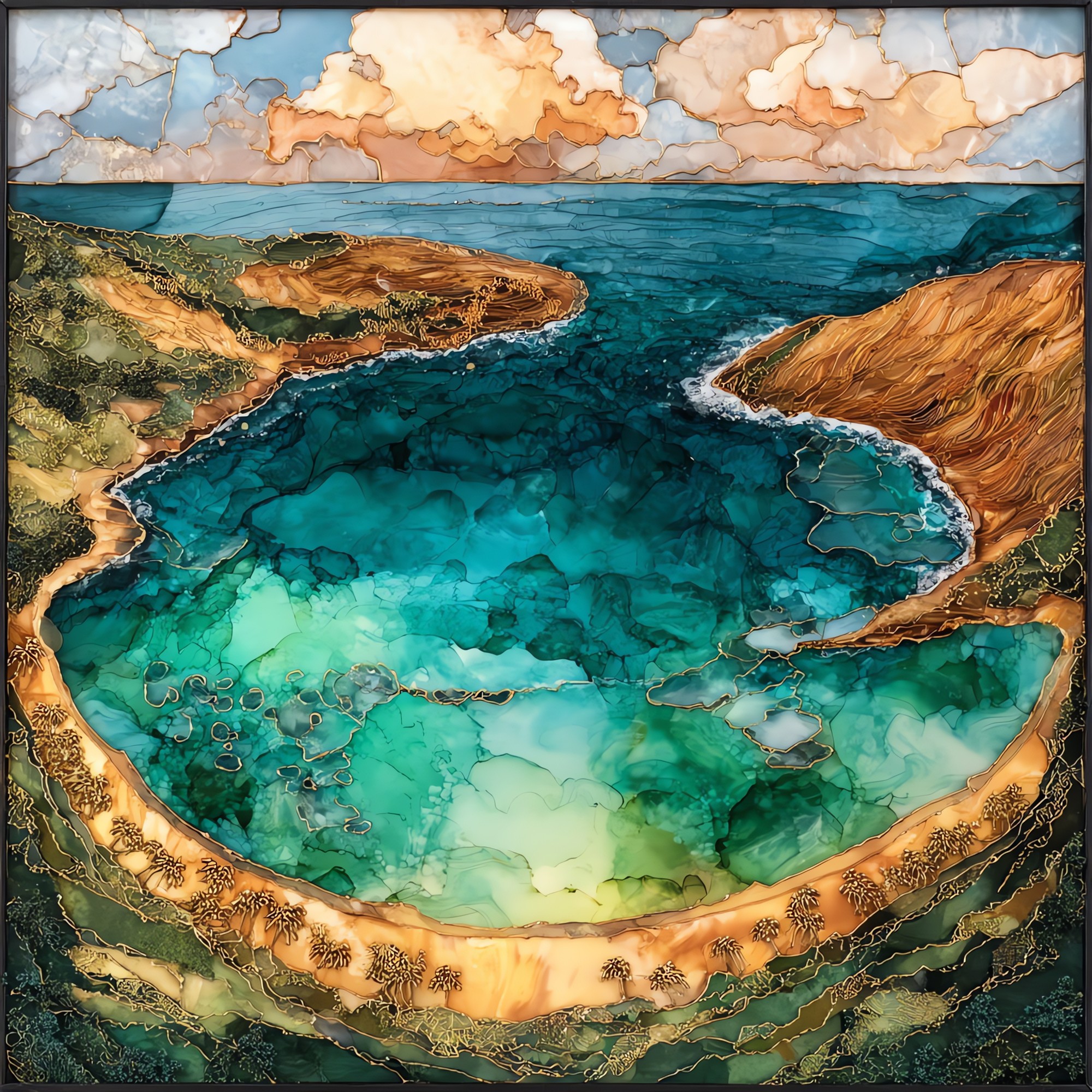
Hanauma Bay Oahu Ceramic Art Tile
— a crater the sea moved into.
Not only on a wall.
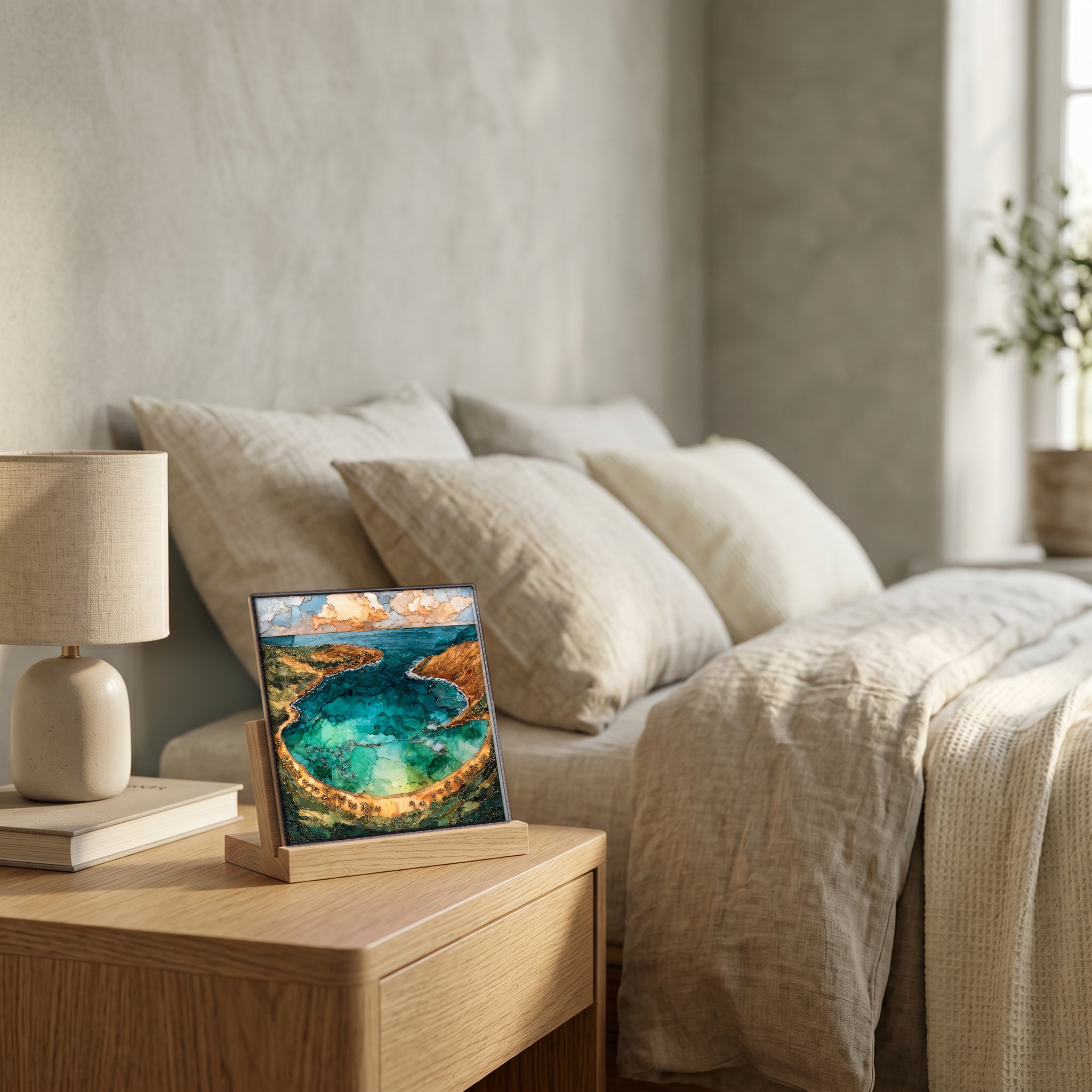
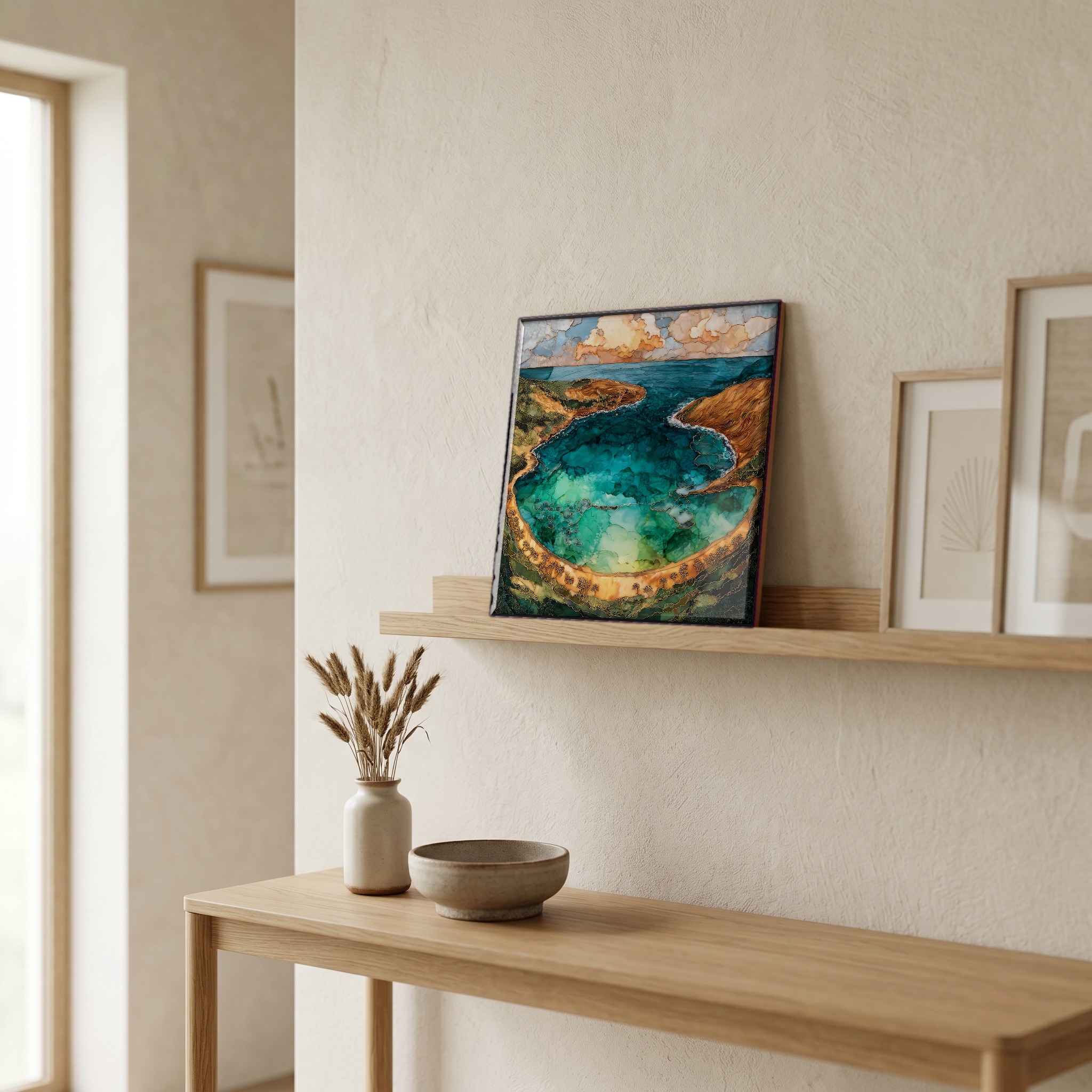
“A curved bay on the southeast tip of Oahu, formed inside a volcanic tuff ring that erupted roughly 32,000 years ago and later collapsed seaward. Snorkelers come for the reef: over four hundred species of fish, including the humuhumunukunukuapuaʻa, and green sea turtles that rest on the sand. The coral is shallow enough that visitors can touch it, so the City caps daily entry, requires a 9-minute conservation video, and closes the bay every Monday and Tuesday to let it rest. From the rim the whole shape reads at once: a half-moon of pale sand, the reef dark through turquoise, the open Pacific past the mouth of the crater. The name in Hawaiian means *curved bay*.
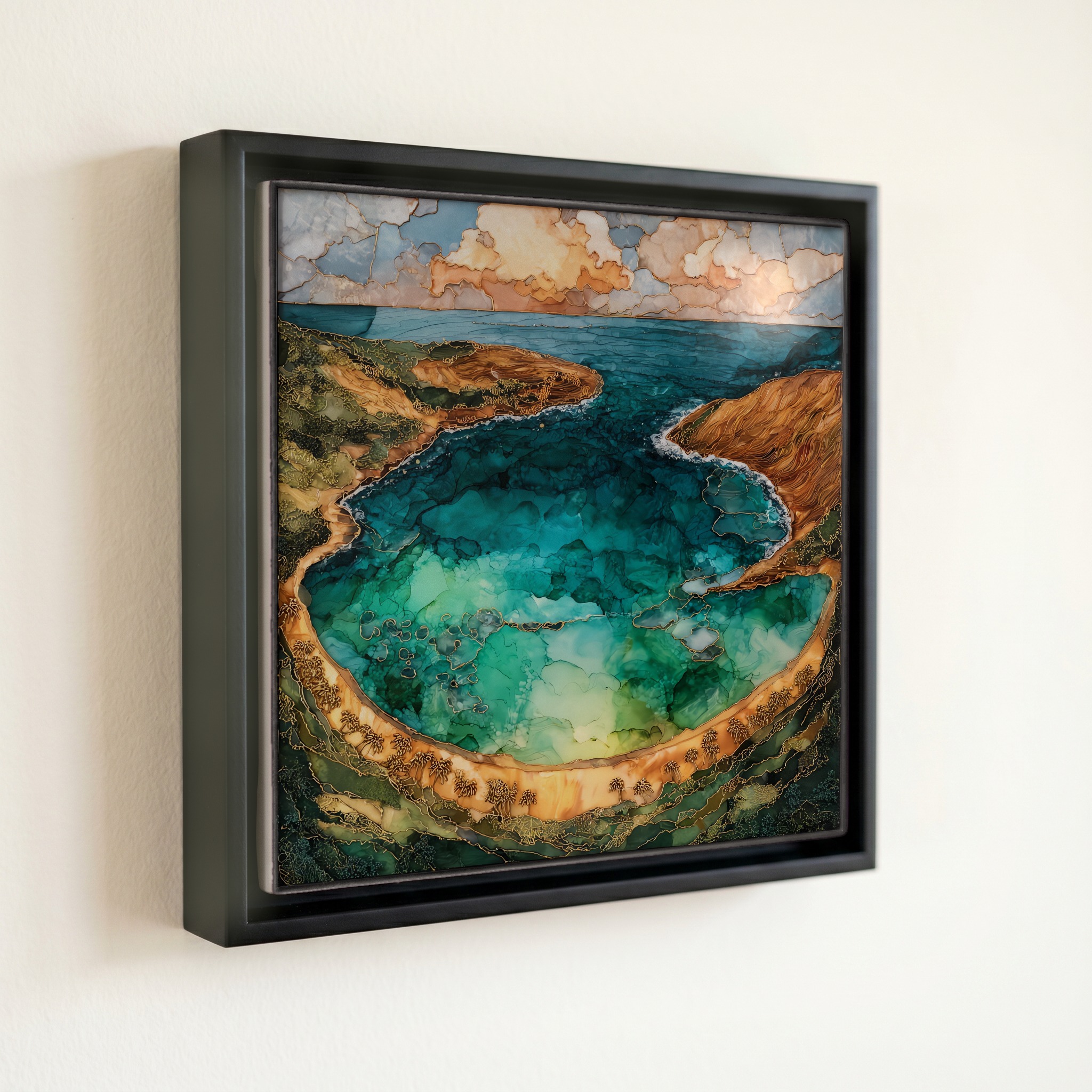
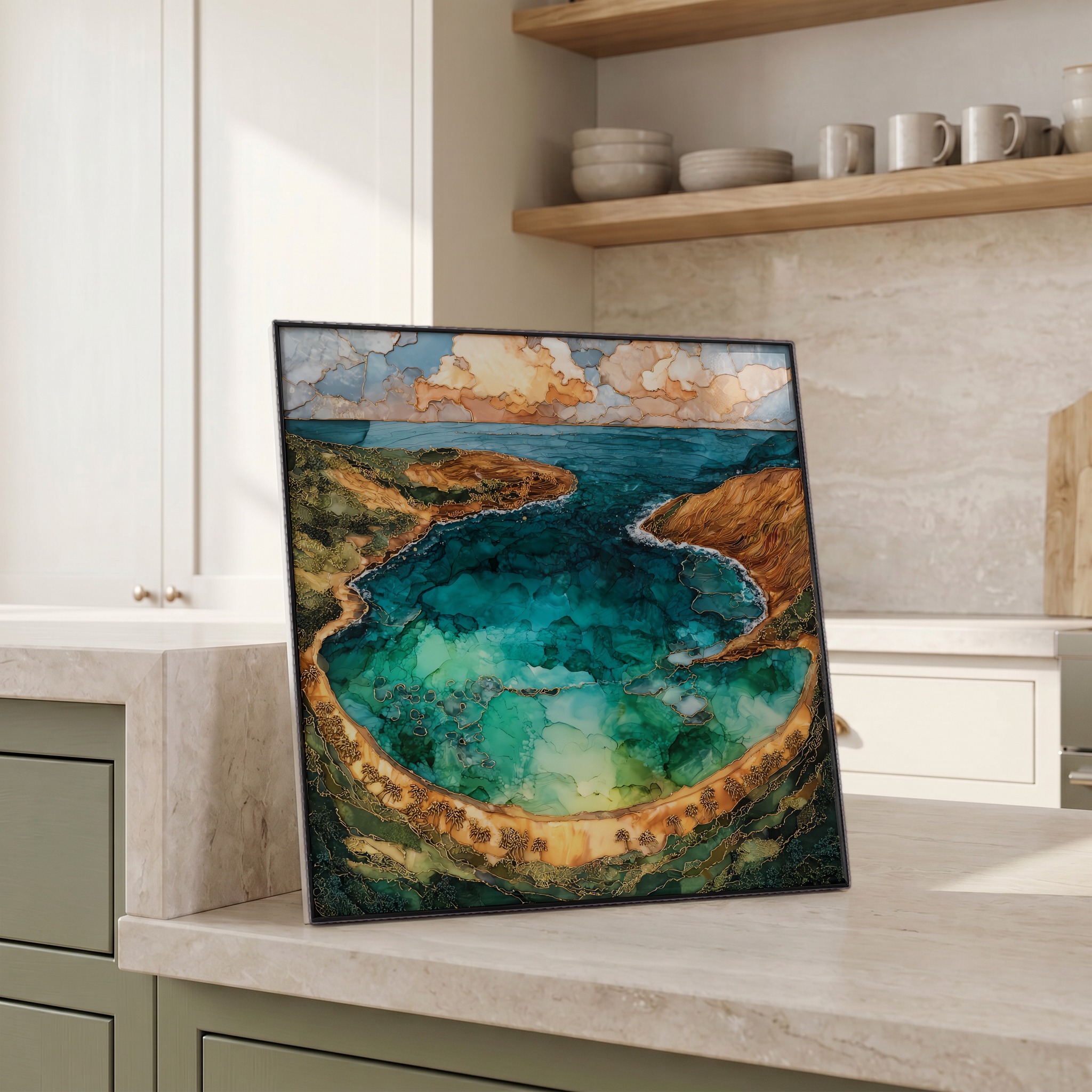
Hanauma Bay Oahu Ceramic Art Tile, on ceramic.
Each tile is finished by hand in our Knoxville studio. Artwork is slowly infused into the ceramic surface under high heat and pressure, and rests beneath a thin glossy finish. The colour lives in the surface, not on top of it.
Pick any four 4-inch tiles — National Parks you've been to, a Smokies set, the four seasons of one place. $ for a set of , cork-backed, ready to live on the table.
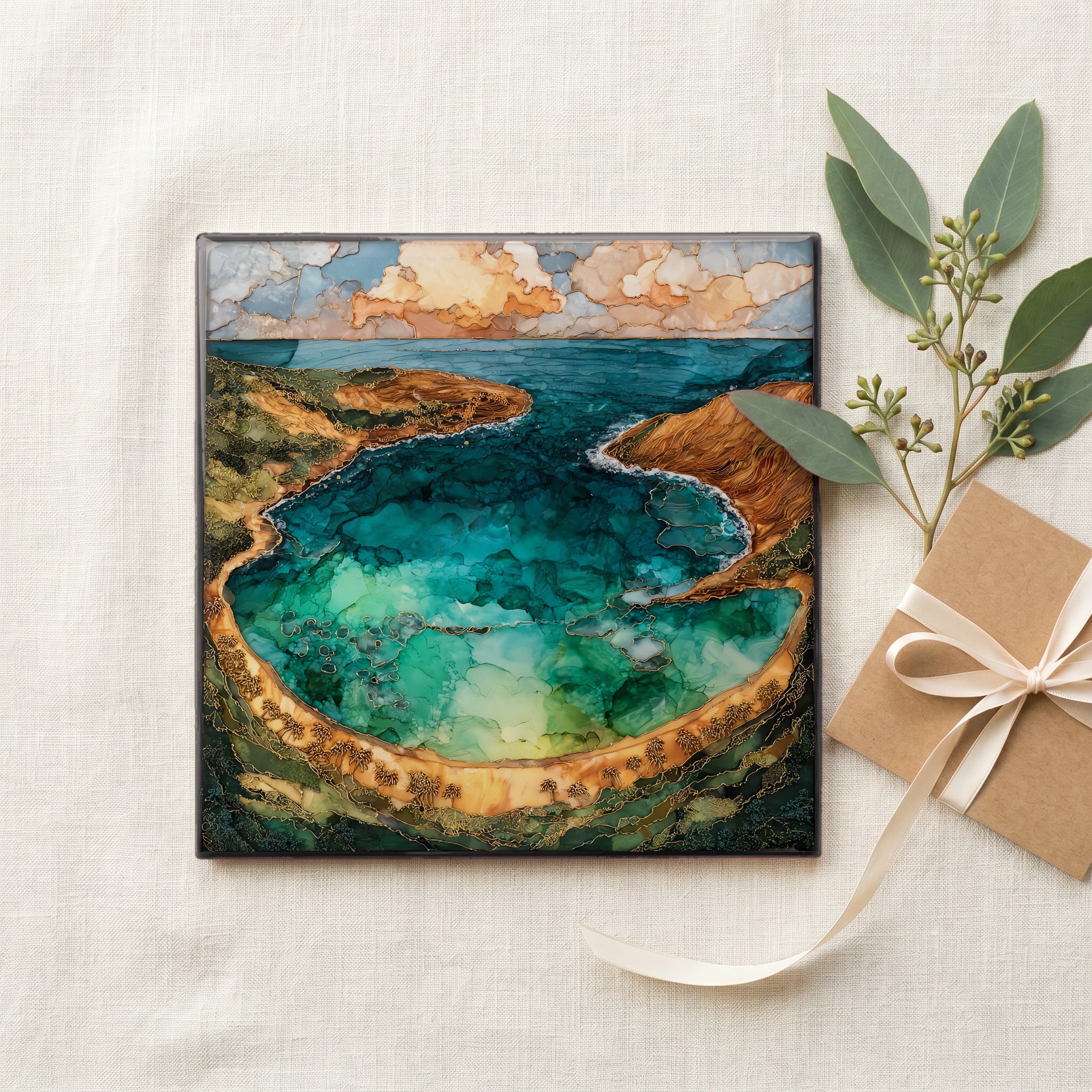
Each tile ships in a kraft box, tied with cream ribbon, with a handwritten note from the studio if you'd like to add one.
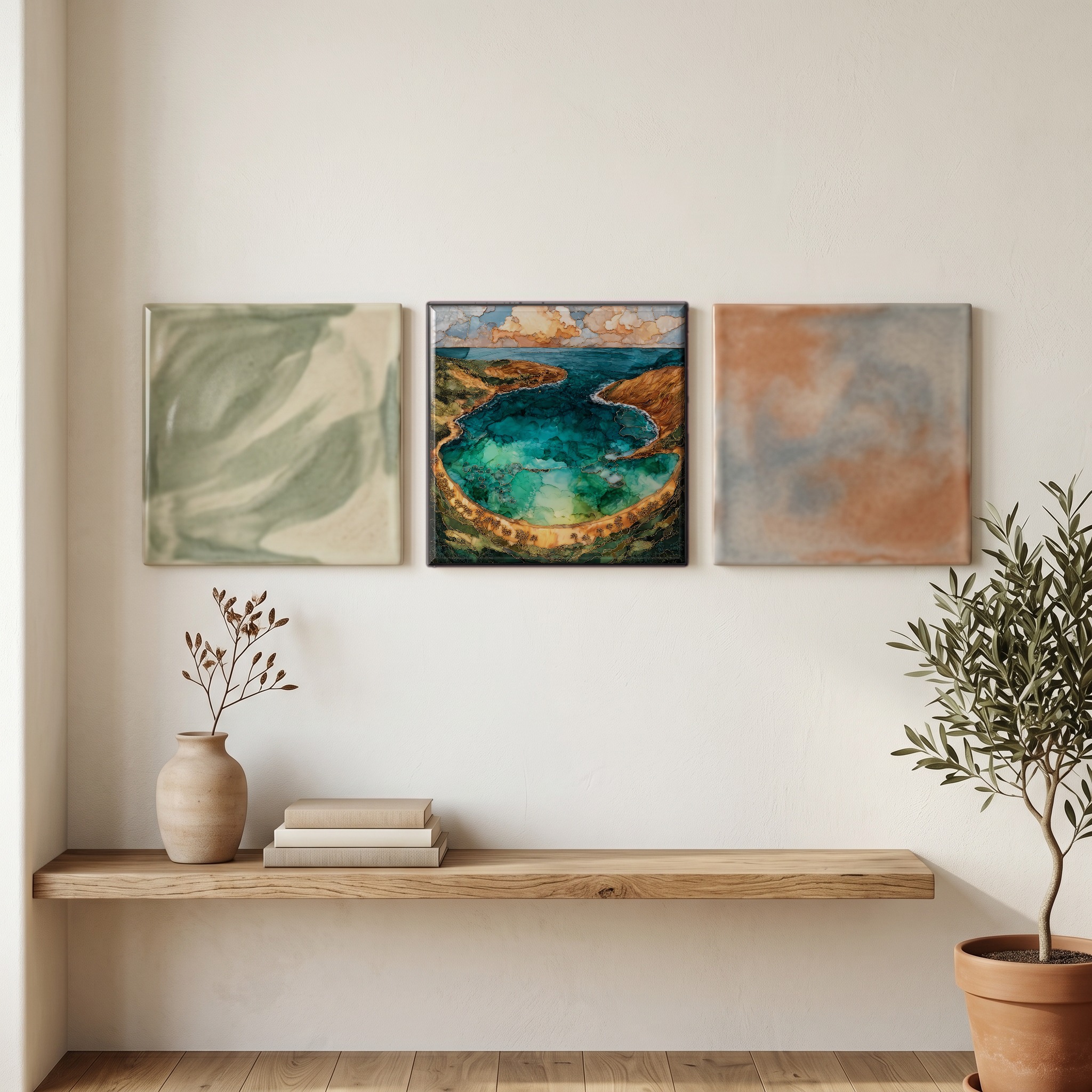
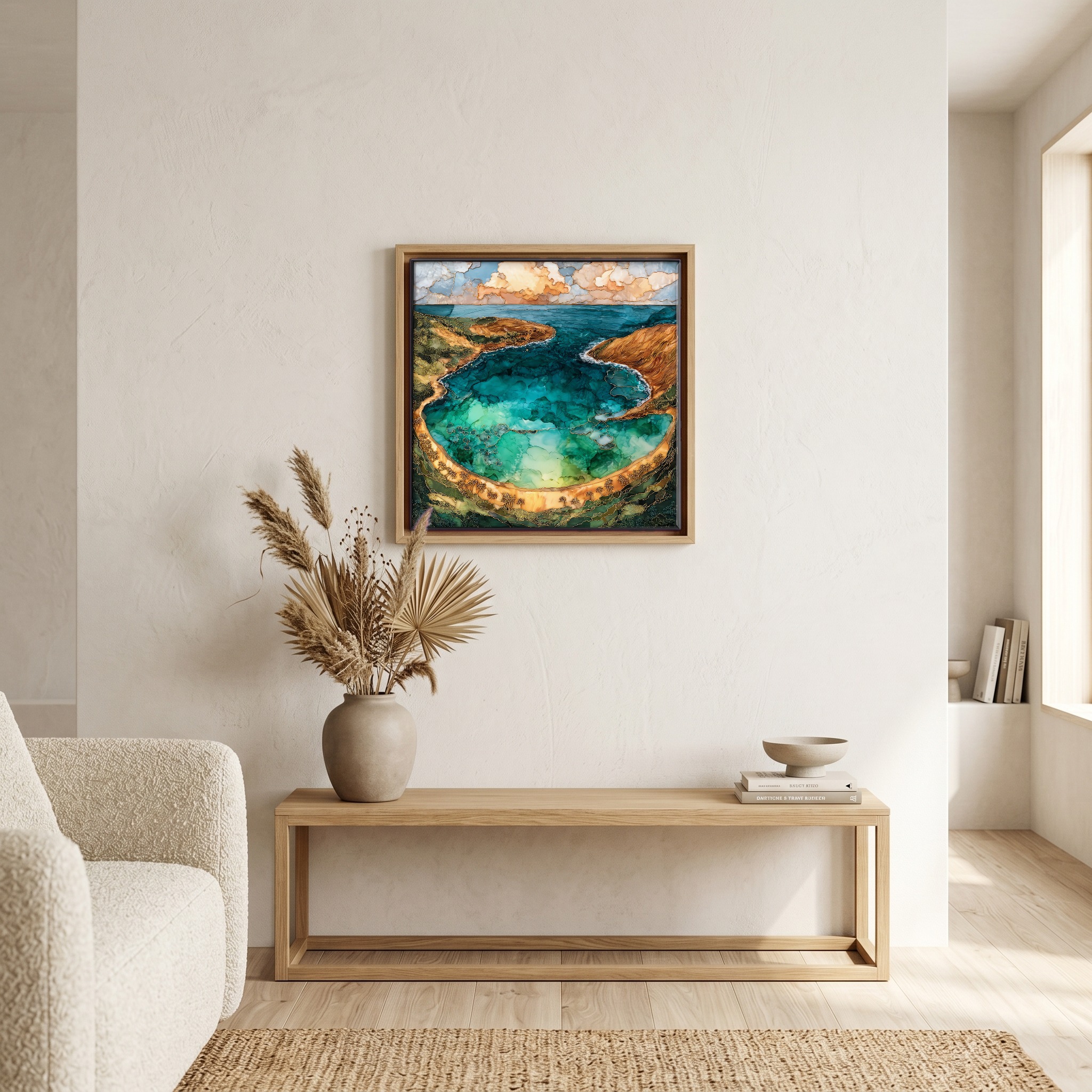
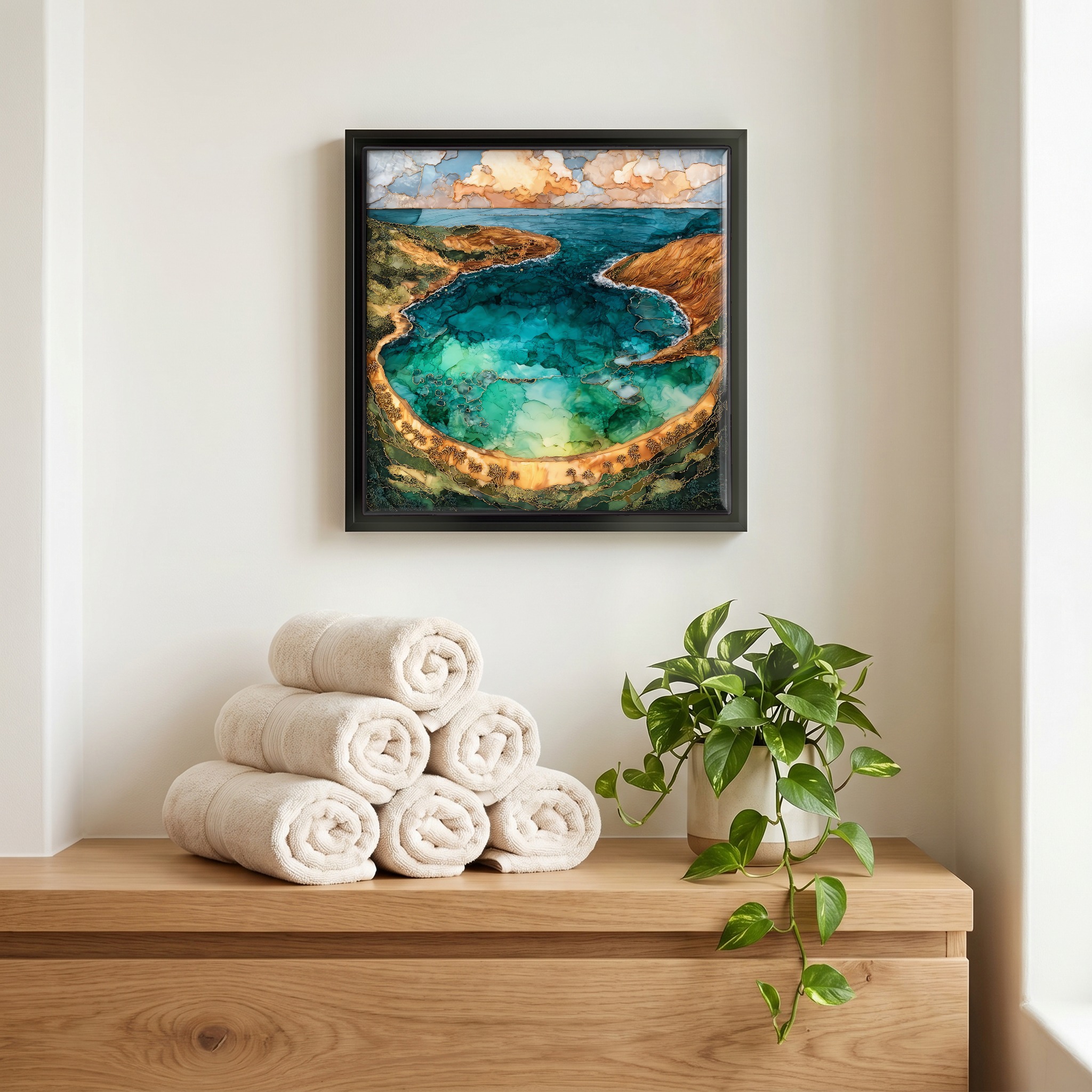
Three or five different vistas, hung together — a chapter of places you've been, or want to go.
The place, in three passes.
Hanauma Bay sits at the southeast corner of Oahu about ten miles east of Waikiki, inside a tuff ring that erupted from the Honolulu Volcanic Series roughly 32,000 years ago. The seaward wall of the cone later collapsed, opening the basin to the Pacific and leaving the half-moon shape visible today. The bay is the centerpiece of the Hanauma Bay Nature Preserve, managed by the City and County of Honolulu since it was designated Hawaiʻi's first Marine Life Conservation District in 1967. Access is from a small parking area on Kalanianaole Highway above the rim, with a steep paved path down to the beach. *Hanauma* is Hawaiian for *curved bay*.
Inside the crater the water is shallow and clear because the fringing reef breaks most incoming swell at the mouth, leaving a protected lagoon of waist-deep sand channels and coral heads. Over four hundred species of fish have been recorded in the preserve, including parrotfish, yellow tang, Moorish idols, and the humuhumunukunukuapuaʻa, Hawaiʻi's state fish. Green sea turtles forage on the reef and haul out on the sand. Because the coral grows shallow enough that snorkelers can stand on it, the reef takes accumulated wear from foot traffic and sunscreen; the conservation district closed for ten months in 2020 and reopened with strict capacity limits to give it room to recover.
The preserve is open Wednesday through Sunday from 6:45 AM and closed every Monday and Tuesday to give the reef a rest, with last entry by early afternoon and the beach cleared by 4:00 PM. Online reservations are required and open 48 hours in advance through the City and County of Honolulu portal; the slots typically sell out within minutes of release. Hawaiʻi residents and children under 13 enter free; non-residents pay an admission fee plus a per-vehicle parking charge. First-time visitors and anyone who has not entered in the past year must watch a 9-minute conservation orientation before walking down to the beach.