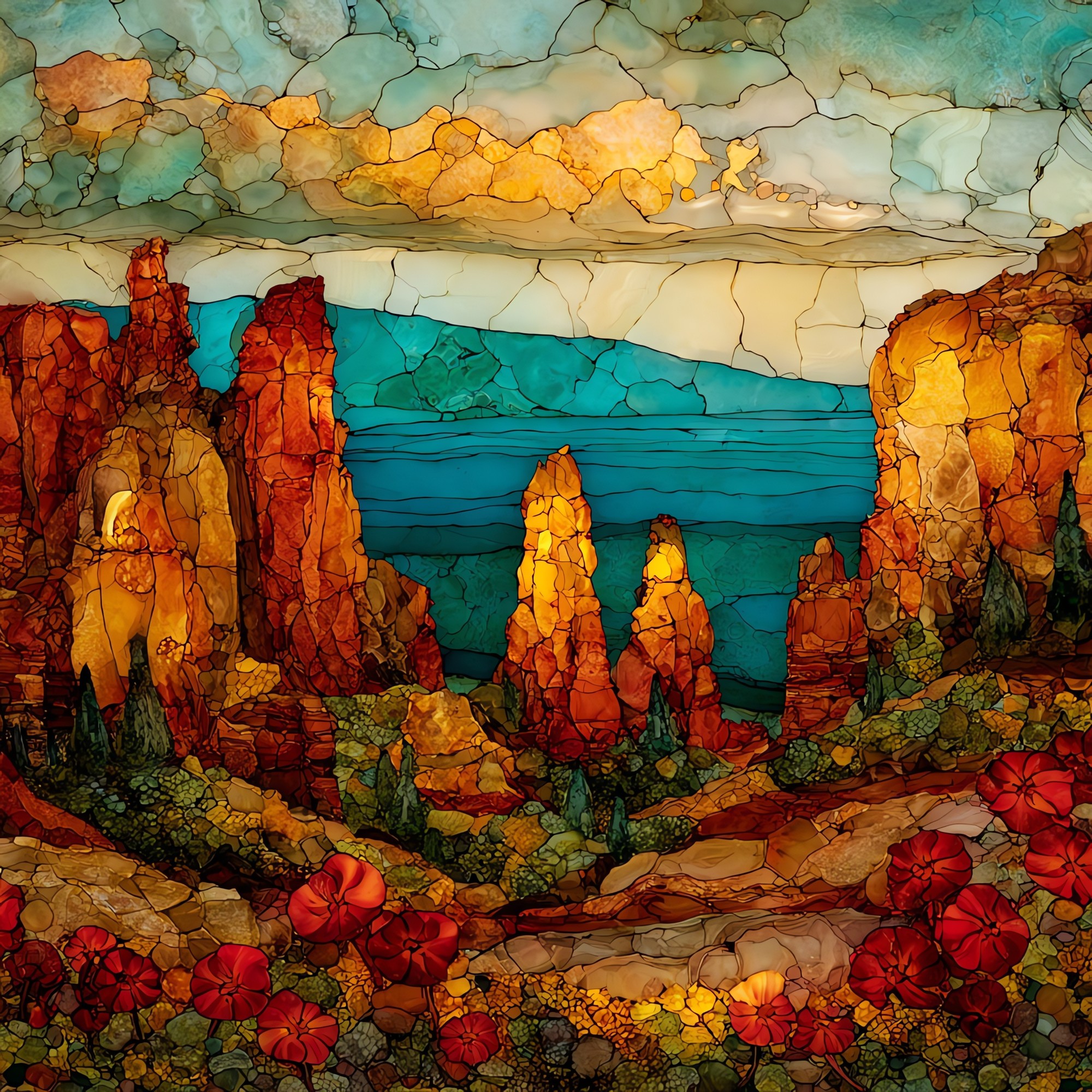
Garden of the Gods Lanai Ceramic Art Tile
— — the colour the wind left behind.
Not only on a wall.
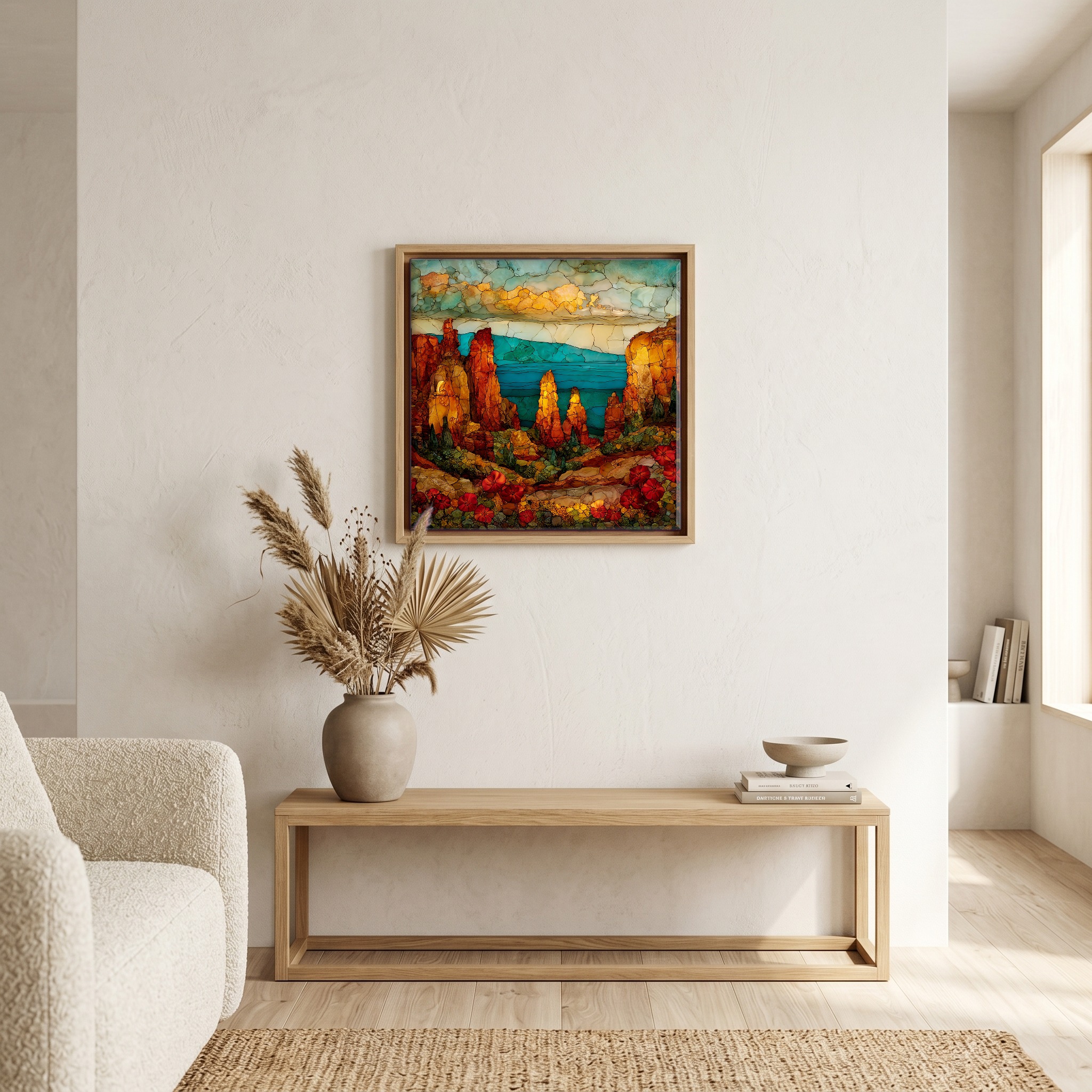
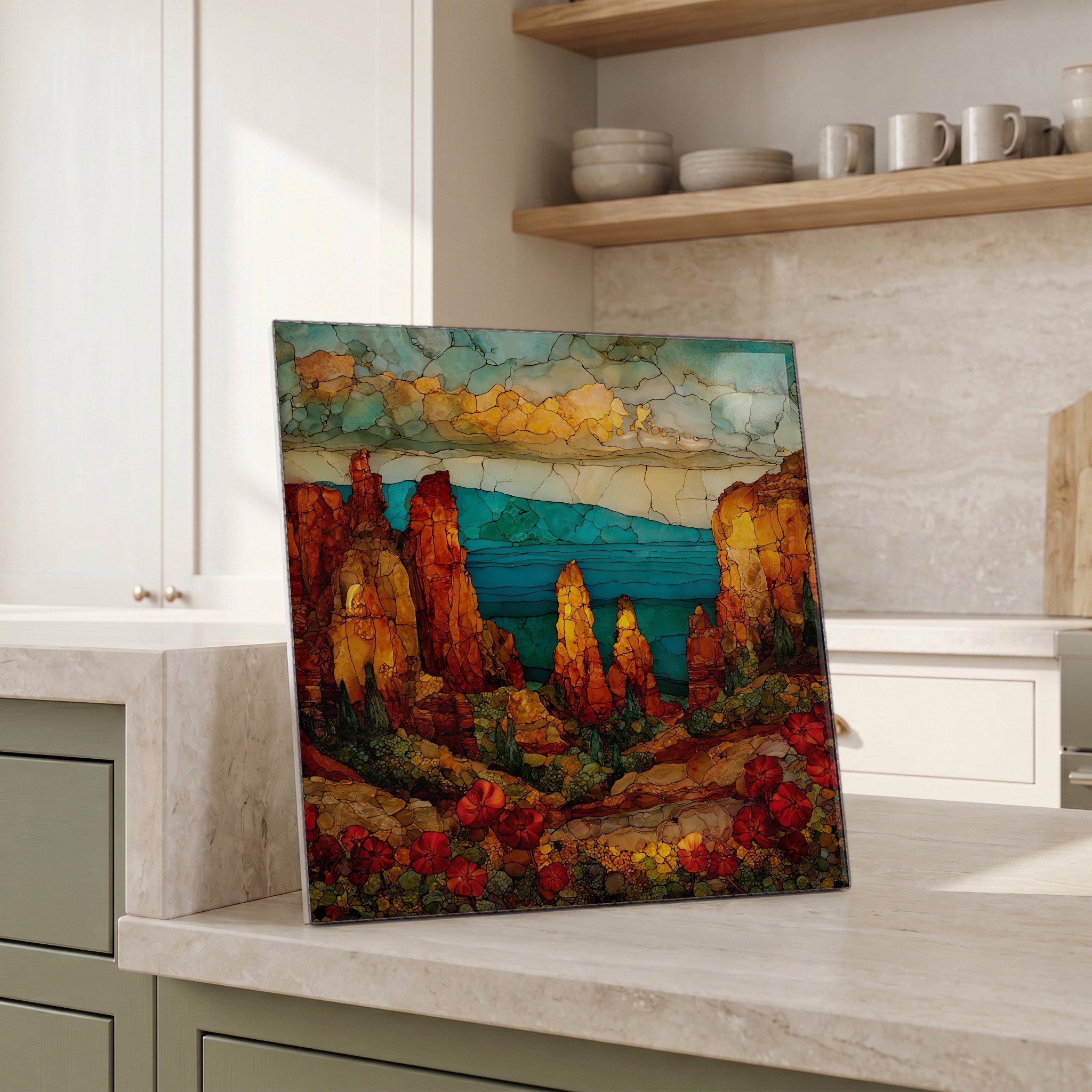
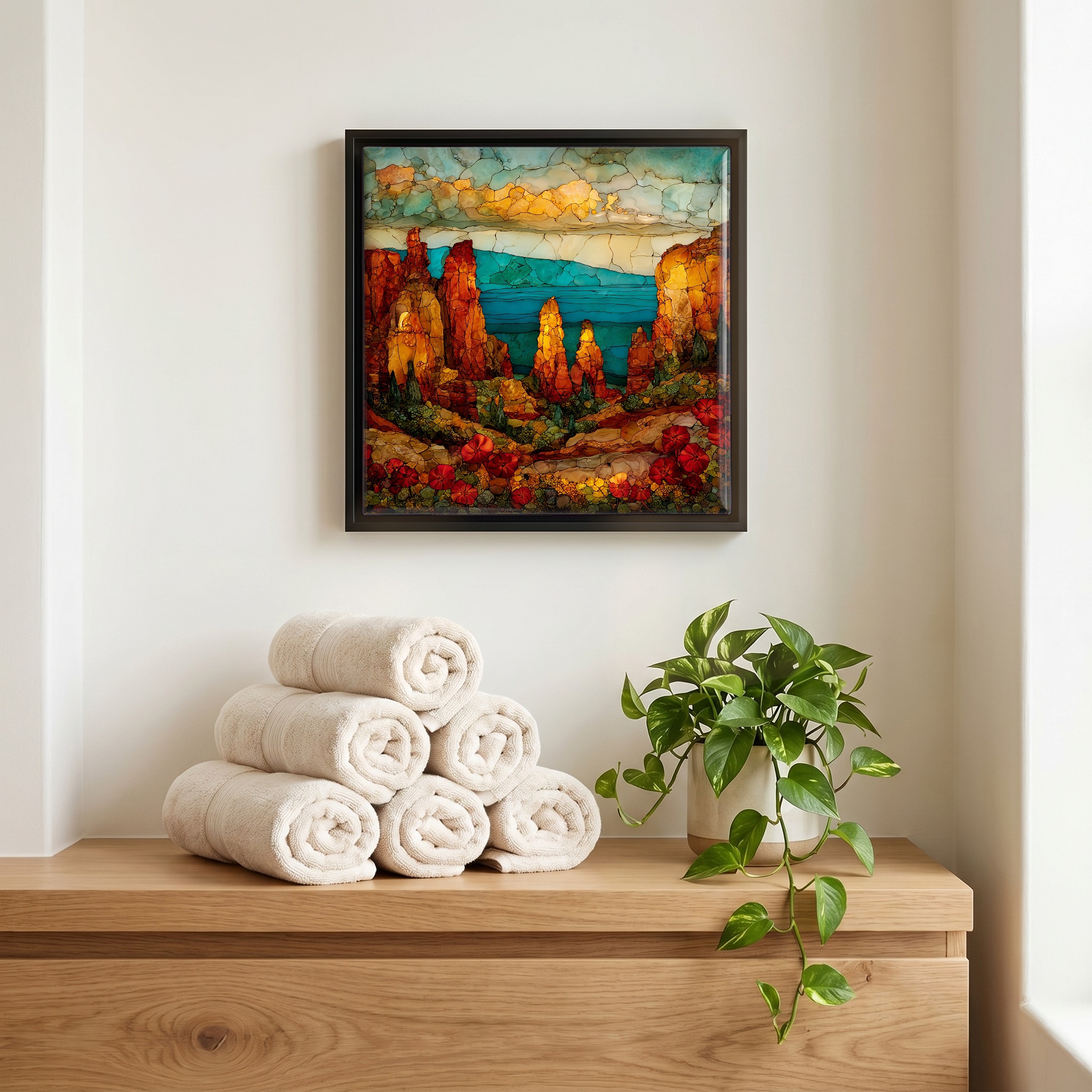
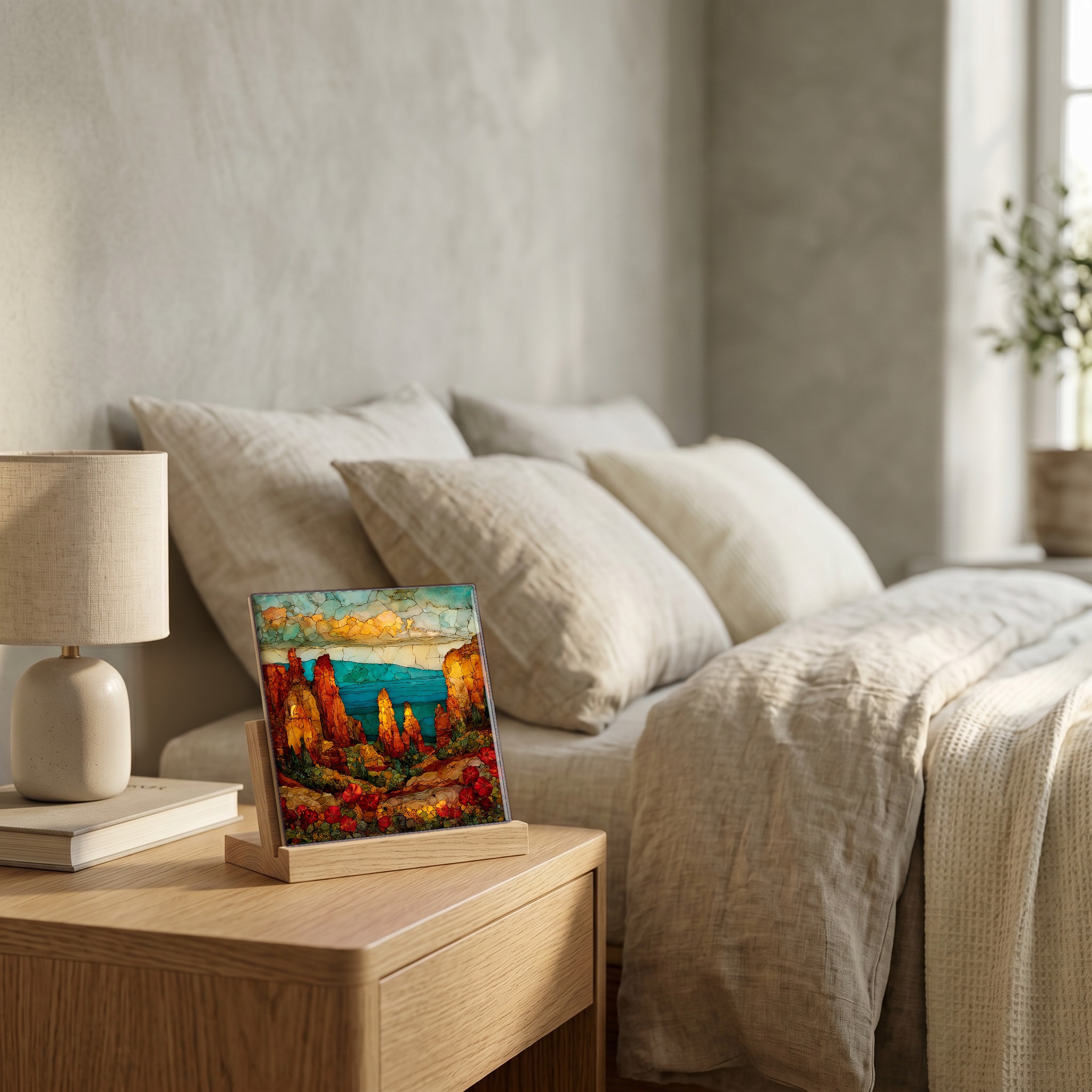
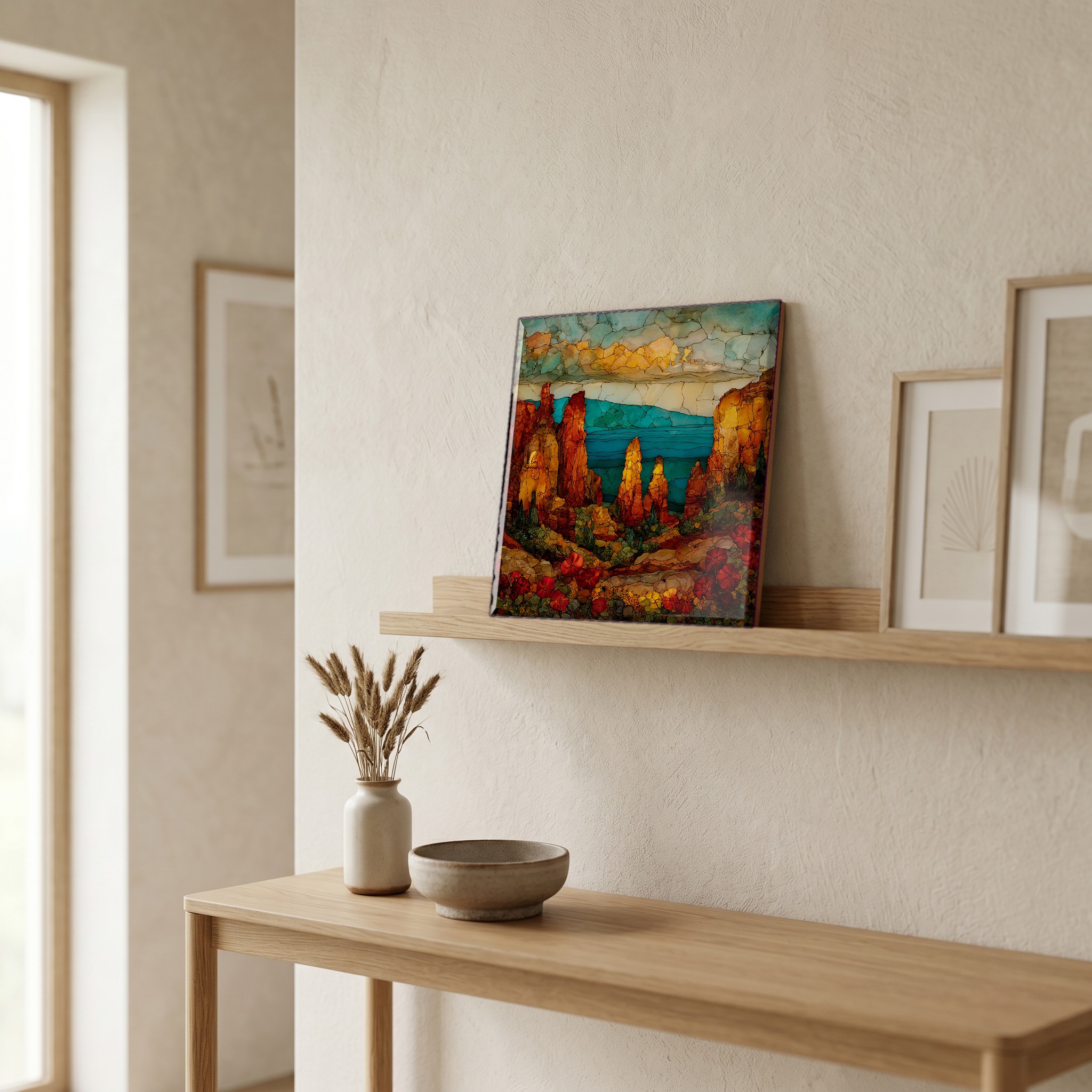
“The high red plain at the north end of Lāna'i, scattered with wind-stacked boulders and a soil that turns through orange and amber as the light moves. Polihua Road from Lāna'i City is slow, dusty, four-wheel-drive only, and takes about forty minutes. The Hawaiian name is Keahiakawelo, the fire of Kawelo. The story goes that a kahuna stripped this whole headland for fuel, trying to outlast a rival's fire across the channel on Moloka'i. Wind and time have done the rest. Last light is what the place is for. After the sun goes, almost no one is there.
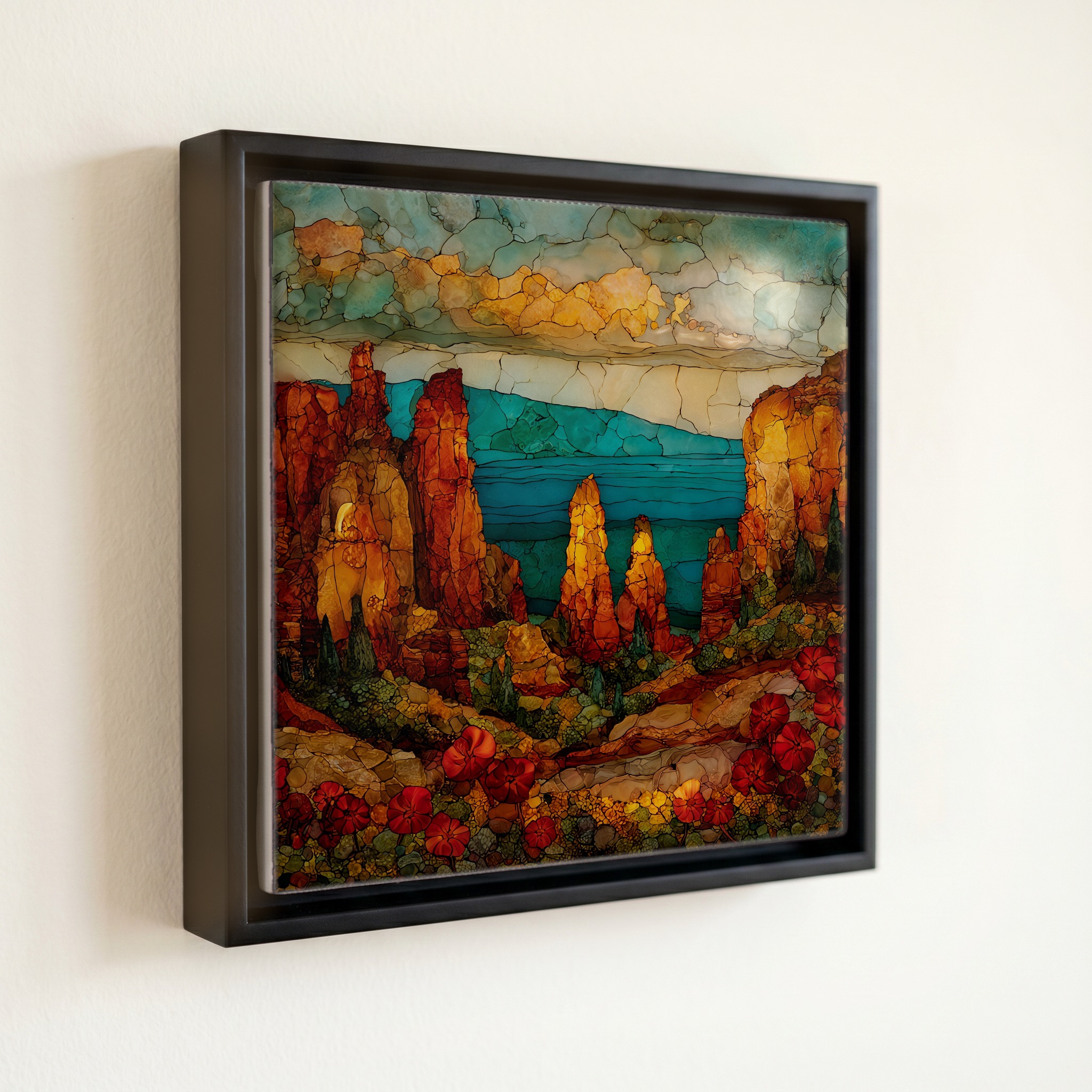
Garden of the Gods Lanai Ceramic Art Tile, on ceramic.
Each tile is finished by hand in our Knoxville studio. Artwork is slowly infused into the ceramic surface under high heat and pressure, and rests beneath a thin glossy finish. The colour lives in the surface, not on top of it.
Pick any four 4-inch tiles — National Parks you've been to, a Smokies set, the four seasons of one place. $ for a set of , cork-backed, ready to live on the table.
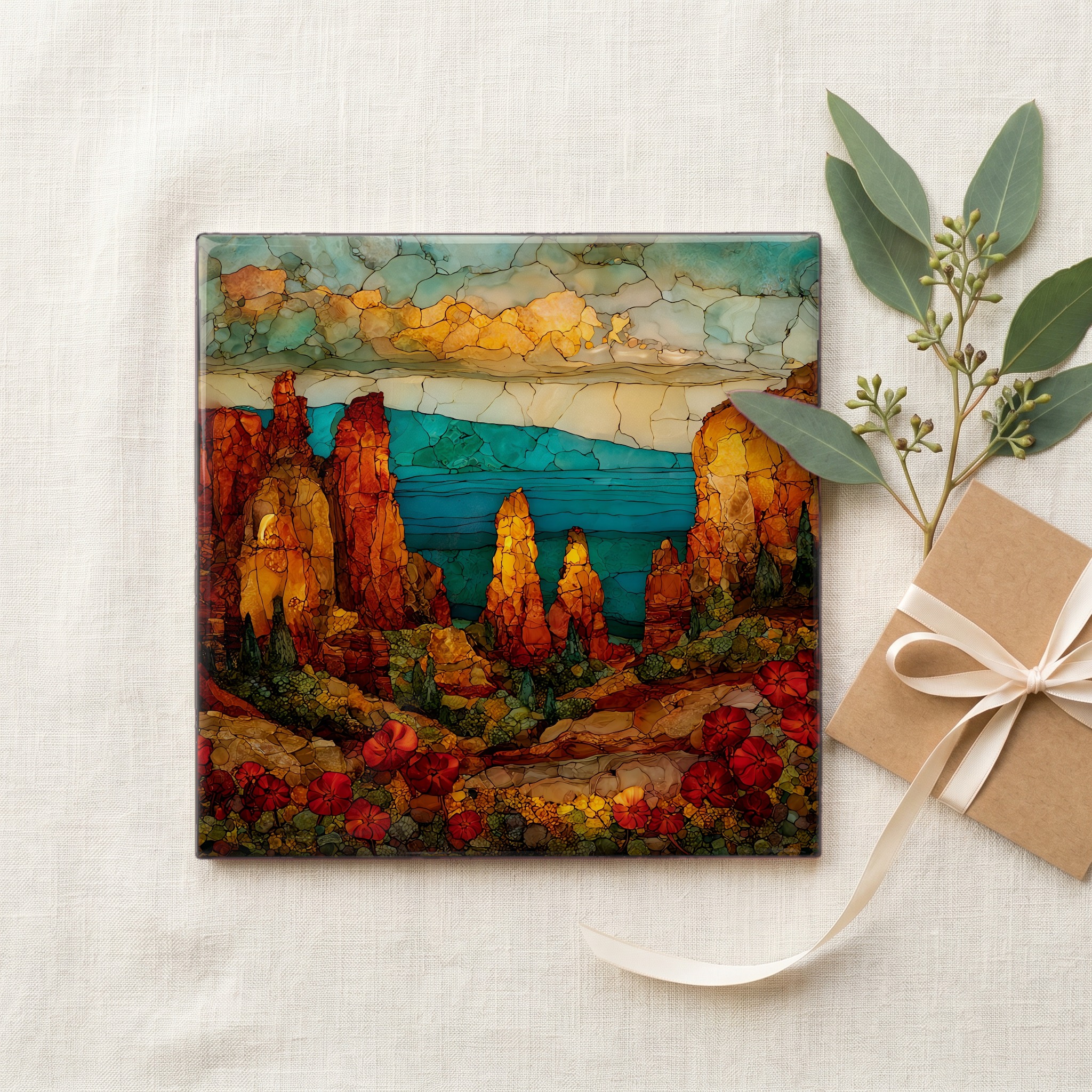
Each tile ships in a kraft box, tied with cream ribbon, with a handwritten note from the studio if you'd like to add one.
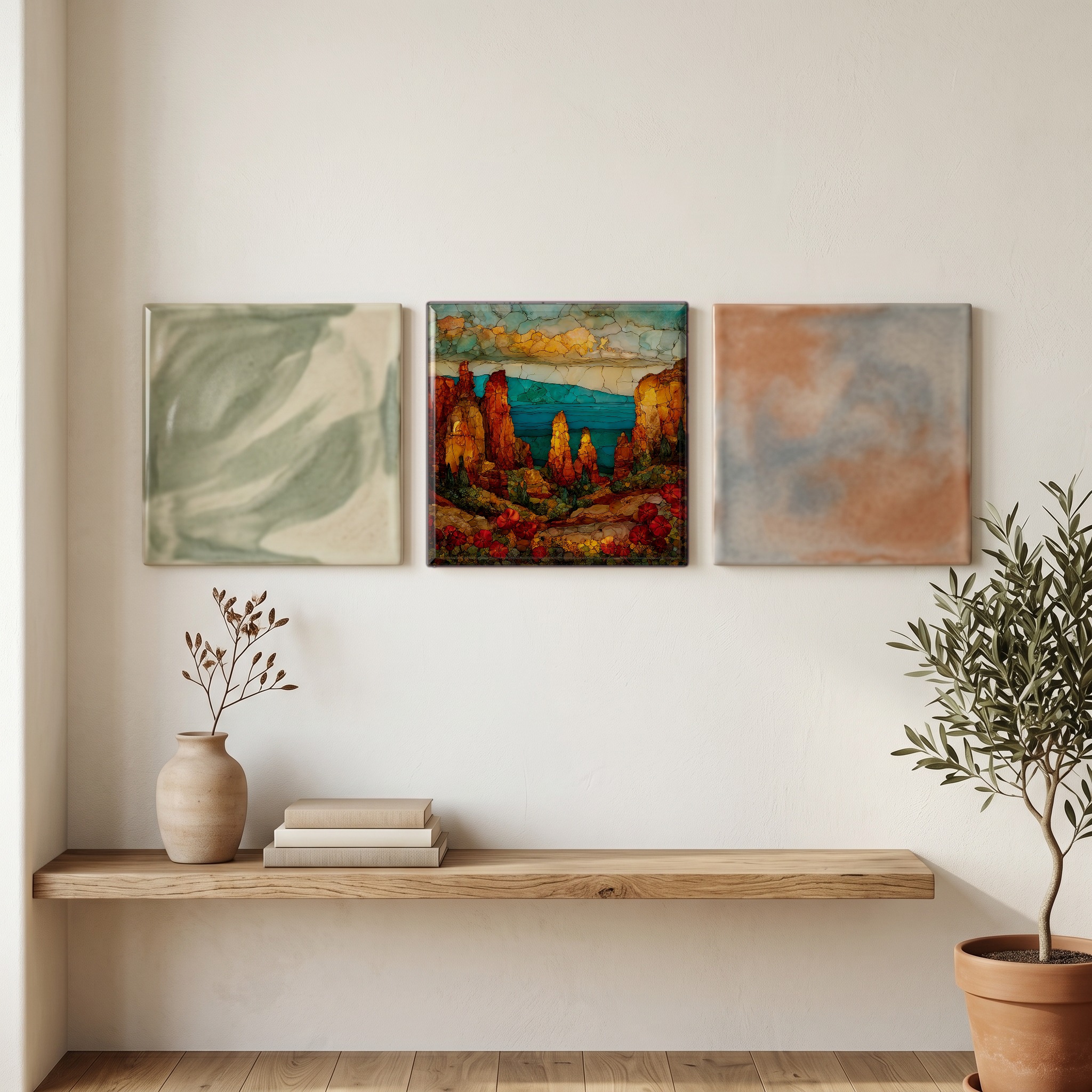
Three or five different vistas, hung together — a chapter of places you've been, or want to go.
The place, in three passes.
Keahiakawelo sits on the dry north-western plateau of Lāna'i, about seven miles from Lāna'i City at the end of Polihua Road. The route is a graded dirt track through the former pineapple uplands, four-wheel-drive only and slow going in either direction. The plateau lies in the rain shadow of the island's central ridge, which leaves the soil thin and the rocks exposed. The road continues another mile and a half past the rock garden to Polihua Beach on the channel facing Moloka'i. Lāna'i is the smallest of Hawai'i's publicly accessible islands at 140 square miles, and roughly 98 percent of the land has been under single ownership since 2012.
The rocks are basalt and iron-rich red soil left by erosion of the island's volcanic shield, which last erupted roughly 1.2 million years ago. Wind, working through the open plateau, has stacked and scattered the boulders into the loose, lunar arrangement the place is named for. The Hawaiian name Keahiakawelo translates as 'the fire of Kawelo' and comes from a story about a kahuna on Lāna'i and a kahuna on Moloka'i who held a contest to see whose ceremonial fire could burn longer. Kawelo stripped the headland of vegetation to outlast his rival across the channel. The cultural account and the geological one arrive at the same landscape.
The plateau is best seen in the last hour before sunset or the first hour after sunrise, when iron in the soil shifts through orange, red, and amber. Midday flattens the colour and the heat is severe; there is no shade and no water on the plateau. The sunset view faces Moloka'i across the Kalohi Channel, with that island's silhouette on the horizon. After dark the site is quiet and the sky is dark enough for the Milky Way most months of the year. Pulama Lāna'i, which manages the land, asks visitors to leave the rocks as they find them; stacking or removing stones is discouraged at the site.