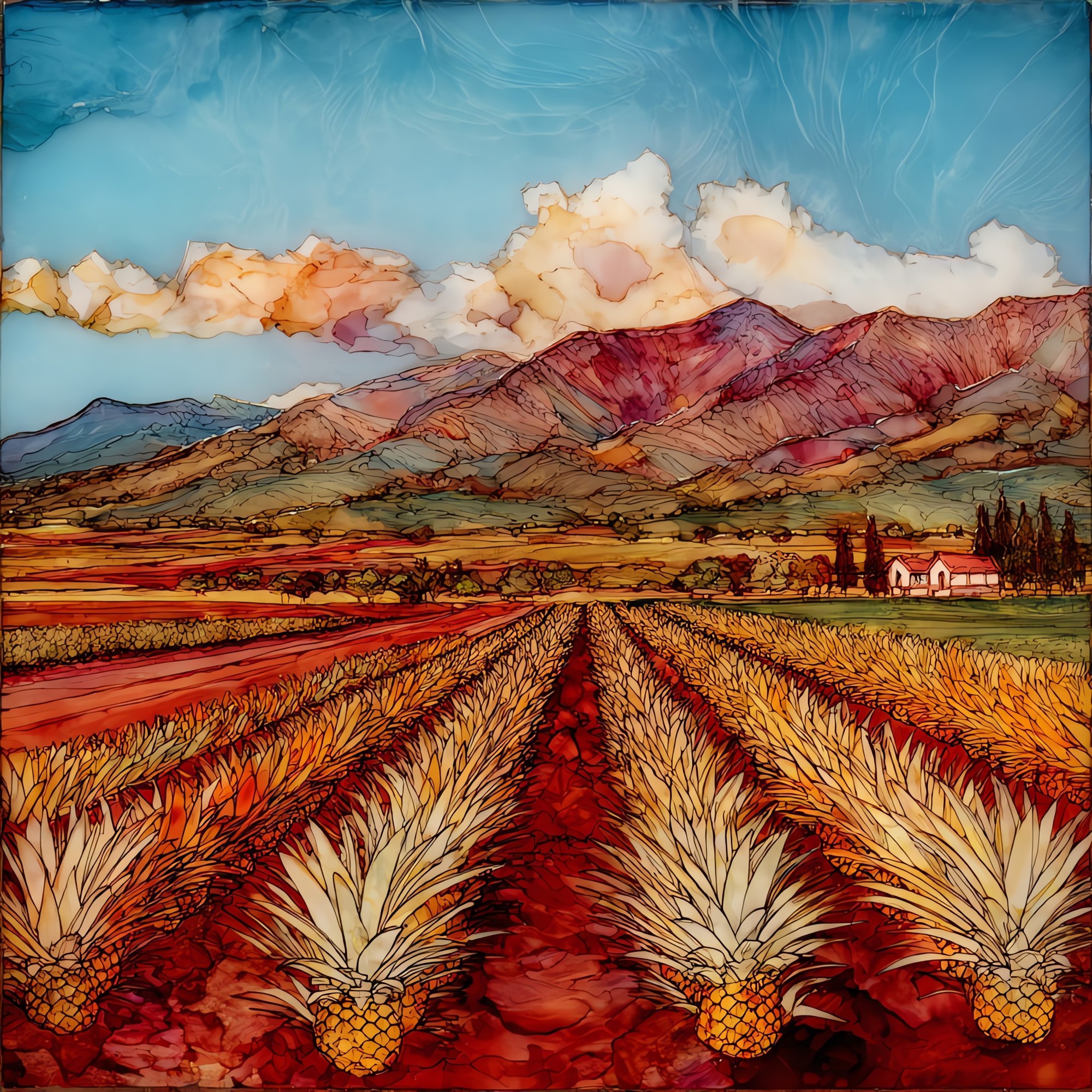
Dole Plantation Oahu Ceramic Art Tile
— — the sweet road between two mountain ranges.
Not only on a wall.
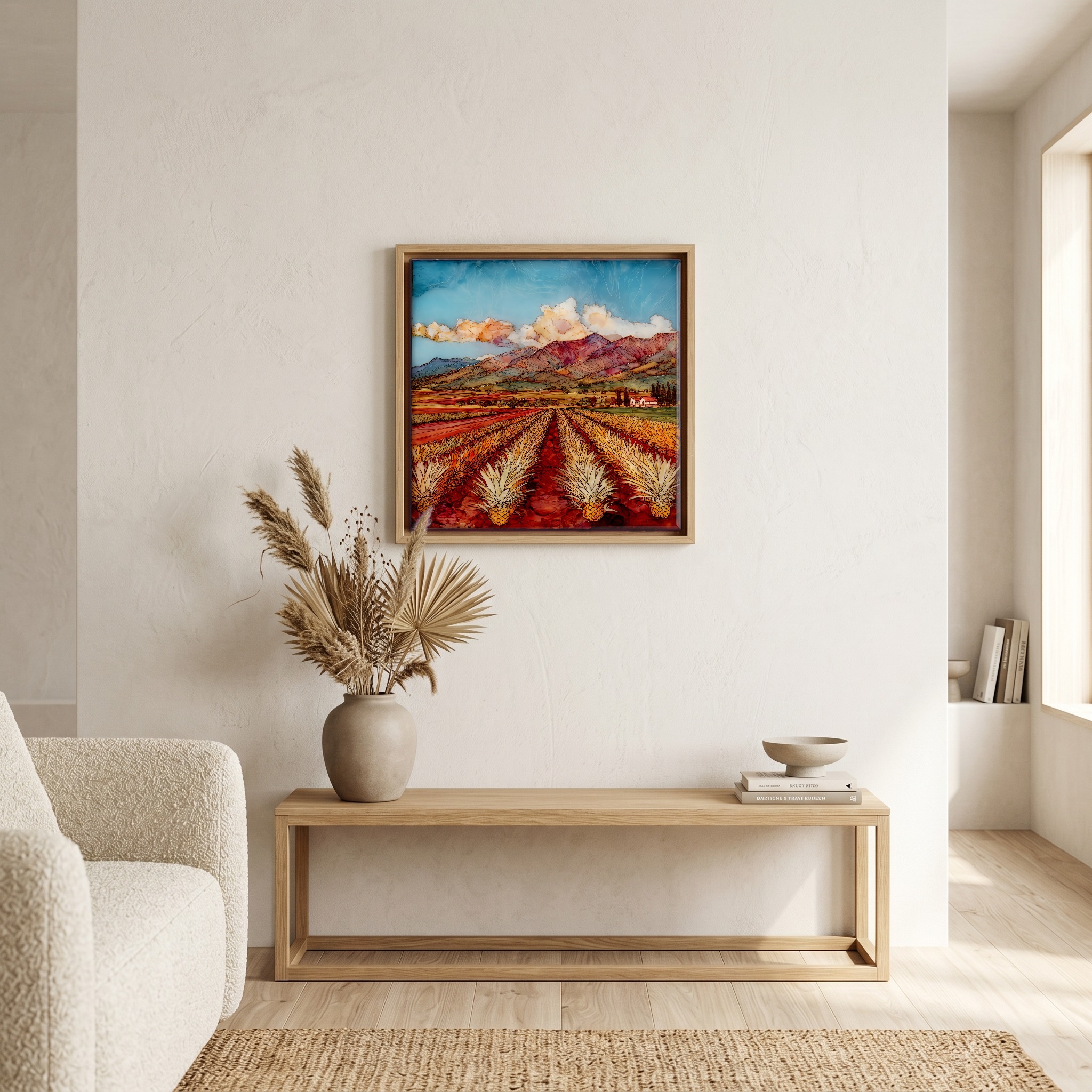
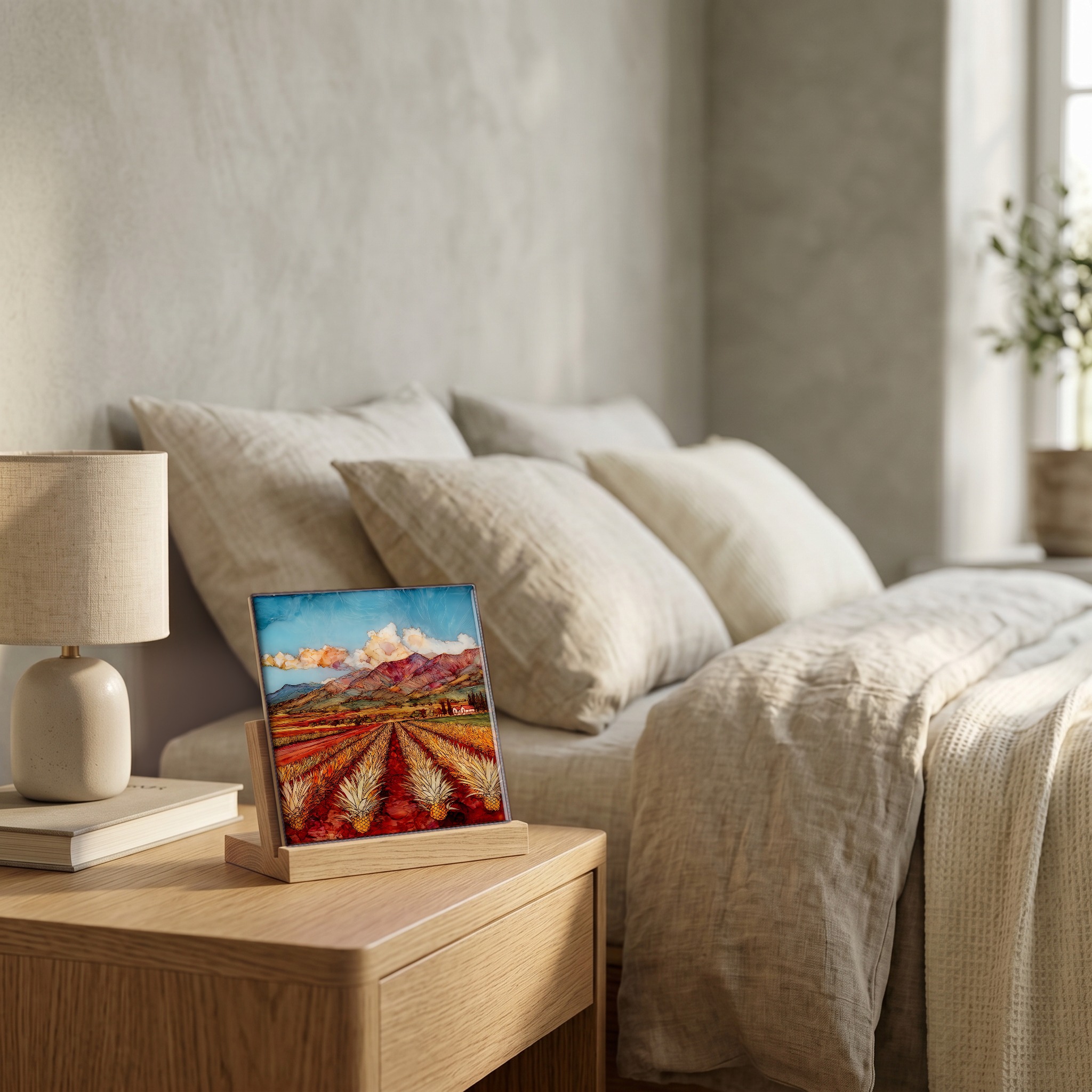
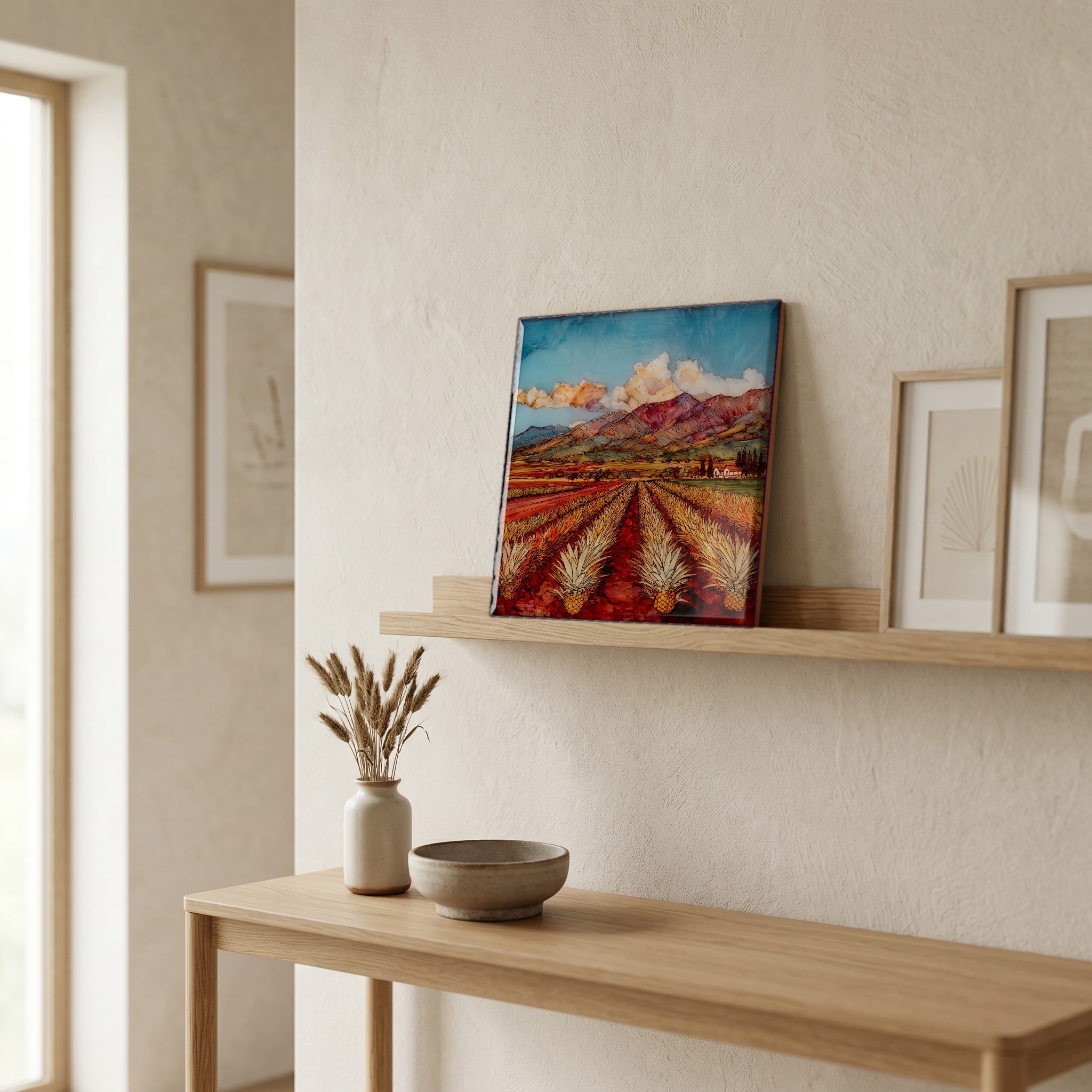
“A field in the saddle of central Oahu, between the Waianae and Koolau ranges. James Dole started his pineapple company on these red soils in 1901; the visitor stop on Kamehameha Highway opened in 1989. The garden maze covers more than two acres of hibiscus, heliconia, and croton, and a small train runs a two-mile loop past the working rows. The road keeps going north to Haleiwa and the surf. Most people stop here on the way.
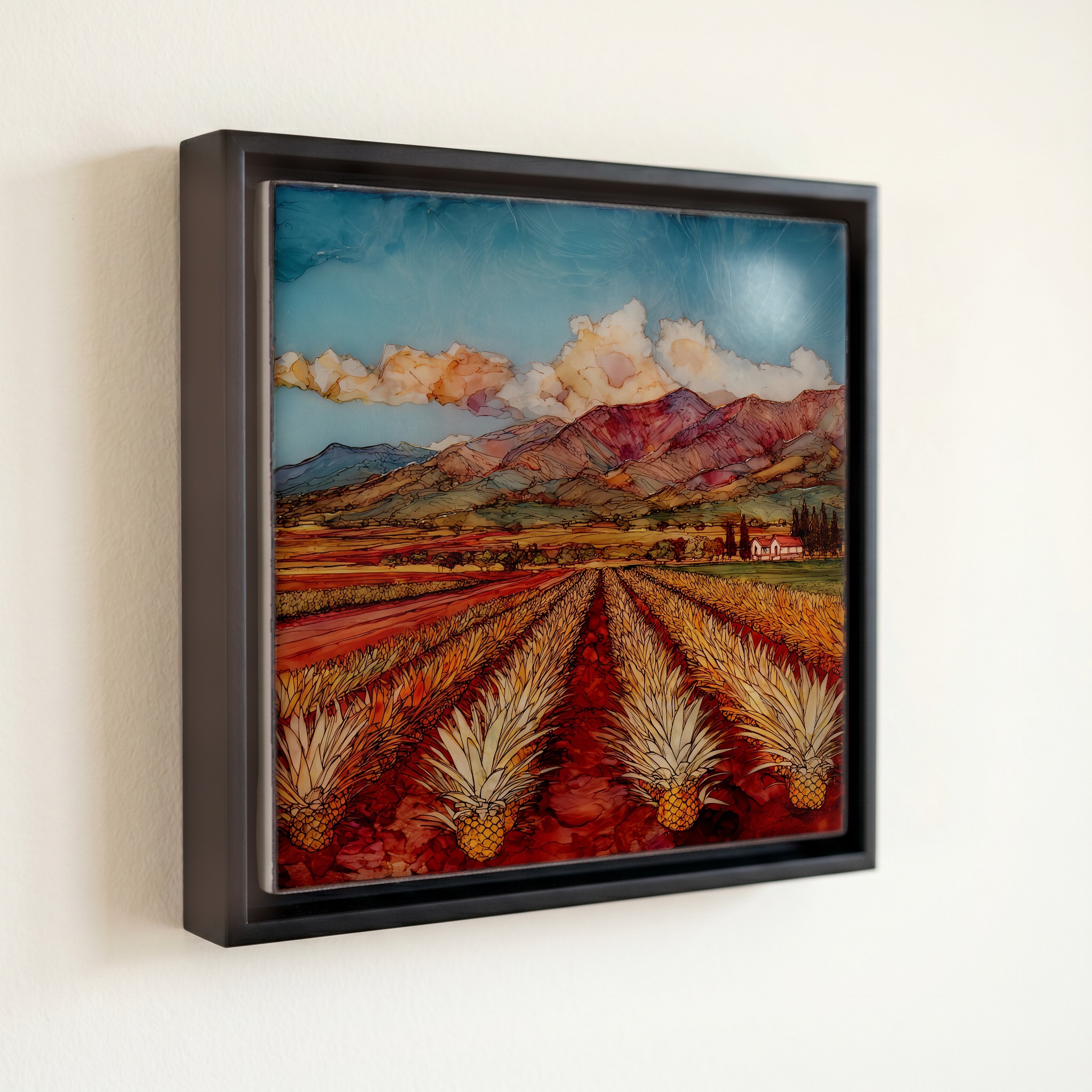
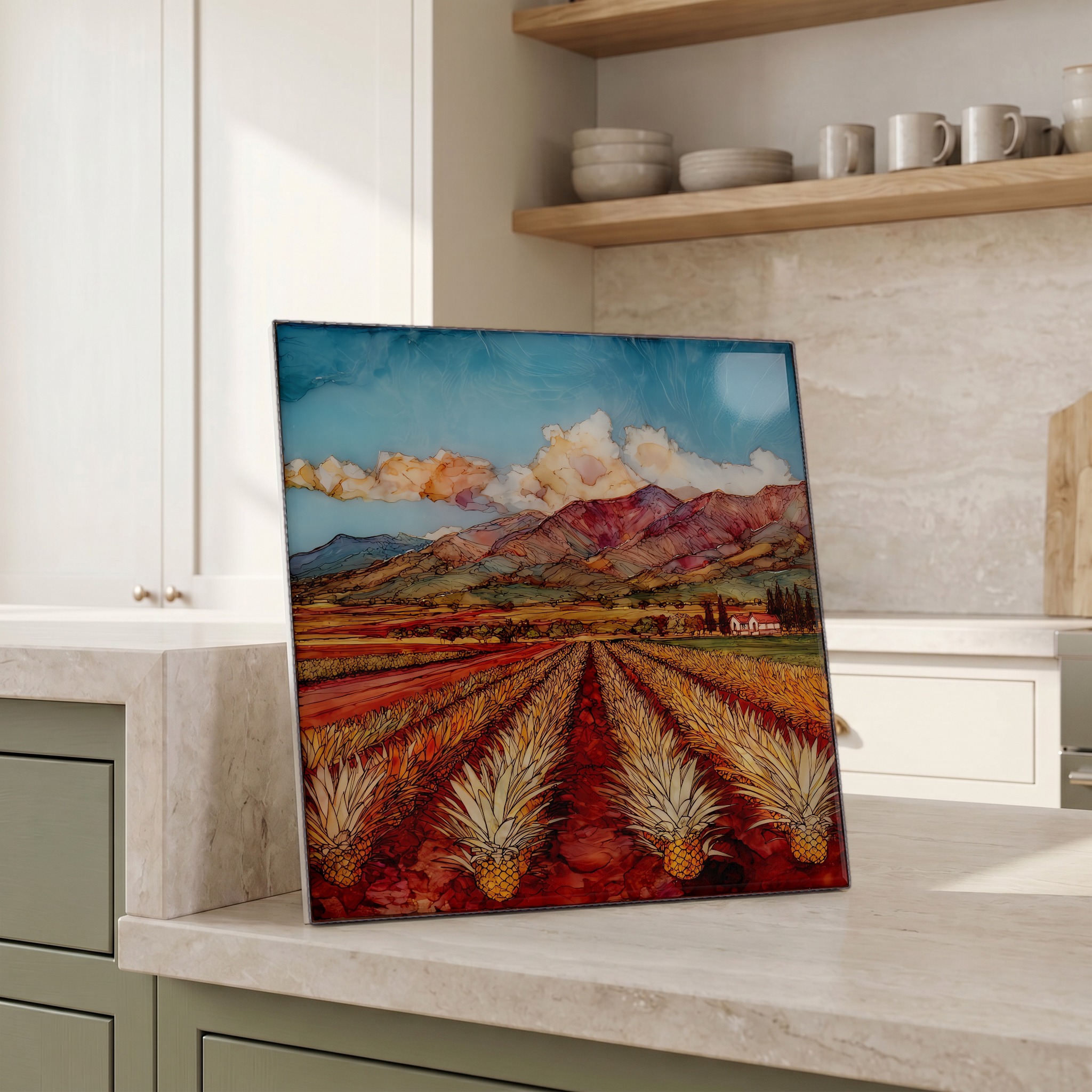
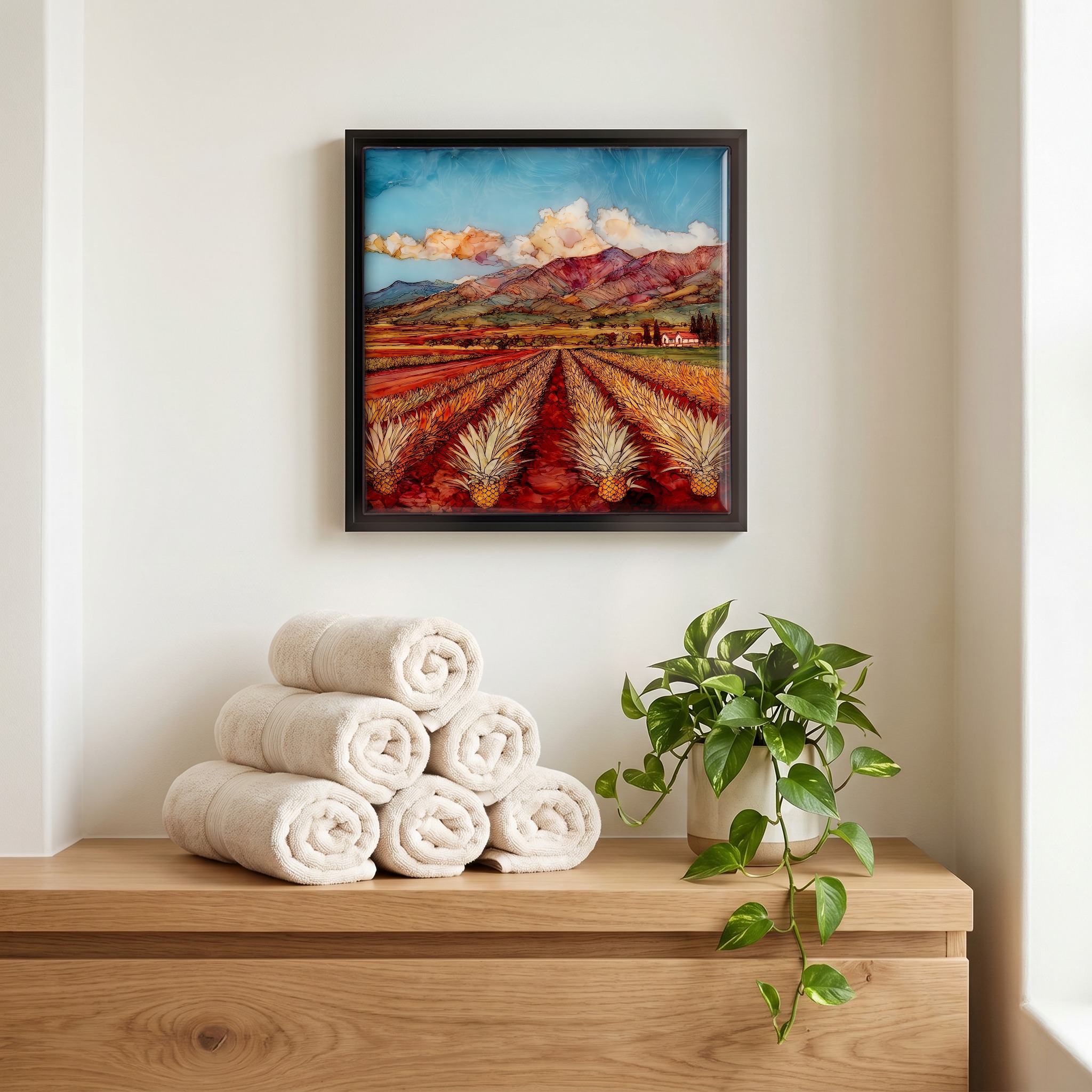
Dole Plantation Oahu Ceramic Art Tile, on ceramic.
Each tile is finished by hand in our Knoxville studio. Artwork is slowly infused into the ceramic surface under high heat and pressure, and rests beneath a thin glossy finish. The colour lives in the surface, not on top of it.
Pick any four 4-inch tiles — National Parks you've been to, a Smokies set, the four seasons of one place. $ for a set of , cork-backed, ready to live on the table.
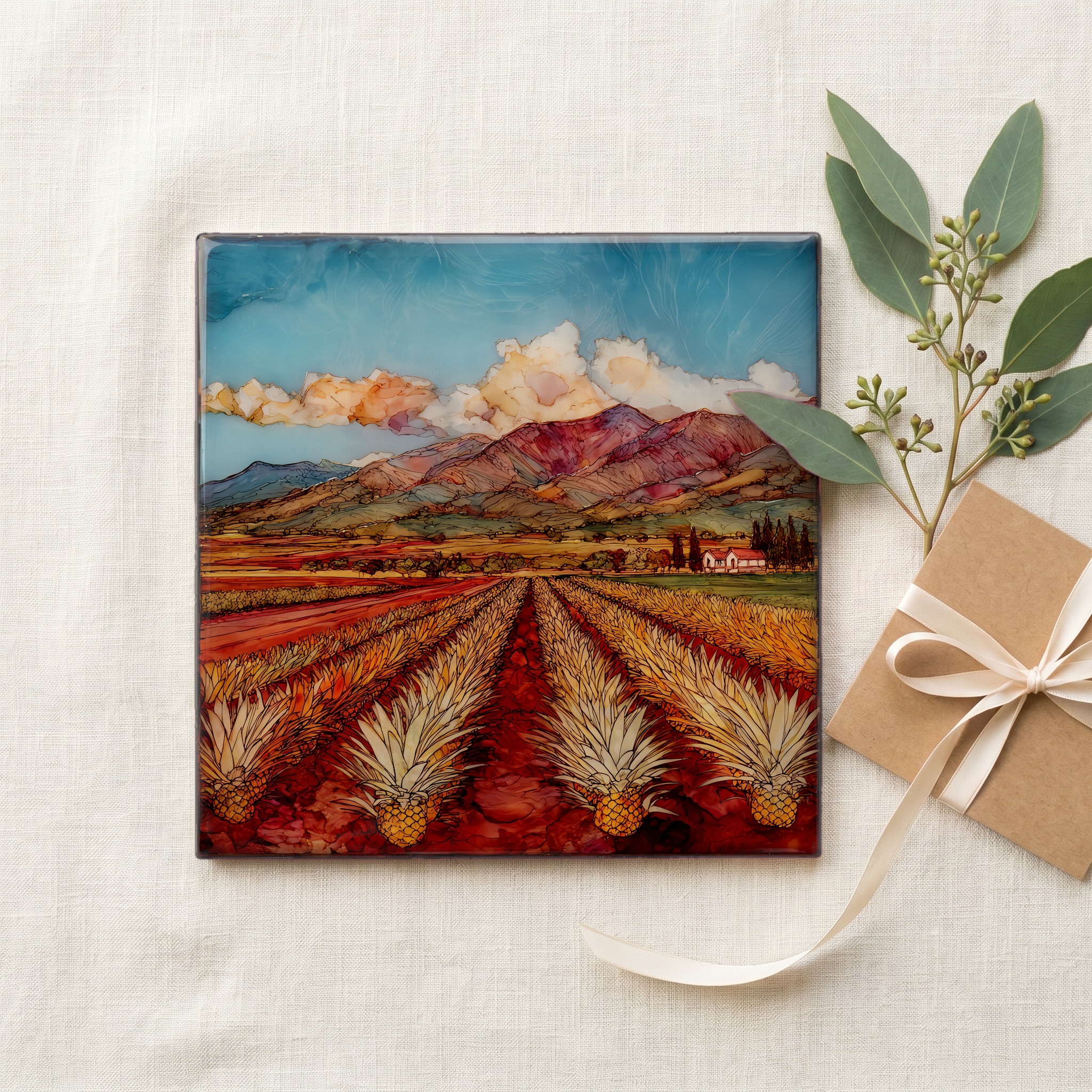
Each tile ships in a kraft box, tied with cream ribbon, with a handwritten note from the studio if you'd like to add one.
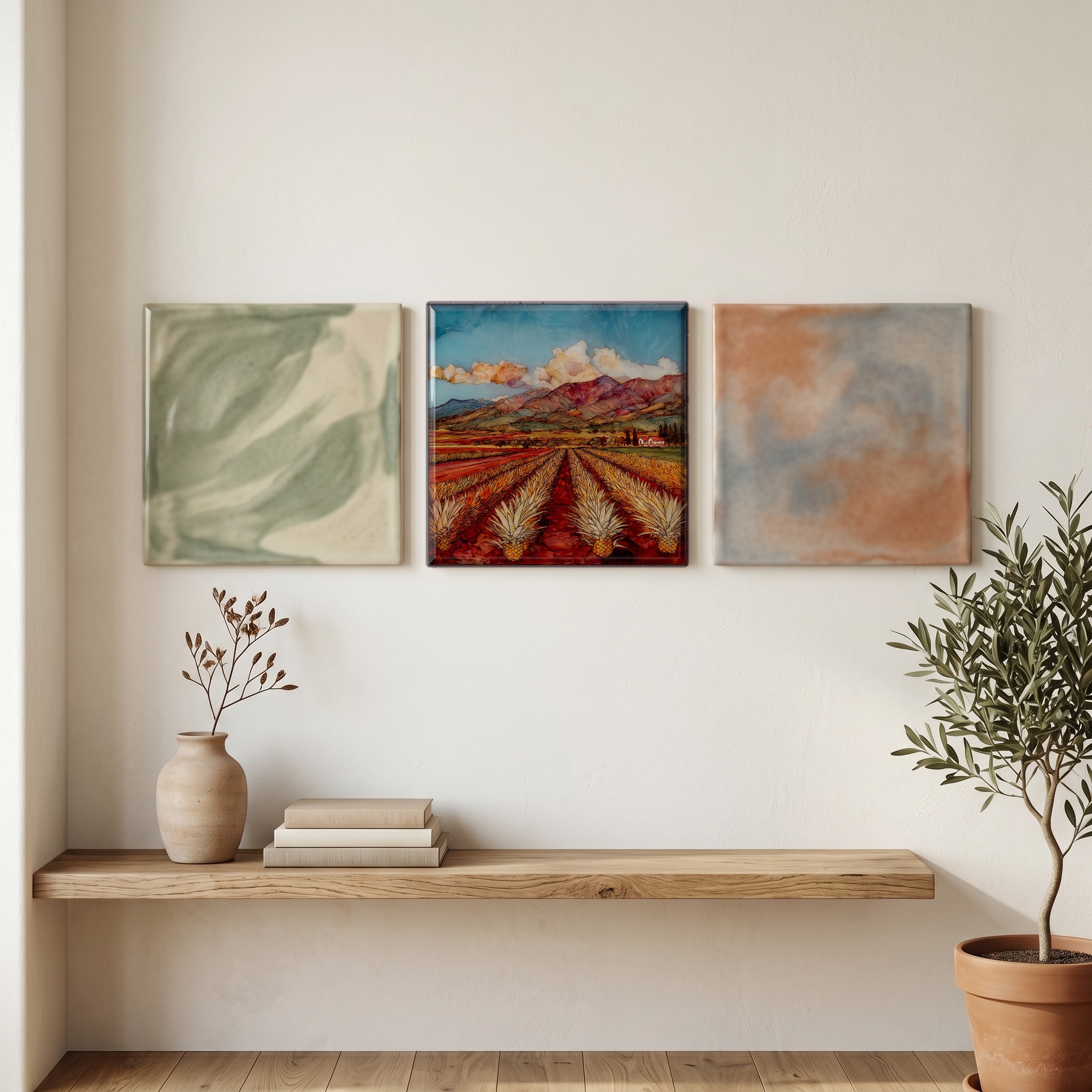
Three or five different vistas, hung together — a chapter of places you've been, or want to go.
The place, in three passes.
The Dole Plantation visitor site sits at 64-1550 Kamehameha Highway in Wahiawa, on the central plateau of Oahu. The plateau is the saddle formed by two volcanic ranges, the Waianae to the west and the Koolau to the east, and the nearby town of Wahiawa rests at 942 feet of elevation, nearly surrounded on three sides by Lake Wilson, the island's second-largest reservoir at 302 acres. Honolulu lies about 25 miles south by Interstate H-2, and the North Shore surf towns of Haleiwa and Waialua are a short drive further along Route 99. The grounds occupy land that anchored Hawaii's commercial pineapple industry for most of the twentieth century.
James Dole arrived in Hawaii from Boston in 1899 and incorporated the Hawaiian Pineapple Company in 1901, building one of the first commercial pineapple operations on the central Oahu plateau. Within two decades he ran one of the largest fruit operations in the world, buying the island of Lanai in 1922 and turning it into a 20,000-acre pineapple plantation. The Wahiawa fields traded hands many times through the twentieth century, and the visitor site opened as Hawaii's Pineapple Experience in 1989. Dole phased out its Lanai operation in 1992, and large-scale commercial pineapple production on the islands wound down through the decade that followed. The rows behind the plantation are still working ground.
The visitor grounds are open daily and built around three attractions. The Pineapple Garden Maze opened in 1998 and was expanded in 2007 to cover more than 137,000 square feet, with nearly two and a half miles of paths winding through some 14,000 hibiscus, heliconia, croton, and panax plants. Guinness World Records named it the world's largest maze in 2008. The Pineapple Express Train runs a fully narrated two-mile loop past the working fields, taking about twenty minutes, and the Plantation Garden Tour is a self-guided walk through the historic varietals. The site is on Kamehameha Highway about thirty-five minutes' drive from Waikiki and twenty from Haleiwa.