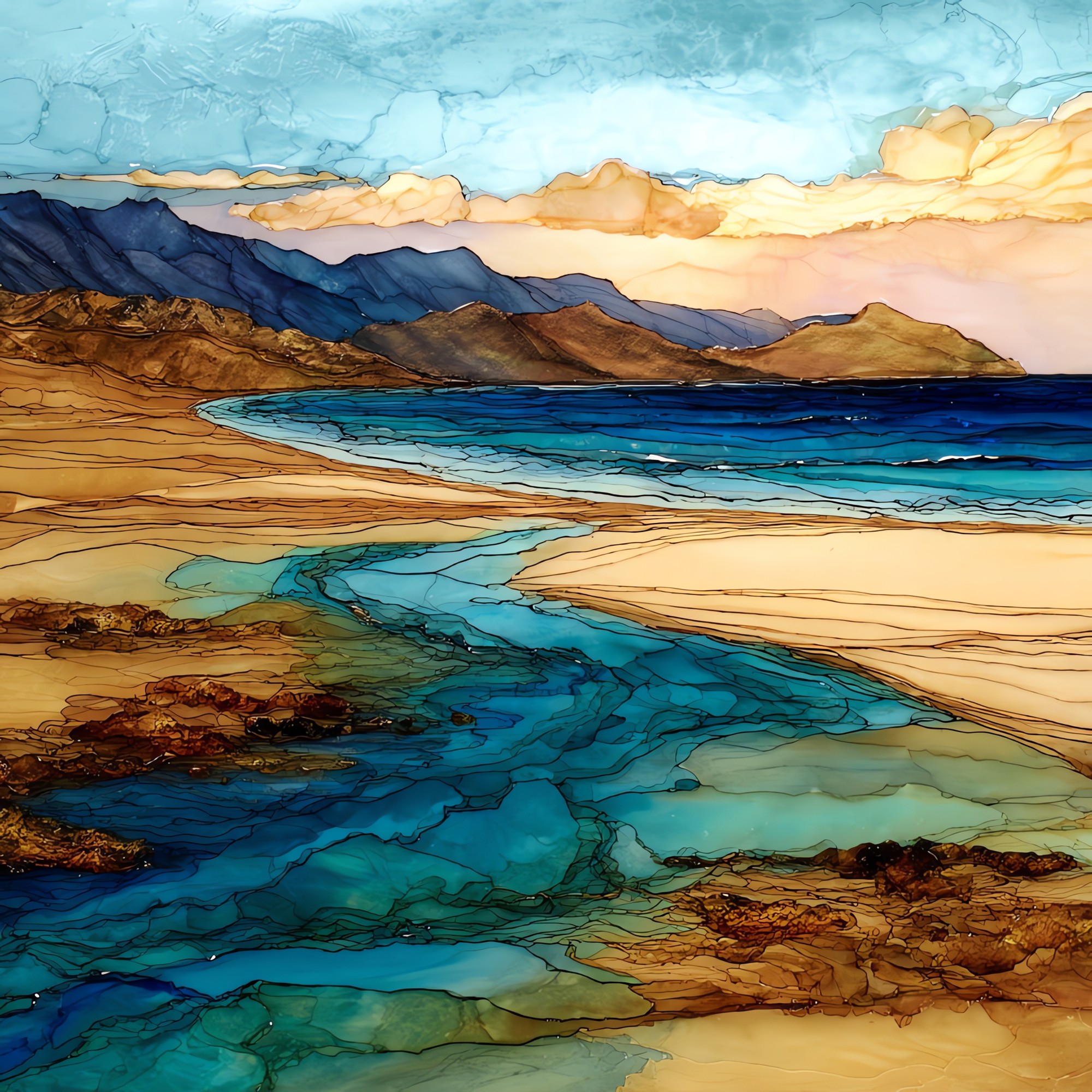
Barking Sands Kauai Ceramic Art Tile
— — the sand that hums underfoot.
Not only on a wall.
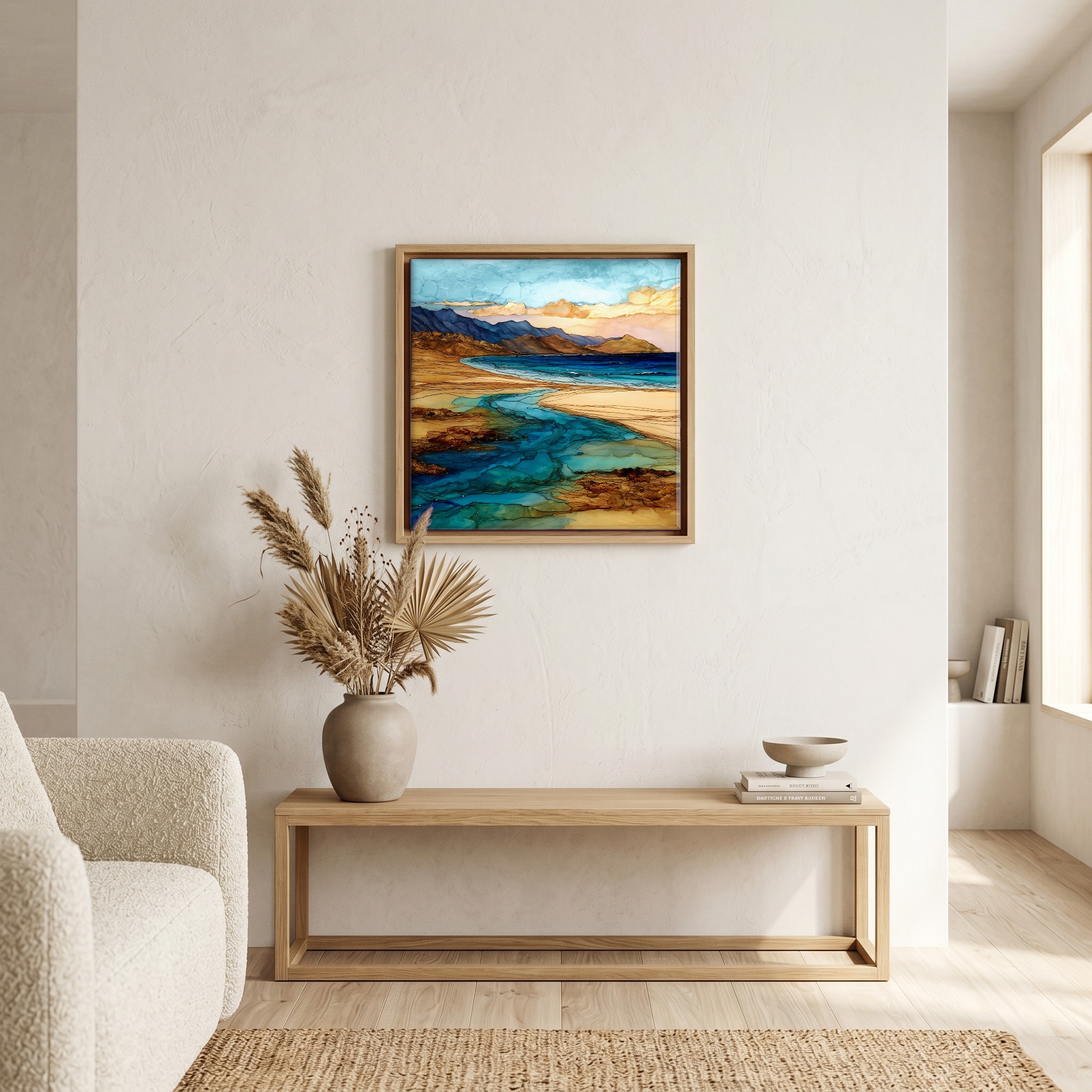
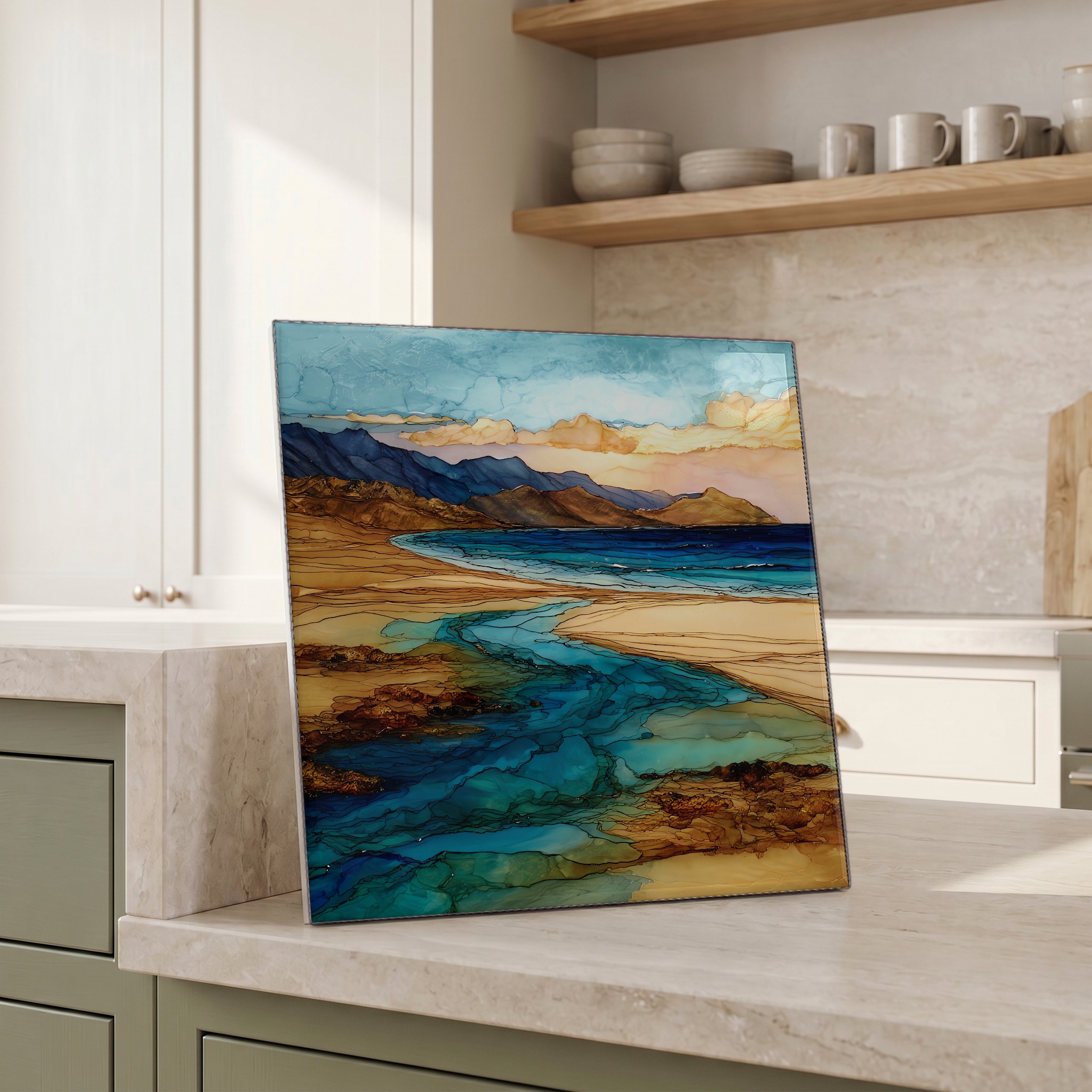
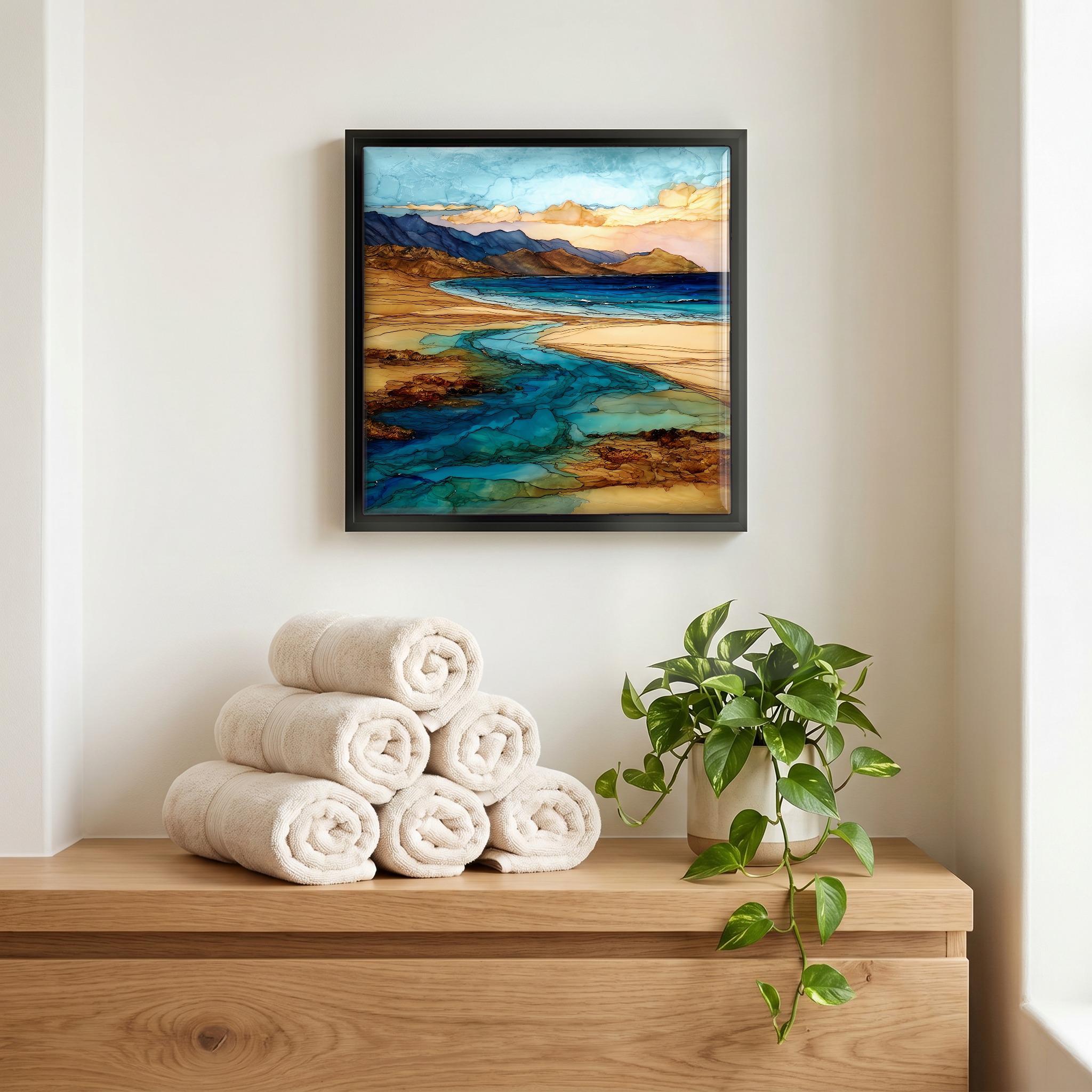
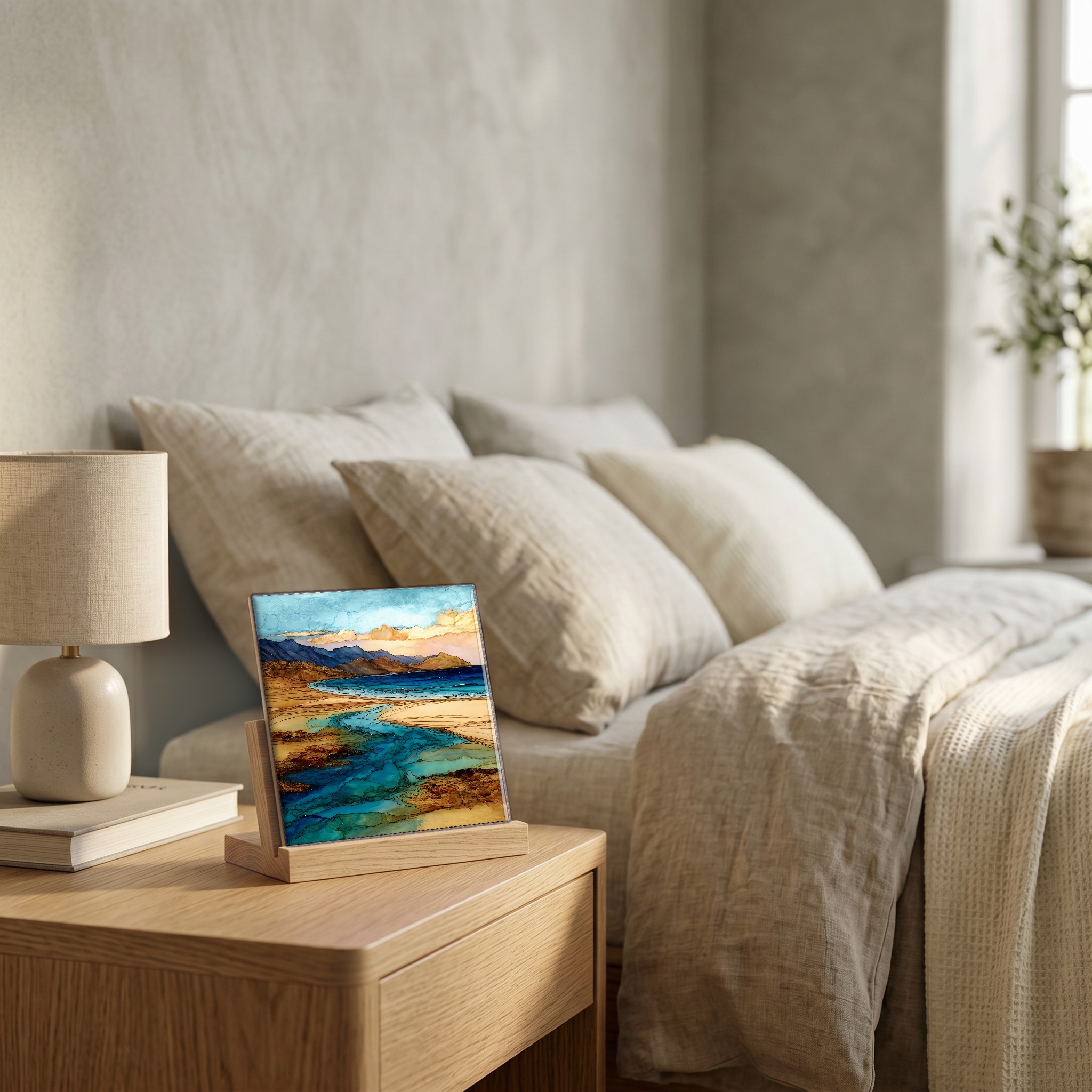
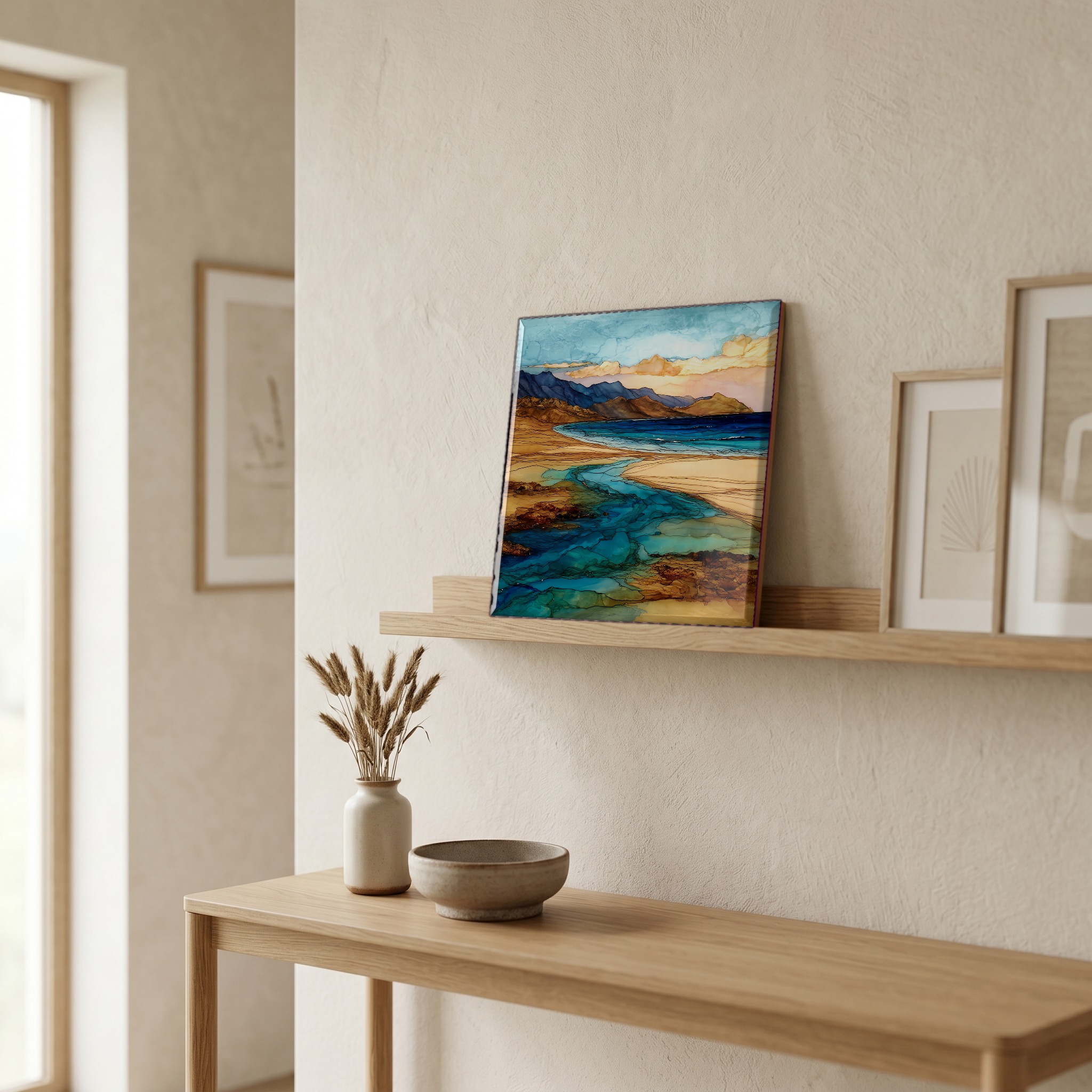
“The leeward coast of Kauai, facing the open Pacific. Seventeen miles of pale quartz sand run south from Polihale to Kekaha, with the Pacific Missile Range Facility holding the middle stretch. Walk the dry sand on a hot afternoon and it answers back, a low hum from the grains rubbing under weight. The mountains of Niʻihau sit seventeen miles offshore across the Kaulakahi Channel, low in the haze. The sunsets are unobstructed. Civilian access through the base gate is typically allowed on weekends when range operations permit; the Polihale end stays open every day, the road in long and rough.
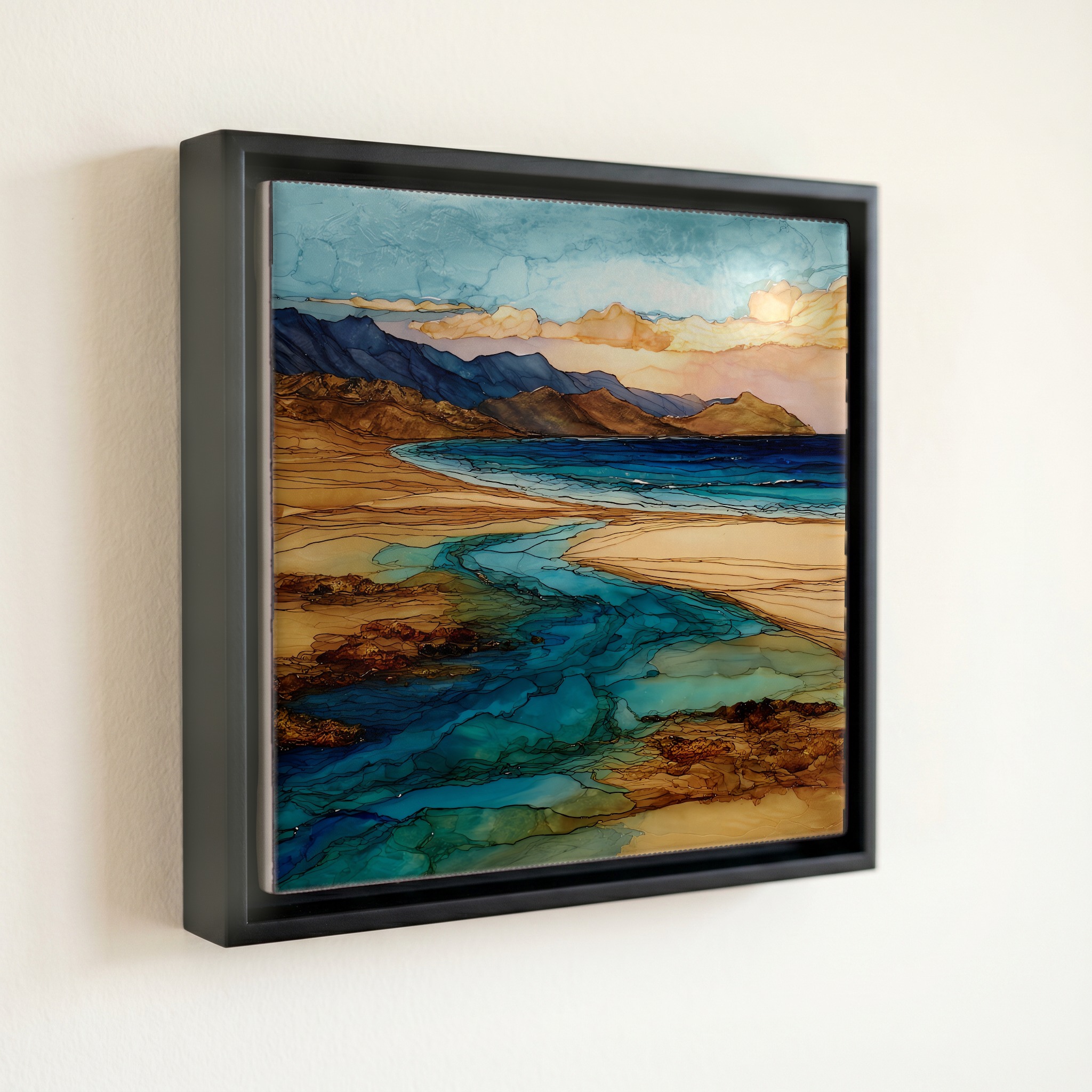
Barking Sands Kauai Ceramic Art Tile, on ceramic.
Each tile is finished by hand in our Knoxville studio. Artwork is slowly infused into the ceramic surface under high heat and pressure, and rests beneath a thin glossy finish. The colour lives in the surface, not on top of it.
Pick any four 4-inch tiles — National Parks you've been to, a Smokies set, the four seasons of one place. $ for a set of , cork-backed, ready to live on the table.
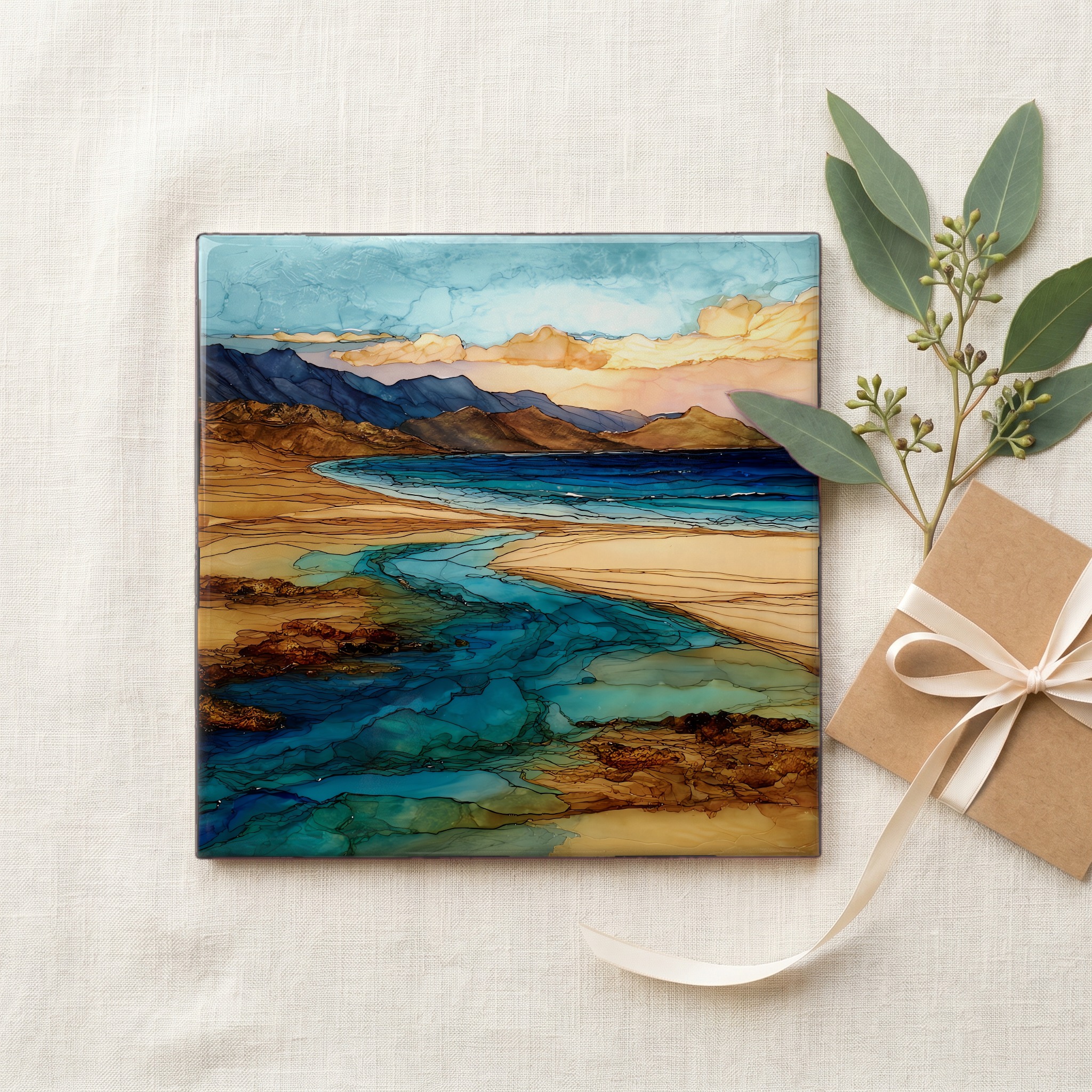
Each tile ships in a kraft box, tied with cream ribbon, with a handwritten note from the studio if you'd like to add one.

Three or five different vistas, hung together — a chapter of places you've been, or want to go.
The place, in three passes.
Barking Sands sits on the leeward coast of Kauai, the western shore of the main Hawaiian Islands. The strand runs roughly seventeen miles from Polihale State Park at the foot of the Na Pali cliffs south to Kekaha town, a sweep of pale quartz beach known to Hawaiians as Nohili. The middle stretch is enclosed by the Pacific Missile Range Facility, a U.S. Navy installation on the flat Mana coastal plain. Polihale anchors the north end; the dry Mana plain runs behind the south. The privately held island of Niʻihau lies about seventeen miles to the west across the Kaulakahi Channel.
The beach is named for an acoustic effect. When the surface sand is dry and walked upon, the quartz grains produce a low woofing or squeaking sound, distinct enough that Hawaiian tradition gave the place the name Keonekani o Nohili, the sounding sands of Nohili. The mechanism is shear. Each grain is rounded and roughly the same size, around 0.3 to 0.5 millimetres, with a thin silica skin from sea spray. When weight passes over a dry patch, the grains slip against each other in unison and the friction produces a tone. Wet sand does not bark. Cool sand does not bark. The effect is strongest on a hot afternoon above the high-tide line.
Access to the central stretch of beach passes through the Pacific Missile Range Facility, a Navy installation that opens its recreation beaches to authorized civilians and offers limited public access on weekends when range operations allow. Day passes are issued at the Main Gate off Kaumualii Highway near Kekaha, and visitors are subject to base ID checks and beach closures during exercises. The northern end at Polihale State Park is reached by a roughly five-mile unpaved road off Highway 50 and is open without permit, though heavy rain can render the road impassable to passenger cars. There are no concessions at either end; bring water.