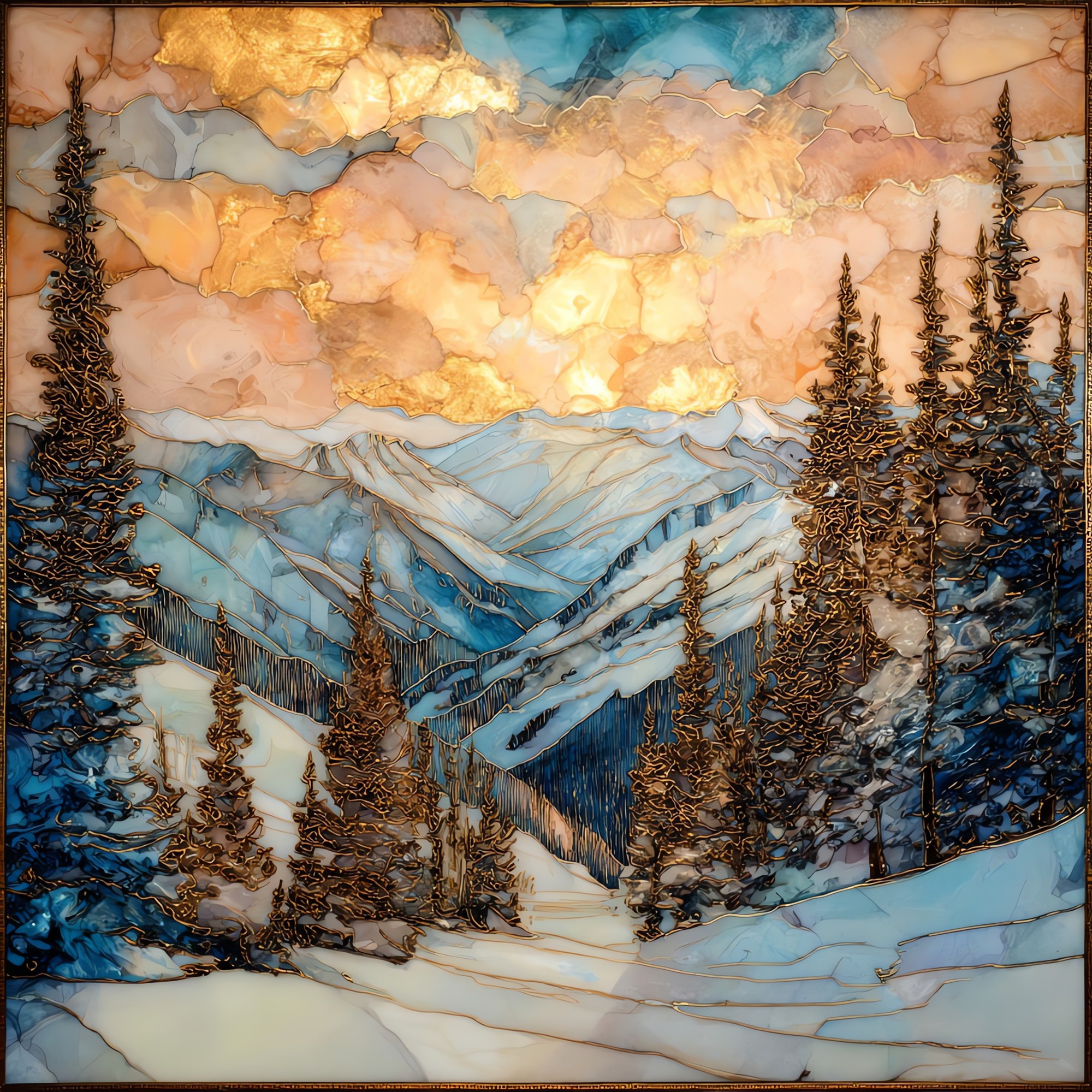
Wolf Creek powder San Juans Ceramic Art Tile
— — where the storms come down first.
Not only on a wall.





“The ski area at the top of Wolf Creek Pass, where US Highway 160 crests the Continental Divide. It catches more natural snow than any other Colorado mountain, averaging about 430 inches a season and sometimes exceeding 500. Pacific storms lift over the San Juans here and drop their heaviest snow before continuing east. Family-owned since the late 1930s. No high-speed gondolas, no celebrity lodge. Skiers come up from Pagosa Springs and South Fork in the same week, and they tend to leave saying the same thing about the snow.
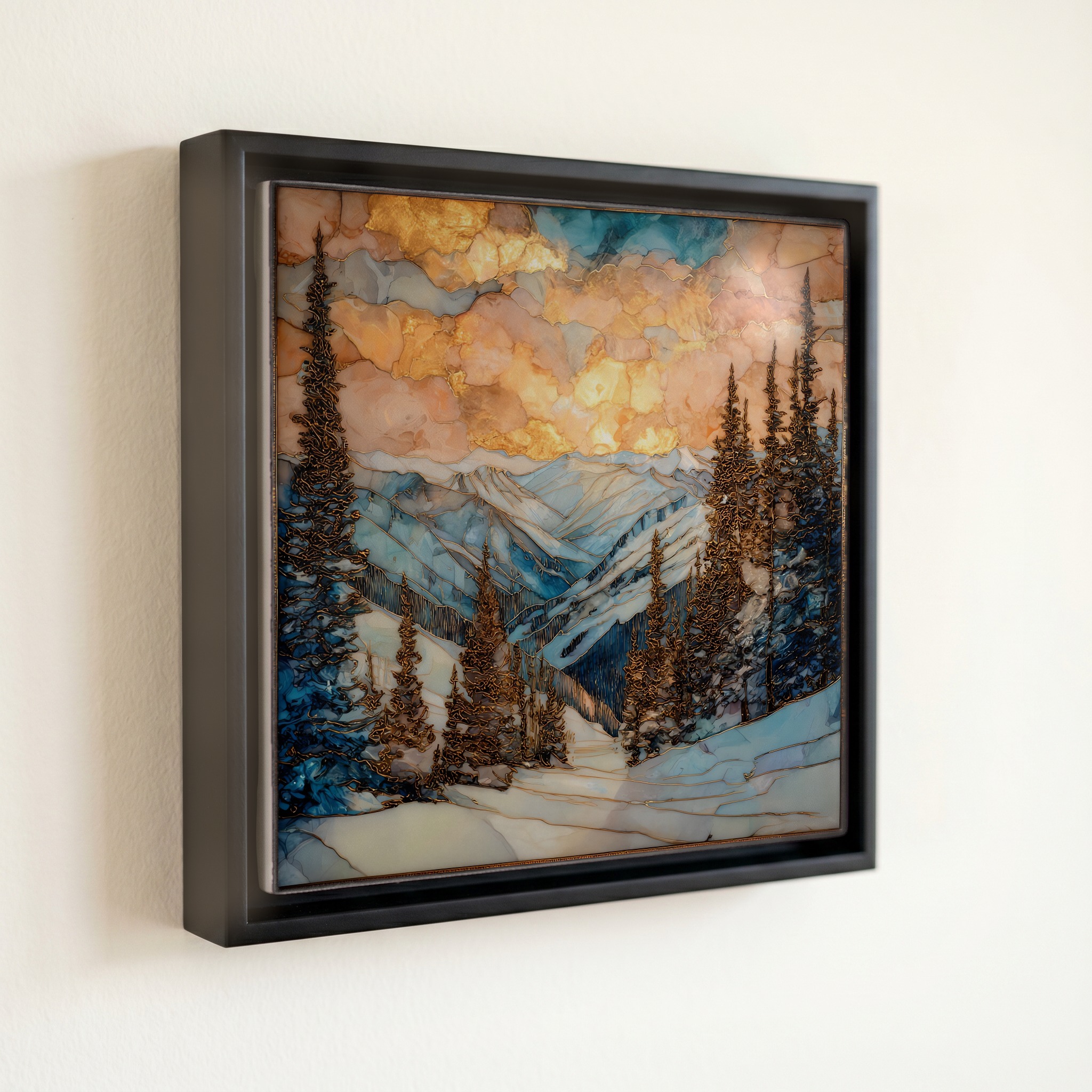
Wolf Creek powder San Juans Ceramic Art Tile, on ceramic.
Each tile is finished by hand in our Knoxville studio. Artwork is slowly infused into the ceramic surface under high heat and pressure, and rests beneath a thin glossy finish. The colour lives in the surface, not on top of it.
Pick any four 4-inch tiles — National Parks you've been to, a Smokies set, the four seasons of one place. $ for a set of , cork-backed, ready to live on the table.

Each tile ships in a kraft box, tied with cream ribbon, with a handwritten note from the studio if you'd like to add one.

Three or five different vistas, hung together — a chapter of places you've been, or want to go.
The place, in three passes.
Wolf Creek Ski Area sits at the crest of Wolf Creek Pass, elevation 10,857 feet (3,309 m), on the Continental Divide in the San Juan Mountains of southern Colorado. The pass forms the route of US Highway 160 between Pagosa Springs in Archuleta County and South Fork in Rio Grande County, with the ski area itself in Mineral County. The terrain rises from a base of 10,300 feet to a summit at 11,904 feet, with 1,600 skiable acres and a vertical drop of 1,604 feet. The first rope tow was strung in 1938 by Kelly Boyce and the Wolf Creek Ski Club; the resort has remained family-owned and independent ever since.
The snow has a physical explanation. The San Juans are the first major range that Pacific weather systems encounter after crossing the high desert of the Four Corners, and the Continental Divide forces those storms to lift, cool, and release their moisture. Wolf Creek sits exactly where that release happens, averaging about 430 inches of natural snowfall a year, the highest of any Colorado ski area by a wide margin. Roughly 27 storms each season drop five inches or more; about 13 of them drop ten or more in a single day. The dry interior climate keeps the crystals light, which is what locals are talking about when they say Colorado powder.
The lift-served season at Wolf Creek typically runs from early November to mid-April, longer than most Colorado resorts because the upper elevation holds the snow well past spring. Roads to the pass close briefly during the worst storms; the Colorado Department of Transportation runs traction-law enforcement on the climbs out of South Fork and Pagosa Springs. Summer brings a different rhythm. The Continental Divide Trail crosses Highway 160 right at the pass, and Alberta Peak rises just south of the lifts at 11,873 feet. The chairs sit still and the wildflowers come up under them. The Rio Grande and San Juan National Forests meet at the pass.