Wender·Vista
Winter Park Mary Jane bowls Front Range Ceramic Art Tile
shown on ceramic, 12-inch tileColorado · United States
west of Denver, on the Continental Divide

Winter Park Mary Jane bowls Front Range Ceramic Art Tile

— the bowl the wind keeps filling.

Where it lives

Not only on a wall.

A small tile on the nightstand catching the morning. A larger one above the fire. Yours, wherever you spend the slow hours.
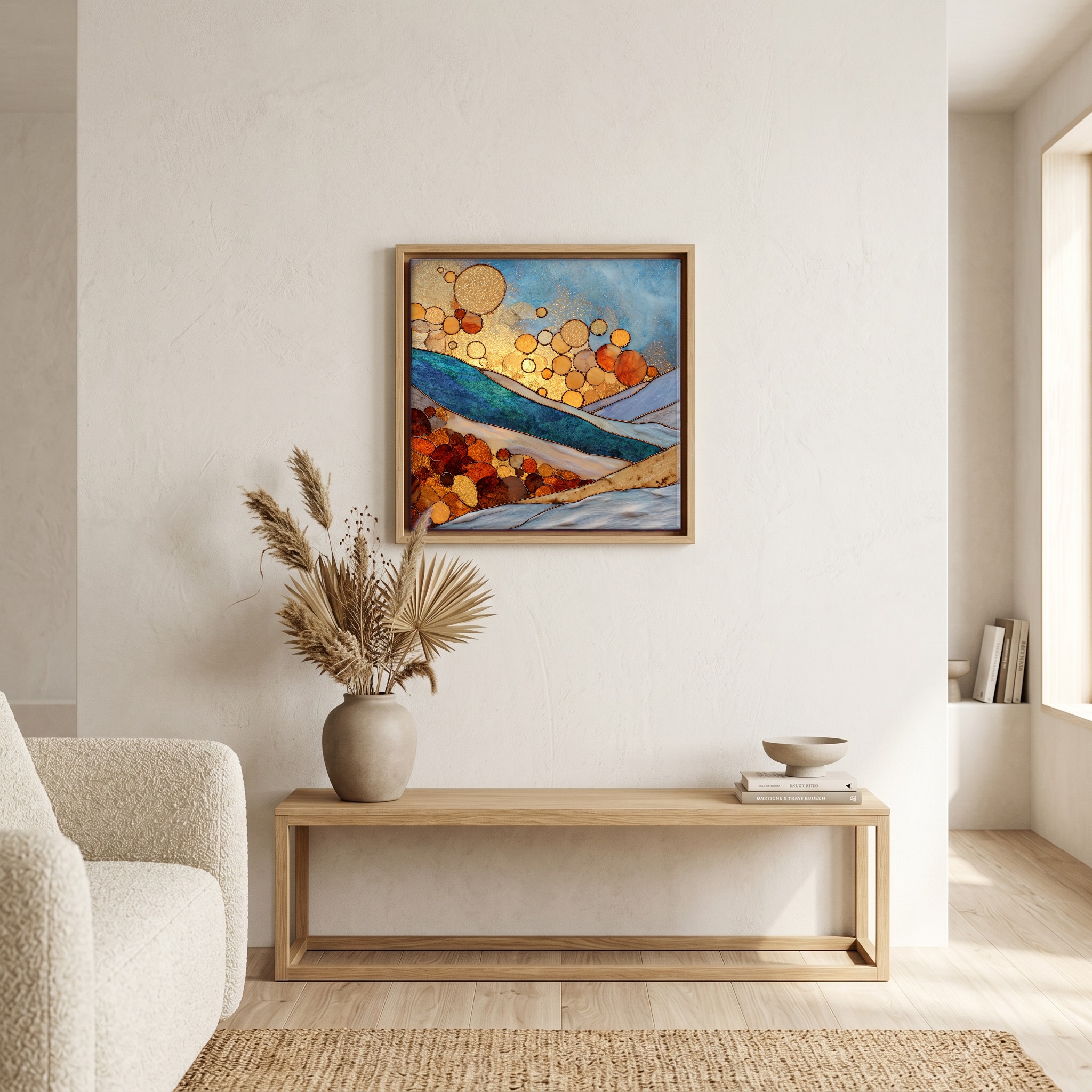
Above the bench, in a warm oak surround.
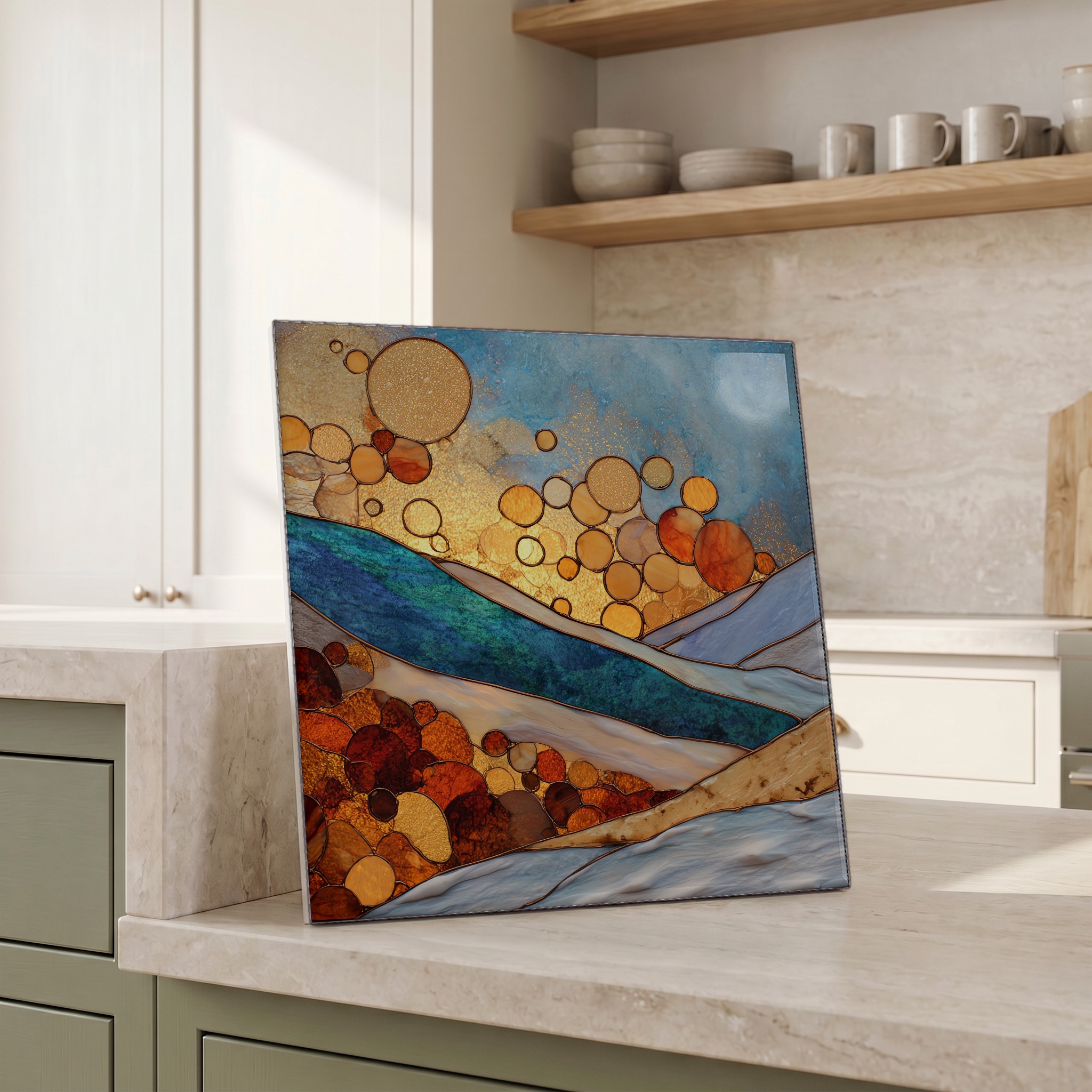
Beside the kettle, propped on the counter.
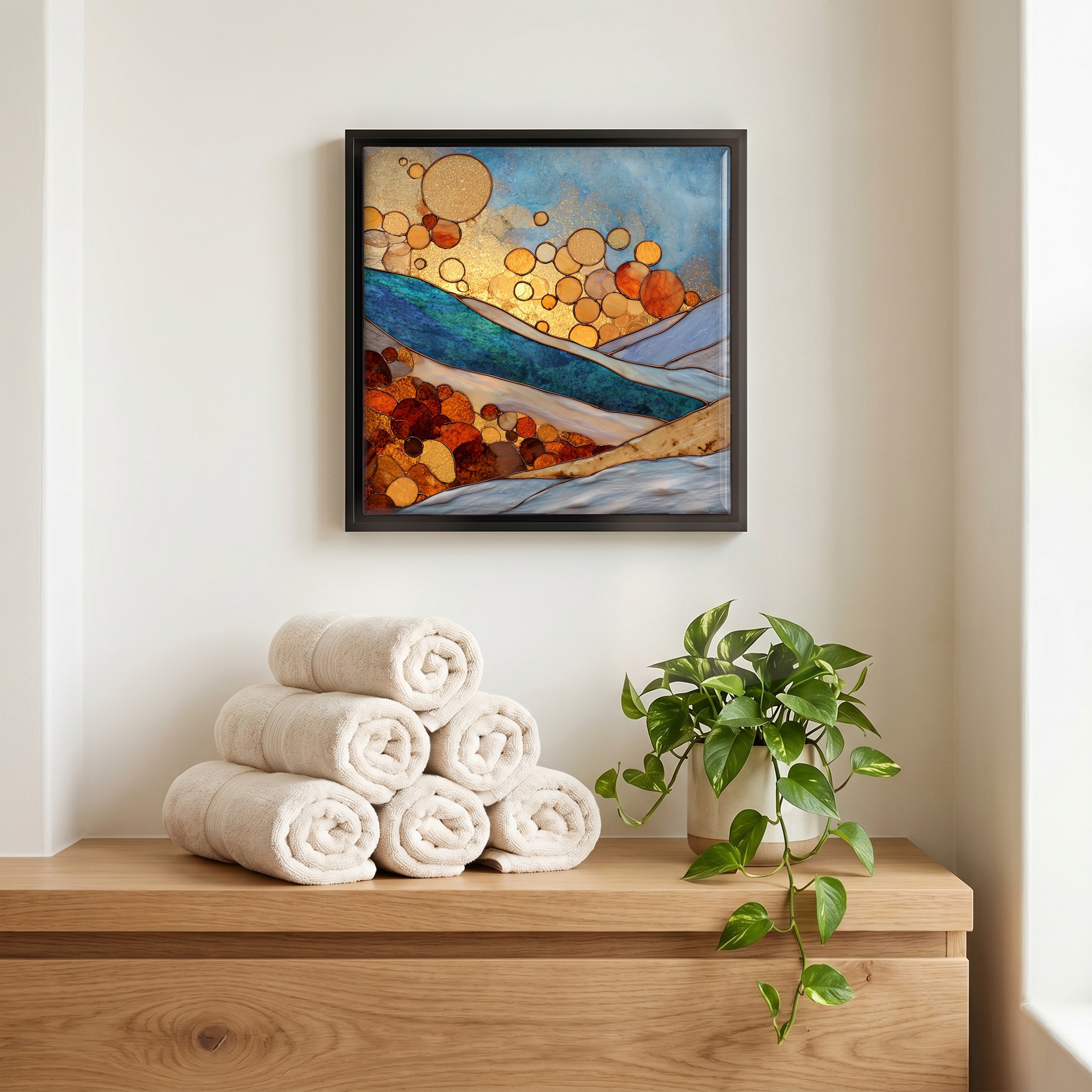
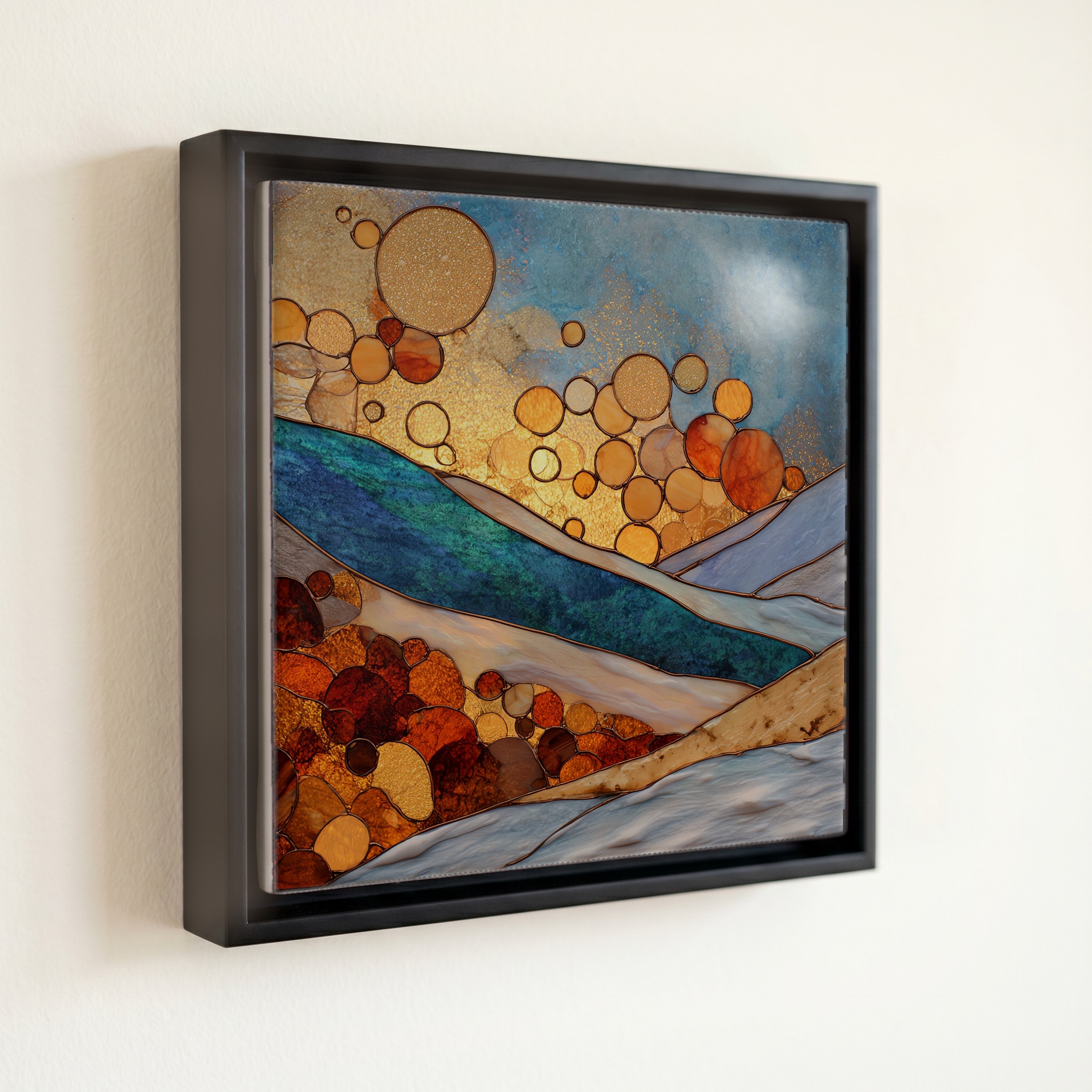
Above the linens, in a slim black surround.
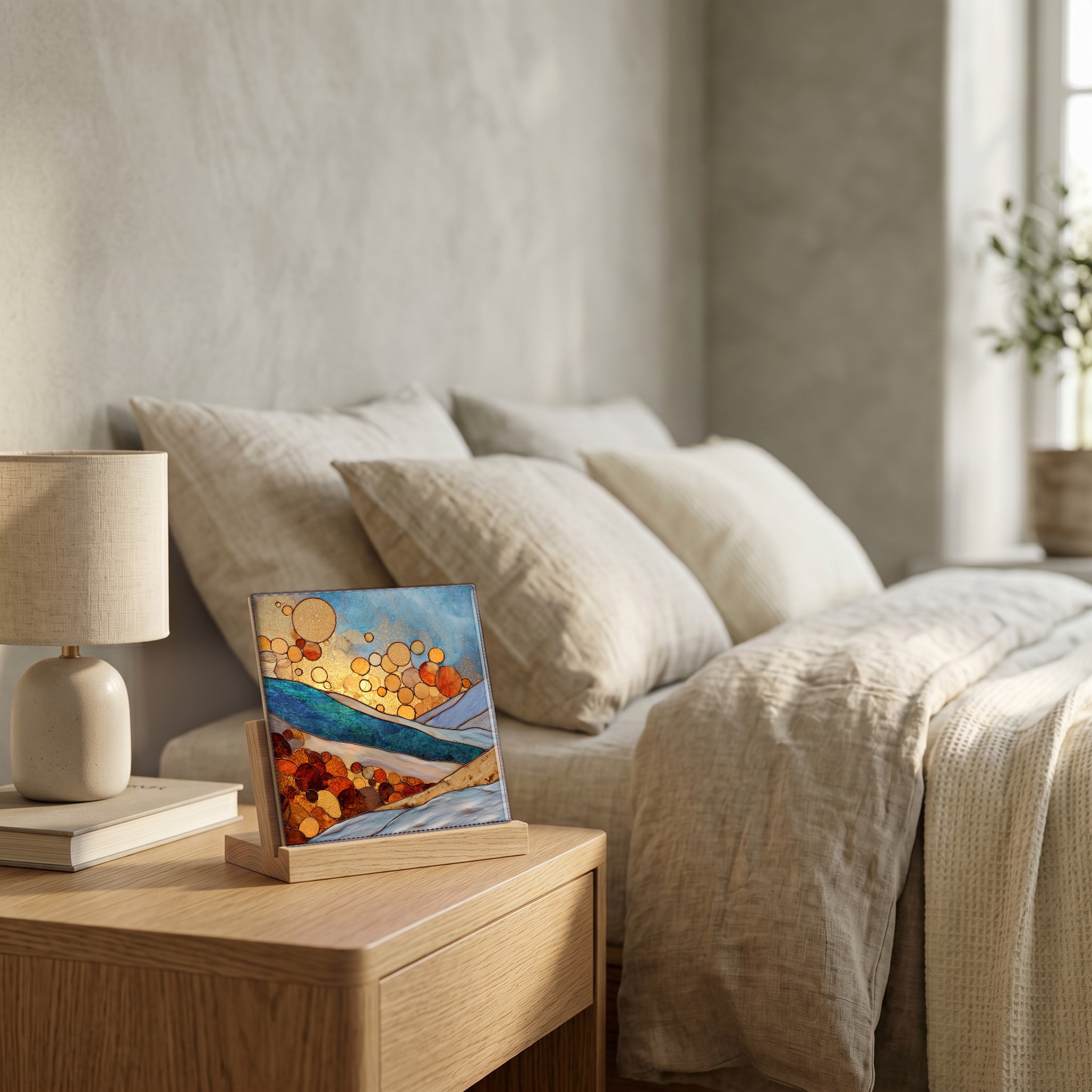
On the nightstand, on a light oak stand.
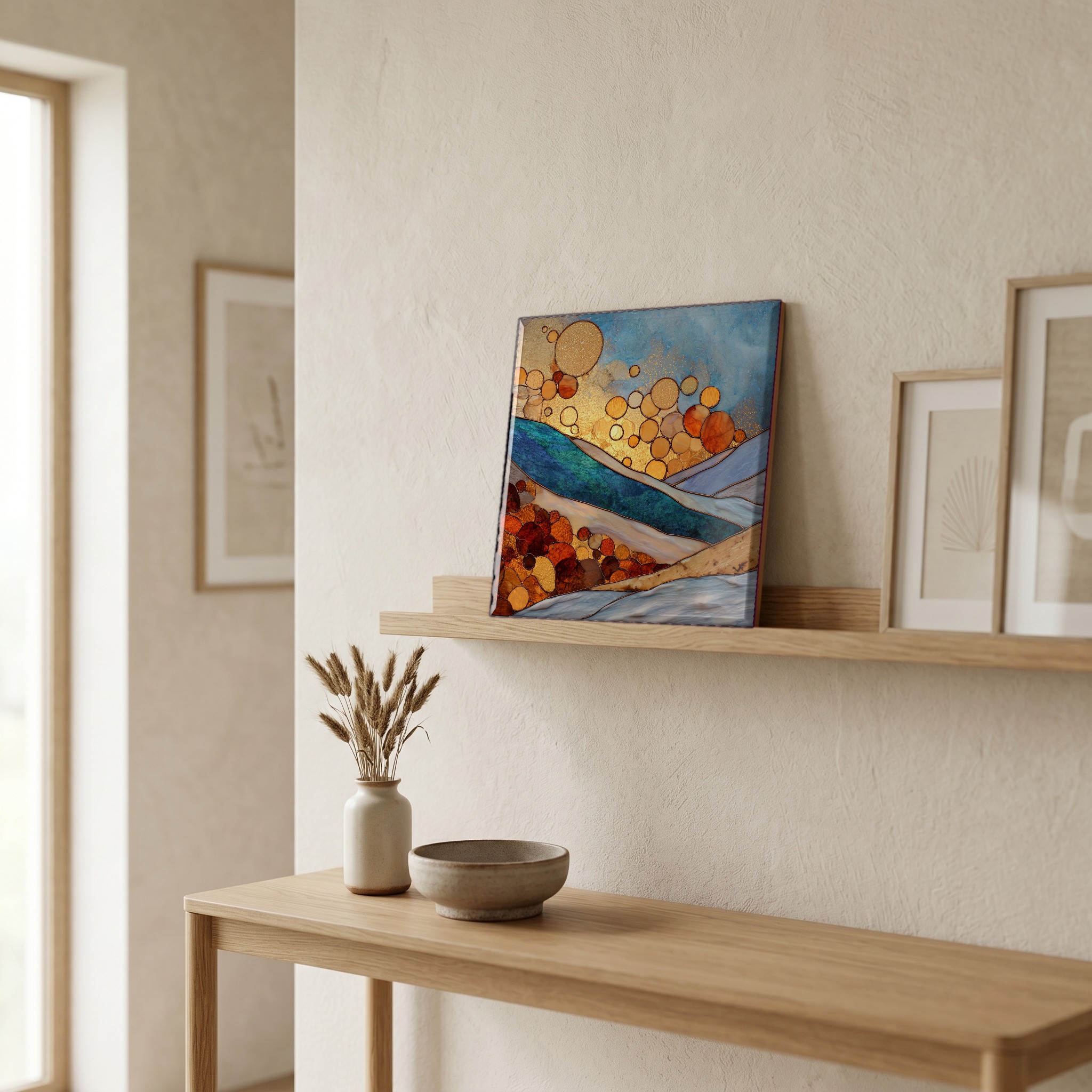
On a picture ledge, where the light comes in.
a note from the studio

Mary Jane is the eastern side of Winter Park Resort, the part that built its reputation on bumps. Above the moguls the trees give out and the bowls open. Parsenn Bowl crowns at 12,060 feet, right on the Continental Divide. Wind reloads the snow overnight, so the first chair off the Panoramic Express finds a face the late chair won't. Below, the moguls keep doing what moguls do. The bowls stay quiet about it.
from the studio
shown in a slim black floating frame · 6 × 6 in
— bring it home

Winter Park Mary Jane bowls Front Range Ceramic Art Tile, on ceramic.

Each tile is finished by hand in our Knoxville studio. Artwork is slowly infused into the ceramic surface under high heat and pressure, and rests beneath a thin glossy finish. The colour lives in the surface, not on top of it.

What kind of piece?
One tile — square or rectangle.
How big?
the popular one — counter, shelf, nightstand
6 × 6 in · 15 cm · 1.6 lb
Surface finish
A clear glossy finish — the artwork reads as if under resin. Ideal for show-pieces and framed wall art.
How it sits
A hidden cleat — sits ¼″ proud of the wall.
$58
Hand-finished and shipped from our studio at the foot of the Smokies. On your wall in about ten days.
size
6 × 6 in
15 cm
weighs
1.6 lb
solid in the hand
surface
ceramic, hand-finished
art rests beneath a thin glossy finish
from
Knoxville, TN
our family studio, at the foot of the Smokies
— start a Coaster Set

Pick any four 4-inch tiles — National Parks you've been to, a Smokies set, the four seasons of one place. $ for a set of , cork-backed, ready to live on the table.
comes gift-ready
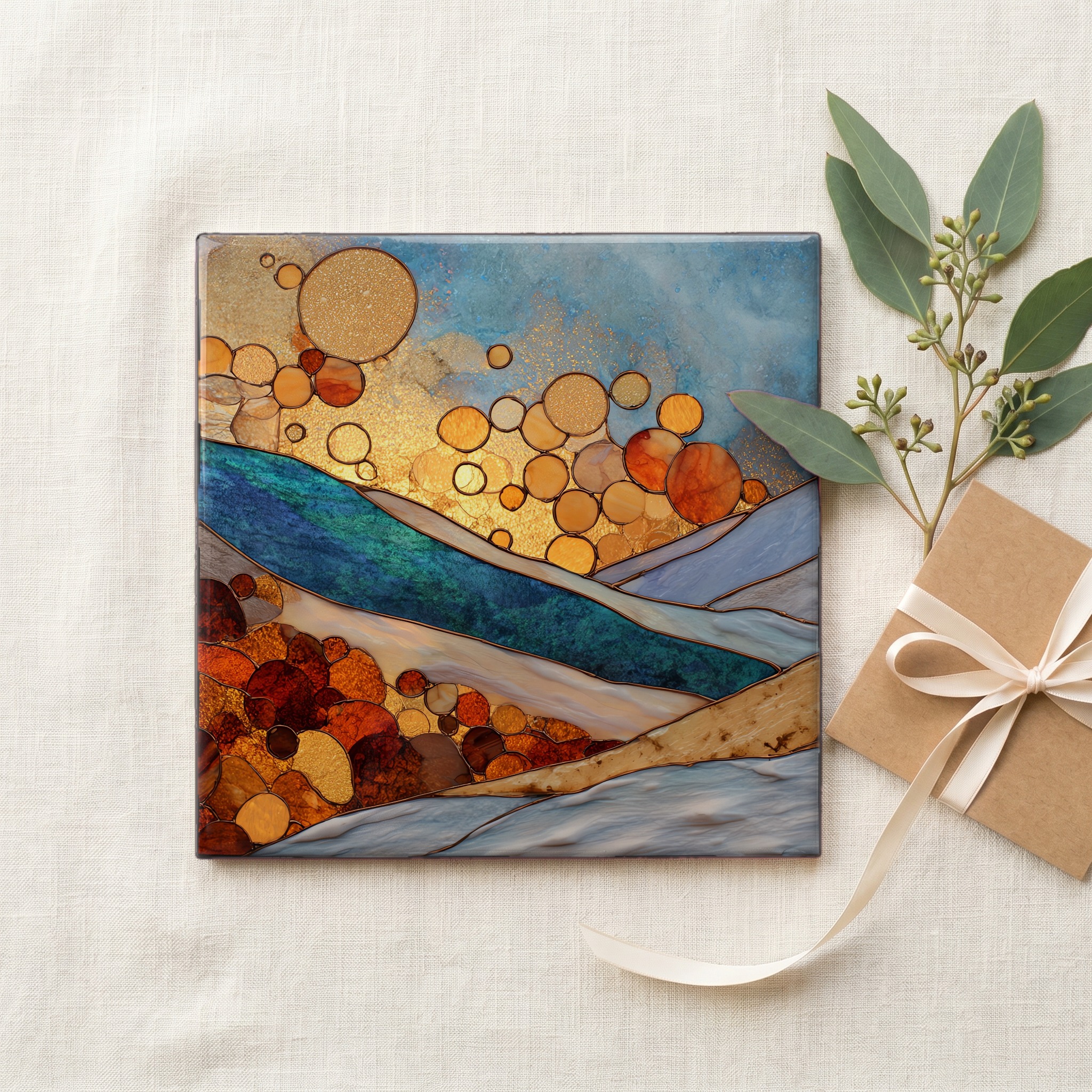
comes gift-ready

Each tile ships in a kraft box, tied with cream ribbon, with a handwritten note from the studio if you'd like to add one.
or build a grouping
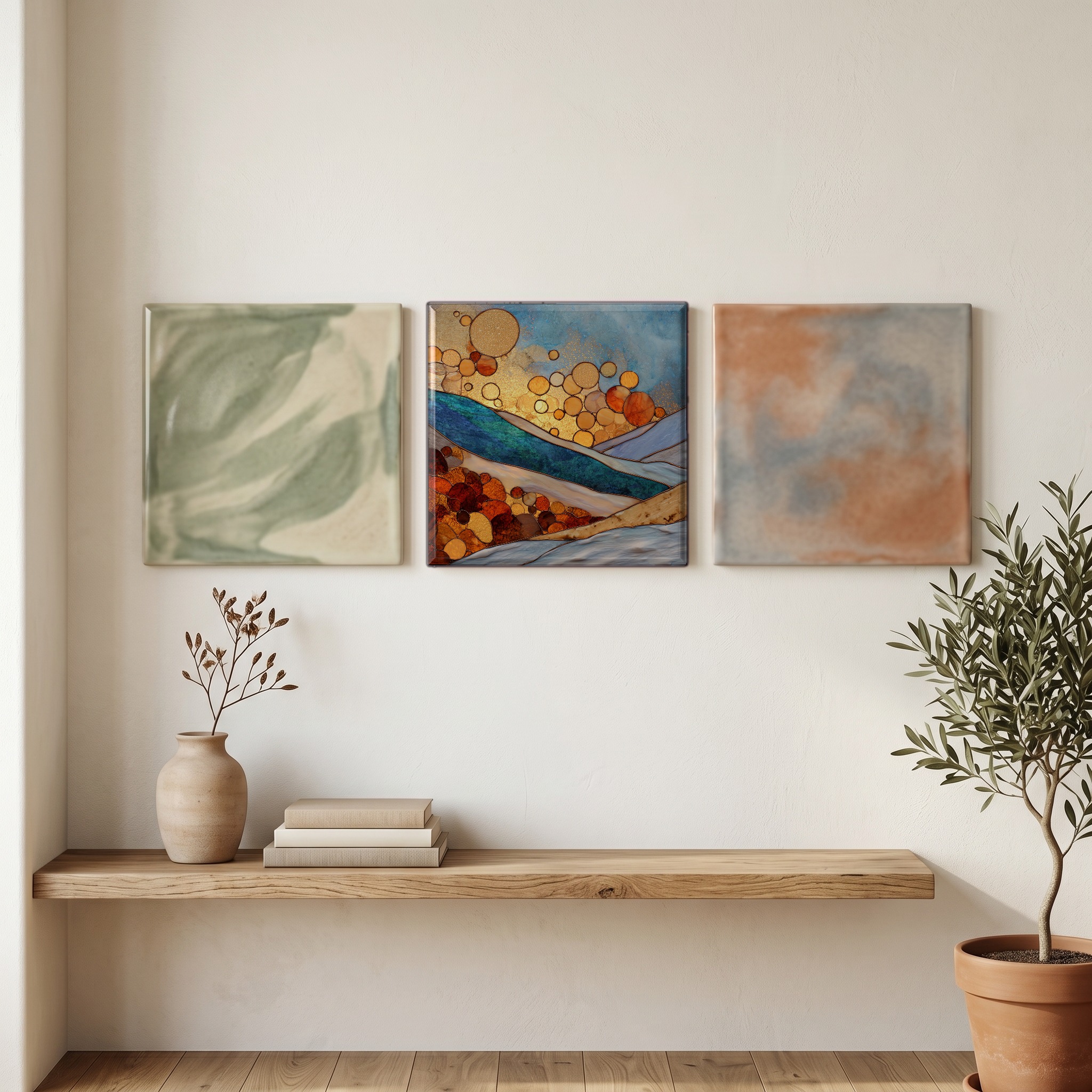
or build a grouping

Three or five different vistas, hung together — a chapter of places you've been, or want to go.

about Winter Park Mary Jane bowls Front Range Ceramic Art Tile

The place, in three passes.

A little of what's known, in case you fall down the rabbit hole — or want to go see it yourself.
the place

Mary Jane is the eastern base area of Winter Park Resort, in Grand County, Colorado, about 67 miles northwest of Denver via Interstate 70 and U.S. Highway 40 over Berthoud Pass. The base sits at 9,450 feet (2,880 m); the Panoramic Express six-pack lift carries skiers to the top of Parsenn Bowl at 12,060 feet (3,676 m), one of the higher lift-served points in Colorado. The mountain opened in 1975 as the steeper, mogul-heavy expansion of Winter Park, which the City and County of Denver built in 1939. The resort operates inside the Arapaho National Forest. Alterra Mountain Company has run the property since 2018.

— informed by Wikipedia, Winter Park Resort
the air

At Parsenn Bowl the trees give out. Colorado's timberline runs near 11,500 feet here, and the bowl crowns above it. The air is the dry continental air of the Colorado Rockies: thin, cold, often clear. Snowfall at Winter Park averages about 327 inches a year, much of it light and dry, blown and reorganised by the wind that runs along the Continental Divide. Storms move in from the west and unload on the upper bowls before the bumps below ever see them. On a settled morning the view east takes in James Peak at 13,294 feet and the Indian Peaks Wilderness; on a windy one the view is the inside of the storm.

— informed by Wikipedia, Winter Park Resort
the season

Winter Park typically opens in mid-November and runs into late April, one of the longer seasons in Colorado thanks to the elevation and to snowmaking on the lower base. The Mary Jane side usually opens a week or two after the Winter Park side, once the bumps fill in. Parsenn Bowl and the high-alpine terrain open later, on the patrol's call, after the snowpack settles and the cornices stabilise. The bowl can ski into early spring when the lower mountain is already slushing out. Locals time their last weeks for the high terrain, when the days are long, the snow corn-cycles in the afternoon, and the lift line on the front side is mostly gone.

— informed by Winter Park Resort
where
United States · Grand County, Colorado
within
Arapaho National Forest
elevation
3,676 m · 12,060 ft
position
39.8809° N · 105.7570° W
the neighborhood

What's nearby.

A handful of named places within an hour's walk or short drive. Some we've already painted; some we will.
2 km W
Winter Park Resort base
ski area base
8 km S
Berthoud Pass
Continental Divide pass
5 km E
Indian Peaks Wilderness
wilderness area
15 km E
James Peak
13,294-ft peak
5 km N
Fraser
valley town
40 km NW
Grand Lake
lake town· on a tile
N
Winter Park Mary Jane bowls Front Range Ceramic Art Tile
Winter Park Resort base
Berthoud Pass
Indian Peaks Wilderness
James Peak
Fraser
Grand Lake
common questions

What people ask.

A few questions we get about Winter Park Mary Jane bowls Front Range Ceramic Art Tile — and about bringing the piece home.
about the place

Mary Jane is the eastern base area of Winter Park Resort, in Grand County, Colorado, about 67 miles northwest of Denver via Interstate 70 and U.S. Highway 40 over Berthoud Pass. The base sits at 9,450 feet on the western side of the Continental Divide.

Parsenn Bowl is Winter Park's signature high-alpine bowl, reached from the top of the Panoramic Express six-pack lift on the Mary Jane side. The summit sits at 12,060 feet, above timberline, on the Continental Divide. The bowl opens later in the season once the snowpack settles.

Mary Jane opened in 1975 as the steeper expansion of the original Winter Park ski area, which the City and County of Denver built in 1939. The Mary Jane side added the long mogul terrain the mountain is best known for. Alterra Mountain Company has operated the resort since 2018.

The name comes from a mining-era folk story about a frontier woman said to have held a claim in the drainage now named for her. The tale is repeated in resort literature but is not documented in primary sources. When the new base area opened in 1975, Winter Park kept the historical name.

The ridgeline directly above Parsenn Bowl is the Continental Divide. The eastern side of that ridge holds the James Peak Wilderness and the Indian Peaks, the western edge of the Front Range. Mary Jane itself sits in Middle Park, on the western side of the divide, with the Front Range crest as the view.

Winter Park reports 3,081 skiable acres across two connected base areas, the family-oriented Winter Park side and the steeper Mary Jane side. Snowfall averages about 327 inches a year. The mountain is mid-sized by Colorado standards, smaller than Vail's 5,317 acres, and known for terrain variety rather than scale.

From the Mary Jane base, the Sunnyside and Iron Horse lifts work up the gladed terrain, and the Panoramic Express six-pack at the top carries riders to the Parsenn Bowl summit. The adjacent Vasquez Cirque is hike-to terrain. Berthoud Pass on U.S. 40 is the access road from the Denver side.

about the piece in your home

Jane skiers are a recognisable tribe. The bumps, the season pass, the morning lift line off Sunnyside. A Medium or Large in our Glossy finish gives them the high terrain in its own colour. A Coaster or Keepsake with a handwritten note from the studio carries well to anyone in the Grand County orbit.

The stained-glass palette pulls snow-shadow blues and pale dusk silvers from the bowls, with darker timber tones at the edges. It sits well with reclaimed wood, blackened steel, and brushed brass. Mountain-modern interiors, Alpine cabins, and the cleaner end of Scandinavian read it best.

Mountain-modern, sometimes called Alpine-modern, has been one of the steadier residential trends of the last few years: natural wood, stone, restrained colour, art that names the place. A ceramic tile of a specific Colorado mountain reads as collected rather than chosen from a catalogue.

For a standard 84-inch sofa, the single Large reads cleanly as a focal piece. A four-tile Mural fills a wider wall with more presence; a nine-tile Mural carries a great-room wall. Above a console or entry table, a Medium holds the eye without crowding. Hang the centre of the piece about 60 inches off the floor.

Yes. The Dura Satin and Matte finishes are scratch-resistant and built for moisture, so the tile installs in a backsplash, a powder room, or a shower surround. Glossy is for dry display. Choose Dura Satin if you want a soft sheen with the resilience.

A soft microfibre cloth with plain water is enough for any of the three finishes. The colour lives in the ceramic surface, beneath a thin glossy finish, so there is nothing to wear off. Skip abrasive sponges, ammonia, and bleach.

Yes. Every WenderVista piece comes from the Wender Studios atlas: Reid Wender's eye, hand-finished in our Knoxville studio. No licensing, no stock libraries. The design is original to this place.

if this one stayed with you

A few you might also love.

Hand-picked by the eye that found Sorapis. Same air, same kind of quiet.