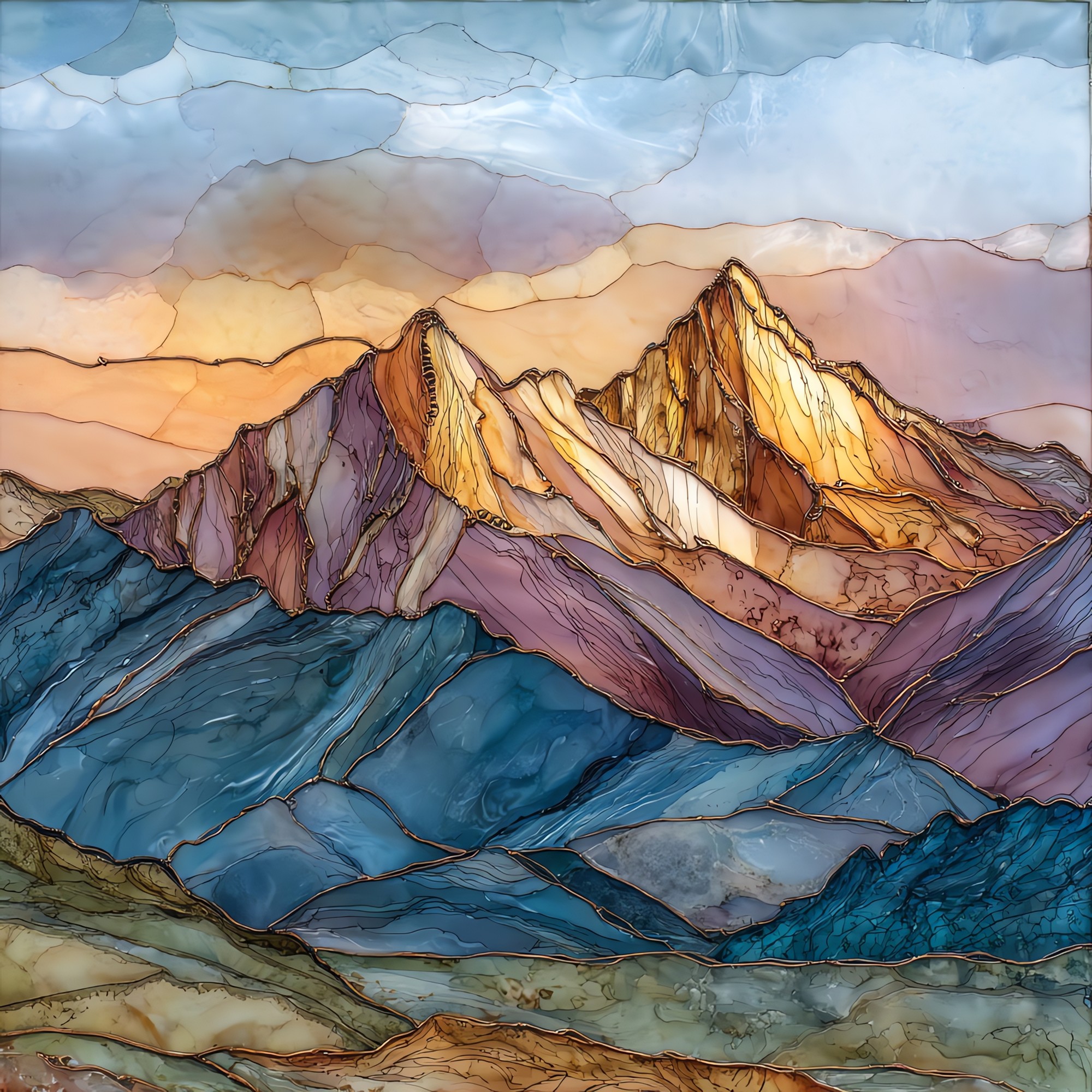
Mount Wilson and Wilson Peak San Juans Ceramic Art Tile
— the peaks the light leaves last.
Not only on a wall.
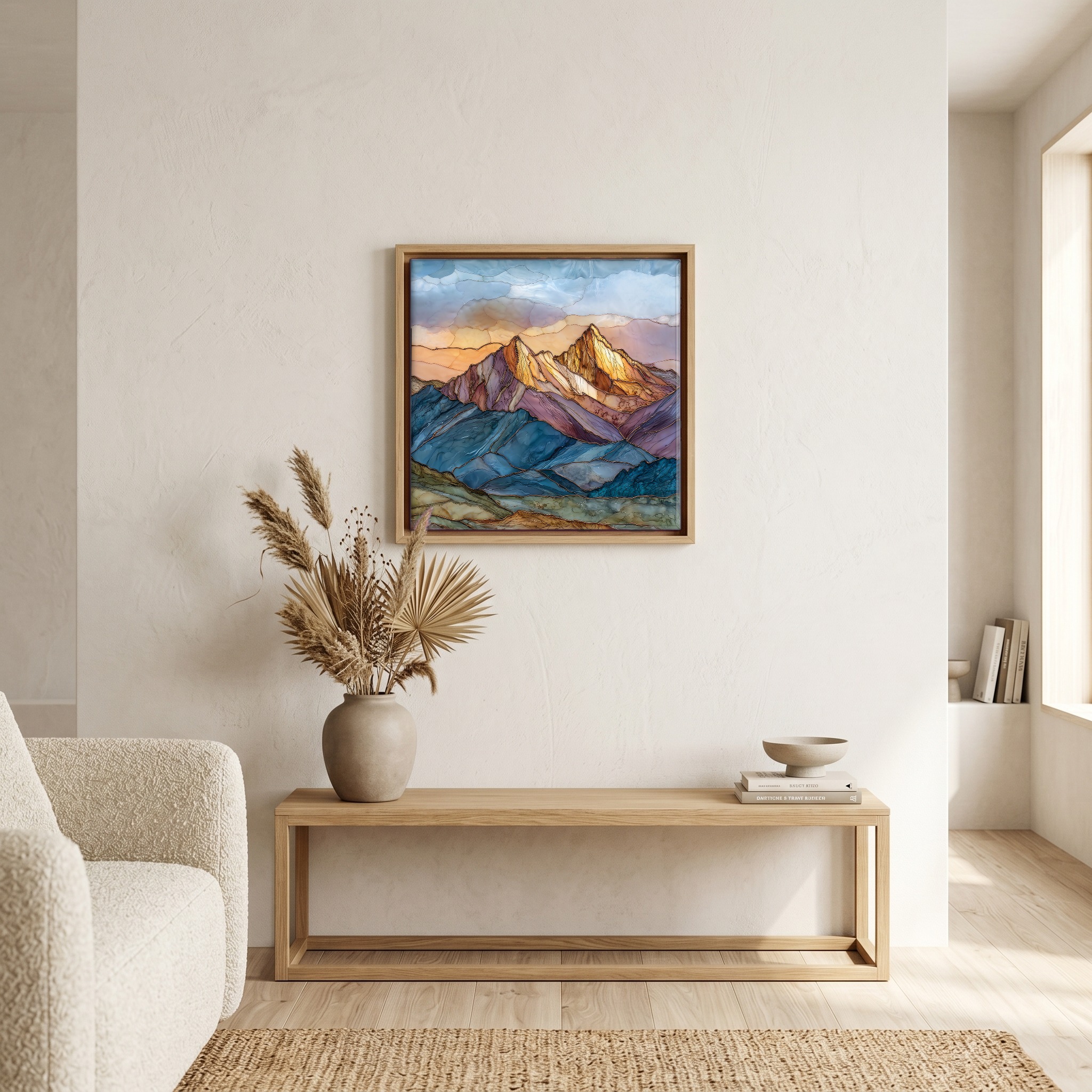
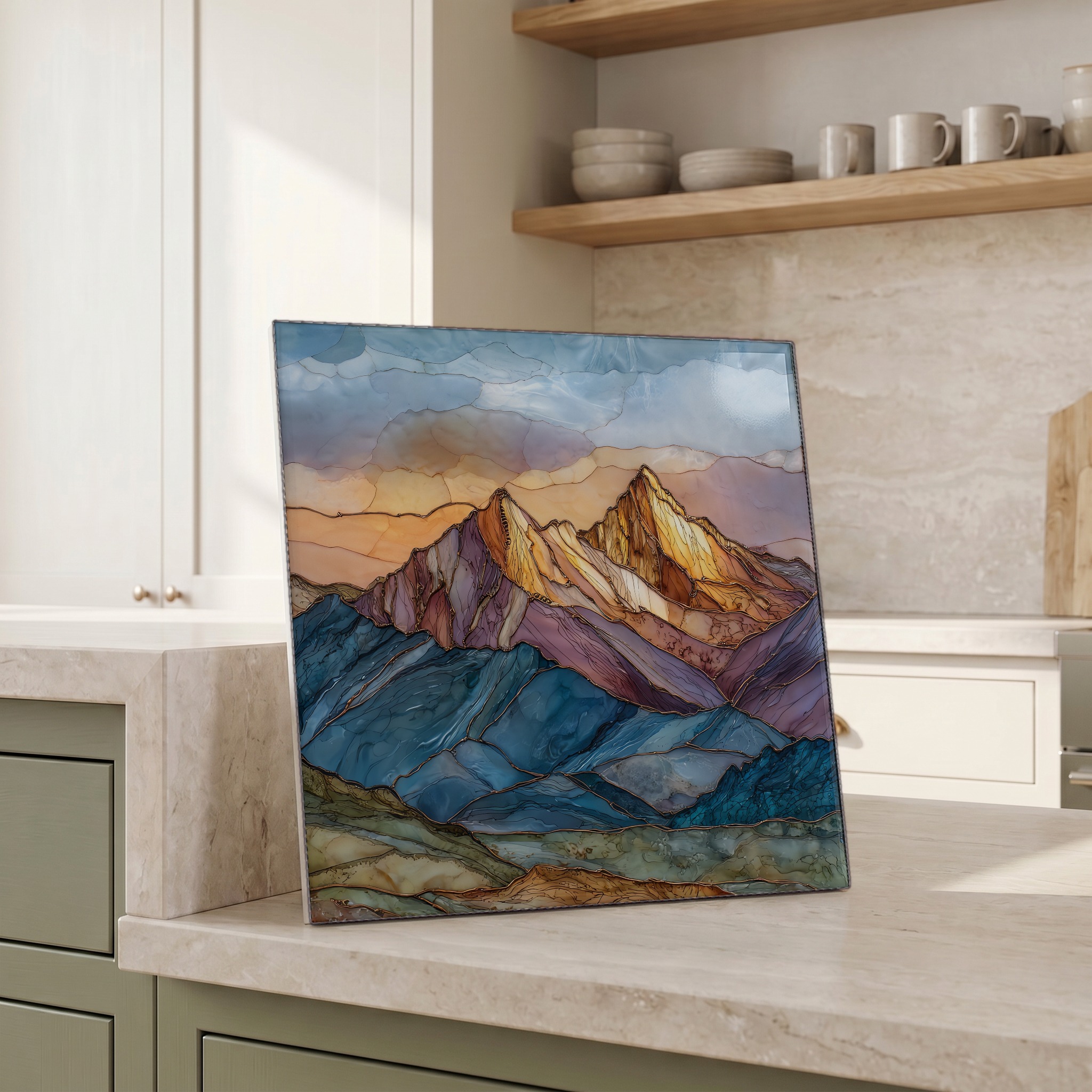
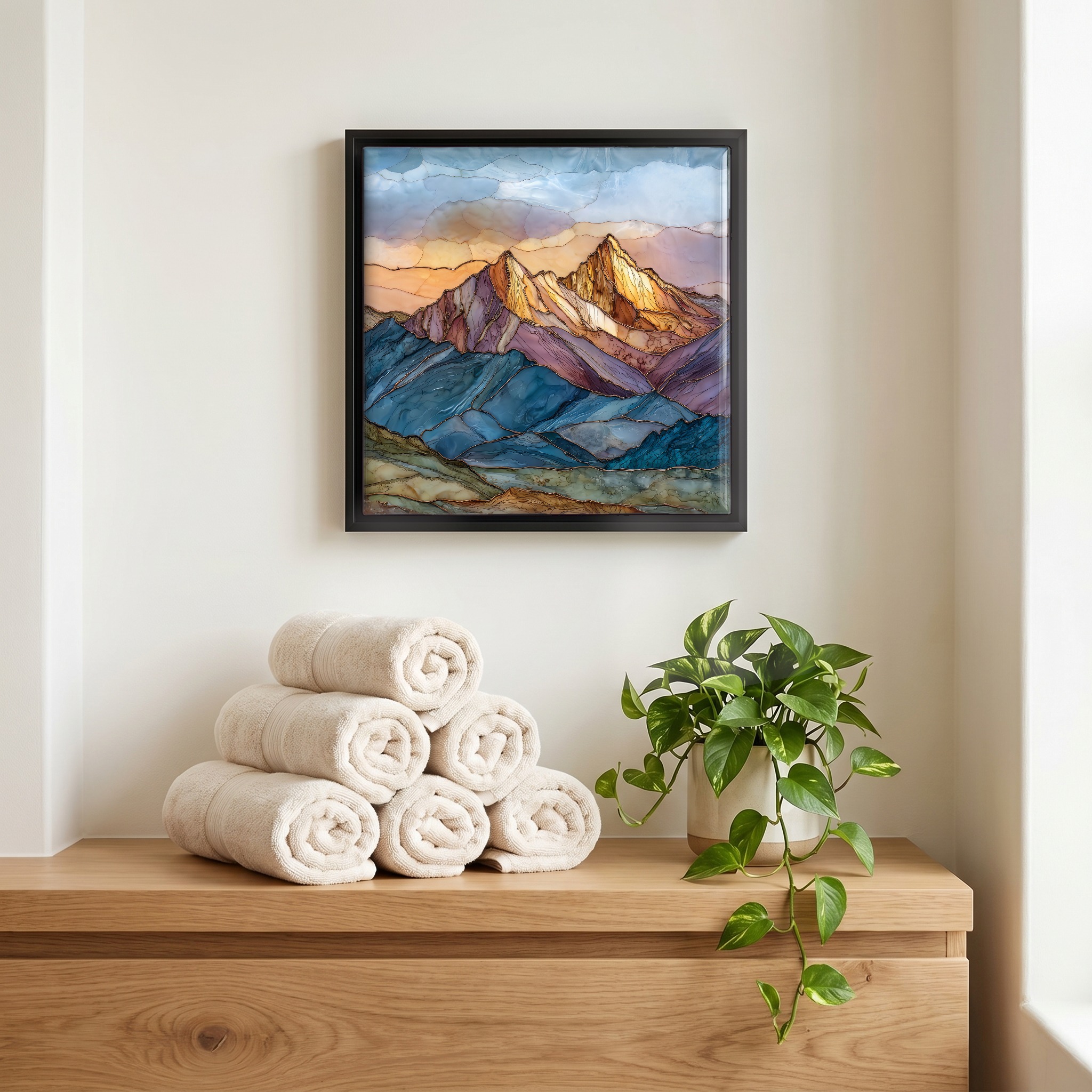
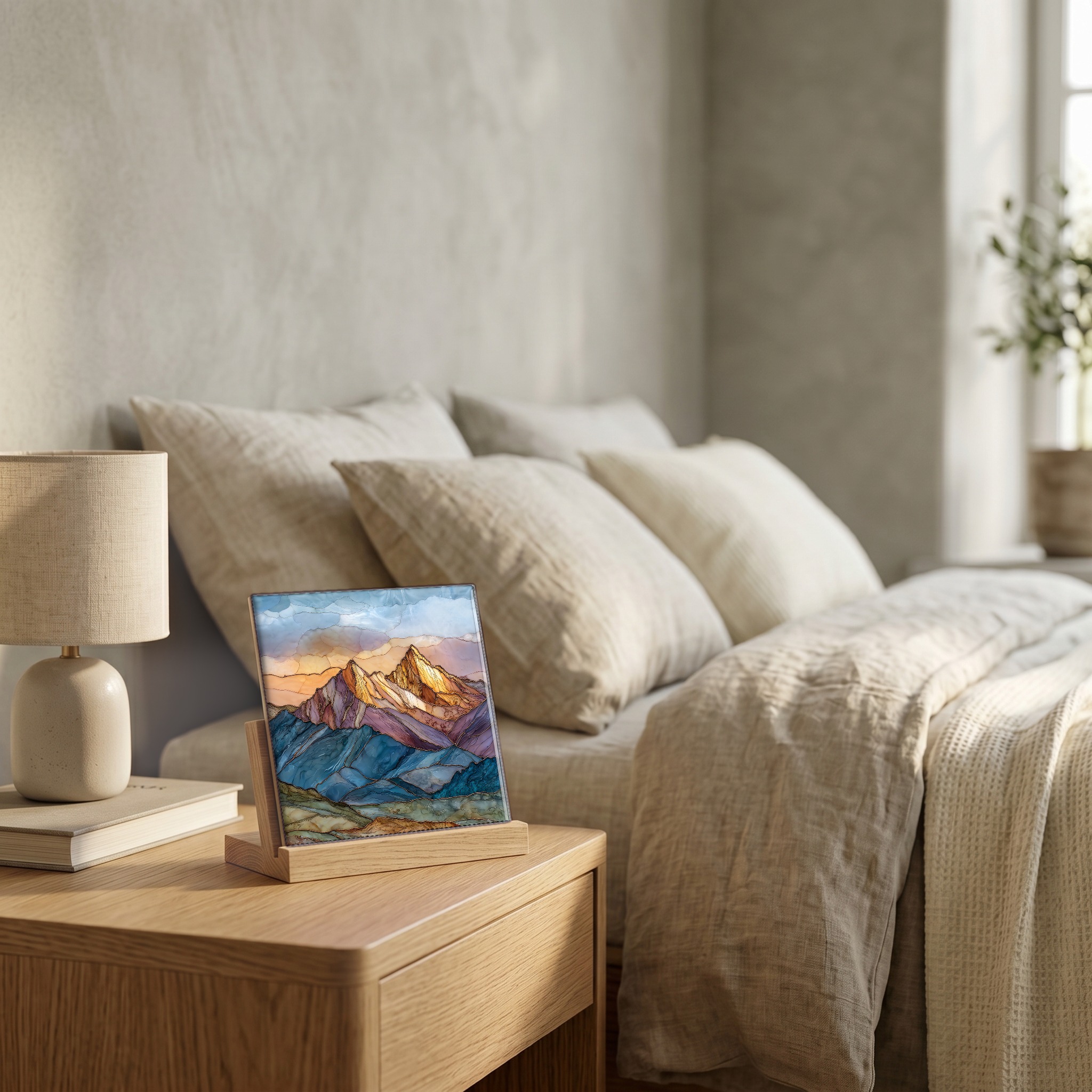
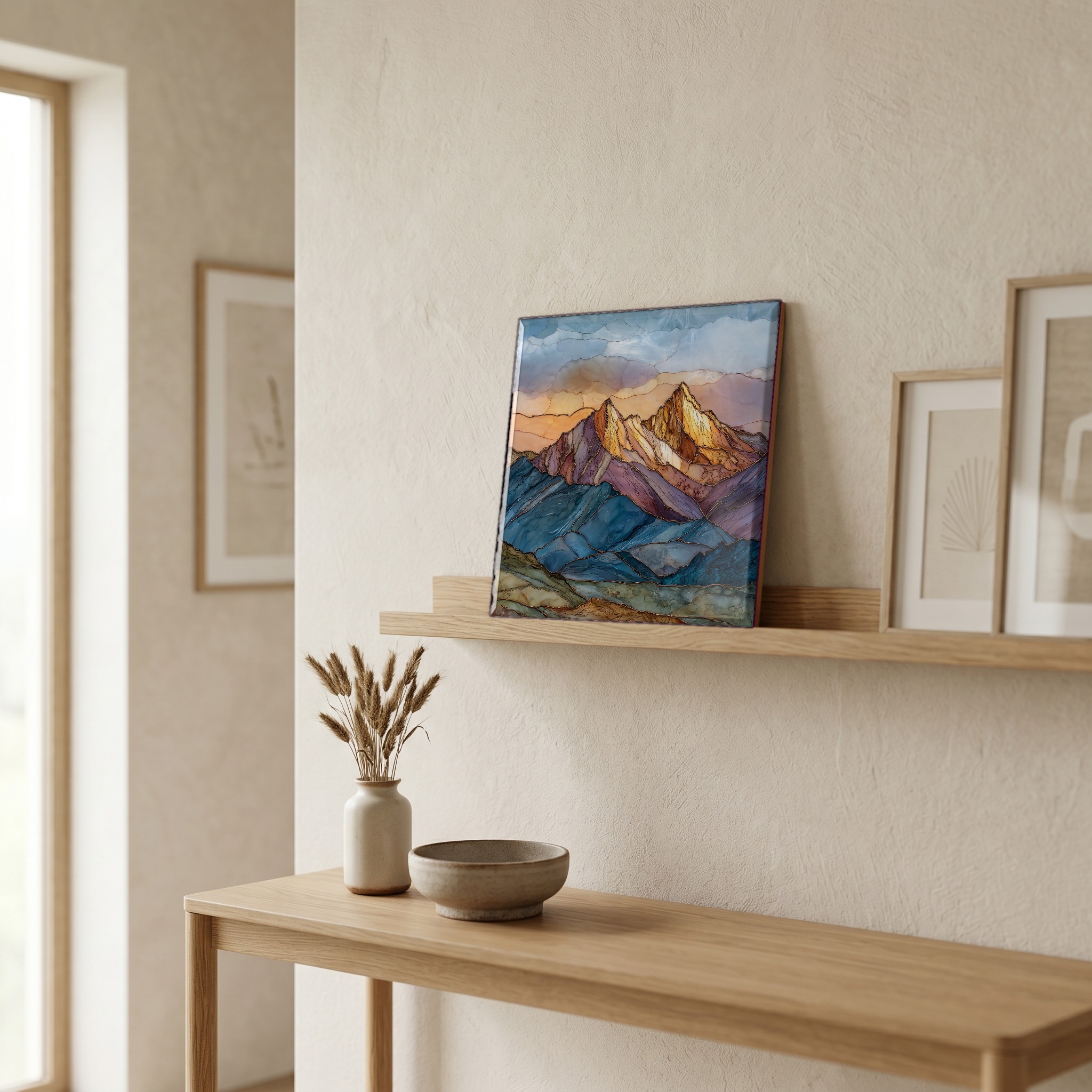
“Two peaks southwest of Telluride, on the long high ridge of the San Miguels. Wilson Peak is the silhouette half the country recognises without knowing they do. The same profile has been on the Coors Banquet label for decades. Mount Wilson, the taller of the two, sits just to the south, holding its snow into July on the north face. The Lizard Head Wilderness keeps the meadows quiet. From the Last Dollar Road at sunset, the cliffs catch red light for about twenty minutes after the valley falls into shadow.
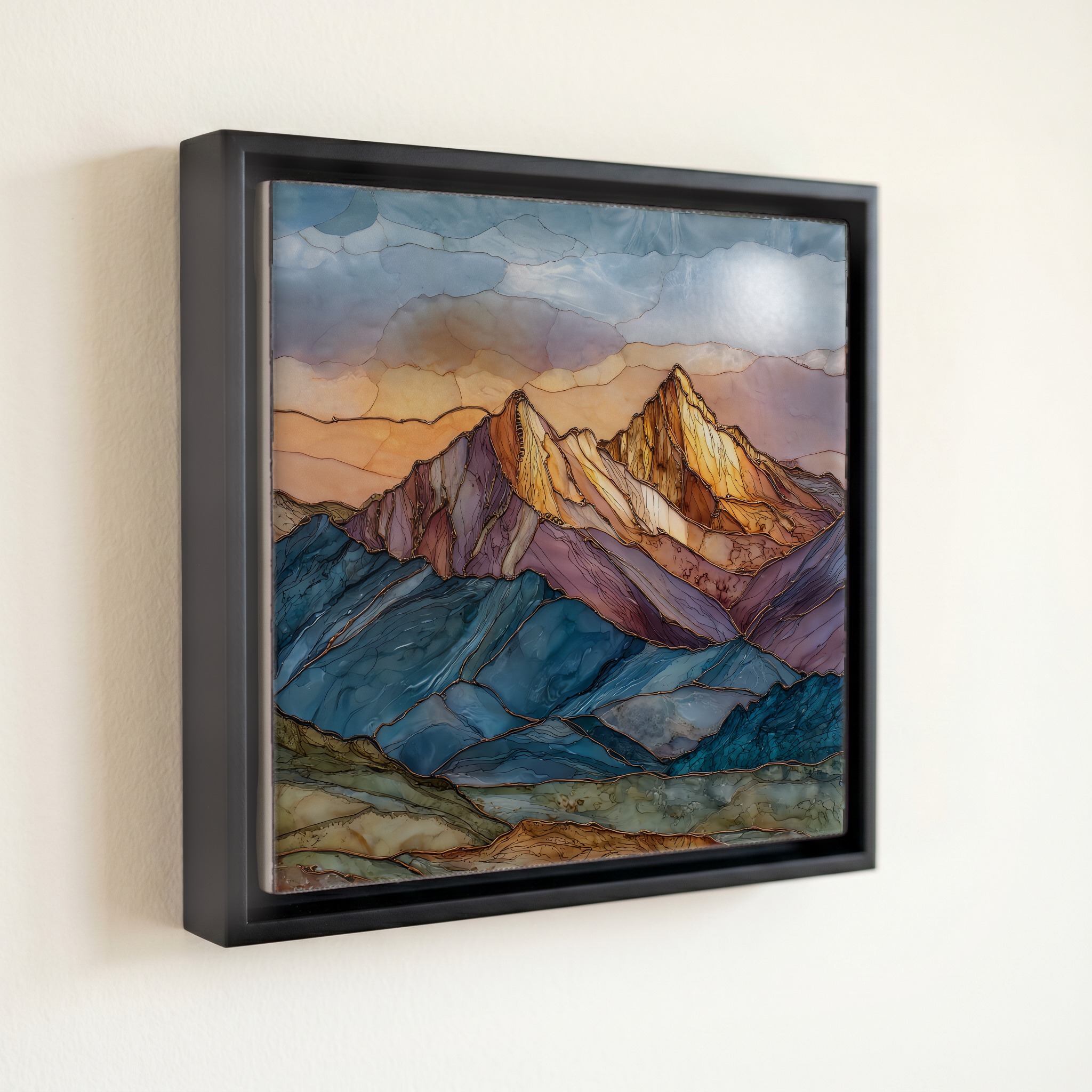
Mount Wilson and Wilson Peak San Juans Ceramic Art Tile, on ceramic.
Each tile is finished by hand in our Knoxville studio. Artwork is slowly infused into the ceramic surface under high heat and pressure, and rests beneath a thin glossy finish. The colour lives in the surface, not on top of it.
Pick any four 4-inch tiles — National Parks you've been to, a Smokies set, the four seasons of one place. $ for a set of , cork-backed, ready to live on the table.
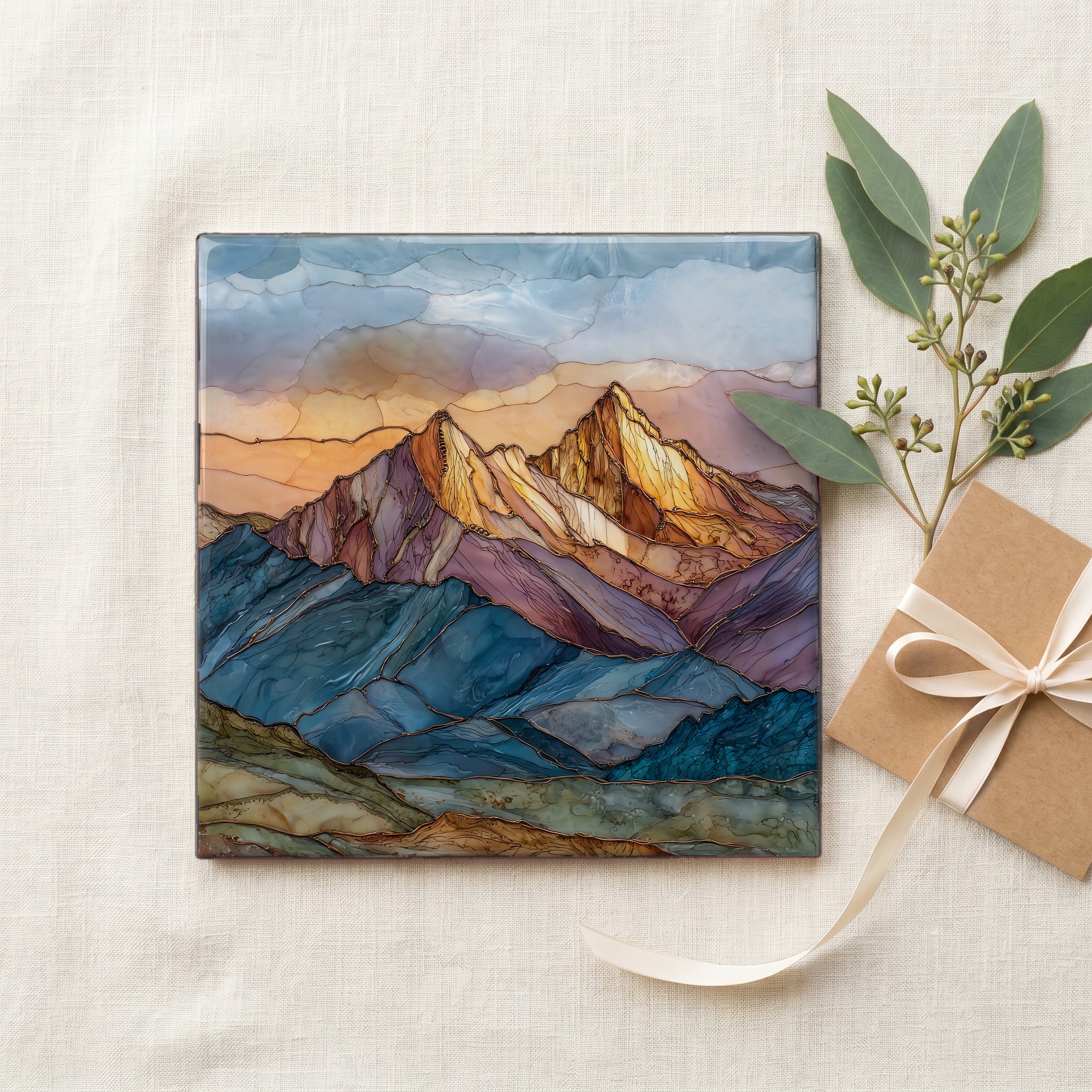
Each tile ships in a kraft box, tied with cream ribbon, with a handwritten note from the studio if you'd like to add one.
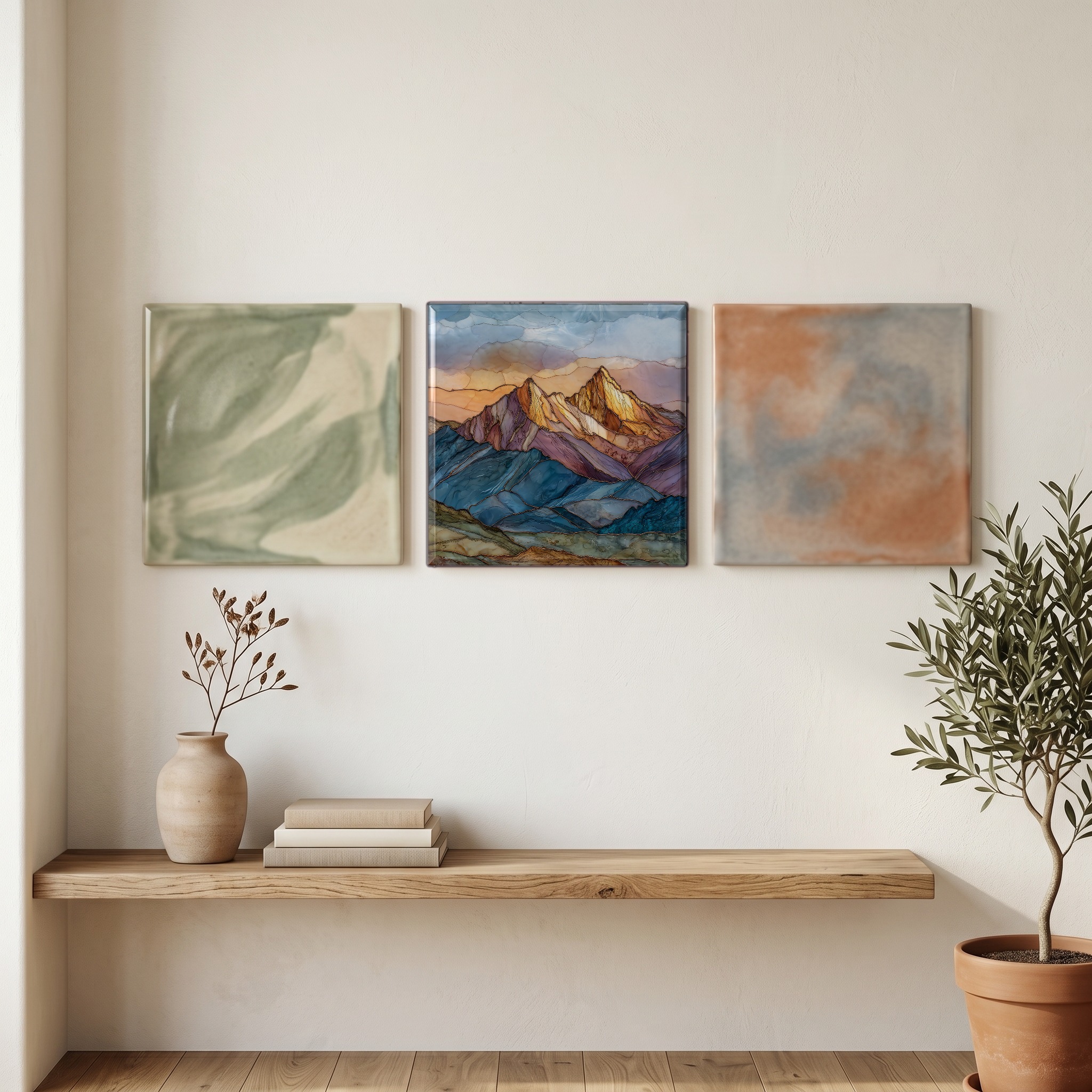
Three or five different vistas, hung together — a chapter of places you've been, or want to go.
The place, in three passes.
Mount Wilson and Wilson Peak sit on the high spine of the San Miguel Mountains, a subrange of the San Juans in southwestern Colorado, about 14 miles southwest of Telluride. Mount Wilson rises to 14,252 feet, the highest summit in the San Miguels; Wilson Peak, a mile and a half north along the ridge, reaches 14,023 feet. Both fall inside the Lizard Head Wilderness, a 41,000-acre protected area established by the Colorado Wilderness Act of 1980 and managed jointly by the Uncompahgre and San Juan National Forests. The peaks were named in 1874 for A.D. Wilson, a topographer with the Hayden Geological Survey who first mapped the range.
The Wilson group is built of reddish volcanic and intrusive rock from the Tertiary San Juan volcanic field, the same iron-stained material that gives much of the range its warm cast. Late in the afternoon the western faces hold the last hour of direct sun, and the cliffs go a deep rose-orange against snow that lingers on the north faces well into July. Photographers along the Last Dollar Road and Sunshine Mesa time their drive for the twenty minutes when the valley has fallen into shadow but the peaks have not. The colour belongs to a short list of Colorado alpenglow scenes: the Maroon Bells, the Sneffels Range, and these two.
The peaks are visible from many points around Telluride, but the postcard angle is the high meadow at Sunshine Mesa, reached by a gravel forest road that closes with the first heavy snow. Climbers approach from the Rock of Ages trailhead in Silver Pick Basin, the standard route up Wilson Peak. Mount Wilson is rated Class 4 with serious exposure on its summit pitch and is considered one of the harder Colorado fourteeners; Wilson Peak is Class 3 by the southwest ridge and remains a popular peak-bag. The Lizard Head Wilderness allows no vehicles in any season, and group size is capped at fifteen. Late June through September is the working window.