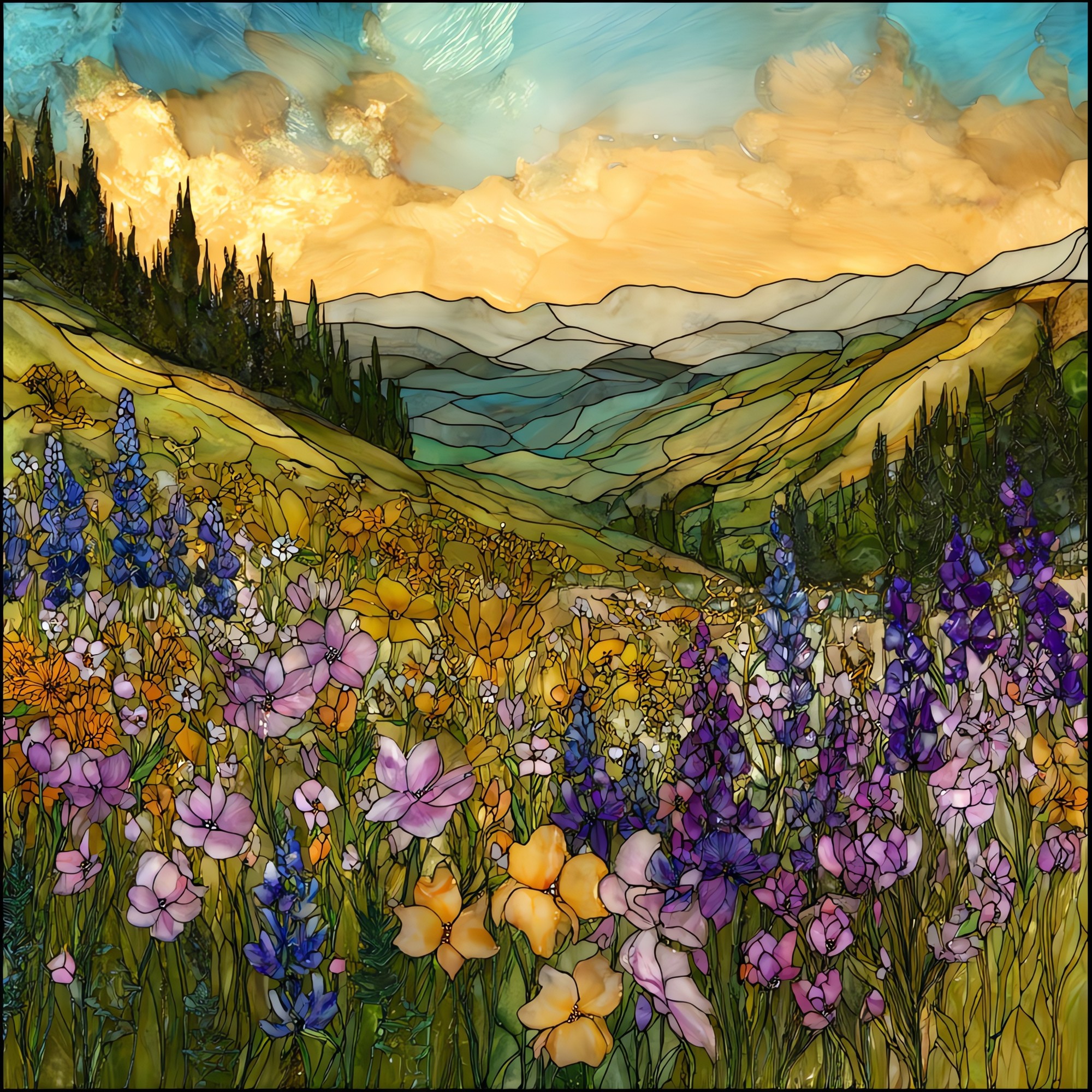
Wildflower super bloom Crested Butte Elk Range Ceramic Art Tile
— the few weeks the meadow forgets the snow.
Not only on a wall.
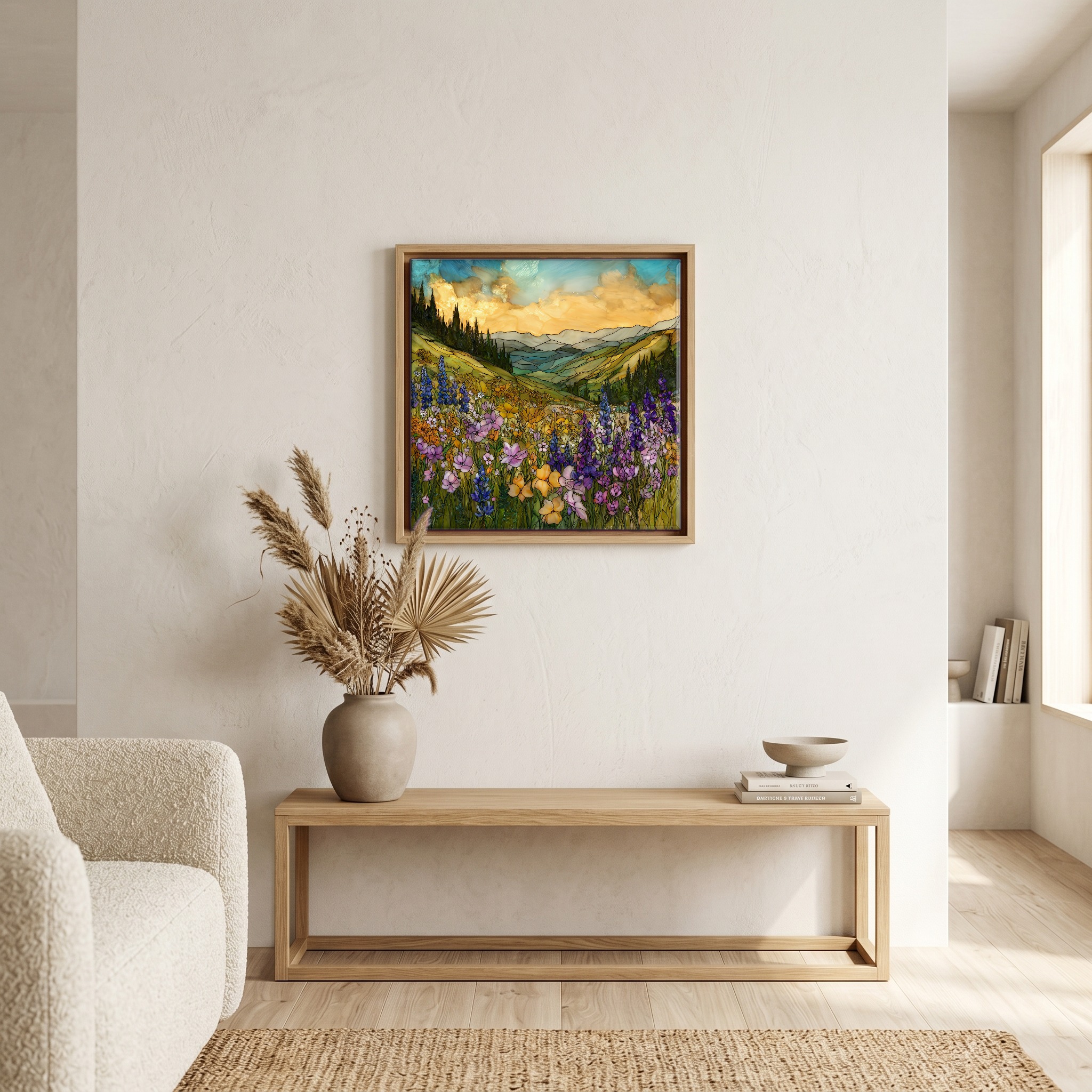
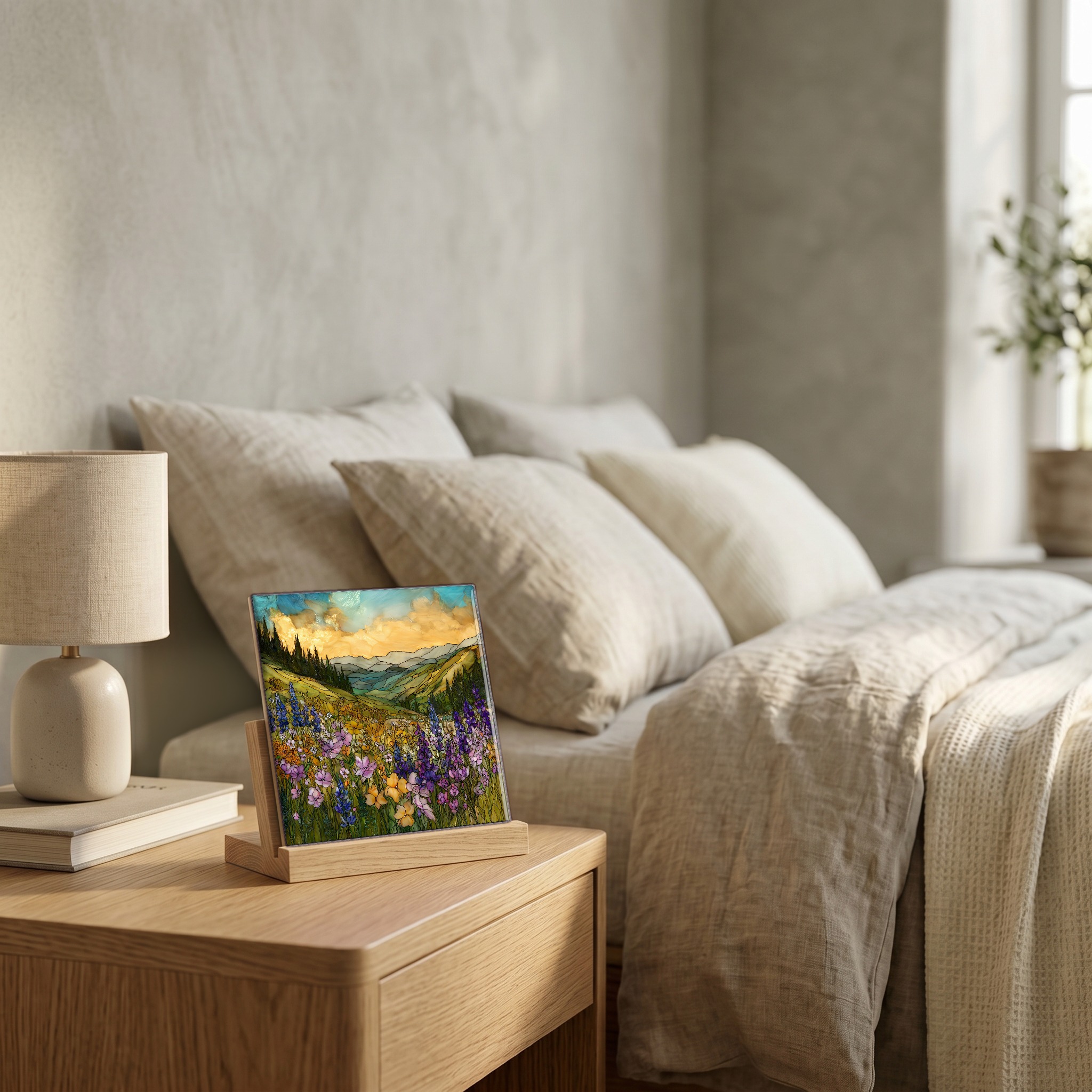
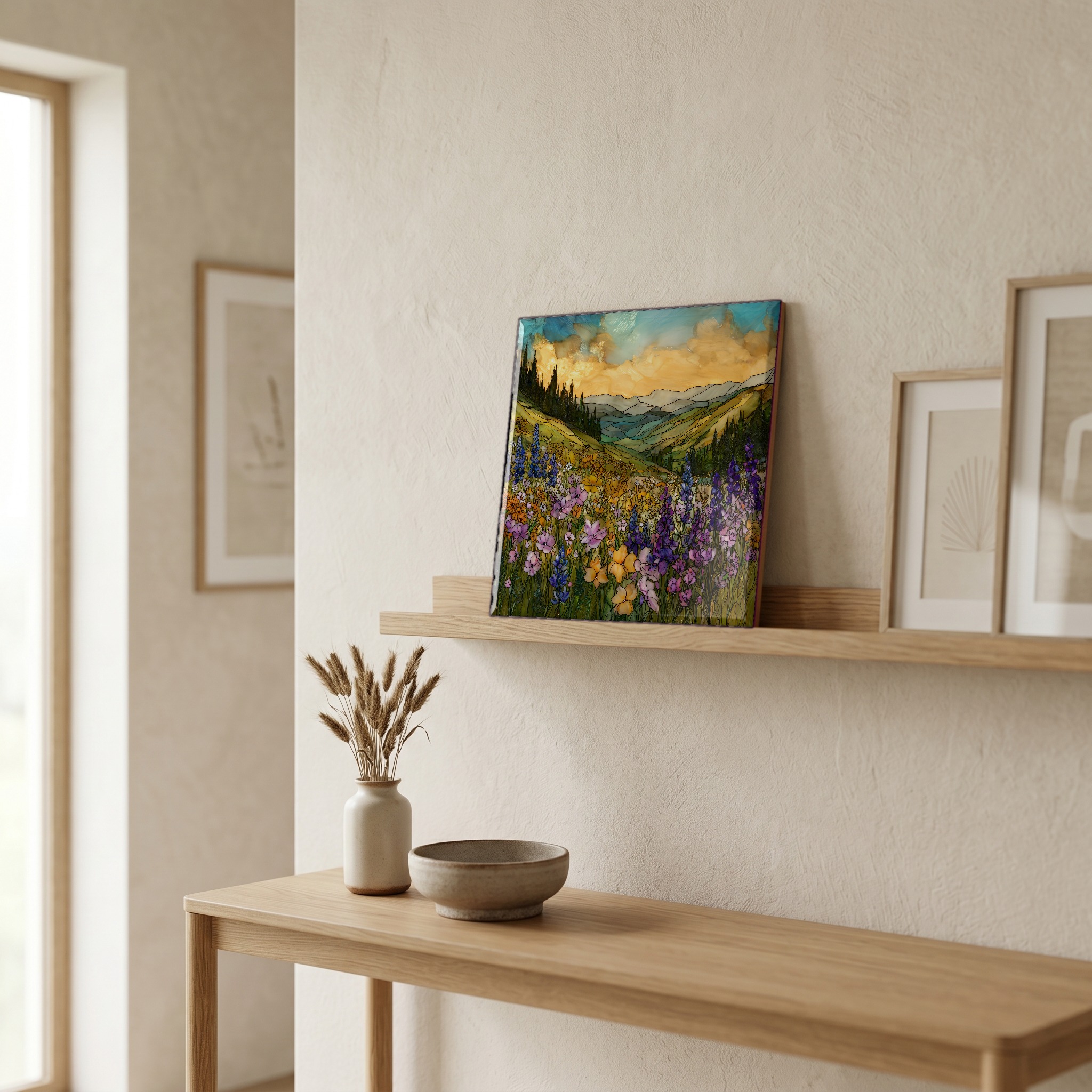
“The two or three weeks in July when the hillsides above Crested Butte turn every colour at once. Mules ears go yellow first, then the Colorado columbine, the lupine, the paintbrush, the scarlet gilia. Locals will point to the meadow along the 401 Trail, or the saddle below Mount Crested Butte where the bloom comes through in waves. The Colorado Legislature named the town the wildflower capital of the state in 1990. The wildflower festival has been running since 1986. By late August the colour starts to lift. By October the snow is back.
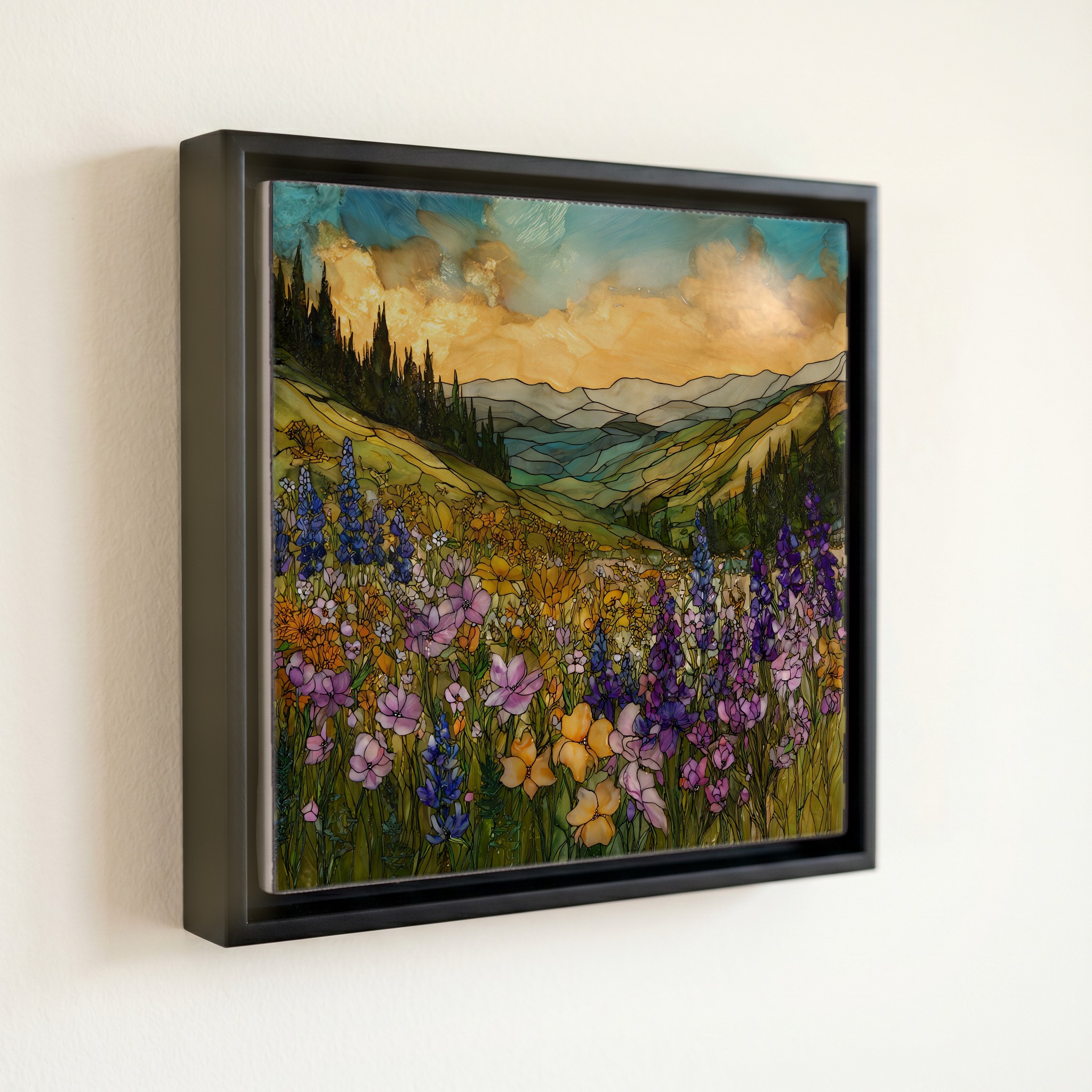
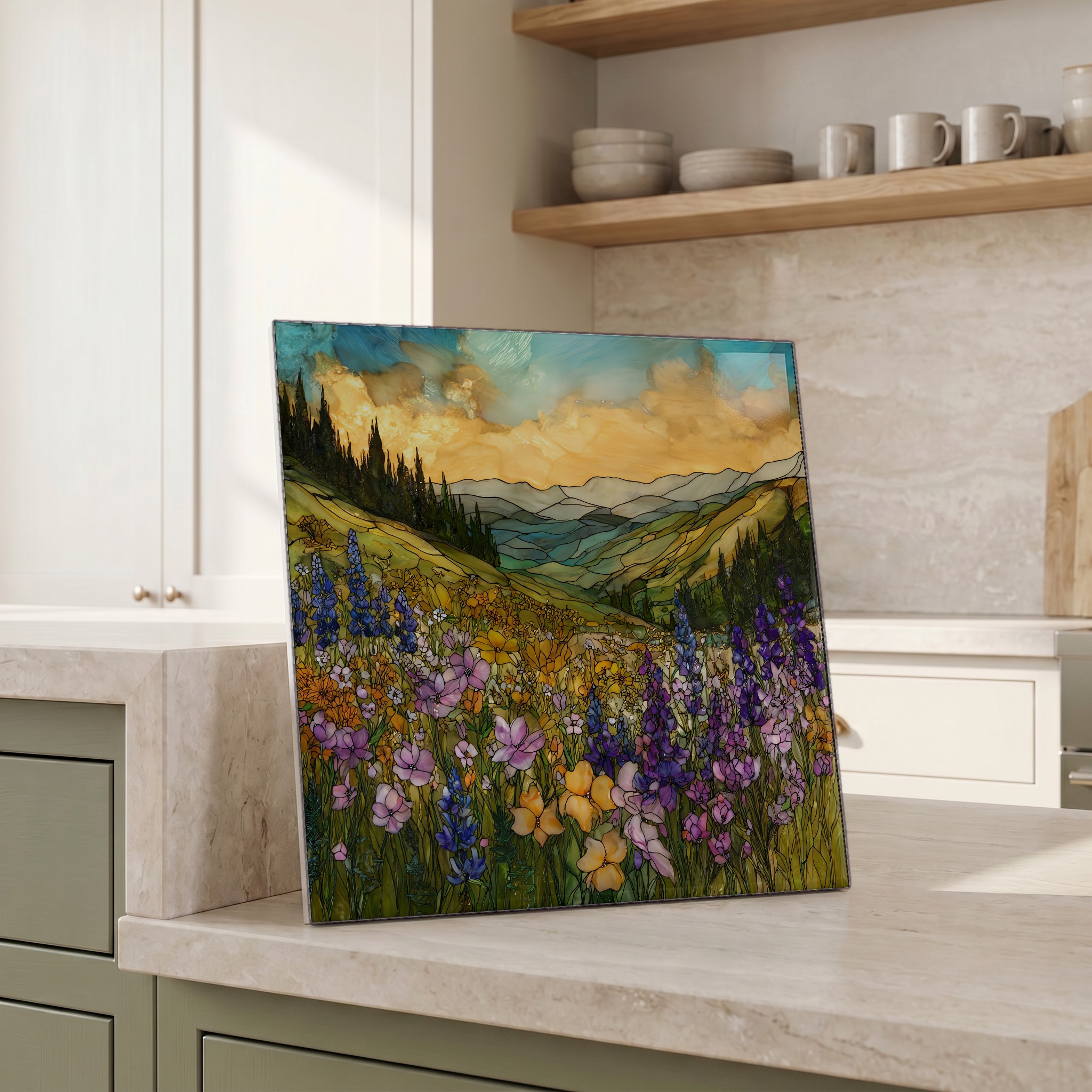
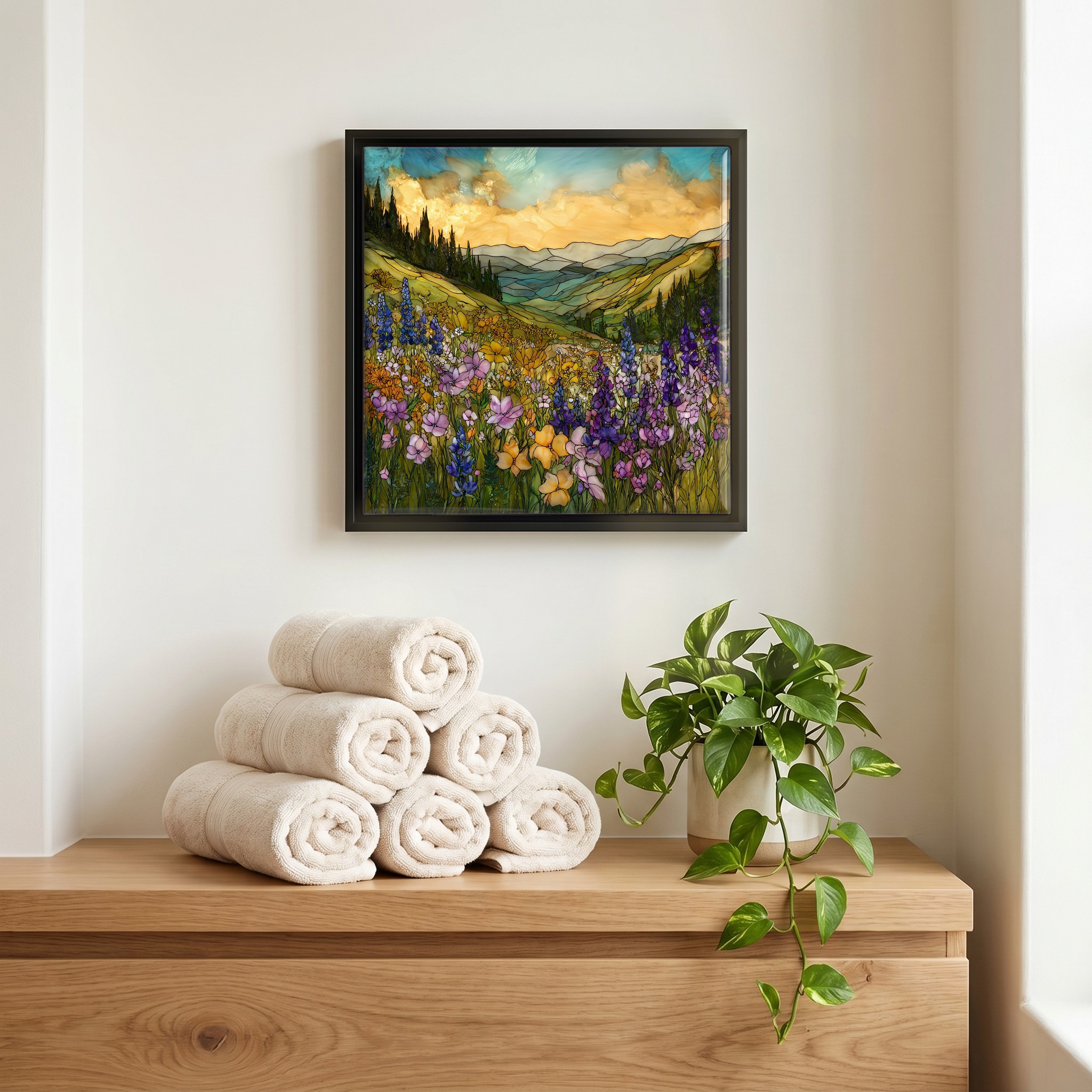
Wildflower super bloom Crested Butte Elk Range Ceramic Art Tile, on ceramic.
Each tile is finished by hand in our Knoxville studio. Artwork is slowly infused into the ceramic surface under high heat and pressure, and rests beneath a thin glossy finish. The colour lives in the surface, not on top of it.
Pick any four 4-inch tiles — National Parks you've been to, a Smokies set, the four seasons of one place. $ for a set of , cork-backed, ready to live on the table.
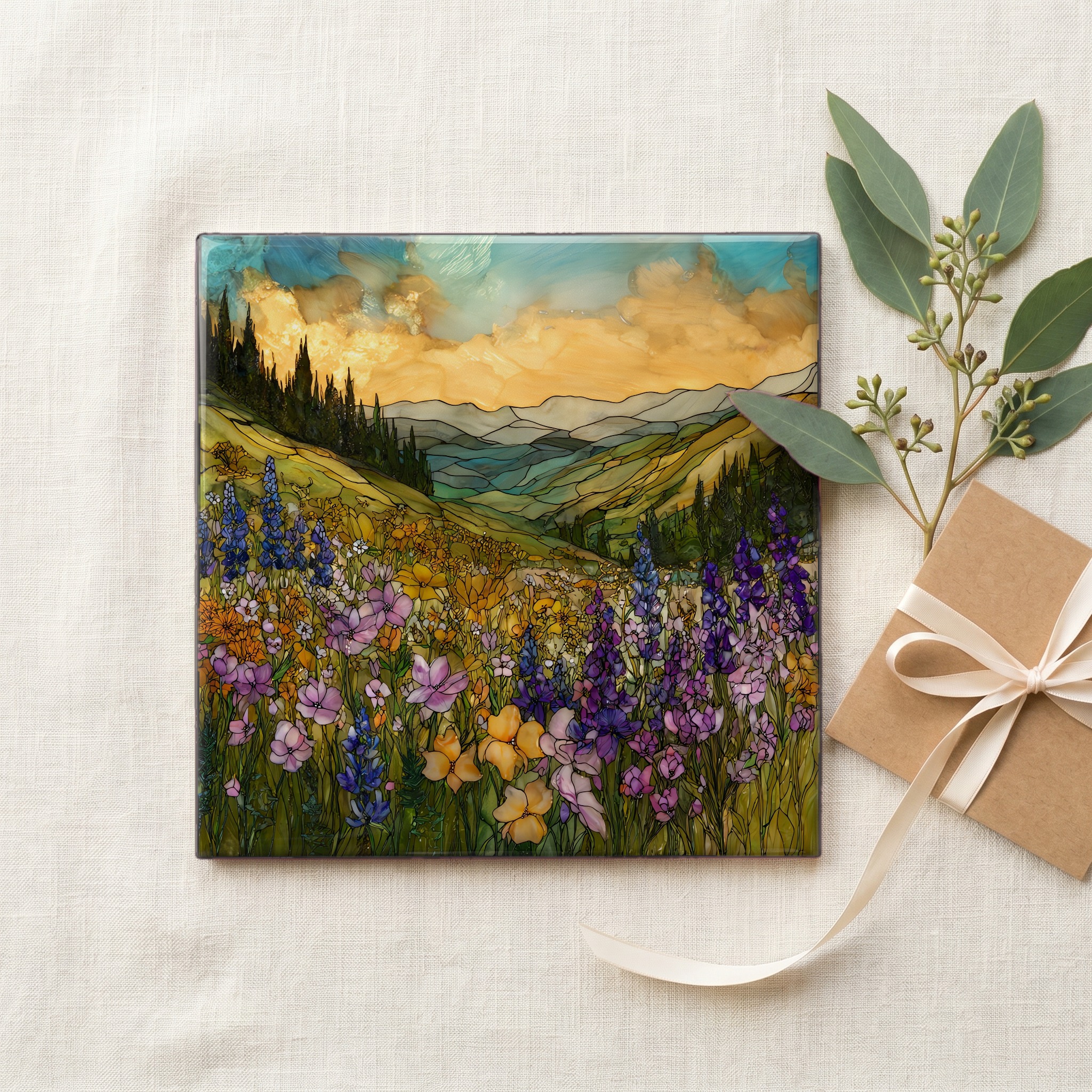
Each tile ships in a kraft box, tied with cream ribbon, with a handwritten note from the studio if you'd like to add one.
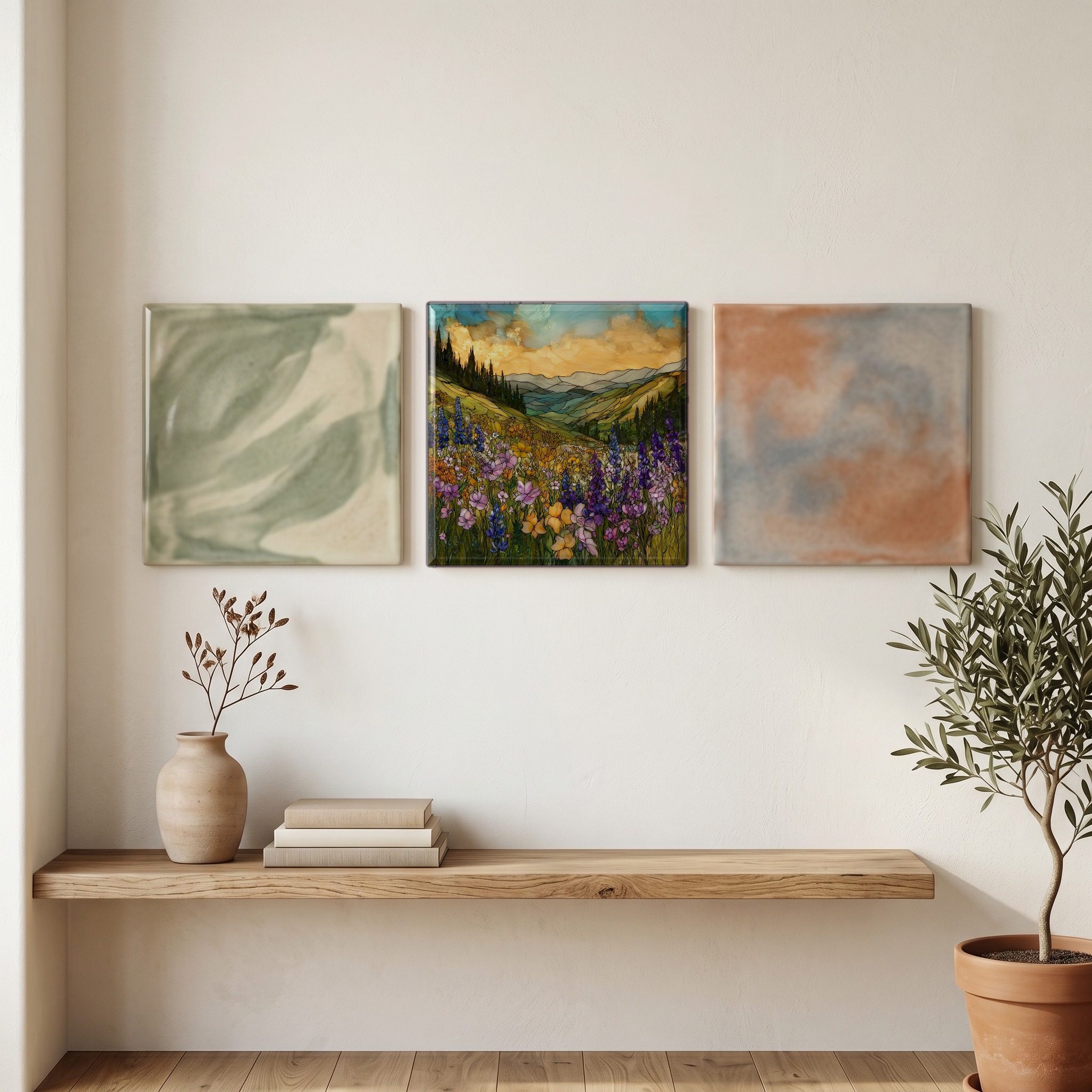
Three or five different vistas, hung together — a chapter of places you've been, or want to go.
The place, in three passes.
Crested Butte sits at 8,885 feet in Gunnison County, Colorado, on the western edge of the Elk Mountains, about 28 miles north of the town of Gunnison. The Elk Range, anchored south by the 14,000-foot Maroon Bells and Castle Peak, wraps the town in alpine meadows and aspen-fir slopes that climb to Mount Crested Butte (12,162 ft) and the ski terrain above. The Colorado Legislature designated Crested Butte the Wildflower Capital of Colorado in 1990. Most of the surrounding bloom country lies within Gunnison National Forest, with the Maroon Bells–Snowmass Wilderness immediately to the northeast.
The bloom runs roughly mid-June through mid-August, with the peak in the second and third weeks of July. Mules ears (Wyethia amplexicaulis) come first and turn whole slopes yellow; the Colorado columbine, the state flower, follows along stream cuts and aspen edges. Indian paintbrush, lupine, larkspur, scarlet gilia, sneezeweed, and fireweed layer in through July. The annual Crested Butte Wildflower Festival, running since 1986, is timed to that peak. By late August the colour begins to lift, and the first heavy snow on the Elk Range often arrives by late October.
The bloom reads as colour-blocks at distance because the species drift into single-species stands. Mules ears (yellow) cover entire south-facing slopes above 8,500 feet. Indian paintbrush brings the warm reds. Tall larkspur and silvery lupine handle the blues. Colorado columbine, pale lavender with a white cup, settles into the aspen understory. Cow parsnip and sneezeweed run the wet meadows along Slate River and the East River drainage. The bloom map kept by the Crested Butte Wildflower Festival lists more than 100 documented species in the surrounding valleys.