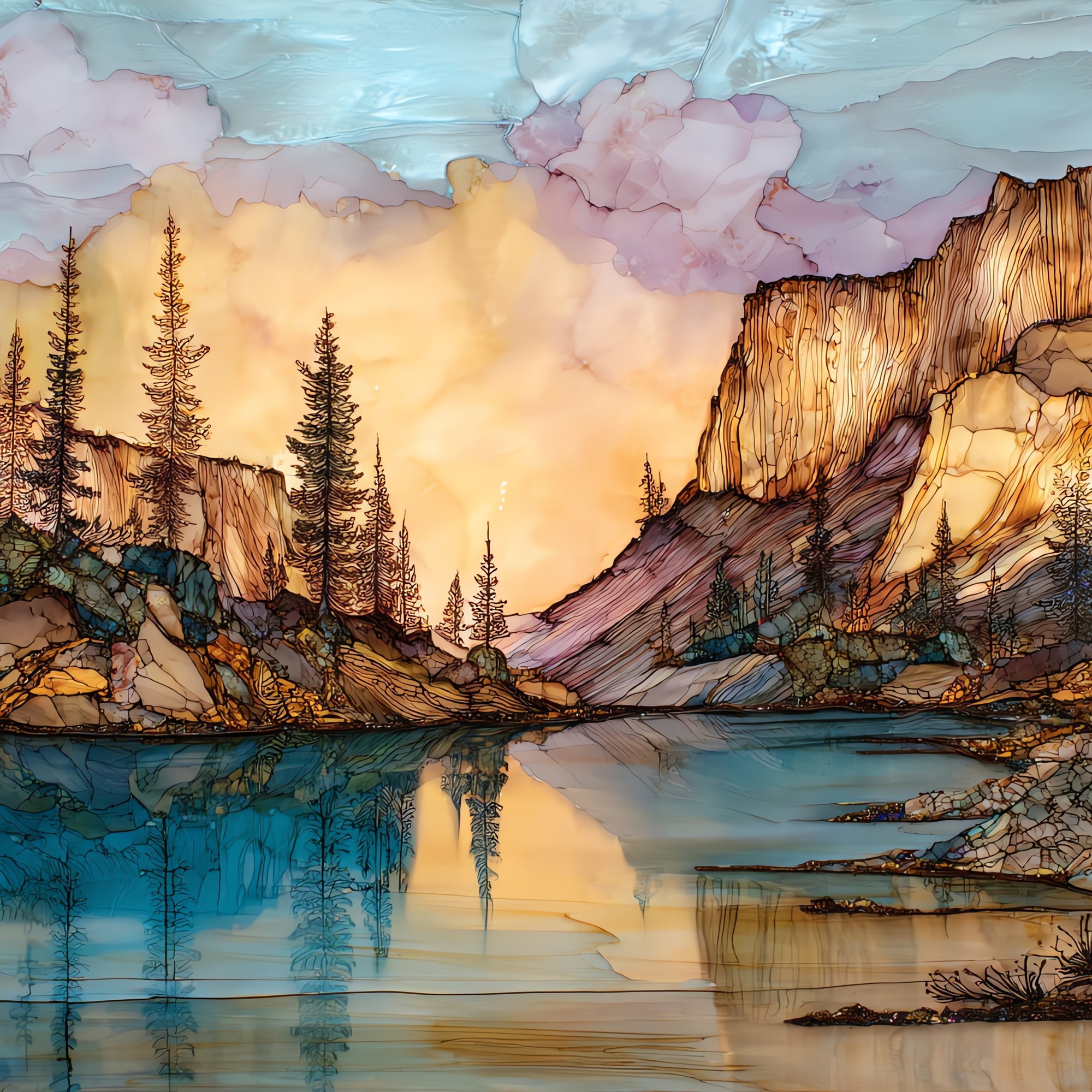
Trappers Lake Flat Tops Ceramic Art Tile
— — the lake that taught us to leave a place alone.
Not only on a wall.

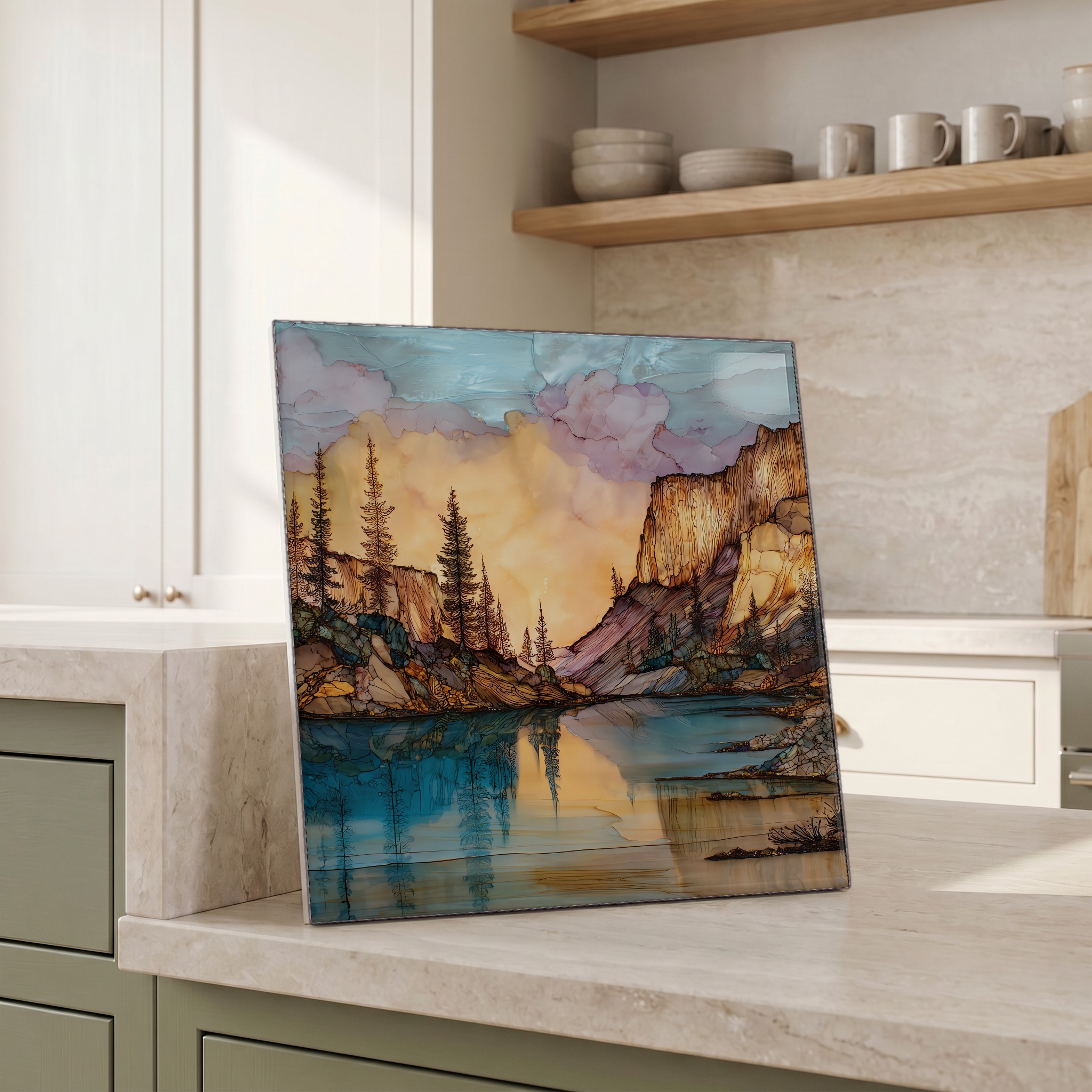

“The headwaters of the White River, held in a basin below the basalt rim of the Flat Tops. In 1919 a young landscape architect named Arthur Carhart came up to lay out summer cabins along the shore and went back and told his supervisors not to build them. That recommendation became the seed of the American wilderness idea, forty-five years before the Wilderness Act made it law. Lodgepole and spruce around the lake burned in the 2002 fire; the new growth has been coming in since, taking back the slopes a few feet at a time.
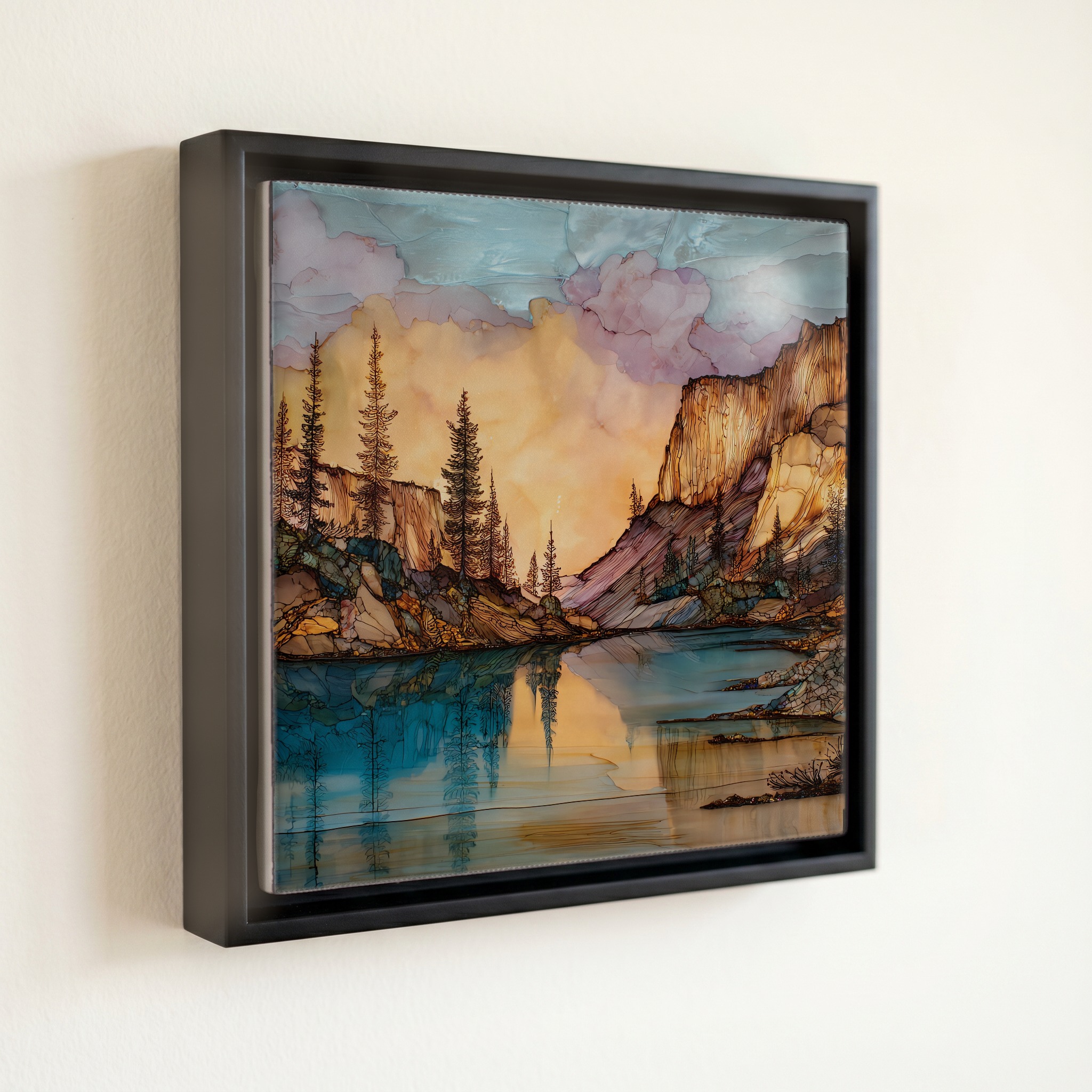
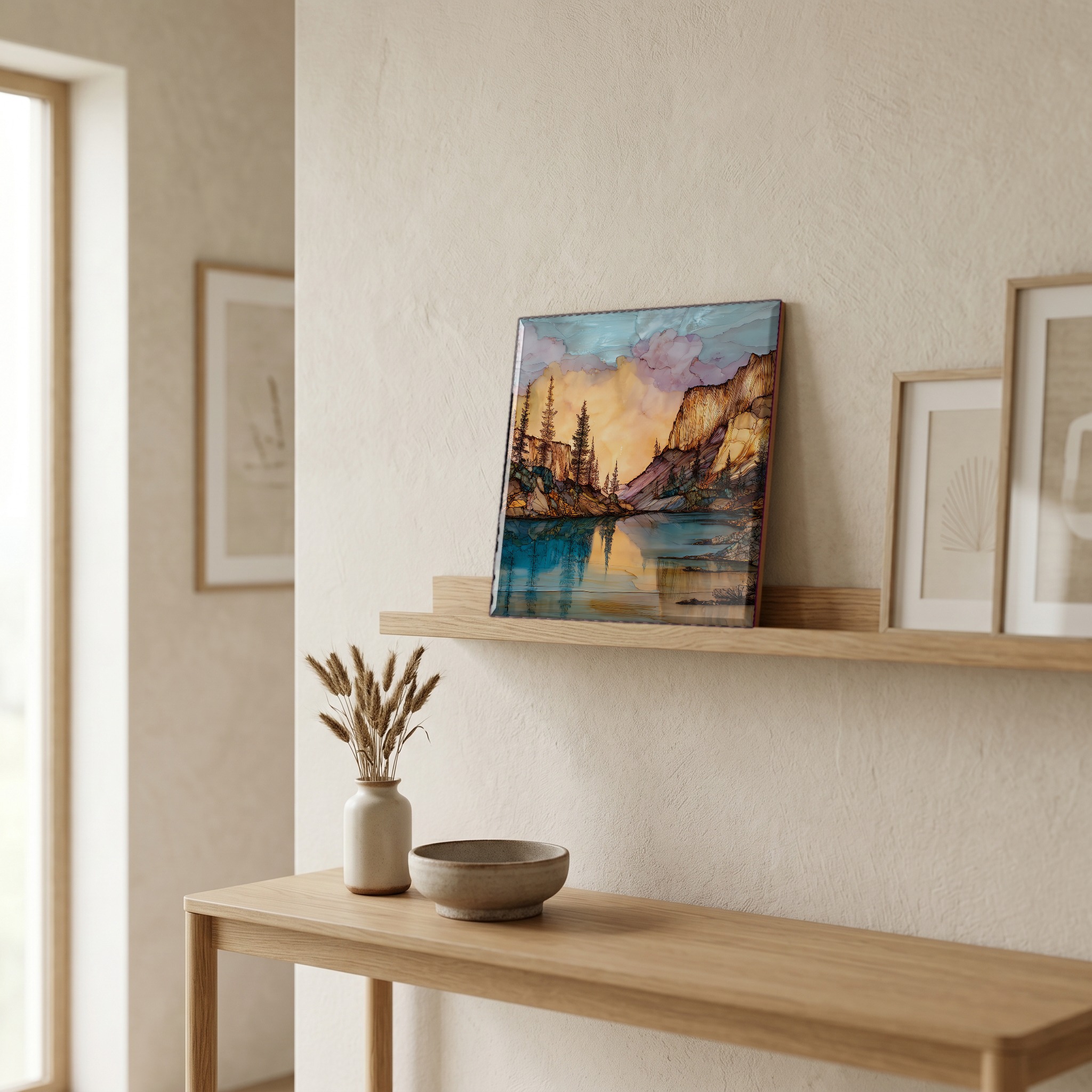
Trappers Lake Flat Tops Ceramic Art Tile, on ceramic.
Each tile is finished by hand in our Knoxville studio. Artwork is slowly infused into the ceramic surface under high heat and pressure, and rests beneath a thin glossy finish. The colour lives in the surface, not on top of it.
Pick any four 4-inch tiles — National Parks you've been to, a Smokies set, the four seasons of one place. $ for a set of , cork-backed, ready to live on the table.
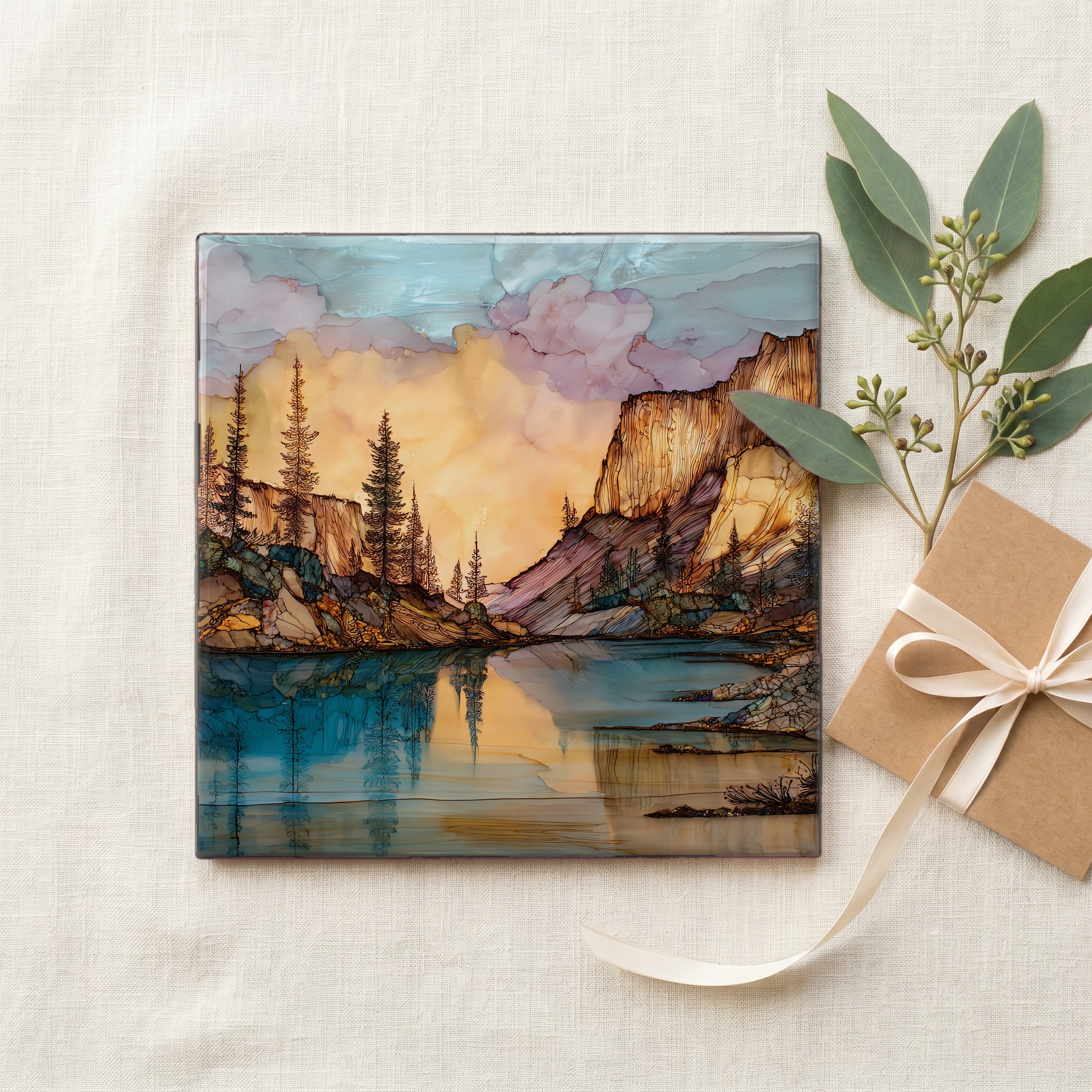
Each tile ships in a kraft box, tied with cream ribbon, with a handwritten note from the studio if you'd like to add one.

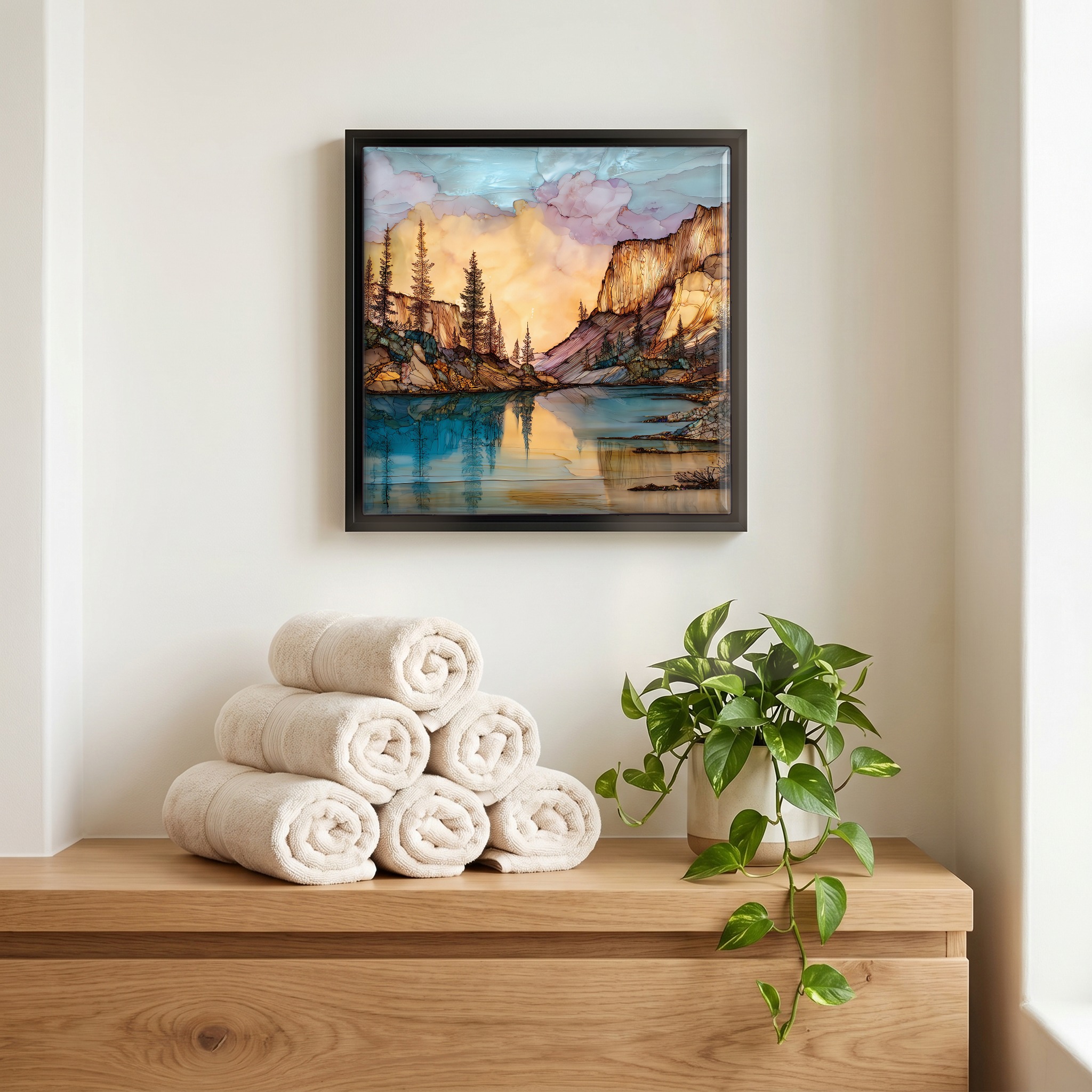
Three or five different vistas, hung together — a chapter of places you've been, or want to go.
The place, in three passes.
Trappers Lake sits at 9,627 feet (2,935 m) on the western side of the Flat Tops Wilderness, in White River National Forest in northwest Colorado. The lake is the natural headwater of the North Fork of the White River and is held in a basin against the basalt rim of the Flat Tops plateau, an extensive volcanic tableland formed by lava flows in the Eocene and Oligocene that capped the older sedimentary rock beneath. The Flat Tops Wilderness covers roughly 235,000 acres across White River and Routt National Forests, making it the second-largest designated wilderness area in the state. The drive in is the long way around: from Meeker, Rio Blanco County Road 8 runs east about 40 miles to the settlement of Buford, then Forest Road 205 climbs north and unpaved to the lake.
In 1919 the U.S. Forest Service sent a young landscape architect named Arthur Carhart to Trappers Lake to lay out a summer cabin development on the shore. He spent the season at the lake and returned with the recommendation that no cabins be built and no road be brought to the water; it was the first time a federal agency was advised in writing to keep a place undeveloped on the strength of its character alone. That report, and Carhart's later collaboration with Aldo Leopold, is widely credited as the seed of the wilderness idea that produced the Wilderness Act of 1964. Trappers Lake is now sometimes called the cradle of wilderness; the road still stops short of the shore.
The road in (Forest Road 205) closes with the first heavy snow, typically by late October, and does not reopen until late May or June. The lake itself freezes in winter and the trailheads at the rim are reached only by snowshoe or ski. The most settled weather runs mid-July through mid-September; aspen turn the basin's edges yellow in late September. Anglers come for the Colorado River cutthroat trout, one of Colorado's native trout subspecies; Trappers Lake holds one of the few self-sustaining pure-strain populations in the state and is managed by Colorado Parks and Wildlife with special regulations to protect it. The Big Fish Fire of 2002 burned through the surrounding lodgepole and spruce; the new forest coming in below the rim is dense, young, and uneven, and will be the look of the basin for the next several decades.