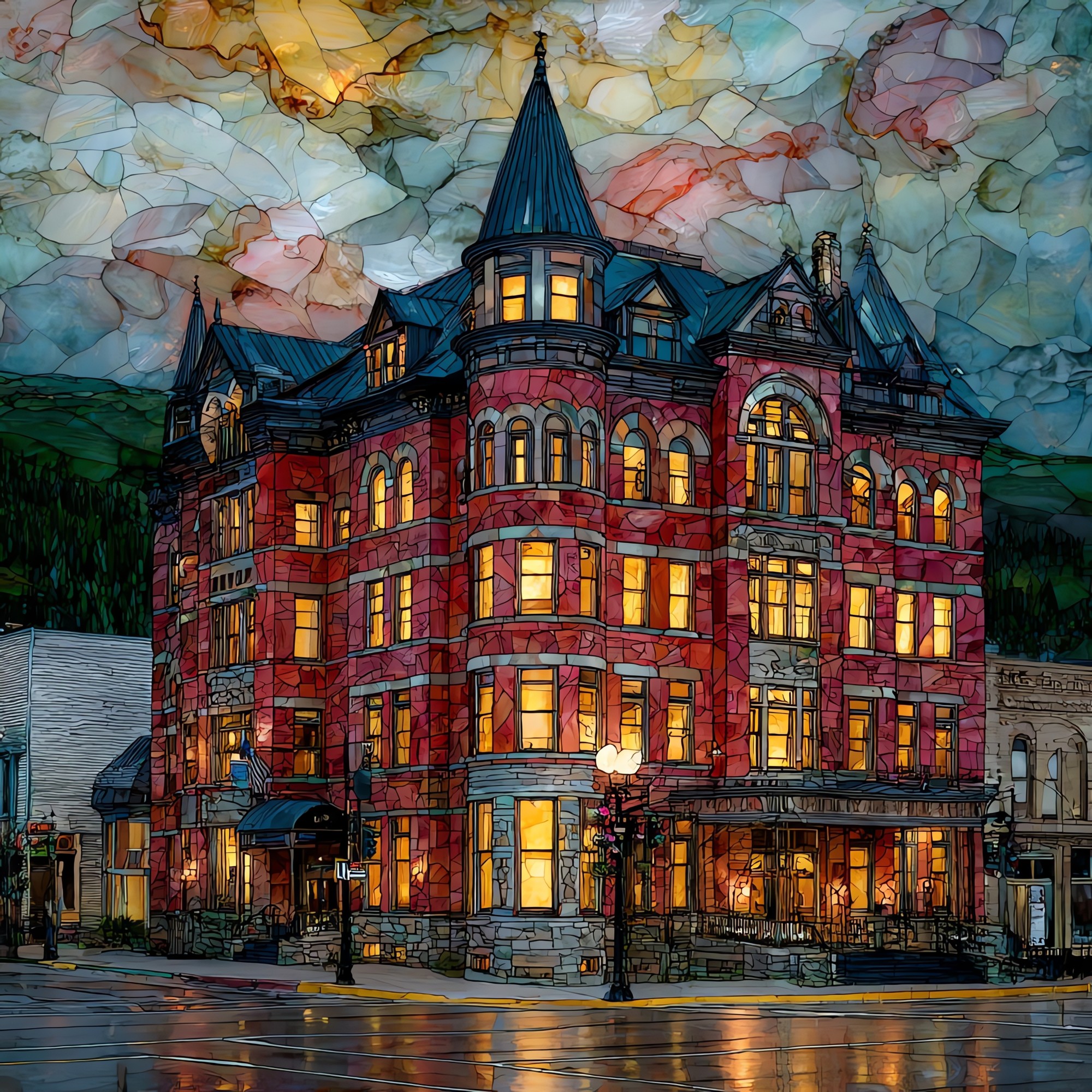
Strater Hotel Durango San Juans Ceramic Art Tile
— the honky-tonk piano carrying up through room 222.
Not only on a wall.
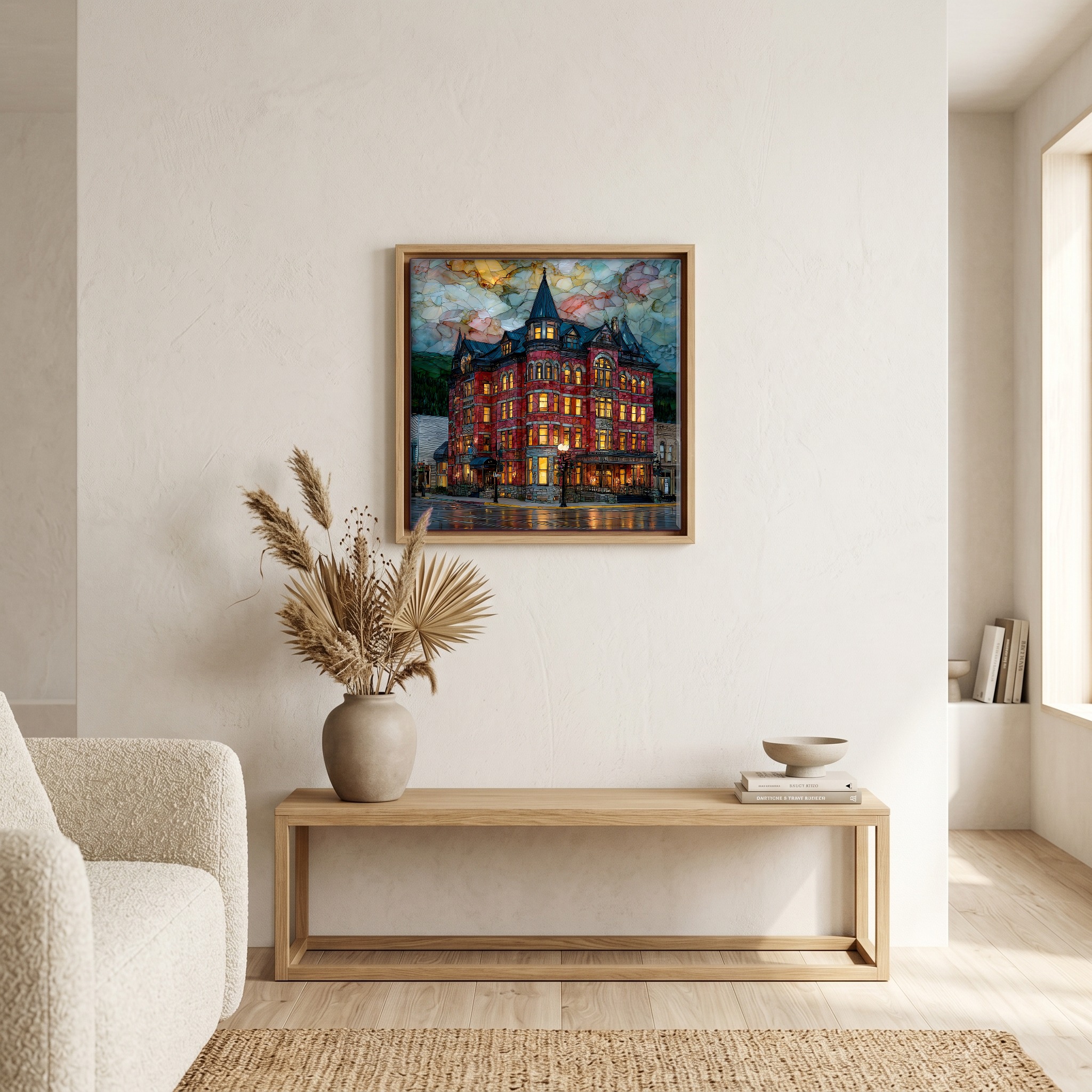
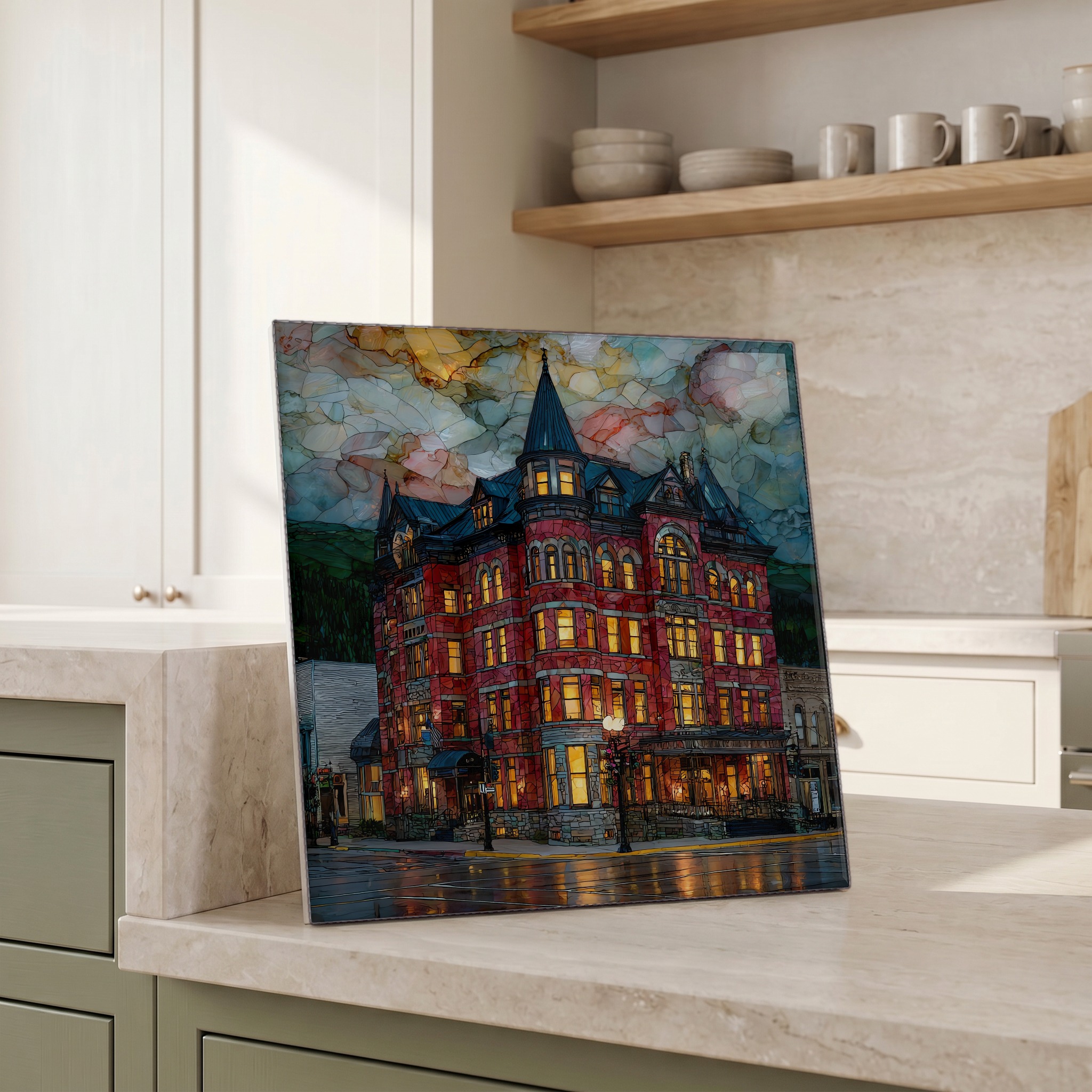
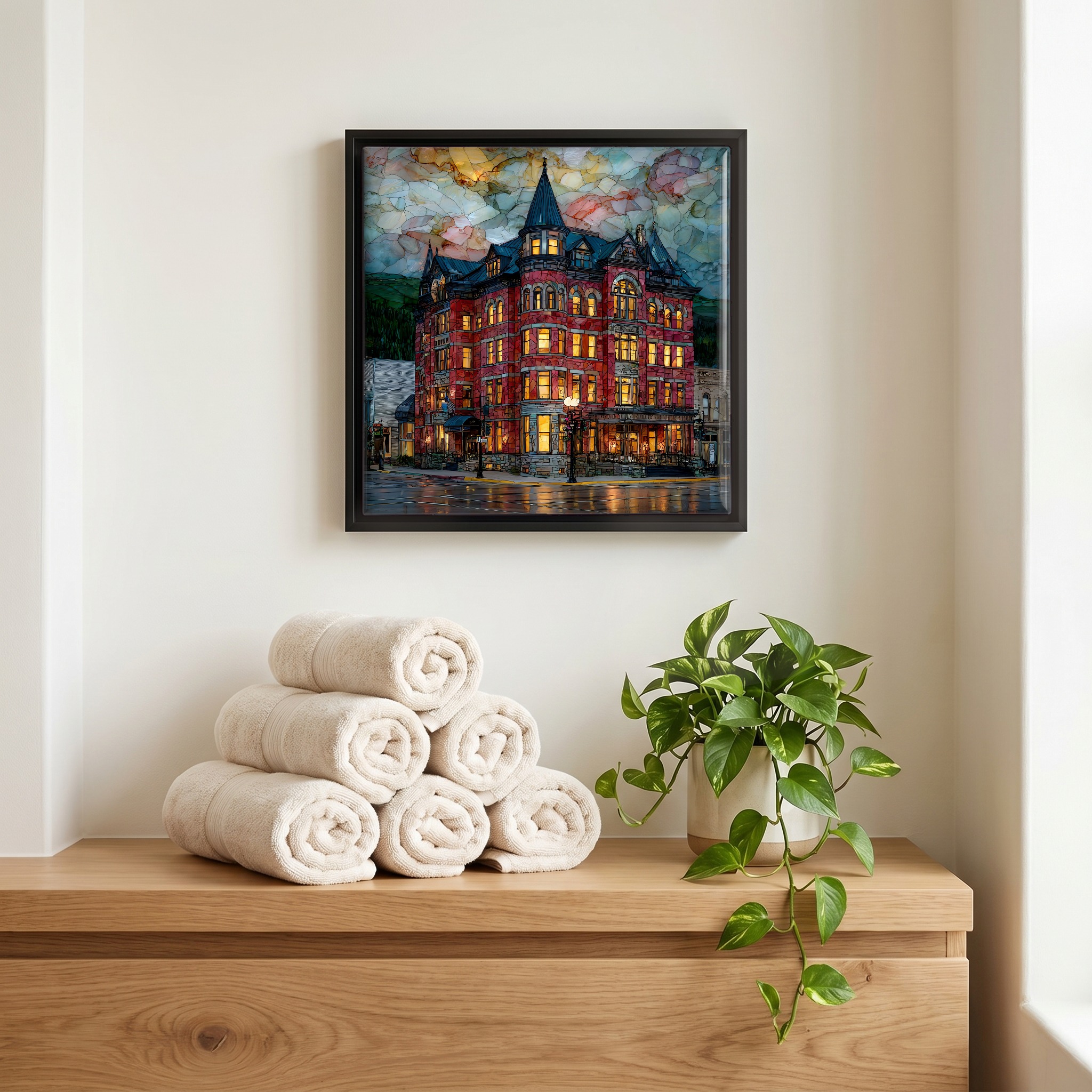
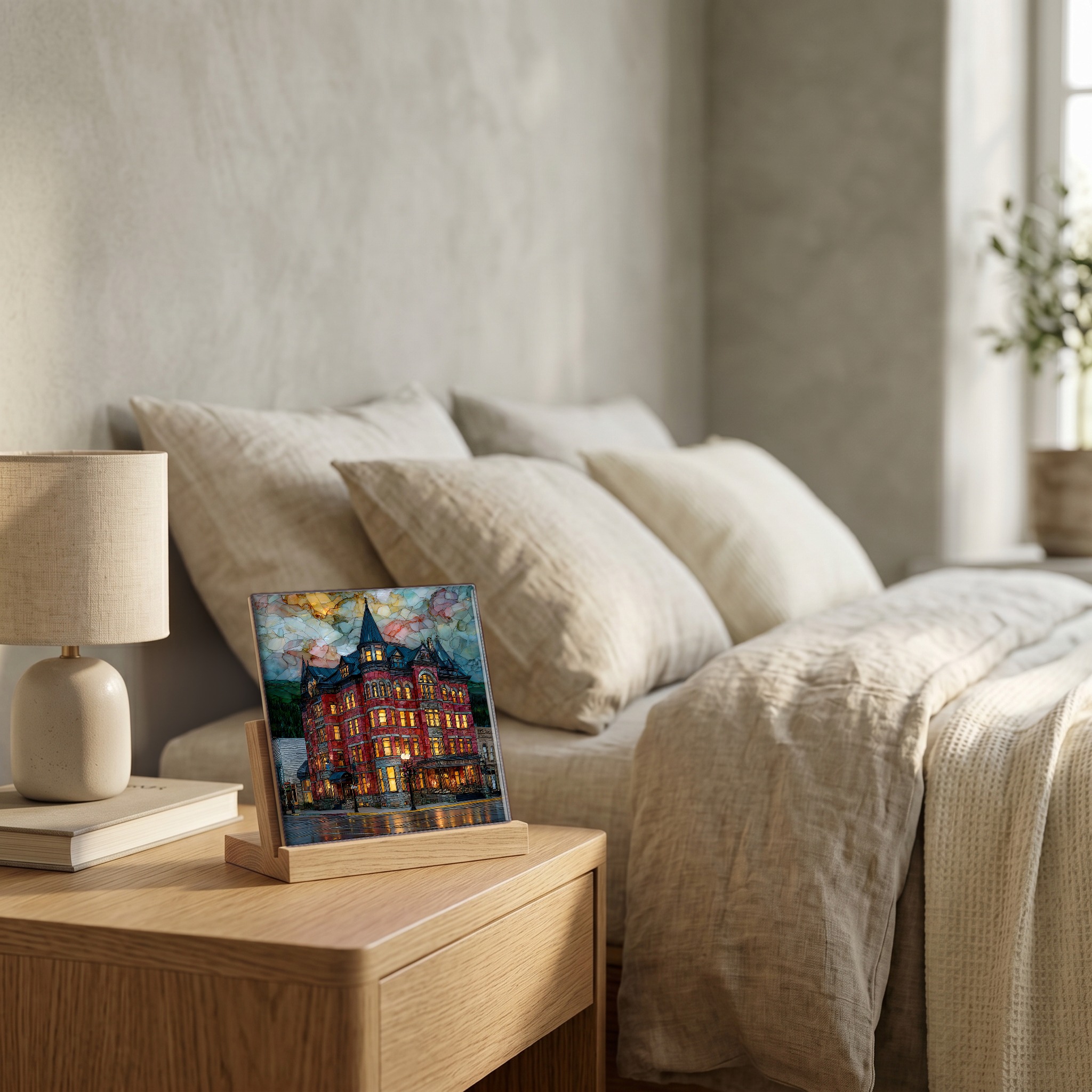
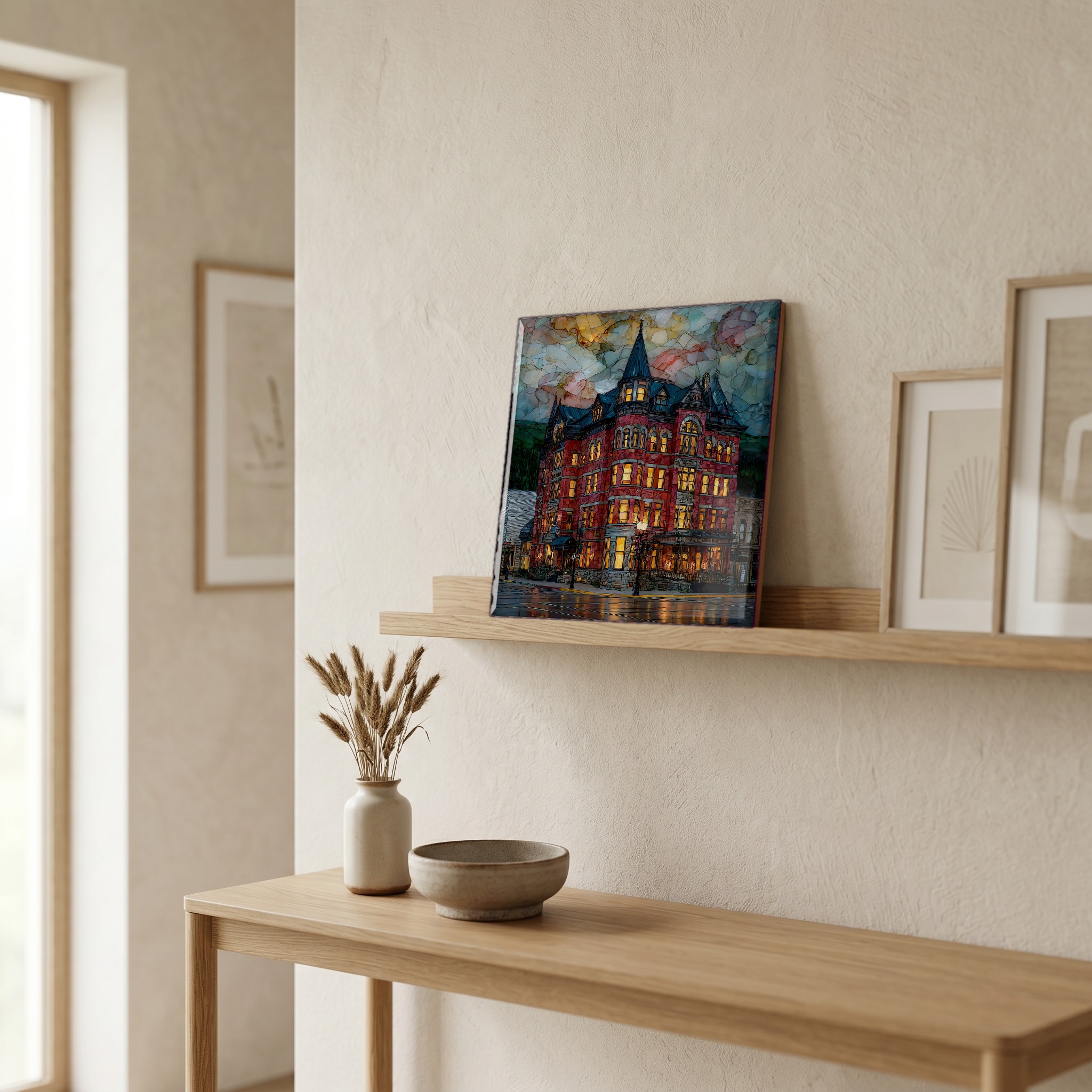
“Four stories of native red brick on the corner of Main and Seventh, in a town the silver panic almost folded. Henry Strater was a Cleveland pharmacist when he opened the doors in 1887. The Diamond Belle Saloon still runs an upright piano from the lobby corner, and the floor of room 222 sits above it. Louis L'Amour took that room every August from the mid-1960s onward. He wrote most of the Sackett books with the honky-tonk coming up through the floorboards.
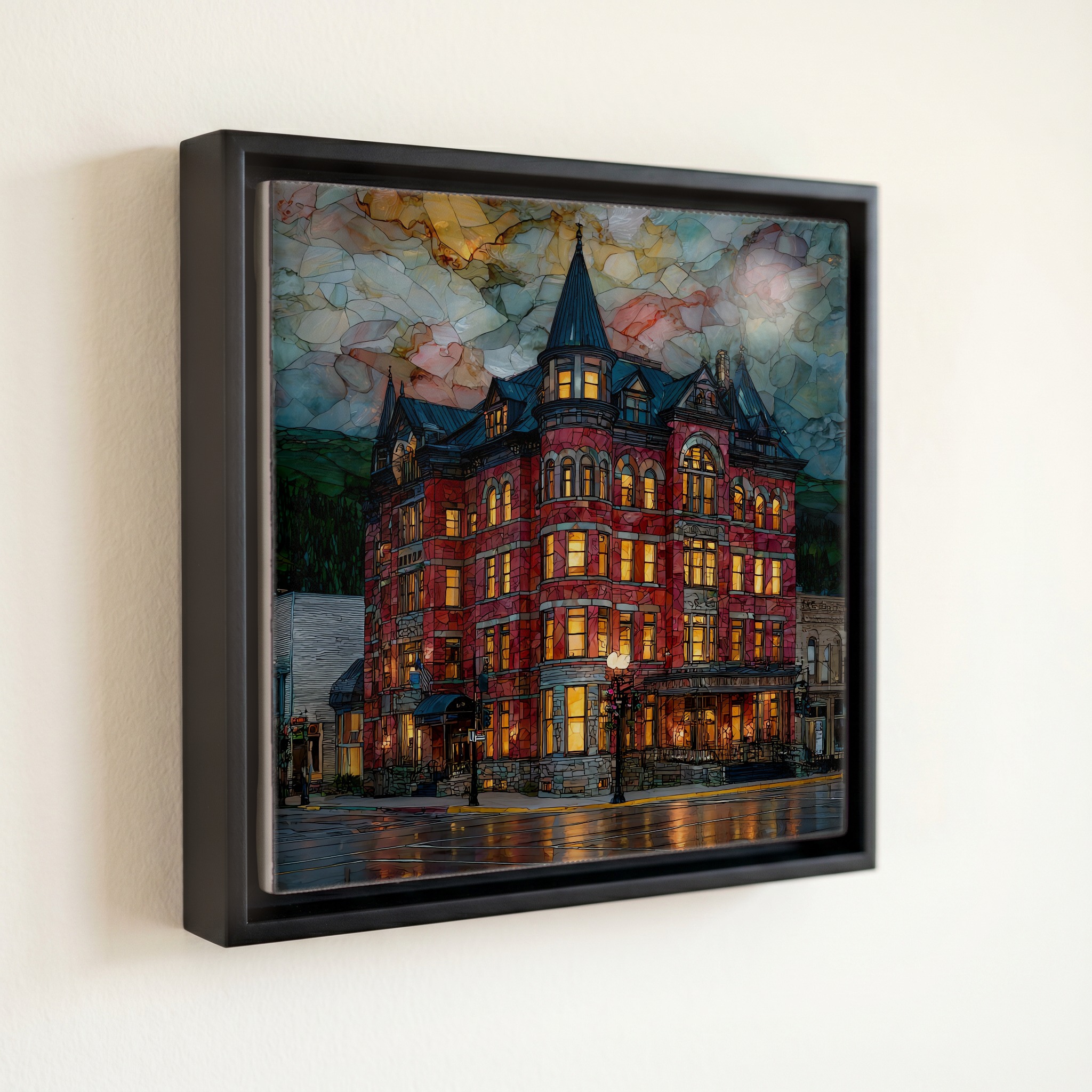
Strater Hotel Durango San Juans Ceramic Art Tile, on ceramic.
Each tile is finished by hand in our Knoxville studio. Artwork is slowly infused into the ceramic surface under high heat and pressure, and rests beneath a thin glossy finish. The colour lives in the surface, not on top of it.
Pick any four 4-inch tiles — National Parks you've been to, a Smokies set, the four seasons of one place. $ for a set of , cork-backed, ready to live on the table.
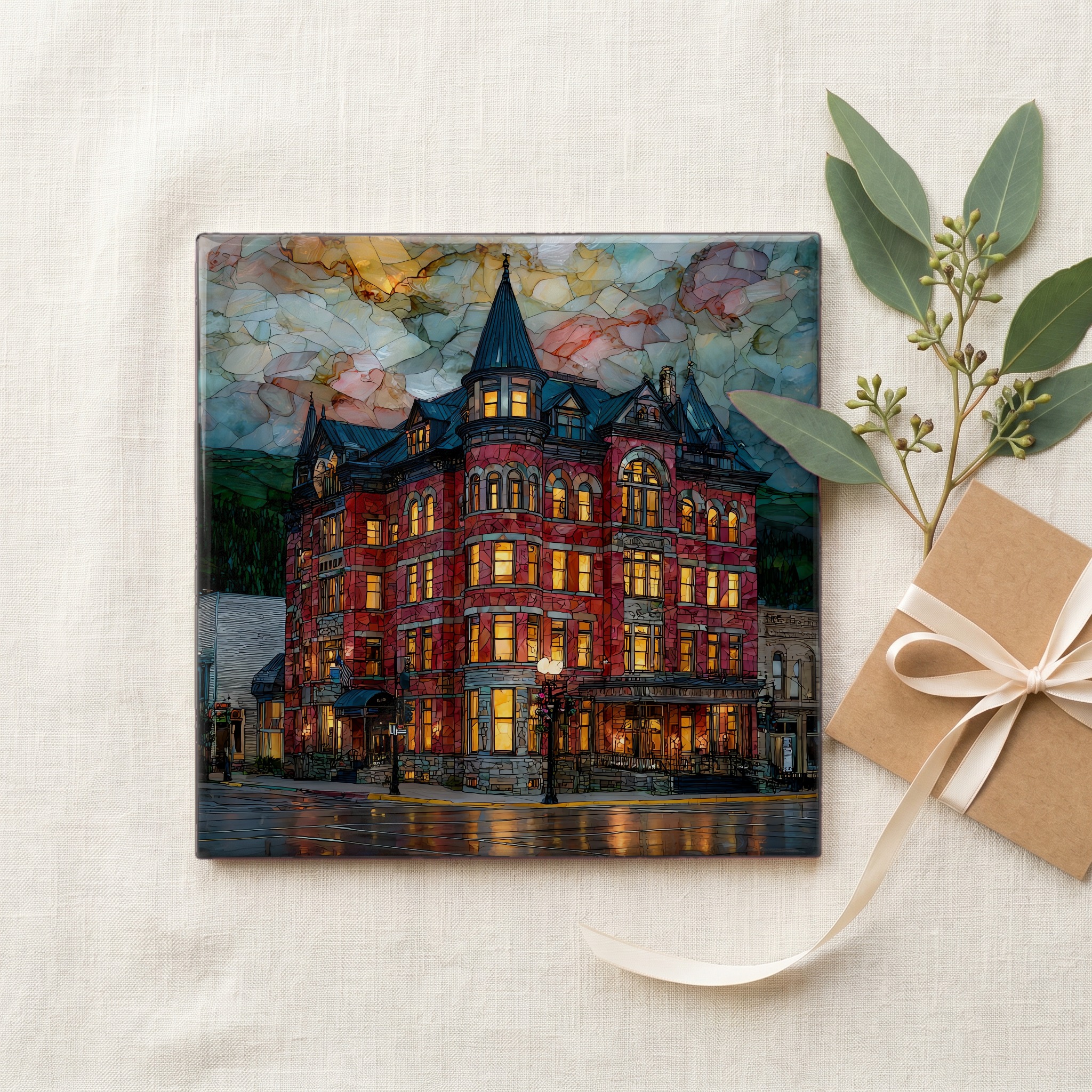
Each tile ships in a kraft box, tied with cream ribbon, with a handwritten note from the studio if you'd like to add one.
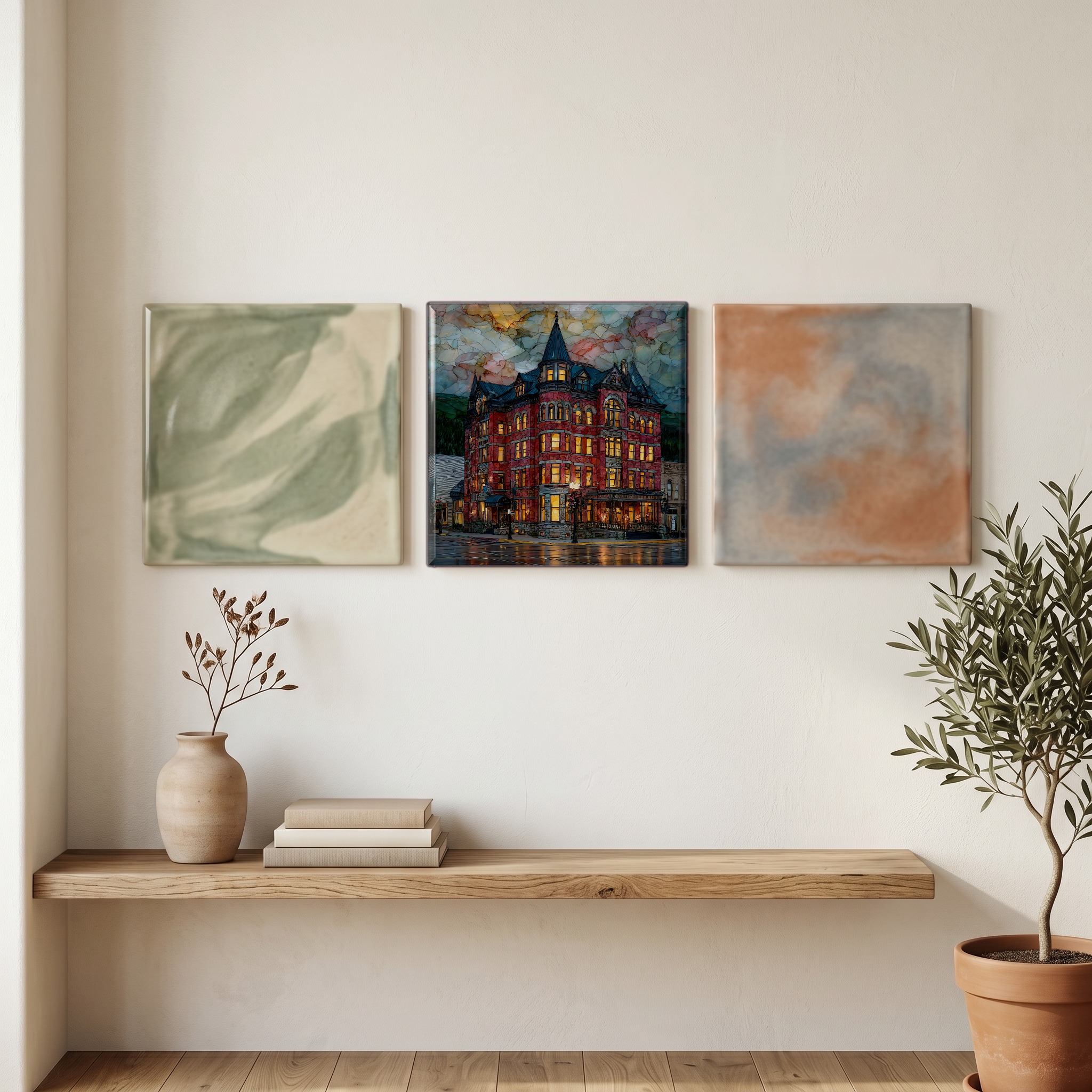
Three or five different vistas, hung together — a chapter of places you've been, or want to go.
The place, in three passes.
The Strater holds the southwest corner of Main Avenue and Seventh Street in downtown Durango, Colorado, four stories of red brick at 6,512 feet of elevation. The Animas River runs two blocks to the west, and the San Juan Mountains rise to the north, two million acres of San Juan National Forest folding away toward Telluride and Silverton. The town arrived in 1881 as a stop on the Denver and Rio Grande's narrow-gauge line; six years later a young Cleveland pharmacist named Henry Strater financed the hotel with help from his father Antone and his brothers Fred and Frank. The Strater is a contributing structure to the Main Avenue Historic District on the National Register, and the Durango and Silverton Narrow Gauge depot still runs steam trains from two blocks south.
376,000 native red bricks, hand-carved sandstone cornices and sills, and an eclectic Victorian envelope that mixes Italianate Romanesque massing with Renaissance Revival detail. Henry Strater spent $70,000 on the build in 1887, a small fortune for a young pharmacist in a town still deciding whether it would become a city. The fourth-floor cornice carries deep arched window heads; the ground floor opens into a lobby furnished with what the hotel calls the world's largest collection of American Victorian walnut antiques, many of them original to the building. The brick has weathered 139 winters at this altitude without losing its colour, and the sandstone sills still hold the chisel marks of the masons who set them.
The Diamond Belle Saloon runs from the ground floor with a ragtime upright and staff in period dress; the Mahogany Grille handles dinner service in a Victorian dining room. Upstairs are 93 guest rooms, each furnished in walnut and floral wallpaper. Room 222 is the one with a small brass plaque: Louis L'Amour took it every August from the mid-1960s onward, and the writing desk where he drafted most of the Sackett series novels is still in the room. In 2012, the Association of Library Trustees, Advocates, Friends and Foundations designated 222 a National Literary Landmark, one of fewer than fifty in the country. The Durango and Silverton steam train runs from two blocks south, May through October.