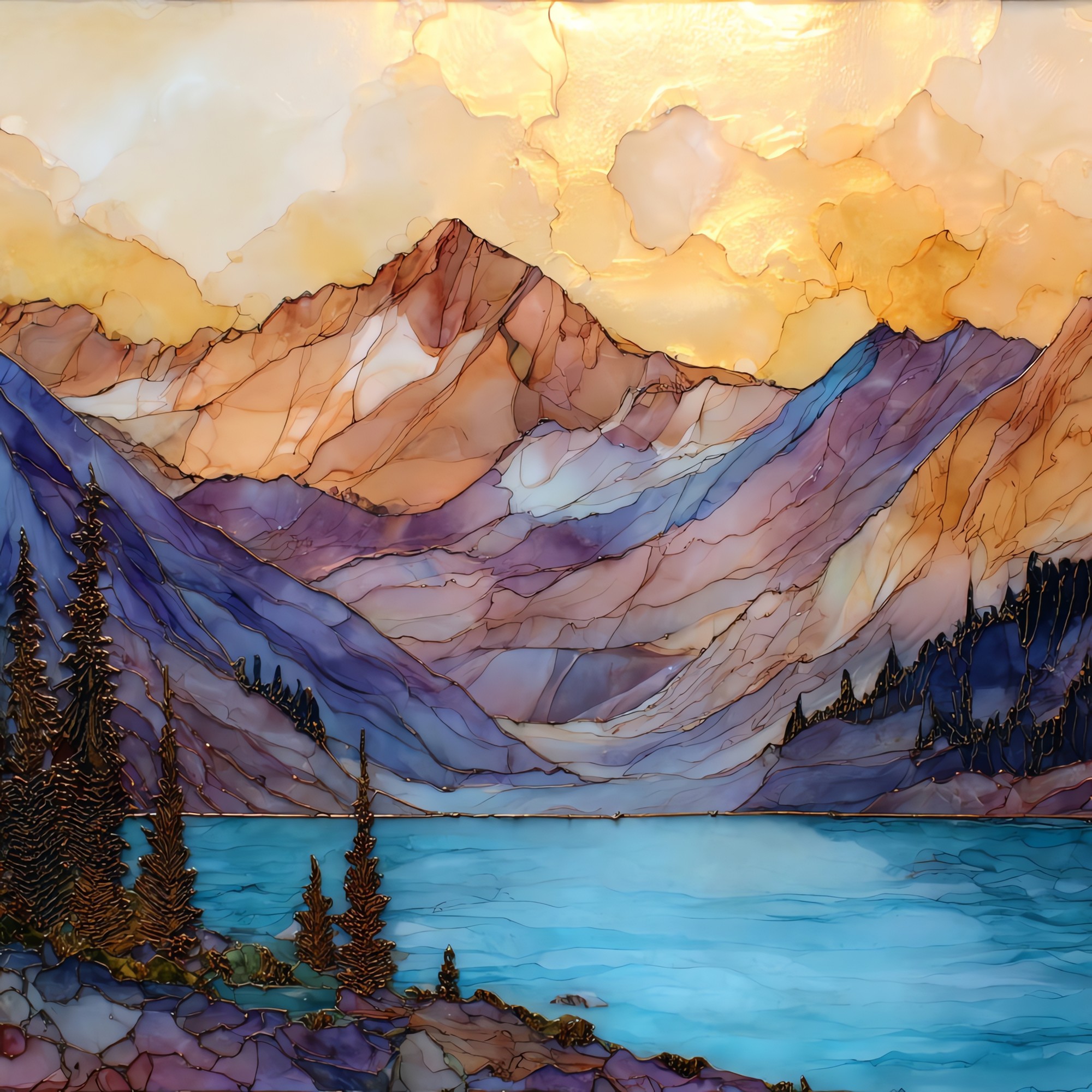
Snowmass Mountain and Lake Elk Range Ceramic Art Tile
— a snow that the summer never finishes.
Not only on a wall.
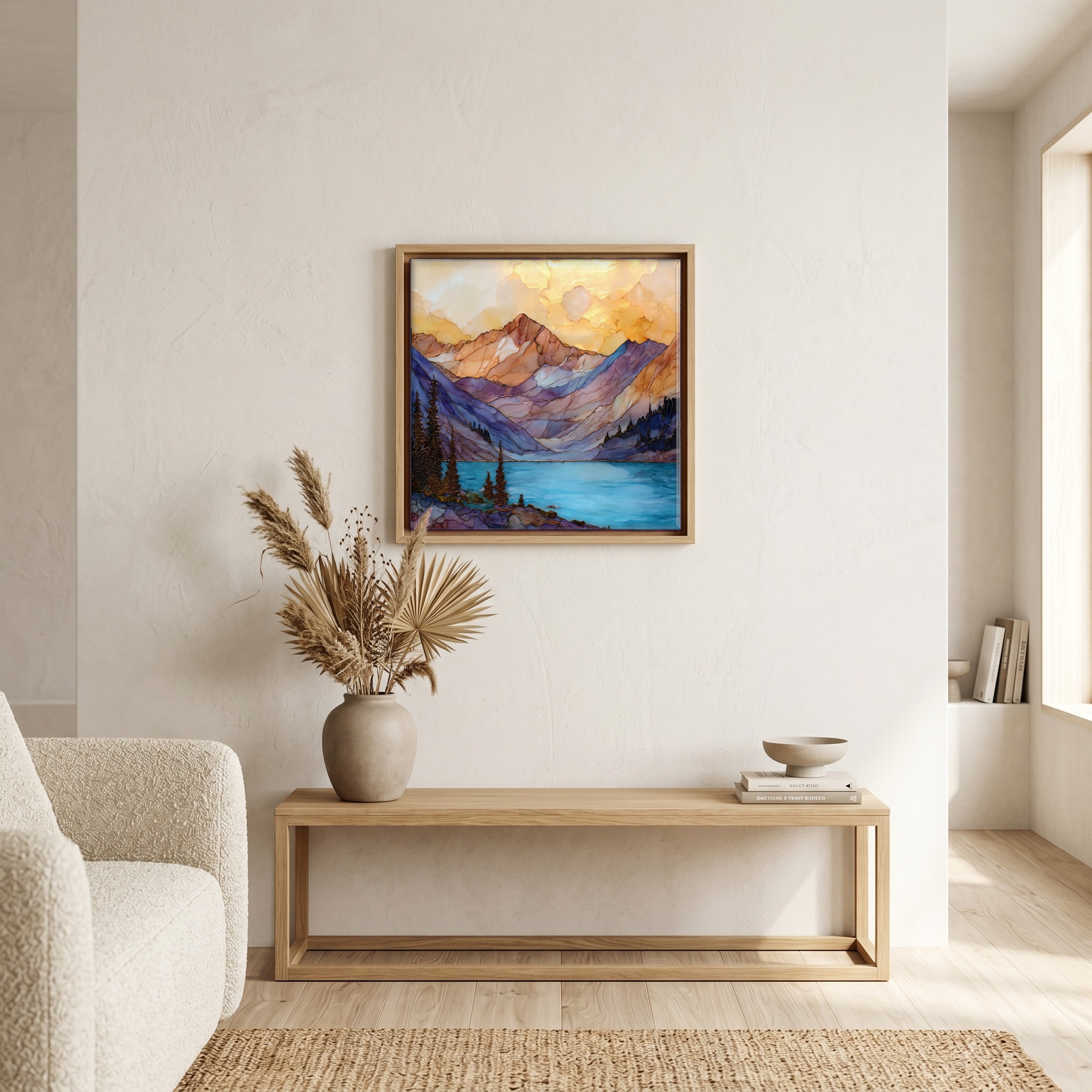
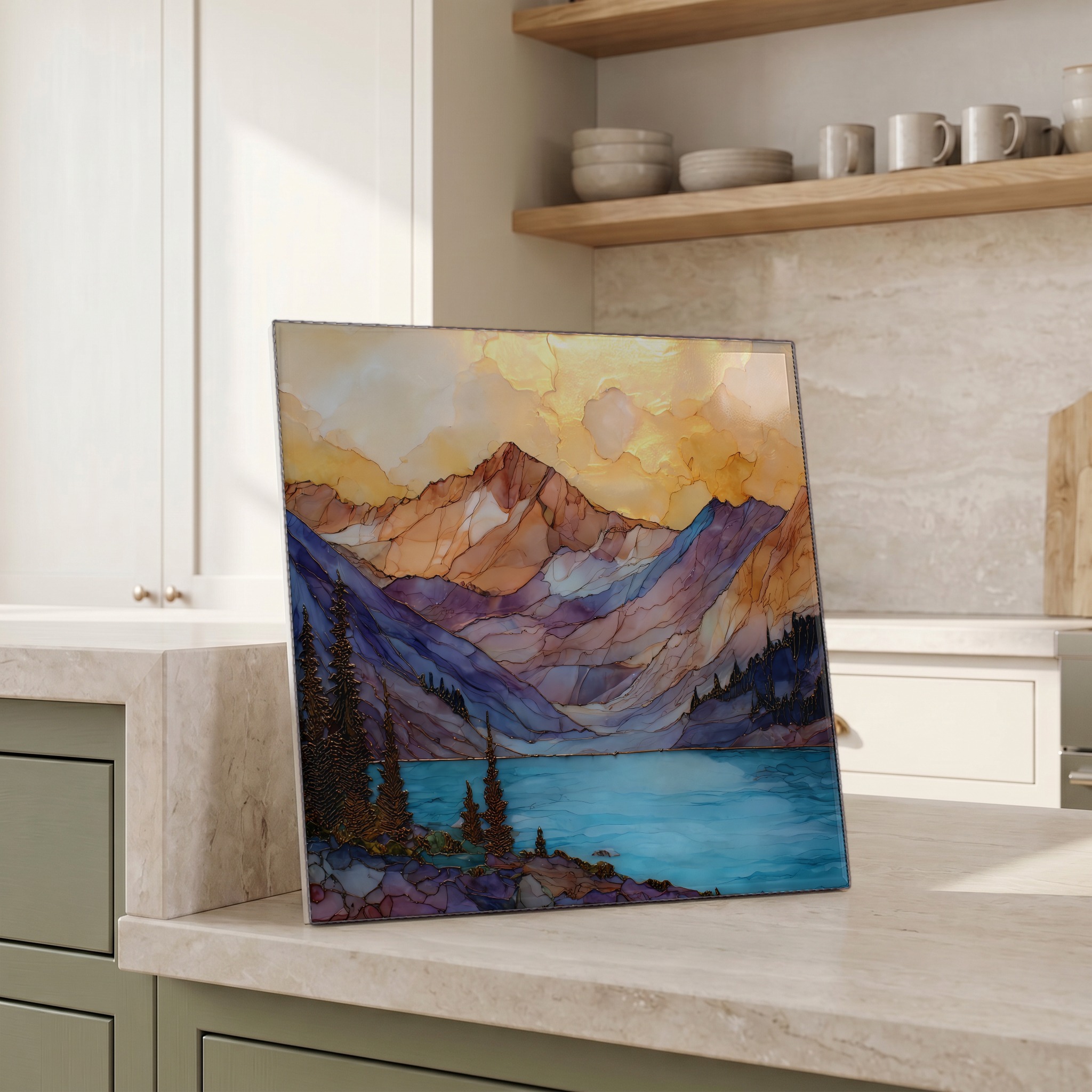
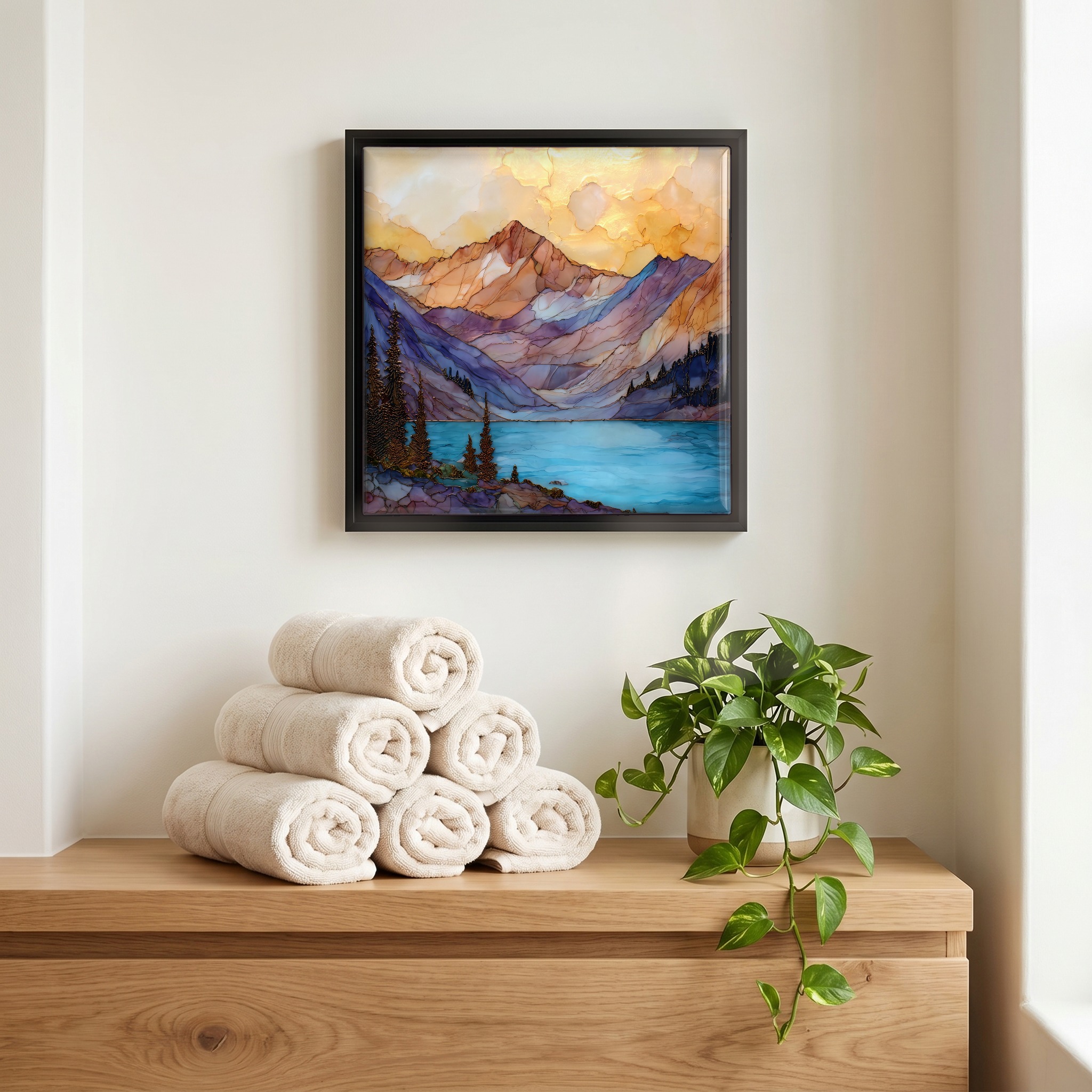

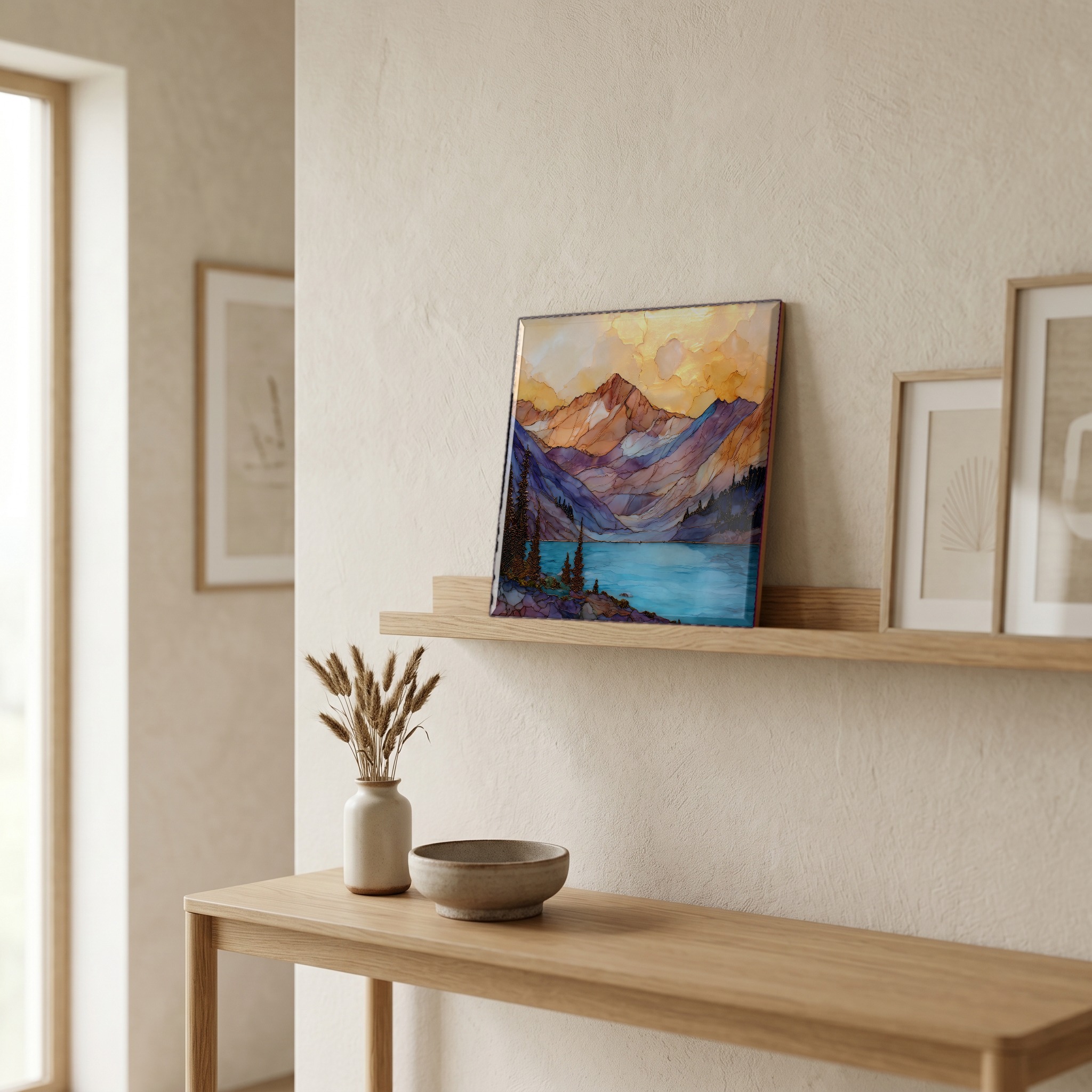
“A 14,099-foot peak in Colorado's Elk Range, named for the wide snowfield that holds on through the summer on its east face. The lake sits about three thousand feet below, deep alpine green when the sun is on it and slate when the sky has closed in. The hike in from Snowmass Creek runs eight and a half miles, mostly through aspen and spruce. Most people who reach the lake camp; it's too far for a day. The water reflects the snow until late August, and then for a few weeks the rock and the foliage hold the picture together.
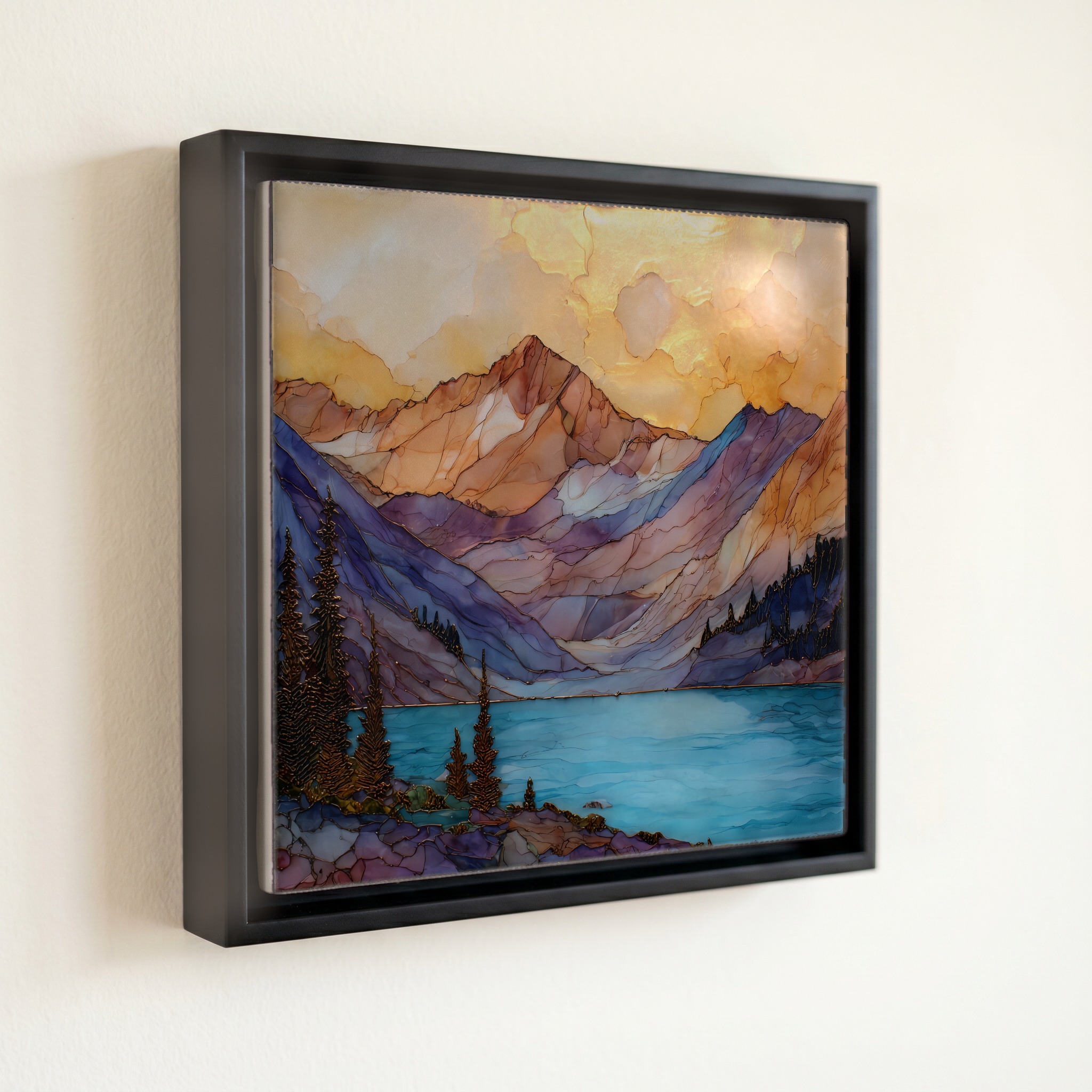
Snowmass Mountain and Lake Elk Range Ceramic Art Tile, on ceramic.
Each tile is finished by hand in our Knoxville studio. Artwork is slowly infused into the ceramic surface under high heat and pressure, and rests beneath a thin glossy finish. The colour lives in the surface, not on top of it.
Pick any four 4-inch tiles — National Parks you've been to, a Smokies set, the four seasons of one place. $ for a set of , cork-backed, ready to live on the table.
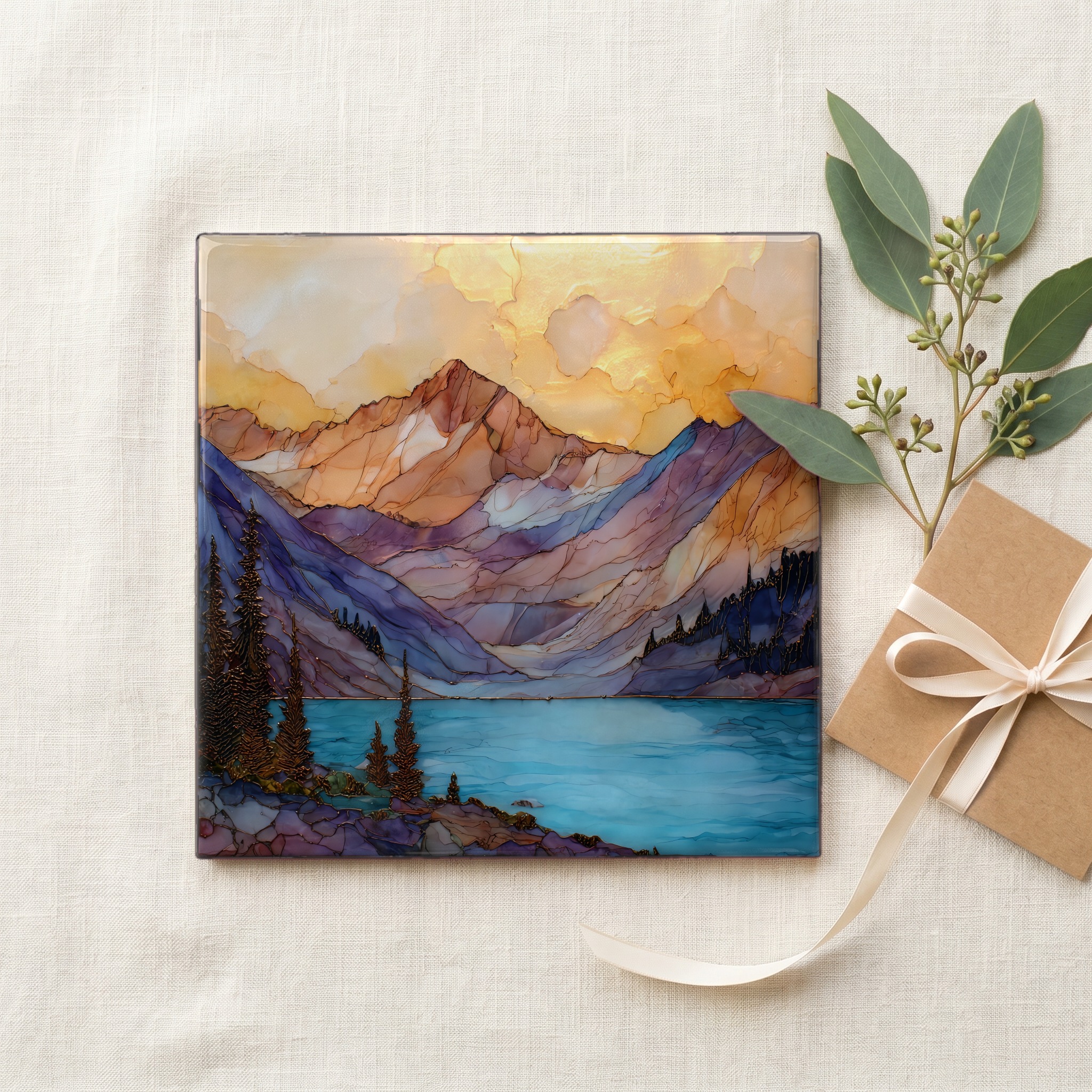
Each tile ships in a kraft box, tied with cream ribbon, with a handwritten note from the studio if you'd like to add one.
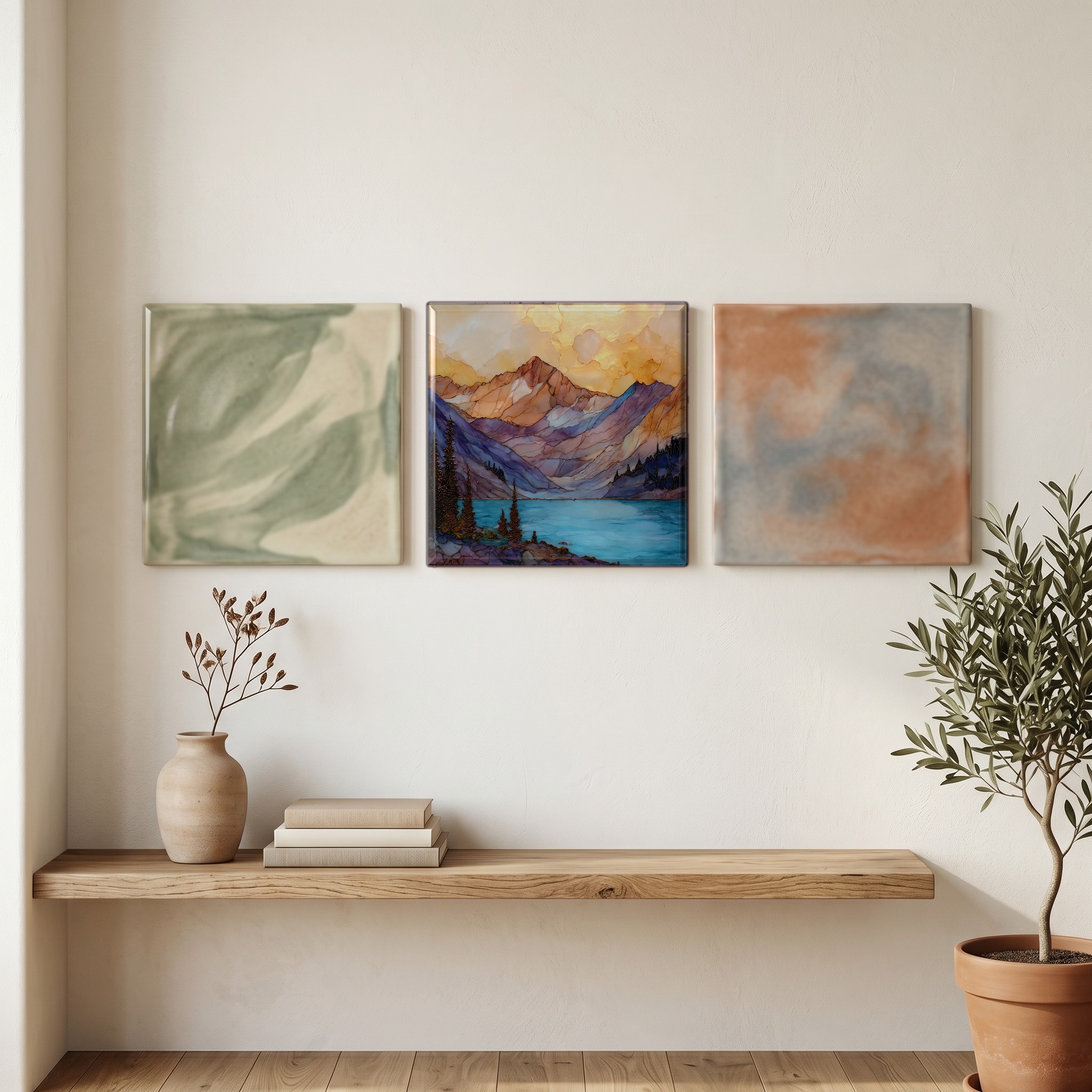
Three or five different vistas, hung together — a chapter of places you've been, or want to go.
The place, in three passes.
Snowmass Mountain is a 14,099-foot peak in Colorado's Elk Range, inside the Maroon Bells–Snowmass Wilderness of the White River National Forest. Its name comes from the wide permanent snowfield on its east face — the 'snowmass' that holds through the summer and is visible far down the Roaring Fork valley. Snowmass Lake sits at roughly 10,980 feet at the foot of that snowfield, eight and a half miles by trail from the Snowmass Creek trailhead near Old Snowmass. The peak is one of fifty-three Colorado fourteeners and stands about twelve miles west-southwest of Aspen, in Pitkin County. Its sibling peaks — Capitol, Maroon, North Maroon, Pyramid — share the same wilderness boundary.
Snowmass Lake forms a long alpine basin at about 10,980 feet, fed by the snowmelt that drains the east face of Snowmass Mountain and the permanent snowfield above it. The water reads deep green when the sun is on the surface and slate-grey when the sky closes in. Unlike the milky turquoise of Lago di Sorapis or Lake Pukaki, which take their colour from glacial rock flour, Snowmass Lake's tint comes from a snowmelt basin without an active glacier — colder, simpler in colour, and most photographed in late July through September when the surface holds the snowfield's reflection. The outflow becomes Snowmass Creek and runs west toward the Roaring Fork River.
Snowmass Lake is reached from late June through October most years, with the peak window running from mid-July to mid-September after the trail dries out and before the first heavy snows. The route from the Snowmass Creek trailhead climbs about 2,800 feet over eight and a half miles, gaining the lake at the head of the drainage. Overnight stays in the Maroon Bells–Snowmass Wilderness require a backcountry permit issued by the White River National Forest. Winter buries the basin under feet of snow; the peak itself is a backcountry-ski objective from April into May, when the east face holds the kind of late-spring corn that draws skiers up the eight-mile approach.