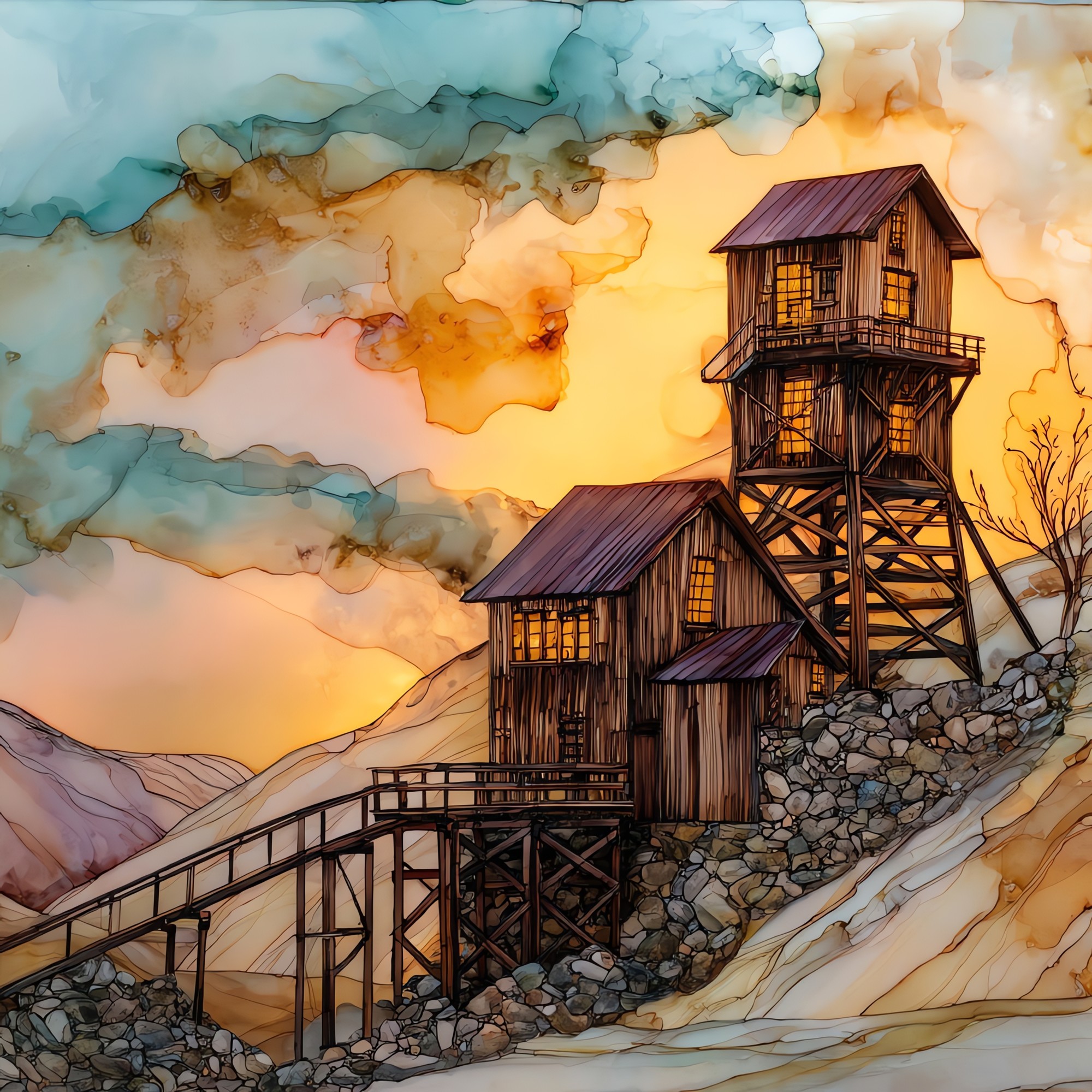
Smuggler Mine Aspen Elk Range Ceramic Art Tile
— — above the town silver built, the range goes on.
Not only on a wall.





“The mine cut into the east shoulder of Smuggler Mountain, a thousand feet above the town. In 1894 the men working a vein here pulled out the largest silver nugget anyone has ever recorded. It weighed 1,840 pounds, assayed 93 percent pure, and was too big to lift through the shaft in one piece. The town that grew up around it became Aspen. From the overlook above the old workings, the Elk Mountains read west: the Maroon Bells, Pyramid, Castle Peak. Elk still come down through here in autumn on their way to lower country, the same passage they took before the mountain had a name.
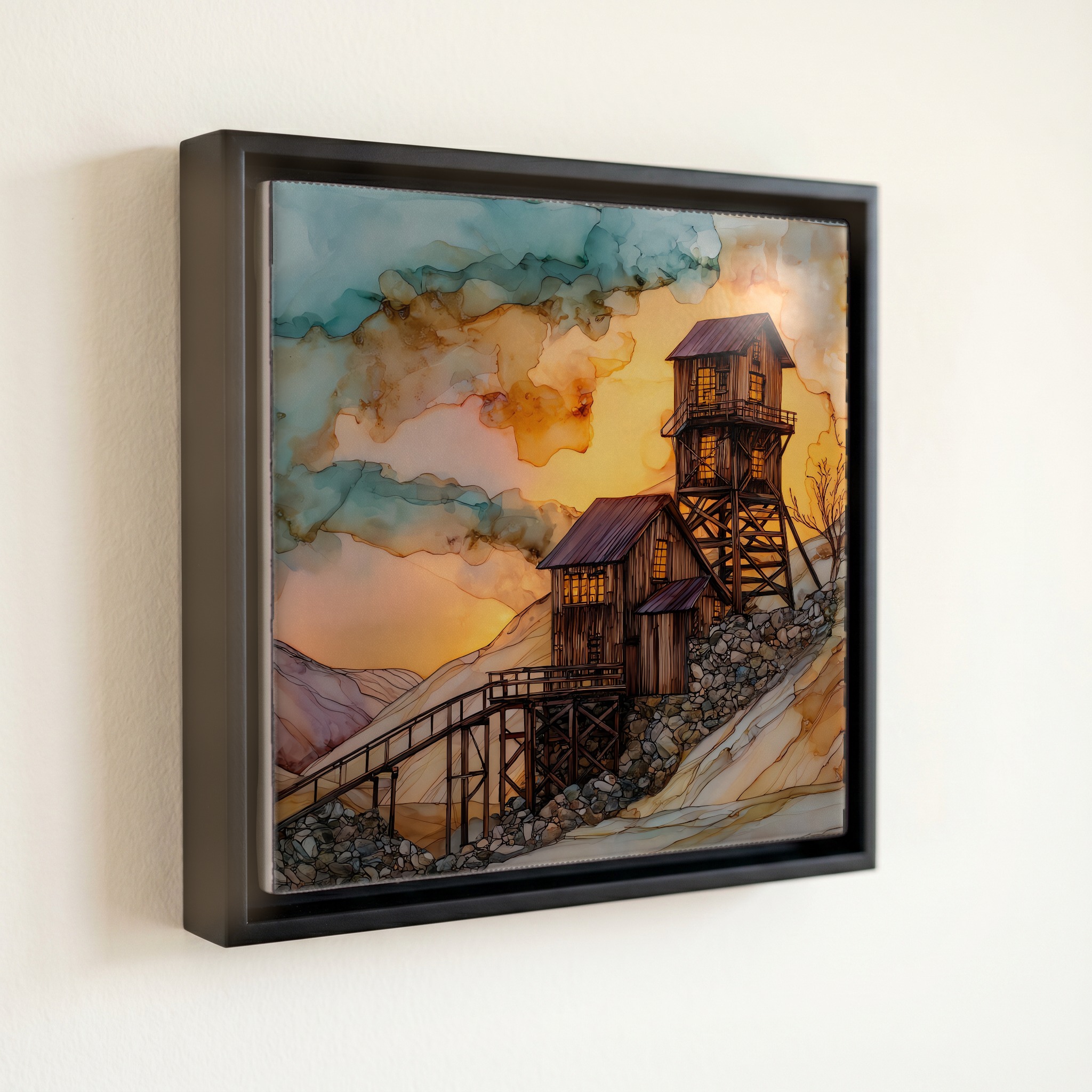
Smuggler Mine Aspen Elk Range Ceramic Art Tile, on ceramic.
Each tile is finished by hand in our Knoxville studio. Artwork is slowly infused into the ceramic surface under high heat and pressure, and rests beneath a thin glossy finish. The colour lives in the surface, not on top of it.
Pick any four 4-inch tiles — National Parks you've been to, a Smokies set, the four seasons of one place. $ for a set of , cork-backed, ready to live on the table.
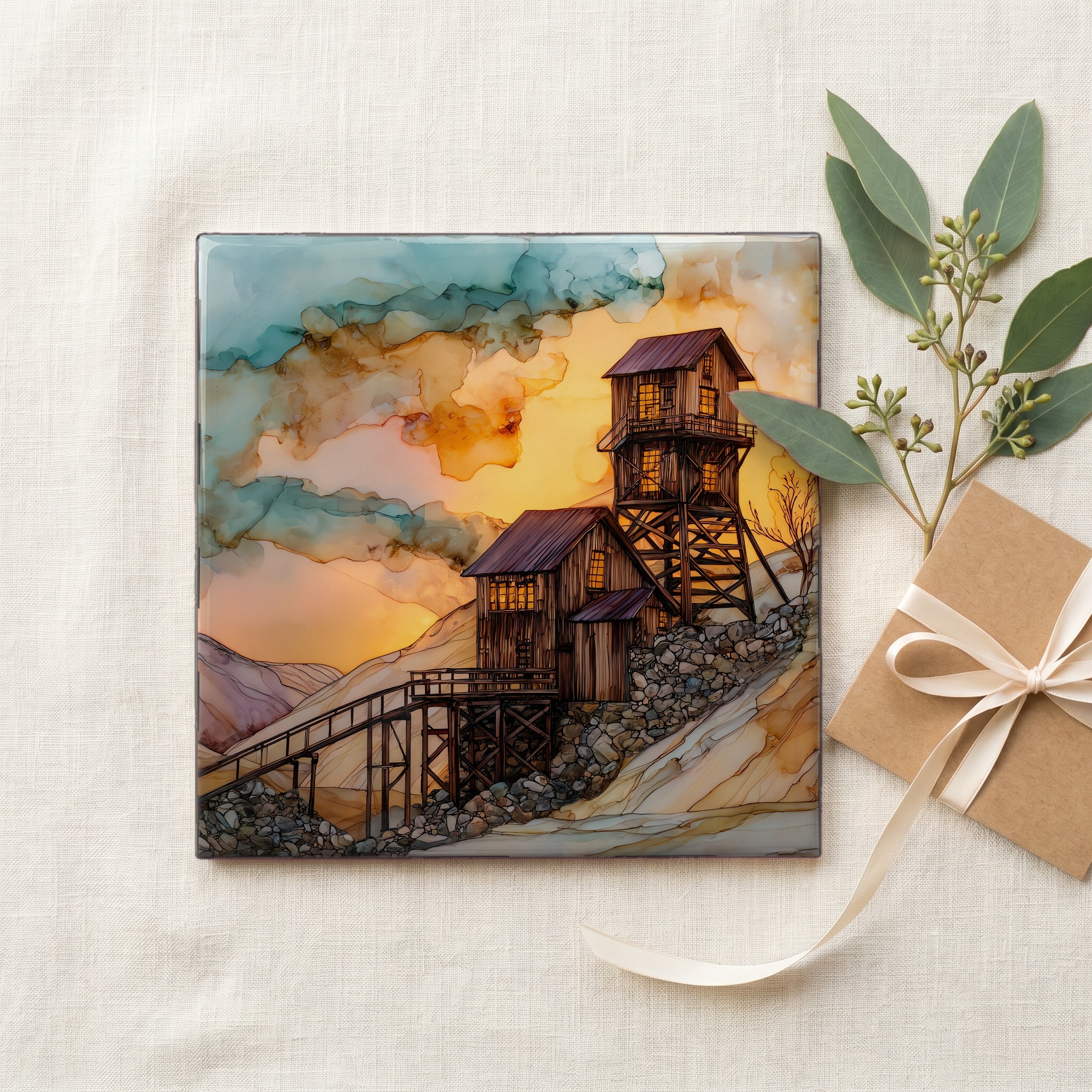
Each tile ships in a kraft box, tied with cream ribbon, with a handwritten note from the studio if you'd like to add one.

Three or five different vistas, hung together — a chapter of places you've been, or want to go.
The place, in three passes.
Smuggler Mine sits on the east shoulder of Smuggler Mountain in Pitkin County, Colorado, a thousand feet above downtown Aspen in the upper Roaring Fork Valley. The mountain rises to roughly 10,700 feet; the mine portal and most of the historic workings cluster around 8,500 feet. Access from town is by Smuggler Mountain Road, a steep dirt track that climbs from the east end of Aspen and tops out at a public observation deck. From the deck the Elk Mountains stand to the west: the Maroon Bells, Pyramid Peak, and the long shoulder of Aspen Mountain across the valley. The mine workings themselves are private and still held by a working mining family.
The silver at Smuggler came out of a fault-controlled vein cutting the Leadville Limestone, the same Mississippian-age unit that fed the silver districts of Leadville and the workings on Aspen Mountain across the valley. In 1894 a crew exposed a single mass of native silver weighing roughly 1,840 pounds and assaying 93 percent pure. It was the largest silver nugget ever recorded, and had to be cut into three pieces to come up the shaft. Aspen had been founded fifteen years earlier as a silver camp, and by the late 1880s the district was among the largest silver producers in the United States. The Silver Crash of 1893 ended the boom but never quite closed the mine.
Smuggler Mountain sits in a major elk migration corridor in the upper Roaring Fork Valley. In late autumn, when the aspens on the lower slopes have already turned and dropped, the herd moves down off the high benches above town toward winter range along the river bottoms. Peak movement usually runs through the second half of October, after the leaf-peepers have gone and before deep snow settles. By early December the road above the observation deck is closed to vehicles and becomes a winter trail. The mountain belongs again to the herd, and to the few residents who know to walk up at first light. The same passage the elk take has been used since long before the silver was found.