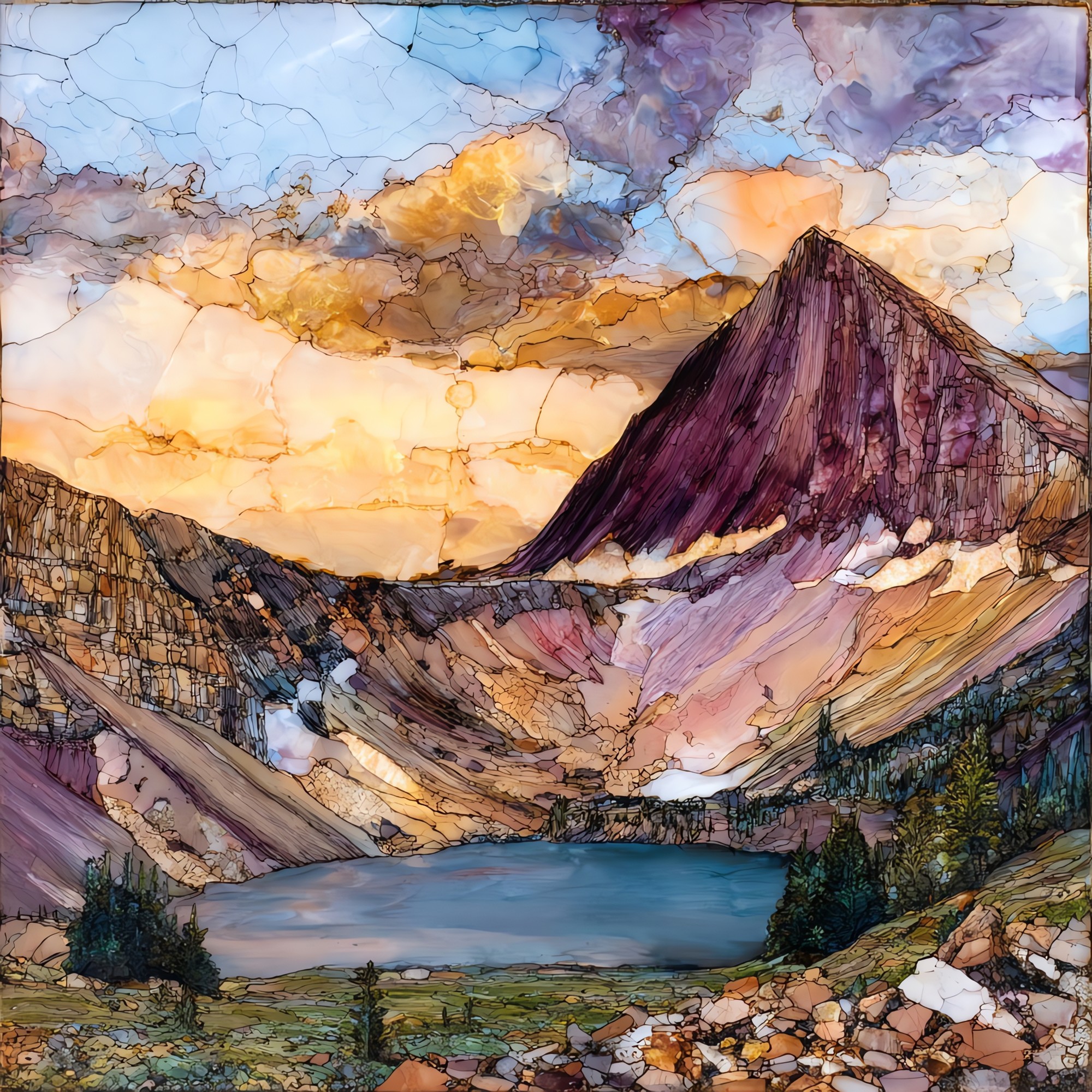
Pyramid Peak Elk Range Ceramic Art Tile
— — a rust-red triangle the lake holds at dawn.
Not only on a wall.
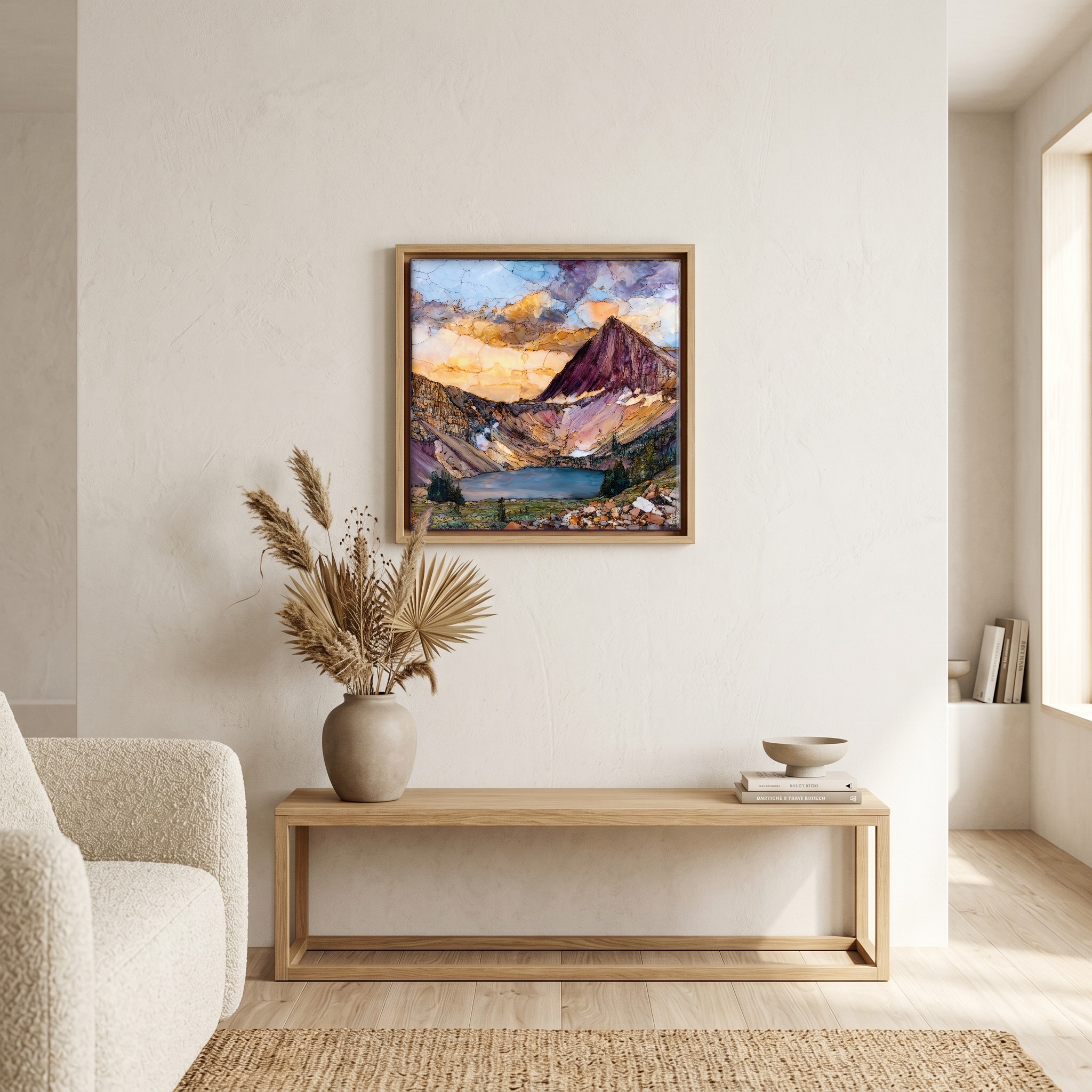
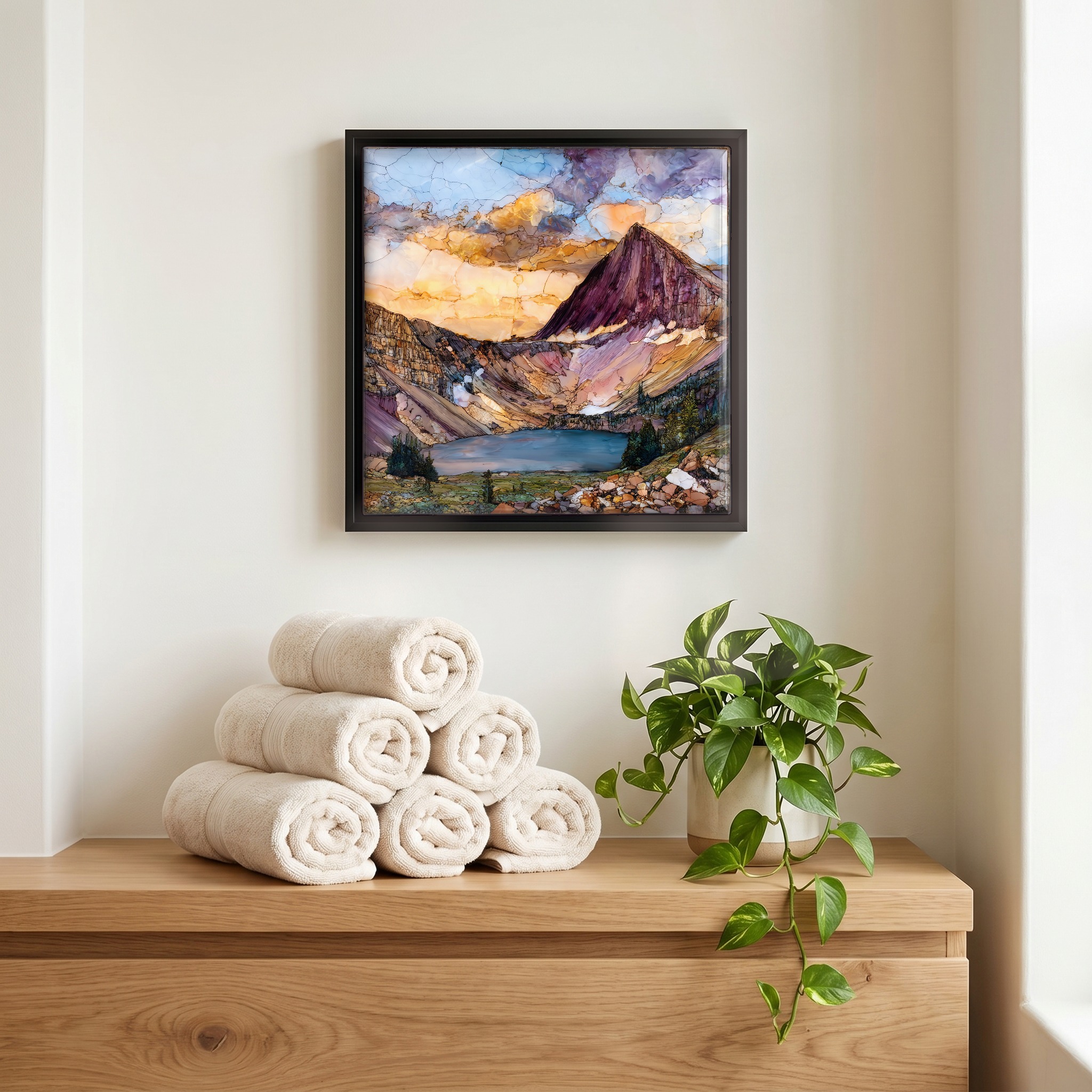
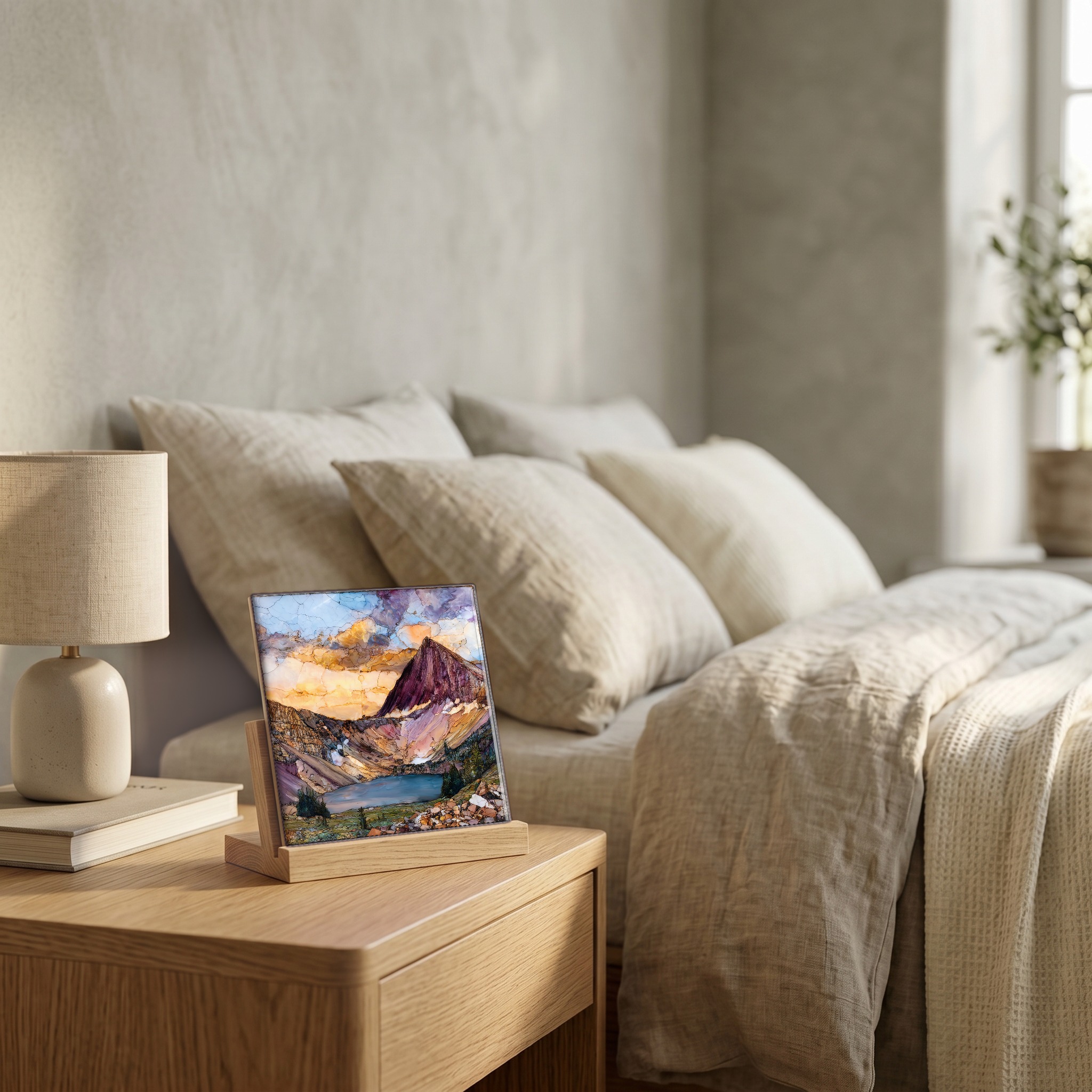
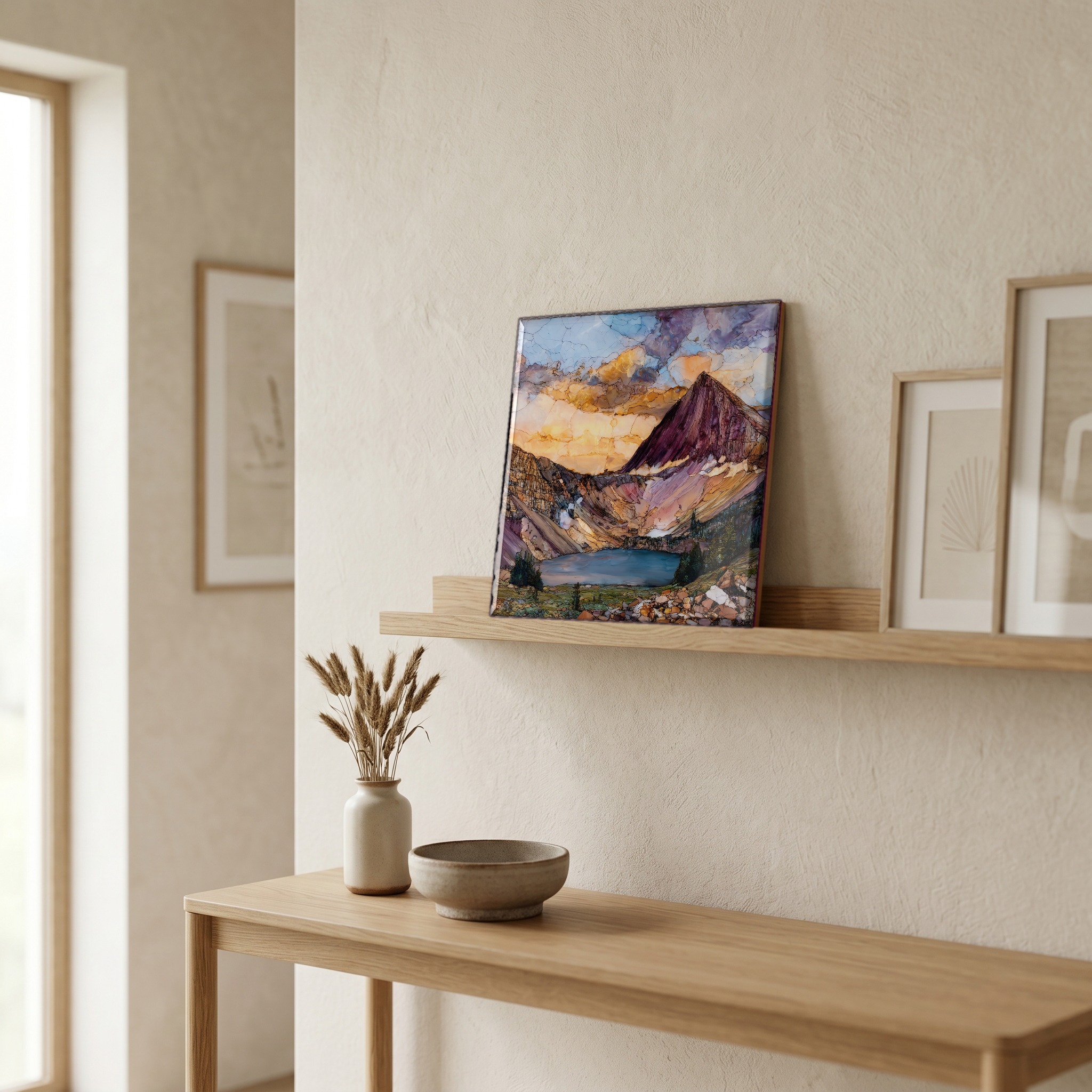
“Pyramid sits south of Maroon Lake, the triangular companion to the Maroon Bells across the basin. The peak is Maroon Formation rock, iron-red mudstone and sandstone that gives the Elk Range its colour. Climbers call it one of the most difficult fourteeners in the state, and the stone is famously loose. Most people meet Pyramid the easy way, from the shuttle stop at Maroon Lake, before breakfast, when the wind hasn't broken the reflection. Aspen is about ten miles away. The road feels longer.
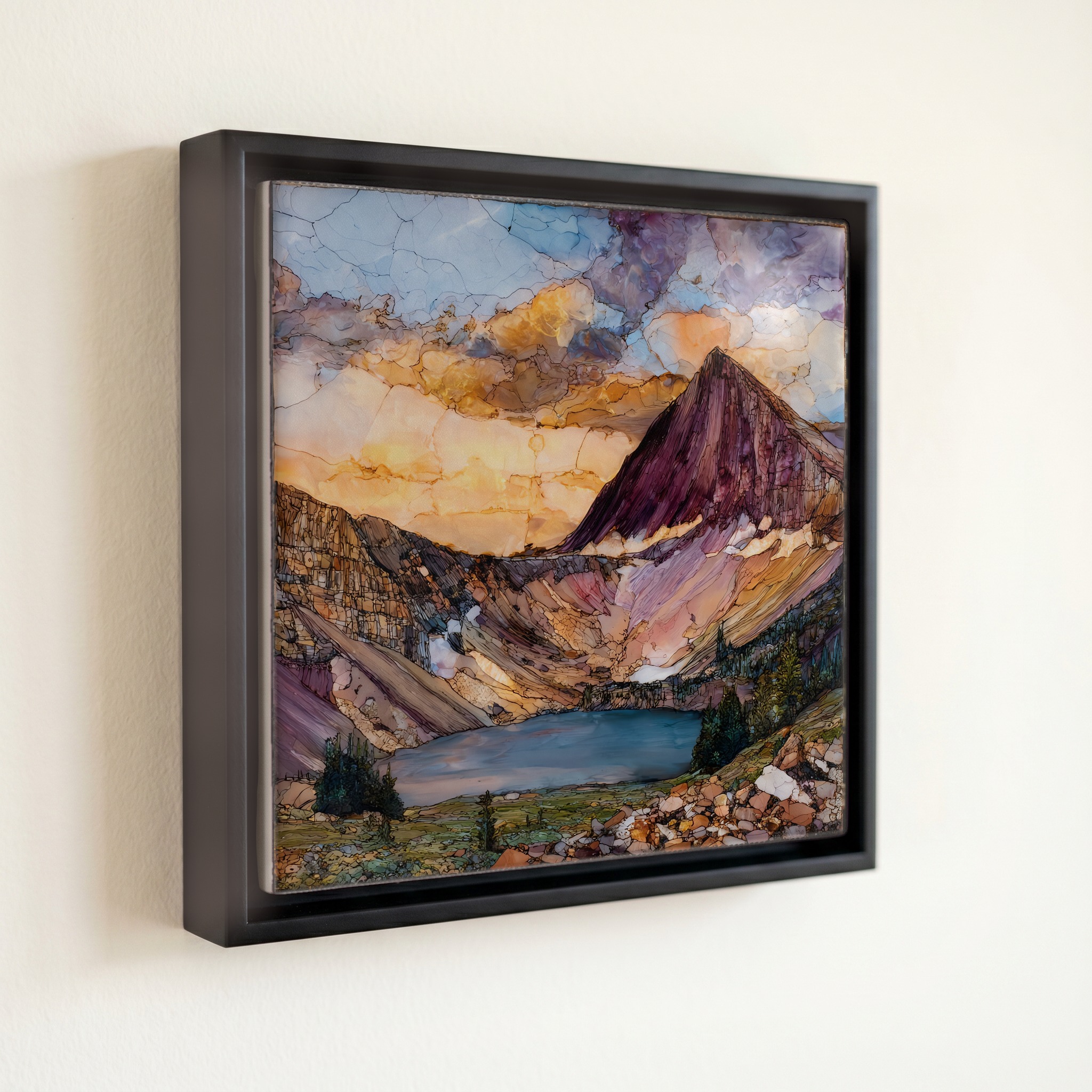
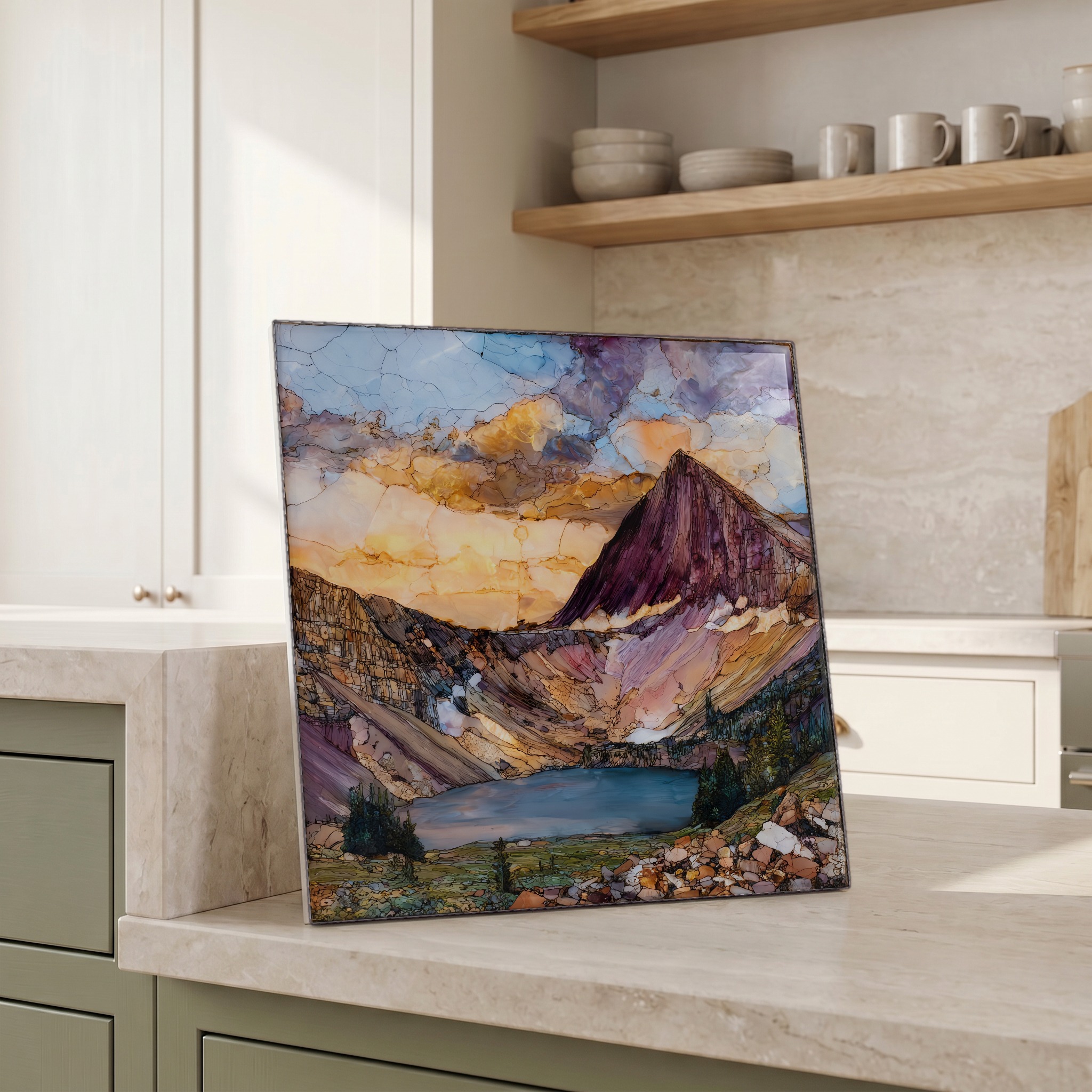
Pyramid Peak Elk Range Ceramic Art Tile, on ceramic.
Each tile is finished by hand in our Knoxville studio. Artwork is slowly infused into the ceramic surface under high heat and pressure, and rests beneath a thin glossy finish. The colour lives in the surface, not on top of it.
Pick any four 4-inch tiles — National Parks you've been to, a Smokies set, the four seasons of one place. $ for a set of , cork-backed, ready to live on the table.
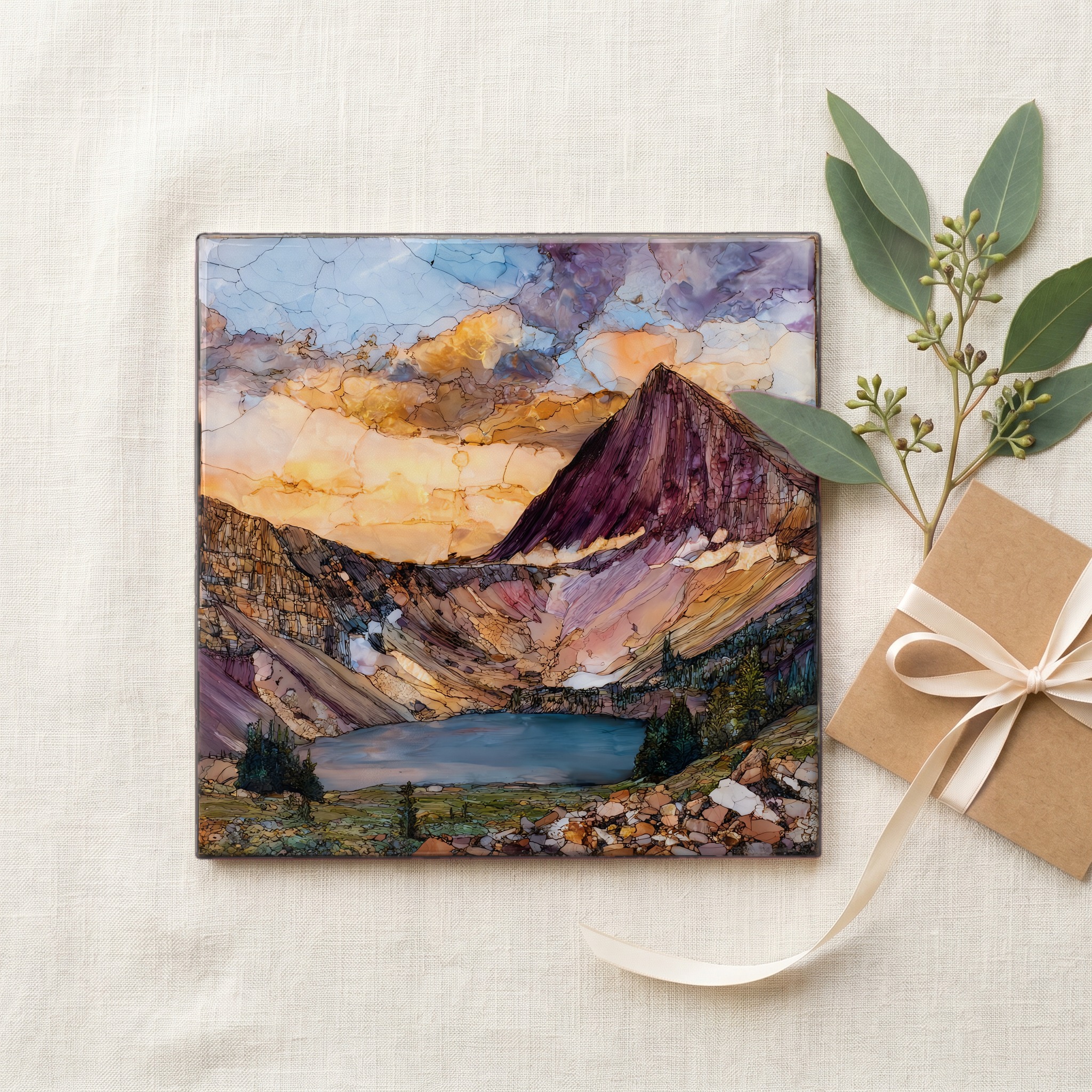
Each tile ships in a kraft box, tied with cream ribbon, with a handwritten note from the studio if you'd like to add one.

Three or five different vistas, hung together — a chapter of places you've been, or want to go.
The place, in three passes.
Pyramid Peak rises to 14,025 feet (4,275 metres) in the Elk Range of central Colorado, about ten miles southwest of Aspen in Pitkin County. The mountain stands inside the Maroon Bells-Snowmass Wilderness, a tract of roughly 181,000 acres administered by the White River National Forest. The wilderness was first protected under the 1964 Wilderness Act and expanded to its current size by the Colorado Wilderness Act of 1980. Pyramid's near-perfect triangular profile faces north across the Maroon Creek valley, directly opposite Maroon Lake and the two Maroon Bells, Maroon Peak and North Maroon Peak. It ranks among the fifty-eight named Colorado peaks above fourteen thousand feet.
Pyramid is cut from the Maroon Formation, a thick band of mudstone, siltstone, and sandstone laid down in the late Pennsylvanian and early Permian, roughly 280 million years ago. Hematite in the matrix reds the rock, the same iron oxide that tints every cliff in the Elk Range and gives the Maroon Bells their name. The Forest Service has long posted a sign at the Maroon Lake trailhead warning that the stone is famously loose, the holds fracture under hand and foot, and the route holds sustained Class 4 climbing for more than a thousand vertical feet. Pyramid is widely recorded alongside Capitol Peak and Little Bear as one of the most demanding standard routes on a Colorado fourteener.
Pyramid is reached from the Maroon Creek valley west of Aspen. From late spring through October a shuttle operates from Aspen Highlands to the Maroon Lake day-use area, run by the Roaring Fork Transportation Authority on contract with the White River National Forest; during shuttle hours, private vehicles are restricted and a use fee applies. Maroon Lake sits at roughly 9,580 feet and is the standard viewpoint that tens of thousands of visitors photograph every summer. Climbers leave the maintained trail at the West Maroon junction and head south up Pyramid's loose, steep approach. For most visitors the peak is something to look at from the lake, not climb. The reflection at first light is the picture most people came for.