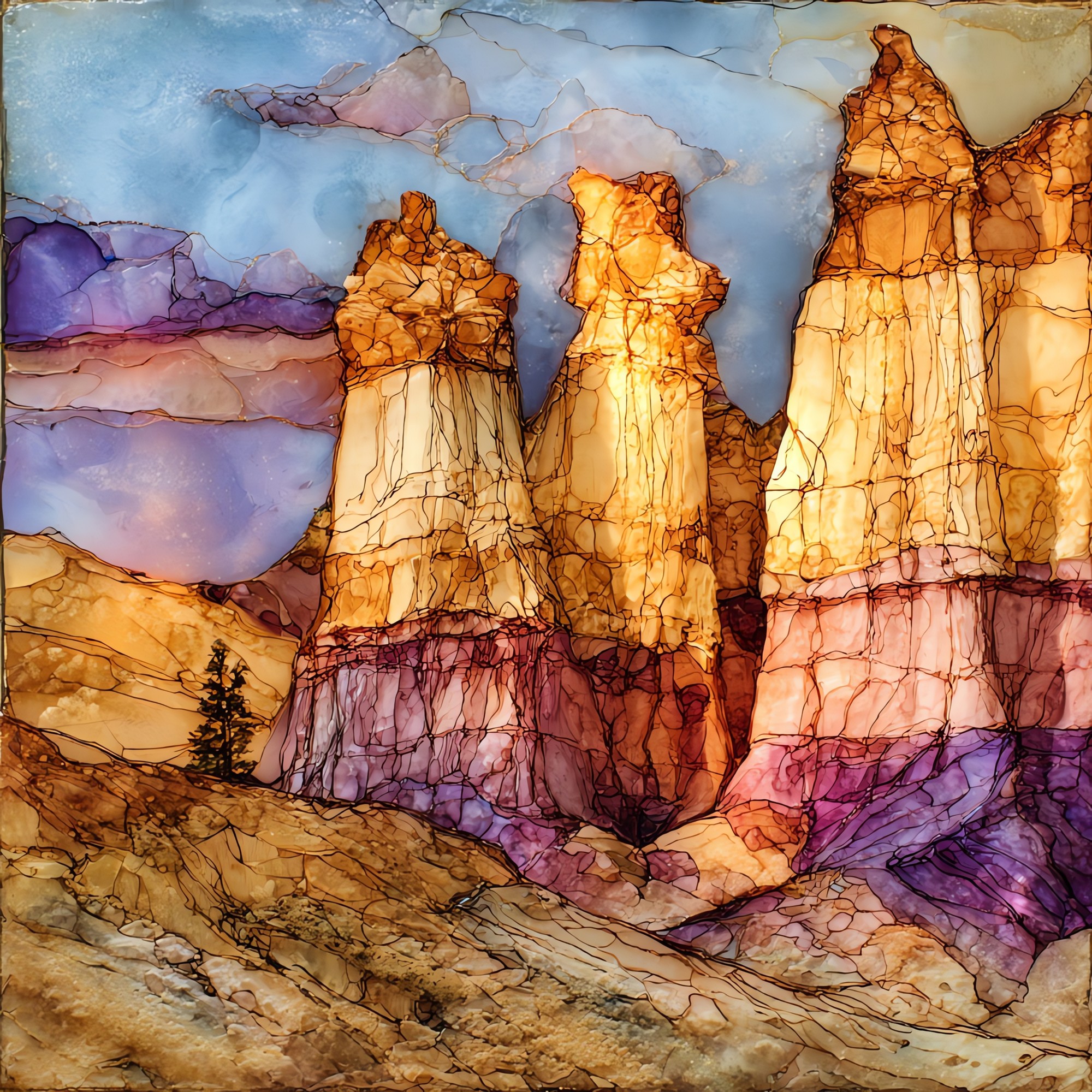
Paint Mines Interpretive Park Ceramic Art Tile
— — the colour the prairie was hiding.
Not only on a wall.
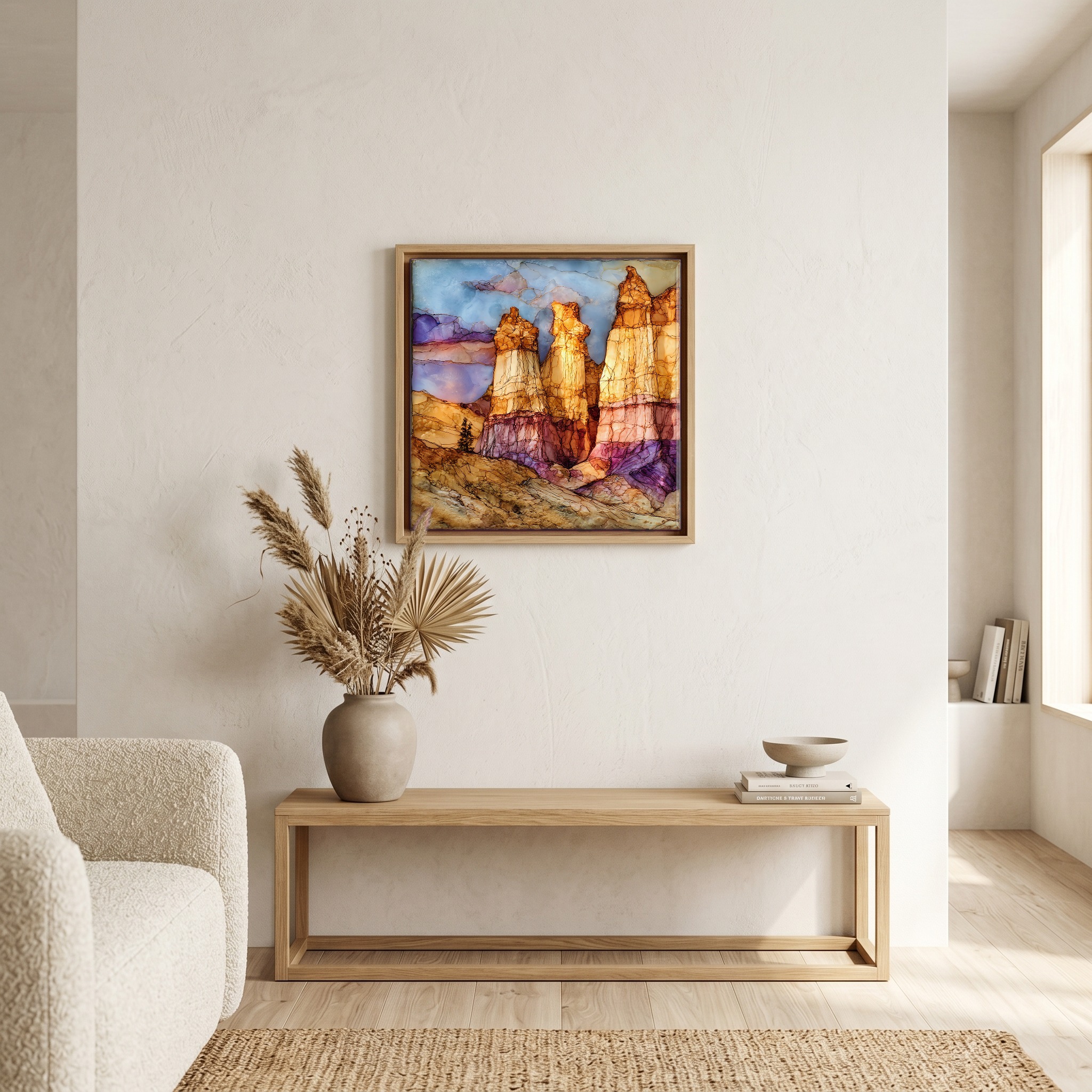
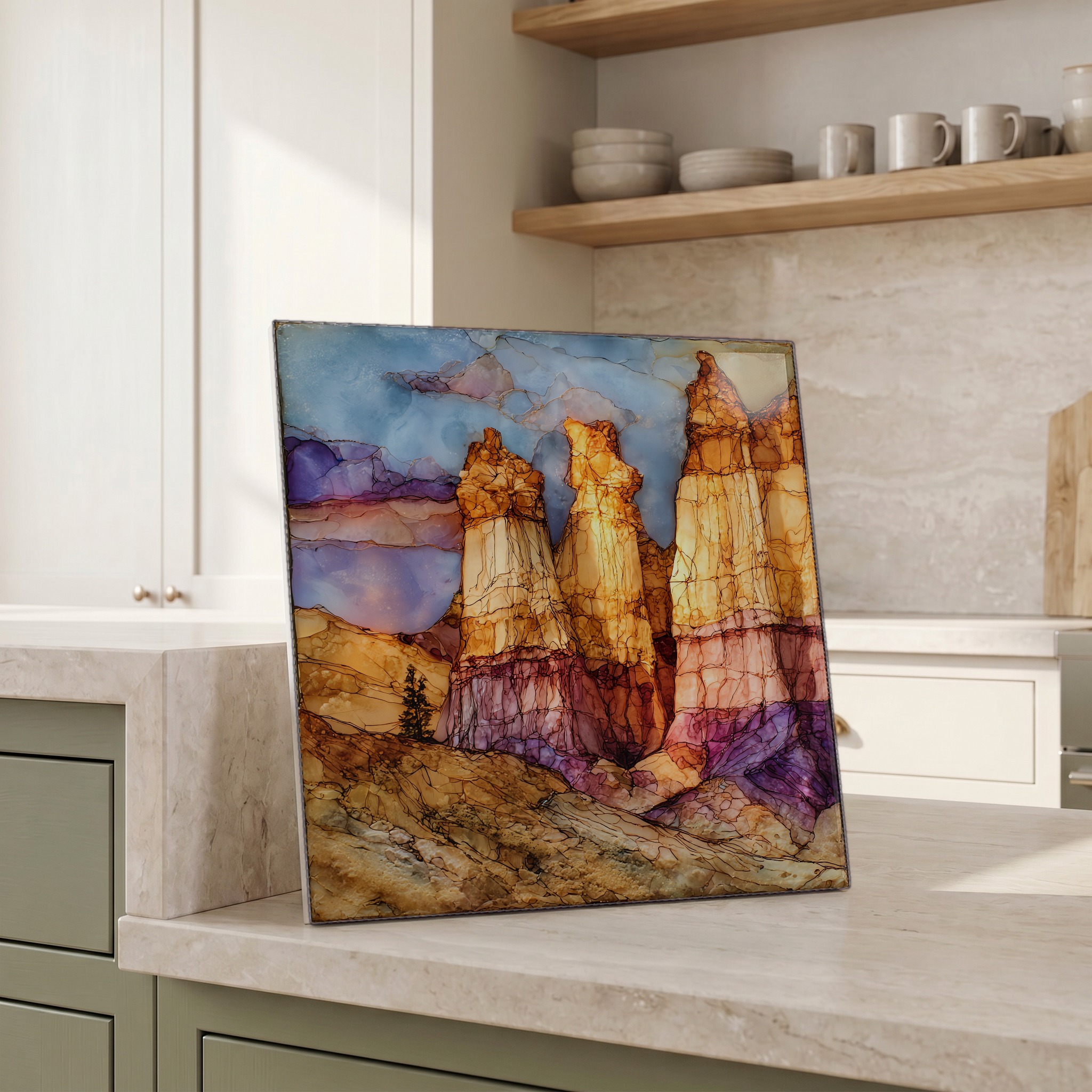
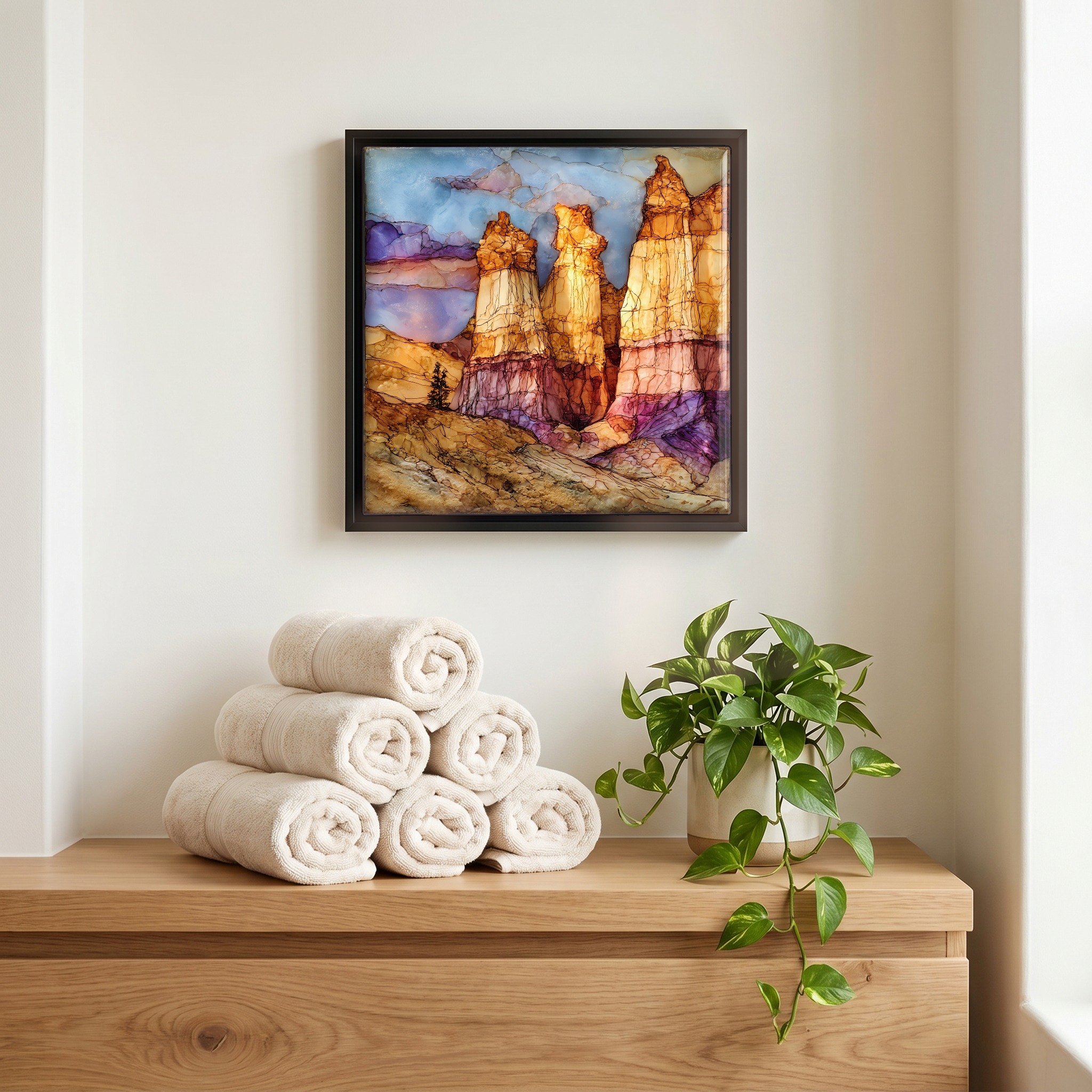
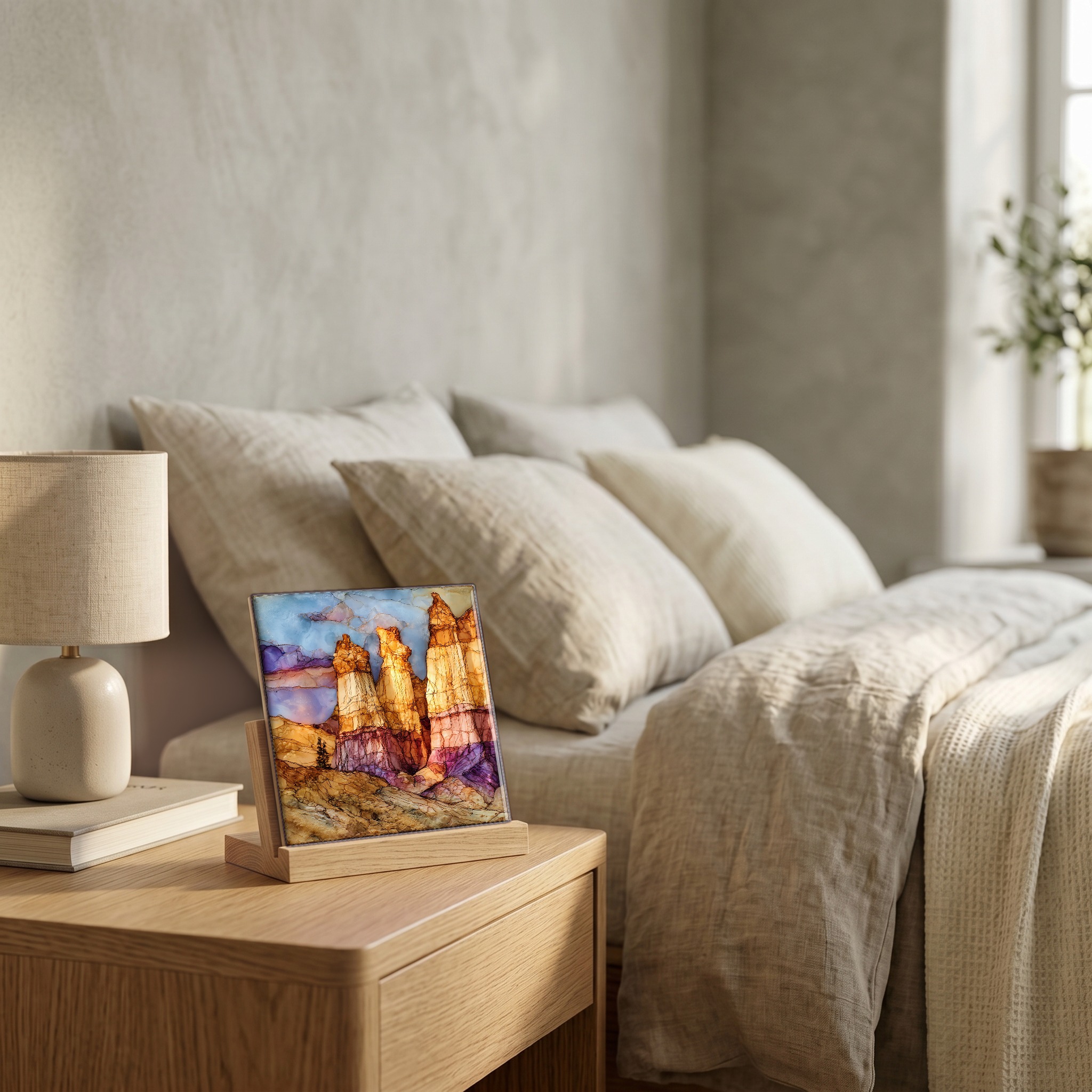
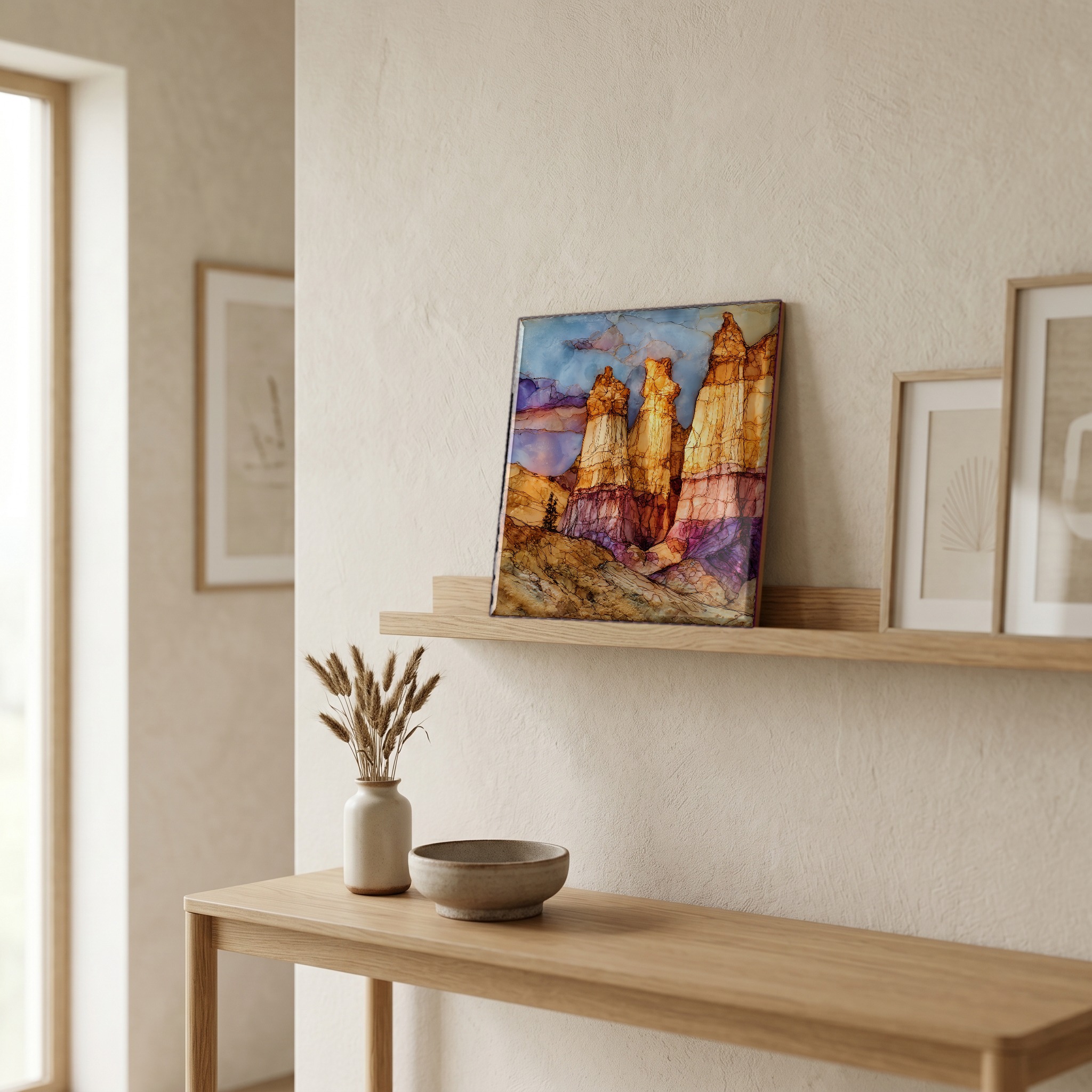
“Forty miles east of Colorado Springs the prairie thins, dips, and opens onto a slot of clay spires the wind has been carving for centuries. The colours are real: pink, orange, white, a deep iron red, left behind by the oxidation of iron in the clay. Native peoples gathered pigment here for some nine thousand years. The county keeps the park free, open daily from dawn to dusk, and walking the loop takes about an hour. Nobody climbs on the hoodoos. Most people come at sunrise or sunset, when the light finds the colour and pulls it forward.
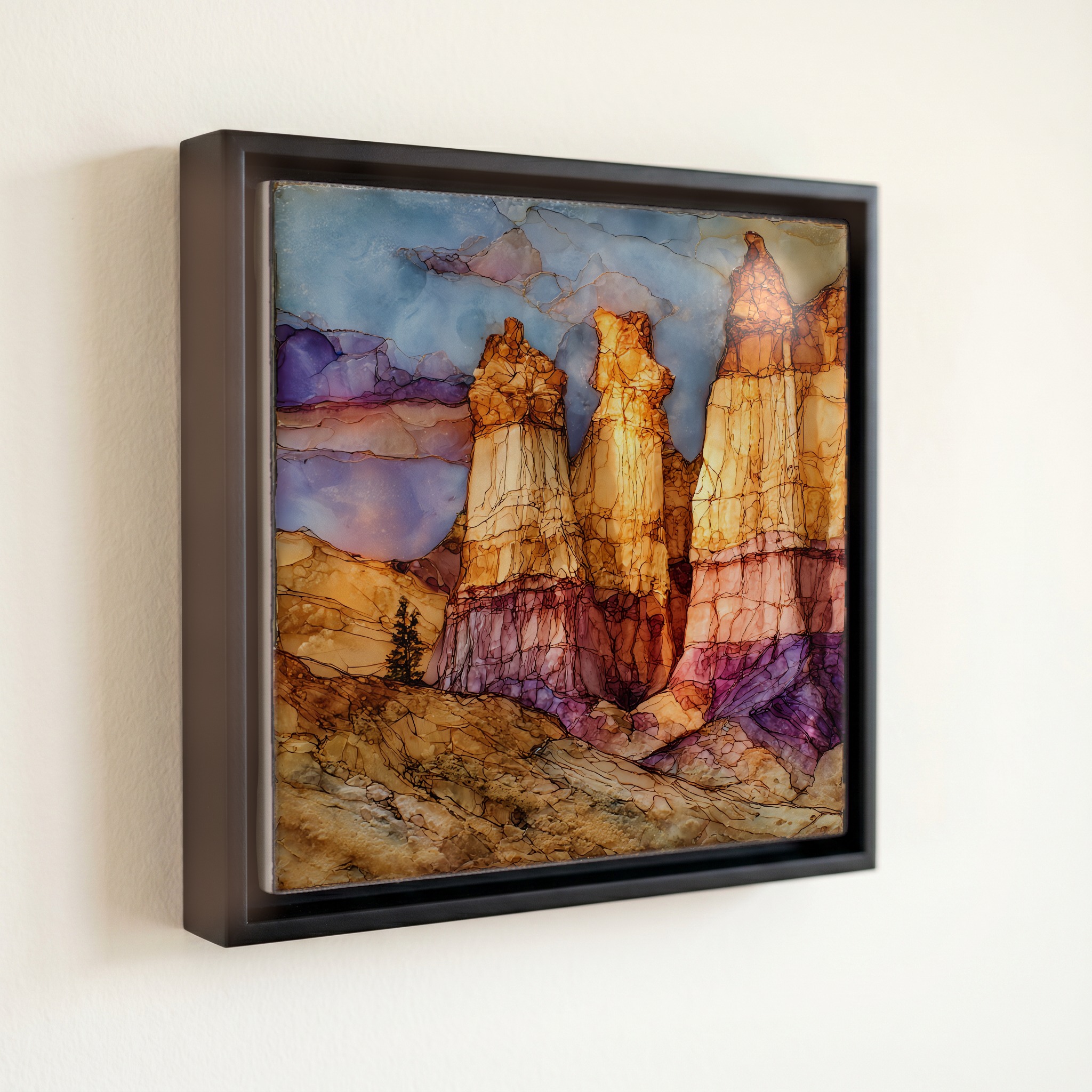
Paint Mines Interpretive Park Ceramic Art Tile, on ceramic.
Each tile is finished by hand in our Knoxville studio. Artwork is slowly infused into the ceramic surface under high heat and pressure, and rests beneath a thin glossy finish. The colour lives in the surface, not on top of it.
Pick any four 4-inch tiles — National Parks you've been to, a Smokies set, the four seasons of one place. $ for a set of , cork-backed, ready to live on the table.
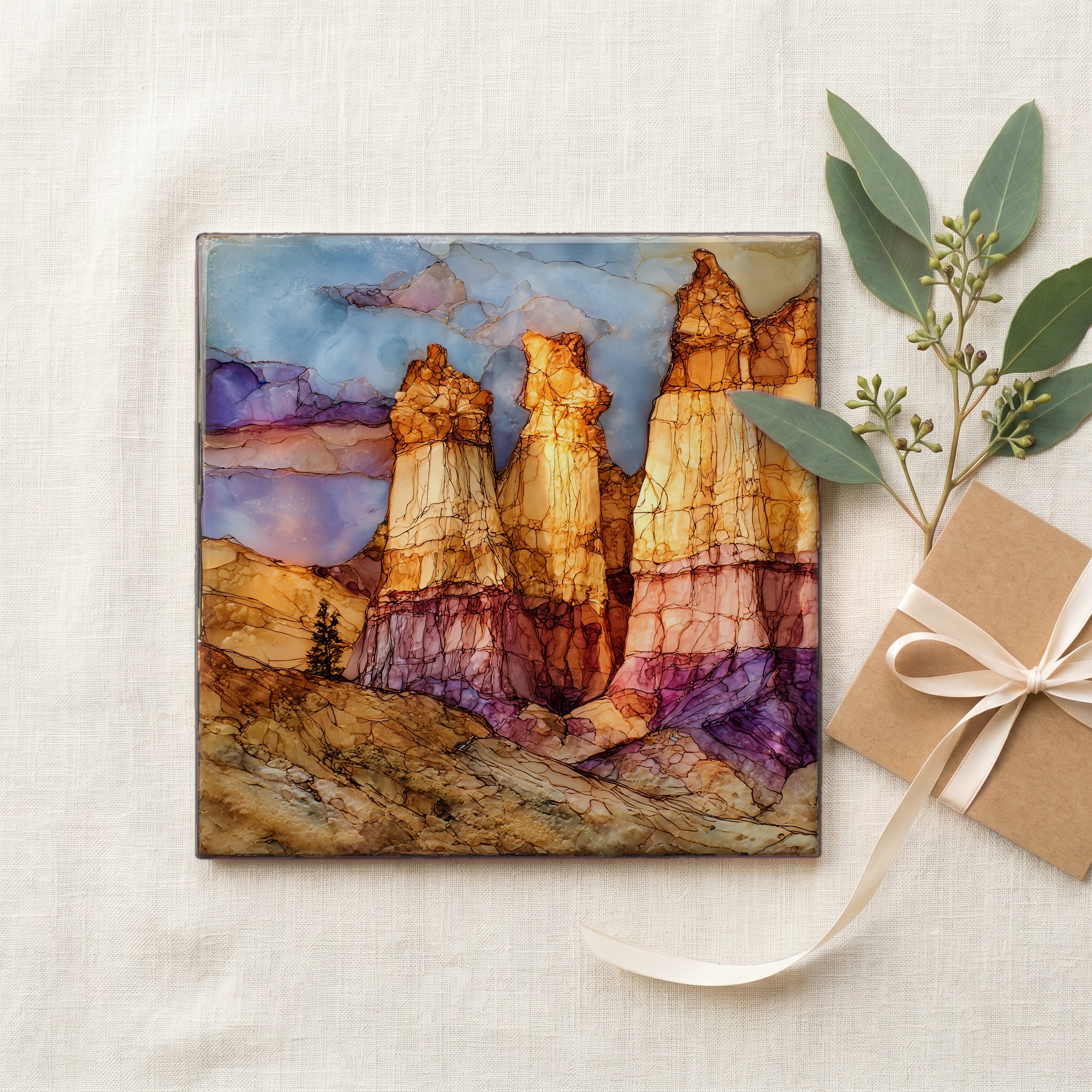
Each tile ships in a kraft box, tied with cream ribbon, with a handwritten note from the studio if you'd like to add one.
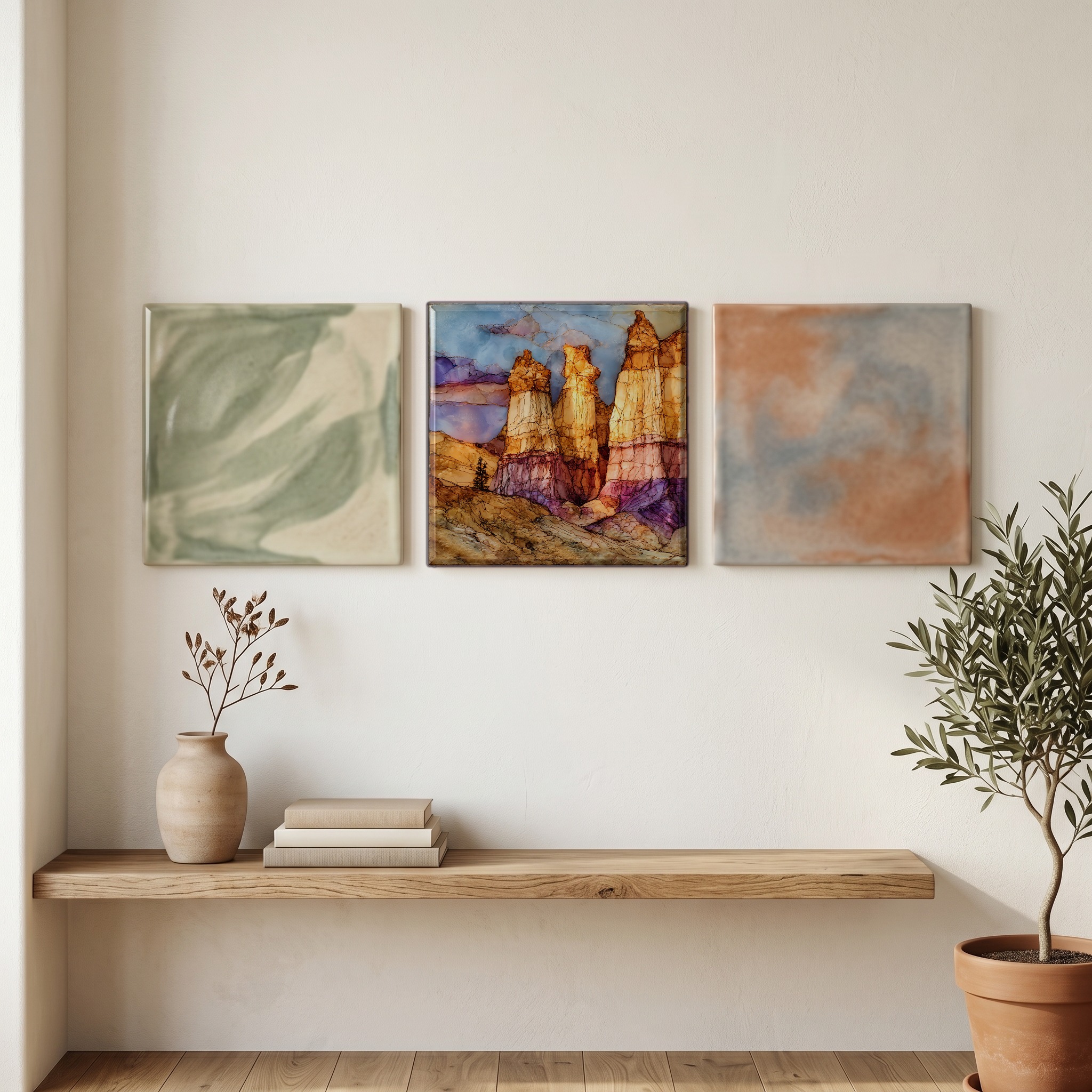
Three or five different vistas, hung together — a chapter of places you've been, or want to go.
The place, in three passes.
Paint Mines Interpretive Park sits in eastern El Paso County, Colorado, about 35 miles east of Colorado Springs and a short drive south of the small town of Calhan. The 750-acre park is run by El Paso County Parks and protects a series of soft sedimentary badlands: clay spires, hoodoos, and pillars eroded out of the Dawson Arkose, a geological formation laid down some 55 million years ago. Trails run roughly four miles through the formations, with interpretive signs explaining the geology and the long human history of the site. Admission is free, and the park is open daily from dawn to dusk.
The colour comes from minerals in the clay, especially oxidised iron. As groundwater moved through the Dawson Arkose over millions of years, it left bands of hematite, jarosite, and other iron compounds, which paint the spires in tones that run from cream and pale yellow through pink and salmon to deep oxide red. Selenite crystals catch the sun in a few faces. Native peoples, most recently the Apache and Cheyenne, quarried the clay here for pigment and pottery for some nine thousand years; the site is listed on the National Register of Historic Places for that long use.
Admission is free and the park is open daily from dawn to dusk. The trailhead lots sit on Paint Mine Road just south of Calhan; from Colorado Springs, the drive runs about 45 minutes east on US 24. A 4-mile network of loops winds through the formations, mostly easy walking on packed dirt and sand. Dogs are not allowed in the park, climbing on the hoodoos is prohibited, and drones are banned to keep the formations and the resident wildlife undisturbed. There is no water at the trailhead and no shade in the formations, so the cooler shoulders of the day, sunrise and the hour before sunset, are kindest for both walker and photograph.