Wender·Vista
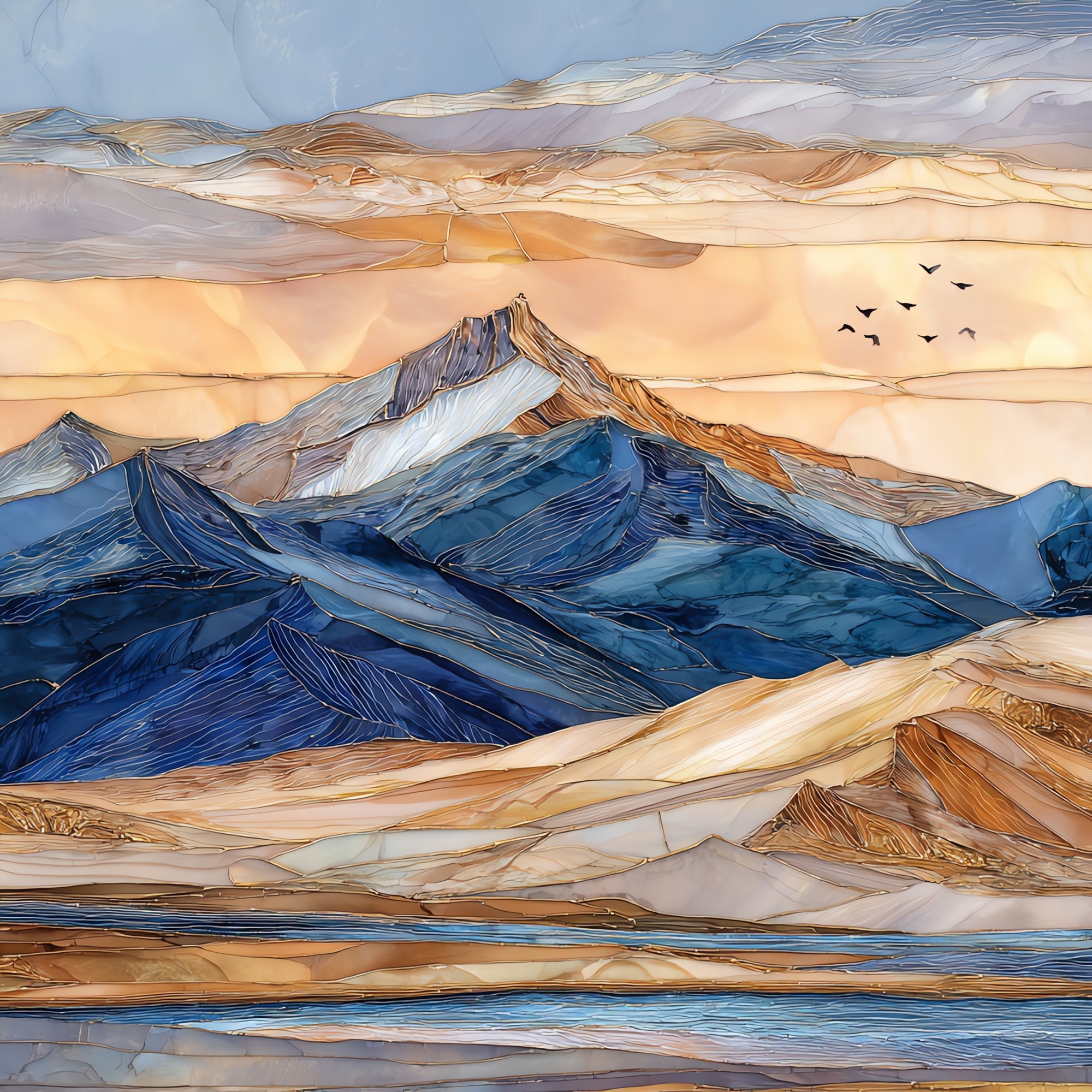
Mount Herard above the dunes Sangre de Cristos Ceramic Art Tile
shown on ceramic, 12-inch tileColorado · United States
in southern Colorado, east of the San Luis Valley

Mount Herard above the dunes Sangre de Cristos Ceramic Art Tile

the snow above the sand.

Where it lives

Not only on a wall.

A small tile on the nightstand catching the morning. A larger one above the fire. Yours, wherever you spend the slow hours.
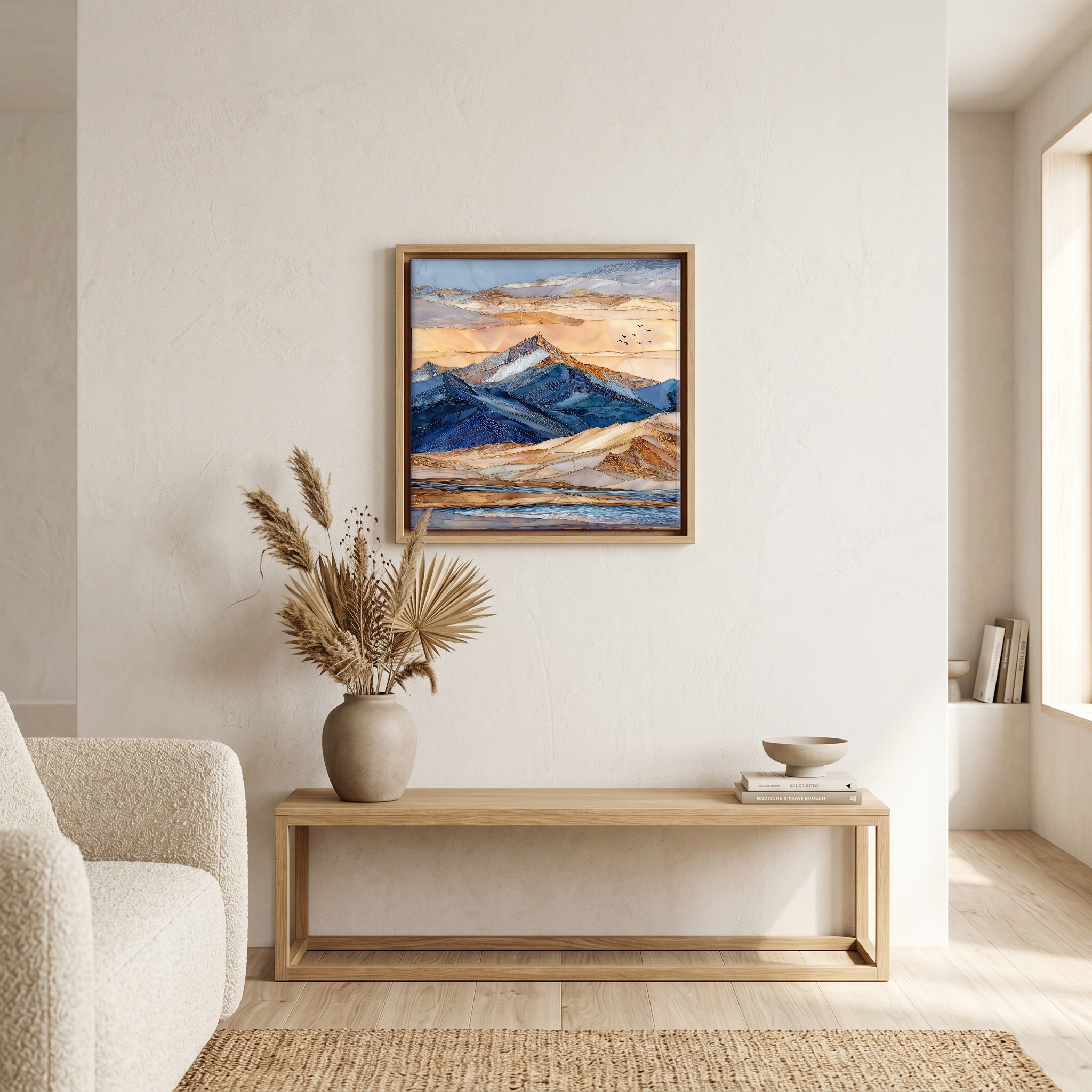
Above the bench, in a warm oak surround.
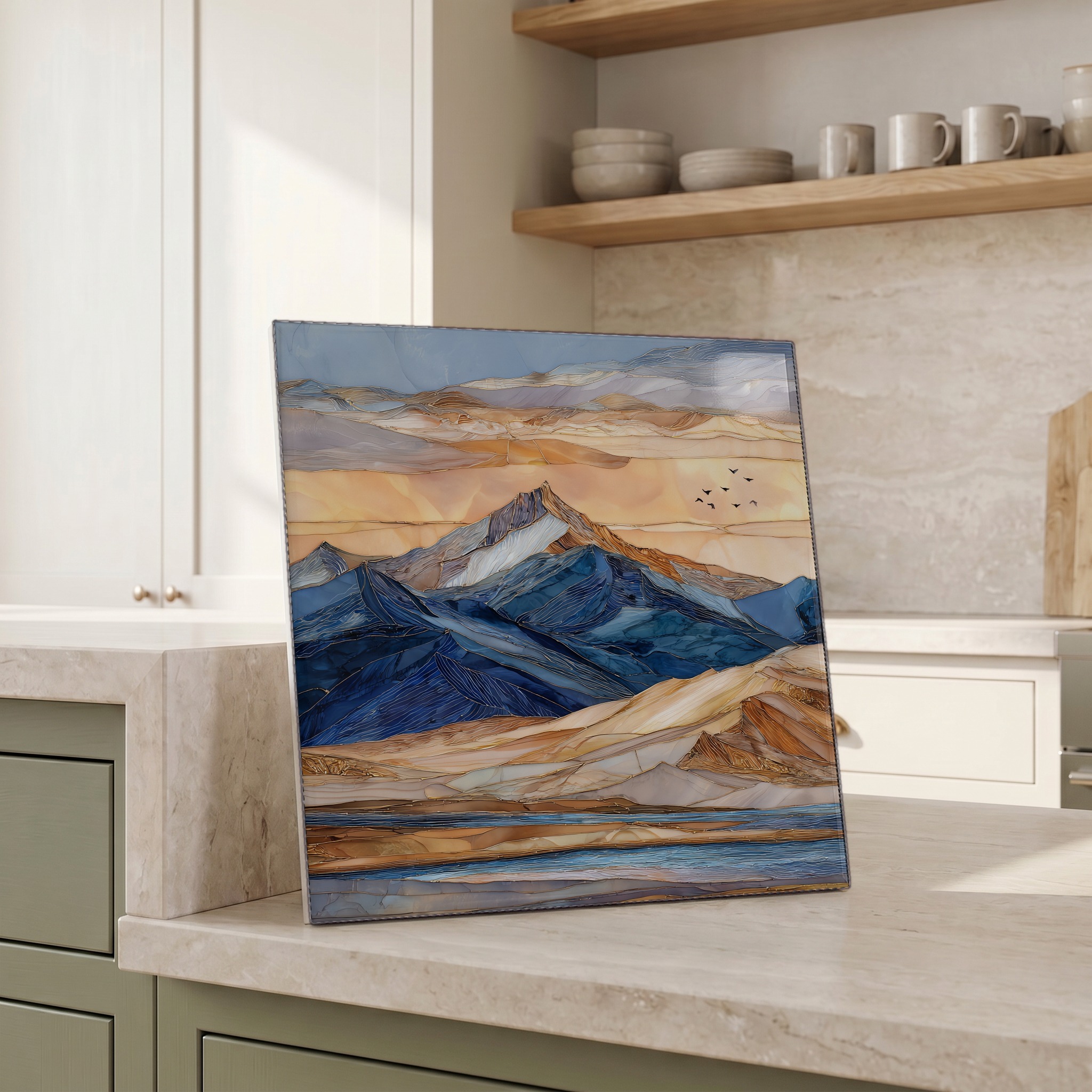
Beside the kettle, propped on the counter.
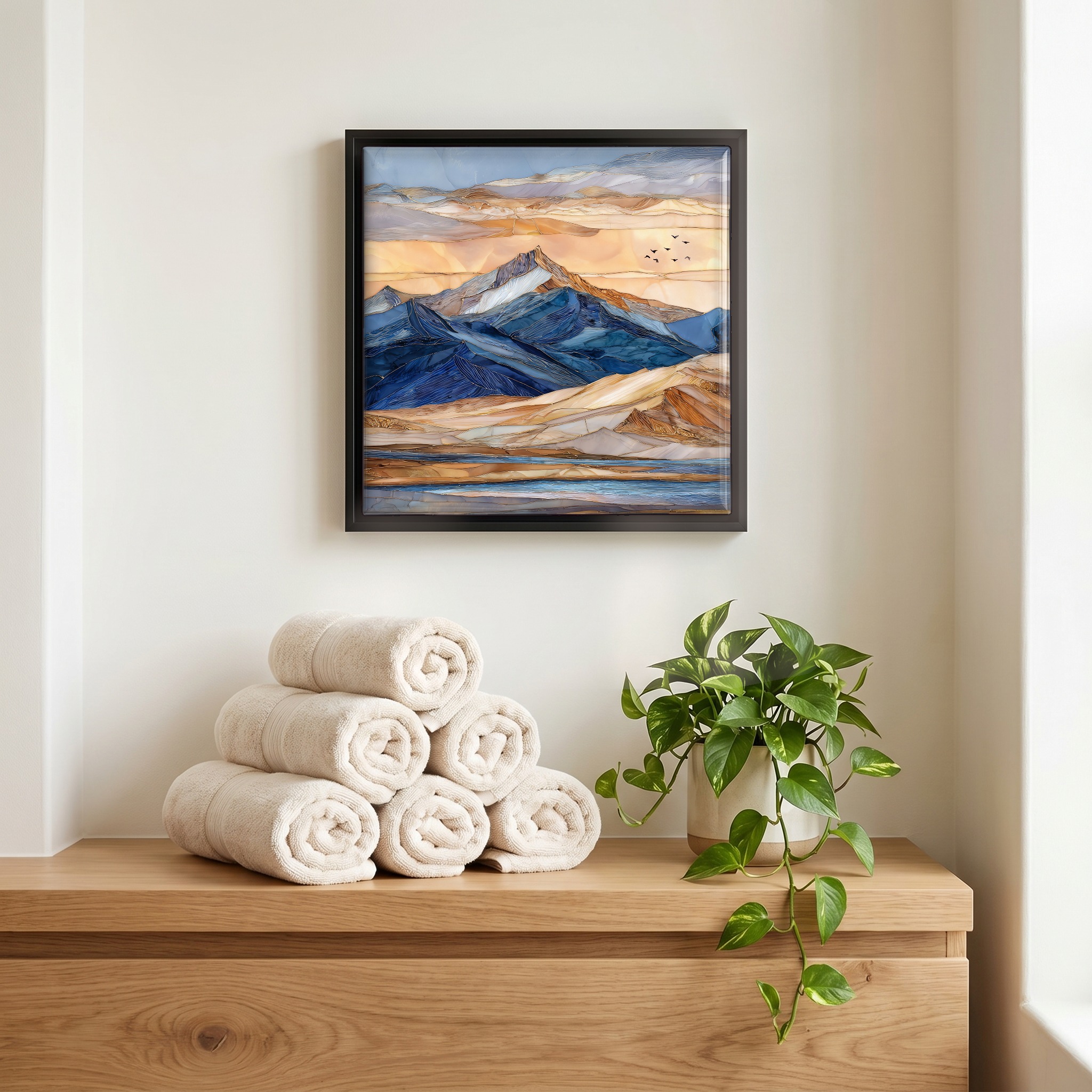
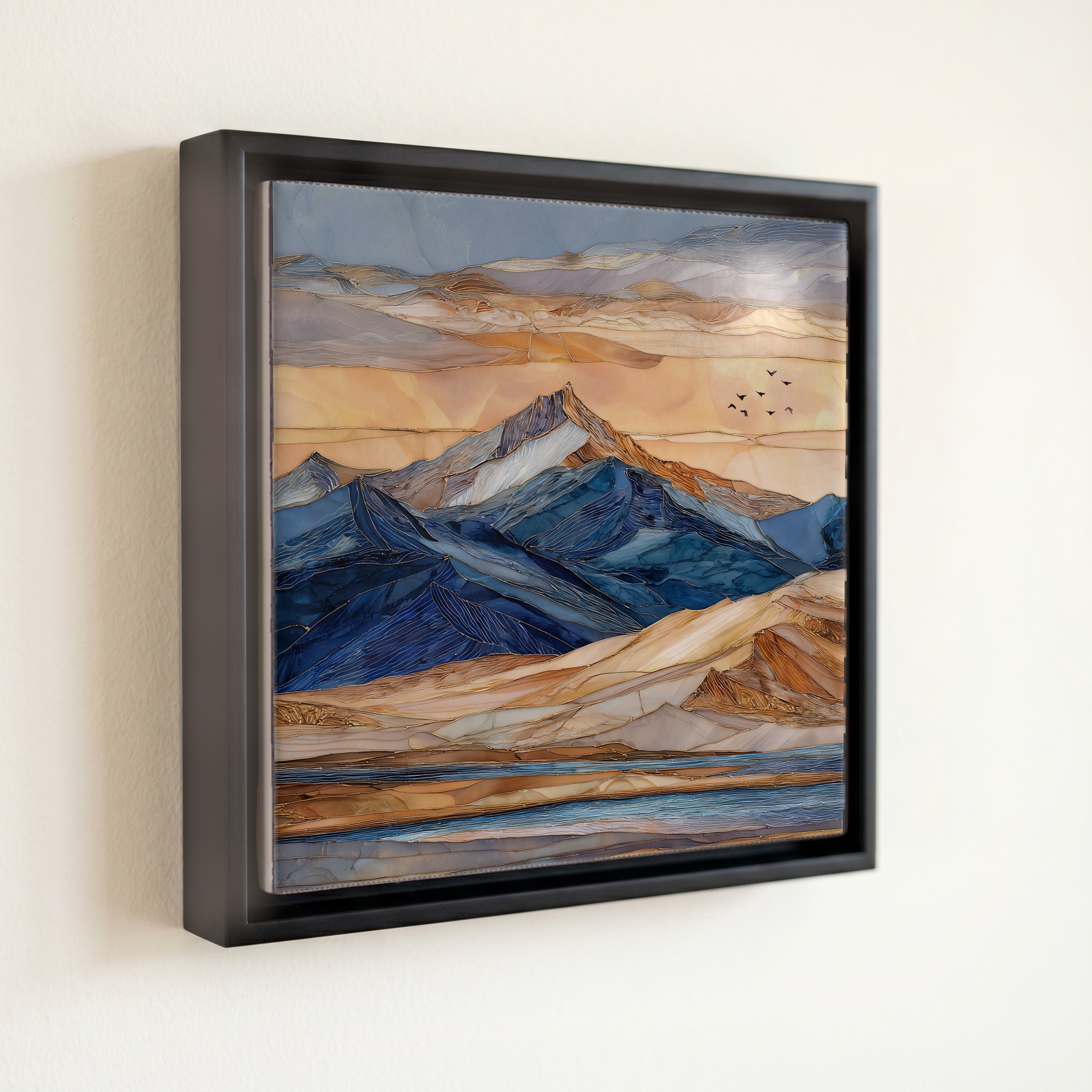
Above the linens, in a slim black surround.
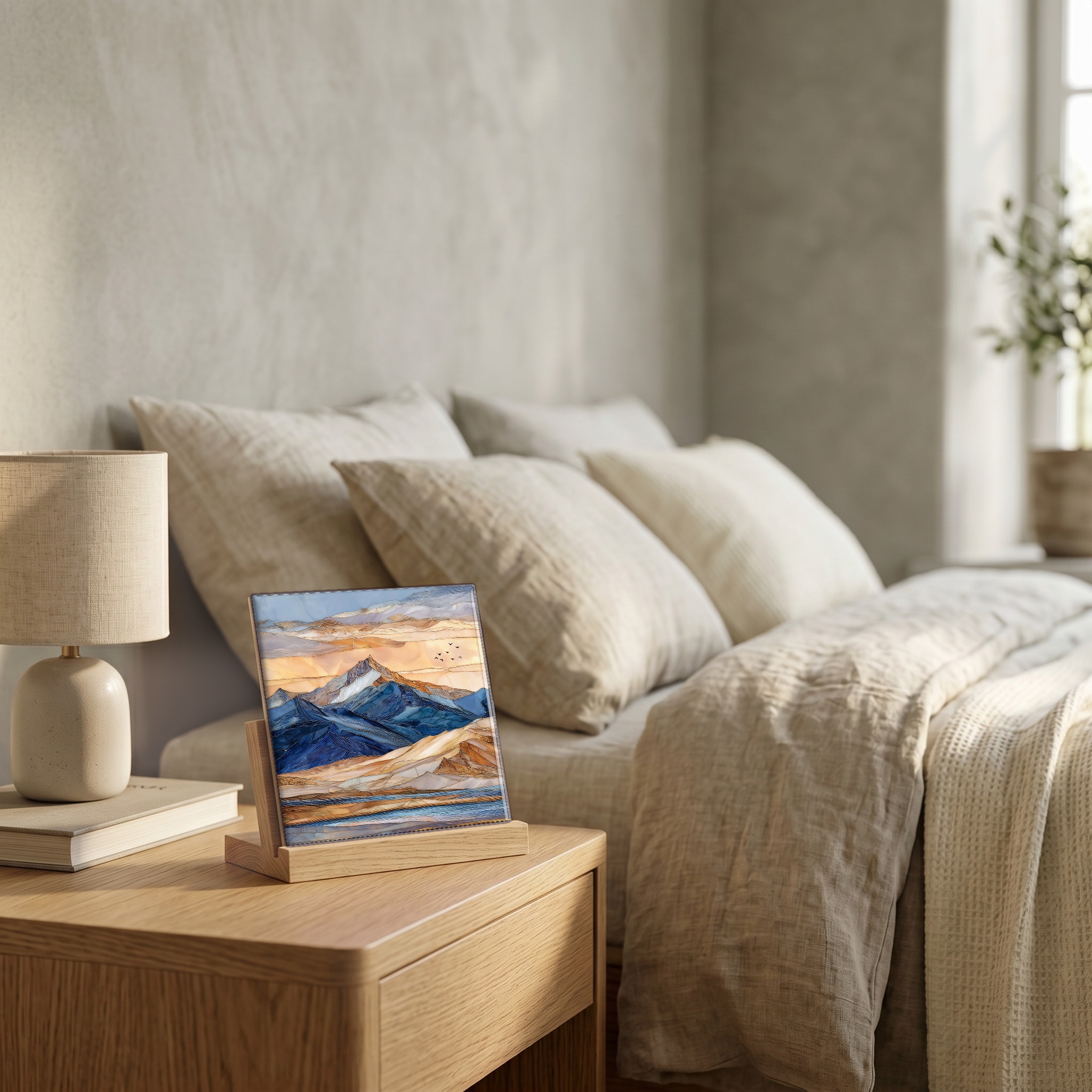
On the nightstand, on a light oak stand.
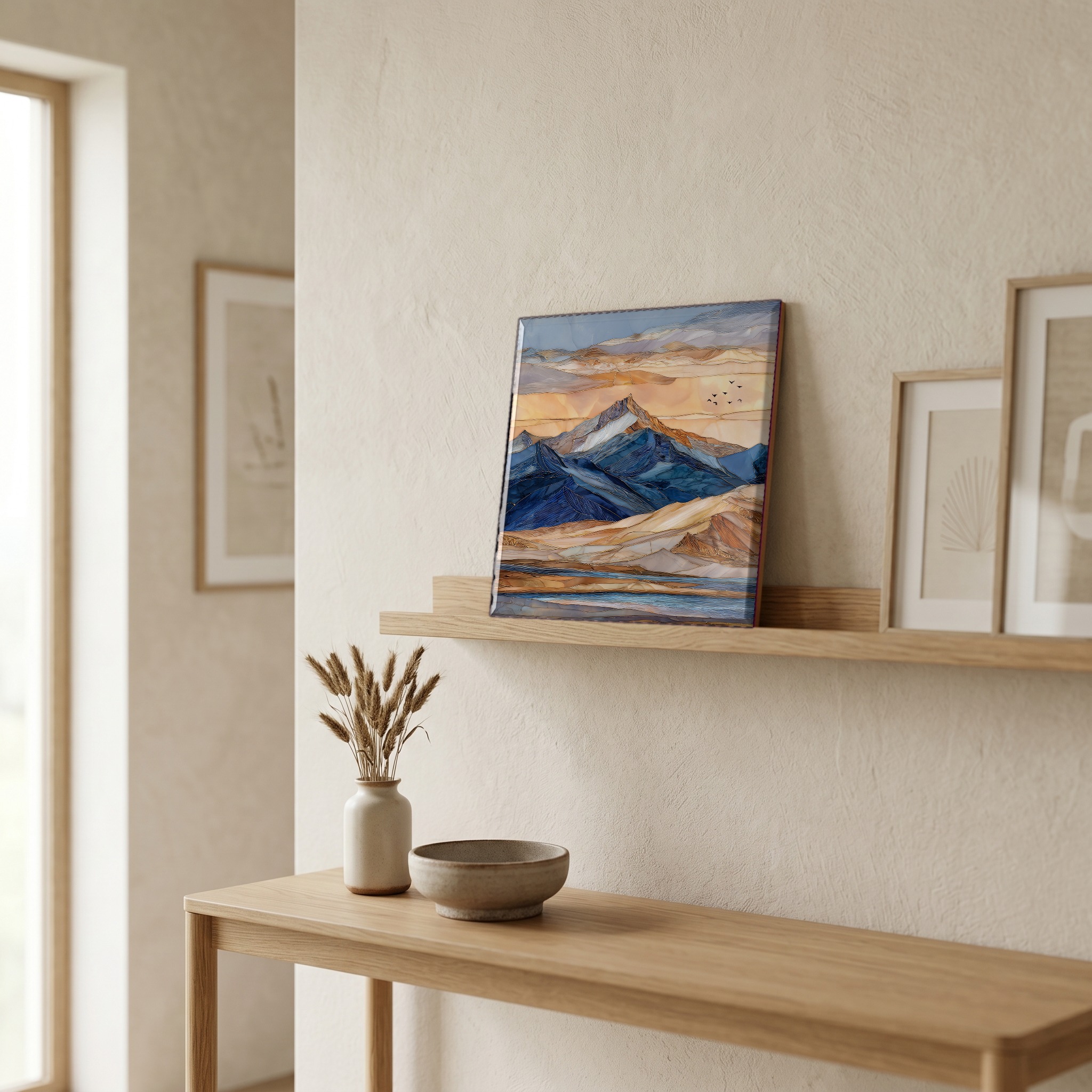
On a picture ledge, where the light comes in.
a note from the studio

The peak above the dunes. The sand was carried east across the San Luis Valley for hundreds of thousands of years and piled here, against the Sangre de Cristos. Herard catches the morning light first; the dunes hold it longest. Most photographs of the Great Sand Dunes have this mountain in the same frame. They belong to each other. Best from the dune field, before the wind comes up.
from the studio
shown in a slim black floating frame · 6 × 6 in
— bring it home

Mount Herard above the dunes Sangre de Cristos Ceramic Art Tile, on ceramic.

Each tile is finished by hand in our Knoxville studio. Artwork is slowly infused into the ceramic surface under high heat and pressure, and rests beneath a thin glossy finish. The colour lives in the surface, not on top of it.

What kind of piece?
One tile — square or rectangle.
How big?
the popular one — counter, shelf, nightstand
6 × 6 in · 15 cm · 1.6 lb
Surface finish
A clear glossy finish — the artwork reads as if under resin. Ideal for show-pieces and framed wall art.
How it sits
A hidden cleat — sits ¼″ proud of the wall.
$58
Hand-finished and shipped from our studio at the foot of the Smokies. On your wall in about ten days.
size
6 × 6 in
15 cm
weighs
1.6 lb
solid in the hand
surface
ceramic, hand-finished
art rests beneath a thin glossy finish
from
Knoxville, TN
our family studio, at the foot of the Smokies
— start a Coaster Set

Pick any four 4-inch tiles — National Parks you've been to, a Smokies set, the four seasons of one place. $ for a set of , cork-backed, ready to live on the table.
comes gift-ready
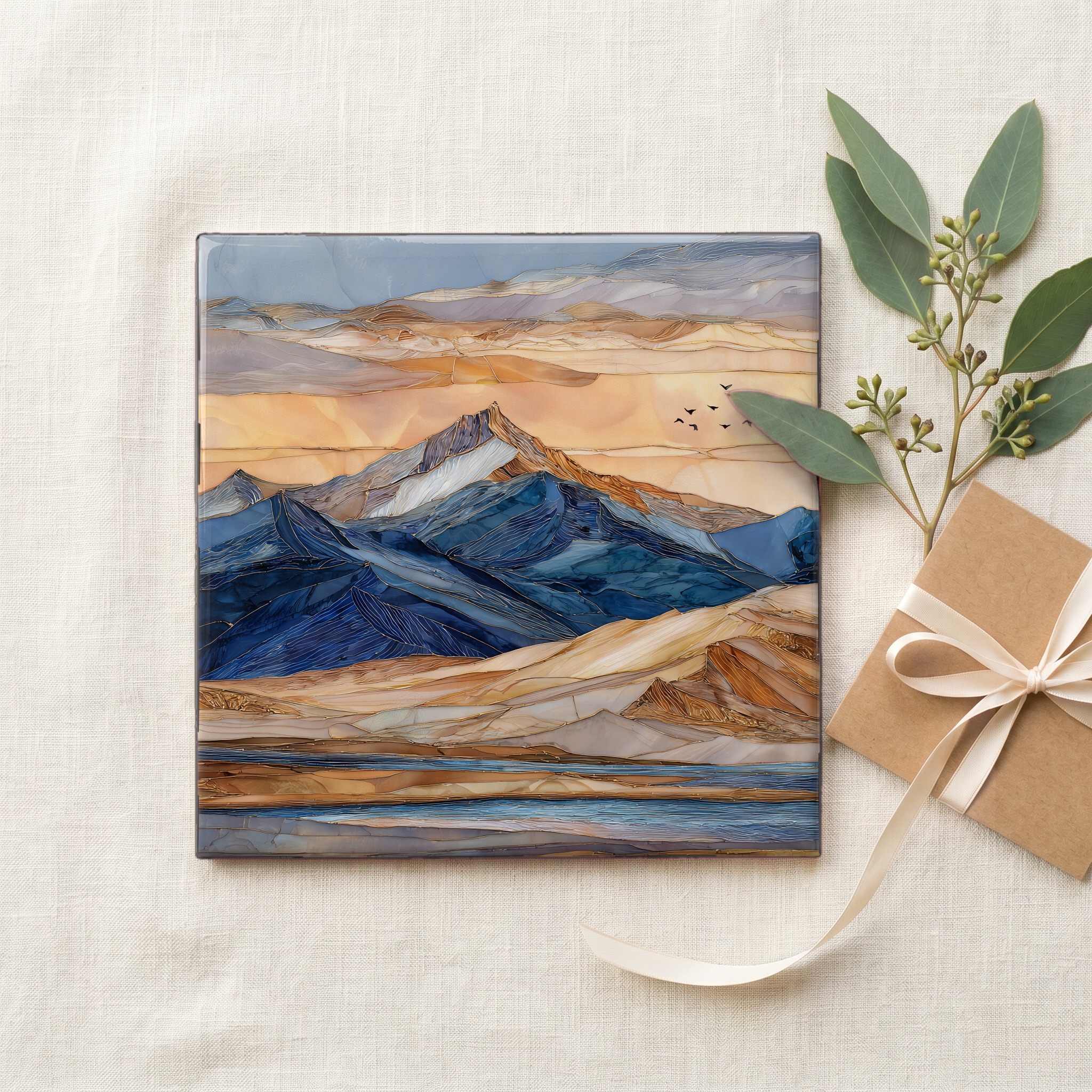
comes gift-ready

Each tile ships in a kraft box, tied with cream ribbon, with a handwritten note from the studio if you'd like to add one.
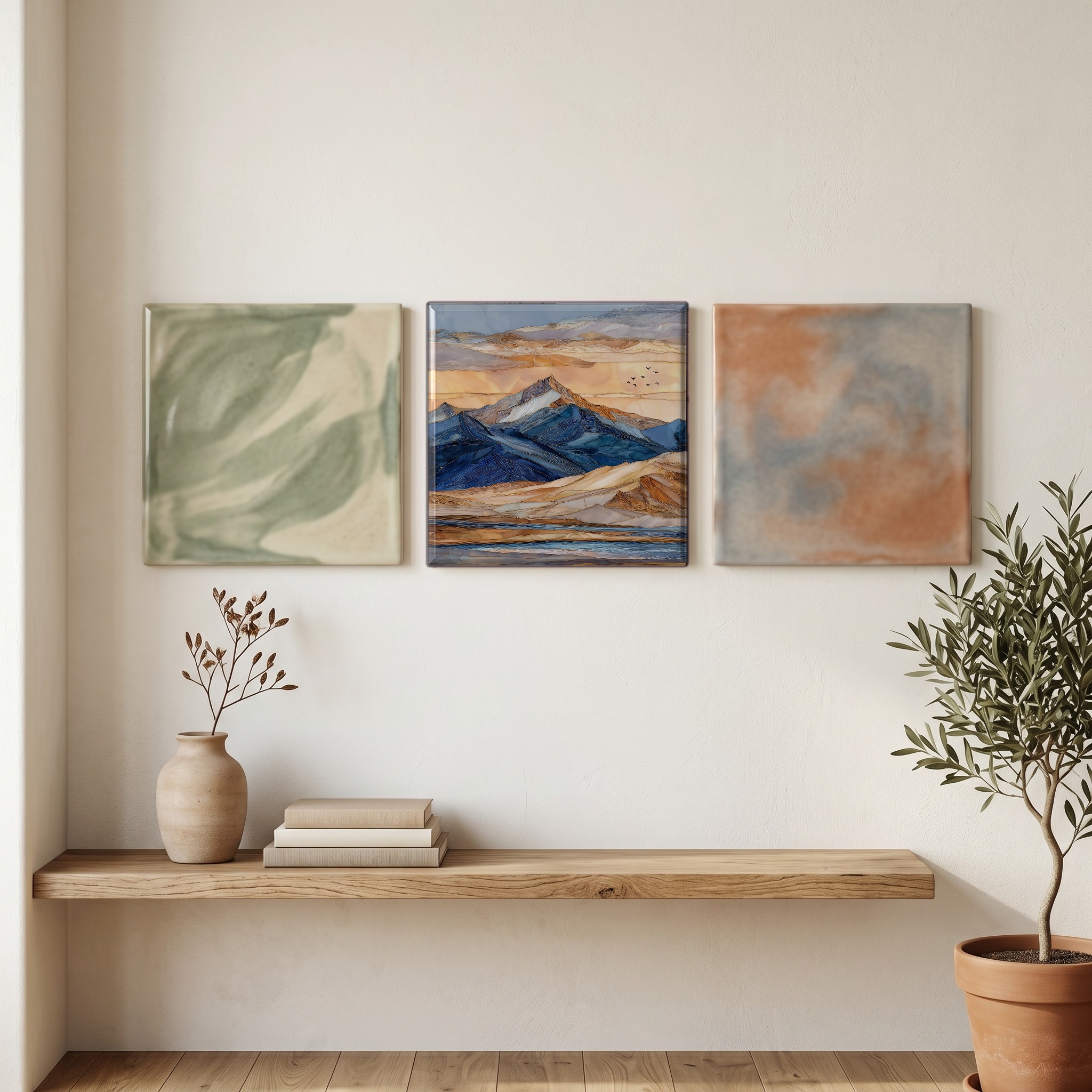
or build a grouping
or build a grouping

Three or five different vistas, hung together — a chapter of places you've been, or want to go.

about Mount Herard above the dunes Sangre de Cristos Ceramic Art Tile

The place, in three passes.

A little of what's known, in case you fall down the rabbit hole — or want to go see it yourself.
the place

Mount Herard rises to 13,350 feet (4,069 meters) in the Sangre de Cristo Wilderness of southern Colorado, immediately east of Great Sand Dunes National Park and Preserve. The peak sits in Saguache County and forms part of the mountain wall that catches the dune field at its eastern edge. The summit is approached from the dunes side by climbers ascending through Medano Pass; from the valley floor below, it stands roughly 5,000 feet above the dunes. The peak is named for Adolph Herard, a Swiss immigrant who homesteaded near the dunes in the 1870s, and whose ranch buildings still stand on the park's eastern boundary.

the stone

The Great Sand Dunes are the tallest in North America. Star Dune rises about 741 feet (226 meters), and the dune field exists because of Mount Herard and the mountains beside it. Southwesterly winds carry sand across the broad floor of the San Luis Valley and lose energy when they meet the Sangre de Cristos here. The grains drop. Over an estimated 440,000 years, the deposit built itself into the 30-square-mile field below the peak. The mountain did not make the dunes; the wind did. Without this wall, the sand would have continued east and never settled.

the season

The dunes themselves are accessible in every season; the trail to Mount Herard's summit is not. Snow holds on the upper slopes from October into June, and most ascents are made between July and September, when the Medano Pass Primitive Road is passable. Medano Creek, which divides the dune field from the campground, runs strongest in late May and early June from snowmelt off Herard and its neighbors; by August it usually vanishes into the sand. The peak photographs best from the dune field in the first hour after sunrise, when the summit catches first light and the dunes are still in shadow.

where
United States · Saguache County, Colorado
within
Great Sand Dunes National Park and Preserve
elevation
4,069 m · 13,350 ft
the neighborhood

What's nearby.

A handful of named places within an hour's walk or short drive. Some we've already painted; some we will.
3 km W
Great Sand Dunes National Park and Preserve
national park
5 km N
Medano Pass
mountain pass
25 km N
Crestone Peak
fourteener
30 km S
Blanca Peak
fourteener
25 km SW
Zapata Falls
waterfall
N
Mount Herard above the dunes Sangre de Cristos Ceramic Art Tile
Great Sand Dunes National Park and Preserve
Medano Pass
Crestone Peak
Blanca Peak
Zapata Falls
common questions

What people ask.

A few questions we get about Mount Herard above the dunes Sangre de Cristos Ceramic Art Tile — and about bringing the piece home.
about the place

Mount Herard stands in the Sangre de Cristo Mountains of southern Colorado, immediately east of Great Sand Dunes National Park and Preserve. The peak rises to 13,350 feet (4,069 meters) within the Sangre de Cristo Wilderness, in Saguache County. From the valley floor, it stands roughly 5,000 feet above the dunes.

Prevailing southwesterly winds carry sand across the floor of the San Luis Valley and lose energy when they meet the Sangre de Cristos. The grains drop at the base of the range, including below Mount Herard. Over an estimated 440,000 years, the deposit built itself into the tallest dune field in North America.

The peak is named for Adolph Herard, a Swiss immigrant who homesteaded near the dunes in the 1870s. His ranch buildings, including a log cabin, still stand on what is now the eastern boundary of Great Sand Dunes National Park and Preserve.

Star Dune, the tallest in the field below Mount Herard, rises about 741 feet (226 meters) from base to crest, the tallest dune in North America. The full dune field covers about 30 square miles within the park boundary.

The summit is generally accessible between July and September, when the Medano Pass Primitive Road is open and the upper slopes are clear of snow. Snow returns to the high ridges by October. The route is unmaintained and gains roughly 4,000 feet from the trailhead.

Medano Creek flows strongest in late May and early June, when snow melts off Mount Herard and the surrounding Sangre de Cristos. The creek runs along the eastern edge of the dune field and typically vanishes into the sand by August.

about the piece in your home

It carries a recognisable Colorado vista: the contrast of pale dune crests against the dark peak that catches the morning light. For someone who has hiked the dune field, climbed Medano Pass, or grew up in the San Luis Valley, a Coaster or Small with a handwritten note from the studio carries well.

The palette of gold sand, deep evergreen, and snow against the stained-glass tones reads well with Mountain-modern, Southwestern-modern, and Jewel-tone Maximalist rooms. It does less for strictly minimalist or coastal interiors. A Medium hung at eye level lets the contrast between dune and peak carry the wall.

Yes. Alpine-modern and mountain-modern rooms are moving toward warmer earth tones beside cool ridge-and-snow imagery, and this tile holds both. The dune ochres pair with oak and leather; the cool peak pairs with steel and wool. A Large is the usual focal point.

For a sofa or long console, a single Large works directly or a 4-tile Mural reads more architectural. For a wide great-room wall, a 9-tile Mural carries the full sweep of dune to summit. Hang the centre line 60 to 65 inches from the floor.

Yes. Choose the Dura Satin or Matte finish. Both are scratch-resistant and handle steam, splash, and daily wiping. The Glossy finish is intended for framed wall pieces in dry rooms. The colour is slowly infused into the ceramic surface under high heat and pressure, so it does not fade.

A soft microfibre cloth and water are enough for everyday dust and fingerprints. For backsplash or shower installations, a mild household cleaner is safe; avoid abrasive pads. The Dura Satin and Matte finishes hide water spots better than Glossy in wet rooms.

Yes. Every tile in the WenderVista atlas is curated and finished in a single Knoxville studio, with no third-party licensing. The Mount Herard above the dunes piece is part of the studio's 50-state program for the United States.

if this one stayed with you

A few you might also love.

Hand-picked by the eye that found Sorapis. Same air, same kind of quiet.