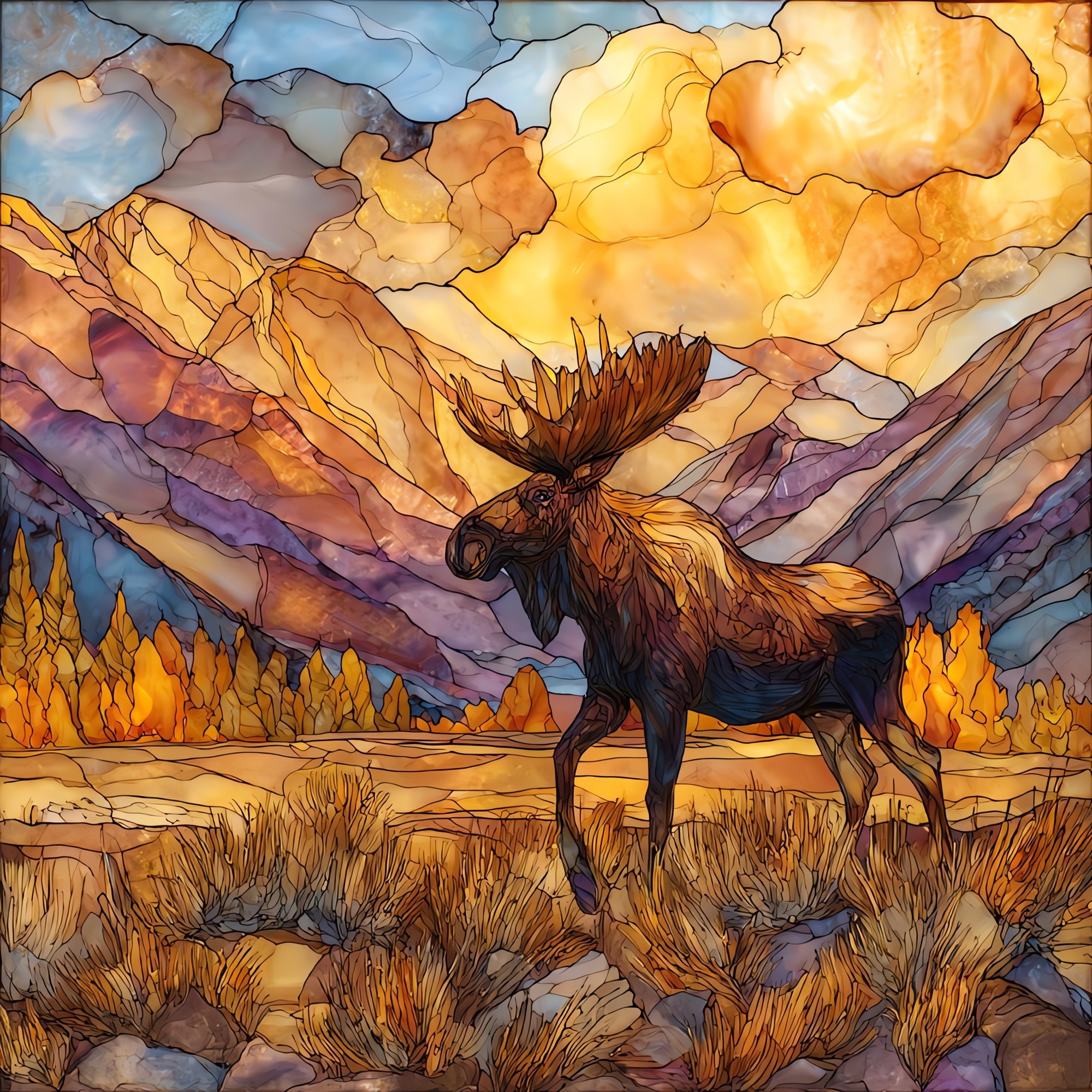
Moose in Grand Lake willows Rocky Mountain National Park Ceramic Art Tile
— — the willows moved before the moose did.
Not only on a wall.
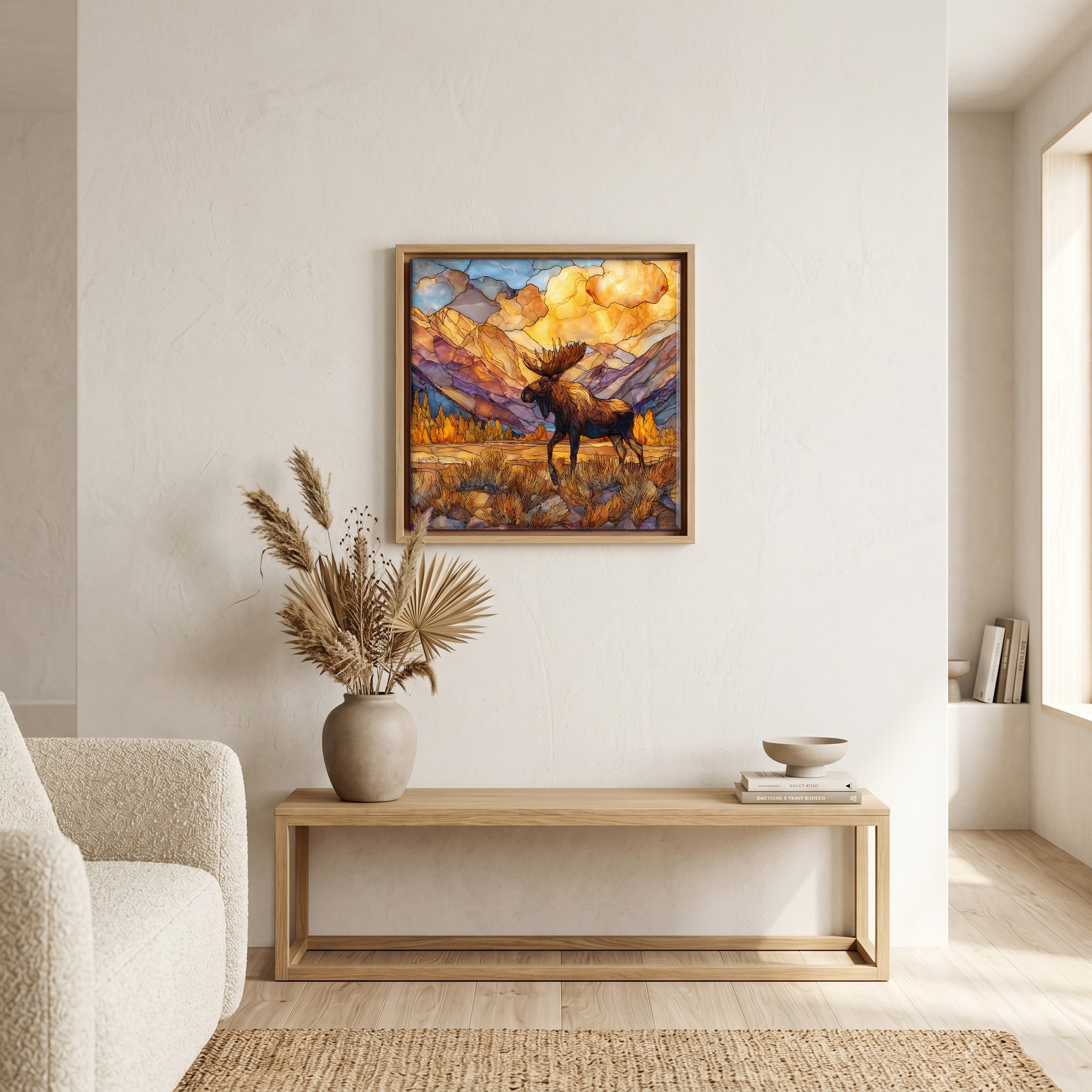

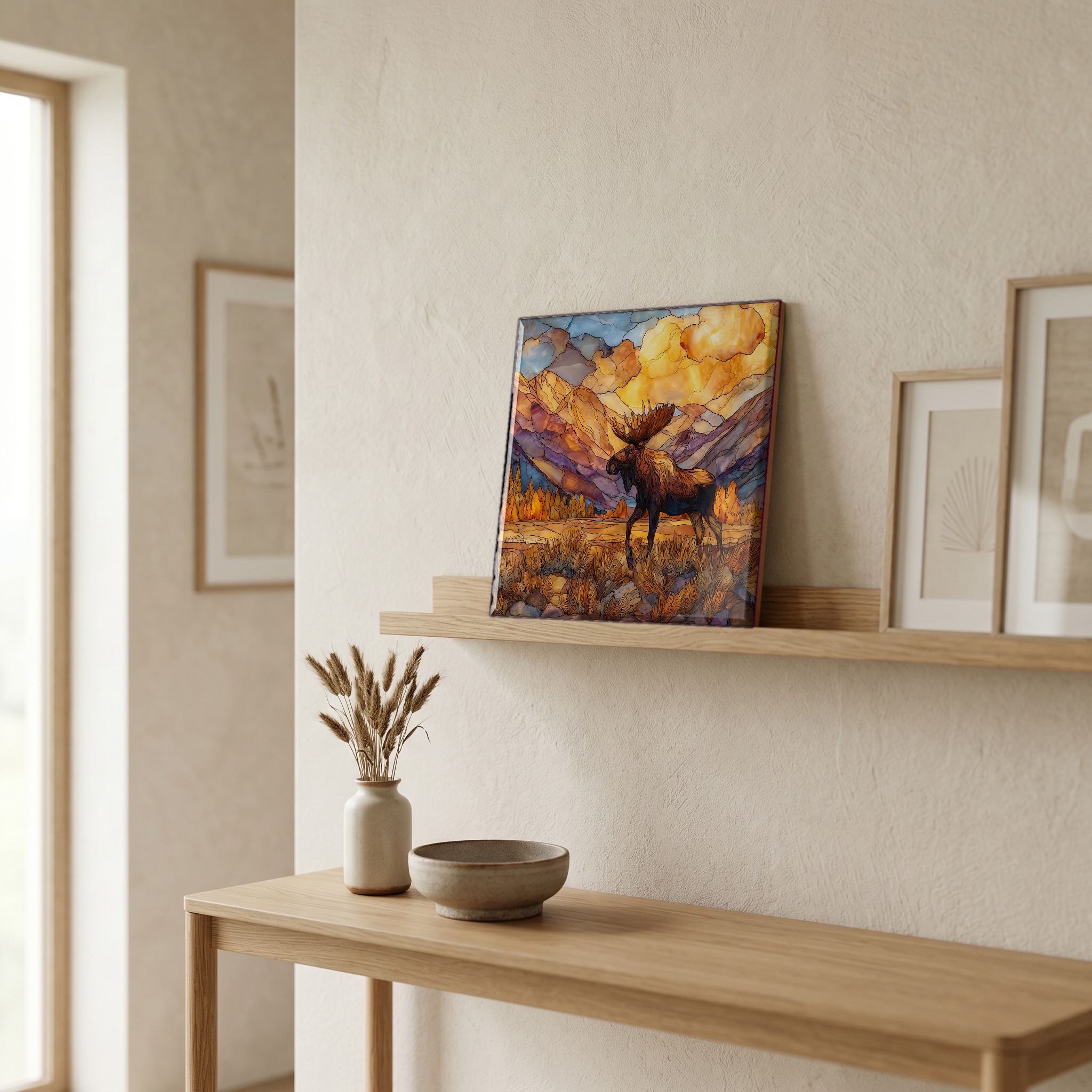
“The west side of Rocky Mountain National Park, where the Colorado River is still a creek and the valley floor is mostly willow. Moose came back here in the 1980s after a transplant into North Park, then walked east over the divide. Most mornings now there are bulls and cows working the thickets above the Onahu and Coyote Valley turnouts. The willows are getting browsed faster than they grow back. The Park is trying to bring beaver in to slow the water and rebuild the corridor. Best at dawn, before the road wakes up.
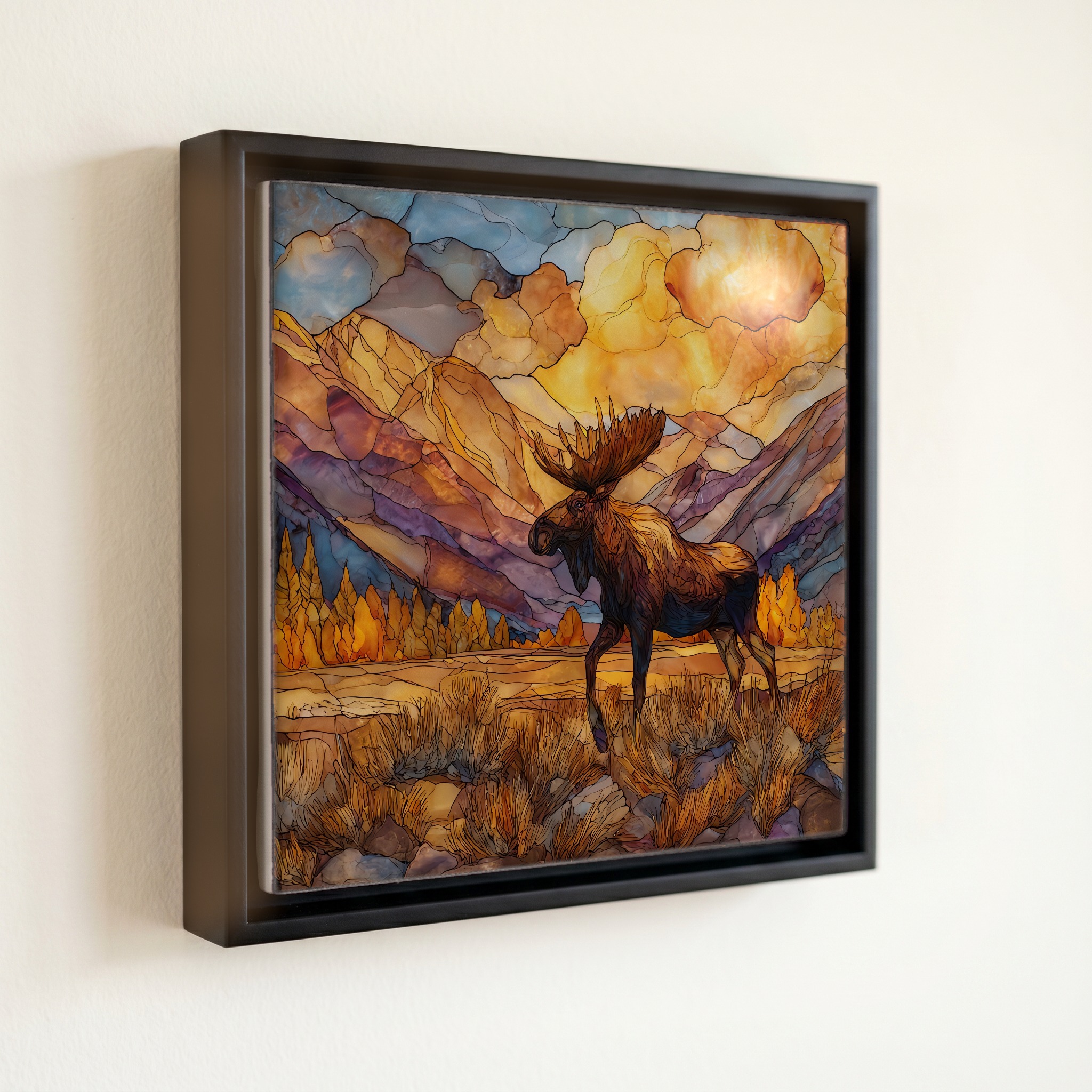
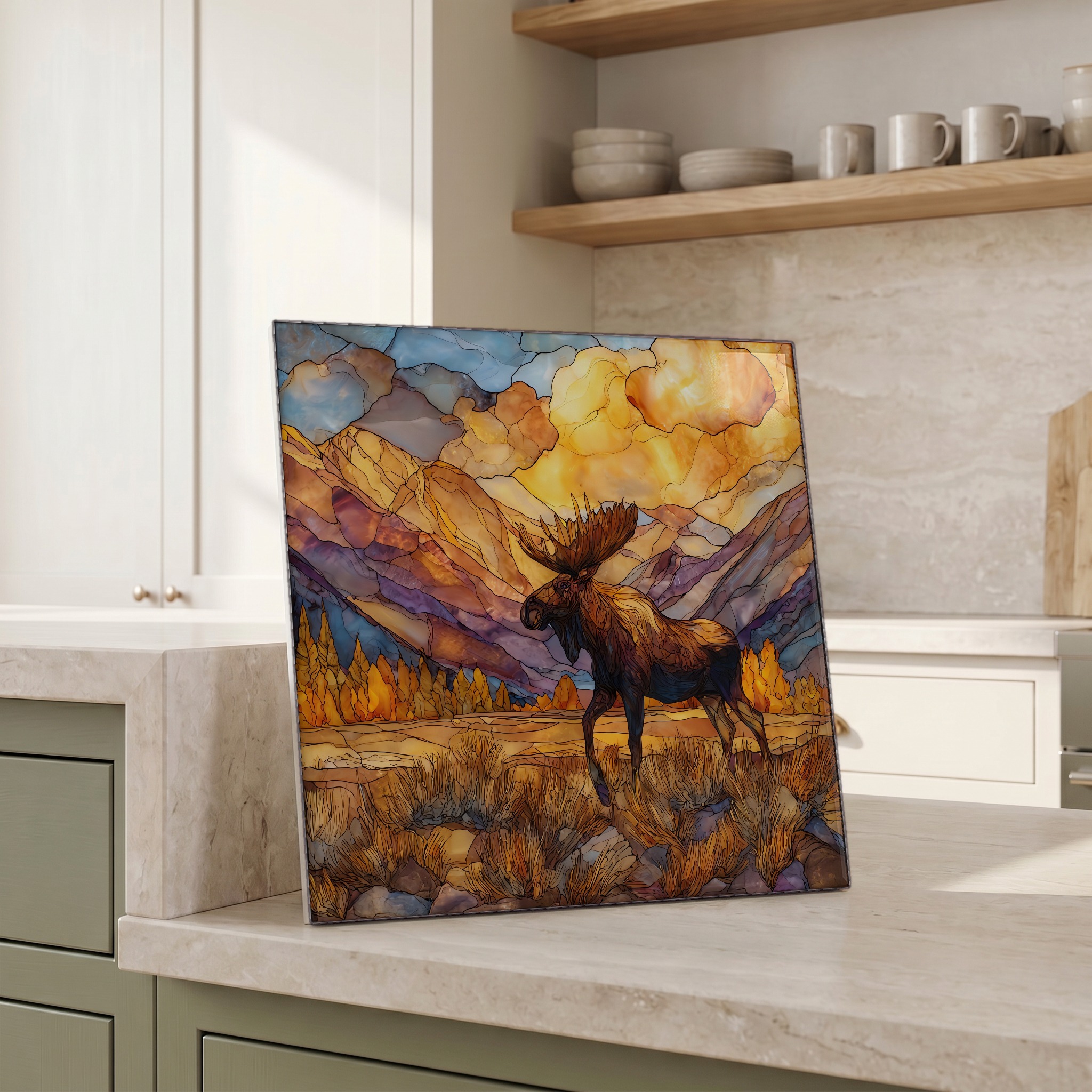
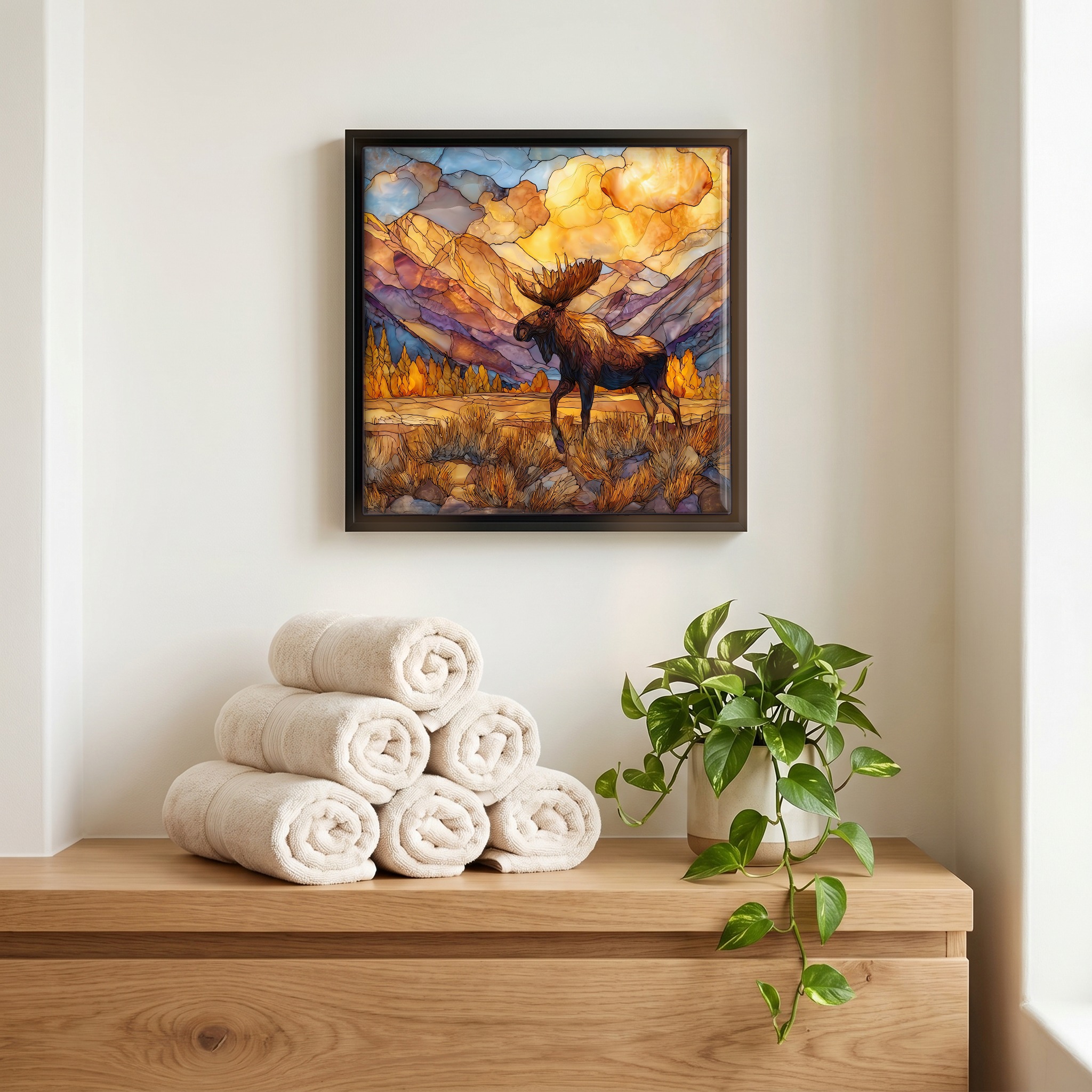
Moose in Grand Lake willows Rocky Mountain National Park Ceramic Art Tile, on ceramic.
Each tile is finished by hand in our Knoxville studio. Artwork is slowly infused into the ceramic surface under high heat and pressure, and rests beneath a thin glossy finish. The colour lives in the surface, not on top of it.
Pick any four 4-inch tiles — National Parks you've been to, a Smokies set, the four seasons of one place. $ for a set of , cork-backed, ready to live on the table.
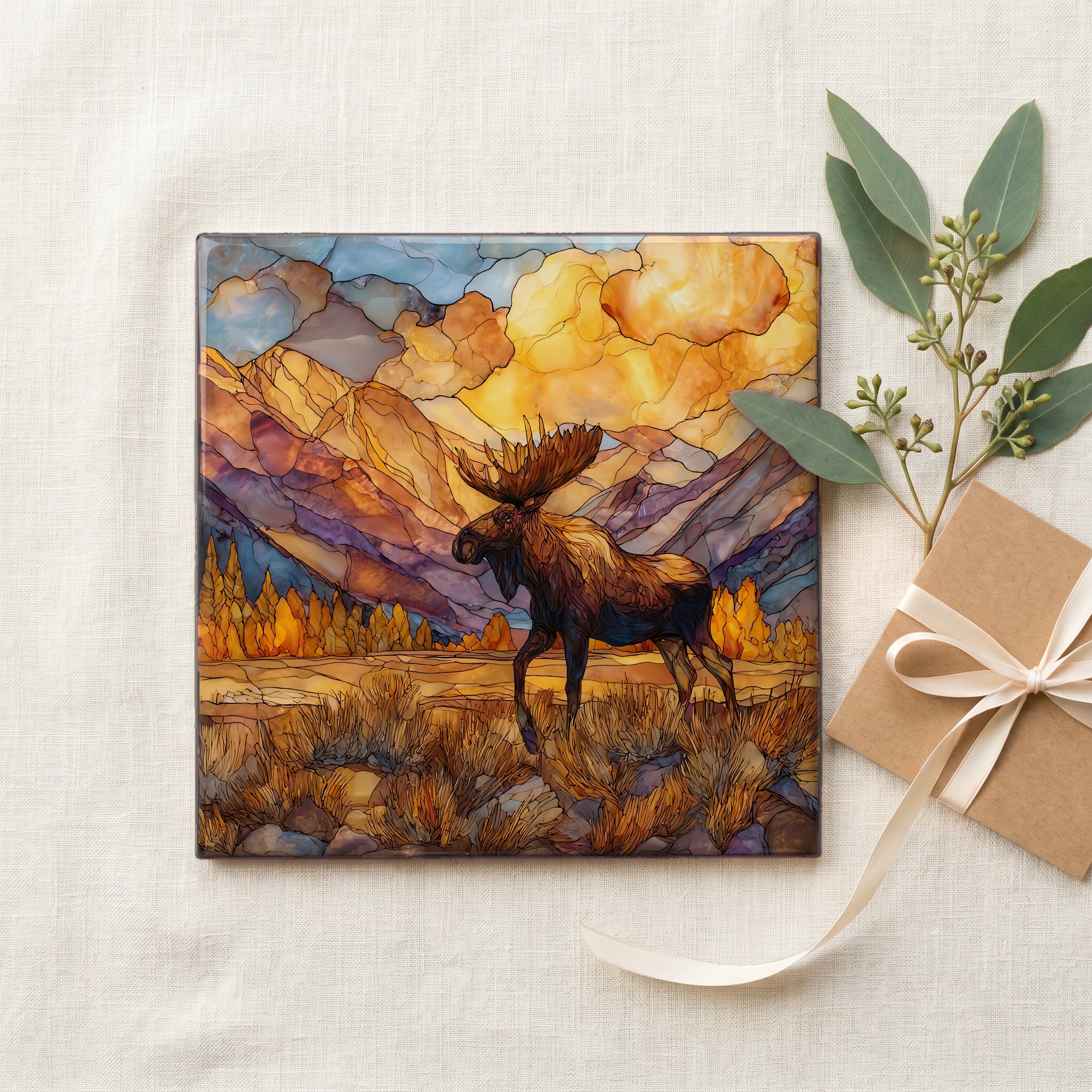
Each tile ships in a kraft box, tied with cream ribbon, with a handwritten note from the studio if you'd like to add one.

Three or five different vistas, hung together — a chapter of places you've been, or want to go.
The place, in three passes.
The Kawuneeche Valley runs north to south along the west side of Rocky Mountain National Park, a marshy floor at about 8,600 feet held between the Never Summer Range on one side and the main divide on the other. It is the cradle of the Colorado River. The water that reaches the Sea of Cortez begins here as a creek crossing willow flats. The town of Grand Lake sits at the valley's south end on a 507-acre glacial lake, the deepest natural lake in Colorado, formed when a Pinedale terminal moraine dammed the meltwater. The Ute called it Spirit Lake. The Park surrounds the town on three sides.
The Colorado River begins as small braided channels through the valley, never more than knee-deep in its first miles. The cold, slow water keeps a corridor of mountain willow and other riparian thicket that has been the valley's signature plant community for as long as the Park has recorded it. Willow is what moose came for. A summer moose diet is about 91 percent willow species, and a single animal can take 60 pounds of vegetation a day. Since 1999 the tall willow has lost roughly 98 percent of its standing biomass across the valley. The Park's Kawuneeche Valley Restoration Collaborative is reintroducing beaver to slow the channels and let the thicket recover.
The west side of Rocky Mountain National Park is reached from the town of Grand Lake, one mile from the Grand Lake entrance station. The Kawuneeche Visitor Center sits just inside, and U.S. 34 (Trail Ridge Road on its high stretch) runs the length of the valley before climbing the divide. Moose are most reliably seen at the Coyote Valley, Bowen Gulch, and Onahu Creek turnouts, especially in the hour after sunrise and the hour before dark. Trail Ridge Road is typically open from late May to mid-October. The Grand Lake side of the park is quieter than the Estes Park side year-round. In winter the road is closed past the visitor center and the valley becomes a ski and snowshoe corridor.