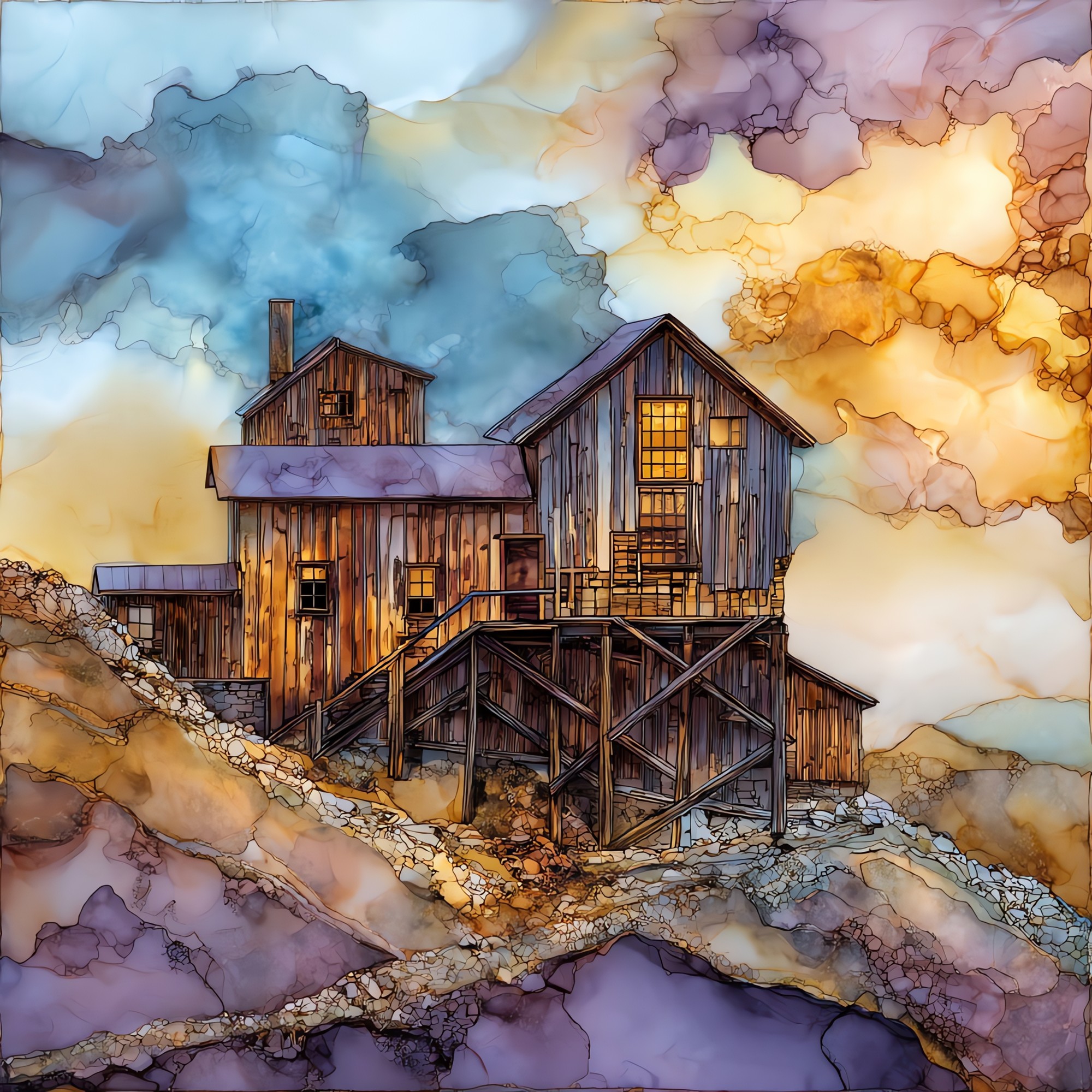
Matchless Mine Leadville Sawatch Range Ceramic Art Tile
— — a promise kept thirty-six winters.
Not only on a wall.
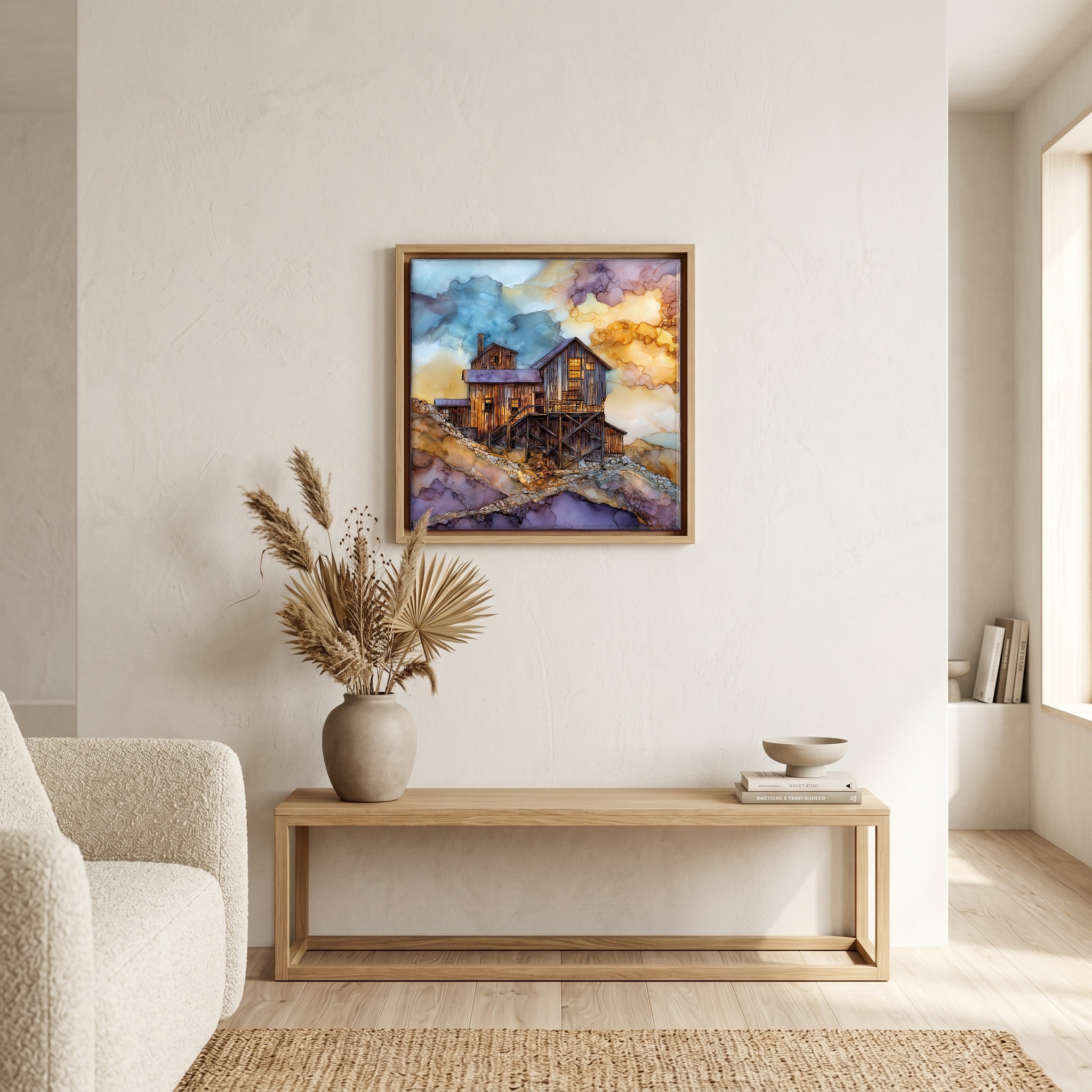
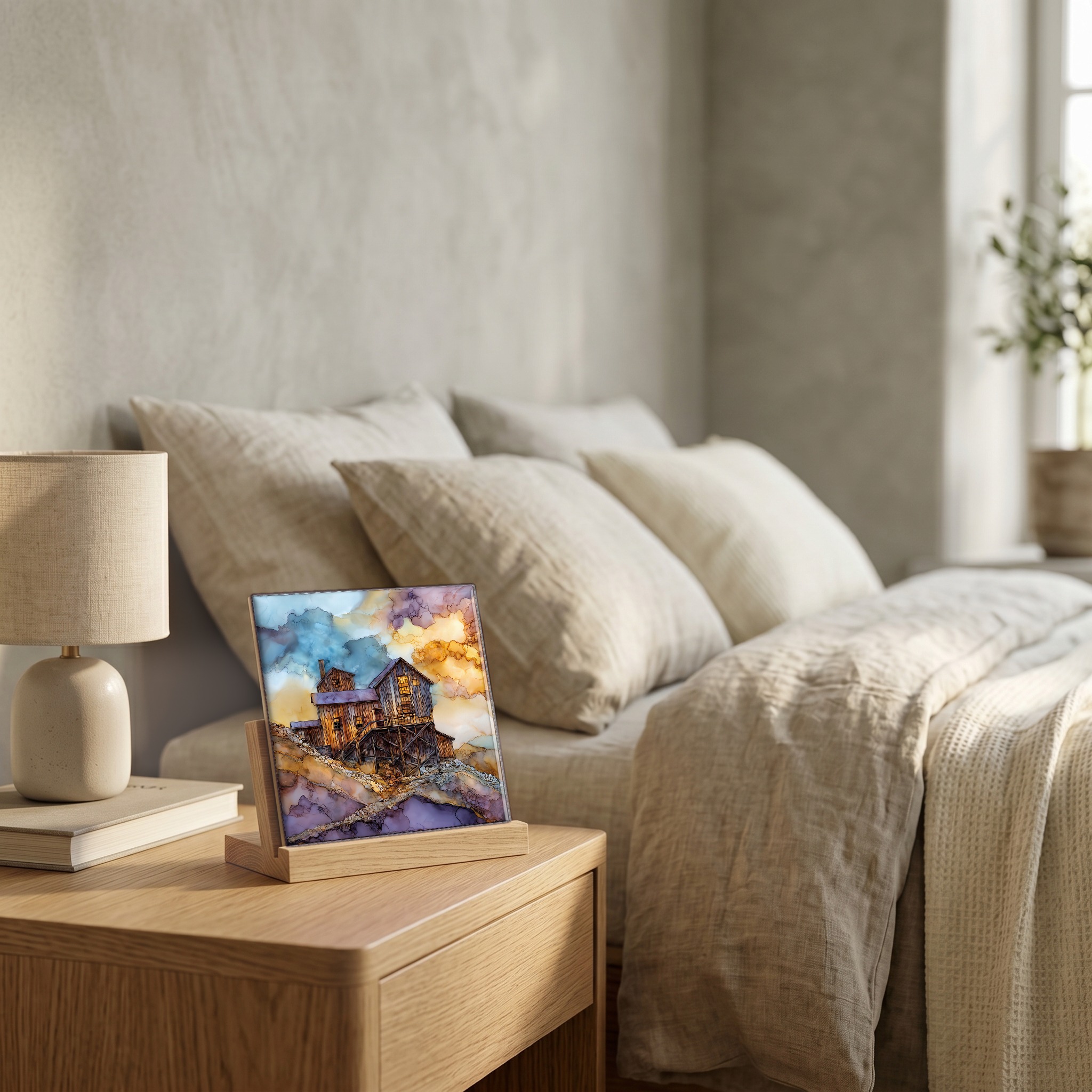
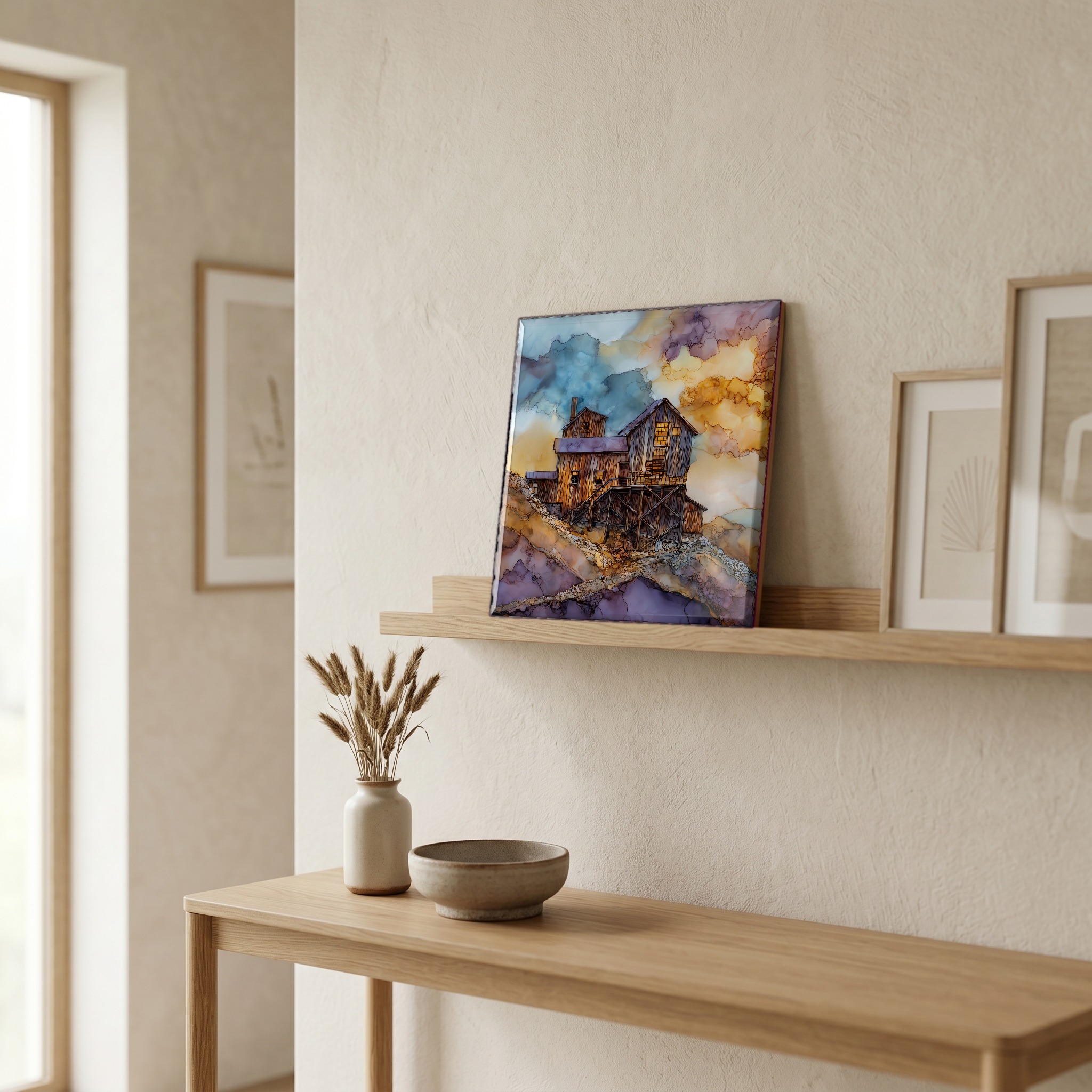
“A mile east of Leadville at over ten thousand feet, the head frame of the Matchless Mine still stands above the cabin where Elizabeth McCourt Tabor, known as Baby Doe, lived alone for thirty-six winters after the silver crash. Horace Tabor's last words to her in 1899 were to hold on to the mine. She did. She was found frozen in the cabin in March 1935. The Sawatch Range rises across the valley. The silver is long gone. The head frame still stands.
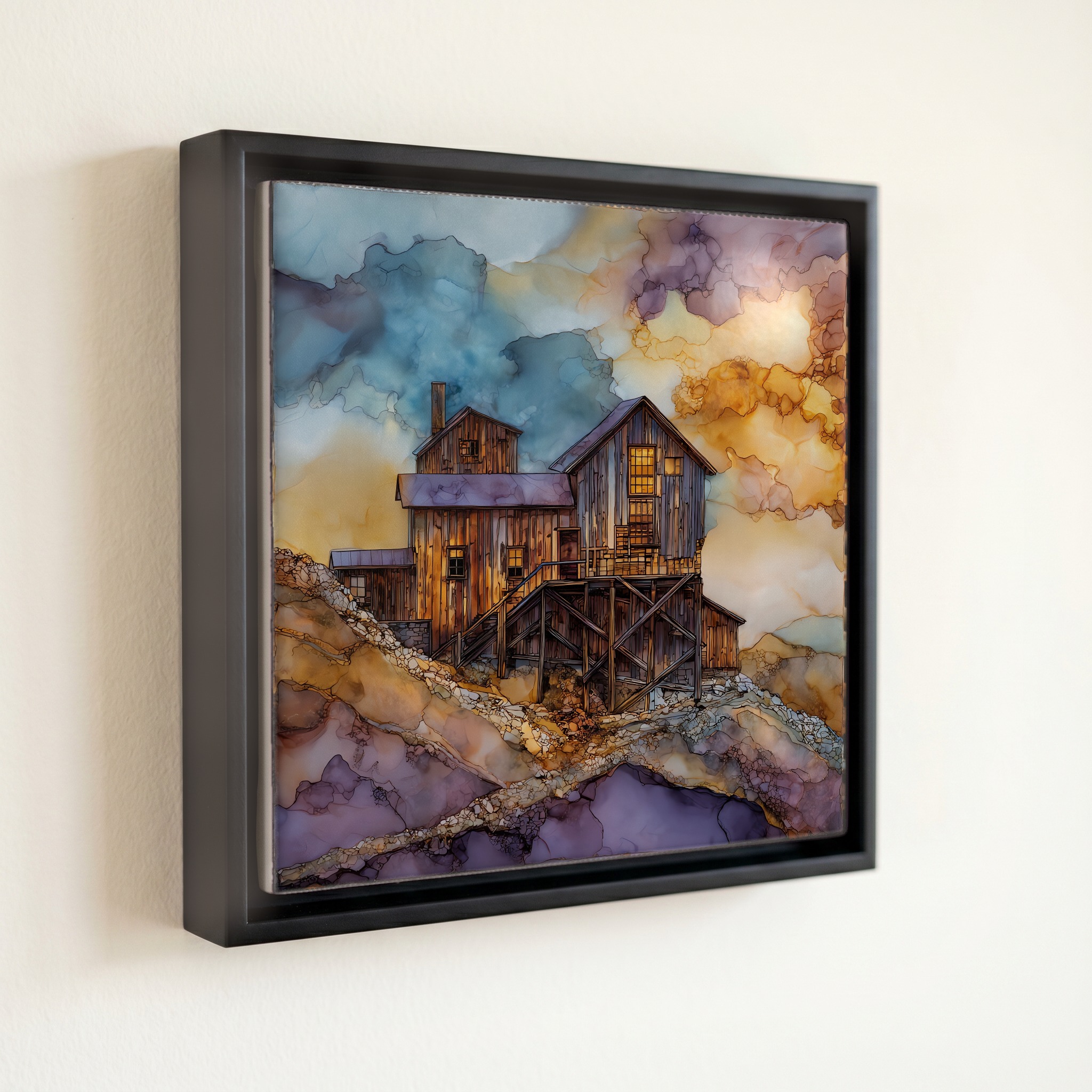
Matchless Mine Leadville Sawatch Range Ceramic Art Tile, on ceramic.
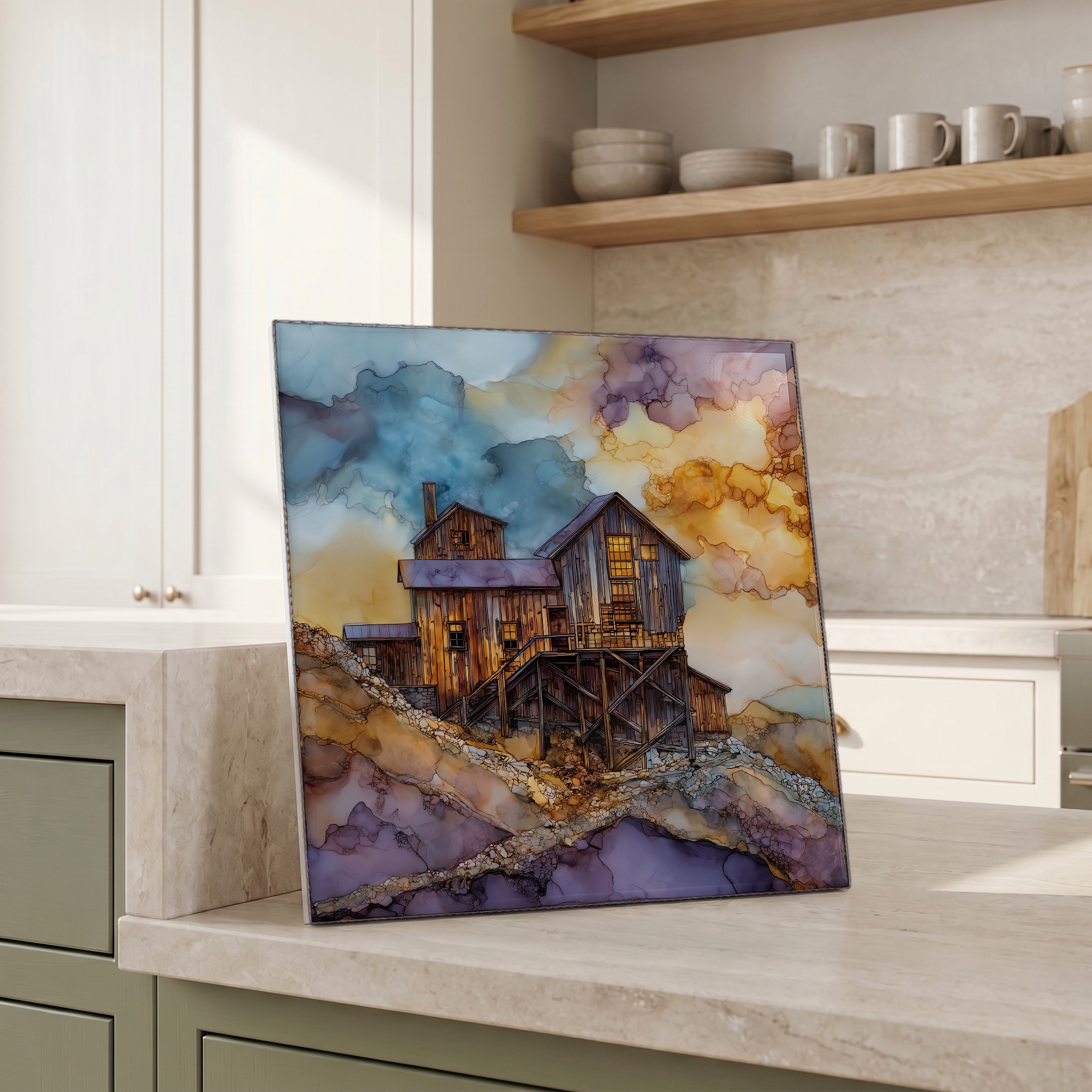
Each tile is finished by hand in our Knoxville studio. Artwork is slowly infused into the ceramic surface under high heat and pressure, and rests beneath a thin glossy finish. The colour lives in the surface, not on top of it.
Pick any four 4-inch tiles — National Parks you've been to, a Smokies set, the four seasons of one place. $ for a set of , cork-backed, ready to live on the table.
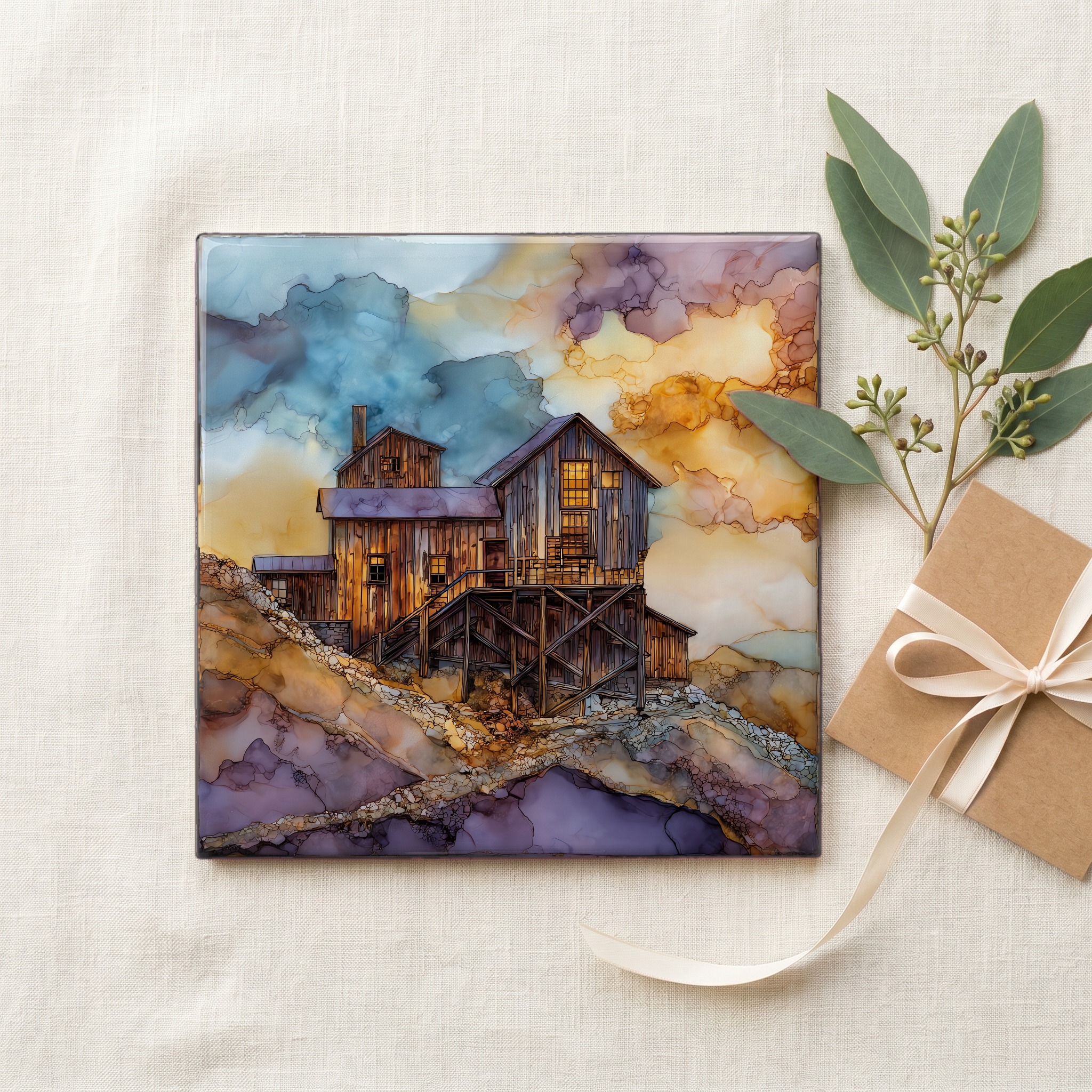
Each tile ships in a kraft box, tied with cream ribbon, with a handwritten note from the studio if you'd like to add one.
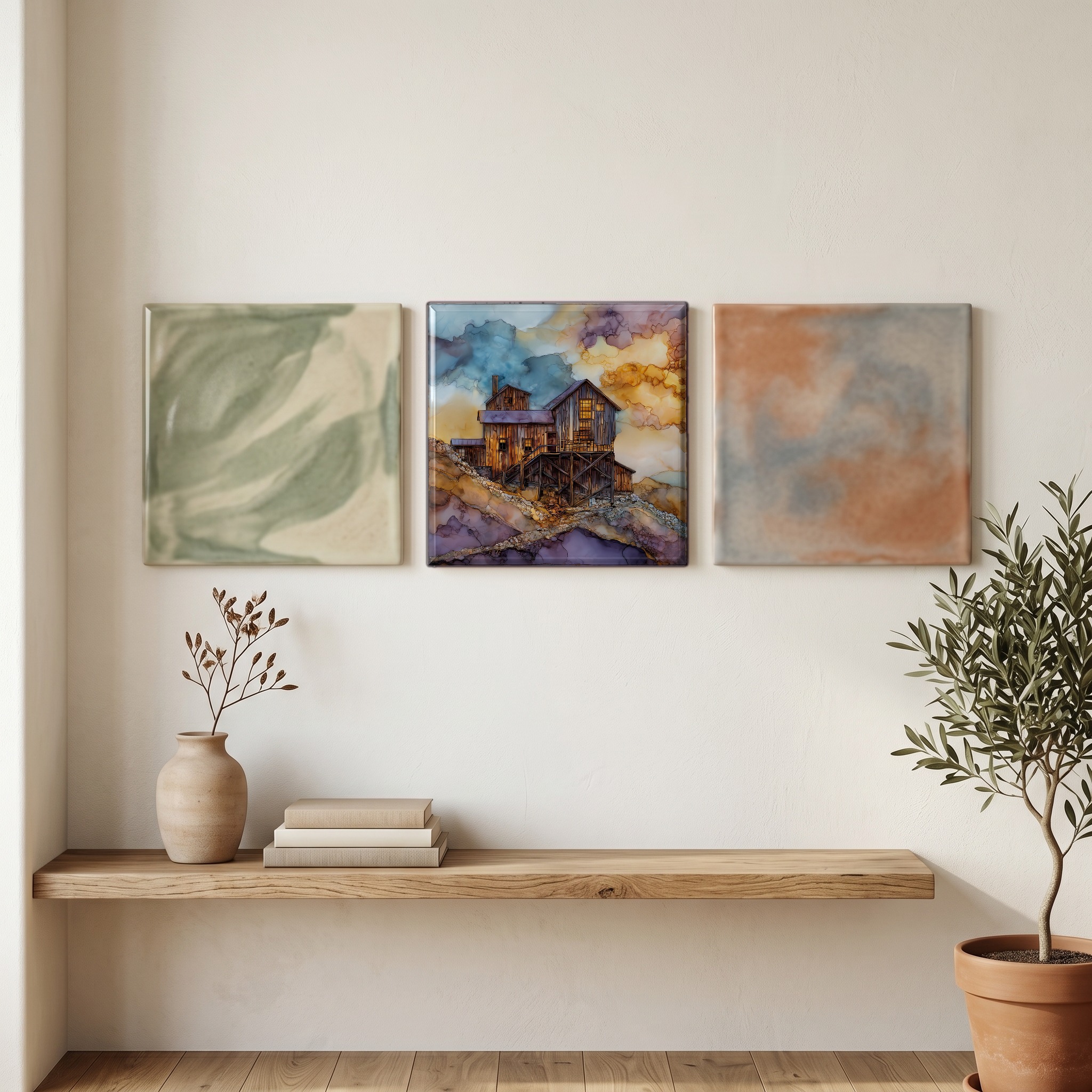
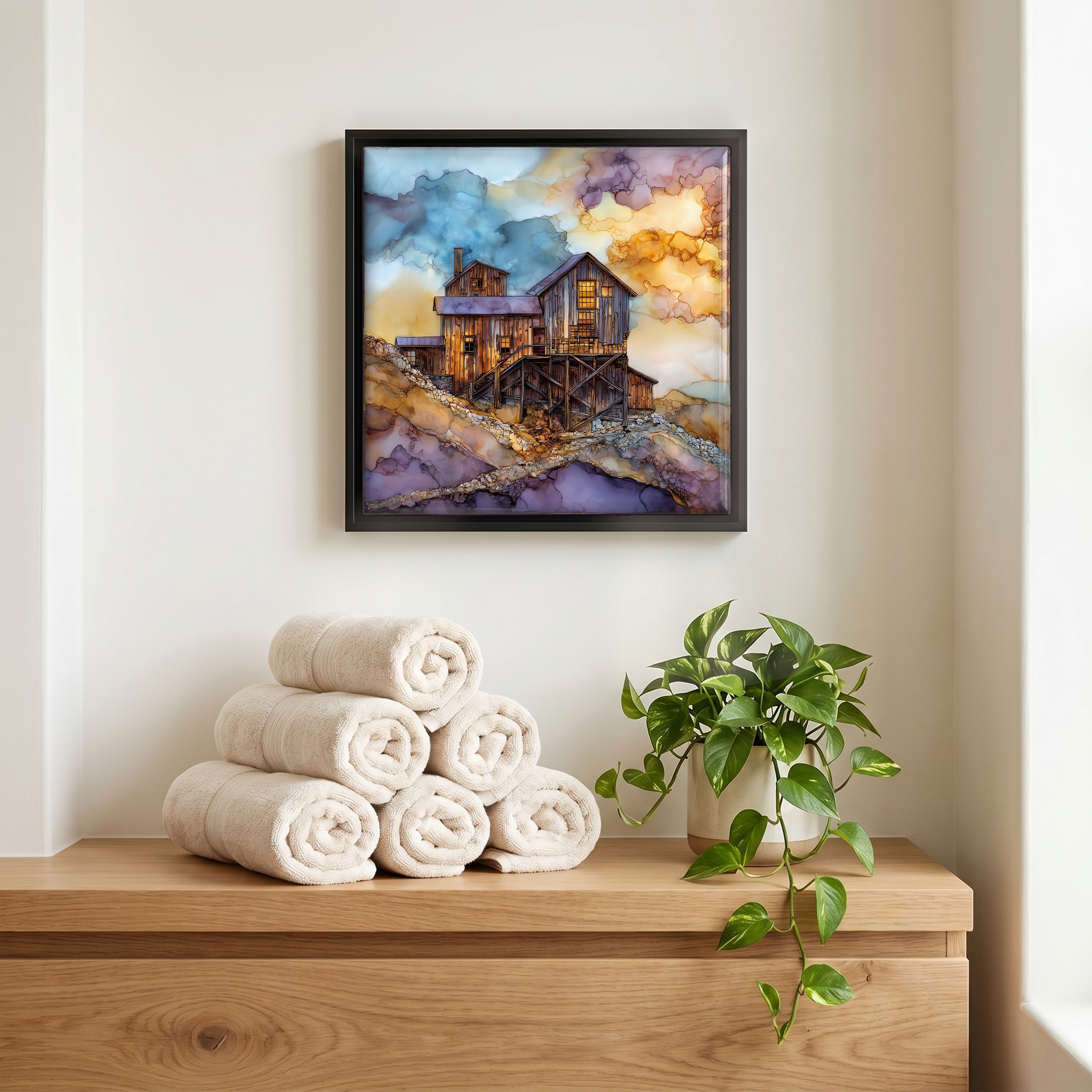
Three or five different vistas, hung together — a chapter of places you've been, or want to go.
The place, in three passes.
The Matchless Mine sits about a mile east of Leadville, Colorado, on Fryer Hill in Lake County, the bench above town where the richest silver veins were worked during the Colorado Silver Boom. Leadville itself, at 10,152 feet, is the highest incorporated city in North America, and was the silver capital of the West through the late 1870s and 1880s. The Sawatch Range rises across the valley to the west, holding Mount Elbert at 14,440 feet and Mount Massive at 14,428 feet, the two highest summits in the Rocky Mountains. The mine site today is operated as a historic landmark by the National Mining Hall of Fame and Museum.
Horace Tabor, the silver baron who owned the mine, lost most of his fortune in the Panic of 1893 after the Sherman Silver Purchase Act was repealed and silver collapsed. He died in 1899. According to family accounts, his last instruction to his second wife, Elizabeth McCourt Tabor, known across the West as Baby Doe, was to hold on to the Matchless, believing silver would rise again. She moved into a single-room cabin at the mine and lived there alone for thirty-six winters at over ten thousand feet, in poverty, often wrapped in burlap against the cold. She was found frozen in the cabin in March 1935, at about eighty-one years old. The mine never again produced a paying ore.
The Matchless Mine is open as a seasonal museum, typically from late May through early September, with the cabin where Baby Doe lived preserved as it stood at her death. Visitors reach the site by heading east out of Leadville on 7th Street, a short climb above town. The site is operated by the National Mining Hall of Fame and Museum, whose main building on Harrison Avenue in Leadville is open through more of the year. Between the two, the silver story of the Carbonate Camp is laid out: the Tabors, the boom of 1879, the engineers and miners, the Panic of 1893, and the long quiet afterward. Current hours and admission are posted at mininghalloffame.org.