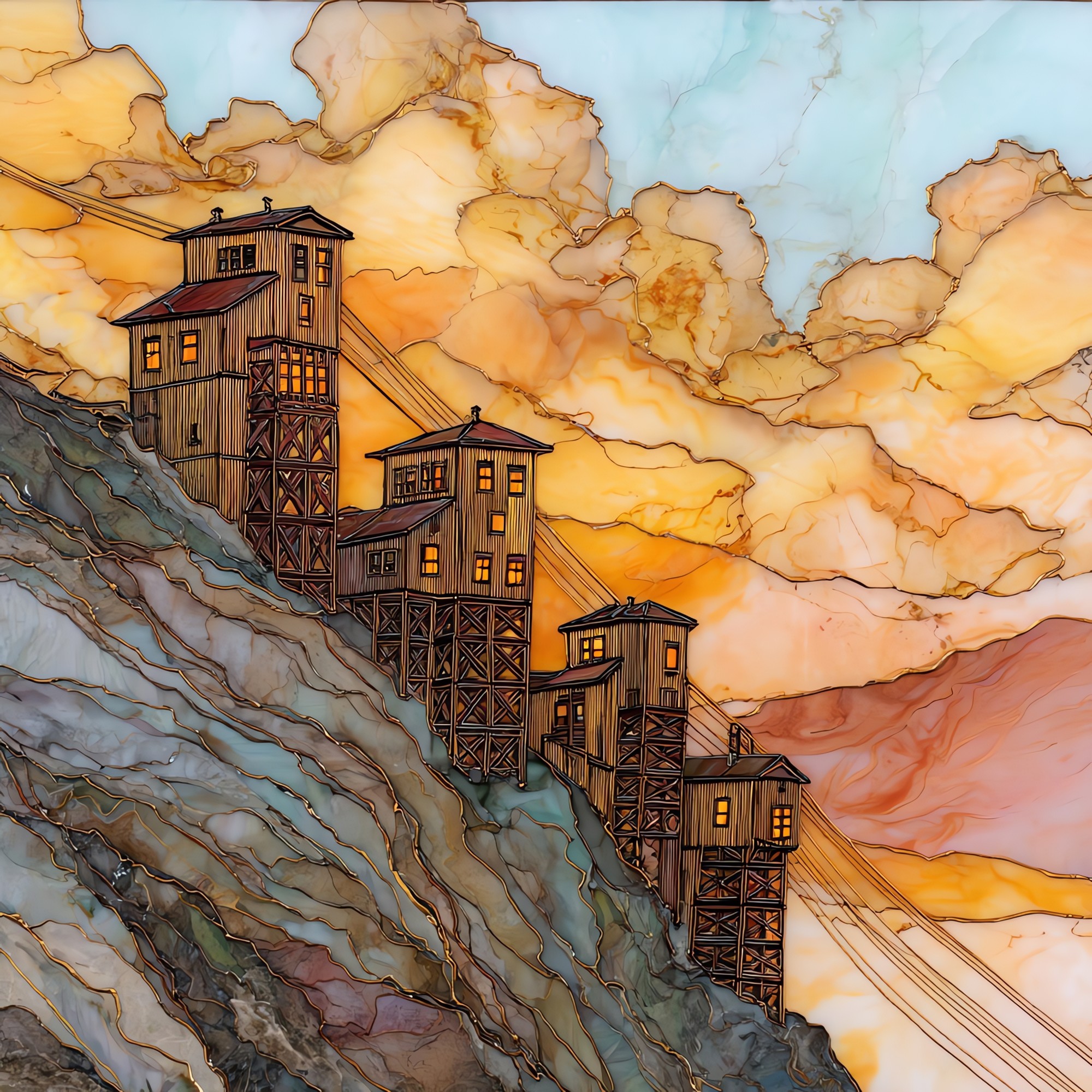
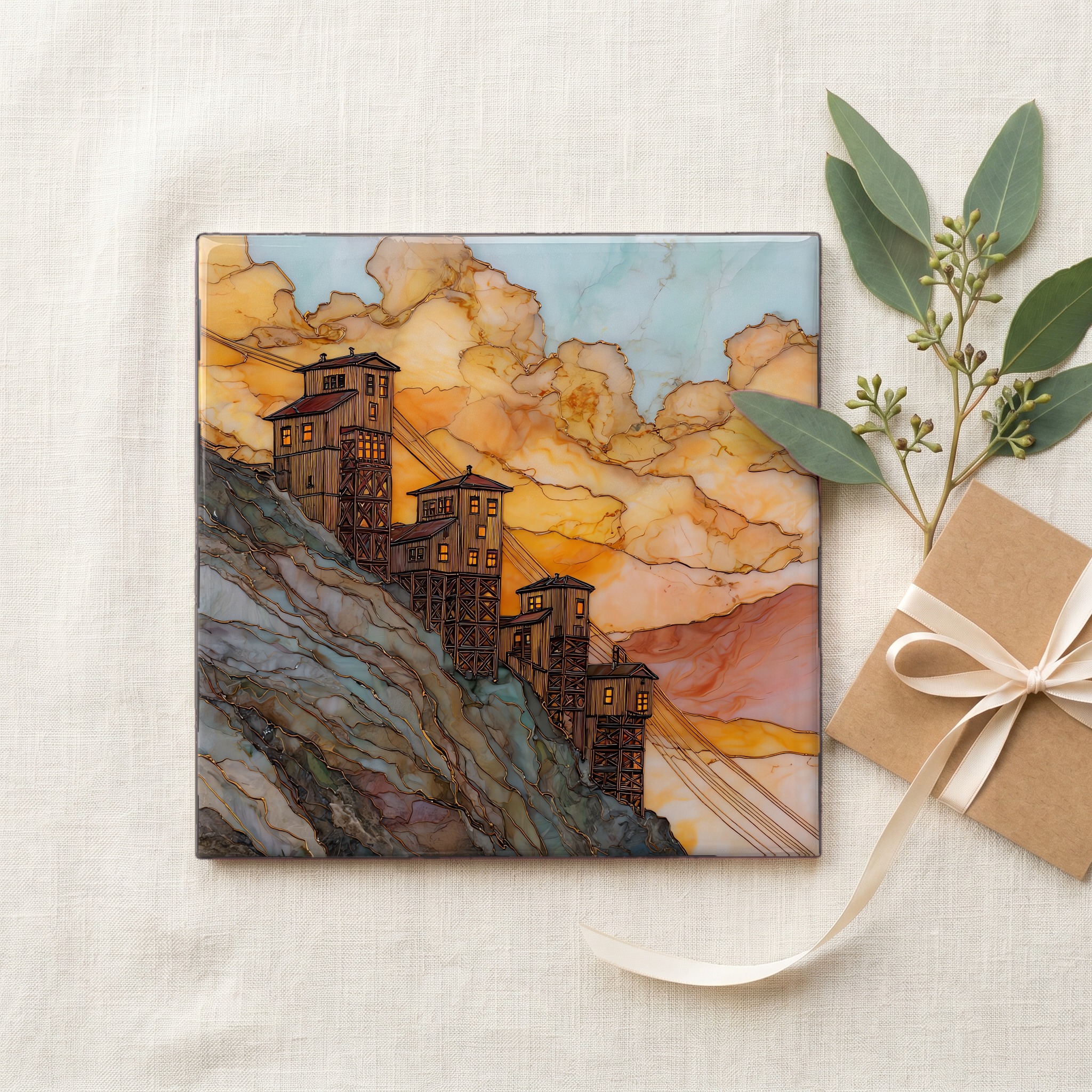
Liberty Bell Mine Telluride San Juans Ceramic Art Tile
— the wood that outlasted the gold.
Not only on a wall.

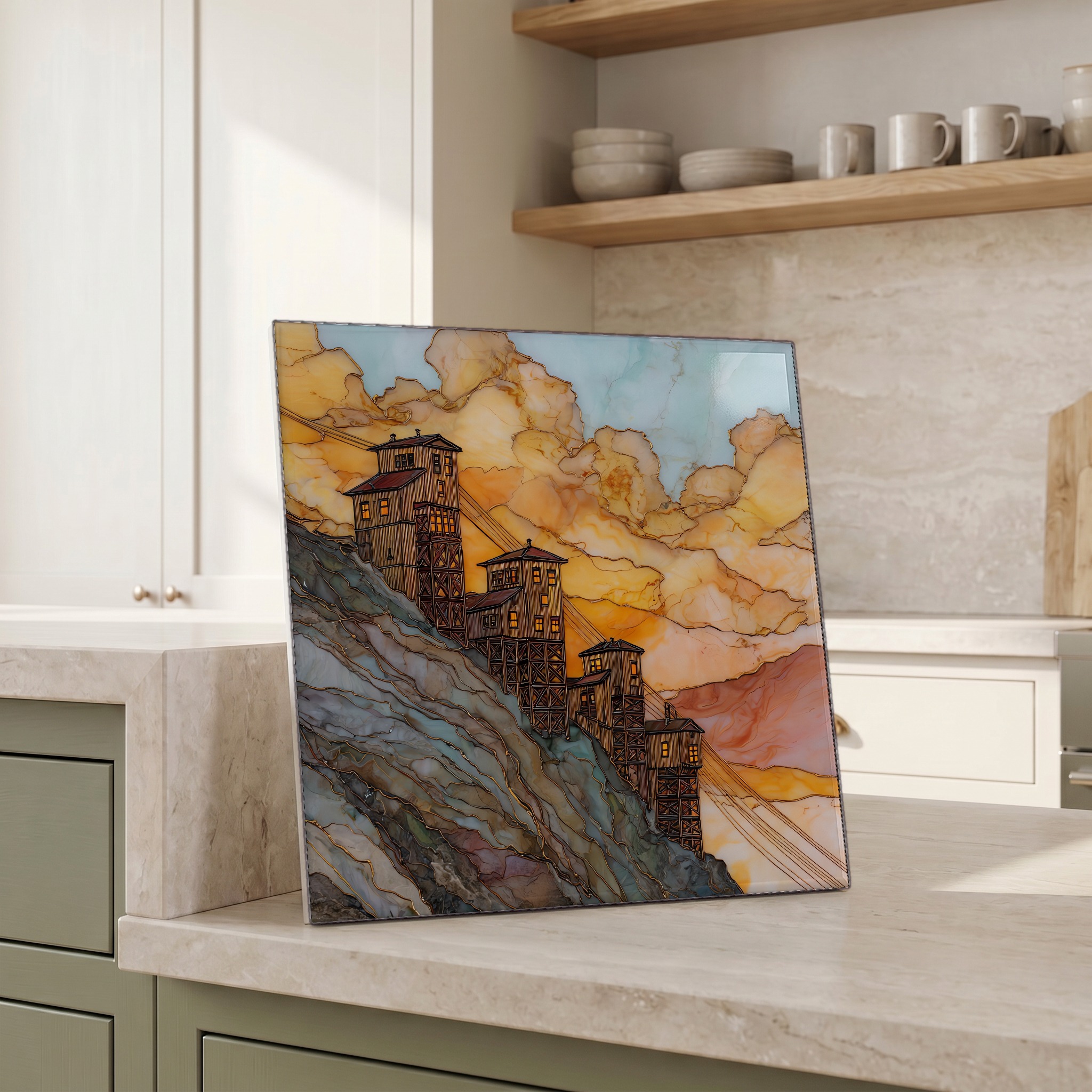


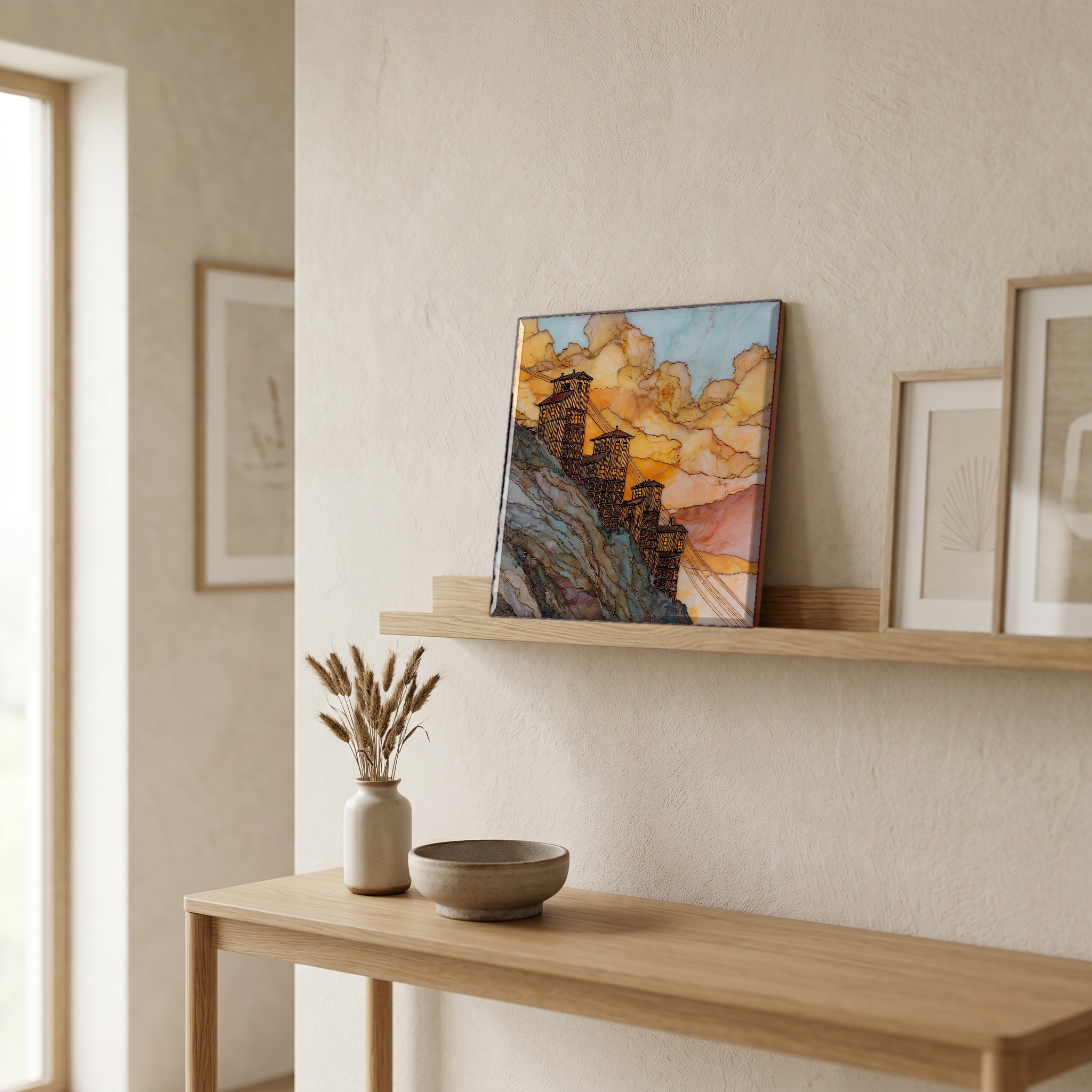
“A gold mine ran in the basin above Telluride from 1898 into the 1920s. The morning of February 28, 1902, three avalanches came down the slope above the boardinghouse. The first took the buildings. The second took the rescuers. The third took the men on the trail. Sixteen lost. The ruins are still up there in the high cirque, weathered timber against rock the colour of bone.
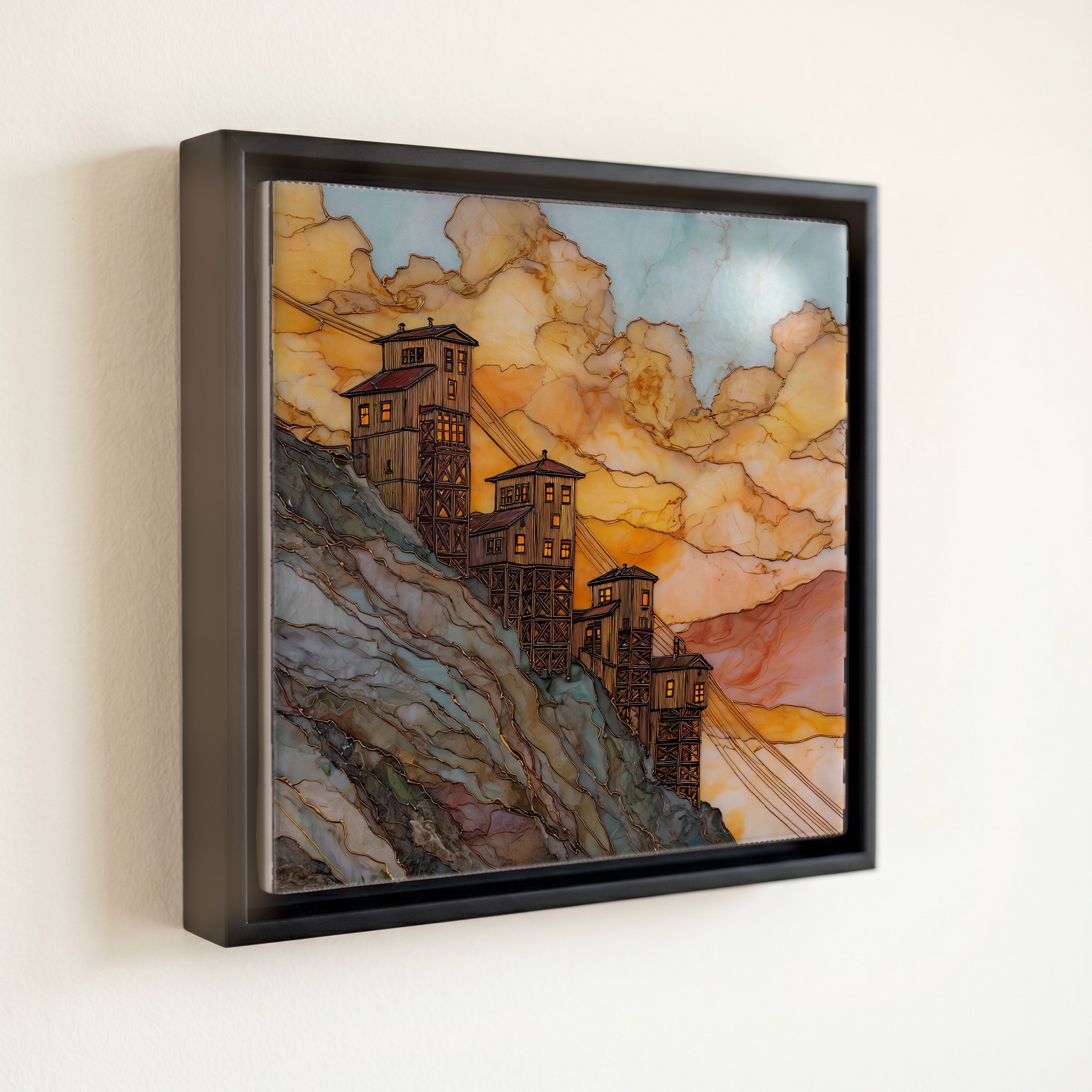
Liberty Bell Mine Telluride San Juans Ceramic Art Tile, on ceramic.
Each tile is finished by hand in our Knoxville studio. Artwork is slowly infused into the ceramic surface under high heat and pressure, and rests beneath a thin glossy finish. The colour lives in the surface, not on top of it.
Pick any four 4-inch tiles — National Parks you've been to, a Smokies set, the four seasons of one place. $ for a set of , cork-backed, ready to live on the table.
Each tile ships in a kraft box, tied with cream ribbon, with a handwritten note from the studio if you'd like to add one.

Three or five different vistas, hung together — a chapter of places you've been, or want to go.
The place, in three passes.
The Liberty Bell Mine sits about two miles north of Telluride, Colorado, in a steep alpine basin within the San Juan Mountains. William Cornett located the original claim in 1876, and the property reached full production under the Liberty Bell Gold Mining Company in December 1898. The mine workings cluster around 11,299 feet on the slopes above Cornet Creek, in San Miguel County. The site is reached today by the Black Bear and Bridal Veil jeep roads, or on foot from the valley floor, both unmaintained and snow-closed most of the year. The standing ruins still hold the slope: weathered timber framing, the tramway terminus, and stone foundations.
The Telluride mining district pulled gold from a tight band of igneous and volcanic rock laid down across the San Juans in the Tertiary period. The Liberty Bell vein ran through that band, and from 1898 the company milled it on site, first with a 20-stamp mill and then with an 80-stamp mill that processed up to 400 tons of ore each day. The mill was the first in the San Juans to use the South African cyanide process, a chemistry brought from the Witwatersrand for handling oxidised gold ore. What stands today on the basin floor is the answer: stone foundations cut from local rock, half-buried machinery, and the long timber bones of the tramway that carried ore down to the valley.
The basin is an avalanche corridor for half the year. On February 28, 1902, three slides ran the slope above the mine in a single morning. The first took the boardinghouse and tramway station. The second swept the rescue party. The third caught the men on the trail below. Reports place the toll between sixteen and nineteen lives lost, the worst avalanche disaster in Colorado history. The company answered with a snowslide deflector and a 3,000-foot crosscut tunnel at a safer elevation. The ruins are reachable from late June through September, after the snow off the high cirques recedes and the road dries enough for jeeps and high-clearance trucks.