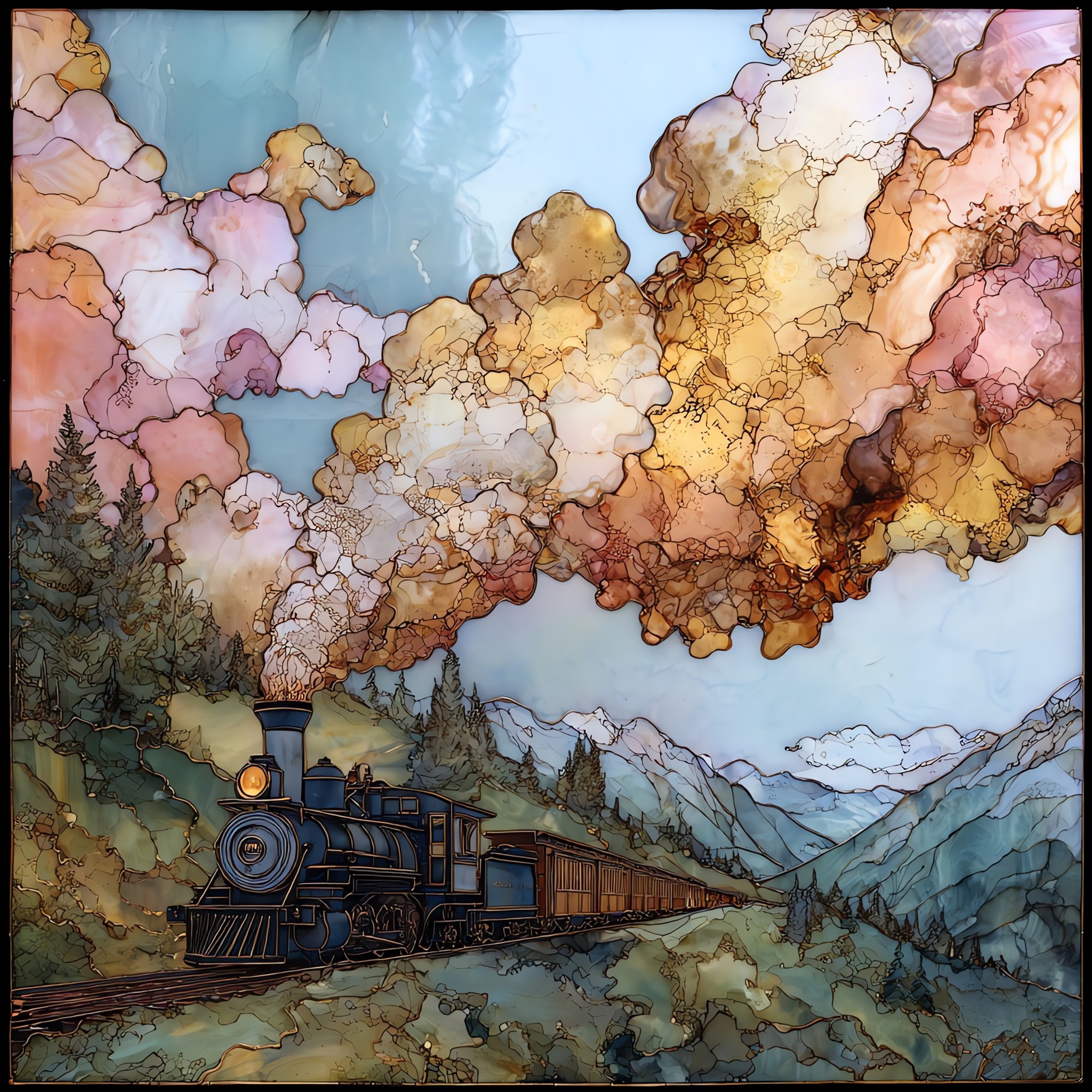
Leadville C&S at French Gulch Sawatch Range Ceramic Art Tile
— snow on the Sawatch, smoke on the line.
Not only on a wall.
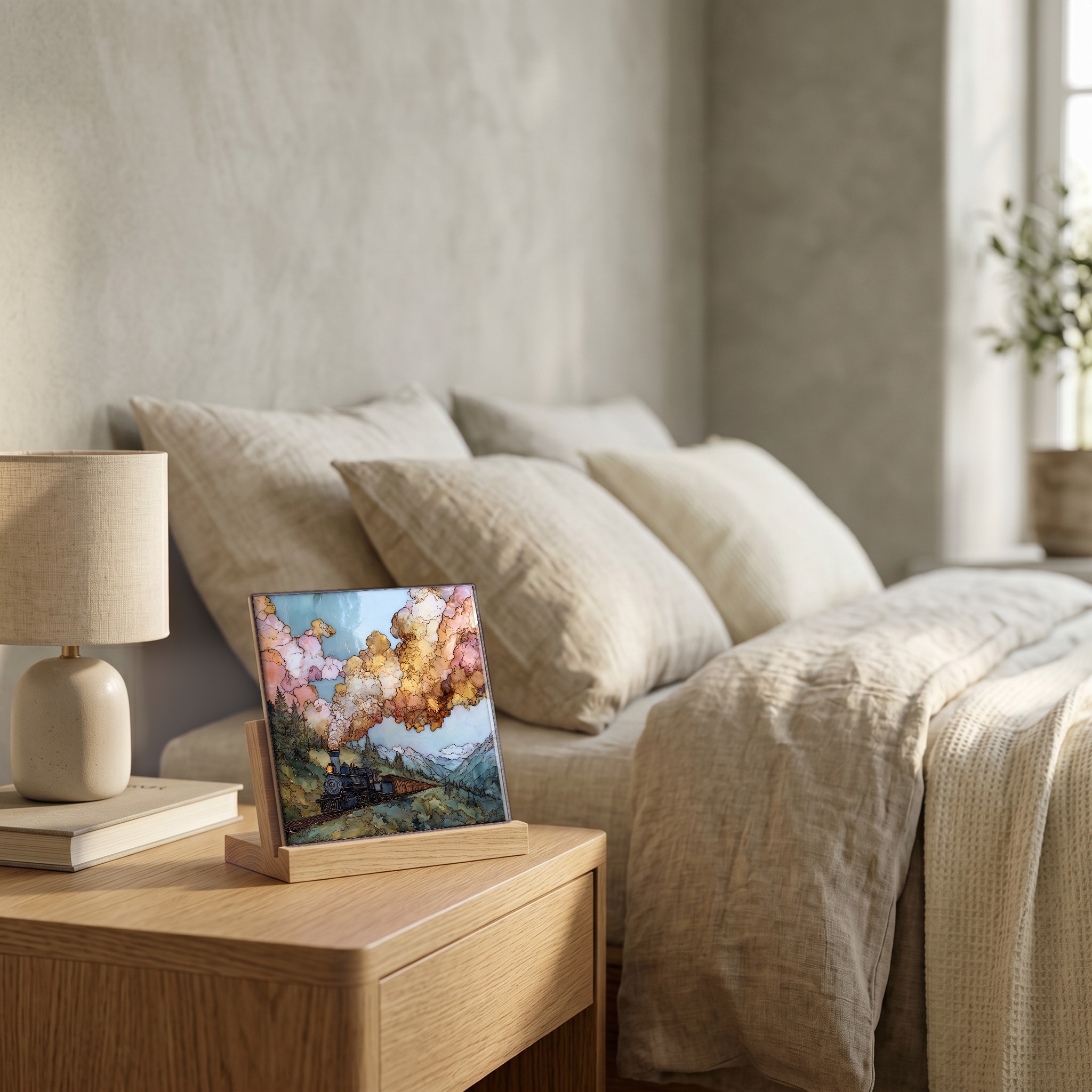
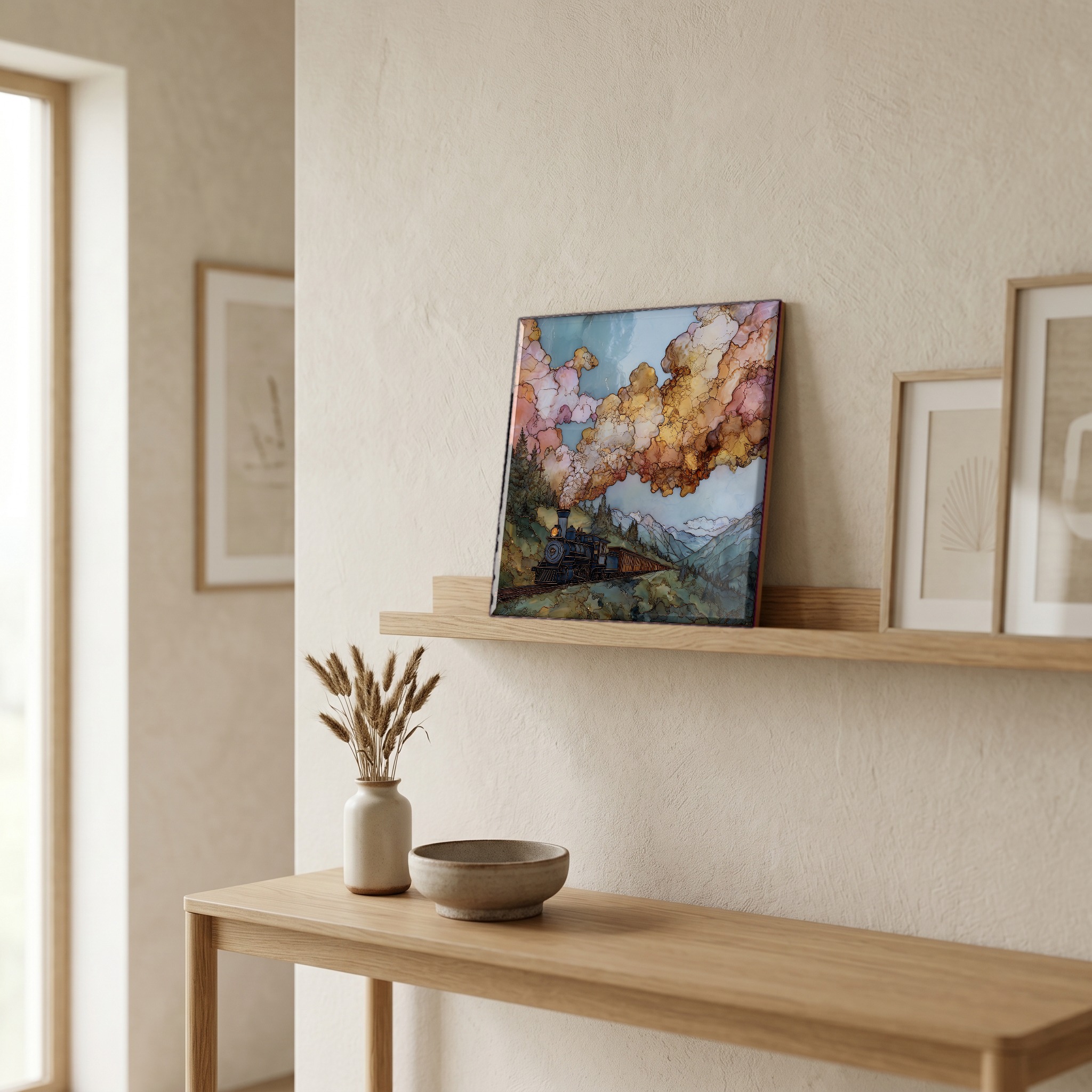
“Leadville sits at 10,152 feet, the highest incorporated city in North America. The Sawatch Range rises to its west, and includes Mount Elbert and Mount Massive, the two highest peaks in the Rocky Mountains, both above 14,400 feet. French Gulch drained the silver and lead carbonates that built the town after 1877. The Colorado & Southern Railway worked the district for decades after the boom. The colour the page holds is the colour the gulch wears on a clear October morning: frost in the willows along the creek, snow already on the peaks, the rails dark against the grade. A working railroad still leaves town for the mine at Climax.
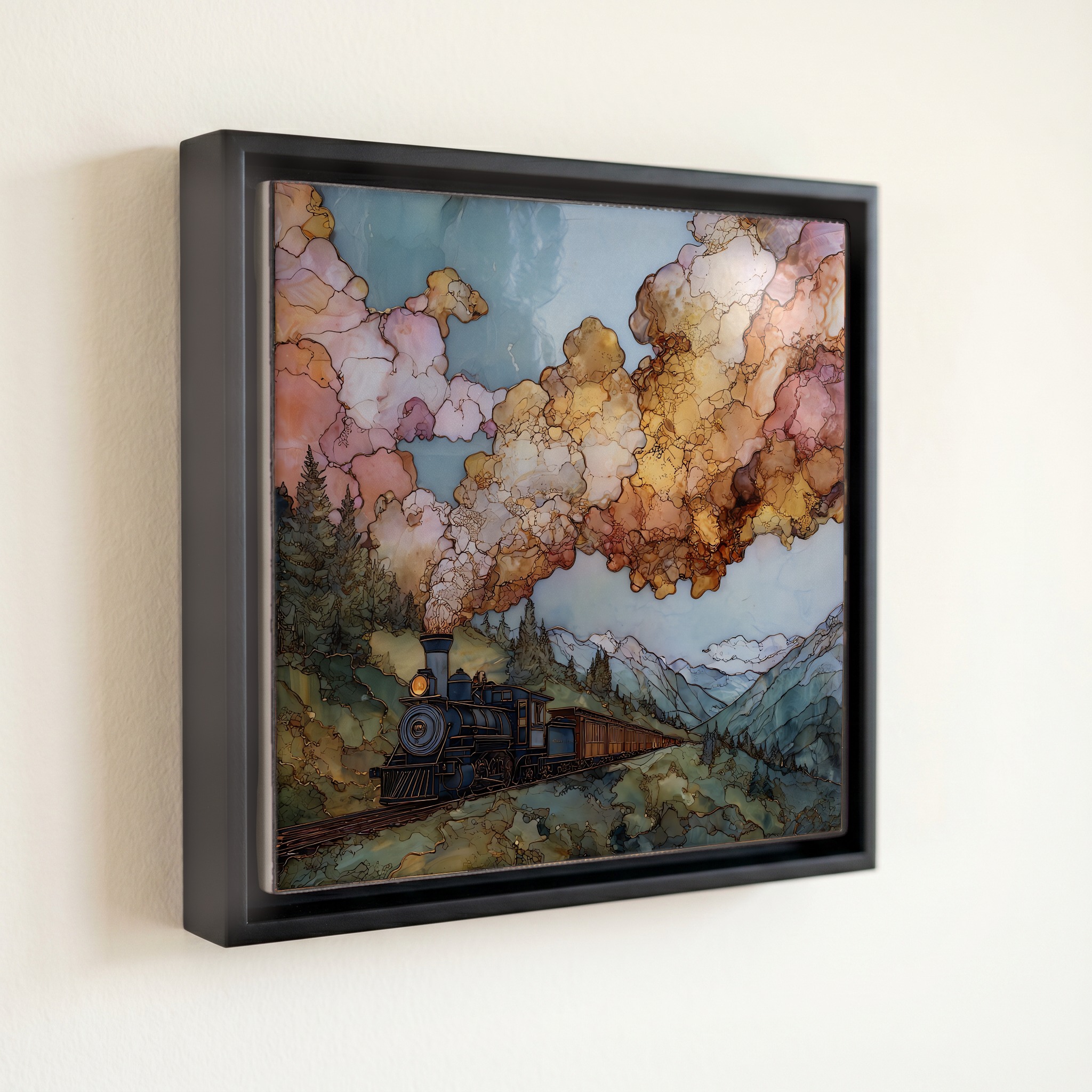
Leadville C&S at French Gulch Sawatch Range Ceramic Art Tile, on ceramic.
Each tile is finished by hand in our Knoxville studio. Artwork is slowly infused into the ceramic surface under high heat and pressure, and rests beneath a thin glossy finish. The colour lives in the surface, not on top of it.
Pick any four 4-inch tiles — National Parks you've been to, a Smokies set, the four seasons of one place. $ for a set of , cork-backed, ready to live on the table.
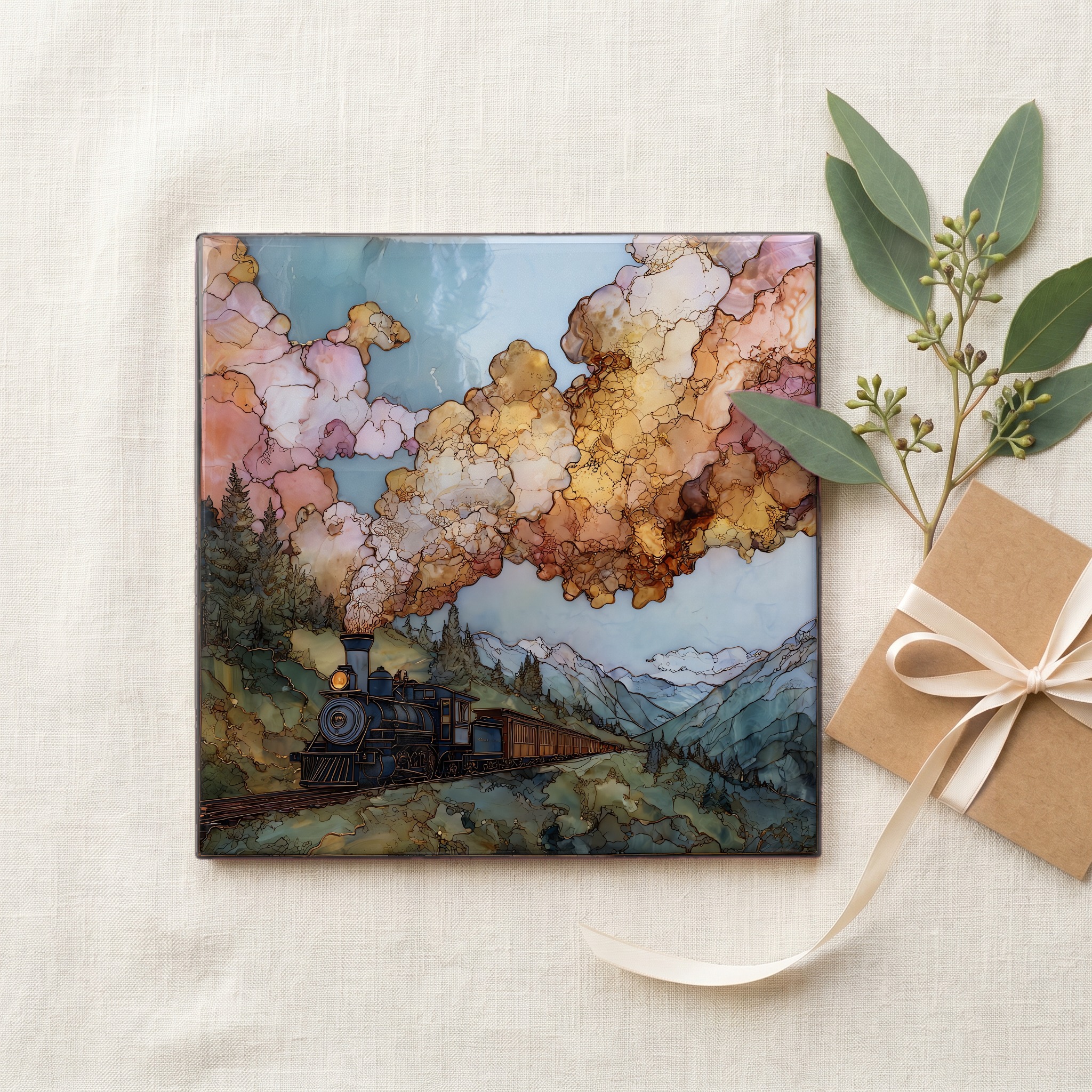
Each tile ships in a kraft box, tied with cream ribbon, with a handwritten note from the studio if you'd like to add one.
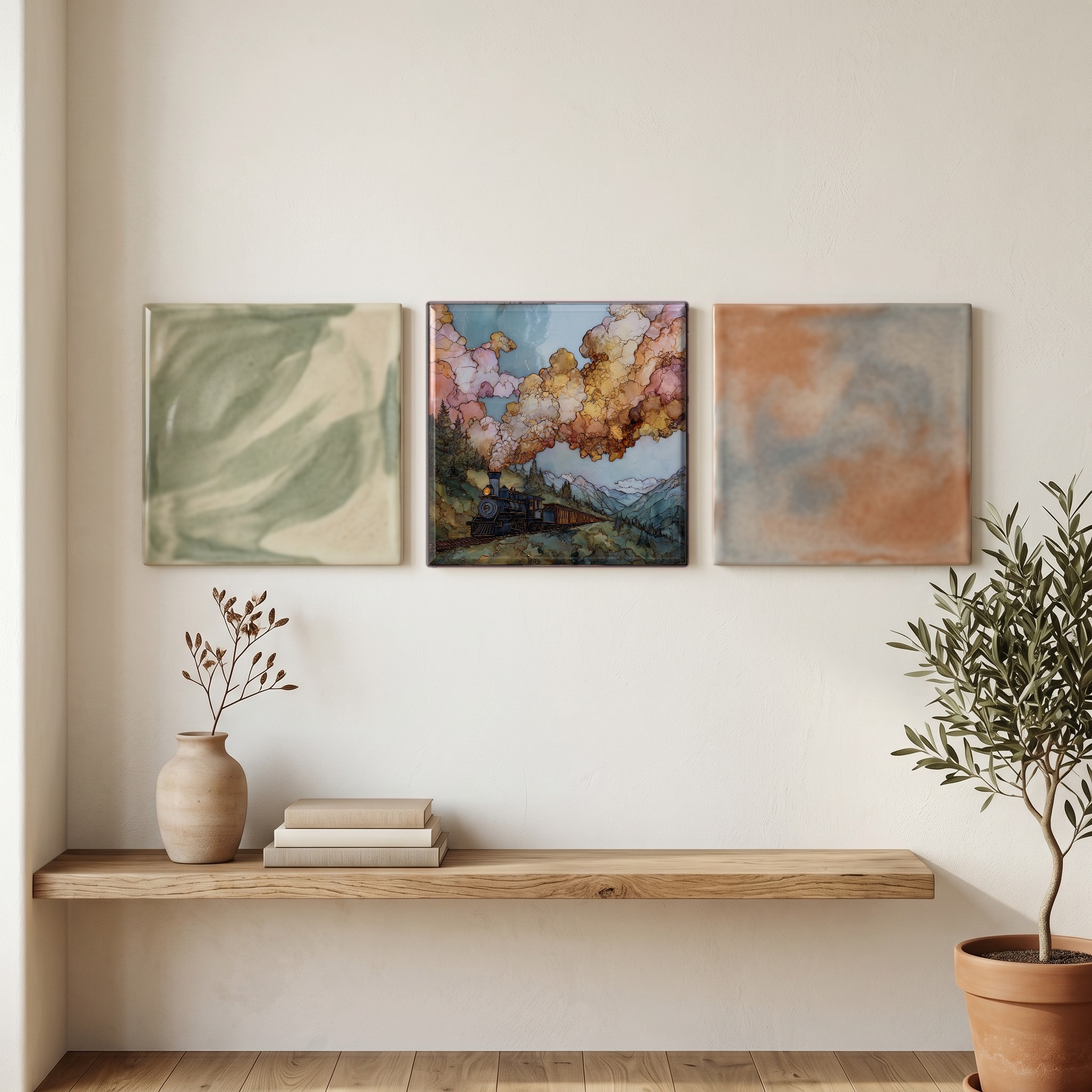
Three or five different vistas, hung together — a chapter of places you've been, or want to go.
The place, in three passes.
Leadville sits at 10,152 feet in the upper Arkansas River valley, the highest incorporated city in North America. The Sawatch Range walls the valley to the west; the Mosquito Range walls it to the east. Mount Elbert at 14,440 feet and Mount Massive at 14,428 feet, the two highest peaks in the Rocky Mountains, rise within ten miles of town. French Gulch drains the slope north of California Gulch into the Arkansas, in the district first worked for placer gold beginning in 1860 and reborn around the silver-bearing lead carbonates after 1877. The Leadville Mining District covers roughly twelve square miles around the town and was one of the great silver, lead, and zinc producers in North American mining history.
The town was placer-camped as Oro City in 1860, then re-founded as Leadville in 1878 after the silver-bearing lead carbonates were identified. Population reached an estimated 30,000 at the boom's height around 1880 and crashed with the demonetization of silver in 1893. The current population is around 2,600. Colorado & Southern Railway service began in 1898 with the merger that formed the C&S; passenger trains to Denver ran until 1937, and narrow-gauge freight worked the district into the 1940s. The Climax molybdenum mine, eleven miles north of town near Fremont Pass, became the line's main customer through the twentieth century, and is the reason the rails still leave Leadville at all.
The Leadville, Colorado & Southern Railroad runs a 22-mile round-trip from the Leadville depot up the old C&S grade toward the Climax Mine, climbing nearly a thousand feet through Sawatch foothills along the way. The line operates from Memorial Day through early October, with a shortened schedule into the first heavy snow. The downtown historic district is a National Historic Landmark; Harrison Avenue still carries the storefronts and saloons of the silver years, and the National Mining Hall of Fame and Museum is housed in the old high school on West 9th Street. The trailhead for Mount Elbert lies eleven miles south of town off Colorado Highway 82.