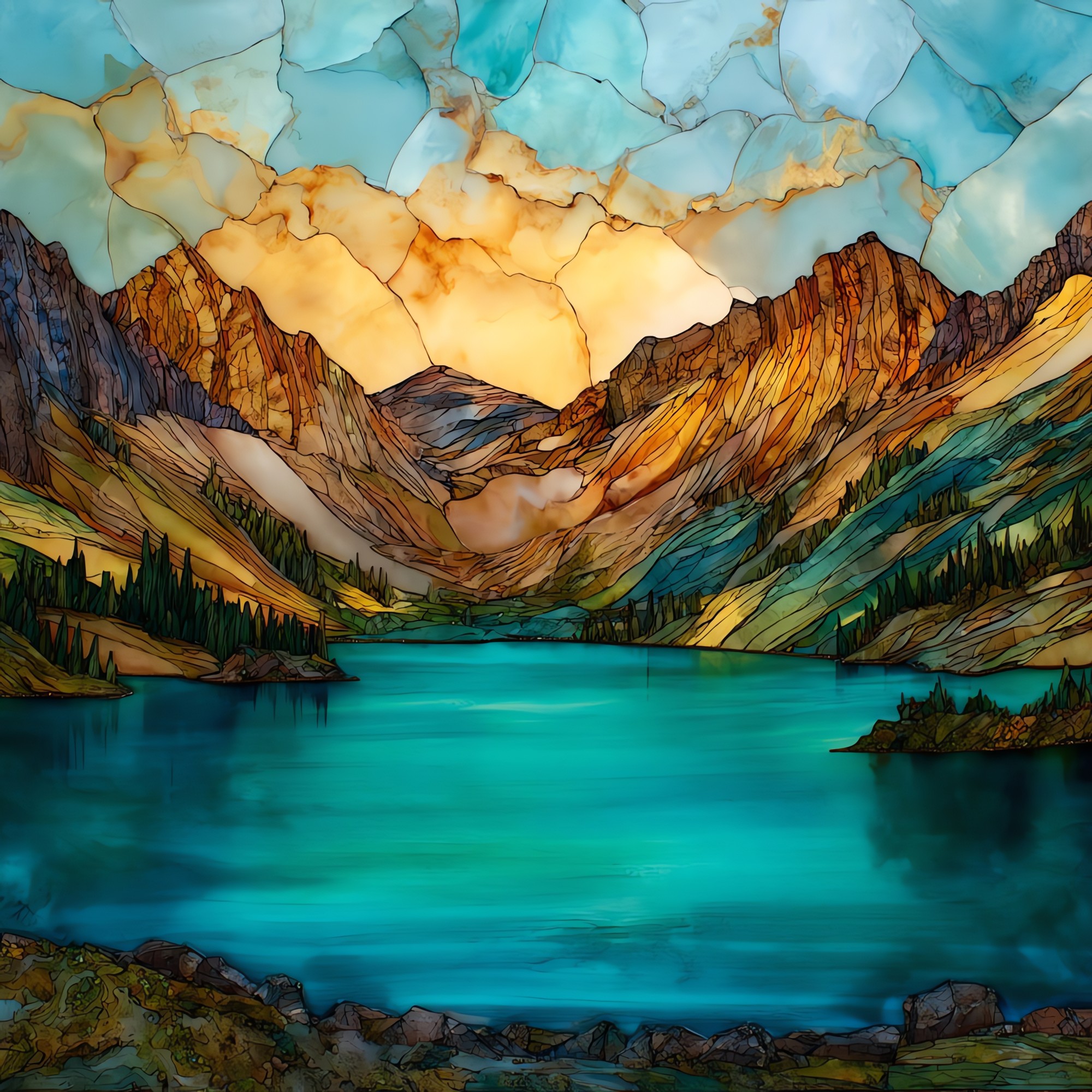
Ice Lake Basin turquoise San Juans Ceramic Art Tile
— the blue the snow becomes.
Not only on a wall.
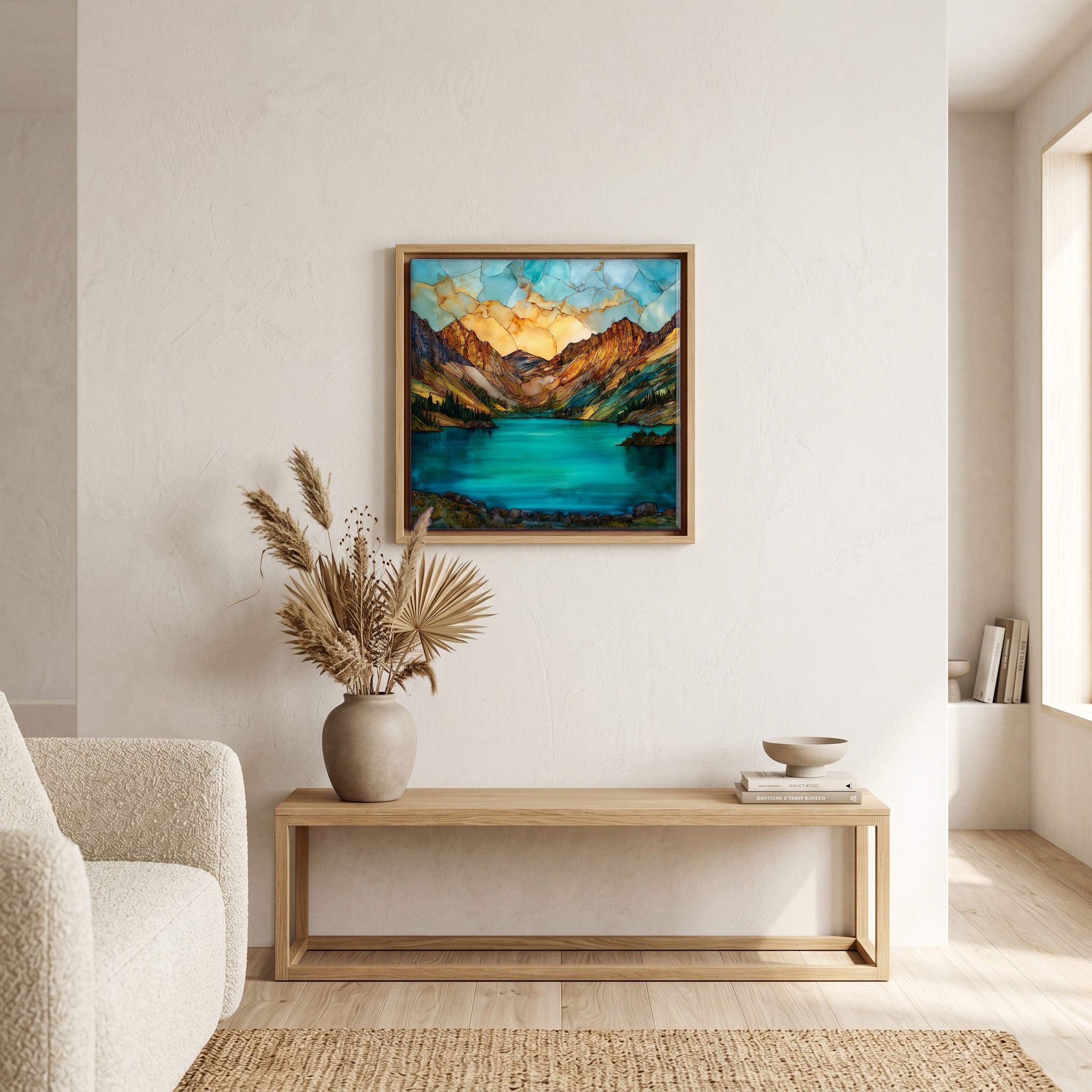
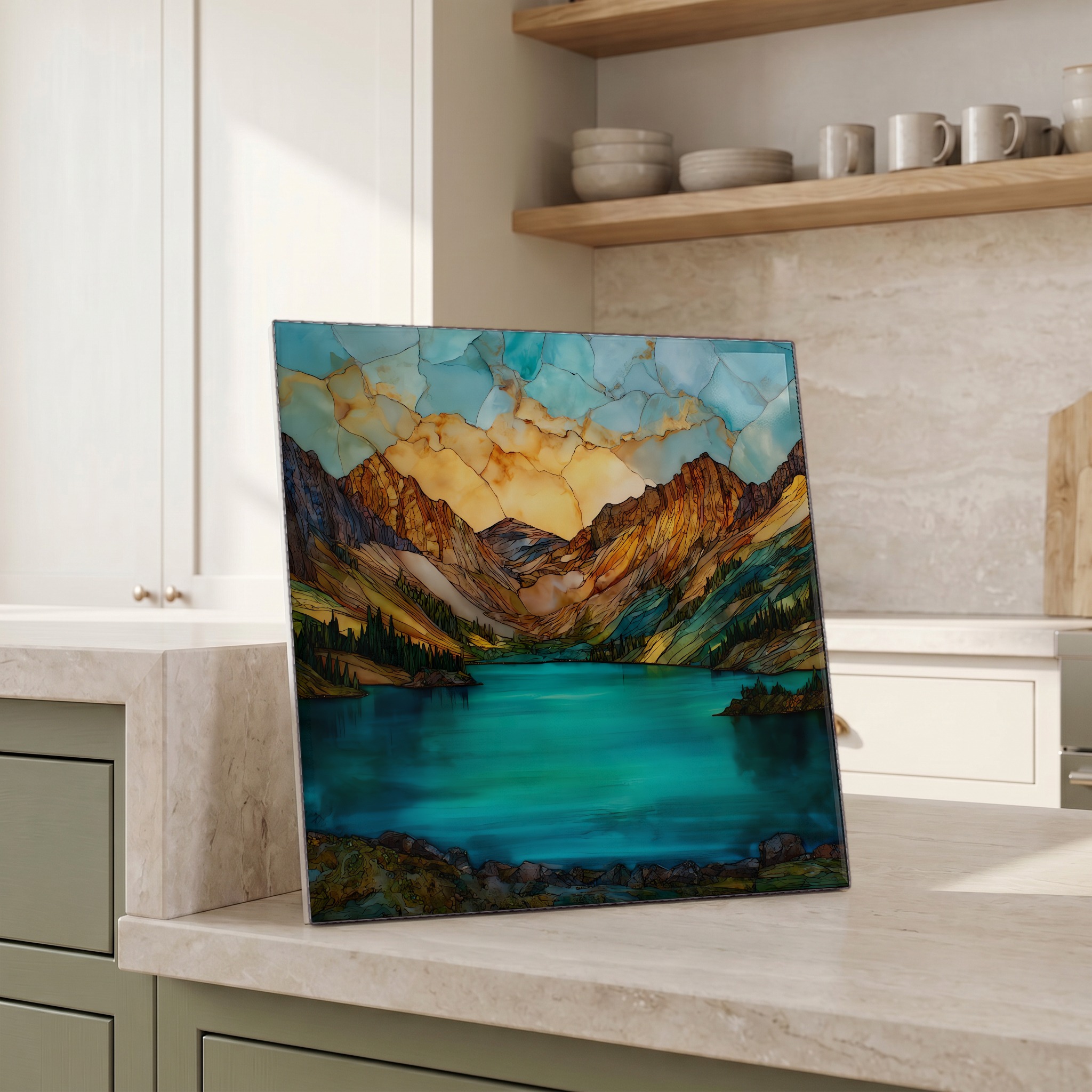
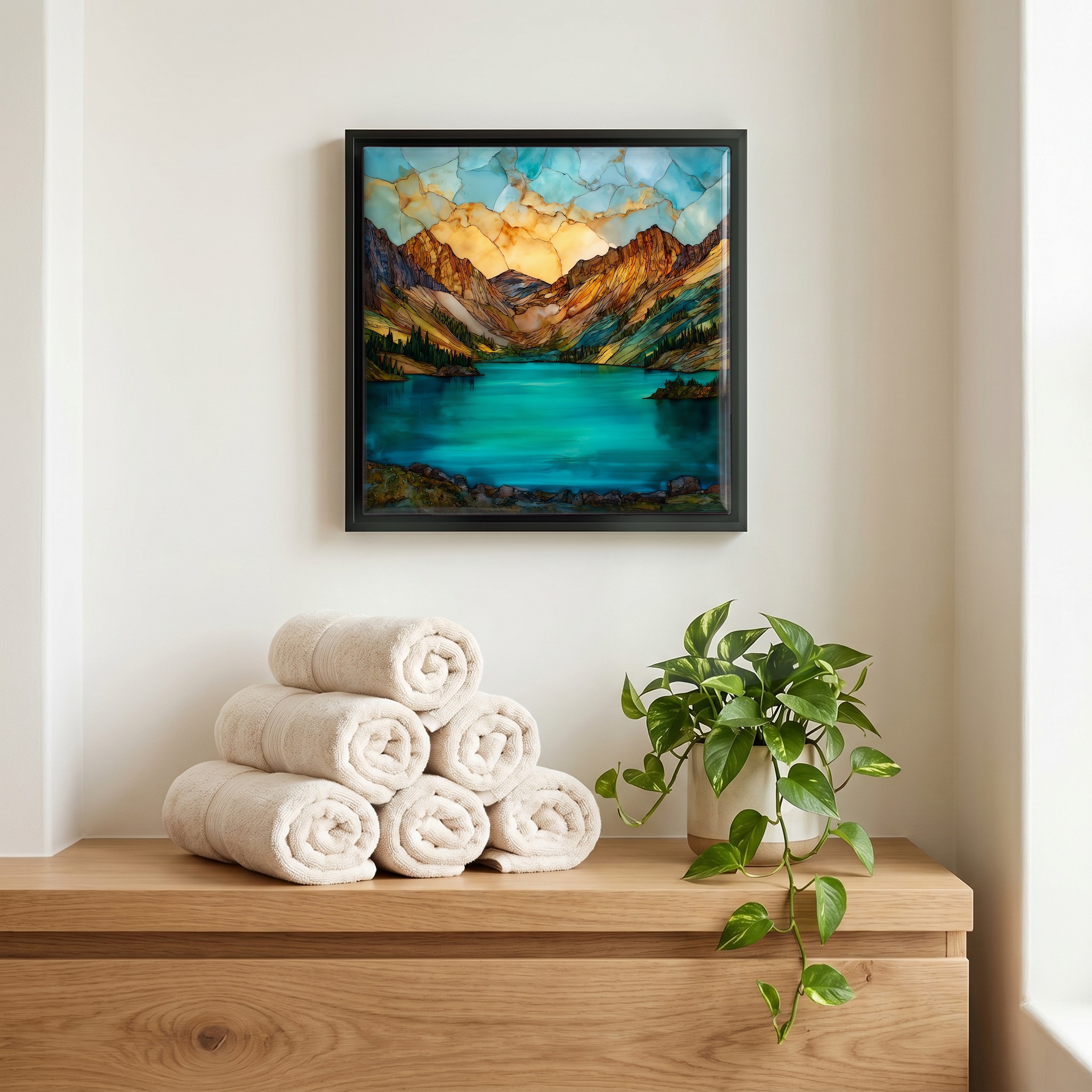
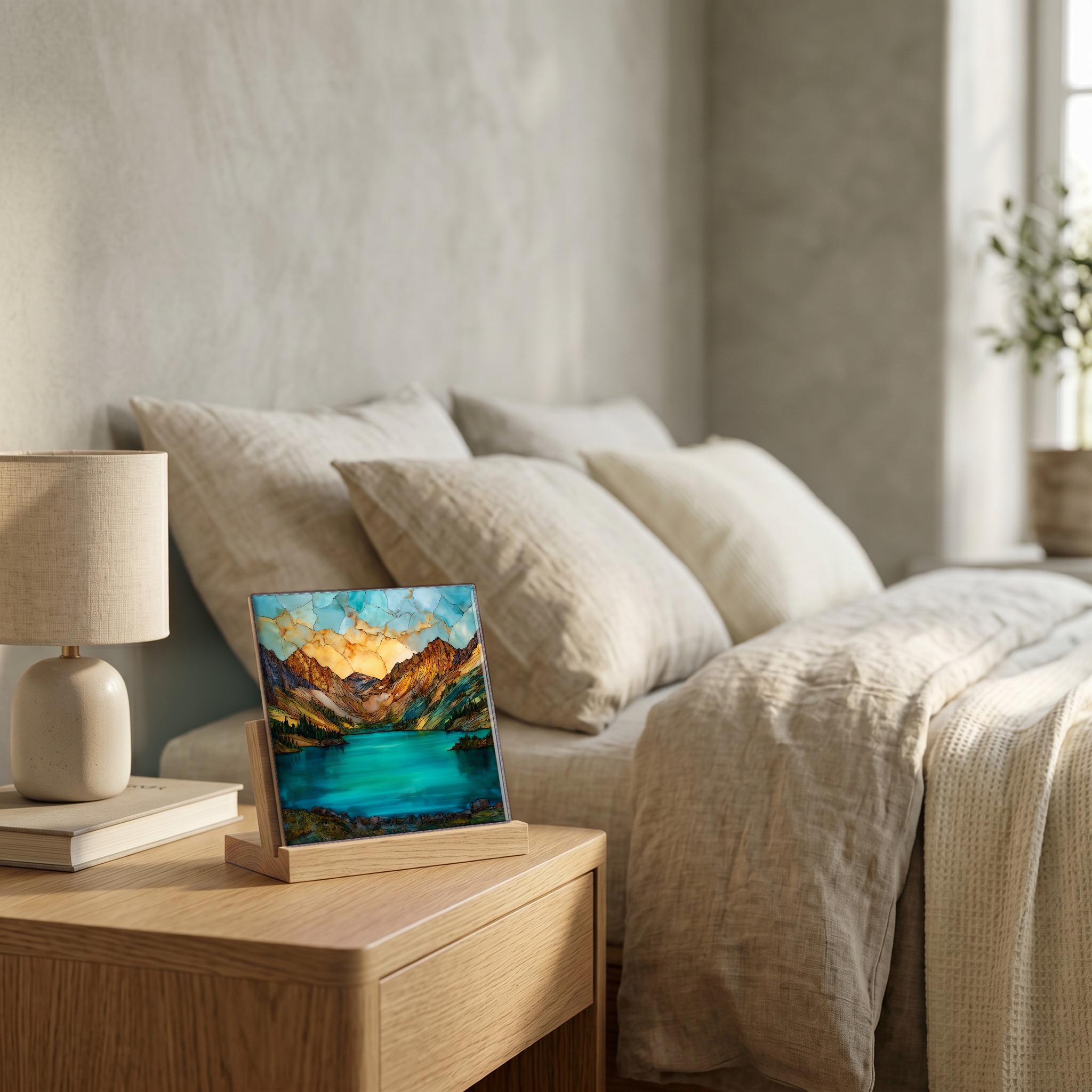
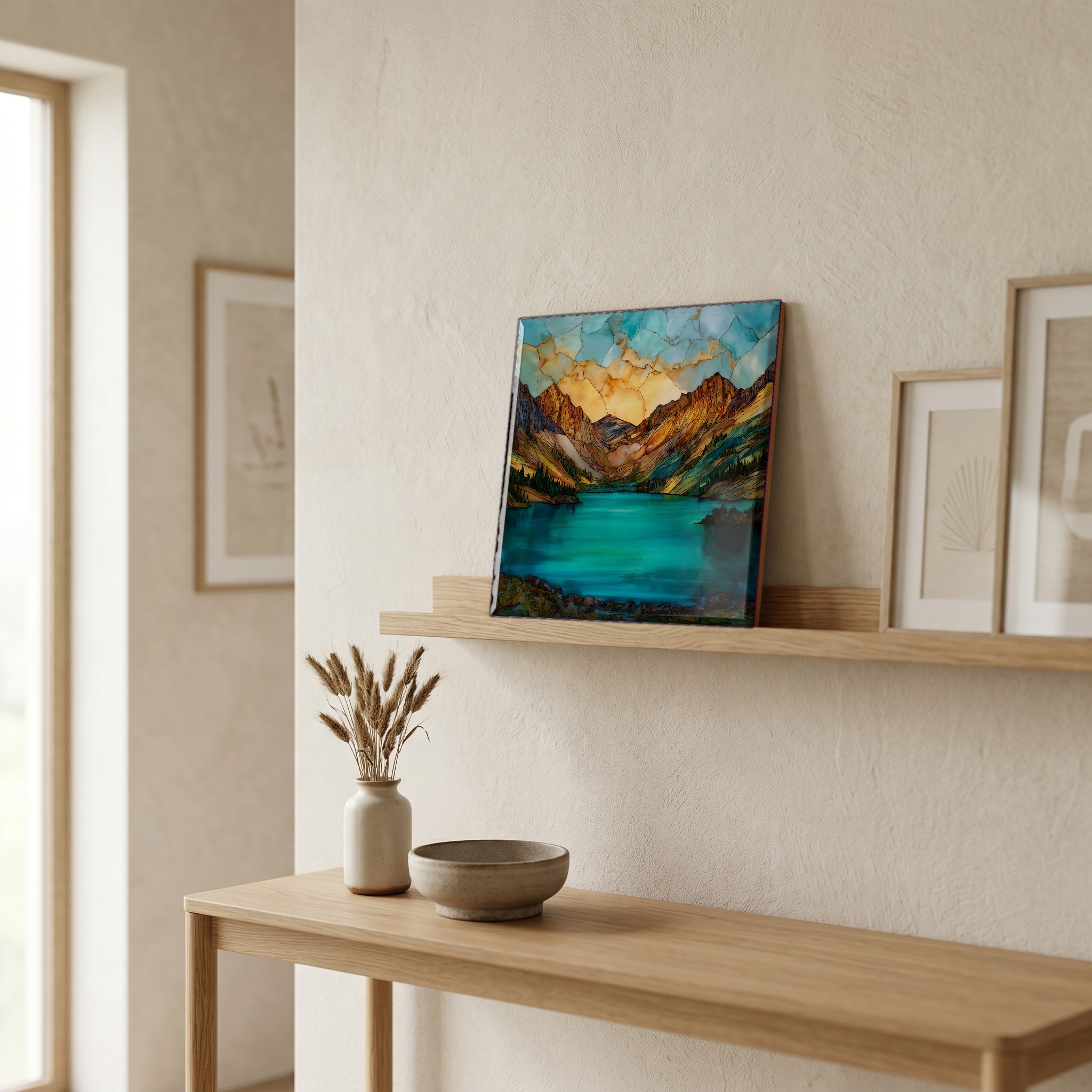
“A glacial lake at 12,257 feet, in a basin ringed by Vermilion Peak and Golden Horn. The same milky turquoise as Lago di Sorapis in the Dolomites — same rock flour from the same kind of slow ice, half a world over. The hike climbs roughly three thousand feet from a trailhead off US 550, up through a basin that burned in 2020 and is coming back. Columbines arrive in late July. The trail is crowded by then, but the lake holds its colour either way.
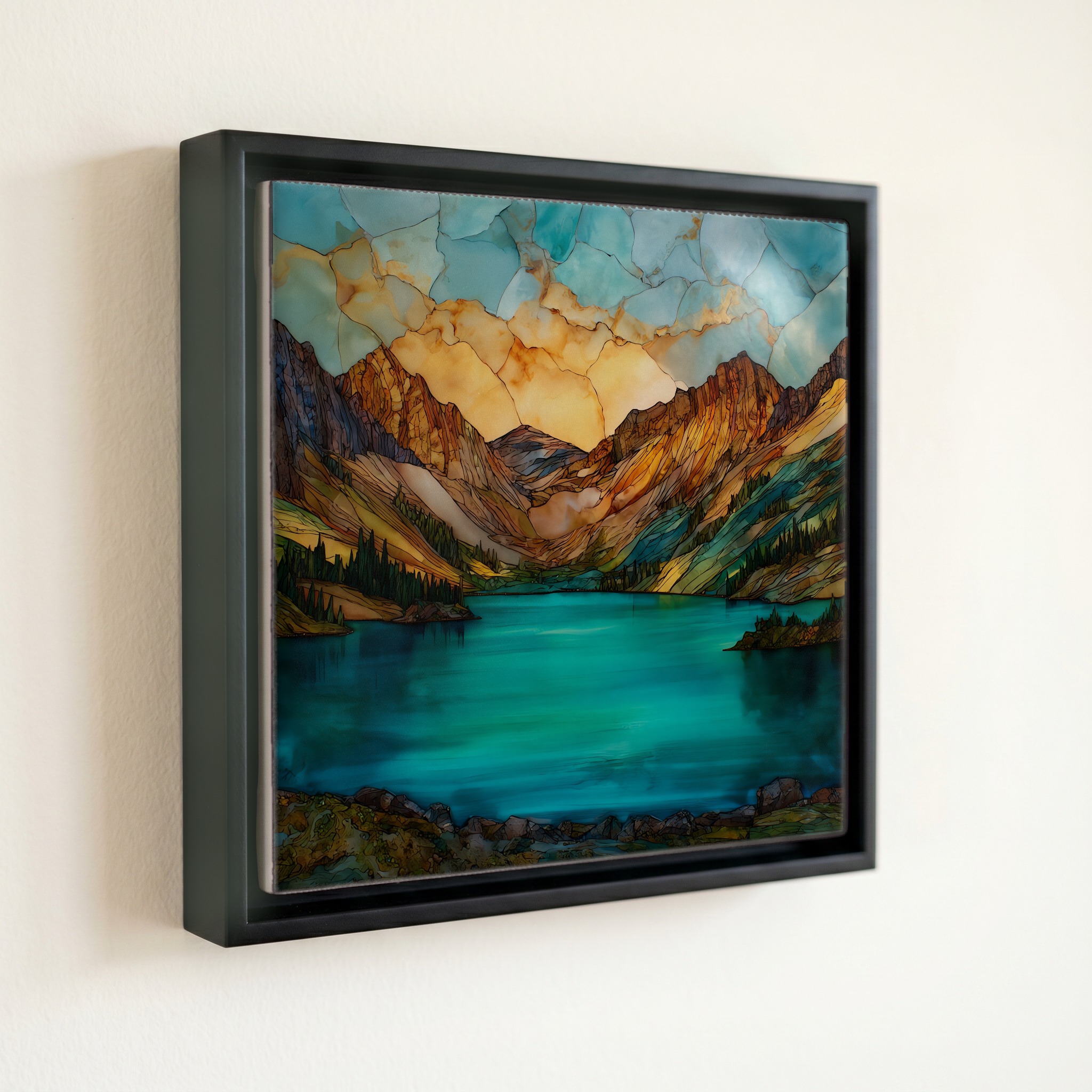
Ice Lake Basin turquoise San Juans Ceramic Art Tile, on ceramic.
Each tile is finished by hand in our Knoxville studio. Artwork is slowly infused into the ceramic surface under high heat and pressure, and rests beneath a thin glossy finish. The colour lives in the surface, not on top of it.
Pick any four 4-inch tiles — National Parks you've been to, a Smokies set, the four seasons of one place. $ for a set of , cork-backed, ready to live on the table.
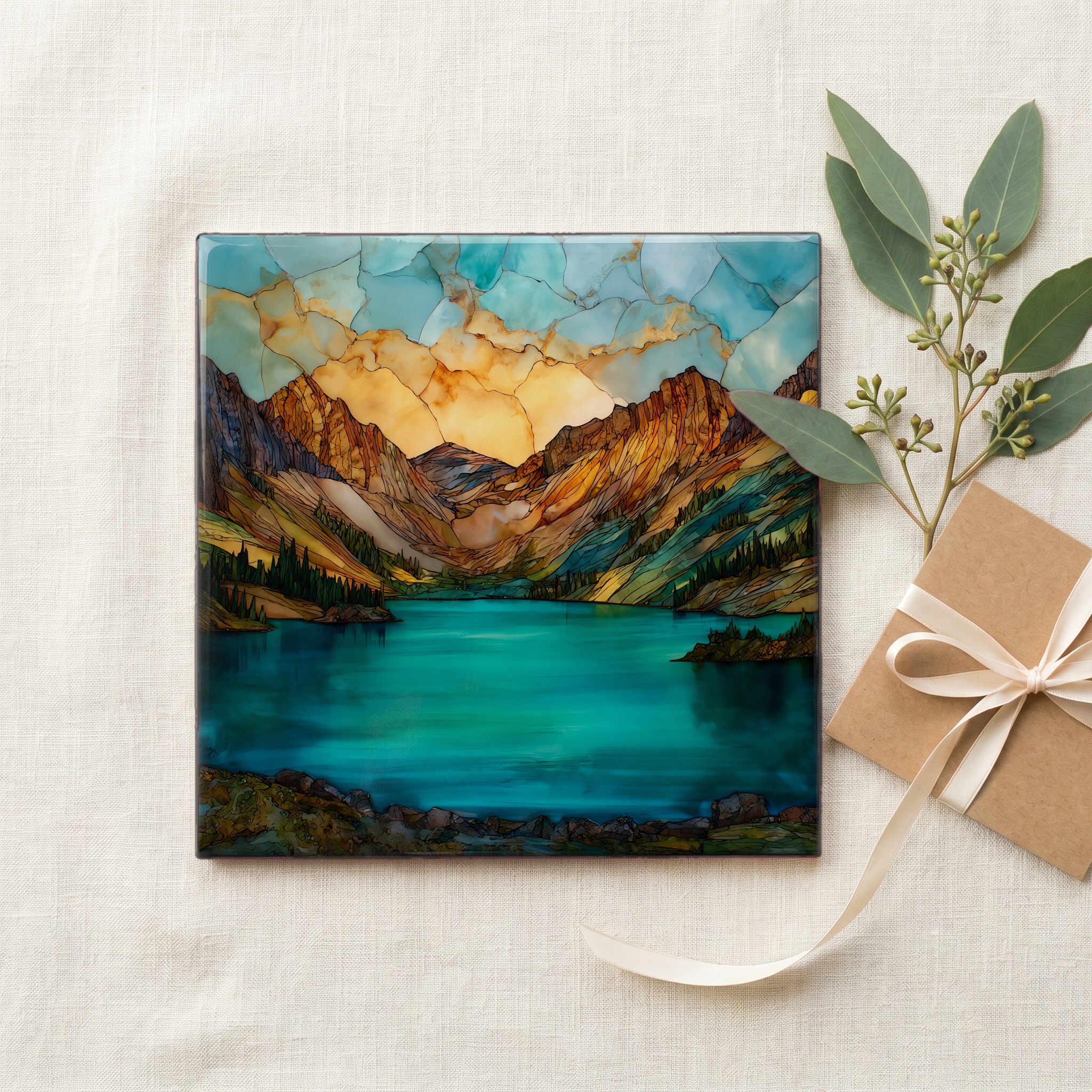
Each tile ships in a kraft box, tied with cream ribbon, with a handwritten note from the studio if you'd like to add one.
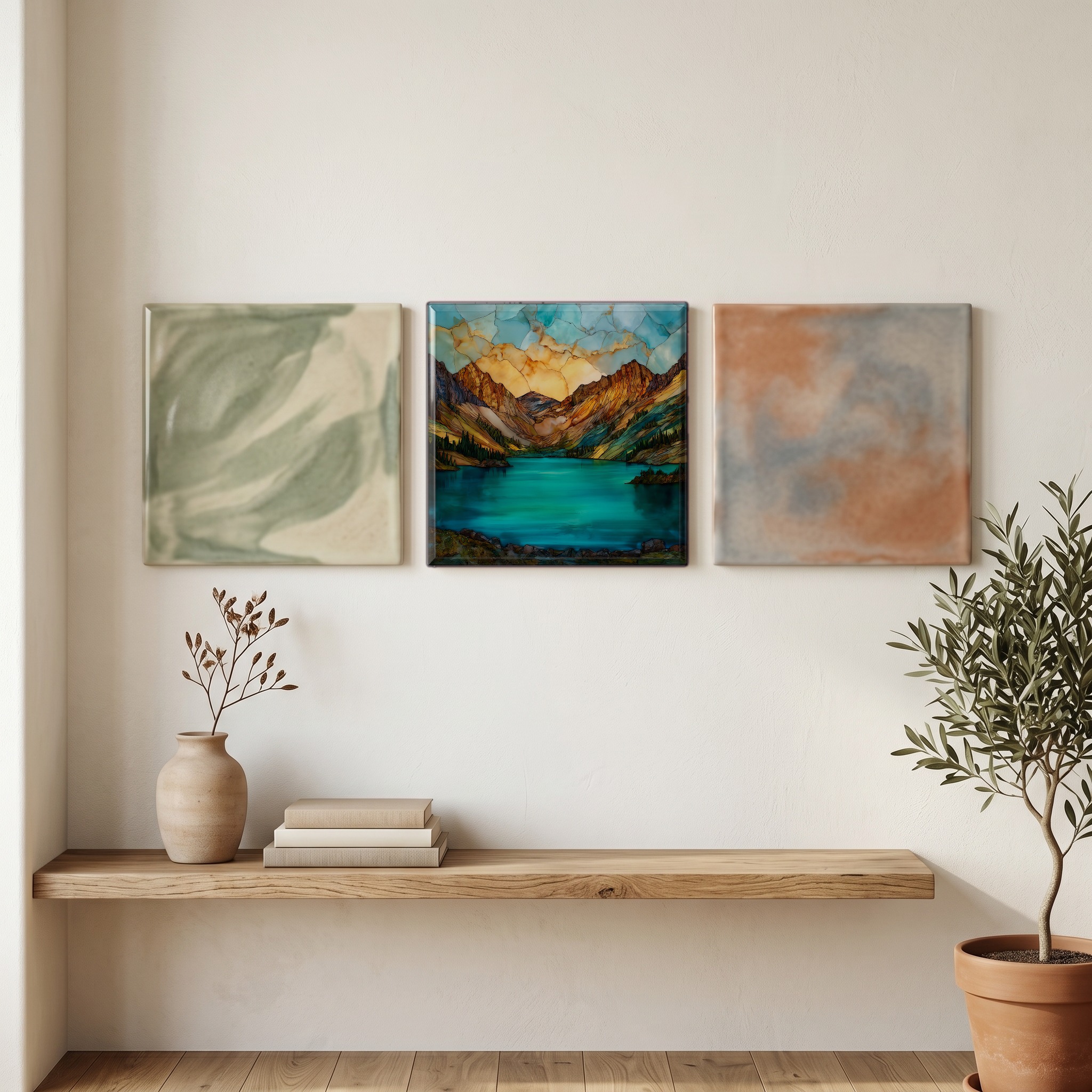
Three or five different vistas, hung together — a chapter of places you've been, or want to go.
The place, in three passes.
Ice Lake Basin sits at roughly 12,257 feet in the San Juan National Forest of southwestern Colorado, about six miles west of Silverton. The trail leaves the South Mineral Campground at 9,830 feet, climbs through aspen and spruce, and crosses two waterfalls before opening into a basin ringed by Vermilion Peak (13,894 ft), Golden Horn (13,780 ft), Pilot Knob (13,744 ft), and Fuller Peak. A second cirque a mile above holds Island Lake at 12,390 feet, beneath U.S. Grant Peak. Round trip to Ice Lake is about 7 miles with 2,430 feet of gain; to Island Lake, 8.4 miles. The trailhead road branches off US 550, the San Juan Skyway.
The milky turquoise comes from rock flour — extremely fine particles of mineral sediment that the slow grinding of alpine ice leaves suspended in meltwater. The particles scatter the shorter wavelengths of sunlight, so the lake reads as turquoise rather than the deeper blue of clearer water. The same mechanism colours Lago di Sorapis in the Italian Dolomites, Lake Pukaki at the foot of Aoraki / Mount Cook in New Zealand, and Moraine Lake in the Canadian Rockies. At Ice Lake the effect is intensified by the pale andesite and limestone of the surrounding peaks, and by the basin's open aspect — the lake is in full sun by mid-morning and holds the colour through the afternoon.
The basin is accessible roughly from late June, when the upper switchbacks clear of snow, through late September. Wildflowers — blue columbine (Colorado's state flower), larkspur, paintbrush, chiming bells, and alpine forget-me-nots — peak from mid-July through early August. The 2020 Ice Fire burned 596 acres in the lower drainage, and the Forest Service kept the trail closed through September 15, 2021 while weakened trees and post-fire erosion were addressed. The trail has since reopened and the lower forest is regrowing. Visitation runs 100 to 600 hikers per day in July and August; backpackers should plan for a high-impact corridor and pack out all waste, including human waste.