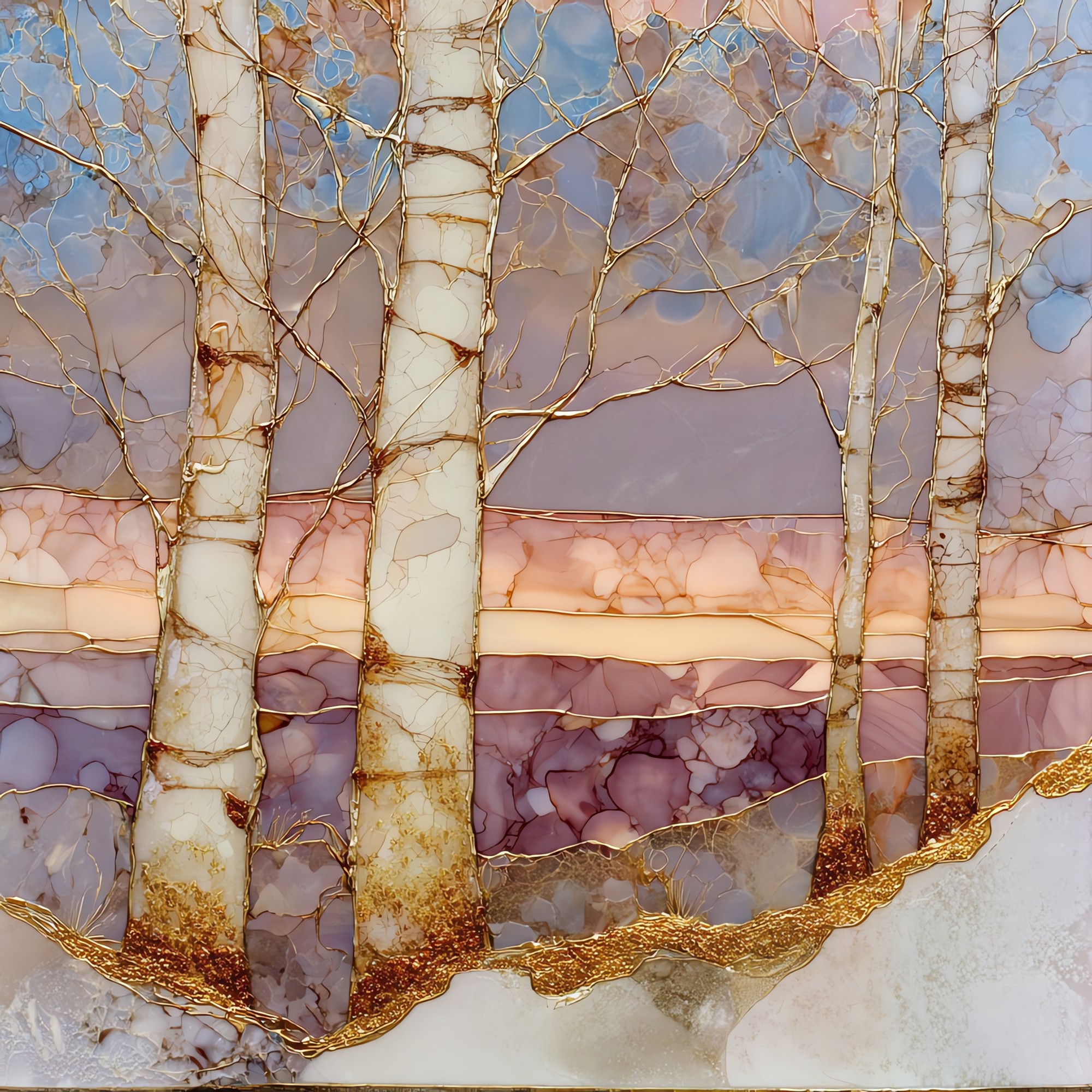
Hoarfrost Yampa Valley Ceramic Art Tile
— — the morning the river left lace on every branch.
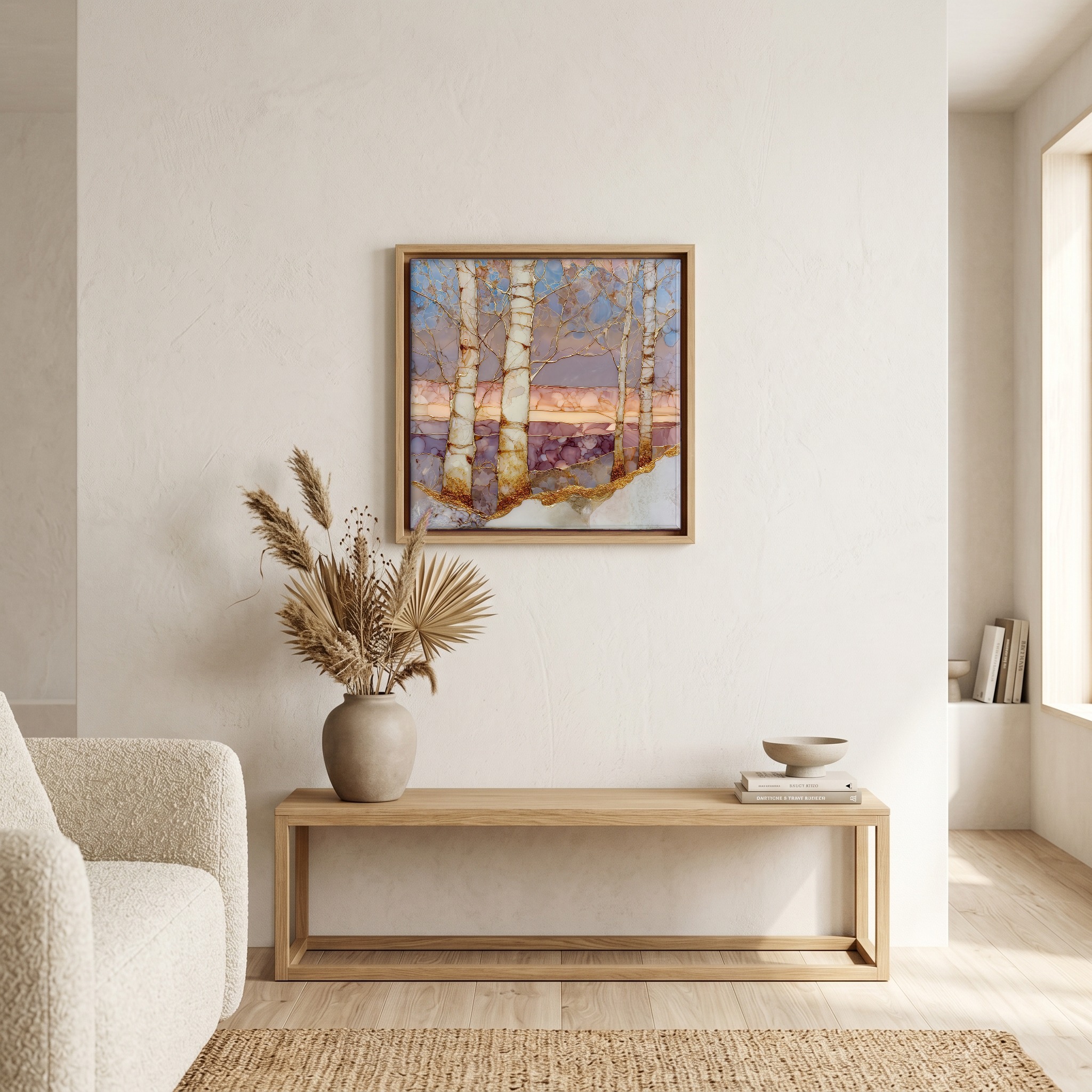
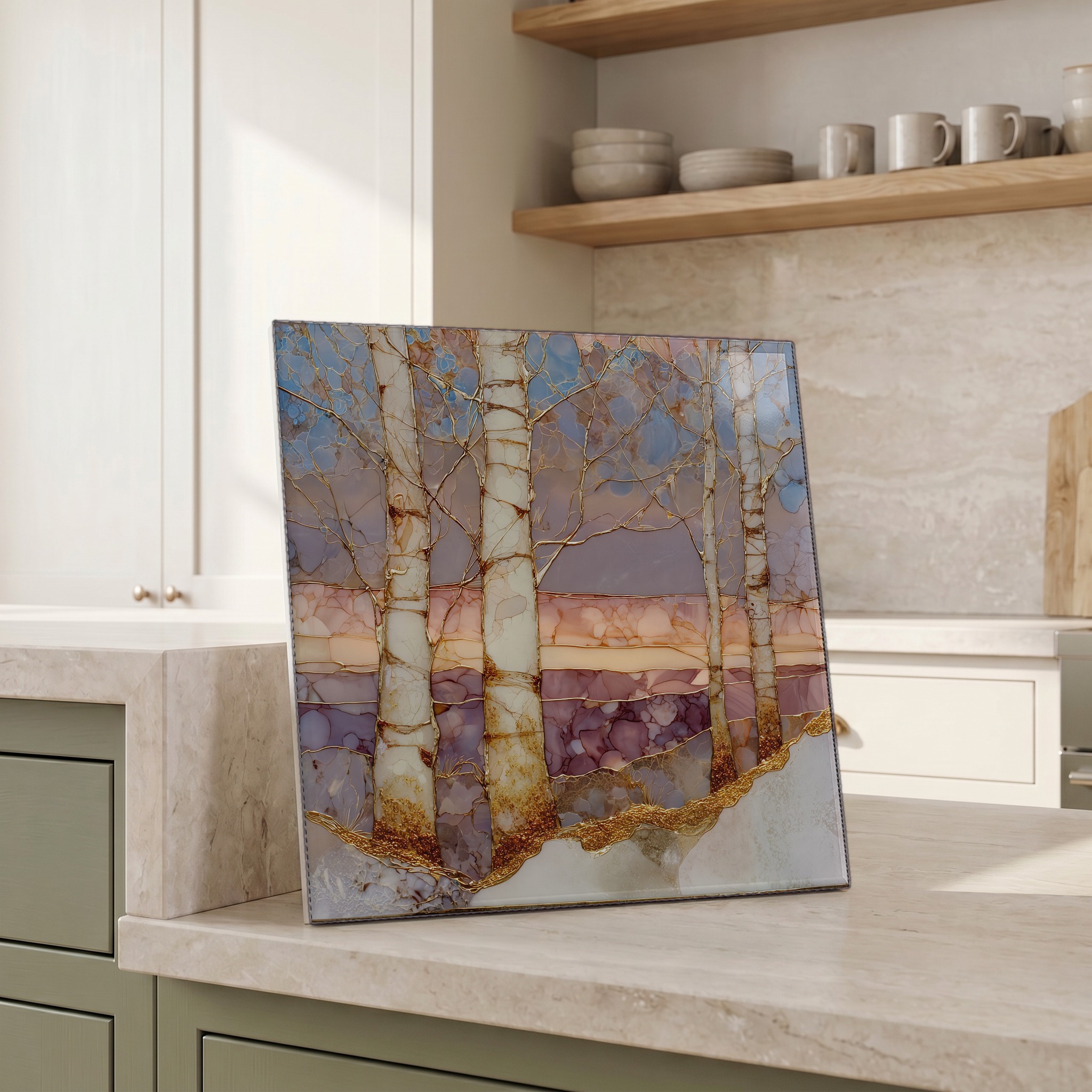
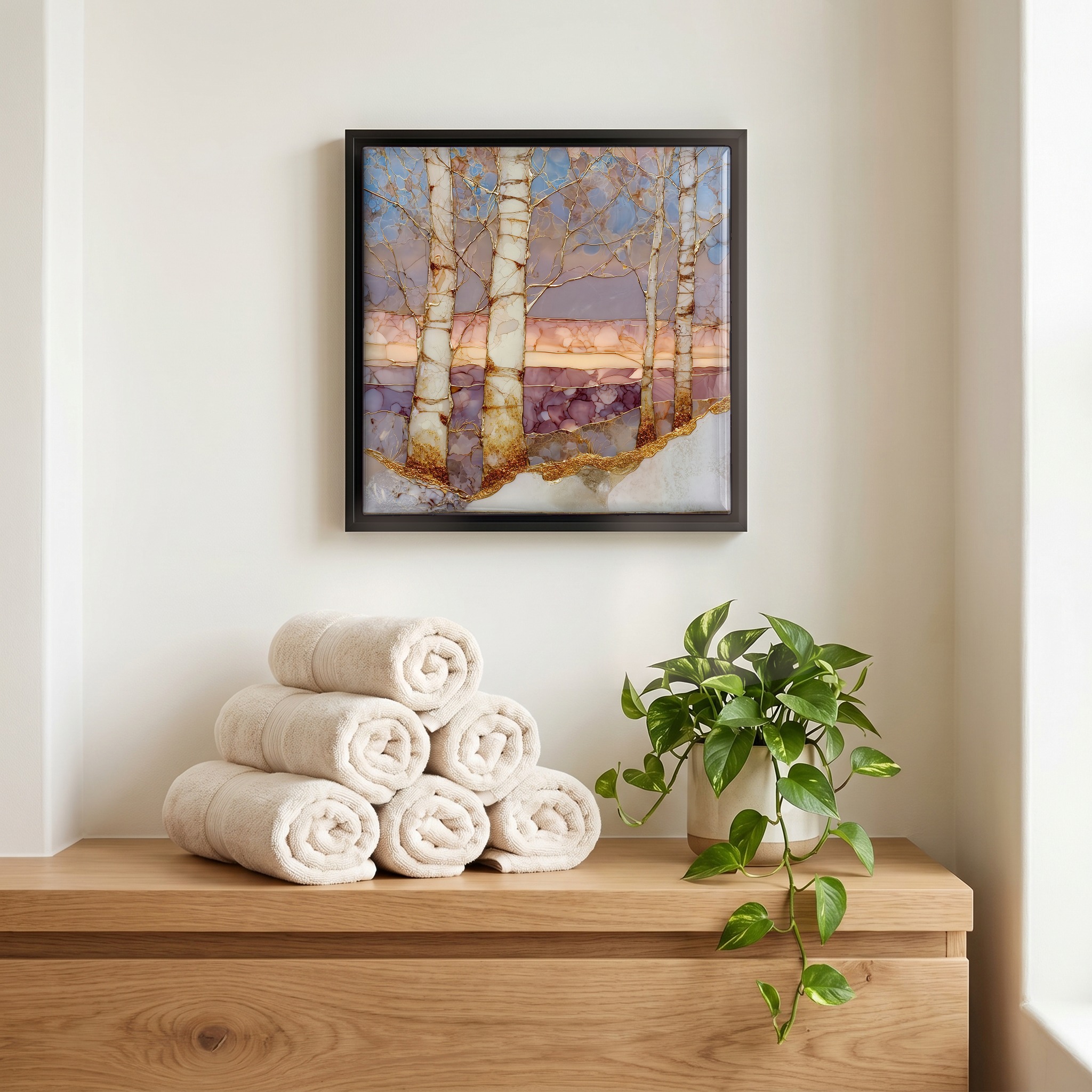
Not only on a wall.

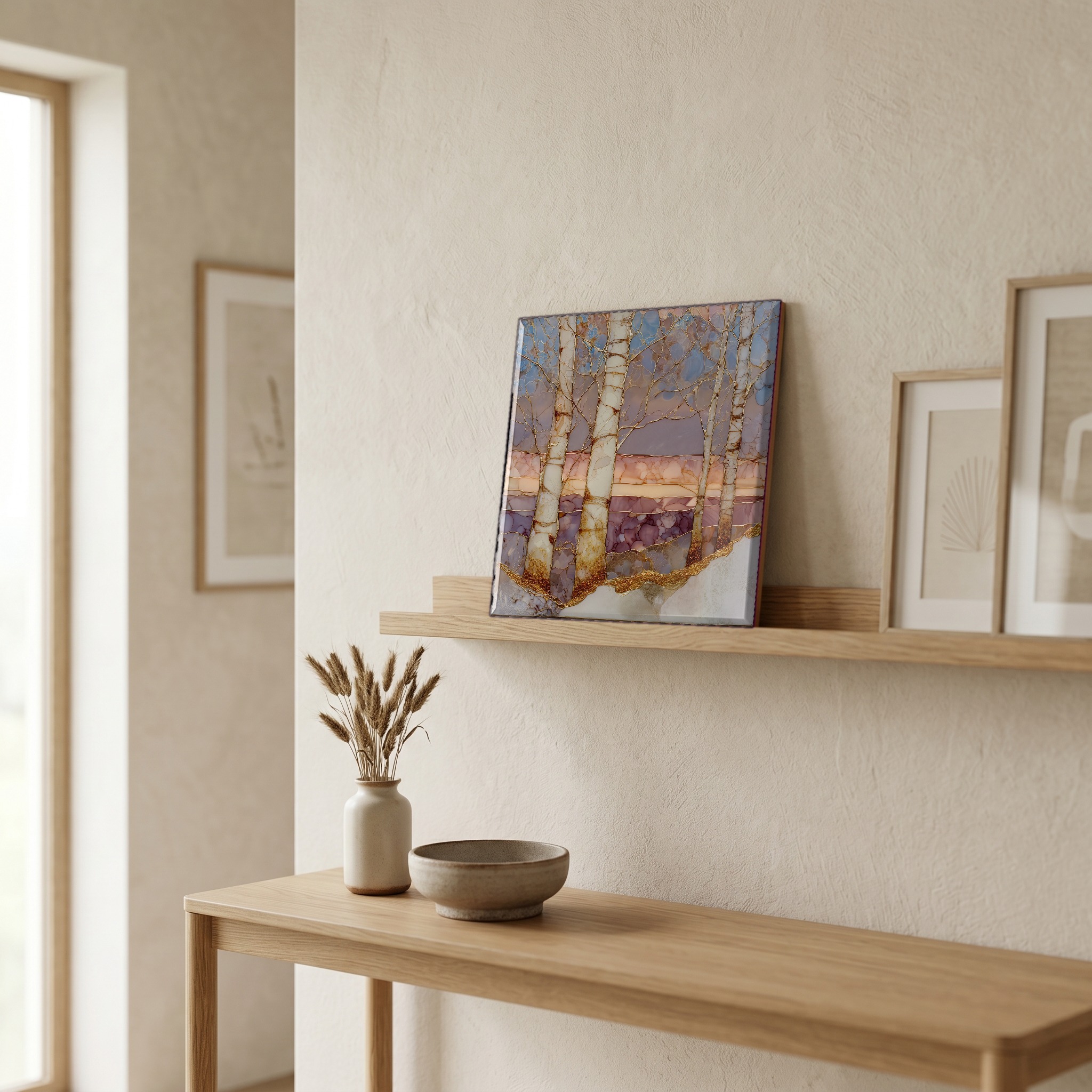
“A basin in northwest Colorado where the Yampa River runs through ranchland and the air sits cold for weeks in winter. The river stays open in long stretches; the vapour rising off it meets the still air over the valley floor and crystallises overnight. By morning the willows along the bank are dressed in white feathers, every branch coated, the whole bottom of the valley quiet and brittle. Photographers come for this. Locals just call it a cold morning.
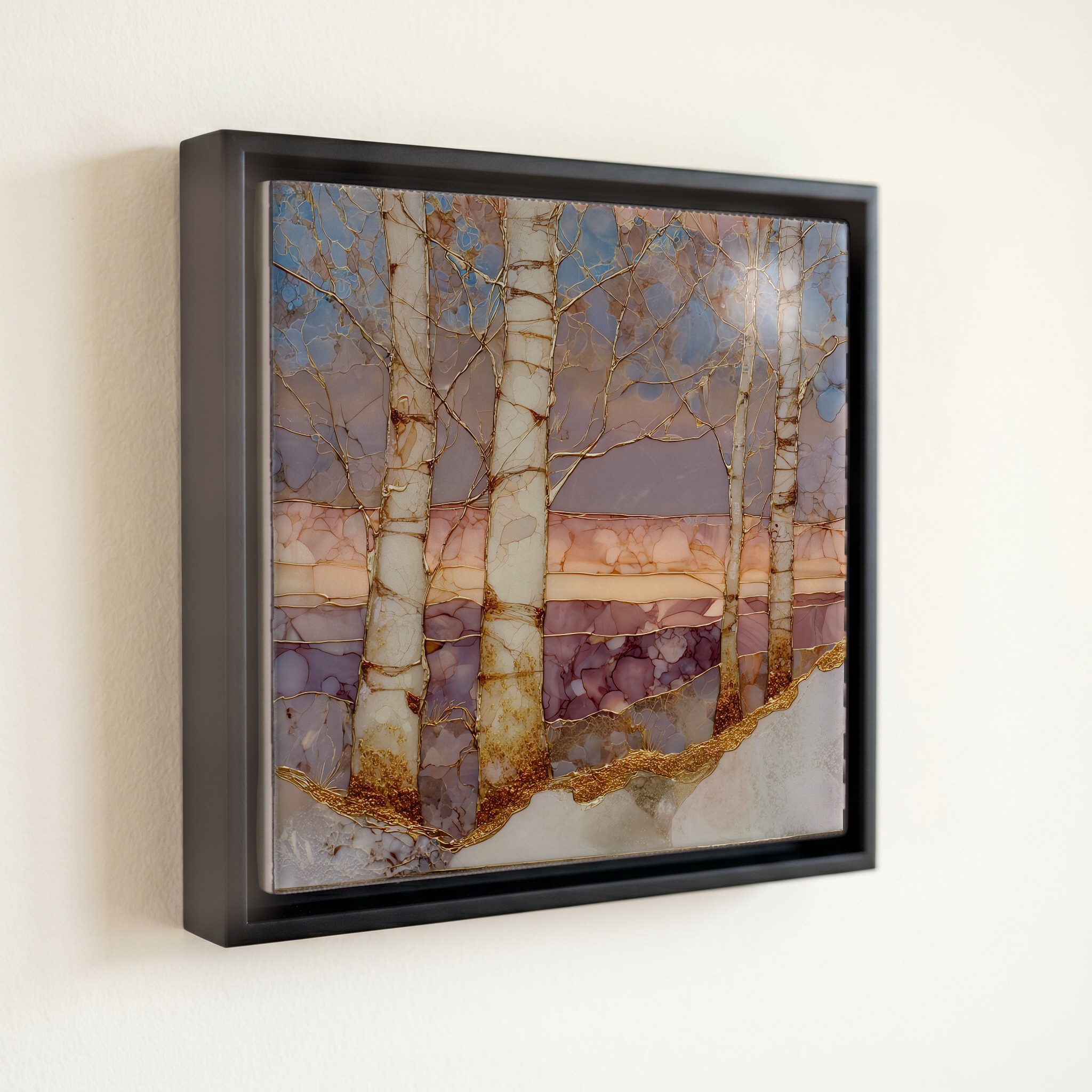
Hoarfrost Yampa Valley Ceramic Art Tile, on ceramic.
Each tile is finished by hand in our Knoxville studio. Artwork is slowly infused into the ceramic surface under high heat and pressure, and rests beneath a thin glossy finish. The colour lives in the surface, not on top of it.
Pick any four 4-inch tiles — National Parks you've been to, a Smokies set, the four seasons of one place. $ for a set of , cork-backed, ready to live on the table.
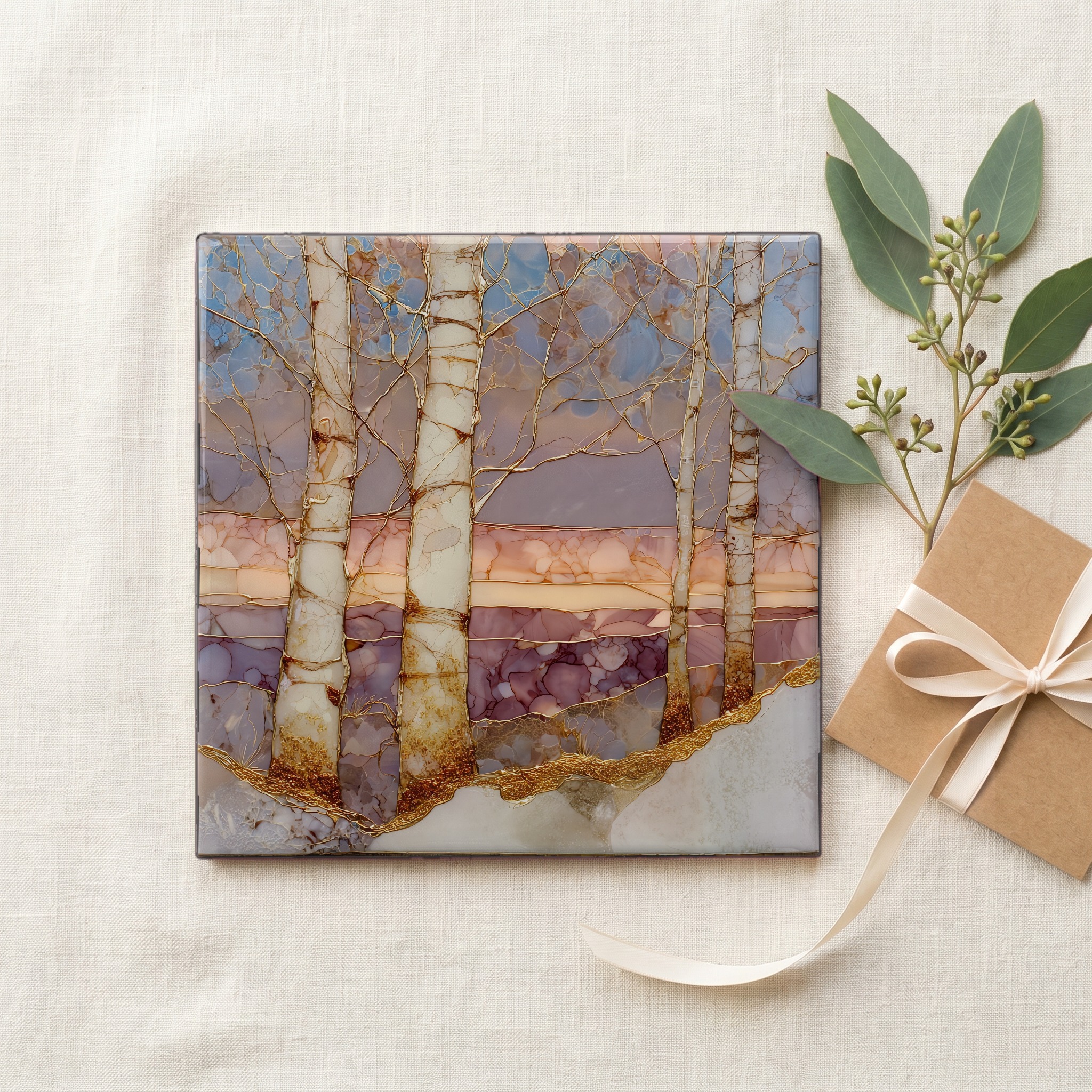
Each tile ships in a kraft box, tied with cream ribbon, with a handwritten note from the studio if you'd like to add one.
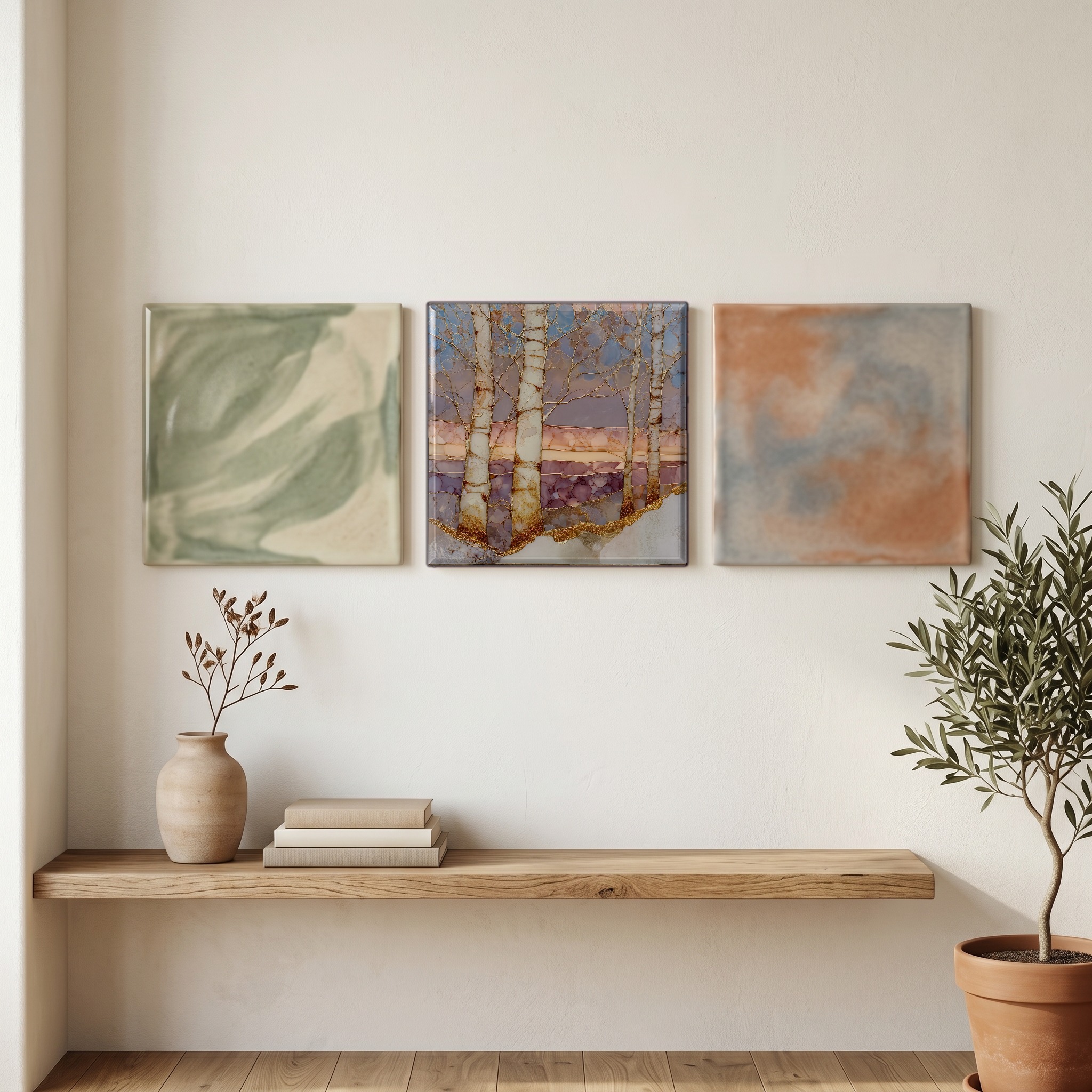
Three or five different vistas, hung together — a chapter of places you've been, or want to go.
The place, in three passes.
The Yampa Valley is a basin in northwest Colorado, drained by the Yampa River as it runs west from headwaters in the Flat Tops Wilderness toward its confluence with the Green River near Dinosaur National Monument. The valley floor centres on Steamboat Springs, a ranching and ski town at about 6,732 feet (2,052 m) in Routt County. The Park Range rises to the east, anchored by Mount Werner above the ski area; the Flat Tops sit to the south. The Yampa is one of the last largely free-flowing tributaries in the upper Colorado River system, with no major mainstem dam, which keeps the river open and braided through much of the winter even as the surrounding peaks ice over.
Hoarfrost forms in the Yampa Valley because the open river keeps the air just damp enough through deep winter. Water vapour rising off unfrozen stretches near Steamboat Springs is trapped overnight by cold air sliding down off the Park Range and pooling on the valley floor. When surfaces along the bank fall below roughly -10°C (14°F) on a still, clear night, the vapour deposits directly as ice in feather-shaped crystals on every cottonwood twig and willow branch. The deepest cold gathers in the bottoms below Mount Werner, where overnight lows in the negative teens or colder are routine in January. The National Weather Service forecast office in Grand Junction tracks these inversions through the heart of winter.
The thickest hoarfrost shows in the coldest weeks of winter, typically mid-January through mid-February, when overnight lows in Steamboat Springs settle into the negative teens or colder. The crystals form on still nights after clearing skies and a clean radiative cool-down, and they collapse off the branches as soon as the sun reaches the valley floor, usually within an hour or two of dawn. Photographers work the Yampa River corridor at first light, when the willows and cottonwoods along the bank are still coated. Steamboat's ski season runs late November through early April, and the best frost mornings tend to cluster mid-season, when the valley inversion is most reliable.