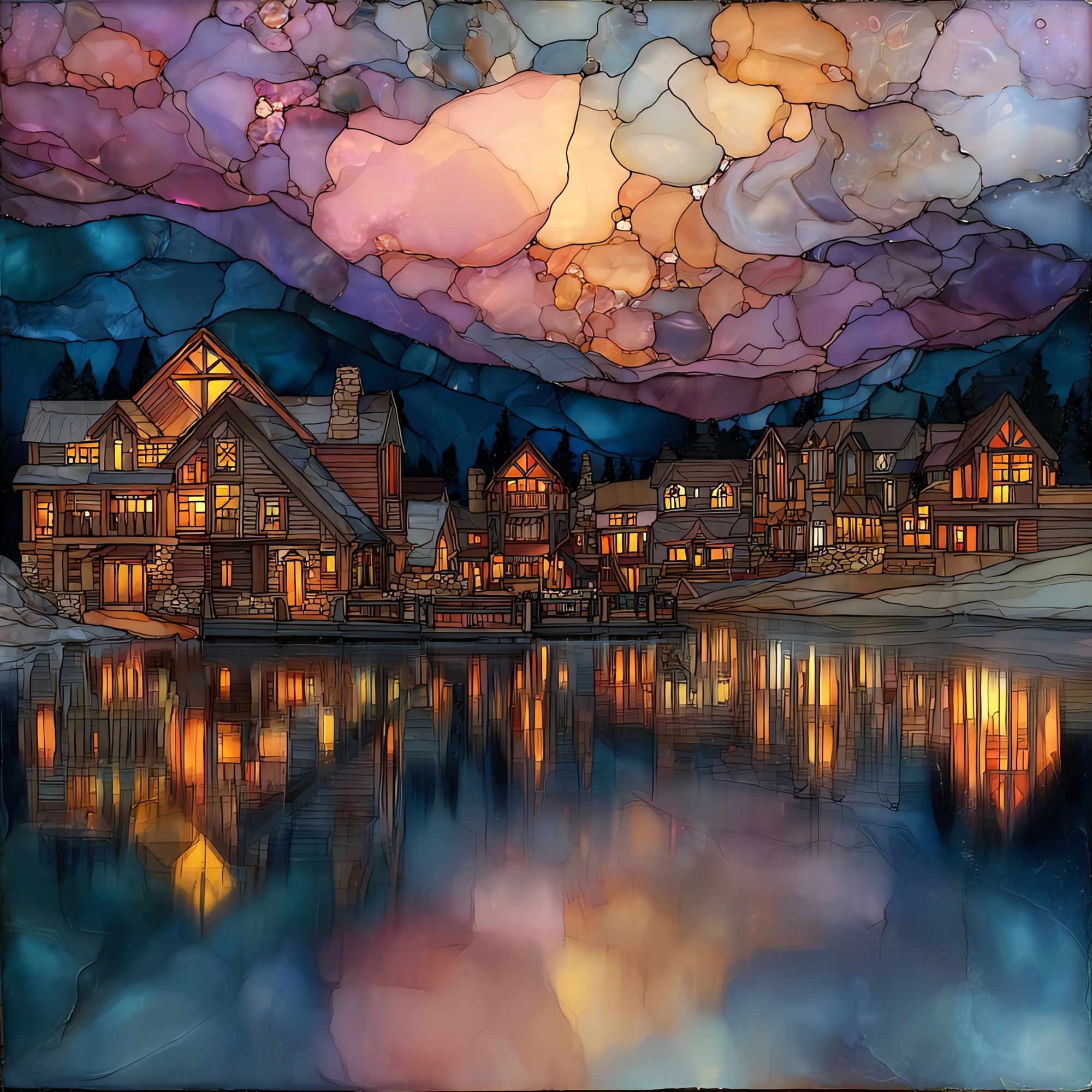
Grand Lake at twilight Rocky Mountain National Park Ceramic Art Tile
— — the colour the divide gives the water last.
Not only on a wall.
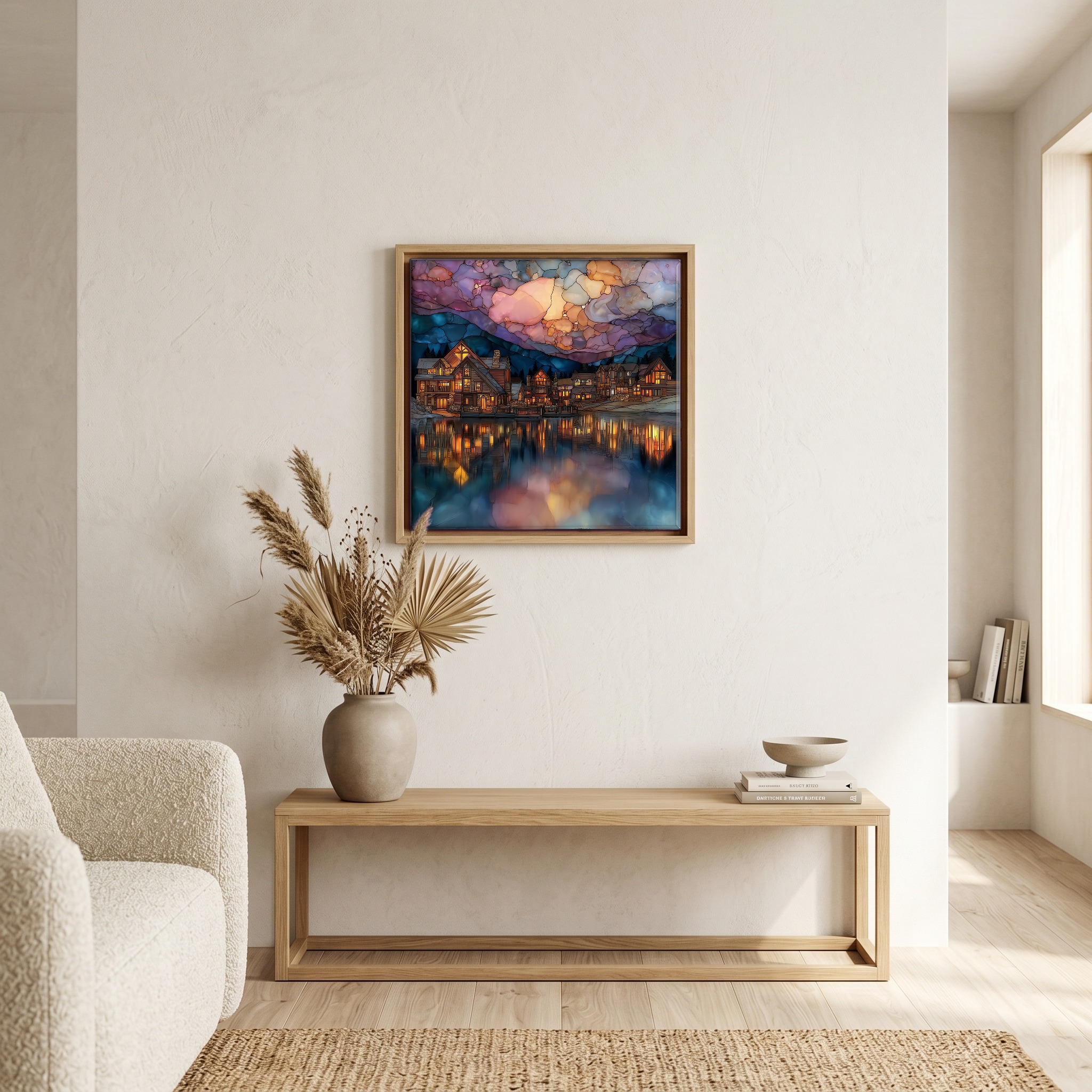


“The west side of Rocky Mountain National Park, where Colorado's largest natural lake sits at 8,369 feet against the Continental Divide. The Ute called it Spirit Lake. At dusk the high country keeps its colour last, Mount Craig above the south shore and the long ridge to the east, while the valley below has already gone to shadow. The water holds the sky for a long minute after the peaks finally cool. The wooden boardwalk in town has been there since the early 1900s; the yacht club on the shore, founded in 1902, is the highest registered in the world. People who come up the back way from Granby usually stay through dinner.
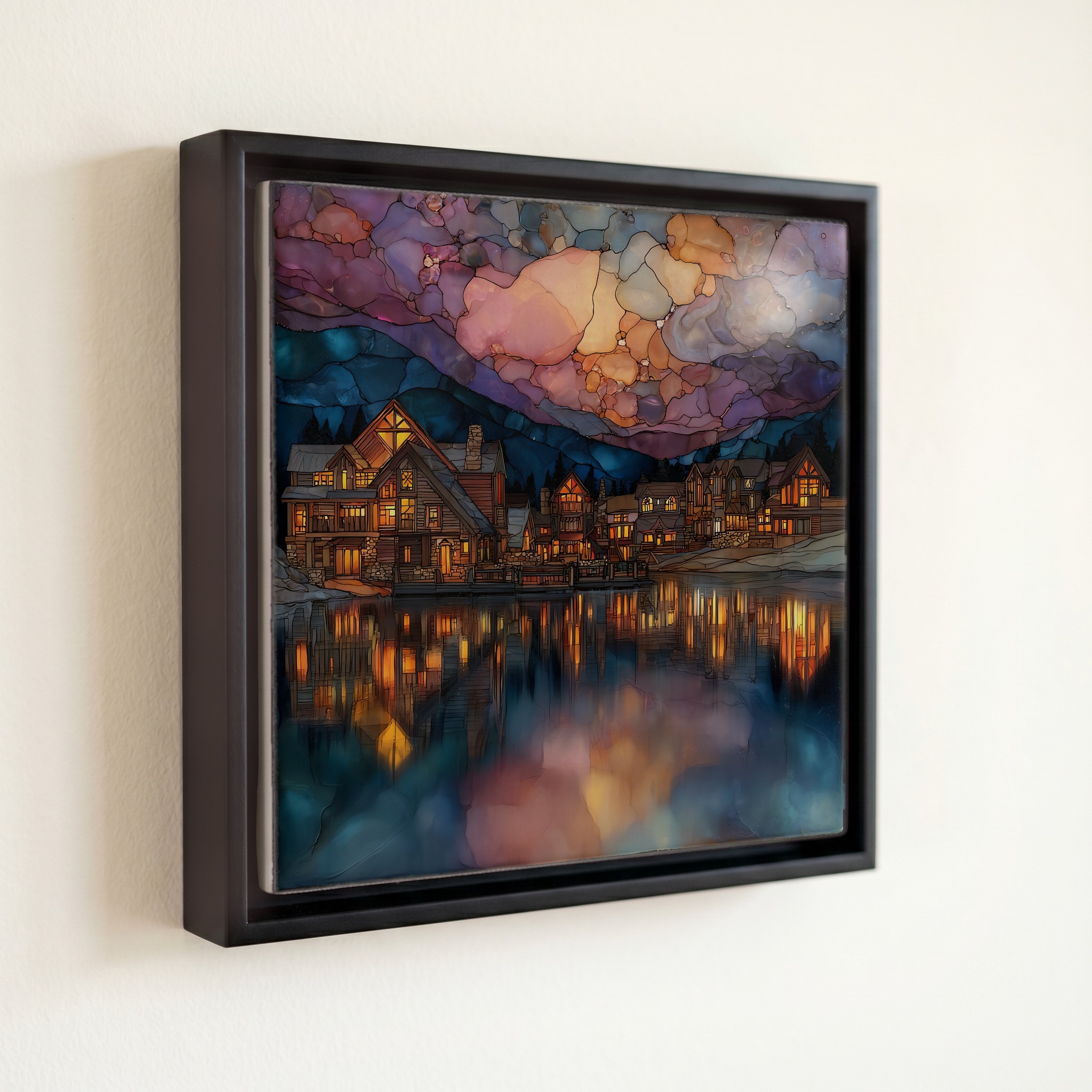
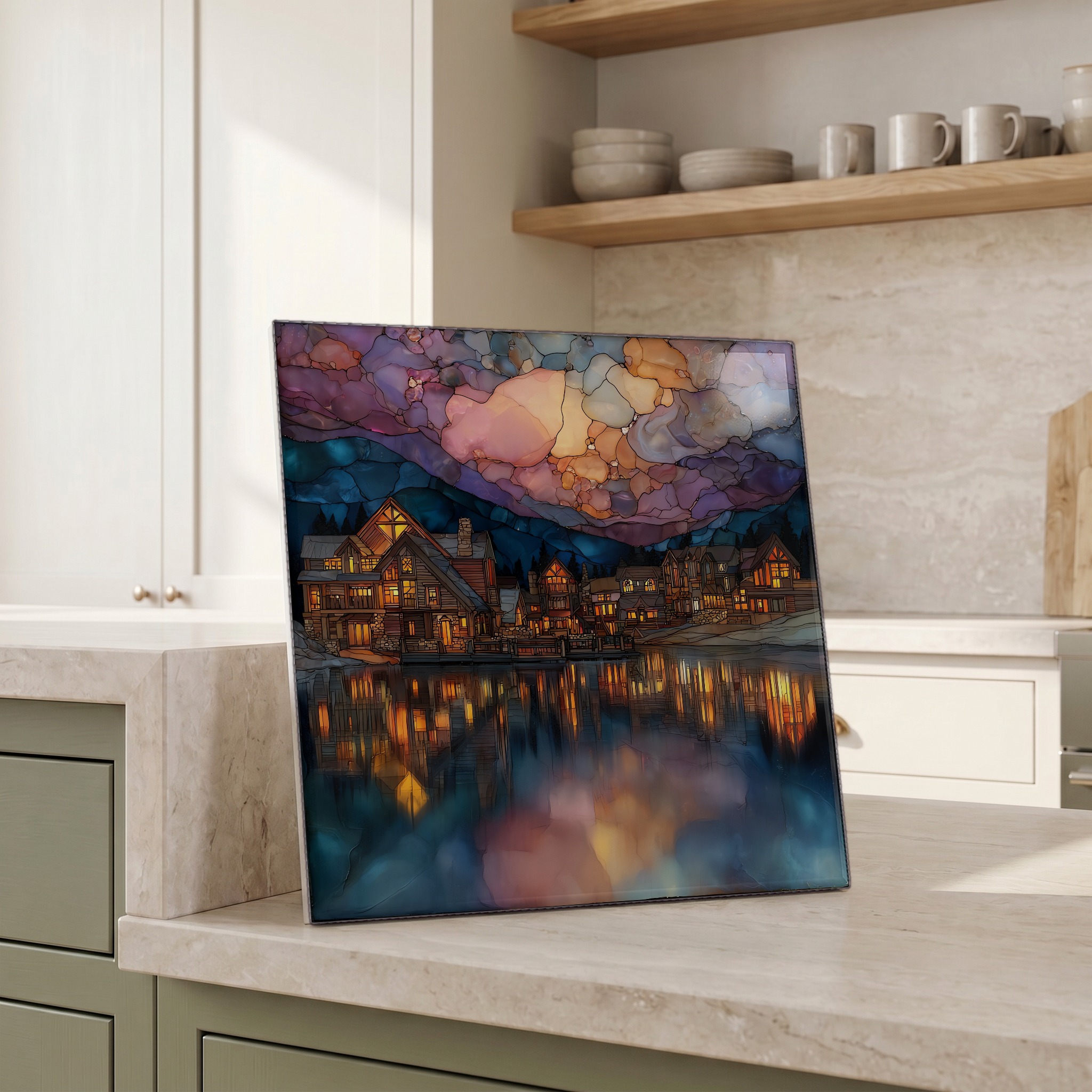
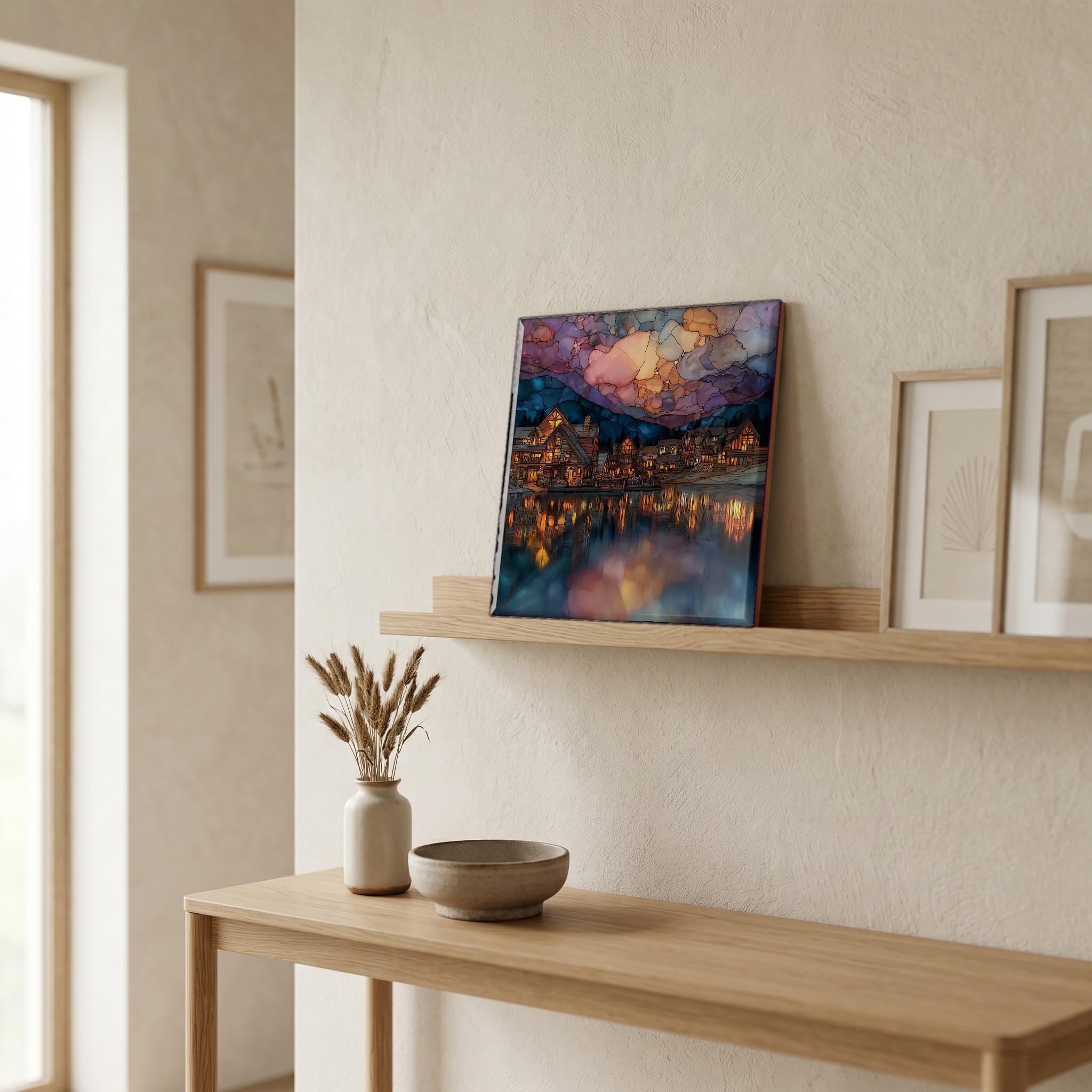
Grand Lake at twilight Rocky Mountain National Park Ceramic Art Tile, on ceramic.
Each tile is finished by hand in our Knoxville studio. Artwork is slowly infused into the ceramic surface under high heat and pressure, and rests beneath a thin glossy finish. The colour lives in the surface, not on top of it.
Pick any four 4-inch tiles — National Parks you've been to, a Smokies set, the four seasons of one place. $ for a set of , cork-backed, ready to live on the table.

Each tile ships in a kraft box, tied with cream ribbon, with a handwritten note from the studio if you'd like to add one.

Three or five different vistas, hung together — a chapter of places you've been, or want to go.
The place, in three passes.
Grand Lake sits at 8,369 feet (2,551 m) on the western edge of Rocky Mountain National Park, in Grand County in north-central Colorado. The Continental Divide rises a few miles to the east; Mount Craig holds the southern shore at 12,007 feet. The lake is the natural headwater of the Colorado River, which leaves through a narrow outlet on the western end and runs about 1,450 miles to the Gulf of California. The town of Grand Lake, on the northwestern shore, has fewer than 500 full-time residents and a wooden boardwalk that has been there since the early 1900s. From the east, Trail Ridge Road (US 34) connects the lake to Estes Park between late May and October.
Grand Lake sits west of the Continental Divide, so the last sun strikes the high east-facing slopes first and the lake second. Peaks above 12,000 feet, including Mount Craig at 12,007 feet at the south end, hold alpenglow for several minutes after the valley has gone to shadow. The water, roughly a mile and a half long and shallow at its edges, mirrors what is left of the sky long after the rim has darkened. The public boardwalk pier and the small beach at the town's east end are the conventional vantages. Twilight at 8,369 feet (2,551 m) runs cooler and thinner than at sea level; a layer helps even in July.
Grand Lake formed when glaciers retreated from the East Inlet and North Inlet valleys at the end of the last ice age, leaving a moraine-dammed basin that reaches roughly 265 feet (81 m) at its deepest point. It is the natural headwater of the Colorado River, which leaves through a narrow western outlet. The Ute, who summered in the basin for generations, called it Spirit Lake; one traditional story tells of a battle on the water said to leave the low mist that still rises on cold mornings. The Colorado-Big Thompson Project, completed in the 1950s, links Grand Lake to Shadow Mountain Lake and Lake Granby just to the south and diverts water east under the Continental Divide through the Alva B. Adams Tunnel.