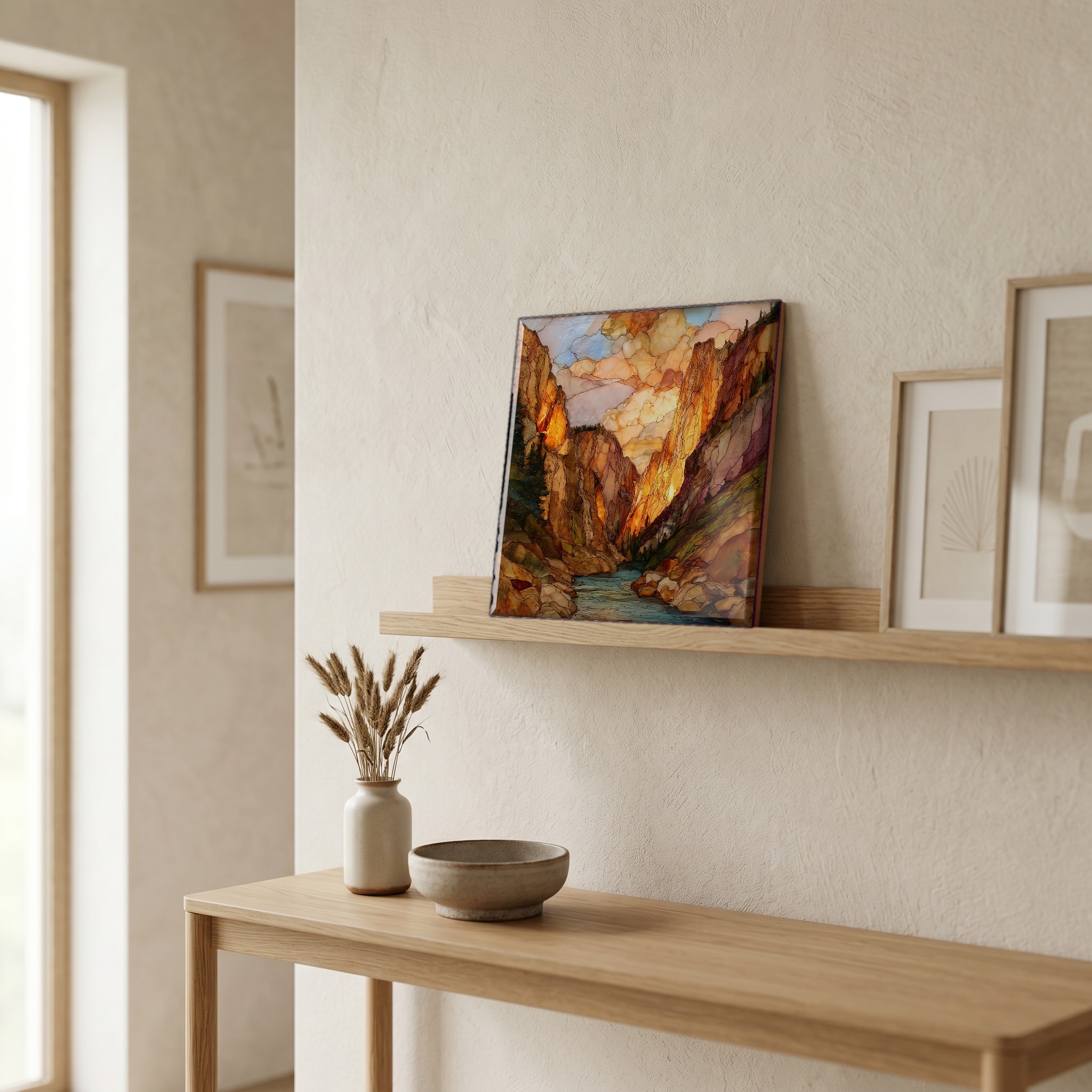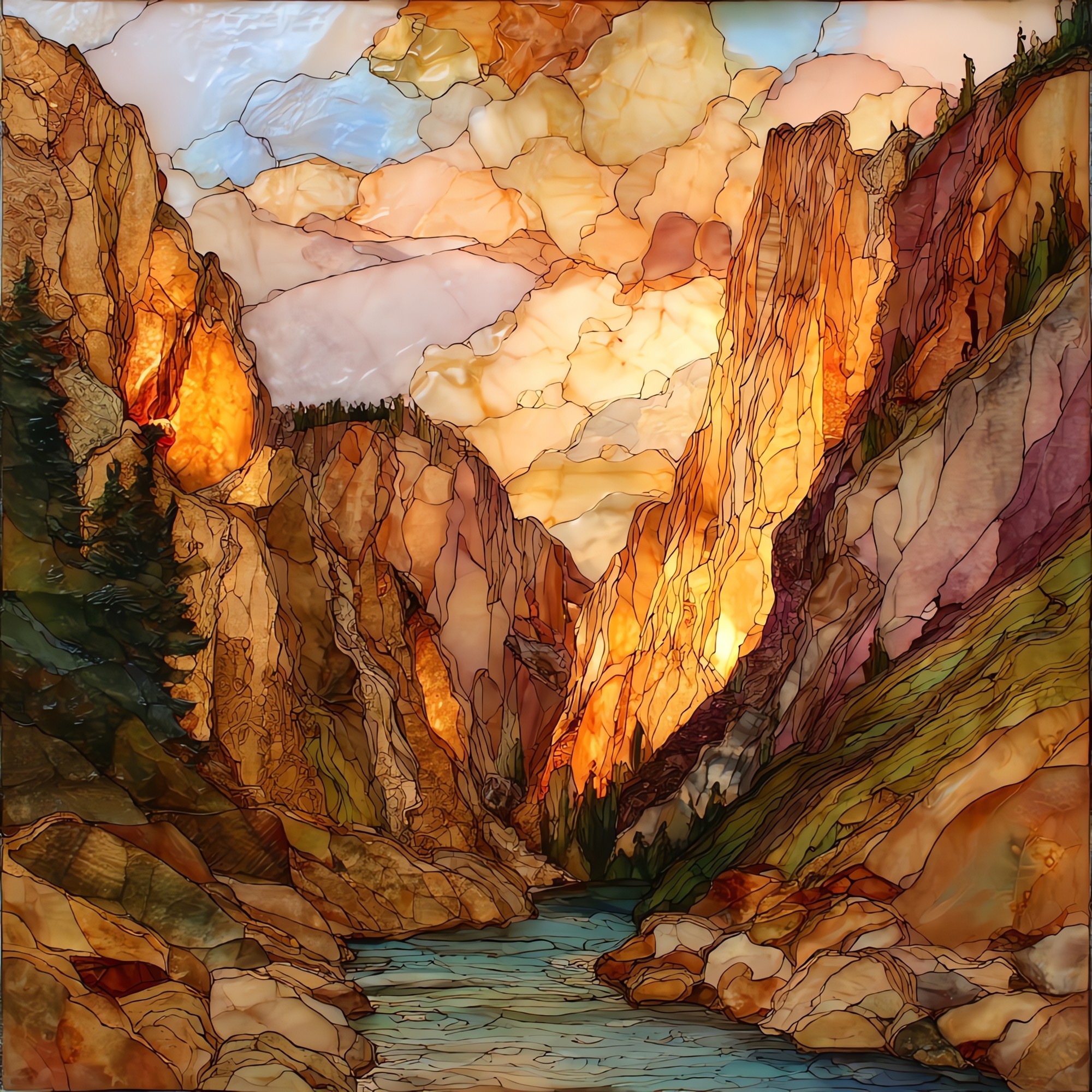
Wender·Vista
Eldorado Canyon climbing walls Front Range Ceramic Art Tile
shown on ceramic, 12-inch tileColorado · United States
in the Front Range south of Boulder

Eldorado Canyon climbing walls Front Range Ceramic Art Tile

red rock the climbers learn by heart.

Where it lives

Not only on a wall.

A small tile on the nightstand catching the morning. A larger one above the fire. Yours, wherever you spend the slow hours.
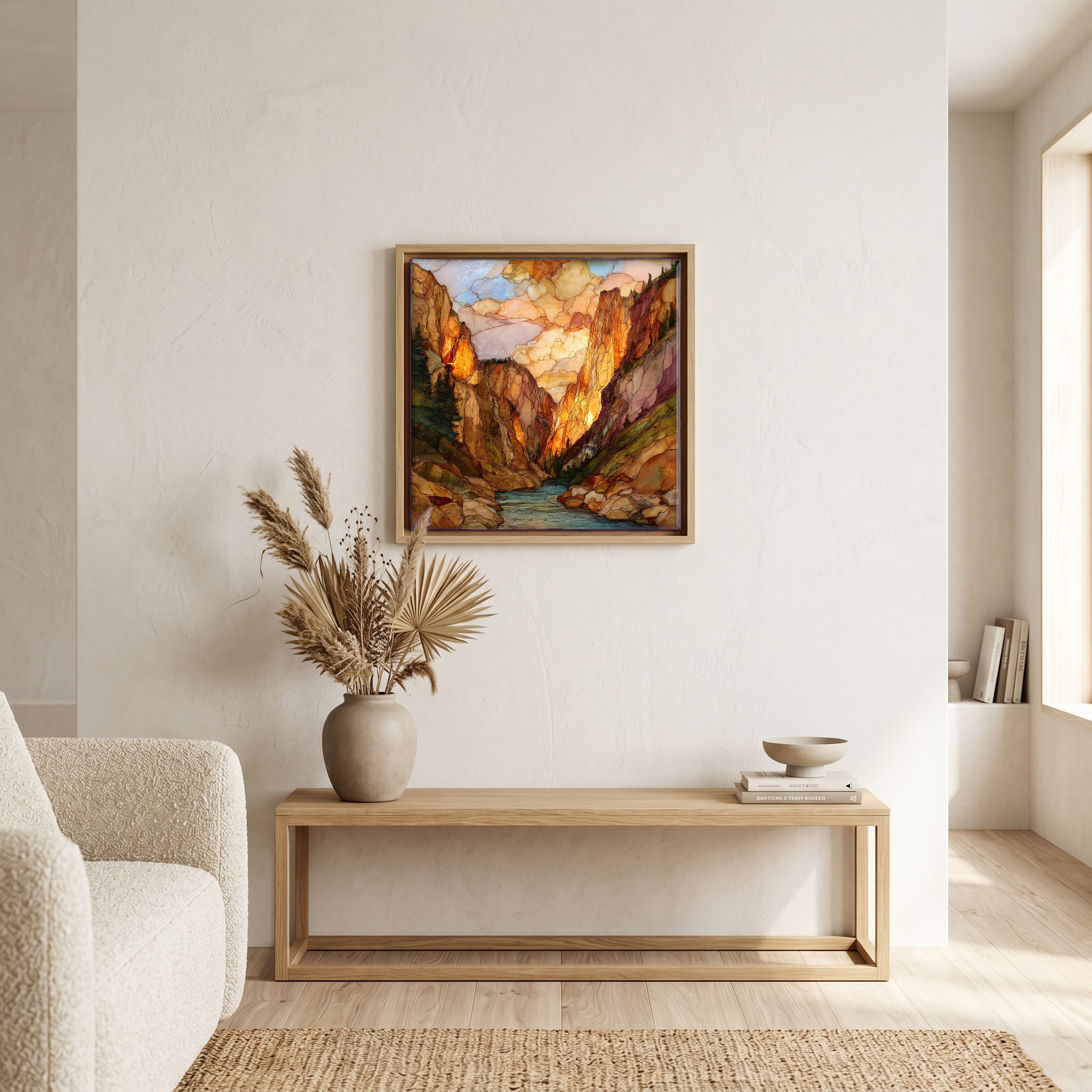
Above the bench, in a warm oak surround.
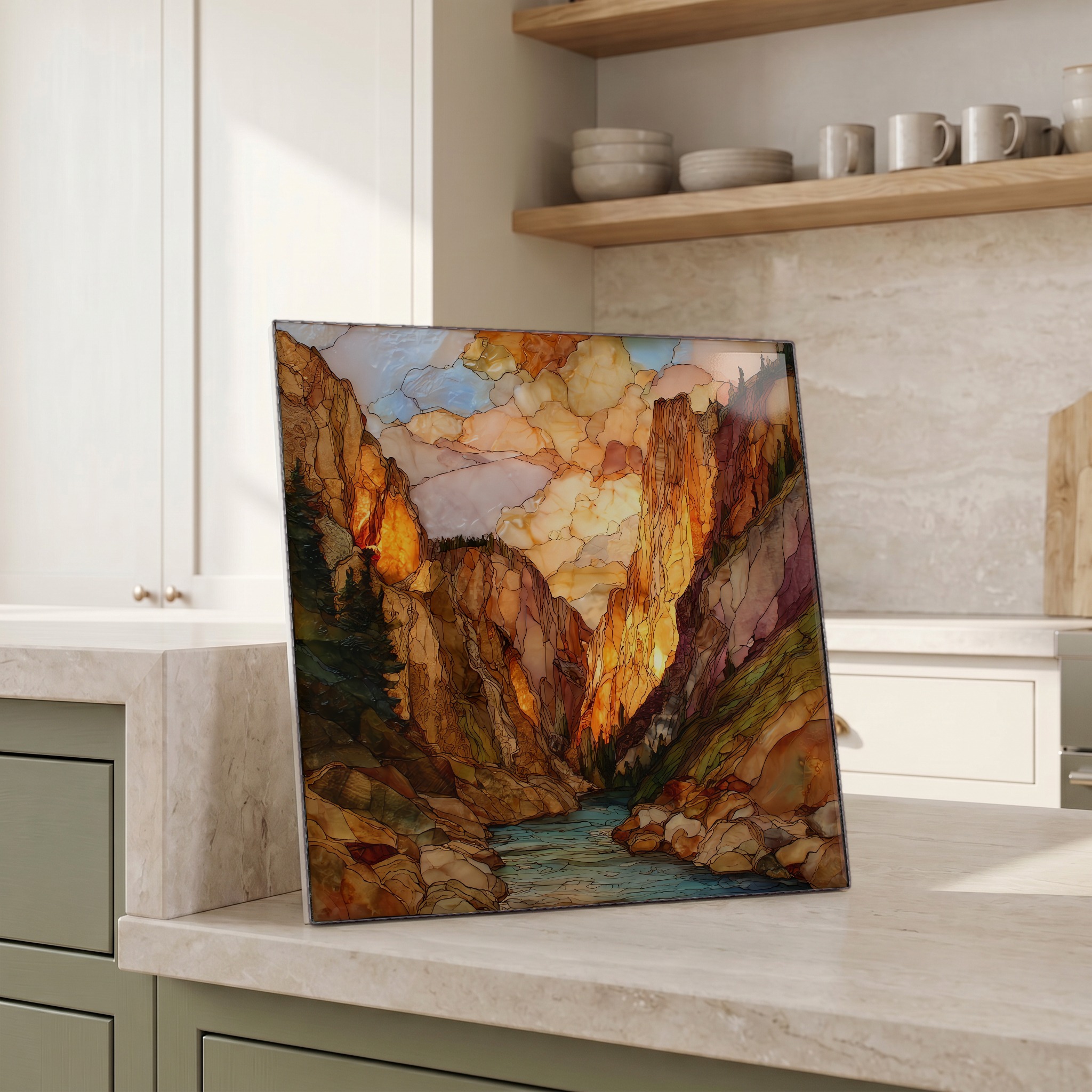
Beside the kettle, propped on the counter.
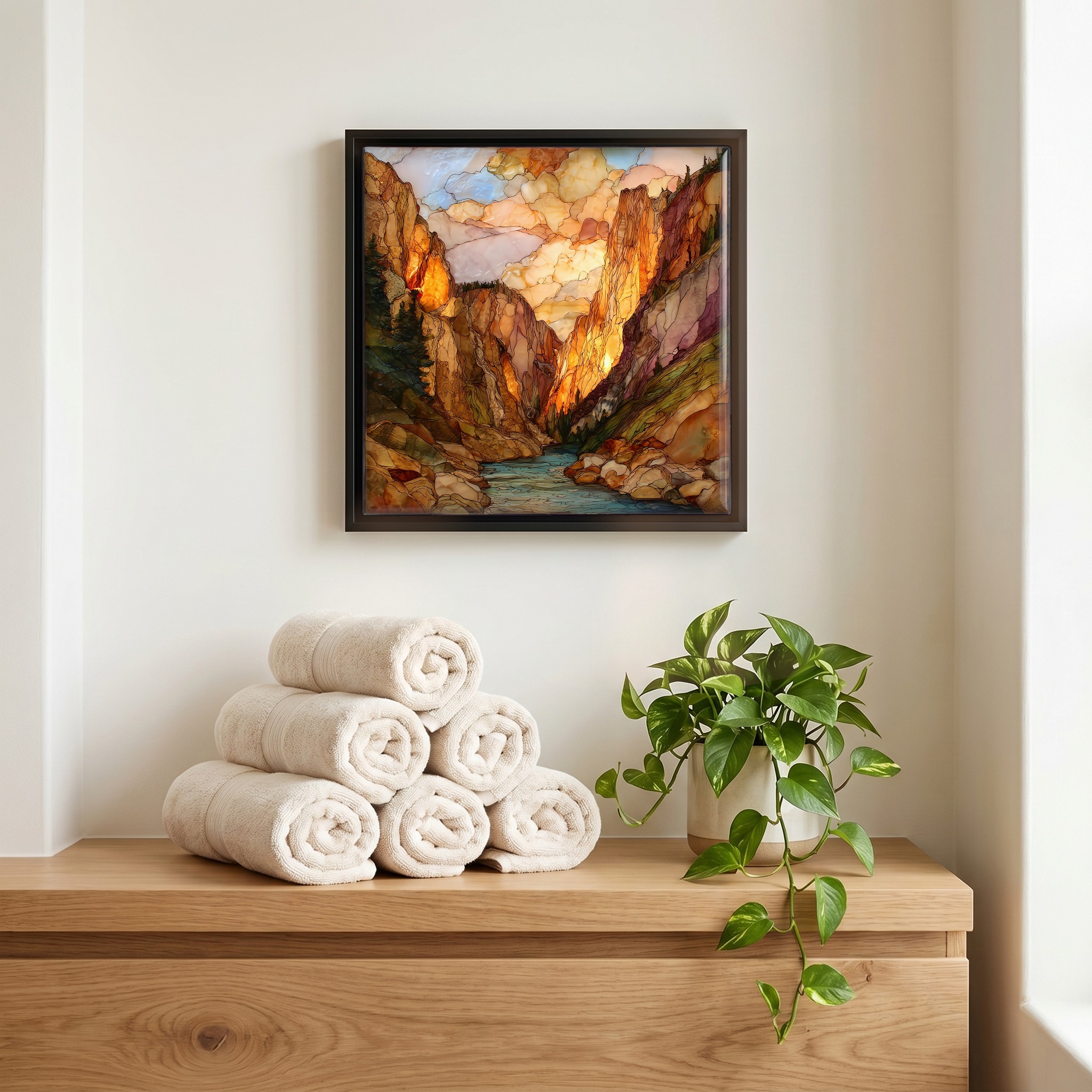
Above the linens, in a slim black surround.
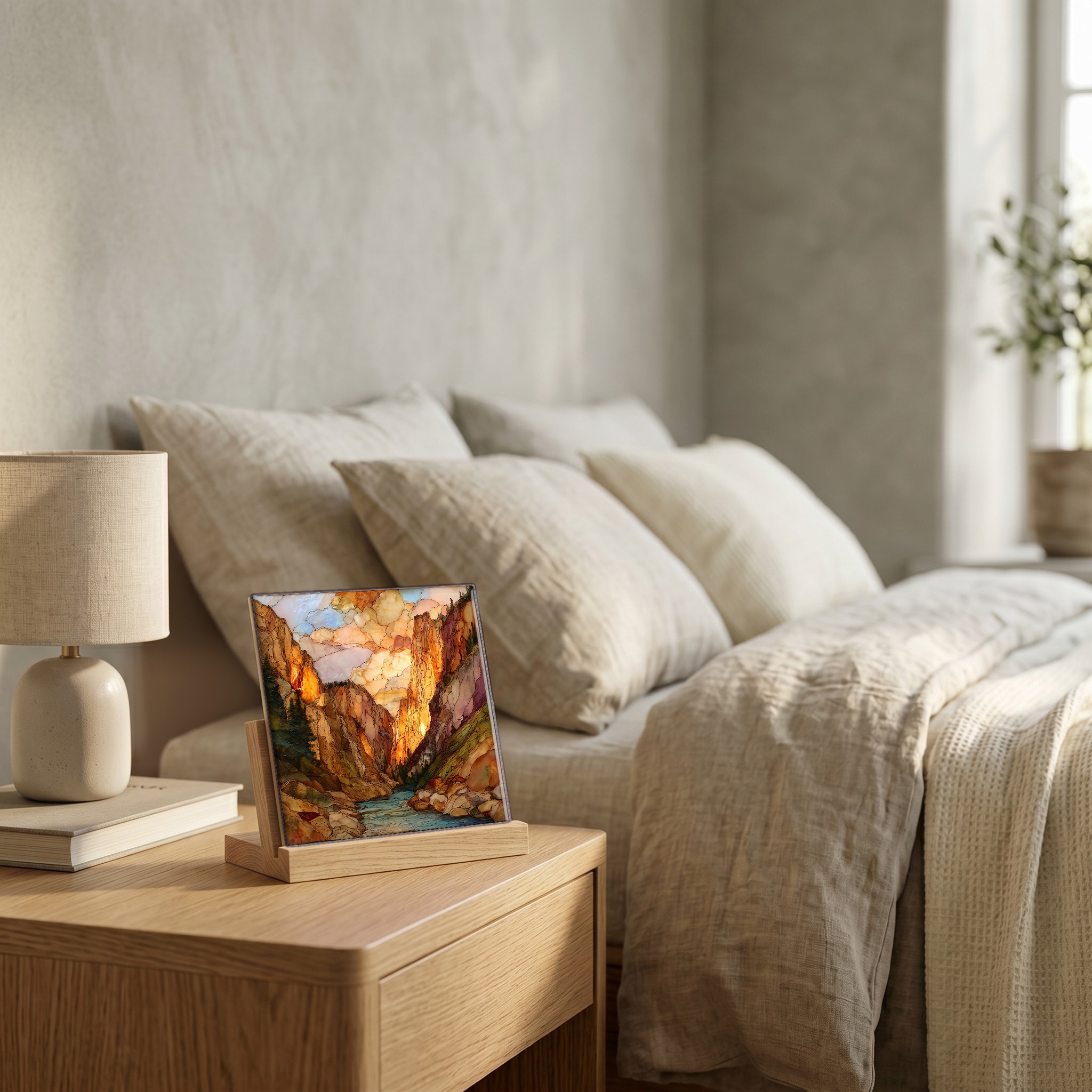
On the nightstand, on a light oak stand.
On a picture ledge, where the light comes in.
a note from the studio

South Boulder Creek runs cold through a notch in the Front Range, and the canyon walls go red in the afternoon. Climbers have been coming here since the 1950s. Layton Kor put up lines that took a decade to repeat, and the Naked Edge, freed in 1971, still gets named on every short list of America's great trad routes. The Bastille rises straight out of the creek bed, and the old Moffat Road rail line cuts the rim above. The state-park lot fills by mid-morning on summer weekends. The walls do not care. They were here before the climbers, before the railroad, before the resort that once drew crowds down from Denver.
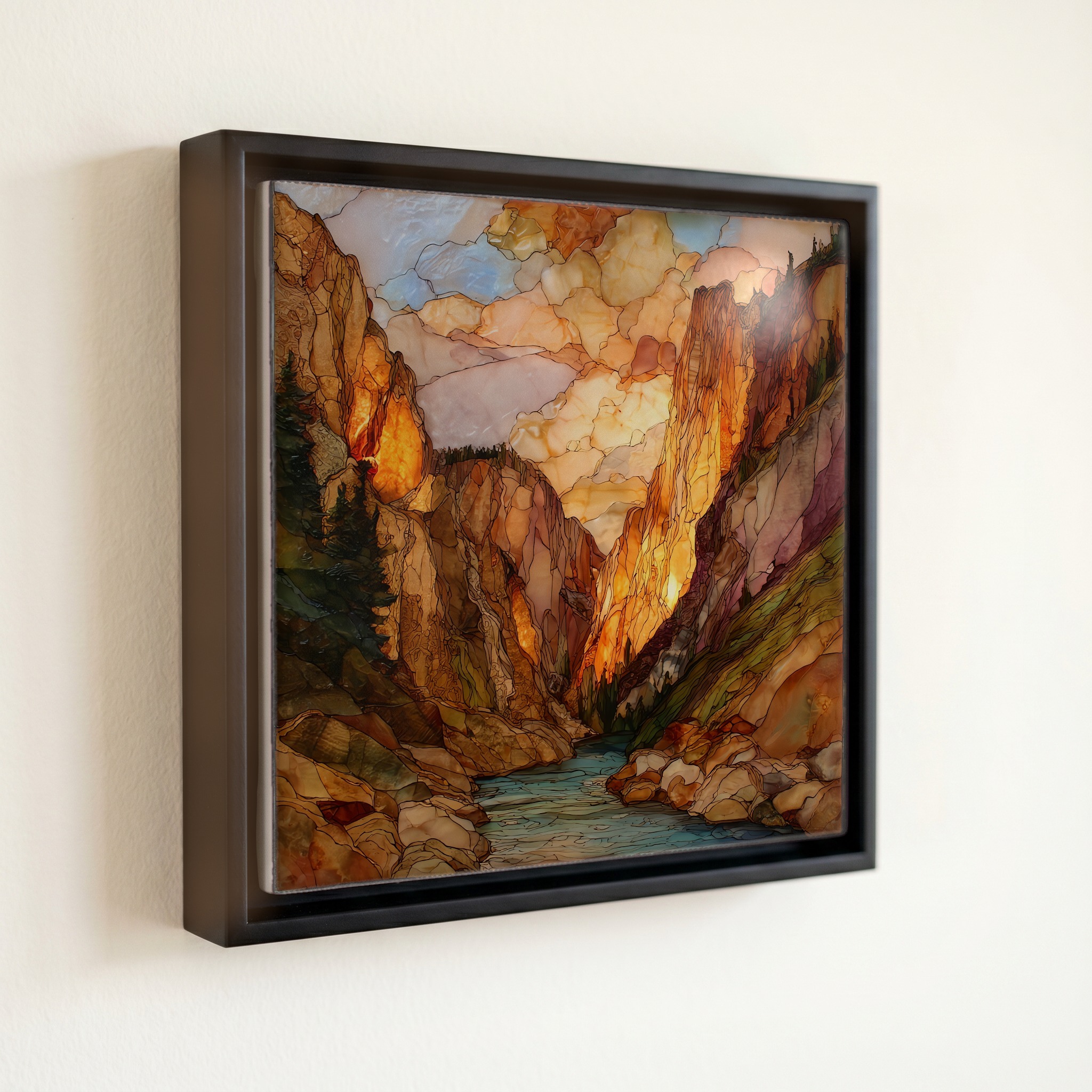
from the studio
shown in a slim black floating frame · 6 × 6 in
— bring it home

Eldorado Canyon climbing walls Front Range Ceramic Art Tile, on ceramic.

Each tile is finished by hand in our Knoxville studio. Artwork is slowly infused into the ceramic surface under high heat and pressure, and rests beneath a thin glossy finish. The colour lives in the surface, not on top of it.

What kind of piece?
One tile — square or rectangle.
How big?
the popular one — counter, shelf, nightstand
6 × 6 in · 15 cm · 1.6 lb
Surface finish
A clear glossy finish — the artwork reads as if under resin. Ideal for show-pieces and framed wall art.
How it sits
A hidden cleat — sits ¼″ proud of the wall.
$58
Hand-finished and shipped from our studio at the foot of the Smokies. On your wall in about ten days.
size
6 × 6 in
15 cm
weighs
1.6 lb
solid in the hand
surface
ceramic, hand-finished
art rests beneath a thin glossy finish
from
Knoxville, TN
our family studio, at the foot of the Smokies
— start a Coaster Set

Pick any four 4-inch tiles — National Parks you've been to, a Smokies set, the four seasons of one place. $ for a set of , cork-backed, ready to live on the table.
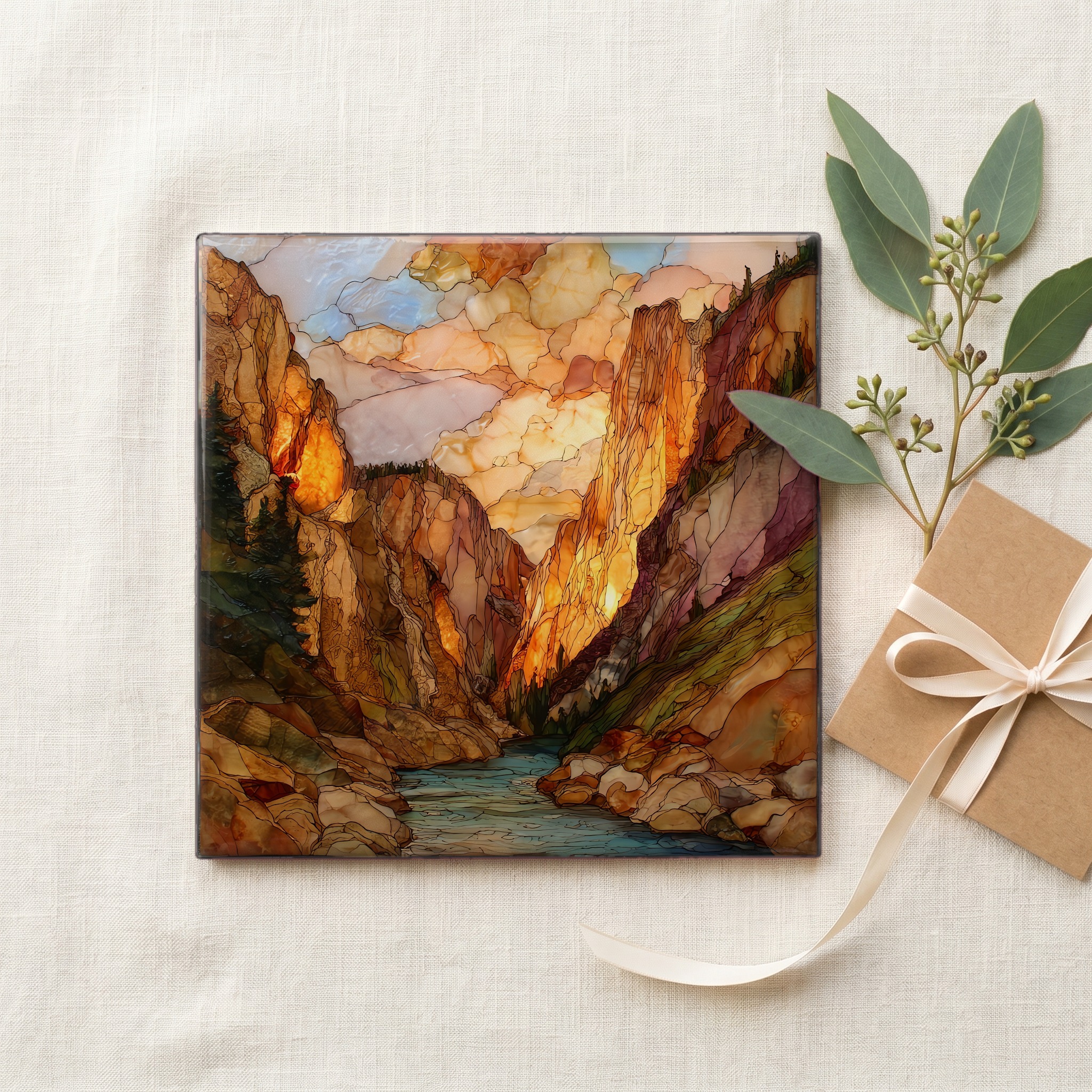
comes gift-ready
comes gift-ready

Each tile ships in a kraft box, tied with cream ribbon, with a handwritten note from the studio if you'd like to add one.
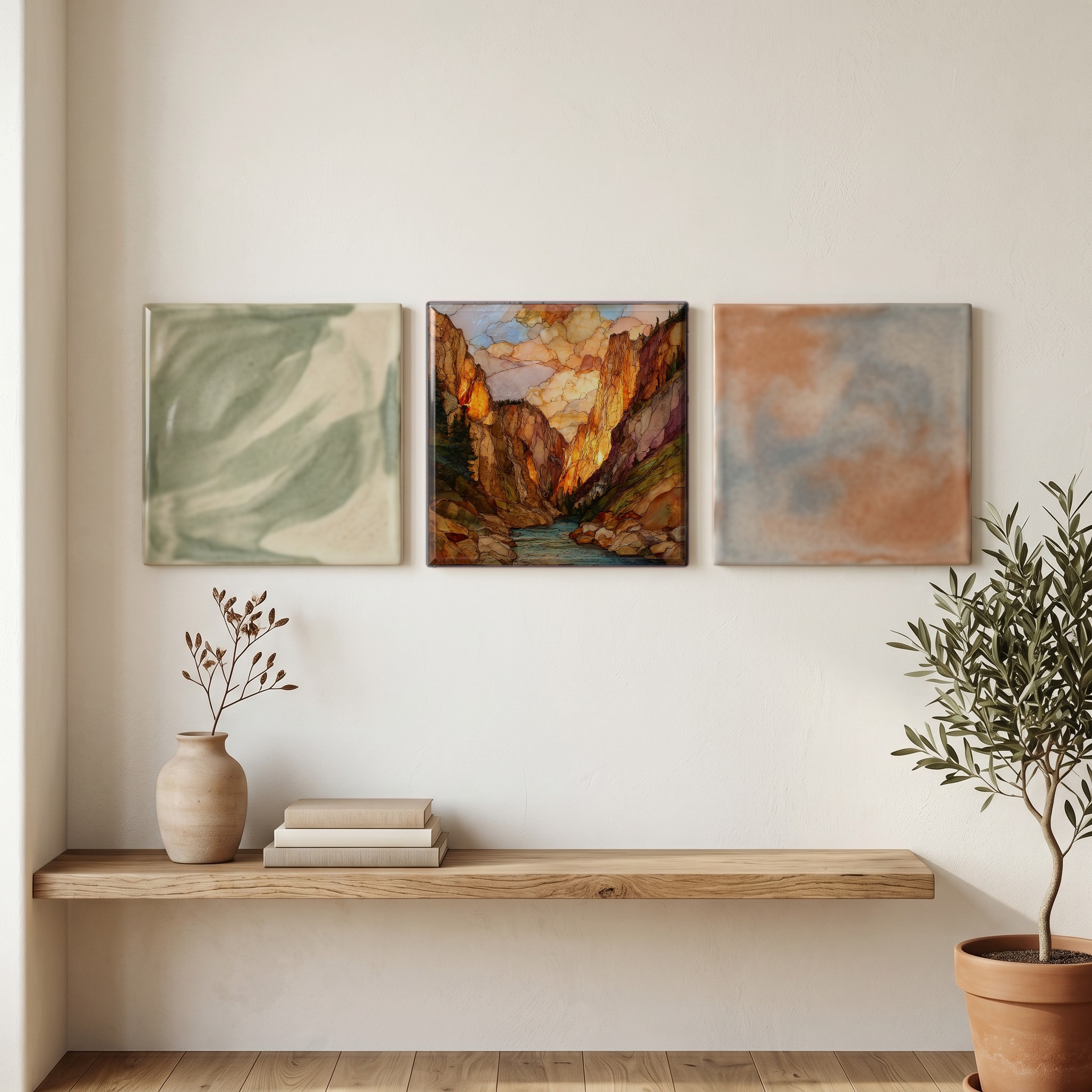
or build a grouping
or build a grouping

Three or five different vistas, hung together — a chapter of places you've been, or want to go.

about Eldorado Canyon climbing walls Front Range Ceramic Art Tile

The place, in three passes.

A little of what's known, in case you fall down the rabbit hole — or want to go see it yourself.
the place

Eldorado Canyon State Park sits in southwest Boulder County, Colorado, about eight miles south of the city of Boulder and twenty-five miles northwest of Denver. South Boulder Creek cuts through it, and the canyon entrance opens at the small town of Eldorado Springs at roughly 6,000 feet. The protected land became a Colorado State Park in 1978, drawn from the canyon-rim sandstone formations that climbers had already been working on for two decades. The walls are part of the Fountain Formation, the same red Pennsylvanian-era sandstone that builds Garden of the Gods and the Flatirons above Boulder. A single paved entrance road follows the creek upstream to the parking areas at the canyon's west end.

the stone

The canyon's walls are red and gold Fountain Formation sandstone, roughly 290 million years old, deposited when an ancestral mountain range eroded into the inland sea that once covered much of Colorado. The named walls give the canyon its character: the Bastille, Redgarden Wall, the Wind Tower, the Whale's Tail, the West Ridge. There are more than five hundred established climbing routes between them. The rock takes a hand crack cleanly and weathers to a deep ochre in afternoon sun. The Bastille Crack and Yellow Spur are the moderate classics. The Naked Edge, first freed by Jim Erickson and Duncan Ferguson in 1971, is the canyon's most famous test piece and one of the routes that defined American free climbing.

the visit

Eldorado Canyon State Park is open daily, generally sunrise to sunset, with an entrance fee paid per vehicle or per person at the gate. The main lot inside the park fills early on weekends from May through October, and Colorado Parks and Wildlife operates a vehicle reservation system during peak months when capacity is reached. Walk-in and bike-in entry remains available without a reservation. The road into the canyon is paved but narrow and can wash out in spring runoff. Climbers come for the trad lines on the named walls; hikers walk the Fowler Trail, Rattlesnake Gulch, and the streamside Eldorado Canyon Trail, which climbs to a connector with the Walker Ranch open space.

where
United States · Boulder County, Colorado
within
Eldorado Canyon State Park
elevation
1,830 m · 6,000 ft
position
39.9319° N · 105.2926° W
the neighborhood

What's nearby.

A handful of named places within an hour's walk or short drive. Some we've already painted; some we will.
1 km E
Eldorado Springs
spring-fed resort town
5 km W
Walker Ranch
open space
10 km N
The Flatirons
sandstone formation
13 km N
Boulder
city
N
Eldorado Canyon climbing walls Front Range Ceramic Art Tile
Eldorado Springs
Walker Ranch
The Flatirons
Boulder
common questions

What people ask.

A few questions we get about Eldorado Canyon climbing walls Front Range Ceramic Art Tile — and about bringing the piece home.
about the place

Eldorado Canyon State Park sits in southwest Boulder County, Colorado, about eight miles south of Boulder and twenty-five miles northwest of Denver. The canyon entrance is at the small town of Eldorado Springs, at the eastern edge of the Front Range.

Eldorado is one of the founding sites of American rock climbing. Layton Kor and his peers established hundreds of trad lines on the canyon's sandstone walls starting in the 1950s, and the Naked Edge, freed in 1971, became a defining route in the sport.

The canyon walls are Fountain Formation sandstone, roughly 290 million years old. It is the same red Pennsylvanian-era rock that forms Garden of the Gods near Colorado Springs and the Flatirons above Boulder. It takes a hand crack cleanly and holds friction well.

Late spring through fall is the main season. Climbers favor the shoulder months of May and September when temperatures are mild. The south-facing walls stay warm enough to climb on some winter days. The road can ice over after storms.

Colorado Parks and Wildlife operates a vehicle reservation system at Eldorado Canyon during peak months. The lot inside the park is small and fills early on weekends. Walk-in and bike-in entry remains available without a reservation. Check the state park site for the current window.

The Naked Edge is a 5.11b trad route on Redgarden Wall, first freed by Jim Erickson and Duncan Ferguson in 1971. It traces a clean arête for roughly five hundred feet and is widely considered one of the great free climbs of the American canyon era.

Fishing is permitted in South Boulder Creek with a Colorado license; the creek holds brown and rainbow trout. Swimming in the creek is not recommended because of cold water and strong currents. The historic Eldorado Springs Pool, just outside the park gates, has been drawing swimmers since 1905.

about the piece in your home

Climbers who have spent time in the canyon recognize the named walls by silhouette, and a Coaster or Small with a short handwritten note from the studio carries well. A Large or 4-tile Mural reads as a statement piece for a home with rope and chalk in the gear closet.

The piece reads well in mountain-modern, alpine-modern, and jewel-tone maximalist interiors. The red and ochre sandstone tones sit beside warm-grain oak and leather; the stained-glass colour palette adds contrast against off-white or deep-green walls.

Yes. Climbing-area and Front Range artwork has been a fixture of Colorado mountain-modern homes for years, and the warm red palette of Eldorado's sandstone fits the current direction toward earth-toned art and away from cooler greys. The piece reads as place-specific rather than generic mountain art.

A single Large works above a console table or a reading chair. Above a standard sofa around 84 inches wide, the 4-tile Mural lands cleanly; for a wider sectional or great-room wall, the 9-tile Mural is the right scale.

Yes. For installation behind a sink, in a shower surround, or as a kitchen backsplash, choose the Dura Satin or Matte finish. Both are scratch-resistant and stand up to splash and steam. The Glossy finish is for framed wall art away from water.

A soft microfibre cloth and warm water are enough for everyday cleaning. For stuck-on residue, add a drop of mild dish soap. Avoid abrasive scrubbers and harsh solvents; the colour lives in the ceramic surface and a gentle wipe keeps it bright for decades.

Yes. Every WenderVista painting is original to Wender Studios, made by Reid Wender, the curator. We do not license artwork from third parties and we do not reproduce existing public-domain images. Each place in the atlas gets its own original treatment.

if this one stayed with you

A few you might also love.

Hand-picked by the eye that found Sorapis. Same air, same kind of quiet.