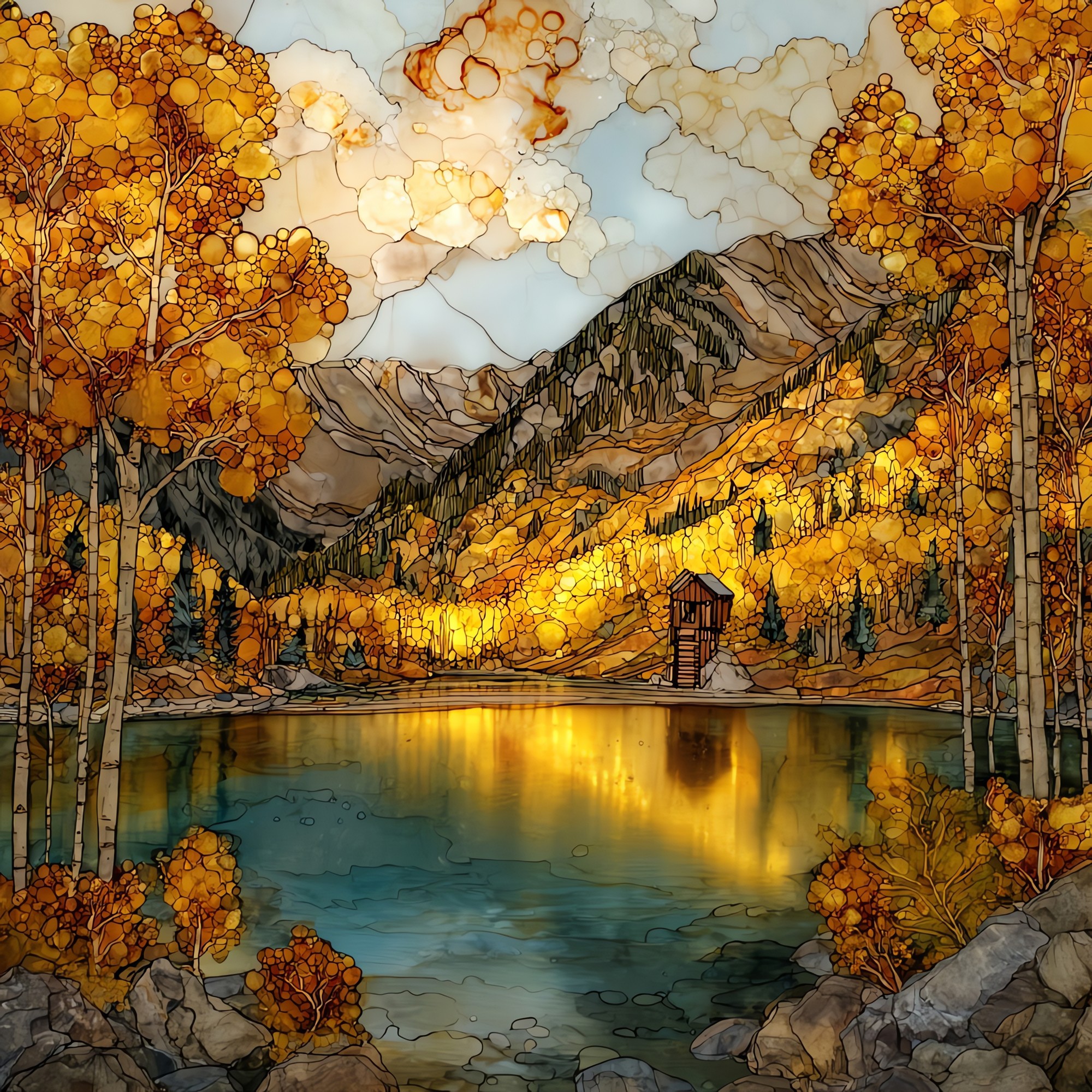
Crystal Lake near Crystal Mill Elk Range Ceramic Art Tile
— — what the mountain keeps after everyone's gone.
Not only on a wall.
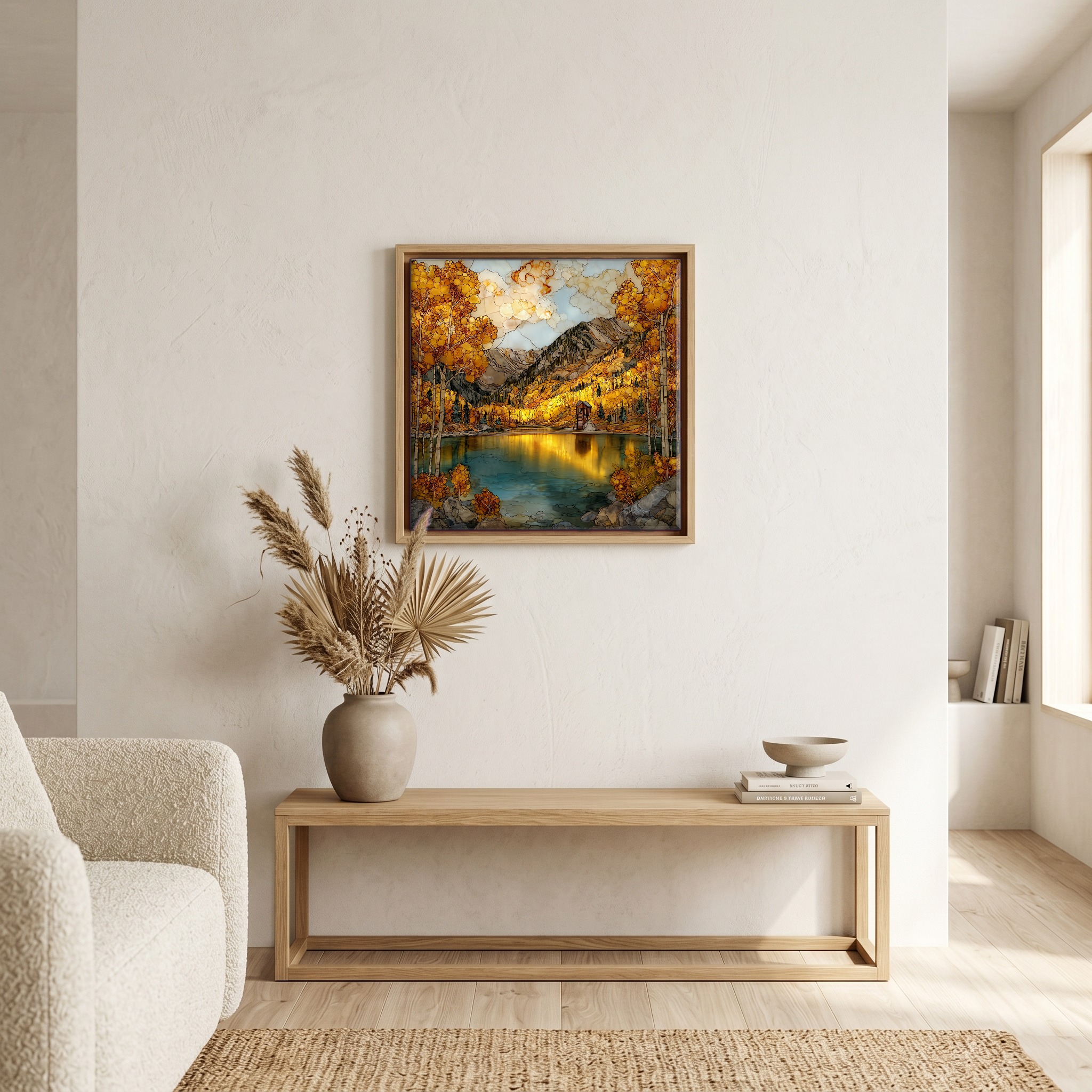
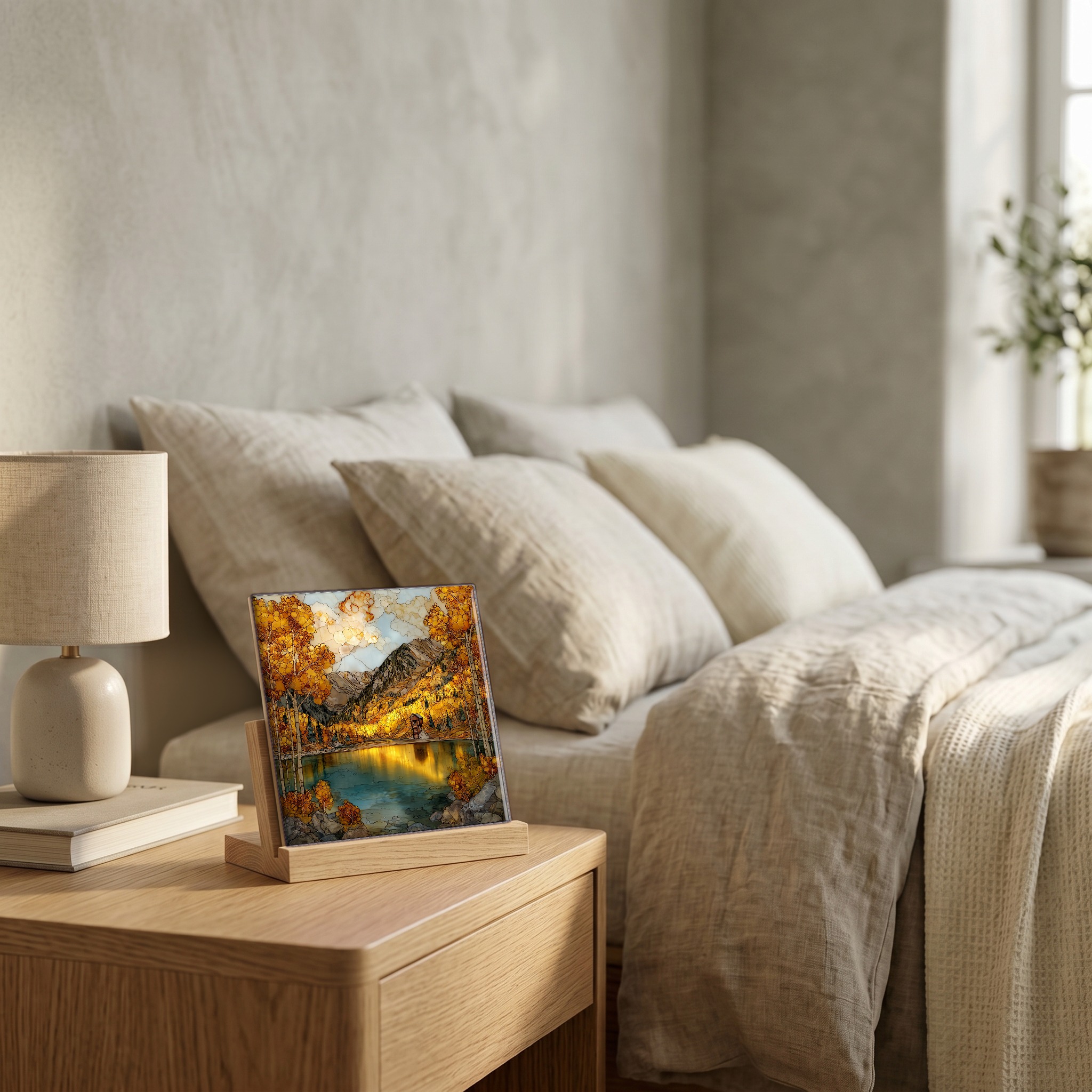
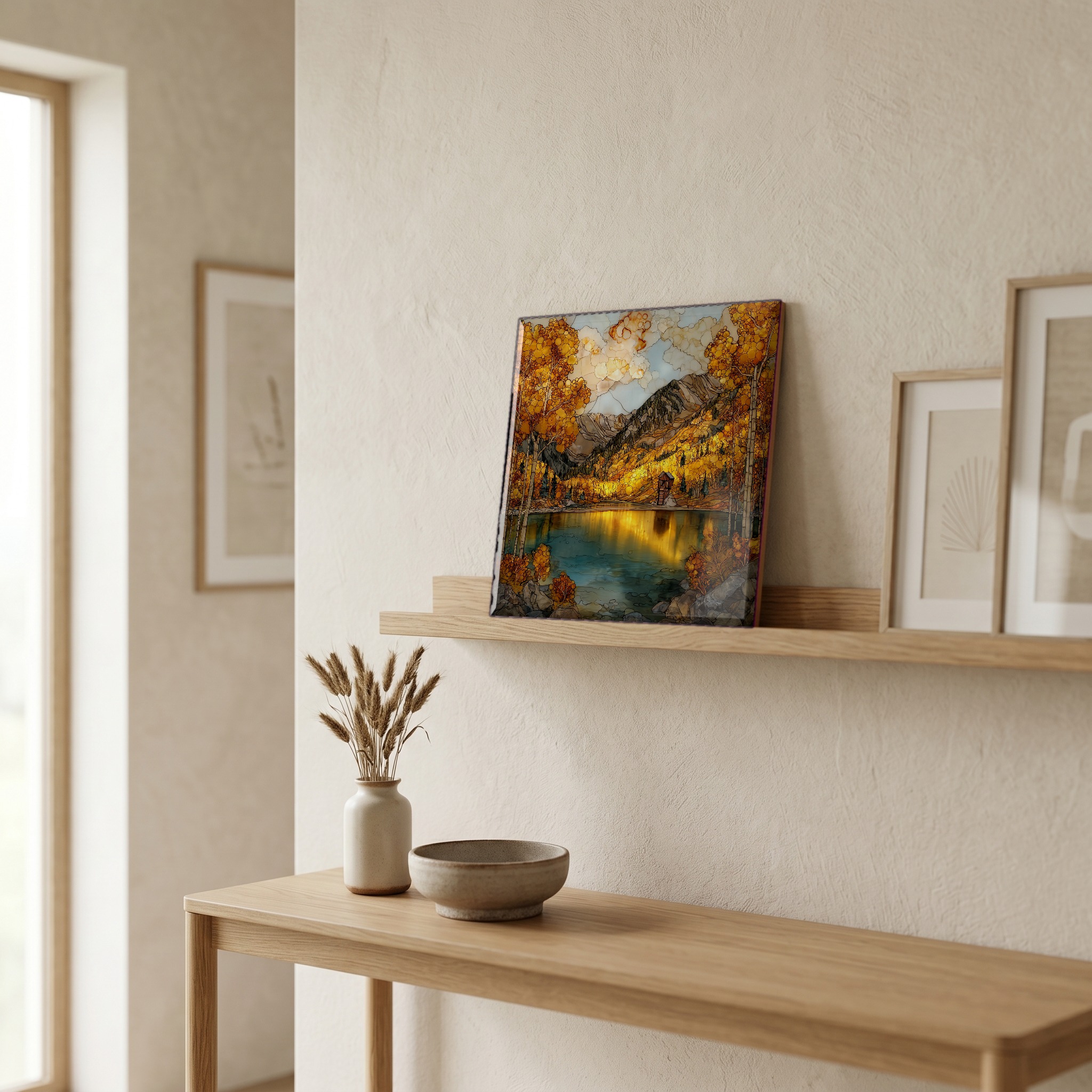
“A wooden mill above a small pool in the Elk Mountains of Colorado, built in 1893 to feed compressed air to a silver mine just beyond it. The road from Marble runs six miles of slow 4WD switchbacks. Only Jeeps and side-by-sides get up here. The mill leans on its rock, the wood gone silver after more than a hundred winters. Below it the Crystal River widens into a still pool that holds the colour of the sky. The buildings of the old town of Crystal sit a little further up the valley, mostly empty, mostly quiet.
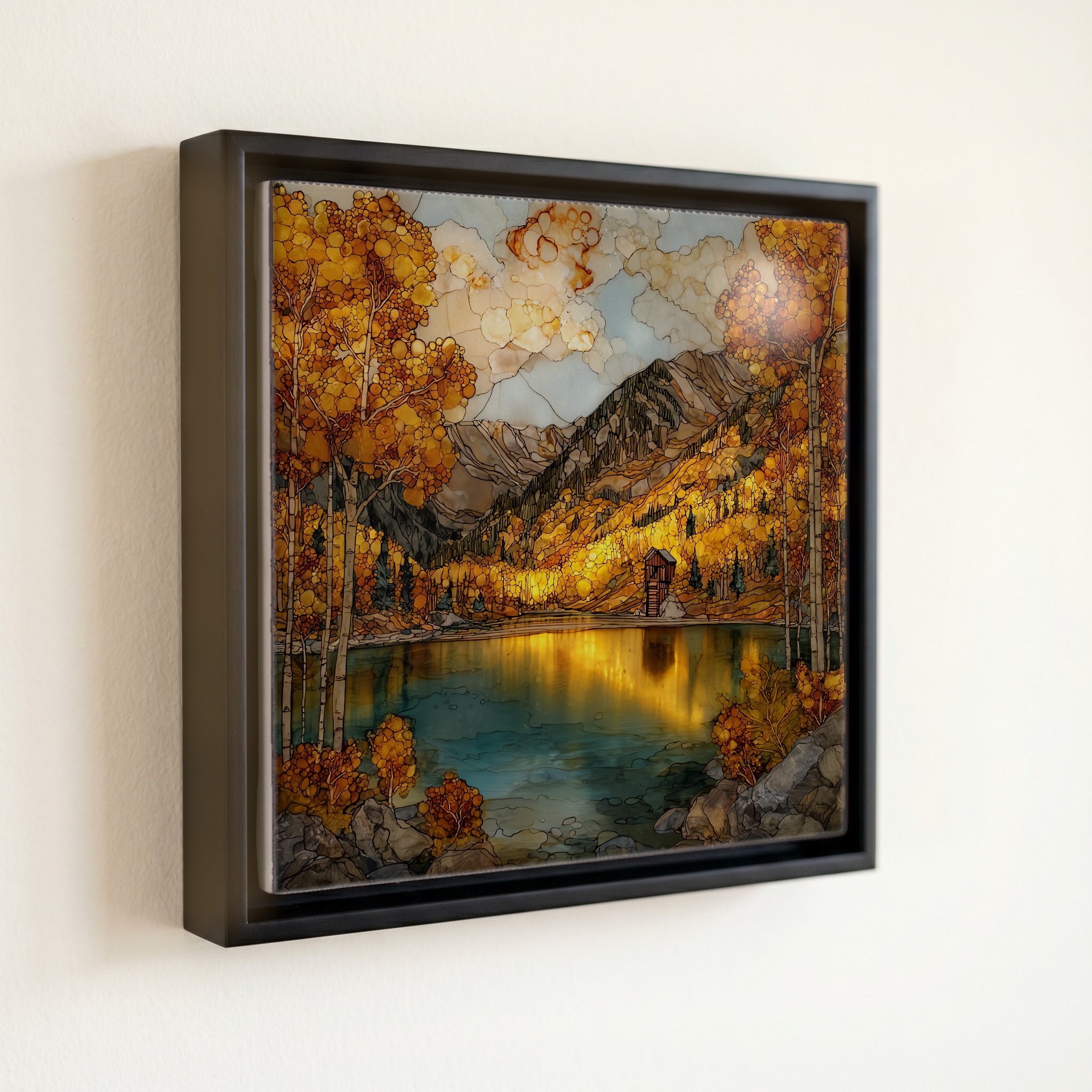
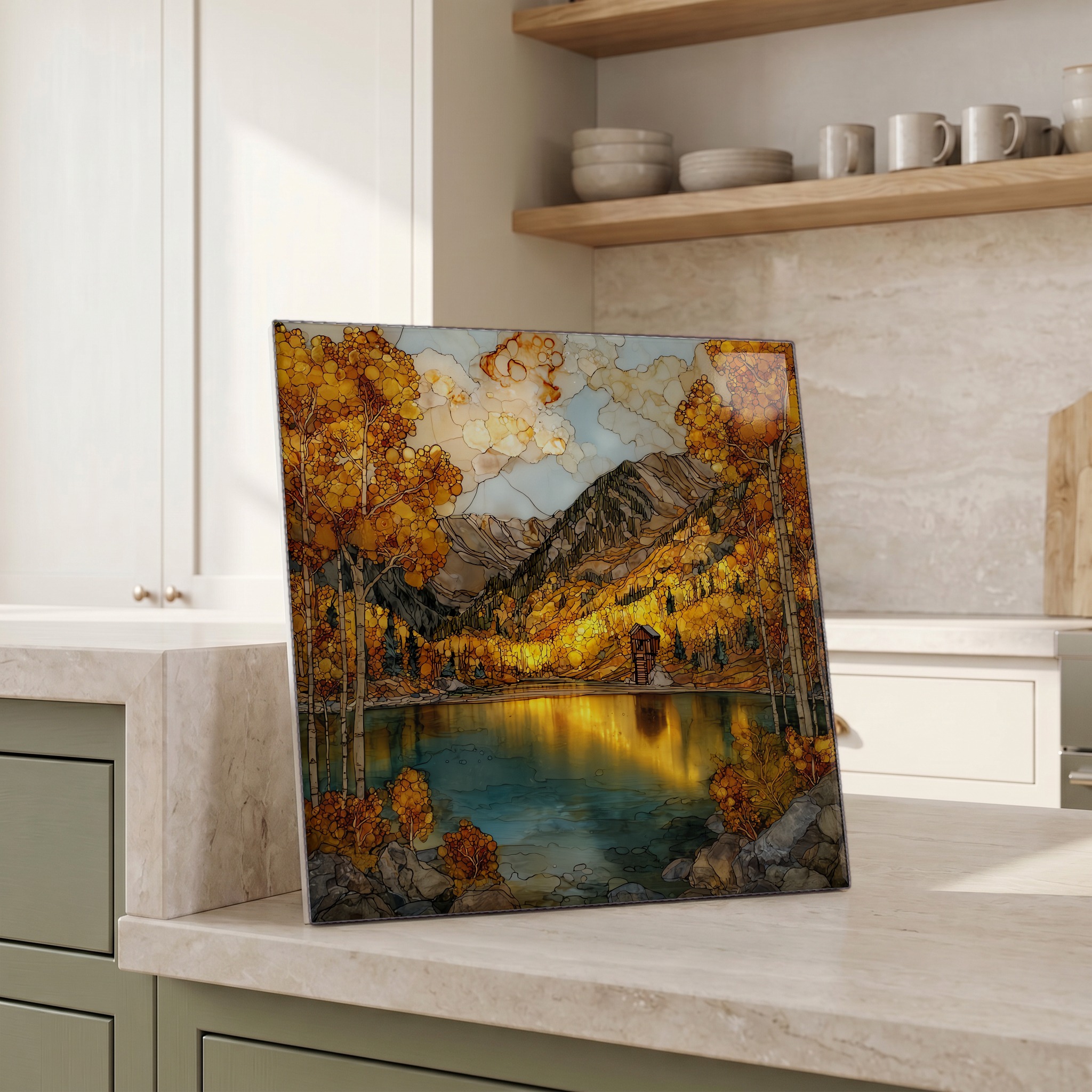
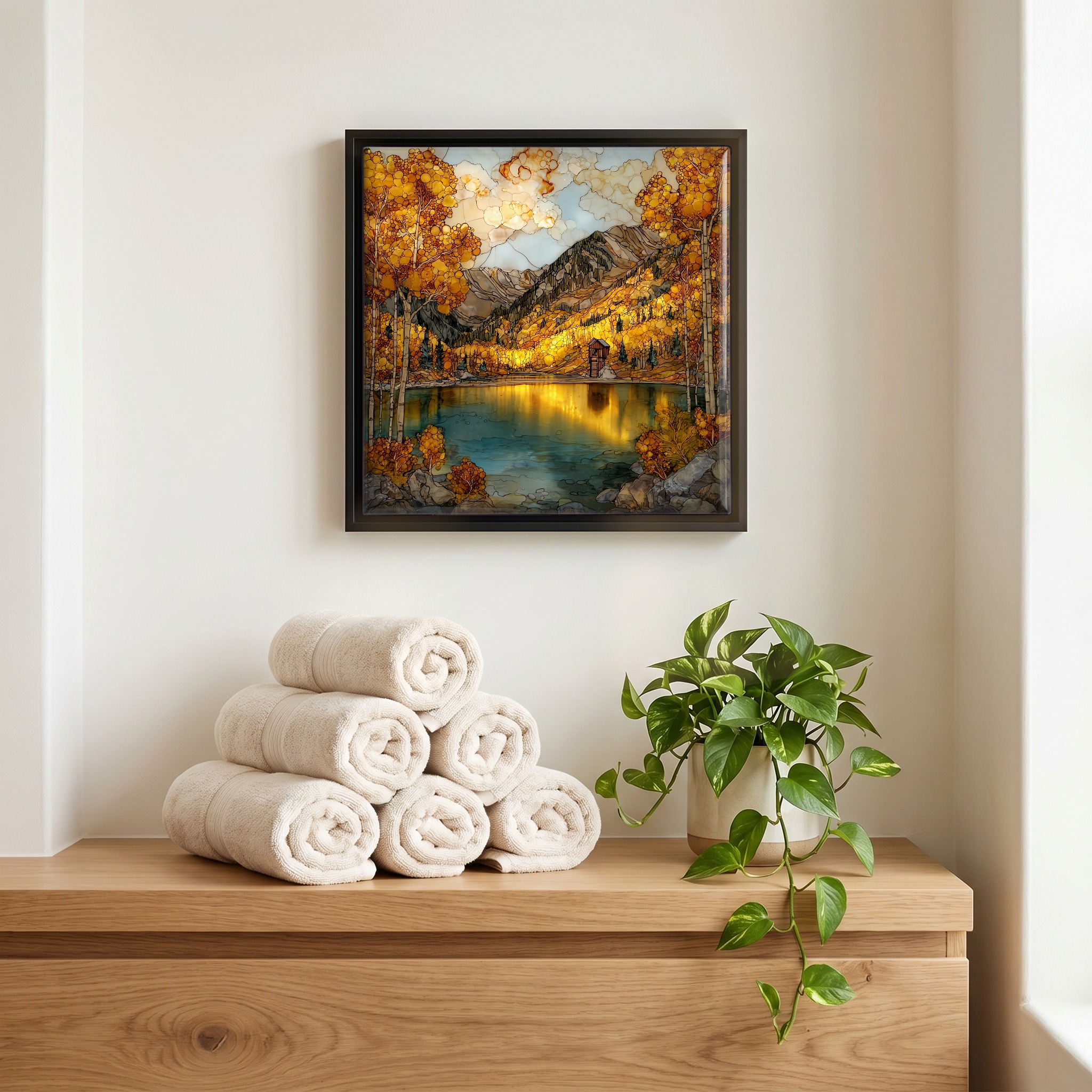
Crystal Lake near Crystal Mill Elk Range Ceramic Art Tile, on ceramic.
Each tile is finished by hand in our Knoxville studio. Artwork is slowly infused into the ceramic surface under high heat and pressure, and rests beneath a thin glossy finish. The colour lives in the surface, not on top of it.
Pick any four 4-inch tiles — National Parks you've been to, a Smokies set, the four seasons of one place. $ for a set of , cork-backed, ready to live on the table.
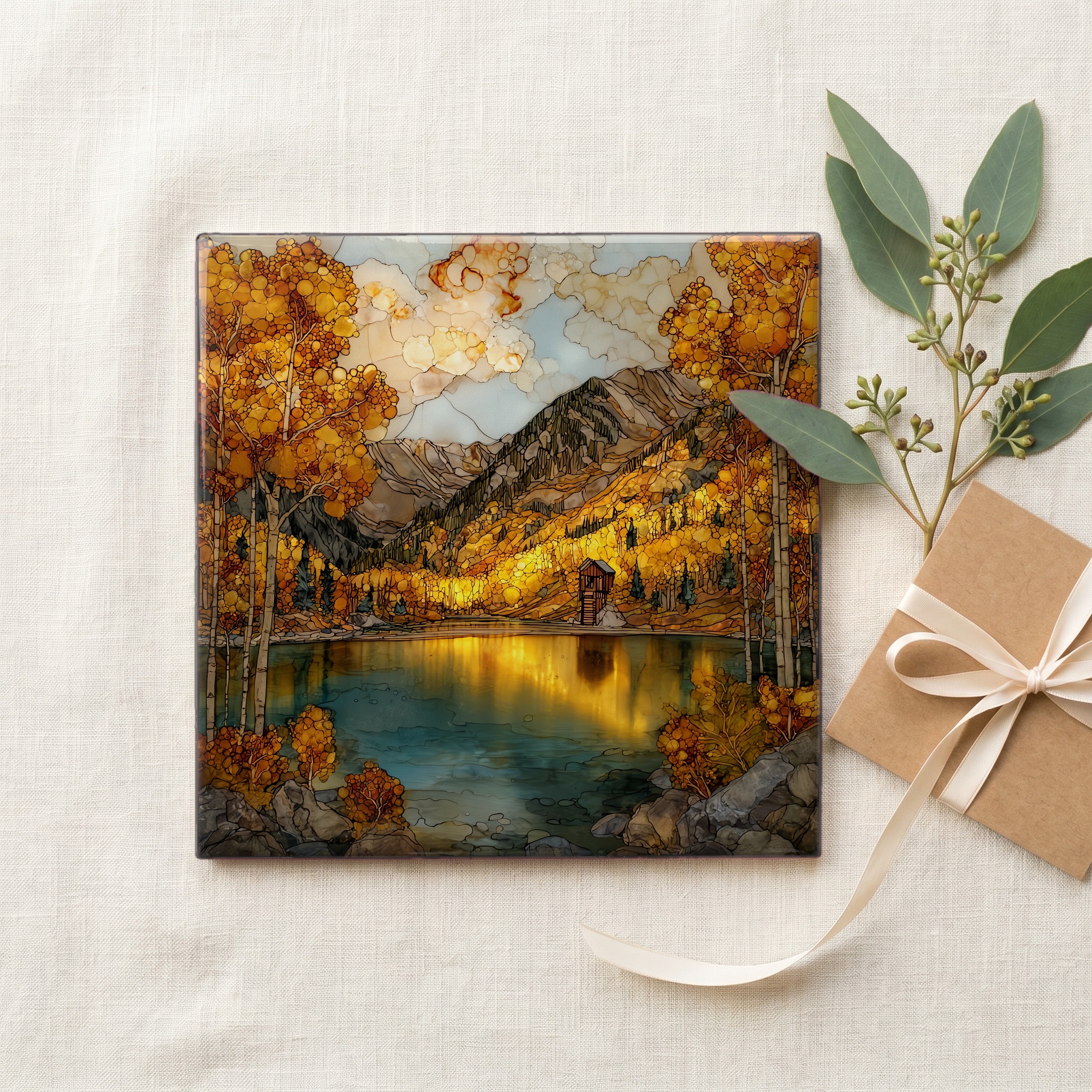
Each tile ships in a kraft box, tied with cream ribbon, with a handwritten note from the studio if you'd like to add one.
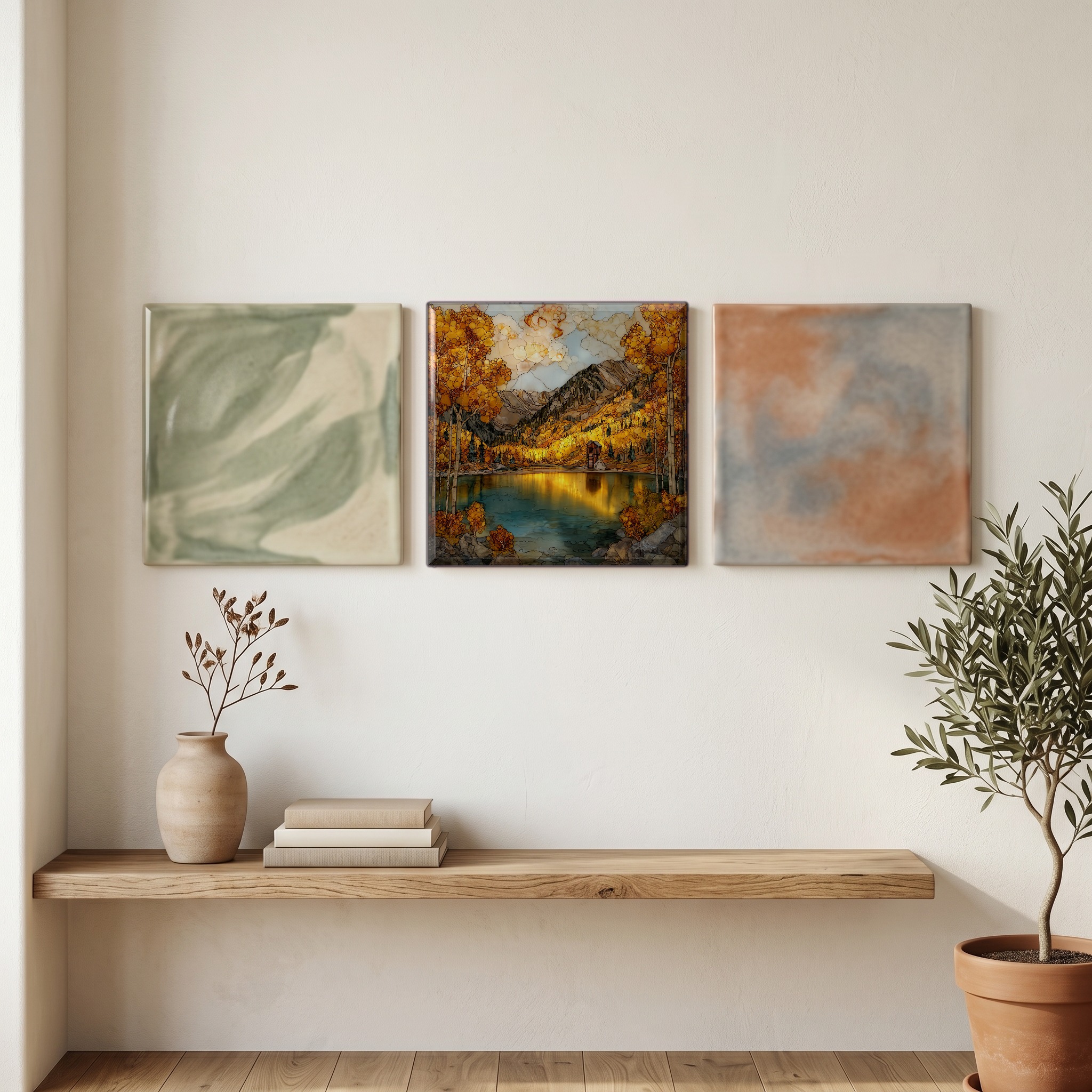
Three or five different vistas, hung together — a chapter of places you've been, or want to go.
The place, in three passes.
Crystal Mill stands on a rock outcrop above the Crystal River in the Elk Mountains of west-central Colorado, in Gunnison County, at roughly 8,900 feet of elevation. The mill was built in 1893 by George C. Eaton and B. S. Philips, owners of the Sheep Mountain Tunnel silver mine, to generate compressed air for the pneumatic drills inside the rock above. It is reached by a rough 4WD road that climbs six miles east from Marble, the marble-quarrying town that supplied stone for the Lincoln Memorial and the Tomb of the Unknown Soldier. The mill, the small pool at its base, and the few remaining buildings of Crystal sit within the White River National Forest.
The road from Marble is the entire story of getting to Crystal Mill. The Forest Service classifies the six-mile route as a high-clearance 4WD road, with several narrow rock ledges and a long climb past Lizard Lake into the valley. Most rental SUVs do not make it; outfitters in Marble run guided Jeep and side-by-side tours through the short summer window. The road is typically passable from late June through mid-October, depending on snowmelt and storm damage. The mill itself sits on private property, viewed from the road and the pool below, and the surrounding land belongs to the White River National Forest. There is no fee, no booth, no signage worth speaking of.
Crystal had several hundred residents in the 1880s, when silver still drew prospectors over the Elk Mountains. By the 1920s the mines were finished and the road, never easy, was finished caring. A handful of cabins survived; a few still belong to descendants of the original families. The mill kept its name and shape because it was framed together carefully and because the Elk Mountains at this elevation hold the cold, dry air that wood likes. The pool below the mill freezes most winters and lets go in late spring. The road has six miles between you and the next car. The mill stands. The river runs under it. Almost nobody is here.