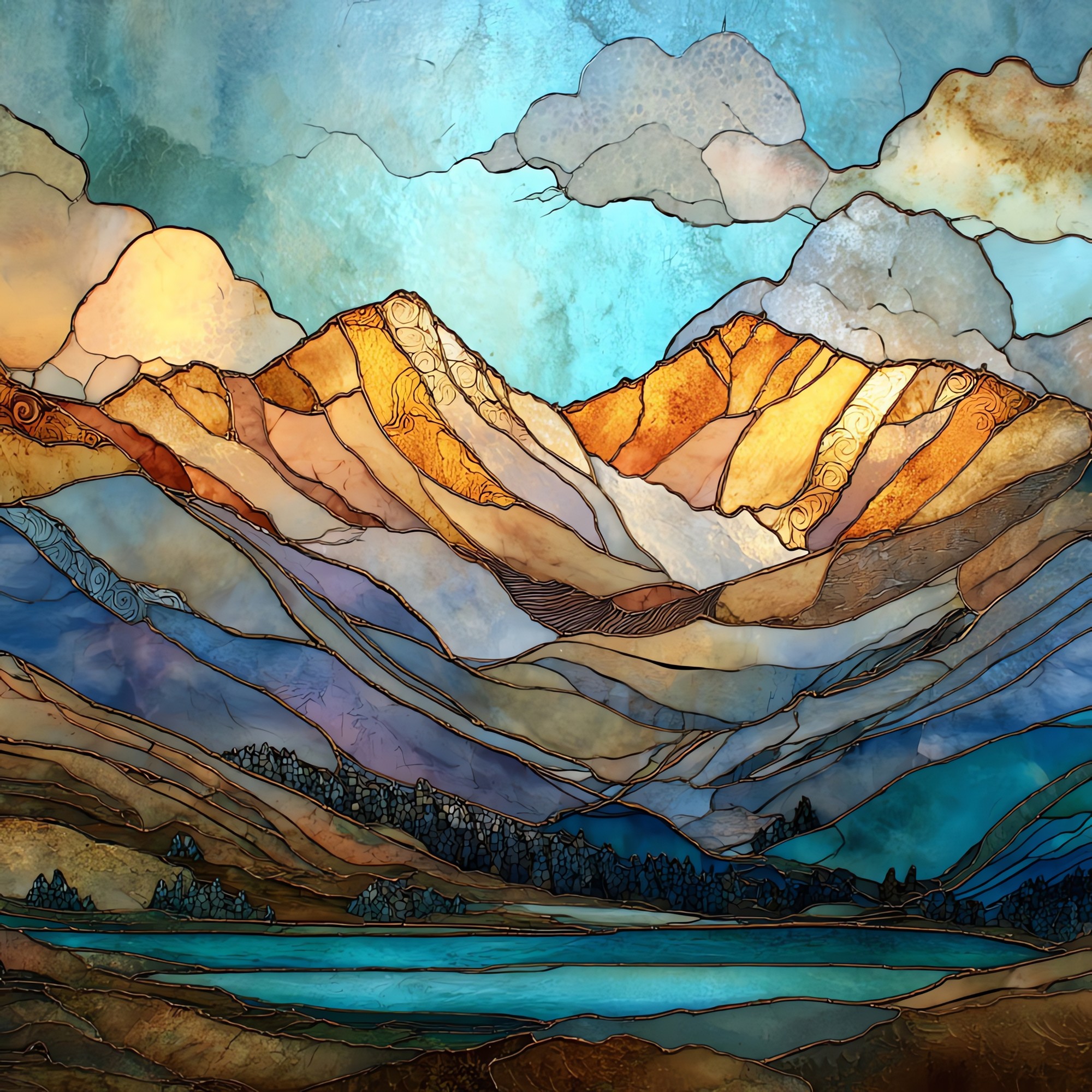
Crestone Needle and Crestone Peak Sangre de Cristos Ceramic Art Tile
— — the red the dusk leaves on the stone.
Not only on a wall.
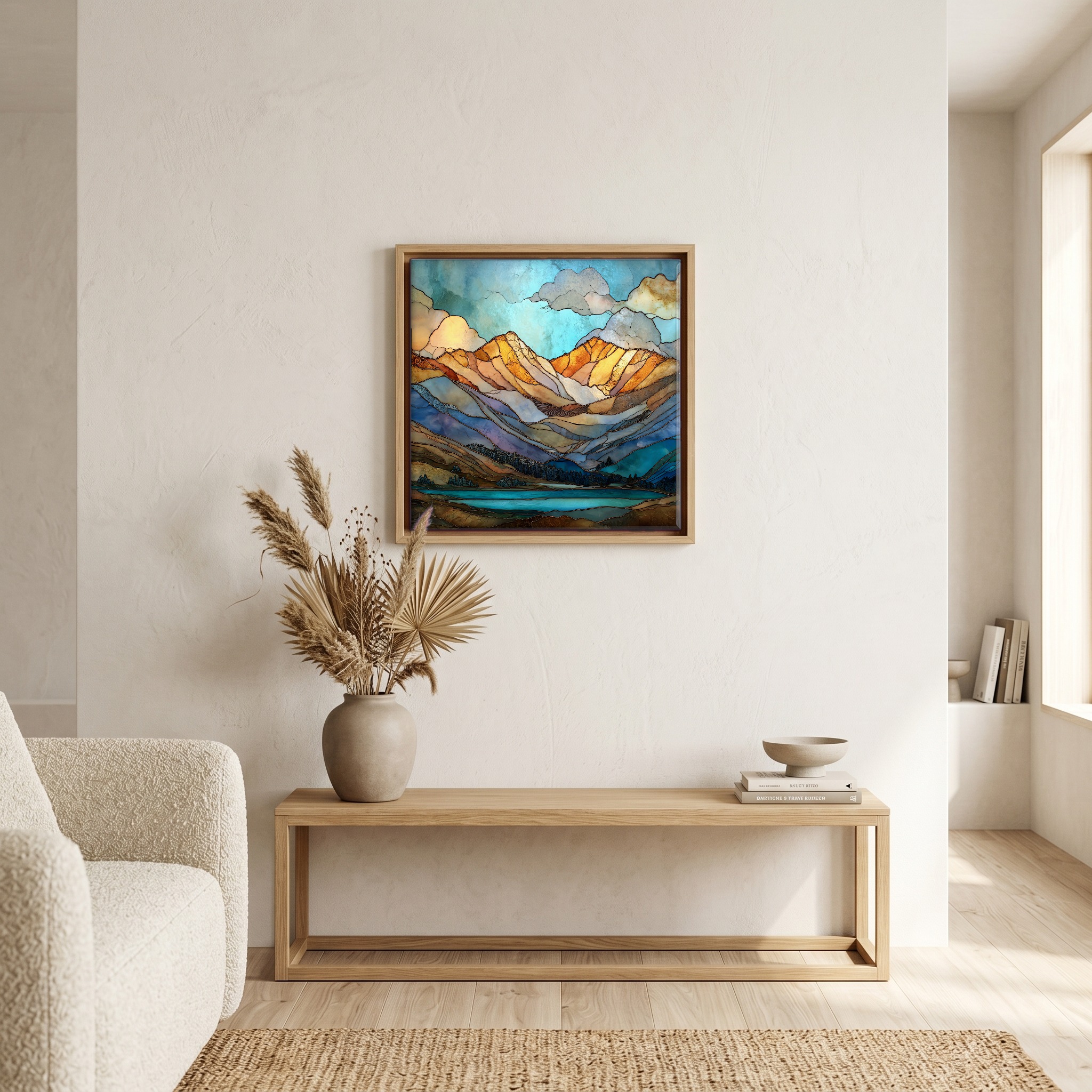
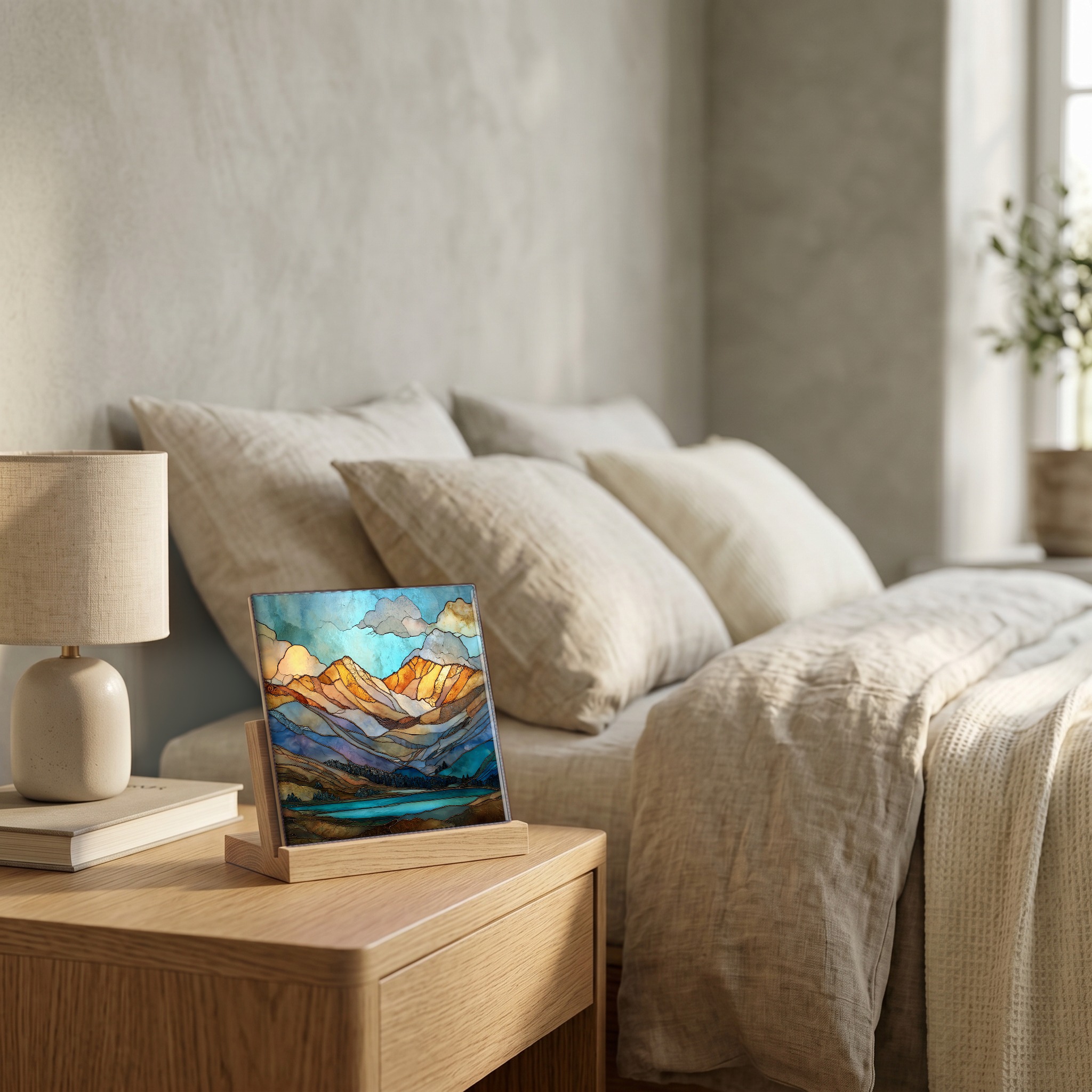
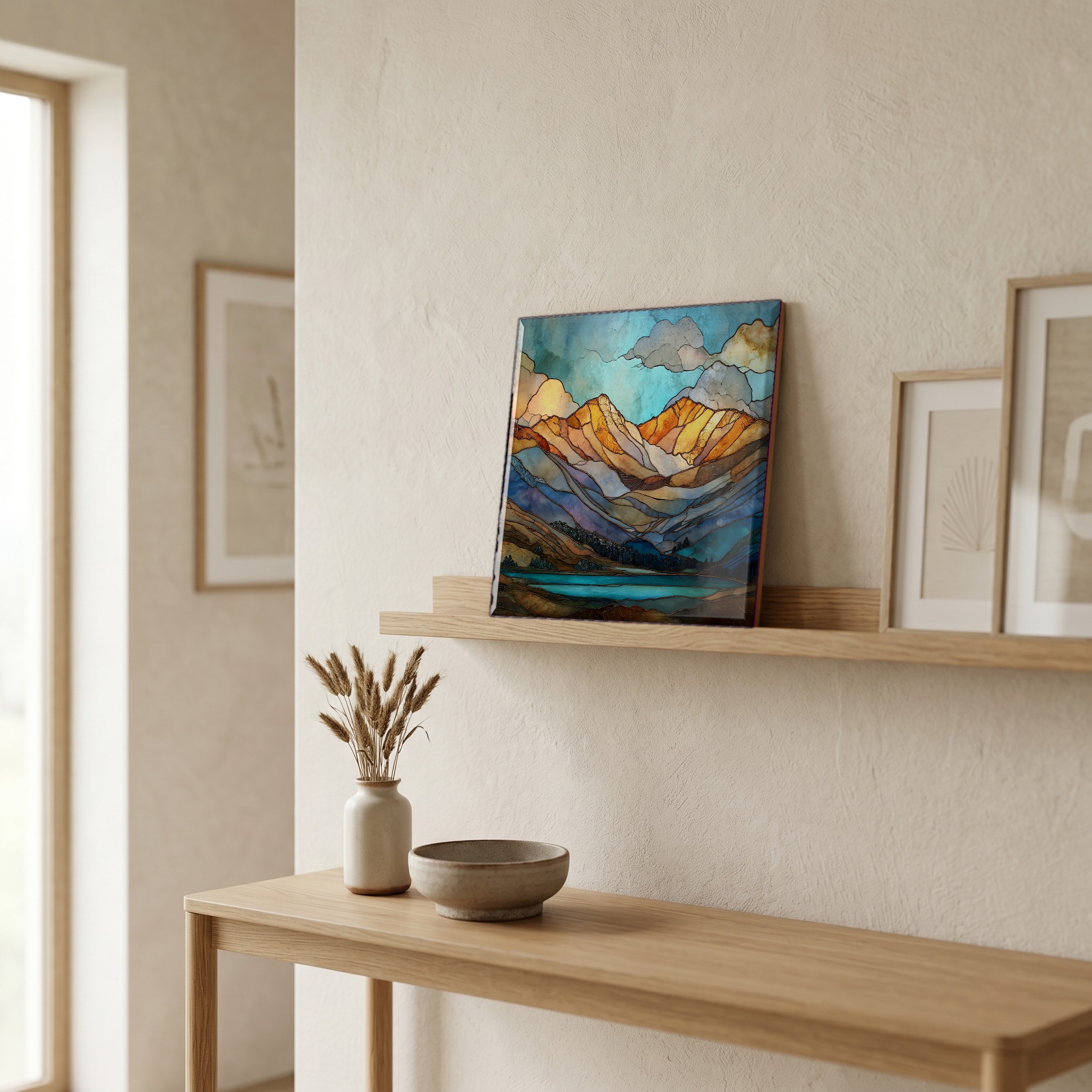
“Two peaks above 14,000 feet on the spine of the Sangre de Cristos. The Needle and the Peak stand a half mile apart above South Colony Lakes, both built from the same coarse conglomerate that makes the rock grip a boot. The Spanish gave the range its name for the red the dusk leaves on the high stone, seen from the San Luis Valley to the west. The little town of Crestone sits below the peaks on the valley side. The traverse between the two summits is counted among the four Great Traverses of Colorado.
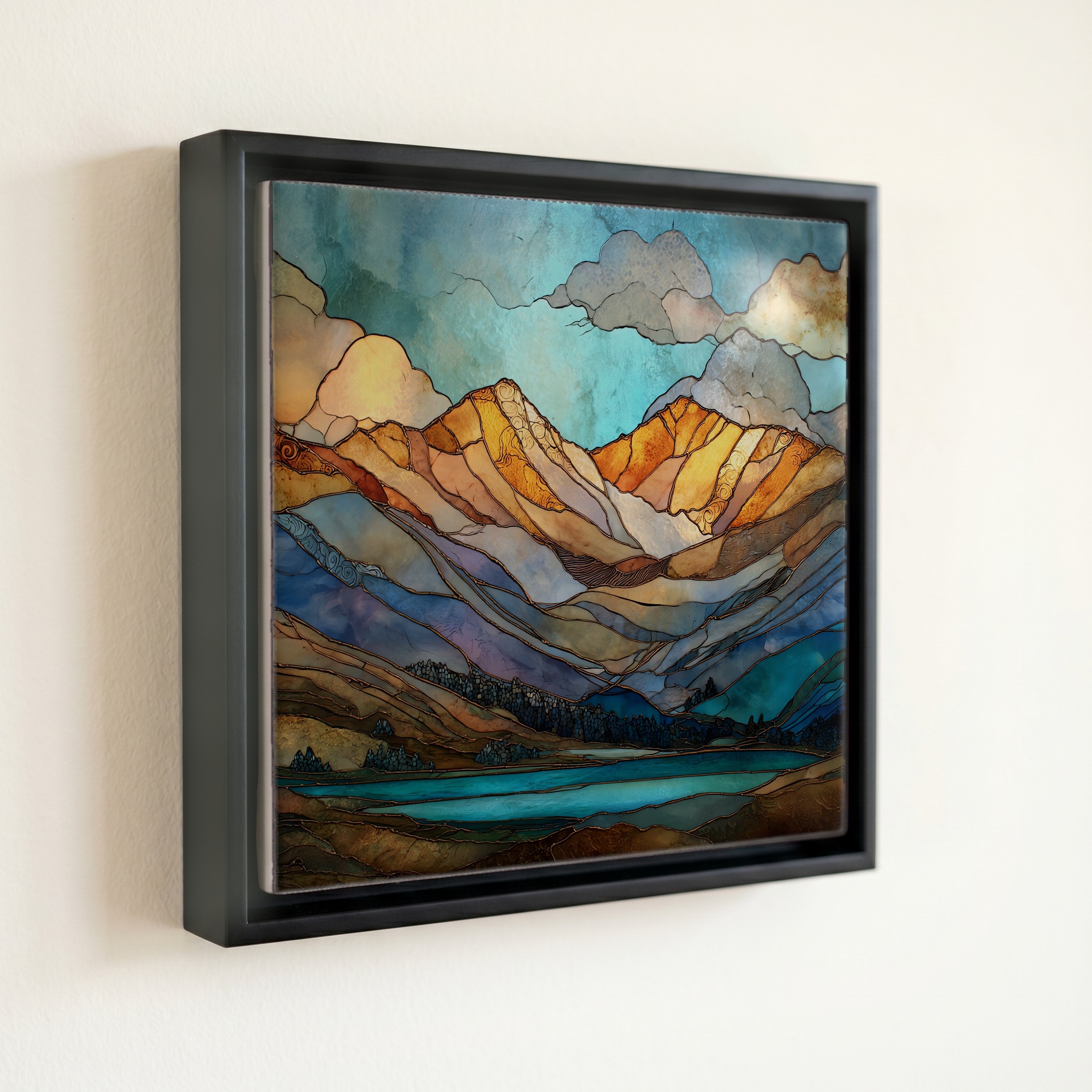
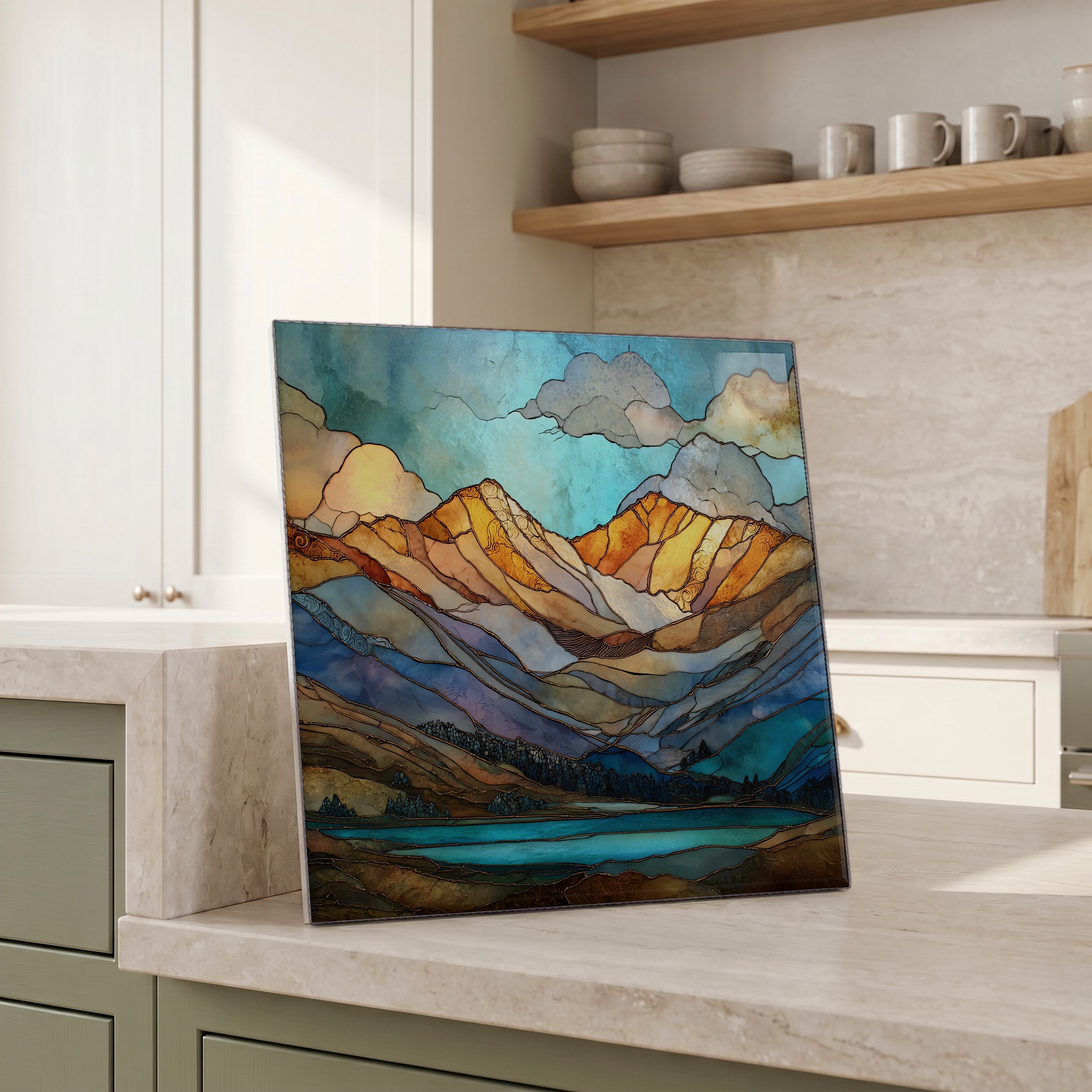
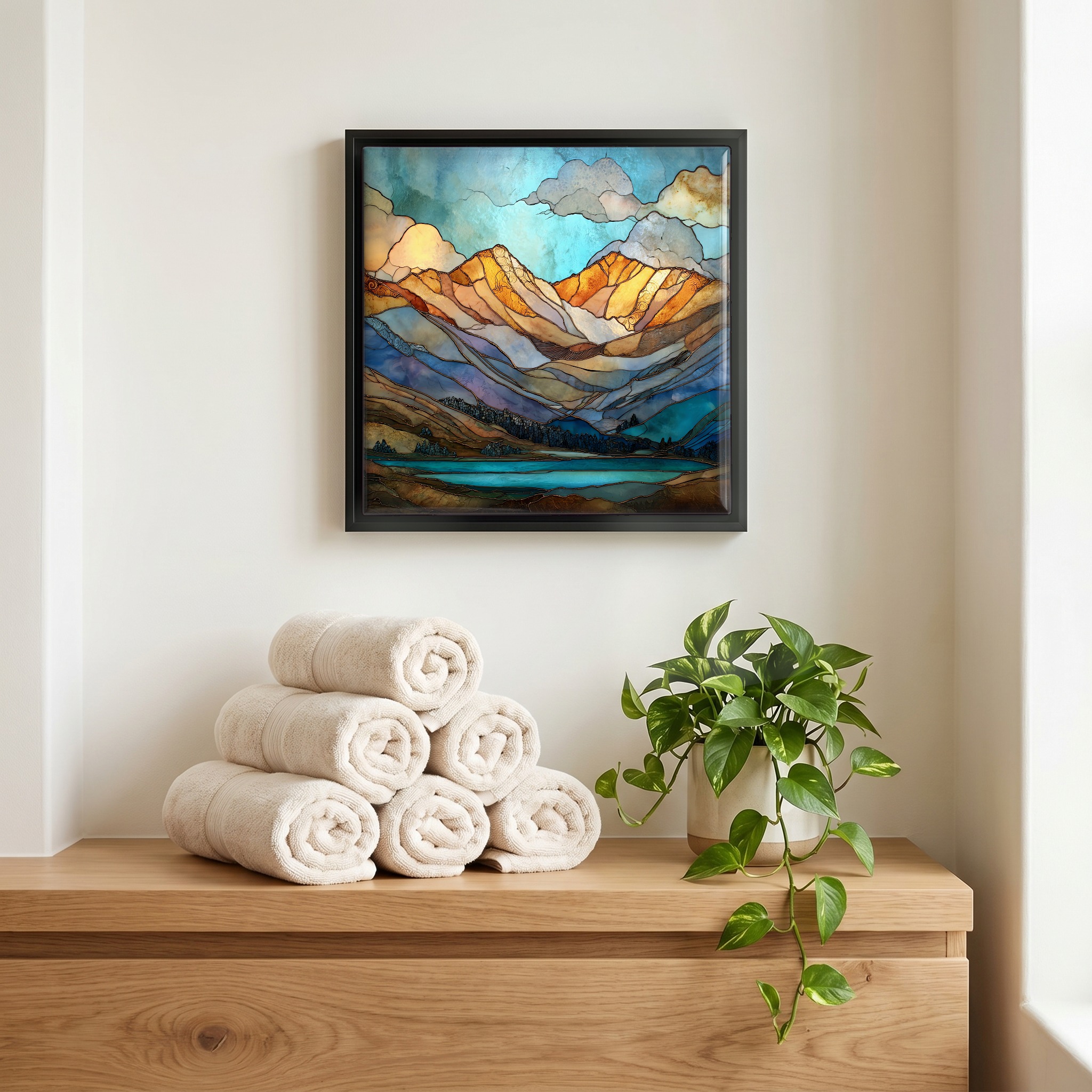
Crestone Needle and Crestone Peak Sangre de Cristos Ceramic Art Tile, on ceramic.
Each tile is finished by hand in our Knoxville studio. Artwork is slowly infused into the ceramic surface under high heat and pressure, and rests beneath a thin glossy finish. The colour lives in the surface, not on top of it.
Pick any four 4-inch tiles — National Parks you've been to, a Smokies set, the four seasons of one place. $ for a set of , cork-backed, ready to live on the table.
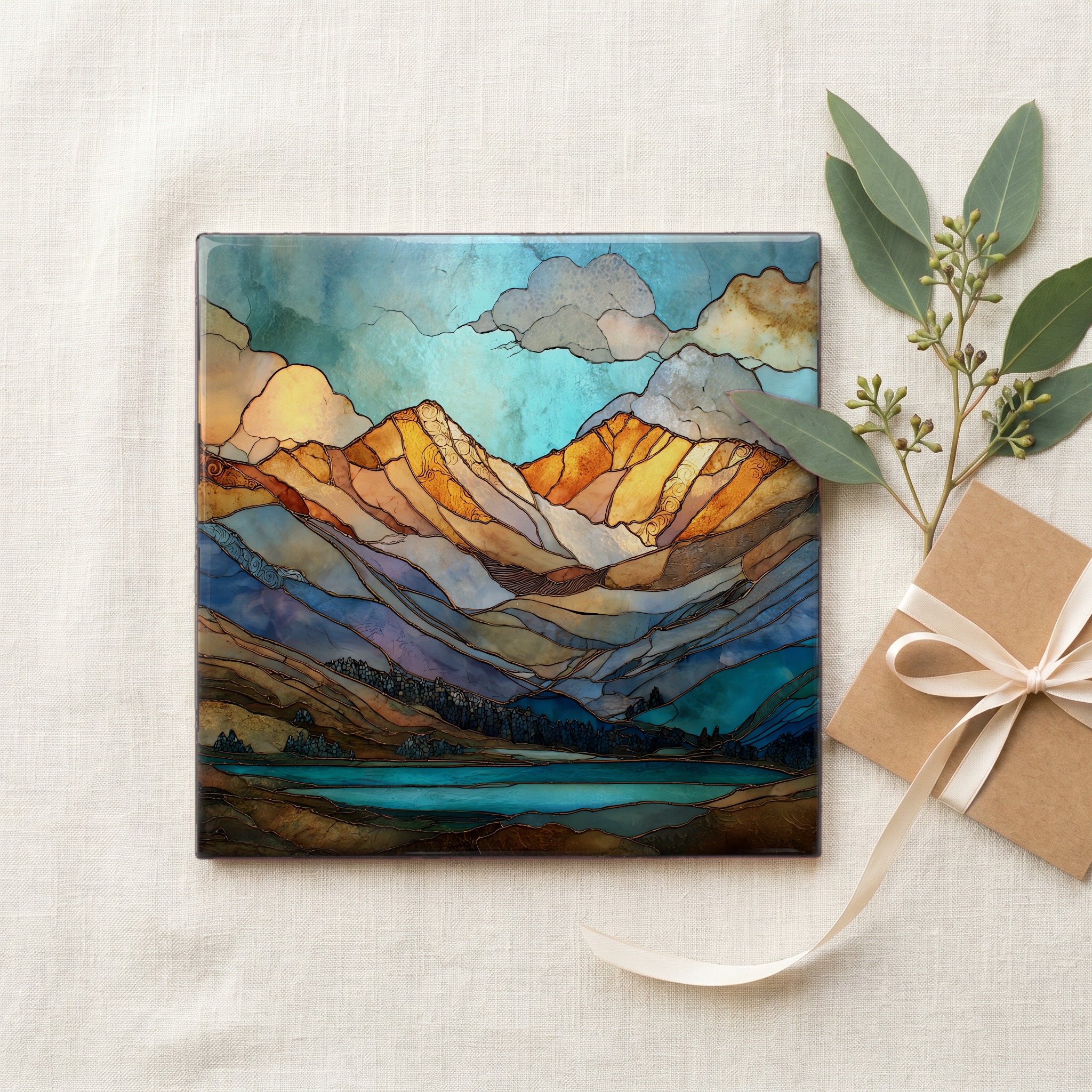
Each tile ships in a kraft box, tied with cream ribbon, with a handwritten note from the studio if you'd like to add one.
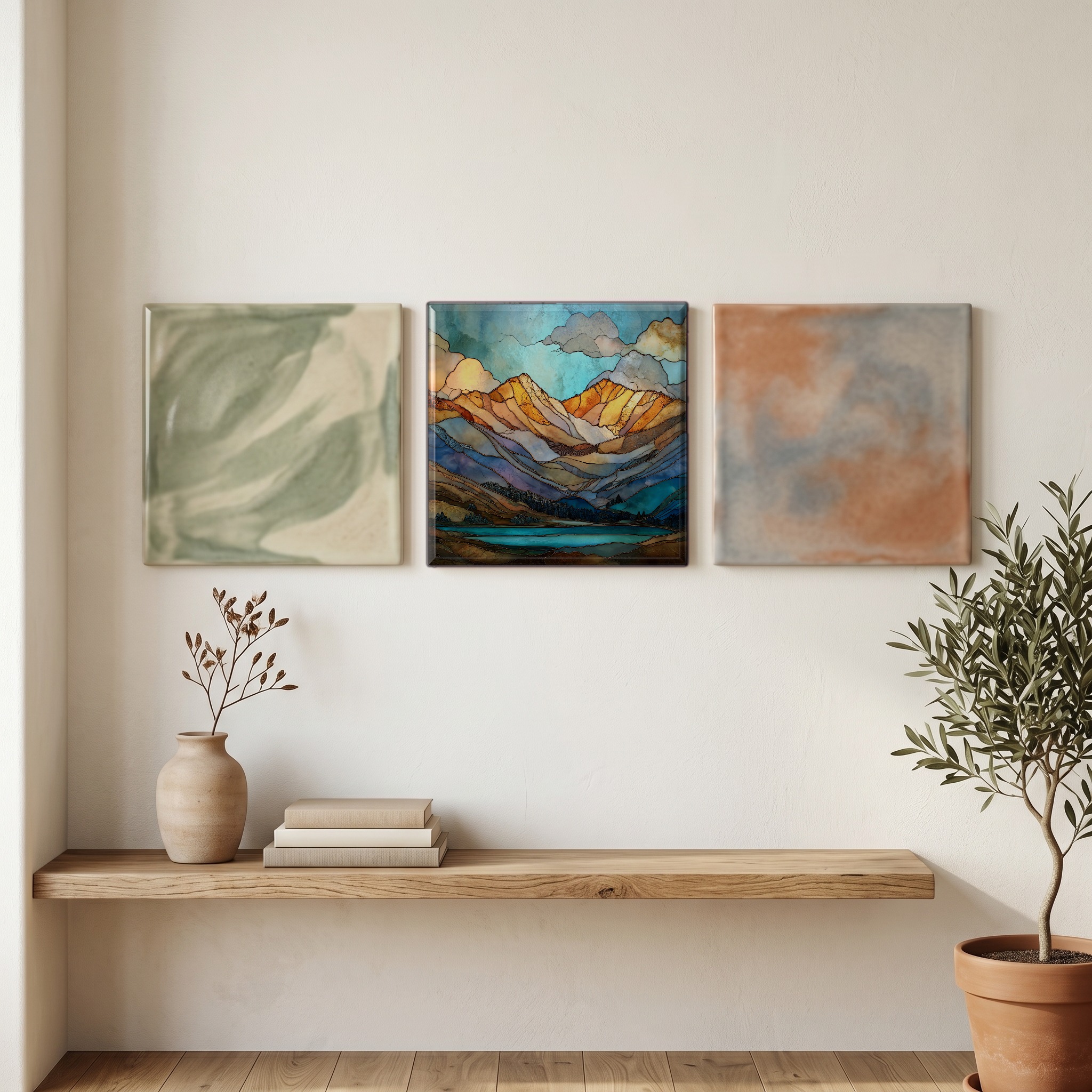
Three or five different vistas, hung together — a chapter of places you've been, or want to go.
The place, in three passes.
The two summits stand on the eastern spine of the Sangre de Cristo Range, the long mountain wall that bounds the San Luis Valley on its east. Crestone Peak rises to 14,294 feet, the seventh-highest summit in Colorado; Crestone Needle, half a mile to the southeast, reaches 14,197 feet. Both lie inside the Sangre de Cristo Wilderness on the boundary between Saguache and Custer counties, jointly managed by the Rio Grande and San Isabel National Forests. The standard climb starts from the east at the South Colony Lakes trailhead above Westcliffe; the longer western approach climbs from the small town of Crestone through Cottonwood or Willow Creek.
What makes the two peaks unusual among Colorado fourteeners is the rock. The summits are carved from the Crestone Conglomerate, a Precambrian formation of rounded quartzite and granite cobbles cemented into a coarse matrix that protrudes from the surrounding stone like inlaid grip. Climbers report the friction holds boots better than most granite. The first recorded ascent of Crestone Peak was by Albert Ellingwood and Eleanor Davis in July 1916, the last of the state's fourteeners to be officially climbed. The traverse between the two summits, a Class 5.2 ridge run, is counted among the four Great Traverses of Colorado.
The Spanish name Sangre de Cristo, the Blood of Christ, was given by early travellers for the deep red the setting sun leaves on the high peaks. The view that gave the range its name is from the San Luis Valley side, where the town of Crestone sits at about 7,900 feet and the peaks rise above it to the east. The quartzite and feldspar in the Crestone Conglomerate catch the long wavelengths of low-angled sun and hold them after the surrounding rock has cooled to grey. The eastern side, above the South Colony Lakes basin at roughly 11,800 feet, catches the same red at dawn. The effect is strongest in late autumn, when the air is thinnest and the sun rides lowest.